

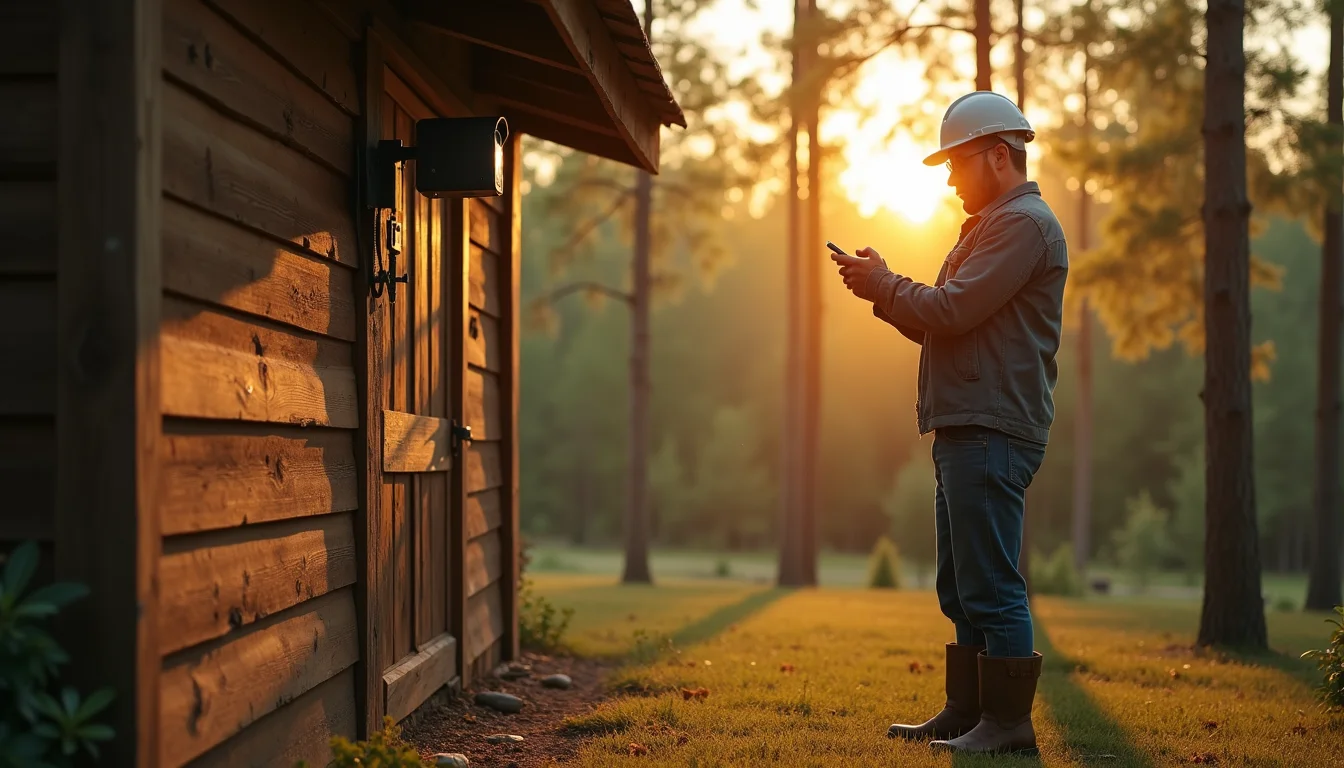
You finally have a place to call your own, but the Wi-Fi signal doesn’t reach the shed or the back forty. Your security camera keeps dropping the connection, leaving you blind when it matters most. That is where a cellular security camera changes everything.
A 4G LTE or 5G security camera works without any home internet. It uses the same mobile network as your cell phone, so you can monitor any spot that has a cellular signal. This means real peace of mind for remote cabins, job sites, and rural homes.
Why a Wireless Security Camera with No Wi-Fi is Your Best Bet
A standalone security camera like the Reolink Go Plus or Arlo Go 2 runs on 4G LTE or even 5G networks. You just insert a SIM card, choose a data plan from carriers like Verizon or T-Mobile, and you are live. These cameras stream 2K to 4K video directly to your phone, with no Wi-Fi router needed.
For off-grid locations, pair your camera with a solar panel and a rechargeable battery. Models like the Eufy 4G LTE Cam S330 include a built-in solar panel, so you never have to climb a ladder to change batteries. The camera’s AI detects people and vehicles, sending instant alerts to your phone. You can talk through the two-way audio and even trigger a siren if an intruder shows up.
Most cellular cameras support cloud storage for about $10 a month or a local microSD card up to 256GB. Data usage is surprisingly low: a 2K camera uses about 300GB per month if it records constantly, but motion-triggered recording cuts that to under 50GB. Always check the coverage map before buying, because a weak signal means buffering and missed events.
| Product | Average Price ($) | Highlight |
| Reolink Go PT Plus | 300 | Pan, tilt, and zoom capabilities for wide area coverage. |
| Blink Outdoor 4 (4G LTE version) | 330 | Long battery life and easy setup, good for general home security. |
| Arlo Go 2 | 350 | Weather-resistant design and cloud storage options. |
| Kami Wire-Free Outdoor Camera | 380 | Features AI detection and local storage via microSD. |
| Wyze Cam Outdoor (4G LTE version) | 400 | Affordable option with good motion detection. |
| Ring Stick Up Cam Solar (4G LTE version) | 420 | Solar-powered for continuous charging, integrates with Ring ecosystem. |
| Google Nest Cam (battery, 4G LTE version) | 450 | Intelligent alerts and seamless integration with Google Home. |
| Lorex Nocturnal 4K (4G LTE version) | 500 | High-resolution 4K video and advanced night vision. |
| Swann Wire-Free 4G Security Camera | 550 | Robust build for harsh environments, reliable remote surveillance. |
| Eufy Security 4G Starlight Camera | 600 | Color night vision and local storage options. |
WHAT REALLY WORKS:
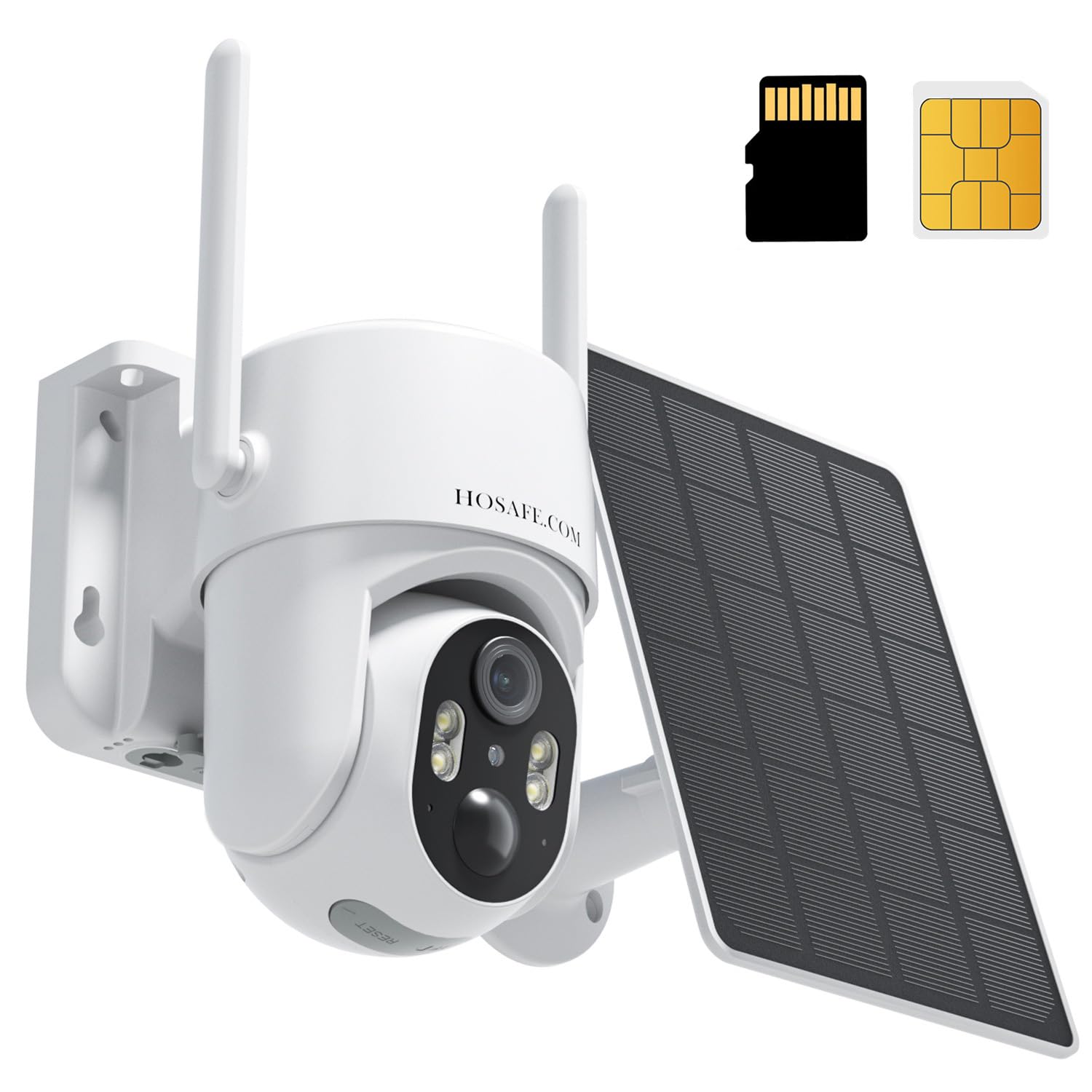
Cellular security cameras use mobile networks like 4G LTE and 5G. This means they work anywhere with a signal, no Wi-Fi needed. They are perfect for places far from internet access. Think construction sites or farms.
These cameras offer flexibility. You can place them almost anywhere. They connect directly to your phone. This gives you real-time monitoring. It’s a big step up from older systems.
4G LTE Security Camera for Remote Monitoring:
When choosing a 4G LTE security camera, check the signal strength in your area. Look for good battery life or solar options for off-grid use. Consider video quality and motion detection features. Make sure it has a reliable mobile app for alerts.
1. Wyze Cam Outdoor (4G LTE version)
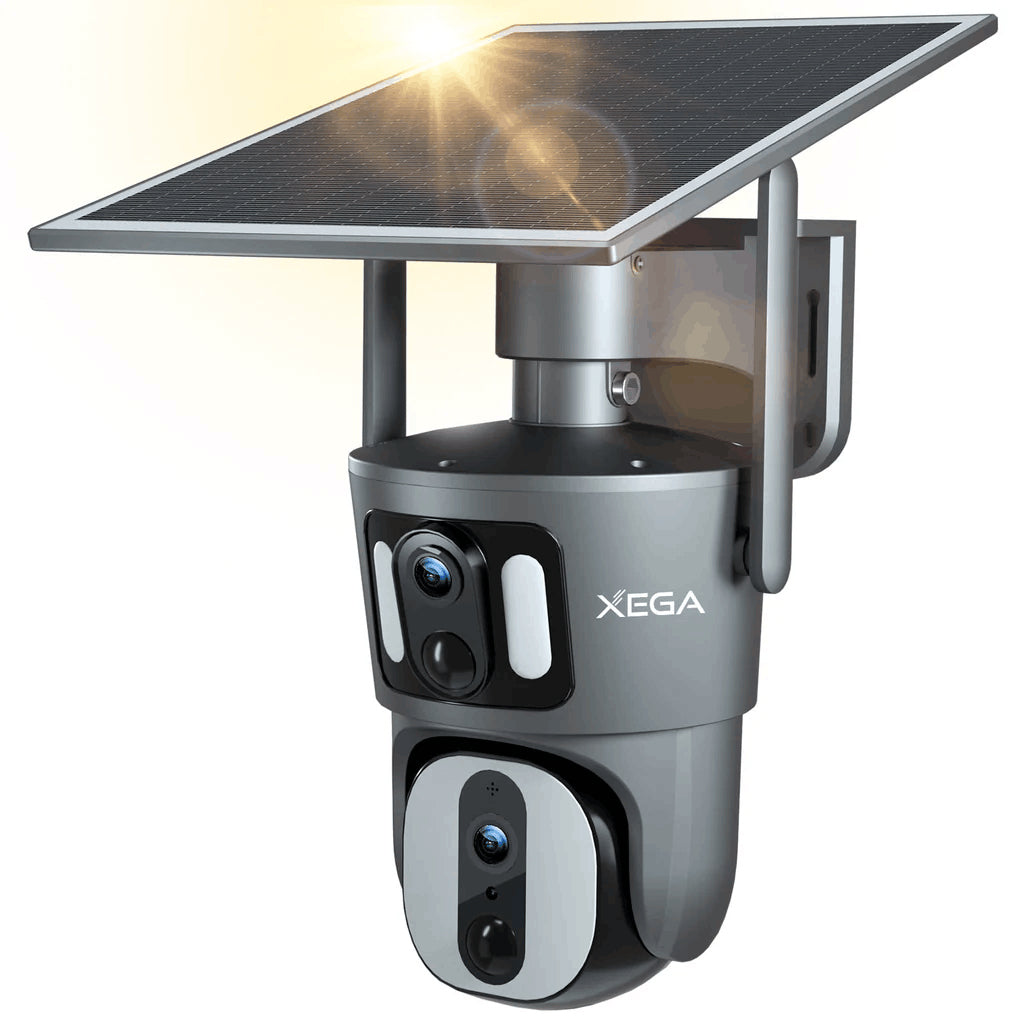
This camera offers good motion detection. It connects via a 4G LTE network. It is an affordable standalone security camera. It provides clear video footage.
Average Price: $400.
Practical Tip: Use this camera for temporary monitoring. It’s great for checking on a specific area.
2. Reolink Go PT Plus
This camera has pan, tilt, and zoom. It uses 4G LTE for connectivity. This allows for wide area coverage. It’s a great remote surveillance camera.
Average Price: $300.
Practical Tip: Mount it high up for the best view. Adjust the pan and tilt remotely.
3. Blink Outdoor 4 (4G LTE version)
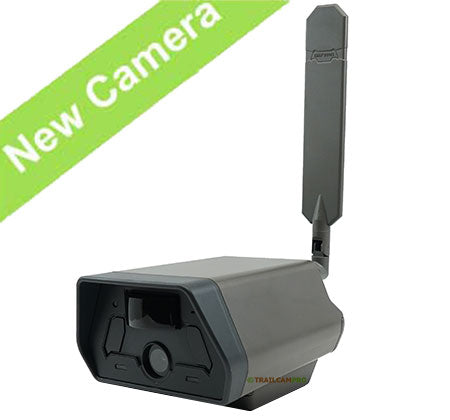
It has a long battery life. Setup is very easy. This is a wireless security camera no Wi-Fi needed. It works well for general home security.
Average Price: $330.
Practical Tip: Keep spare batteries handy. This ensures continuous recording.
4. Arlo Go 2
This camera is built to withstand weather. It offers cloud storage options. It’s a reliable LTE outdoor camera. It provides peace of mind.
Average Price: $350.
Practical Tip: Use the cloud storage for backup. It protects your footage from theft.
5. Kami Wire-Free Outdoor Camera
It features AI detection for accuracy. It supports local storage on a microSD card. This is a good off-grid security camera. It reduces monthly fees.
Average Price: $380.
Practical Tip: Buy a high-capacity microSD card. This allows for longer local recording.
6. Ring Stick Up Cam Solar (4G LTE version)
It is solar-powered for constant charging. It integrates with the Ring system. This mobile data security camera is convenient. It reduces battery worries.
Average Price: $420.
Practical Tip: Ensure the solar panel gets direct sunlight. This maximizes its charging efficiency.
7. Google Nest Cam (battery, 4G LTE version)
It offers intelligent alerts. It connects seamlessly with Google Home. This 5G security camera is smart. It fits into your smart home easily.
Average Price: $450.
Practical Tip: Link it to your Google Assistant. Get voice alerts for events.
8. Lorex Nocturnal 4K (4G LTE version)
This camera records in high 4K resolution. It has advanced night vision. It’s a powerful standalone security camera. It captures every detail.
Average Price: $500.
Practical Tip: Use the 4K footage for evidence. It provides superior clarity.
9. Swann Wire-Free 4G Security Camera
It has a very robust build. It is designed for tough environments. This cellular trail camera is dependable. It offers strong remote surveillance.
Average Price: $550.
Practical Tip: Install it in exposed areas. Its durability offers protection.
10. Eufy Security 4G Starlight Camera
It features color night vision. It offers local storage options. This 4G LTE security camera is versatile. It provides clear images at night.
Average Price: $600.
Practical Tip: Enable color night vision. See details in low light conditions.
WHICH ONE TO BUY TODAY? (VERDICT):
For the best value, consider the Reolink Go PT Plus. It offers advanced features like pan, tilt, and zoom at a lower price. It’s a strong choice for comprehensive monitoring without breaking the bank. This makes it a smart investment for many users.
For the best overall investment, the Google Nest Cam (battery, 4G LTE version) stands out. Its smart alerts and integration are top-notch. It provides a seamless user experience. This camera offers long-term reliability and advanced features.
First Steps After Unboxing: What to Check Immediately
Your cellular security camera is a powerful tool, but setup mistakes can leave you exposed. Follow this checklist to ensure your device is secure and functional from day one.
Inspect for Physical Damage
Examine the camera housing, lens, and ports for cracks, scratches, or loose parts. A damaged unit may leak water or fail to seal properly, leading to internal corrosion.
Charge the Battery Fully
Most cameras ship with a partial charge. Plug it in for at least 6–8 hours before first use to calibrate the battery meter and avoid unexpected shutdowns.
Install a High-Quality microSD Card
Local storage is your backup if the cloud fails. Use a card rated U3 or V30 for reliable 4K video recording. Insert it before powering on the camera.
Update Firmware Immediately
Outdated firmware can have security holes. Connect the camera to a Wi-Fi network temporarily (if supported) or use the app to check for updates over cellular data.
Set Up Strong Authentication
Change the default admin password to a unique, complex one. Enable two-factor authentication (2FA) in the app to lock down account access.
Test Cellular Signal Strength
Place the camera in its final location and check the app for signal bars. Weak signal causes lag and dropped footage. Use an external antenna if needed.
Configure Alert Sensitivity
Adjust AI detection zones to avoid false alarms from trees or animals. Set a schedule for when you want notifications active, like only at night.
Verify Night Vision Performance
Cover the lens or wait until dark to test infrared LEDs. Ensure the image is clear and free of hot spots or shadows that could hide intruders.
Frequently Asked Questions
Can I use a cellular security camera without a data plan?
No, a cellular camera requires an active data plan from a carrier like Verizon, AT&T, or T-Mobile. Without a plan, the camera cannot transmit video or receive commands.
How much data does a cellular camera use per month?
Average usage is 50–200 GB per month for continuous recording at 2K resolution. Motion-triggered recording can reduce that to 10–30 GB, depending on activity.
What happens if the cellular network goes down?
The camera will stop live streaming, but recorded footage remains on the microSD card. Once the network returns, the camera reconnects automatically and uploads any missed clips if cloud storage is enabled.
Choosing a cellular security camera gives you freedom from wires and Wi-Fi, making it a smart investment for remote properties or job sites. With 4G/5G connectivity and AI detection, you get reliable surveillance anywhere.
Now that you know what to look for, compare models based on resolution, battery life, and carrier compatibility. Your next step is to read our side-by-side review of the top five cameras on the market.
Imagine checking your cabin or construction site from your phone, knowing every alert is real and every image is sharp. That peace of mind is within reach with the right device.
