

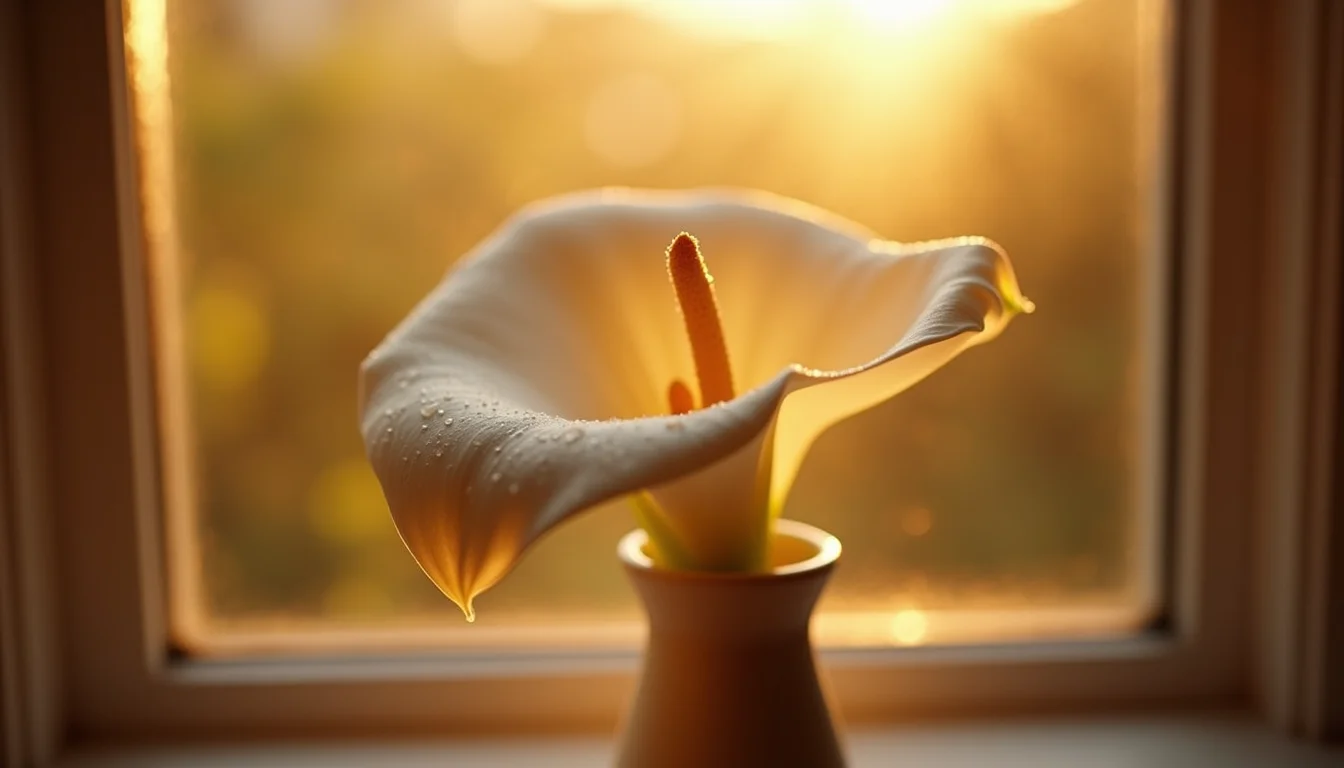
You might think calla lilies are hard to grow, but the truth is they are one of the easiest plants for beginners. These elegant flowers can thrive indoors or outdoors with just a little know-how. Forget the myth that they are only for florists or weddings.
Many people struggle with calla lilies because they don’t understand their dormancy cycle. The secret is simple: treat them like a rest-and-recharge plant. Once you learn their rhythm, you can enjoy their beauty year after year without spending a fortune on new bulbs.
Understanding Calla Lily Meaning and Symbolism by Color
Calla lilies have deep meanings that change with their color. White calla lilies stand for purity and innocence, which is why they are so popular for weddings and Easter. Purple ones mean passion and royalty, while yellow brings gratitude and joy.
Pink calla lilies show admiration, and the deep maroon or black varieties represent mystery and elegance. Because they grow back from rhizomes, they also symbolize rebirth and resurrection. This makes them a fitting choice for both funerals and spring celebrations.
Knowing the symbolism helps you choose the right color for any occasion. Whether you are gifting a plant or decorating your home, the meaning adds a personal touch. Plus, it’s a great conversation starter when guests admire your blooms.
Calla Lilies in 2026: Enduring Beauty and Symbolism
The Calla Lily, scientifically known as Zantedeschia spp., continues to captivate with its elegant, trumpet-shaped blooms. Native to South Africa, this plant is not a true lily but a member of the arum family. Its name, from the Greek word for ‘beauty,’ perfectly describes its appeal. In 2026, calla lilies are still a top choice for floral arrangements and garden design. They bring sophistication to any setting.
| Common Name | Scientific Name | Origin | Bloom Shape |
| Calla Lily | Zantedeschia spp. | South Africa | Trumpet-shaped |
Calla Lily Meaning and Symbolism
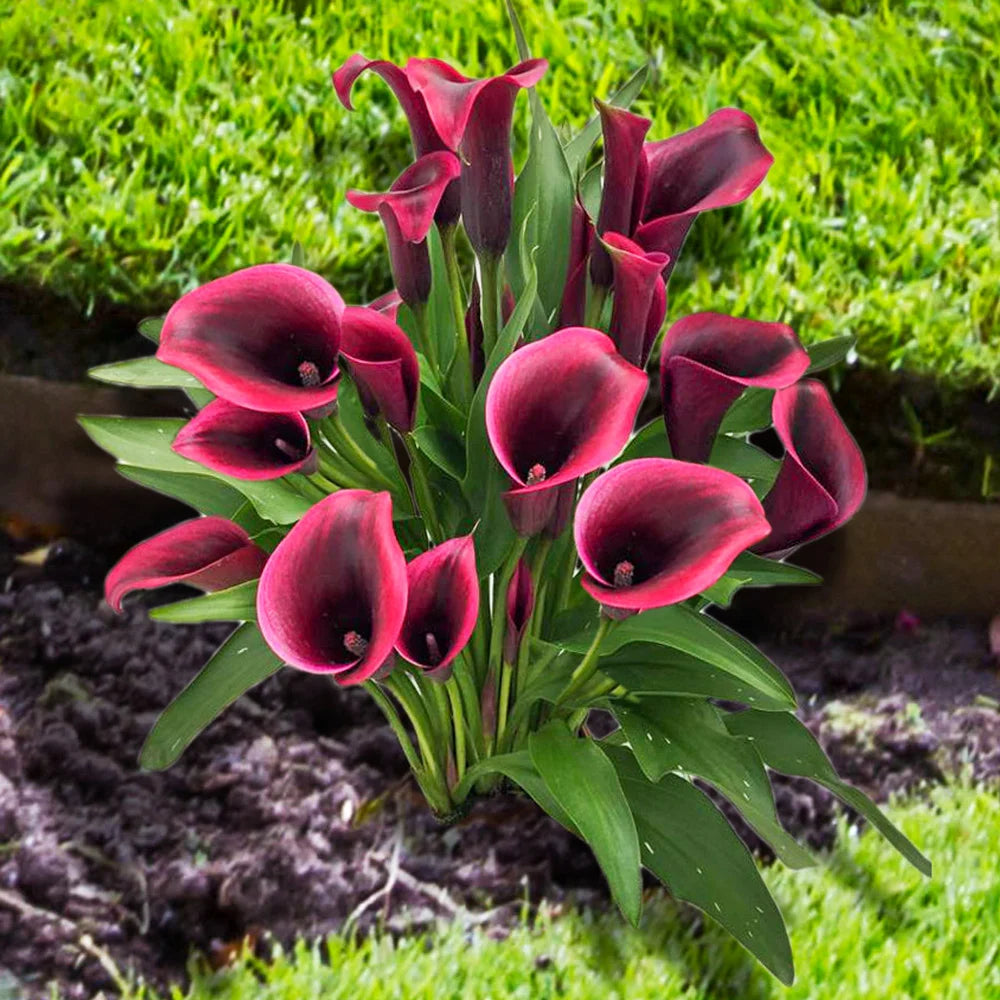
The calla lily meaning is rich and varied, often tied to its stunning colors. White calla lilies represent purity and innocence, making them a wedding favorite. Deep maroon, sometimes called black, signifies elegance and mystery. Yellow varieties convey joy and gratitude, while pink blooms express admiration. Purple calla lilies are symbols of royalty and passion. Their ability to regrow from rhizomes also makes them a potent symbol of rebirth.
The symbolism of the calla lily has deep roots, connecting to both life celebrations and solemn remembrances.
How to Grow Calla Lilies Outdoors
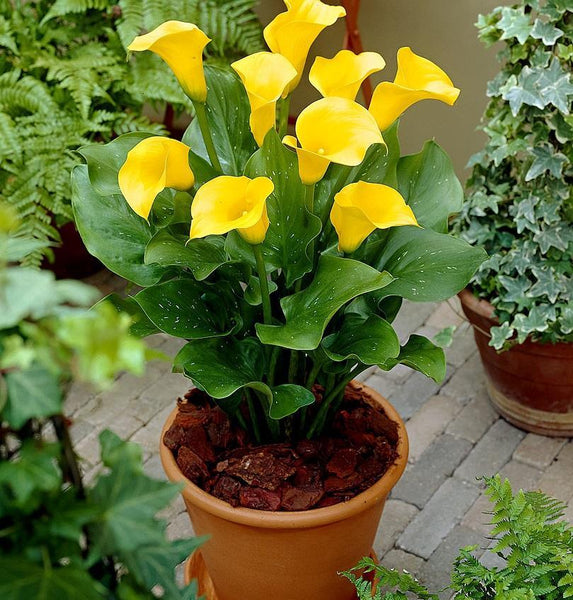
Growing calla lilies outdoors is rewarding, but requires attention to their needs. They prefer full sun but need protection from intense afternoon heat. This means providing afternoon shade in hotter climates to prevent leaf scorch. Planting them in rich, well-draining soil is crucial. They thrive with consistent moisture, so consider areas near water features. Proper soil and sun exposure are key for healthy growth.
For gardeners in USDA zones colder than 8, calla lilies are often grown as annuals. Alternatively, you can dig up the rhizomes before the first frost. This allows you to save them for replanting the following spring. This overwintering process is vital for their survival in cooler regions.
Calla Lily Care Tips for Beginners
Starting with calla lilies is manageable with basic care knowledge. Ensure they receive adequate sunlight, but shield them from harsh midday sun. Keep the soil consistently moist but avoid waterlogged conditions to prevent root rot. Use a balanced fertilizer during the growing season to support bloom production. With these simple steps, beginners can enjoy their beautiful flowers.
Regularly check for common pests like aphids or slugs. Prompt treatment will keep your plants healthy. Remove spent blooms to encourage more flowers. This simple deadheading practice enhances the plant’s overall appearance and vigor.
Popular Calla Lily Varieties
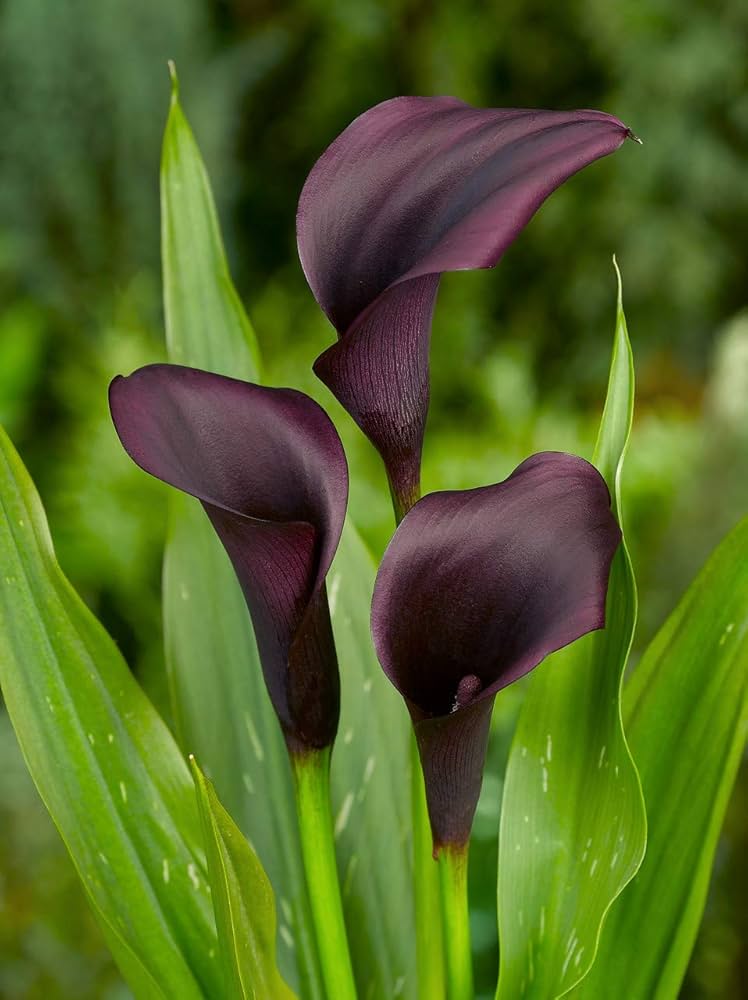
The world of calla lilies offers diverse options for every taste. The classic Zantedeschia aethiopica is known for its large, pure white flowers and robust nature. ‘Picasso’ offers a striking bicolor effect with white petals tipped in purple. ‘Red Alert’ boasts vibrant orange-red blooms that command attention. For those seeking unique foliage, ‘Frozen Queen’ features variegated leaves alongside its colorful flowers.
Each cultivar brings a distinct charm to gardens and arrangements. Exploring these calla lily varieties allows for personalized design choices. Consider the mature size and color palette when selecting for your space.
Overwintering Calla Lily Rhizomes
Successfully overwintering calla lily rhizomes is essential in colder climates. Once the foliage starts to yellow and die back in the fall, it’s time to act. Carefully dig up the rhizomes, ensuring not to damage them. Clean off any excess soil gently.
Store the rhizomes in a cool, dry place, like a paper bag filled with peat moss or vermiculite. Check them periodically for any signs of rot or drying out. Proper calla lily dormancy preparation ensures they will sprout vigorously next spring.
Calla Lily Toxicity: What to Know
It is important to be aware of the calla lily toxicity. All parts of the plant contain calcium oxalate crystals. These can cause irritation if ingested by humans or pets. The sap can also irritate the skin and eyes upon contact.
Always wear gloves when handling the plant, especially when dividing rhizomes or cleaning up fallen leaves. Keep calla lilies out of reach of children and pets. This precaution ensures a safe environment for everyone in your home.
Indoor Calla Lily Potting Guide
Growing calla lilies indoors is a great way to enjoy their beauty year-round. Choose a pot with good drainage holes. Use a high-quality potting mix that retains moisture but also drains well. Plant the rhizomes about 4-6 inches deep with the growing points facing upwards.
Place the pot in a location that receives bright, indirect light. Consistent watering is key, but avoid letting the soil become soggy. Indoor calla lily potting requires attention to light and moisture balance for best results. Feed with a balanced liquid fertilizer every 4-6 weeks during the growing season.
Calla Lily Watering and Soil Needs
Calla lilies require consistent moisture, especially during their active growing season. The soil should feel like a damp sponge, not waterlogged. Overwatering is a common mistake that leads to root rot. Ensure pots have drainage holes and avoid letting them sit in standing water.
They prefer rich, well-draining soil. Amending garden beds with compost improves soil structure and fertility. For potted plants, a mix designed for houseplants that includes perlite or sand works well. Meeting these calla lily soil requirements promotes healthy root development and vigorous growth.
The Future of Calla Lilies: Continued Popularity
Calla lilies will undoubtedly remain a beloved choice in floral design and home gardening. Their elegant form and symbolic depth resonate across generations. Advances in horticultural techniques in 2026 offer more resilient varieties and easier care options. Whether in the garden or as a houseplant, the calla lily offers timeless beauty. For stunning blooms and meaningful symbolism, the calla lily is an excellent selection. Consider exploring different colors and cultivars to find your perfect match. For more on growing these beauties, visit Proven Winners. To understand their diverse meanings, check out Overnight Flowers.
Your 3-Step Calla Lily Action Plan
Step 1: Pick the Right Spot
Choose a location with full morning sun and afternoon shade. This prevents leaf burn while encouraging strong blooms.
Step 2: Plant with Care
Bury rhizomes 2-4 inches deep in rich, well-draining soil. Space them 12-18 inches apart to allow airflow.
Step 3: Water and Feed Consistently
Keep soil evenly moist but never soggy. Apply a balanced liquid fertilizer every two weeks during the growing season.
What to Avoid
- Overwatering: causes root rot; let the top inch dry out between waterings.
- Cold drafts: avoid planting near air conditioners or drafty windows.
- Neglecting dormancy: after blooming, reduce water and let foliage yellow naturally.
Frequently Asked Questions
Can I grow calla lilies indoors?
Yes, they thrive as houseplants in bright indirect light. Use a pot with drainage holes and keep the soil moist but not waterlogged.
Why are my calla lily leaves turning yellow?
Yellow leaves often signal overwatering or the natural end-of-season dormancy. Check soil moisture and reduce watering if it feels wet.
Are calla lilies safe for pets?
No, all parts are toxic to cats and dogs if ingested. Keep plants out of reach and wash hands after handling.
The calla lily remains a timeless choice for both garden and home, offering elegance with minimal effort. Its adaptability and rich symbolism make it a worthwhile addition to any space.
Now that you know the essentials, start planning your planting spot or choose a container for indoor display. Your first bloom will reward your careful attention.
As trends evolve, the calla lily’s clean lines and vibrant colors continue to inspire modern arrangements. Imagine a cluster of deep purple callas in a sleek ceramic vase—pure sophistication.
