

When you hear ‘bottle tree,’ you might picture a whimsical garden decoration. But did you know there’s also a living tree that stores water in its trunk? The confusion between these two is common, and it’s time to clear things up.
Whether you want a drought-tolerant plant or a folk art piece for your yard, understanding the difference is key. Let’s explore both the botanical bottle tree and the decorative glass bottle tree so you can choose the right one for your space.
What Is a Bottle Tree? The Two Meanings Explained
The term ‘bottle tree’ refers to two very different things. One is a living plant with a swollen trunk that holds water, like the Queensland Bottle Tree (Brachychiton rupestris) from Australia. The other is a folk art tradition where glass bottles are placed on branches to catch evil spirits.
Living bottle trees are succulents adapted to dry climates. Their thick trunks can store hundreds of gallons of water, helping them survive long droughts. They thrive in USDA zones 9 to 12 and need full sun and well-draining soil. Fertilize just once a year, if at all.
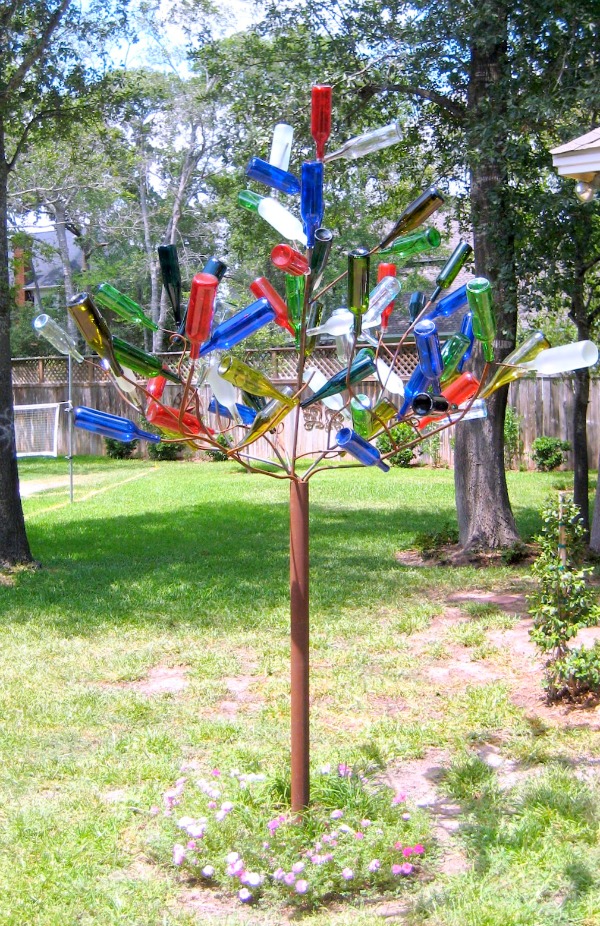
Decorative bottle trees have roots in 9th-century Africa. Enslaved people brought the practice to the American South, where blue bottles were hung on trees to trap spirits. Today, many use metal bottle tree stands to avoid damaging live trees. You can arrange bottles by color for seasonal looks or personal style.
Bottle Trees: From Living Wonders to Garden Art in 2026
Bottle trees offer a unique blend of natural wonder and artistic expression. In 2026, these fascinating plants and decorative pieces continue to capture attention. They range from actual trees with water-storing trunks to vibrant garden art inspired by tradition.
| Category | Description | Key Feature |
| Botanical | Succulent plants with swollen trunks | Water storage for arid survival |
| Artistic | Garden sculptures using bottles | Southern folk art tradition |
Queensland Bottle Tree: Drought-Tolerant Beauty
The Queensland Bottle Tree, or Brachychiton rupestris, is a striking botanical specimen. Its swollen trunk stores water, allowing it to thrive in dry conditions. This Australian native can grow to impressive sizes, making a bold statement in any landscape.
Bottle Palm: A Compact Water-Storing Plant

The Bottle Palm, scientifically known as Hyophorbe lagenicaulis, is another excellent example of a water-storing plant. Native to Mauritius, its distinctively shaped trunk resembles a bottle. It is a popular choice for warmer climates and adds a tropical flair to gardens.
Baobab Tree: The Iconic African Bottle Tree
Baobab trees are perhaps the most famous bottle trees, recognized globally for their massive, water-retentive trunks. These ancient giants are symbols of resilience and longevity. They are native to Africa and Madagascar, playing a vital role in their ecosystems.
Brachychiton rupestris: Care and Growth Tips
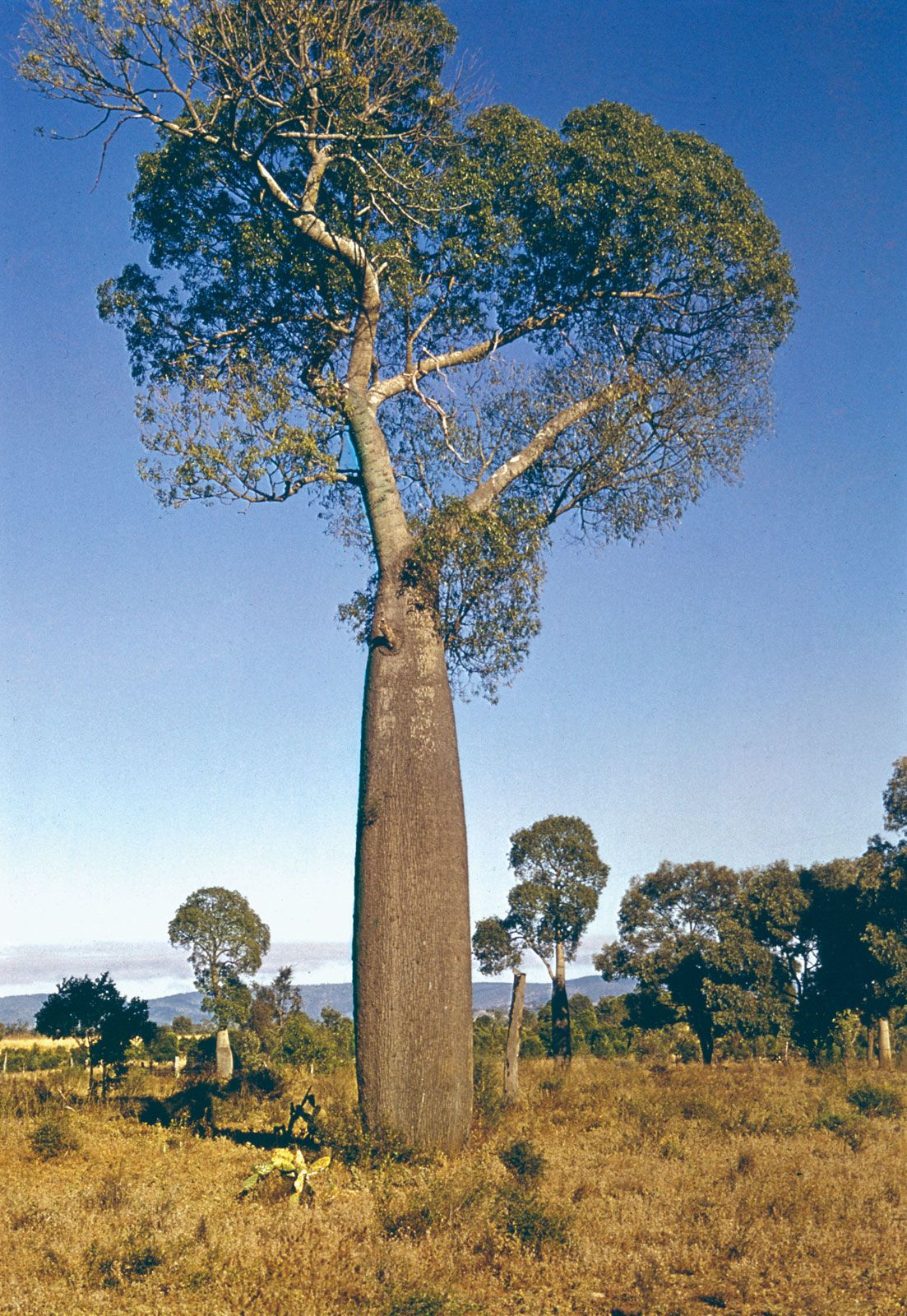
Caring for a Brachychiton rupestris is straightforward, especially in suitable climates. These trees prefer full sun and require well-draining soil to prevent root rot. Minimal fertilization is needed, often just once a year, aligning with their low-maintenance nature.
Folk Magic Bottle Tree: Southern Garden Art
The decorative bottle tree has deep roots in Southern garden art and African traditions. Historically, placing glass bottles on branches was believed to trap evil spirits. This practice aimed to protect the home, with the morning sun destroying the captured spirits. Learn more about its history here.
Glass Bottle Art: Creating a Metal Garden Tree
Modern interpretations of the bottle tree often involve durable metal stands. These allow for creative displays without harming living plants. You can find various metal bottle tree options online, like this one from Evergreen here. They offer a long-lasting way to incorporate vibrant color into your garden.
Hyophorbe lagenicaulis: The Bottle Palm in Landscapes
Incorporating the Hyophorbe lagenicaulis into your landscape provides a touch of the exotic. This plant thrives in USDA zones 9-12. Its unique form makes it a conversation piece, adding architectural interest to patios and gardens.
Adansonia: The Majestic Baobab in Your Garden
While true Baobab trees are large, dwarf varieties or careful pruning can make them manageable for some gardens. Their impressive stature and unique appearance are unmatched. They are a testament to nature’s ability to adapt and store resources efficiently.
The Enduring Appeal of Bottle Trees
Whether you are drawn to the horticultural marvel of a living bottle tree or the artistic charm of a decorative garden piece, these elements offer distinct benefits. Botanical bottle trees, like the Queensland Bottle Tree and Bottle Palm, are low-maintenance and drought-tolerant, ideal for water-wise gardening. Decorative bottle trees provide a splash of color and a connection to historical traditions, enhancing any outdoor space.
Your Bottle Tree Action Plan
Decide if you want a living tree or a decorative art piece. Your choice determines care, cost, and visual impact.
Step 1: Choose Your Type
- Living bottle tree: Requires full sun, well-draining soil, and warm climate (zones 9-12). Expect slow growth and minimal maintenance.
- Decorative bottle tree: Needs a metal stand or sturdy deadwood. Collect glass bottles in colors you love. No watering required.
Step 2: Source Materials
- Living tree: Purchase from a specialty nursery. Expect to pay $50-$200 for a young specimen.
- Decorative stand: Buy online ($40-$120) or DIY with metal rods. Gather bottles from recycling or thrift stores.
Step 3: Install and Enjoy
- Living tree: Plant in a hole twice the width of the root ball. Water deeply once a week for the first year.
- Decorative tree: Assemble stand, slide bottles onto branches. Arrange colors for maximum visual impact.
Common Mistake to Avoid
Do not use living branches for decorative bottles. The weight and wire can damage the tree. Always use a dedicated stand or deadwood.
Frequently Asked Questions
Can I grow a living bottle tree indoors?
No, these trees need full outdoor sun and warm temperatures. Indoors they will become weak and leggy.
How many bottles do I need for a decorative tree?
A typical stand holds 12 to 20 bottles. Start with an odd number for better visual balance.
Do bottle trees really trap spirits?
That is an old folk belief from African traditions. Today, they are mostly used as colorful garden art.
Whether you choose a living bottle tree or a decorative one, you are adding a unique focal point to your landscape. Both options are low-maintenance and long-lasting.
Start by visiting a local nursery or browsing online for bottle tree stands. Your yard will thank you for this bold and personal touch.
Imagine the glow of sunlight through colored glass or the sculptural silhouette of a swollen trunk. Your garden can be a gallery of natural and crafted beauty.
