

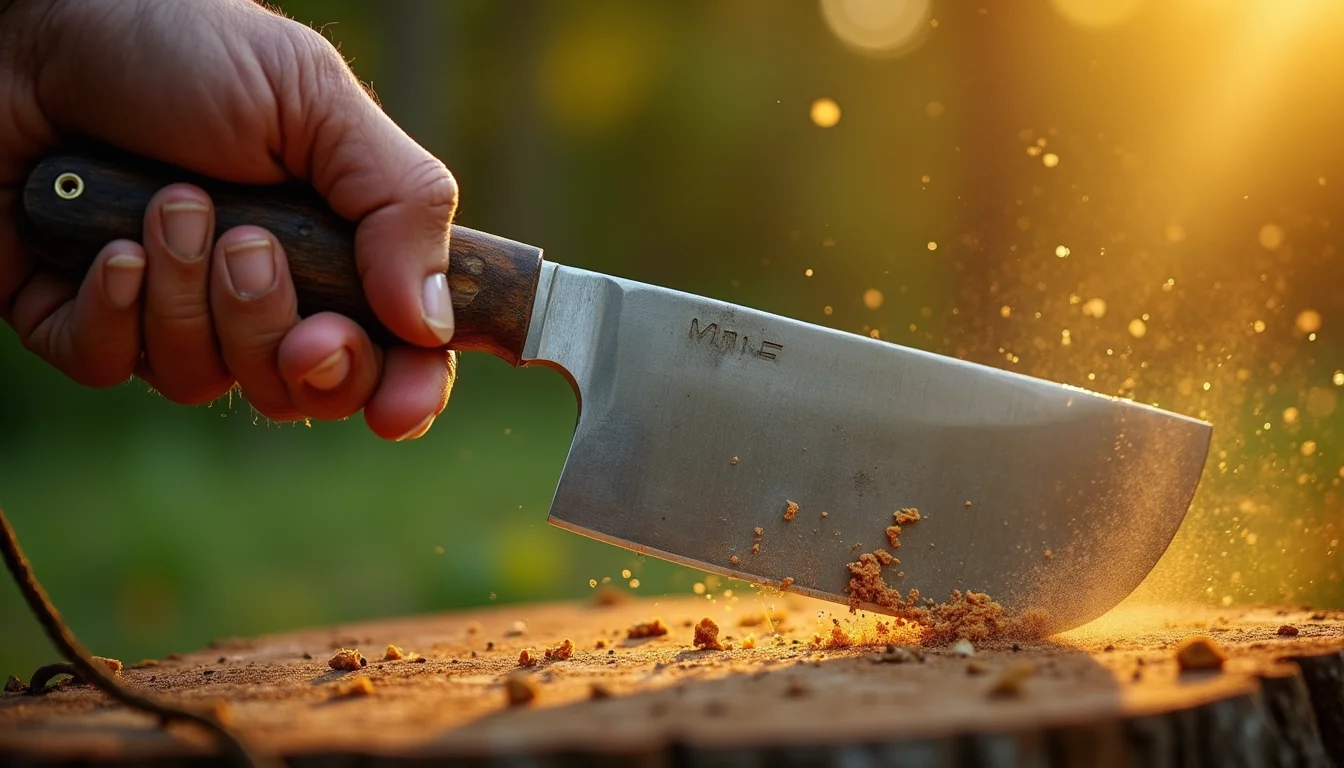
Think a bolo knife is just a big blade for hacking weeds? You might be missing its real story. This tool has served farmers, soldiers, and martial artists for centuries, and it’s still a top choice for survival and outdoor work.
The bolo knife is not a machete, though people often confuse them. Its blade widens near the tip, shifting weight forward for powerful, controlled chops. That design makes it a beast for clearing brush or preparing food in the wild.
Why the bolo knife stands out from other blades
The bolo’s unique shape comes from the Philippines, where farmers used it to harvest crops like rice and sugarcane. The forward-heavy blade gives you more momentum with less effort, so you can swing all day without tiring out. That same design made it a natural weapon, and the US military adopted versions like the Model 1910 and 1917 for brush clearing and combat.
Today, modern bolos use high-carbon steel like 1055, full-tang construction, and ergonomic grips such as Cold Steel’s ‘Gator Grip.’ Blade lengths run from 14 to 18 inches, balancing chopping power with control. Whether you need a historical replica for display or a tough survival tool, the bolo delivers real utility that a standard machete can’t match.
The Mighty Bolo Knife: A Tool of History and Survival
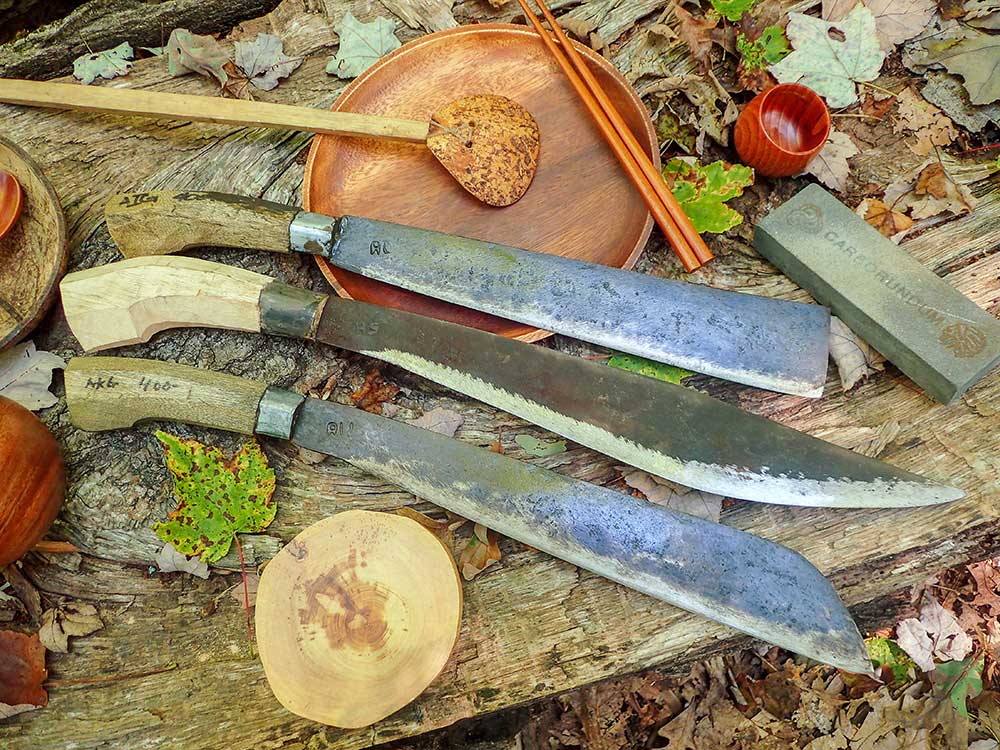
The bolo knife is more than just a blade; it’s a piece of history forged for hard work and resilience. Its distinctive design, with a blade that widens and curves toward the tip, gives it incredible chopping power. This isn’t just for show; it shifts the weight forward, making it perfect for heavy tasks.
From Filipino farmers harvesting sugarcane to soldiers clearing brush, the bolo has proven its worth for over a century. Its legacy is deeply tied to both utility and a fighting spirit, making it a tool respected across many disciplines. Understanding its origins helps appreciate its modern applications.
| Feature | Description |
|---|---|
| Origin | Philippines |
| Blade Design | Widening, curved tip for chopping momentum |
| Historical Use | Agriculture, jungle clearing, combat |
| US Military Adoption | Model 1910, 1917 for brush clearing and combat |
| Modern Use | Survival, outdoor activities, martial arts training |
| Blade Material | Often 1050 or 1055 high-carbon steel |
| Construction | Typically full-tang for durability |
| Blade Length | 14 to 18 inches common |
Historical Replica Bolo Knife
For collectors and enthusiasts, the historical replica bolo knife offers a tangible connection to the past. These reproductions meticulously recreate the designs and materials used by soldiers and farmers generations ago. They often feature robust carbon steel blades and traditional handle materials, providing an authentic feel and performance.
Owning a replica means holding a piece of history, often inspired by iconic models like the US Military bolo knife. They serve as excellent display pieces and can still perform many of the tasks they were originally designed for, albeit with modern safety considerations.
Modern Bolo Machete for Clearing
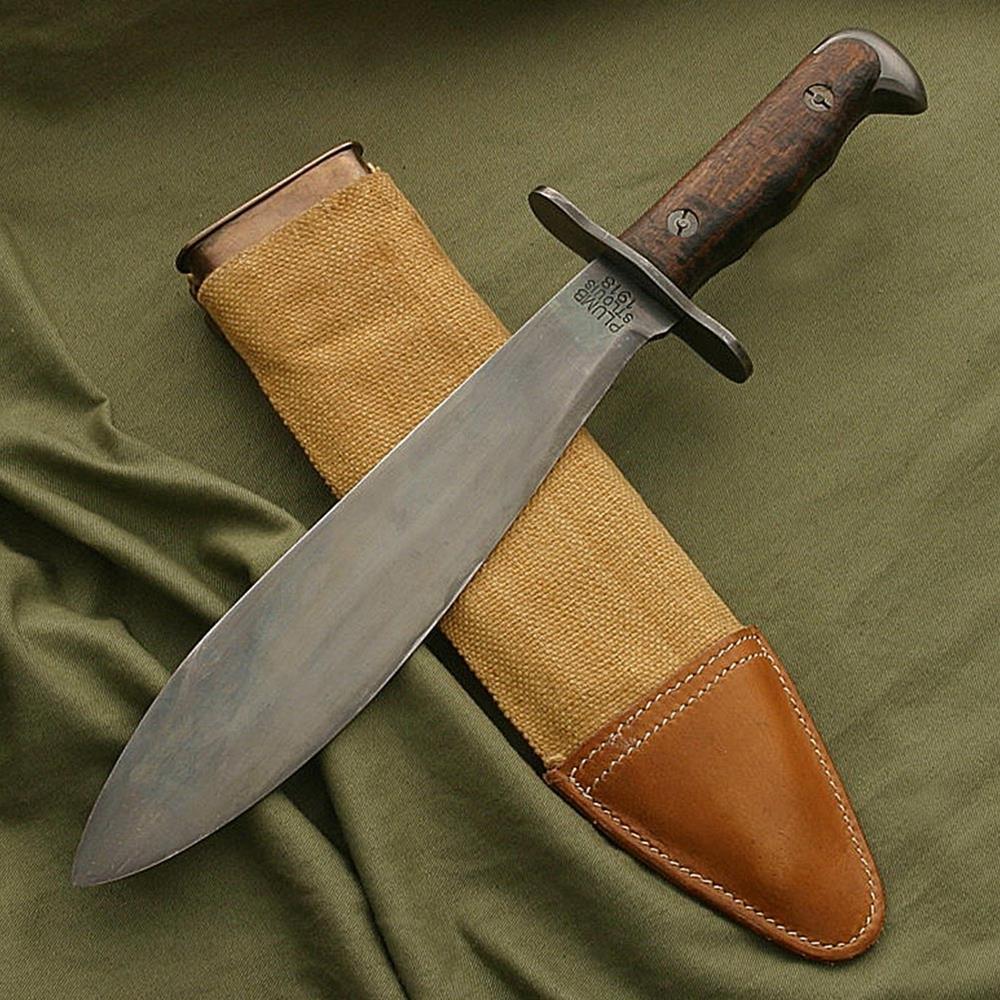
In today’s world, the modern bolo machete excels at clearing overgrown areas. Its forward-weighted blade makes quick work of thick vegetation, vines, and small branches. This makes it an indispensable tool for property maintenance, trail clearing, and preparing campsites.
The efficiency of a modern bolo machete for clearing tasks is unmatched due to its design prioritizing momentum and cutting power.
The ergonomic handles on many modern versions, like the ‘Gator Grip,’ ensure a secure and comfortable hold, even during extended use. This focus on user comfort is crucial for preventing fatigue and accidents when tackling demanding outdoor jobs.
Filipino Bolo Knife in Arnis Training
The Filipino bolo knife remains a cornerstone in martial arts training, particularly in styles like Arnis and Eskrima. These arts emphasize fluid movements and practical self-defense, and the bolo is a primary training implement.
Training with a bolo develops crucial skills such as proper grip, blade control, and understanding of angles. It teaches the user to respect the power of the tool and to wield it with precision and intent, fostering discipline and physical coordination.
US Military Bolo Knife in WWI
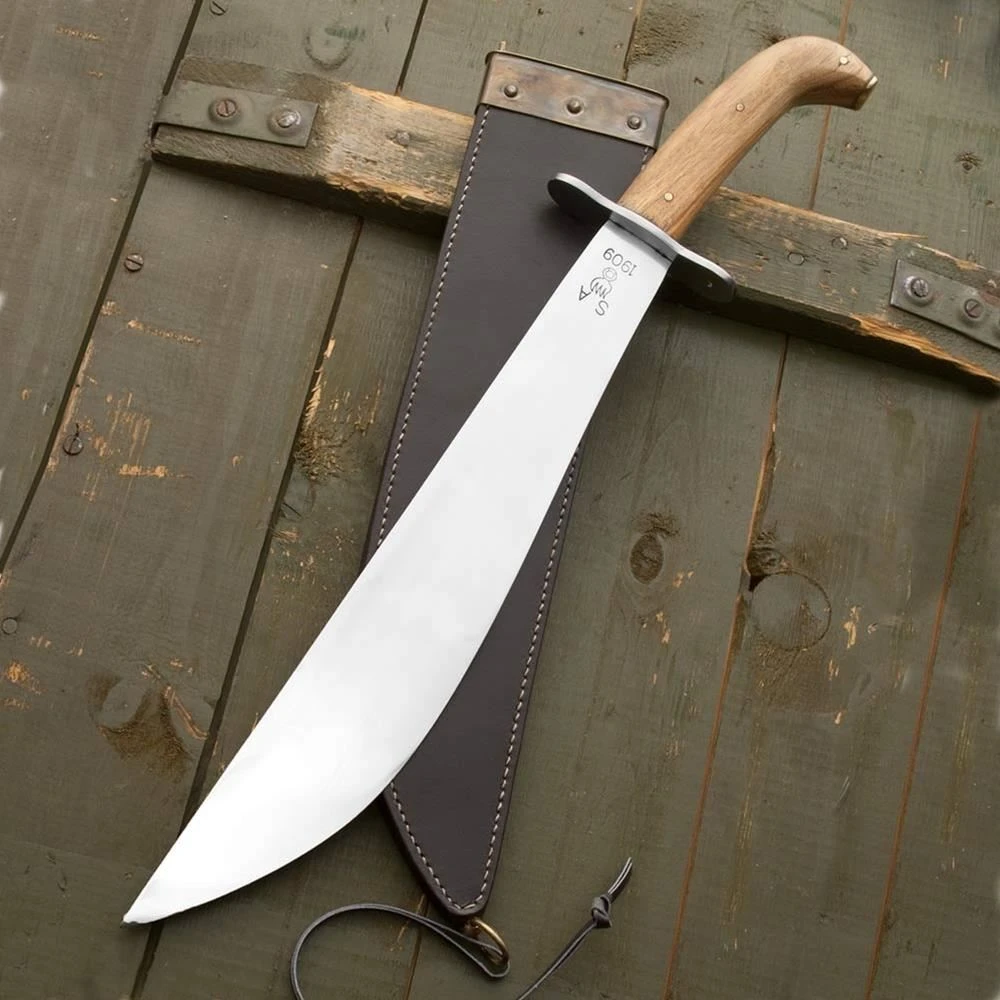
The US Military bolo knife saw significant use, especially during the early 20th century. Models like the 1917 were adopted for their effectiveness in clearing dense foliage in tropical environments and for close-quarters combat situations.
These knives became legendary, with stories of soldiers like Henry Johnson using them to great effect in WWI. The robust construction and formidable chopping ability made the US Military bolo knife a reliable companion in challenging theaters of operation.
Survival Bolo Knife for Bushcraft
For the modern outdoorsman, a survival bolo knife is an essential piece of gear. Its versatility makes it ideal for a wide range of bushcraft activities, from building shelters and processing firewood to preparing food.
A full-tang construction is critical for a survival bolo, ensuring the blade can withstand heavy prying and chopping without failing. The ability to perform multiple tasks with a single tool significantly enhances self-reliance in wilderness settings.
Agricultural Bolo Knife for Harvesting
Historically, the agricultural bolo knife was vital for Filipino farmers. It was used for harvesting crops like rice and sugarcane, and for clearing fields of stubborn vegetation.
Its powerful chopping action and durable design made it perfectly suited for the demanding work of farming in tropical climates. The bolo knife was, and in some areas still is, an indispensable tool for agricultural productivity.
Combat Bolo Knife in Eskrima
While its roots are in utility, the bolo knife also has a significant history as a combat bolo knife. In Filipino martial arts like Eskrima, it is trained as a formidable weapon for both offense and defense.
The forward weight and broad blade allow for devastating slashes and powerful thrusts. Understanding its combat applications requires rigorous training to wield its potential safely and effectively.
Choosing the Right Bolo Knife
Selecting the correct bolo knife depends on your intended use. For heavy chopping and survival, look for a full-tang construction and high-carbon steel like 1050 or 1055. For martial arts training, a balanced replica might be more appropriate.
Consider the blade length, typically between 14 and 18 inches, and the handle material for grip and comfort. Always prioritize safety and understand the legal restrictions in your area regarding large knives.
Impact and Verdict for 2026
In 2026, the bolo knife continues its evolution, bridging the gap between historical artifact and modern tool. Its enduring appeal lies in its raw effectiveness and deep cultural significance. We see a growing appreciation for its utility in survival and outdoor pursuits, alongside its continued role in martial arts.
The future for the bolo knife is bright, with manufacturers innovating on materials and ergonomics while respecting its traditional form. It remains a powerful symbol of resilience and a practical instrument for those who value capability and history in their tools.
Your Bolo Knife Action Plan
Step 1: Choose Your Purpose
Decide if you need a bolo for heavy brush clearing or for historical collection. A modern 18-inch 1055 carbon steel blade is best for outdoor work.
For display, seek a faithful reproduction of the 1917 model with a wood handle and authentic patina.
Step 2: Inspect the Tang and Edge
Always verify the knife is full-tang for durability during heavy use. The edge should be sharp but not brittle; a 20-degree bevel is ideal for chopping.
Look for a distal taper that reduces weight near the tip for better balance.
Step 3: Practice Safe Handling
Learn the basic Filipino martial arts grip to maximize control and power. Never use a bolo for prying; it is designed for slicing and chopping only.
Oil the blade regularly with mineral oil to prevent rust, especially if you live in a humid climate.
Frequently Asked Questions
Can I use a bolo knife for self-defense?
Yes, its history includes combat use, but modern legal restrictions vary by state. Check local laws before carrying.
Training in Arnis or Eskrima is essential for effective and safe use.
What is the best steel for a bolo knife?
High-carbon steels like 1050 or 1055 offer a good balance of edge retention and ease of sharpening.
Stainless steel versions are less common and may not hold an edge as well under heavy chopping.
How do I maintain the wooden handle?
Apply boiled linseed oil or tung oil every few months to prevent drying and cracking.
Avoid leaving the knife in direct sunlight or extreme moisture for long periods.
The bolo knife is a time-tested tool that combines agricultural heritage with combat effectiveness. Choosing a quality blade means investing in a piece of history that still performs today.
Now that you know the basics, explore specific models like the 1917 reproduction or a modern survival bolo. Your next step is to handle one in person to feel the balance.
Imagine the bolo evolving with new materials like micarta handles and D2 steel for the modern outdoorsman. The future of this classic tool is as sharp as its past.
