

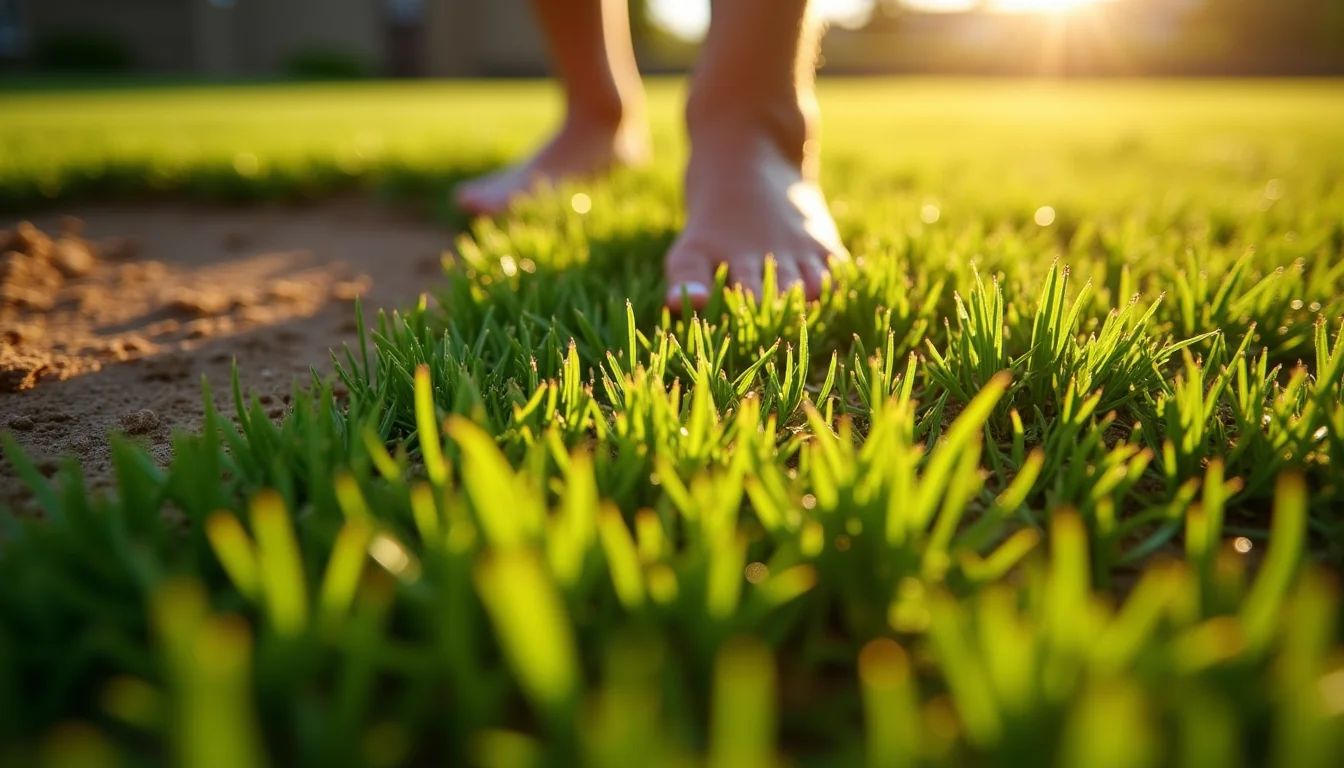
If your lawn is more dirt than grass and you live in the South, you might think nothing will grow there. That is where Bermuda grass comes in as a tough, sun-loving solution that fills in bare spots fast.
This warm-season grass is known for taking over yards, but it also needs the right care to look good. It goes brown in winter, which surprises many homeowners, but that is normal dormancy.
What Makes Bermuda Grass a Top Choice for Southern Lawns?
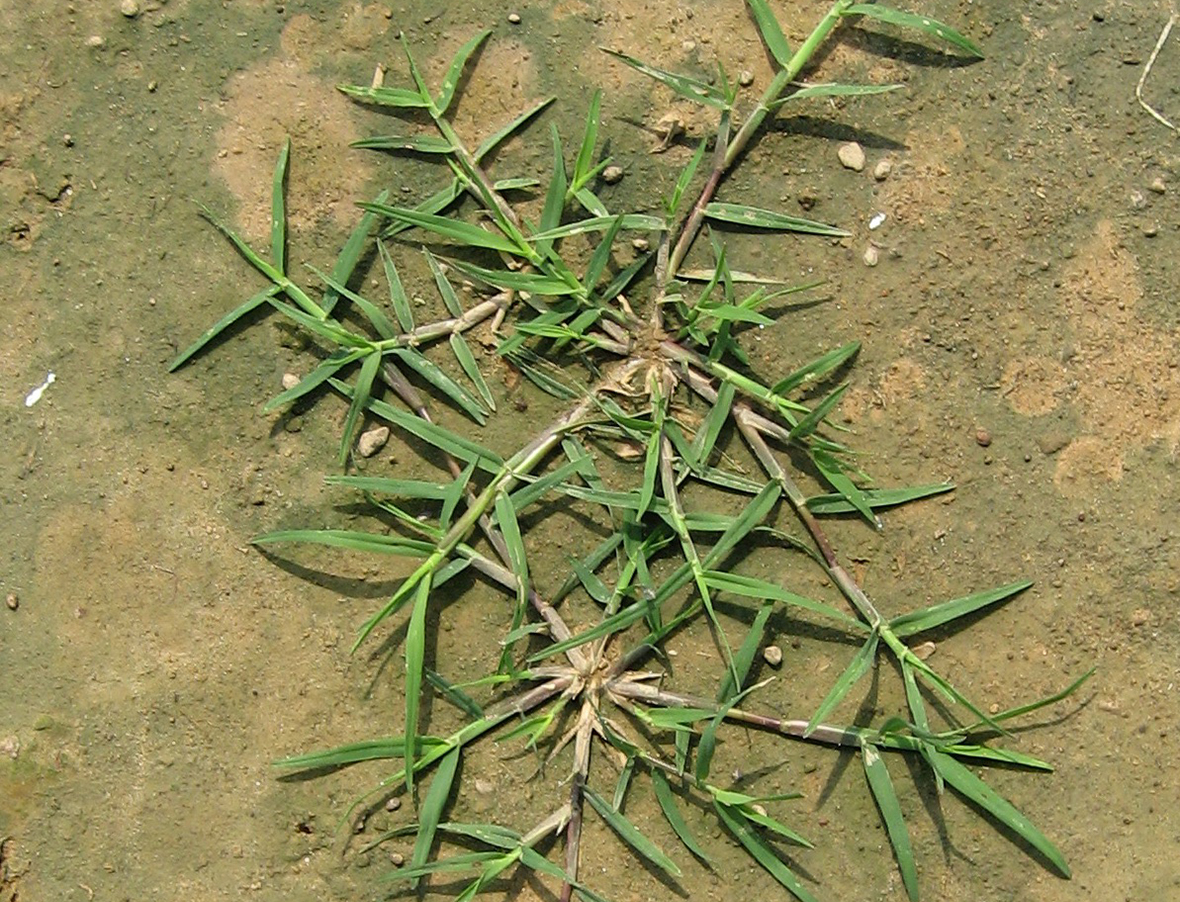
Bermuda grass, or Cynodon dactylon, is a perennial grass that thrives in heat from 75°F to 99°F. It spreads aggressively using stolons above ground and rhizomes below, which helps it repair damage from kids or pets.
This grass needs full sun – at least 6 to 8 hours daily – and will thin out in shade. It also handles salt well, making it a good fit for coastal areas. Common Bermuda is seeded and coarser, while hybrid types like TifTuf or Celebration are finer but must be planted as sod or plugs since they are sterile.
Bermuda Grass: The Resilient Choice for 2026 American Yards
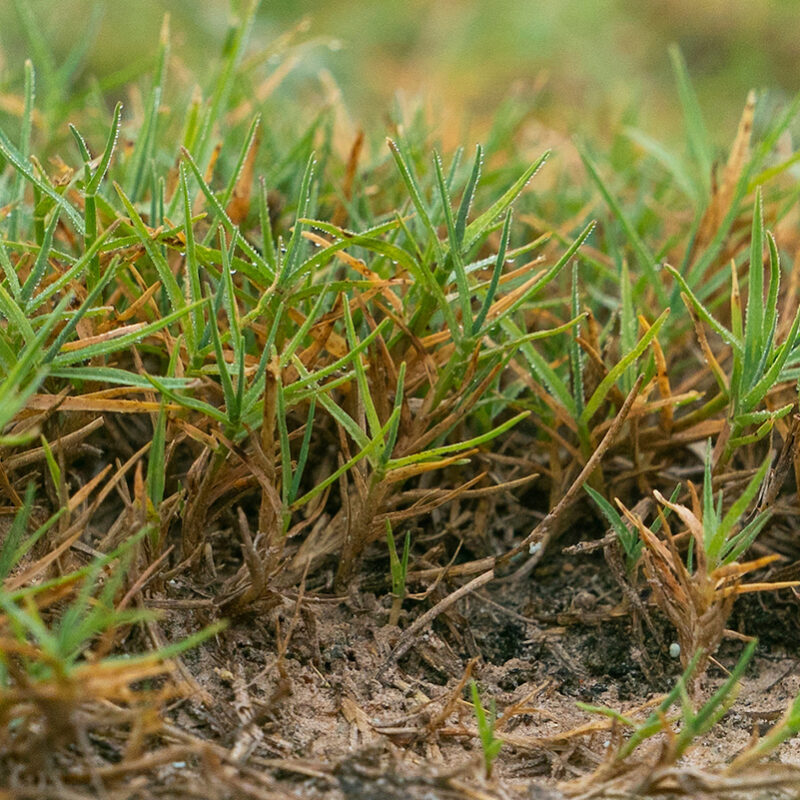
In 2026, homeowners across the southern United States continue to favor Bermuda grass for its toughness. This warm-season grass stands up to intense heat and heavy use. It is a practical choice for busy families and active lifestyles. Understanding its needs ensures a vibrant, green lawn all season long.
| Feature | Description |
| Type | Warm-season perennial turfgrass |
| Best For | Southern lawns, athletic fields, golf courses |
| Key Traits | Heat, drought, and traffic tolerance |
| Sun Needs | Full sun (6-8+ hours daily) |
| Dormancy | Turns brown in cooler months |
| Maintenance | Low mowing, frequent nitrogen feeding, deep watering |
| Planting Time | Late spring to early summer |
Cynodon dactylon: The Biology of Bermuda Grass
The scientific name for Bermuda grass is Cynodon dactylon. This species is known for its aggressive growth. It spreads quickly using above-ground stolons and underground rhizomes. This natural ability allows it to quickly fill in bare patches. It thrives in temperatures between 75°F and 99°F. Its resilience makes it a top performer in challenging climates.
Warm-Season Grass: Bermuda Grass in Southern Lawns
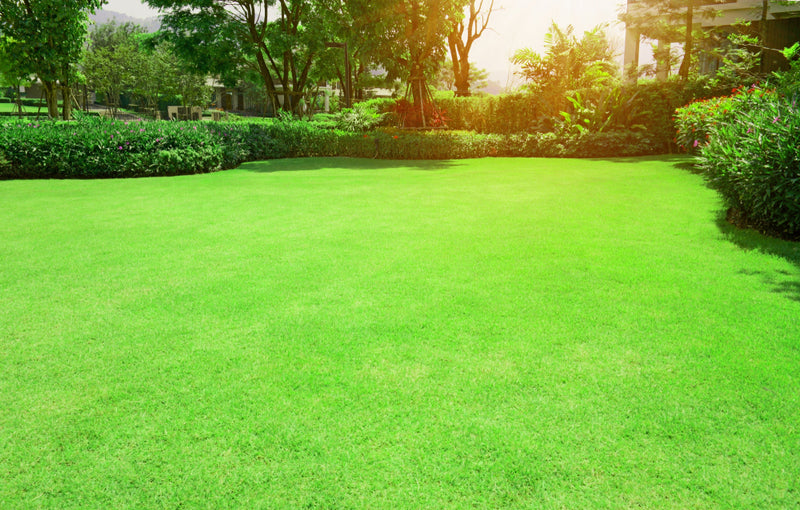
As a warm-season grass, Bermuda grass is perfectly adapted to the southern U.S. climate. It thrives when temperatures are high. Its active growth period aligns with the hottest months of the year. This makes it ideal for lawns in states with long, hot summers. It provides consistent green coverage when other grasses struggle.
Heat and Drought Tolerance in Bermuda Grass
One of Bermuda grass’s biggest strengths is its exceptional heat tolerance. It can withstand scorching summer temperatures without wilting. It also shows remarkable drought tolerance. This means it can survive periods with little rainfall. Its deep root system helps it find moisture. This trait is crucial for water conservation efforts.
Bermuda Grass on Athletic Fields and Golf Courses
The durability of Bermuda grass makes it a favorite for athletic fields and golf courses. Its ability to recover quickly from damage is vital. Heavy foot traffic and sports activities are common. This grass can handle constant wear and tear. It maintains a smooth, playable surface. Its resilience ensures fields are ready for use.
Common Bermuda vs. Hybrid Bermuda: Key Differences
There are two main types: Common and Hybrid Bermuda. Common Bermuda is often grown from seed. It is hardy but can have a coarser texture. Hybrid Bermuda varieties, like TifTuf or Celebration, offer finer textures and better aesthetics. However, they are usually sterile. This means they are typically installed as sod or plugs, not seed.
Establishing Bermuda Grass: Sod vs. Plugs vs. Seed
When establishing Bermuda grass, you have options. Sod provides instant results but is more expensive. Plugs are small pieces of grass that spread over time. Seeding is the most economical option, especially for Common Bermuda. However, it requires patience for full coverage. Proper soil preparation is key for any method.
Mowing Height and Watering Frequency for Bermuda Grass
To maintain a healthy lawn, proper mowing is essential. Bermuda grass prefers a low mowing height, typically between 1 and 1.5 inches. This encourages dense growth. Watering should be deep and infrequent. Aim for about 1 inch of water per week. This promotes a strong, deep root system. Avoid frequent, shallow watering.
Thatch Buildup: Dethatching and Aeration for Bermuda Grass
Due to its rapid growth, Bermuda grass can develop thatch. Thatch is a layer of dead organic matter. It can block water and air from reaching the roots. Annual dethatching or aeration is recommended. Perform this in late spring or early summer. This is when the grass is actively growing and can recover best.
Bermuda Grass: A Smart Investment for Today’s Homes
Bermuda grass remains a top choice for southern homeowners. Its toughness and ability to recover are unmatched. While it requires specific care, the results are worth it. Investing in proper maintenance ensures a beautiful, functional lawn. It is a practical solution for modern living.
Your 3-Step Bermudagrass Action Plan
Step 1: Prepare the Ground
Test your soil pH and adjust it to between 6.0 and 7.0 using lime or sulfur. Remove all weeds and debris, then till the top 4 inches of soil.
Step 2: Plant at the Right Time
Sow seeds or lay sod in late spring when soil temperatures are consistently above 65°F. Water lightly twice daily until germination, which takes 7 to 21 days.
Step 3: Maintain with Precision
Mow at 1 to 1.5 inches once a week, never removing more than one-third of the blade height. Fertilize with a high-nitrogen product every 4 to 6 weeks during the growing season.
What to Avoid
- Overwatering: soggy soil invites fungus and shallow roots.
- Scalping: cutting too low stresses the grass and invites weeds.
- Ignoring thatch: dethatch annually to prevent disease.
Frequently Asked Questions
How often should I water my bermudagrass lawn?
Water deeply once a week, providing about 1 inch of water. This encourages deep root growth and drought tolerance.
Can bermudagrass grow in shade?
No, bermudagrass requires full sun, at least 6 to 8 hours daily. In shade, it will thin and fail to thrive.
Why does my bermudagrass turn brown in winter?
Bermudagrass goes dormant in cold weather, turning brown until spring. This is normal and the grass will green up again when temperatures rise.
Bermudagrass is the toughest warm-season lawn choice for high-traffic, sunny yards. Its heat and drought tolerance make it a reliable workhorse for southern landscapes.
Start your lawn transformation this spring by testing your soil and choosing a hybrid variety like TifTuf for a finer look. Follow the action plan above for a lush, resilient lawn.
Imagine a carpet of deep green that bounces back after every game and playdate. With proper care, your bermudagrass lawn will be the envy of the neighborhood for years to come.
