

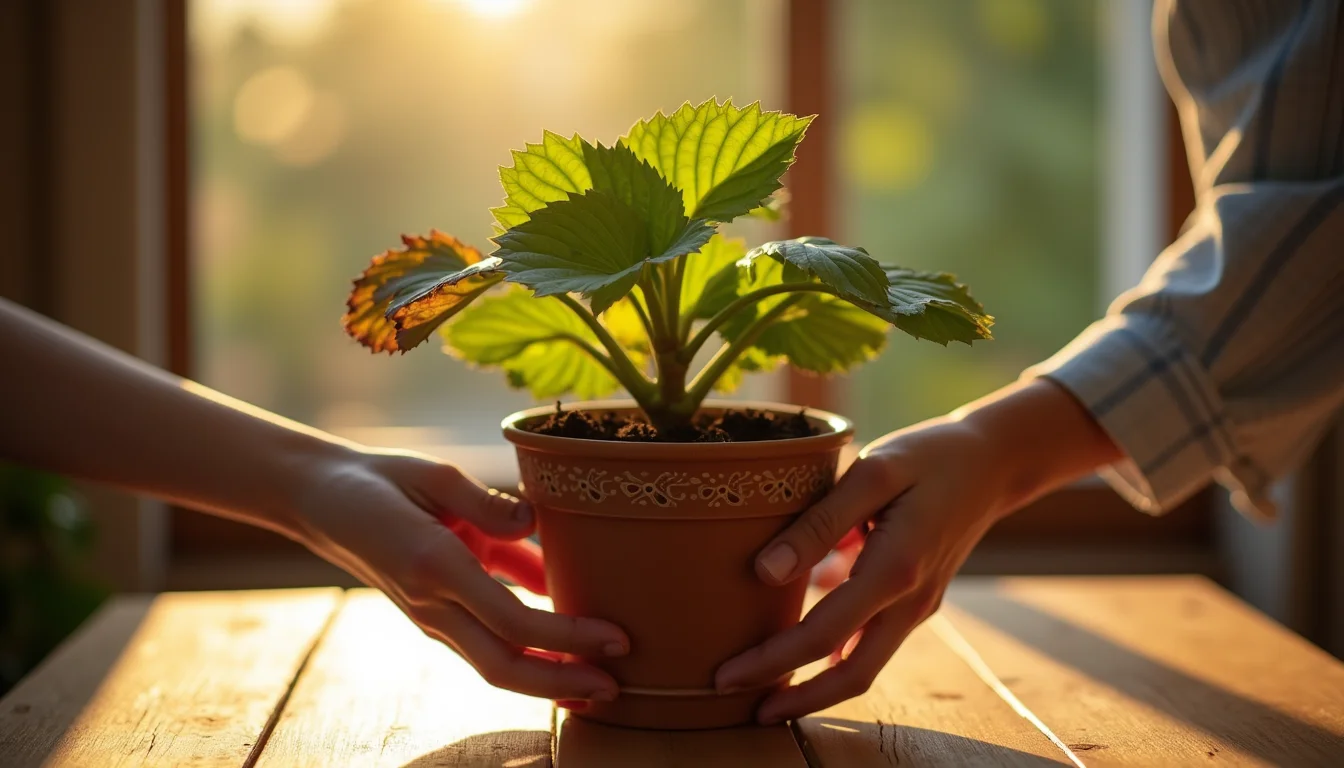
You bought a beautiful begonia, but within weeks the leaves are turning brown and dropping. The frustration is real, and it happens to nearly every new owner. The good news is that most begonia problems come from just two simple mistakes.
Getting begonia care right isn’t about luck or a green thumb. It’s about understanding what this tropical plant needs in your home. Once you learn these basics, your begonia will thrive with almost no effort.
Begonia Care Indoors: Light, Water, and Soil Made Simple
Begonias need bright but indirect light. A spot near an east-facing window works perfectly, or a few feet back from a south window. Direct sun will scorch the leaves, especially on Rex and tuberous varieties.
Watering is where most people go wrong. Stick your finger an inch into the soil; if it feels dry, water thoroughly until it drains out the bottom. Let the pot dry out slightly between waterings. Never let the pot sit in standing water, as this causes root rot.
Use a well-draining potting mix. A standard indoor potting soil mixed with perlite or orchid bark works great. The roots need air as much as they need water. Avoid heavy garden soil, which stays wet too long.
Begonias in 2026: Vibrant Blooms and Lush Foliage for Every Home
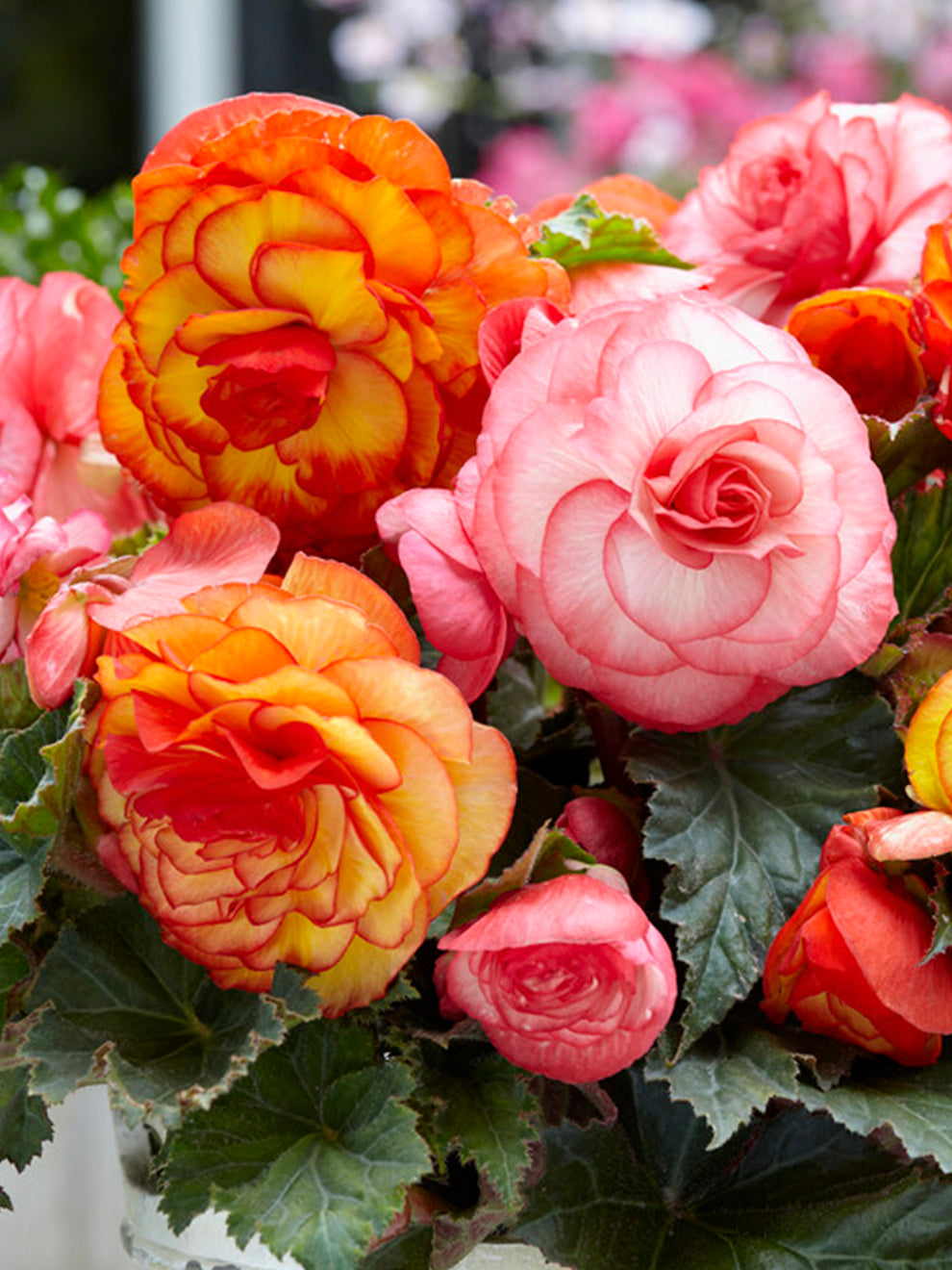
Begonias continue to captivate plant enthusiasts in 2026 with their incredible diversity. These plants offer stunning foliage and bright flowers, bringing life to any space. With over 2,000 species, there is a begonia for almost any condition. They are native to tropical and subtropical areas. Many are grown as annuals, but they can be perennials indoors or in warm climates. Understanding their basic needs ensures a thriving plant.
| Category | Details |
| Genus Size | Over 2,000 species |
| Origin | Tropical and Subtropical |
| Growth Habit | Annual (temperate), Perennial (indoor/frost-free) |
| Root Types | Fibrous, Rhizomatous, Tuberous, Cane-like |
| Light Needs | Bright, indirect light (some tolerate more sun, some need shade) |
| Watering | Consistent moisture, avoid waterlogging, water at base |
| Humidity | Prefers 50-70%, use pebble trays or humidifiers |
| Temperature | Ideal 65-80°F, sensitive to frost and drafts |
| Common Issues | Pests (mealybugs, spider mites, aphids), Diseases (powdery mildew, root rot) |
| 2026 Trends | Controlled environment agriculture, specialized nutrients, IPM, disease resistance |
Begonia Care Indoors
Caring for begonias indoors in 2026 is simpler than ever with modern insights. These plants thrive with bright, indirect light. Avoid direct sun, which can scorch their leaves. Place them near an east-facing window or a few feet from a south or west window. Good air circulation is also key to preventing fungal issues. Keep the plant away from heating and cooling vents.
Consistent watering is vital for indoor begonias. Allow the top inch of soil to dry out before watering again. Always water at the base of the plant. This helps keep the foliage dry and reduces the risk of disease. Overwatering is a common mistake that leads to root rot. Ensure your pot has drainage holes.
Read also: 55 Pink Flowers That Bloom All Year Long With Easy Care
Outdoor Begonia Planting
Planting begonias outdoors can transform your garden or patio. In most US climates, they are treated as annuals due to their frost sensitivity. Choose a location that receives partial shade, especially during the hottest part of the day. Bronze-leaved varieties can often tolerate more sun than those with green leaves. Check the specific needs of your begonia variety.
Prepare the soil by amending it with compost to ensure good drainage. Begonias do not like to sit in soggy soil. Space plants according to their mature size, typically 6-12 inches apart. Water them regularly, especially when they are first planted. Mulching can help retain soil moisture and keep roots cool.
Begonia Propagation Methods
Propagating begonias allows you to expand your collection or share plants with friends. Several methods work well in 2026. Stem cuttings are very popular and effective for many types. Take a 4-6 inch cutting from a healthy stem, remove the lower leaves, and dip the cut end in rooting hormone. Insert the cutting into moist potting mix.
Rhizomatous begonias can be propagated by dividing their rhizomes. Carefully dig up the plant and separate the fleshy underground stems. Ensure each piece has at least one growth bud. Plant the divisions in fresh, well-draining soil. Tuberous begonias can be started from tubers in the spring. Plant them with the indented side up.
Soil Requirements for Begonias
The right soil is critical for begonia health. Begonias need a well-draining potting mix. A good blend is typically one part peat moss, one part perlite, and one part potting soil. This provides the aeration and moisture retention they require. Avoid heavy garden soil, which can become compacted and waterlogged.
For container gardening, use a high-quality potting mix formulated for houseplants. This ensures good drainage and prevents compaction. If planting outdoors, amend your garden soil with organic matter like compost. This improves soil structure and fertility. Proper soil prevents common issues like root rot.
Watering Techniques for Begonias
Mastering begonia watering is key to preventing problems. Water thoroughly when the top inch of soil feels dry to the touch. Allow excess water to drain completely from the pot. Never let the plant sit in a saucer full of water. This is a fast track to root rot, a serious issue for begonias.
Watering at the base of the plant is the best practice. This keeps the leaves dry, reducing the risk of fungal diseases like powdery mildew. In 2026, many growers use moisture meters to ensure accurate watering. This tool helps prevent both overwatering and underwatering.
Humidity Preferences for Begonias
Begonias hail from humid environments, so they appreciate higher humidity levels indoors. Aim for a humidity range of 50-70%. Low humidity can cause leaf edges to turn brown and crispy. It can also make plants more susceptible to spider mites.
To increase humidity, place the pot on a pebble tray filled with water. Ensure the bottom of the pot is not submerged in water. Grouping plants together also creates a more humid microclimate. Using a small humidifier near your plants is another effective solution. Avoid misting the leaves directly, as this can encourage fungal growth.
Common Begonia Pests
Keep an eye out for common pests that can trouble your begonias. Mealybugs appear as small, white, cottony masses, often in leaf axils. Spider mites are tiny and create fine webbing on the leaves. Aphids are small, green or black insects that cluster on new growth.
Early detection is crucial for effective pest control. Inspect your plants regularly, especially the undersides of leaves. If you spot pests, act quickly. You can often wipe them off with a damp cloth or spray them with insecticidal soap. For more persistent infestations, consider neem oil treatments. Learn more about begonia pests.
Begonia Disease Treatment
Diseases can affect begonias, but understanding them helps in treatment. Powdery mildew is a common fungal disease that looks like white powder on the leaves. It thrives in conditions with high humidity and poor air circulation. Ensure good airflow around your plants.
Root rot is often caused by overwatering and poor drainage. Symptoms include yellowing leaves and wilting, even when the soil is moist. If you suspect root rot, repot the plant in fresh, well-draining soil after trimming away any rotted roots. Fungicides can help manage fungal diseases. Find detailed disease treatment information.
The Enduring Appeal of Begonias
Begonias remain a top choice for adding color and texture to homes and gardens in 2026. Their adaptability, from shady corners to bright indoor spaces, makes them incredibly versatile. The ongoing development of new varieties with enhanced disease resistance and unique aesthetics ensures their popularity will continue. They offer a fantastic return on investment for beauty and enjoyment.
My expert recommendation is to choose the right begonia for your specific conditions. Pay close attention to light, water, and humidity needs. Don’t be afraid to experiment with different types. With a little care, these plants will reward you with stunning blooms and foliage for seasons to come.
Your Begonia Action Plan
Step 1: Choose Your Type Wisely
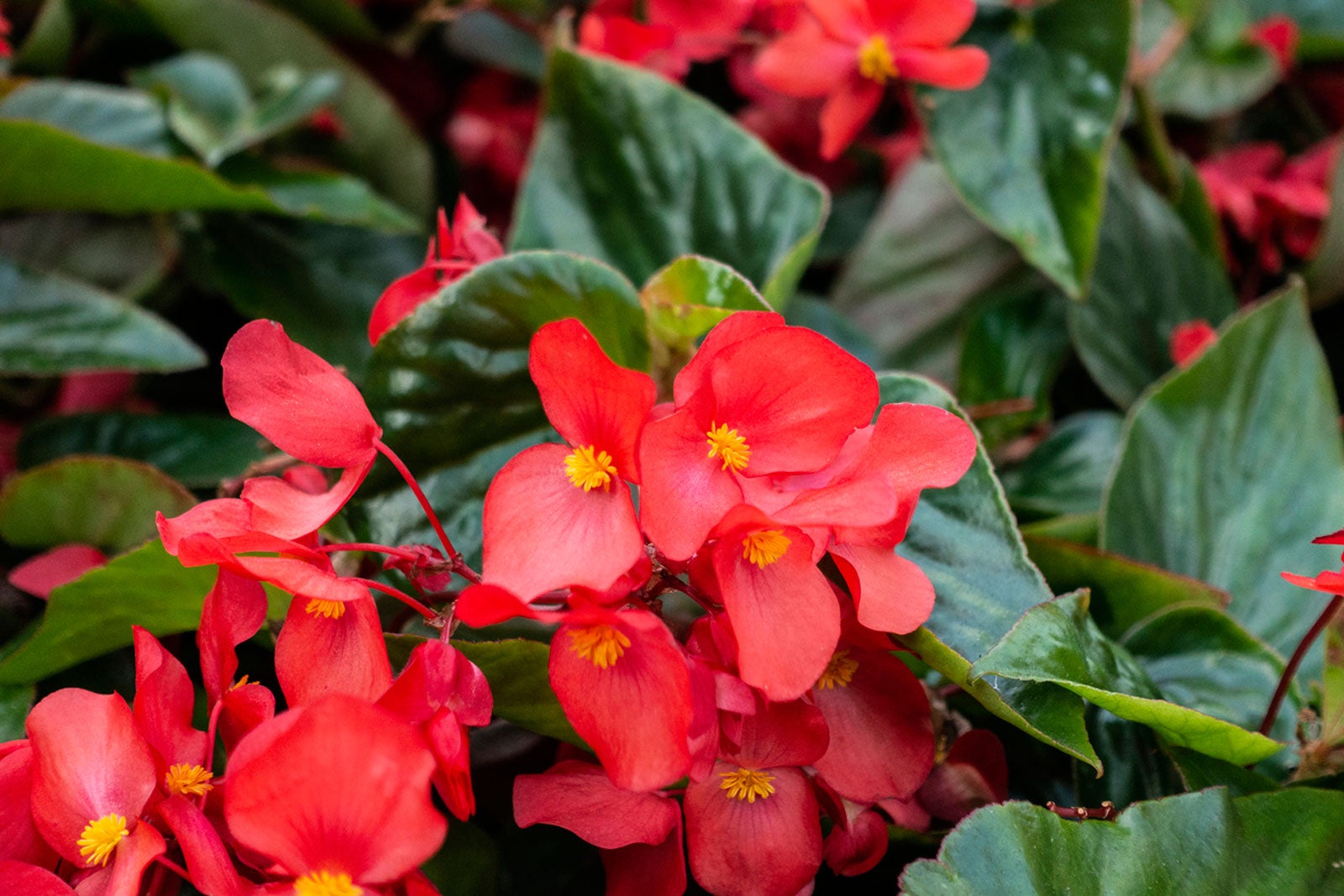
Start with a Wax Begonia if you are new to plant care. They forgive irregular watering and bloom nonstop.
- Wax Begonias: Tolerate more sun and dry spells.
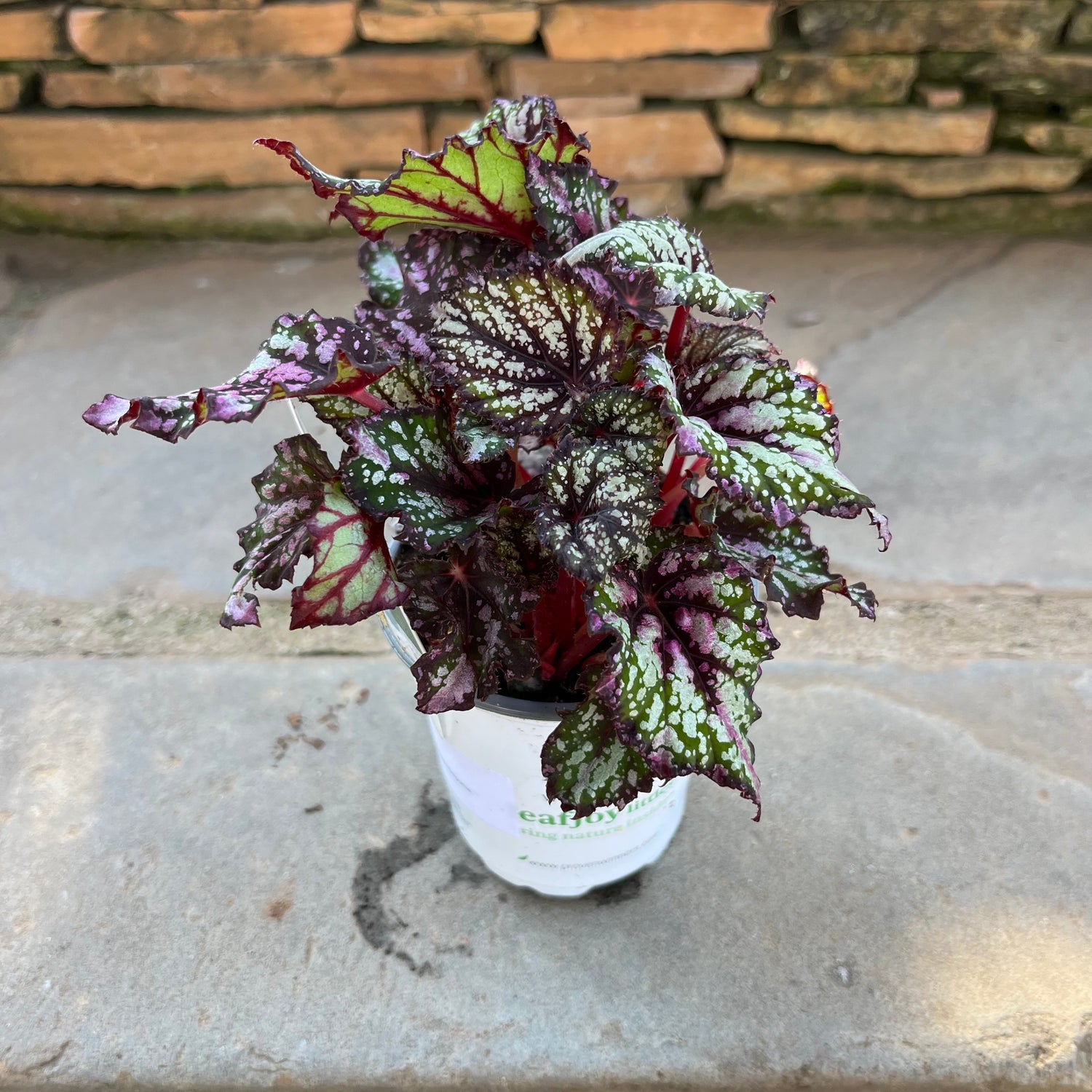
- Rex Begonias: Need high humidity and indirect light.
- Angel Wing Begonias: Grow tall and need support.
Step 2: Set Up the Perfect Spot
Place your begonia in bright, indirect light near an east-facing window. Avoid direct afternoon sun to prevent leaf burn.
Keep the temperature between 65°F and 75°F. Avoid cold drafts from windows or air conditioning vents.
Step 3: Water and Feed on a Schedule
Water only when the top inch of soil feels dry. Use room-temperature water and pour at the base to keep leaves dry.
Fertilize every two weeks during spring and summer with a balanced liquid fertilizer diluted to half strength. Stop feeding in fall and winter.
Frequently Asked Questions
Why are my begonia leaves turning yellow?
Yellow leaves often mean overwatering or poor drainage. Check that your pot has drainage holes and let the soil dry out between waterings.
How do I make my begonia bloom more?
Provide bright, indirect light and use a fertilizer high in phosphorus during the growing season. Deadhead spent flowers regularly to encourage new blooms.
Can I propagate my begonia from a leaf cutting?
Yes, many begonias can be propagated from leaf cuttings, especially Rex and rhizomatous types. Place the leaf on moist soil and keep it in high humidity until new plantlets form.
Begonias are forgiving plants that reward you with stunning foliage and flowers when given basic care. You have the knowledge to keep them thriving year after year.
Start with one easy variety and apply the three steps from this guide. You will see results within weeks.
Soon your home will be filled with these vibrant, living works of art. Imagine the compliments from every guest who sees your collection.
