


You bought an African milk tree because it looked cool and low-maintenance. But now it’s getting tall and wobbly, or the leaves are turning yellow. You’re not alone.
Many people struggle with this plant because they treat it like a regular houseplant. The truth is, it has very specific needs that most guides don’t mention. Let’s fix that.
What Is an African Milk Tree Really Like?
Despite its name, the African milk tree (Euphorbia trigona) is not a tree at all. It’s a succulent that grows upright with ridged stems and sharp thorns. It’s often called a ‘cathedral cactus’ but it’s not a cactus either.
This plant can reach 6 to 9 feet indoors, making it a dramatic statement piece. But it needs bright, indirect light—a south-facing window is best. Direct afternoon sun will scorch its skin.
Watering is where most people mess up. The soil must dry out completely between waterings. In summer, that’s about every 10 to 14 days. In winter, once a month is plenty. Overwatering leads to root rot fast.
The Architectural African Milk Tree: A 2026 Home Decor Must-Have
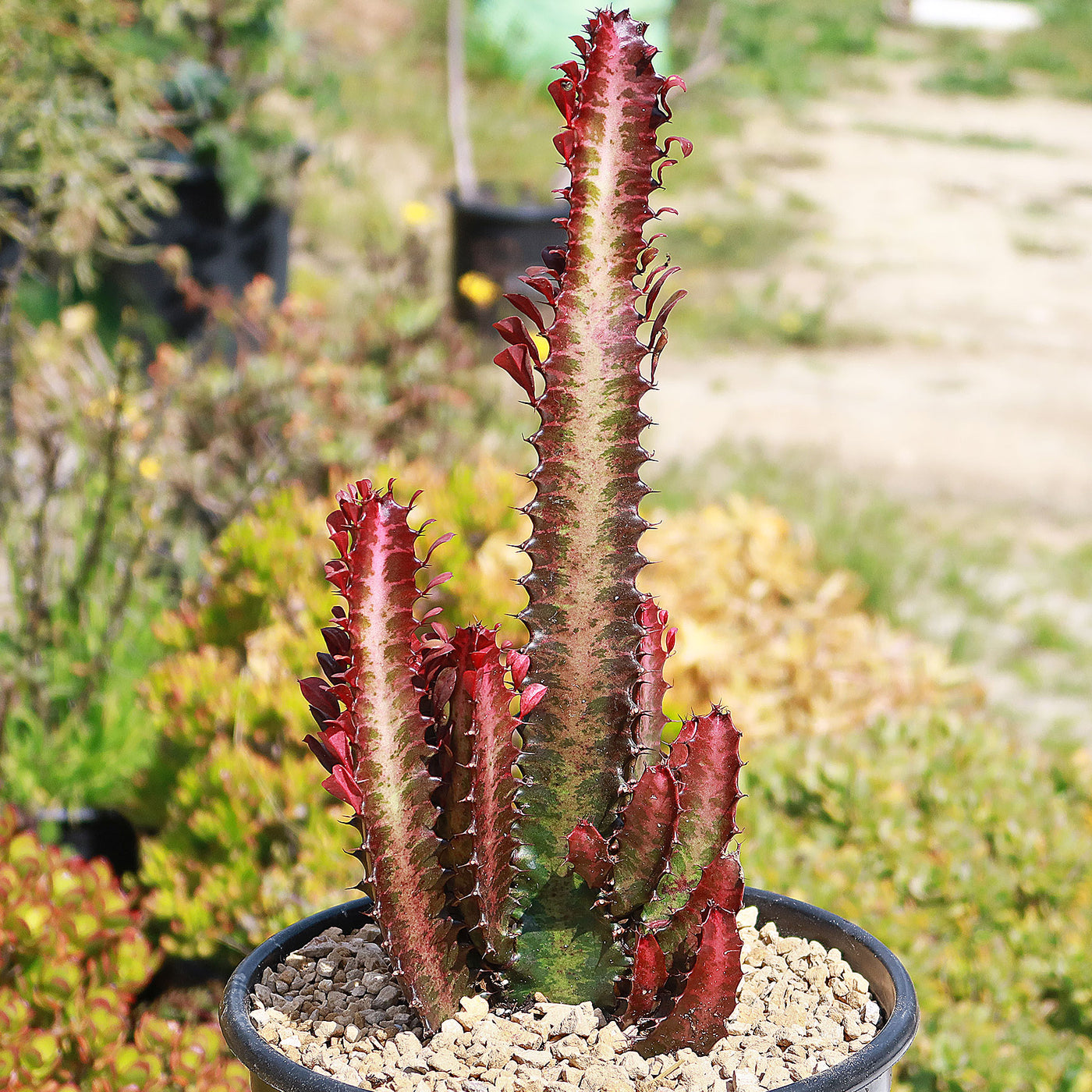
The African Milk Tree, or Euphorbia trigona, is a stunning architectural plant. It brings a modern, sculptural element to any home. Its upright, segmented stems and sharp thorns give it a unique cactus-like appearance. This fast-growing succulent is perfect for busy homeowners. It requires very little maintenance to thrive indoors. Expect it to reach impressive heights of 6 to 9 feet.
| Feature | Detail |
| Origin | Central Africa |
| Growth Habit | Columnar, upright |
| Height Indoors | 6-9 feet |
| Light Needs | Bright, indirect |
| Watering | Infrequent, allow soil to dry |
| Toxicity | Milky sap is toxic |
| Temperature | 65-85°F (avoid frost) |
African Milk Tree Care: Light and Water Needs
This plant loves bright light. A south-facing window is ideal for indoor growing. It needs plenty of indirect sunlight to stay healthy and vibrant. Avoid direct, harsh afternoon sun. This can scorch its stems, causing damage. Proper light is key for its striking appearance.
Watering is simple but crucial. Allow the soil to dry out completely between waterings. This usually means every 10-14 days in summer. In winter, water only once a month. Overwatering is the most common mistake. It leads to serious root rot issues.
Euphorbia Trigona Soil: Best Mix for Growth

Good soil is vital for preventing root rot. Use a specialized cactus or succulent potting mix. These mixes are designed for excellent drainage. They allow water to pass through quickly. This keeps the roots from sitting in moisture.
Porous containers are also important. Terracotta pots are a great choice. They help the soil dry out faster. Ensure the pot has drainage holes. This is non-negotiable for healthy root systems.
How to Water African Milk Tree: Avoid Overwatering
Watering is straightforward but requires attention. The rule is simple: let the soil dry out completely. Stick your finger about two inches into the soil. If it feels dry, it is time to water. If it feels moist, wait longer.
During the growing season, summer, water more often. This might be every 10 to 14 days. In winter, the plant goes dormant. Reduce watering to about once a month. This careful approach prevents waterlogged soil.
African Milk Tree Propagation: Stem Cuttings
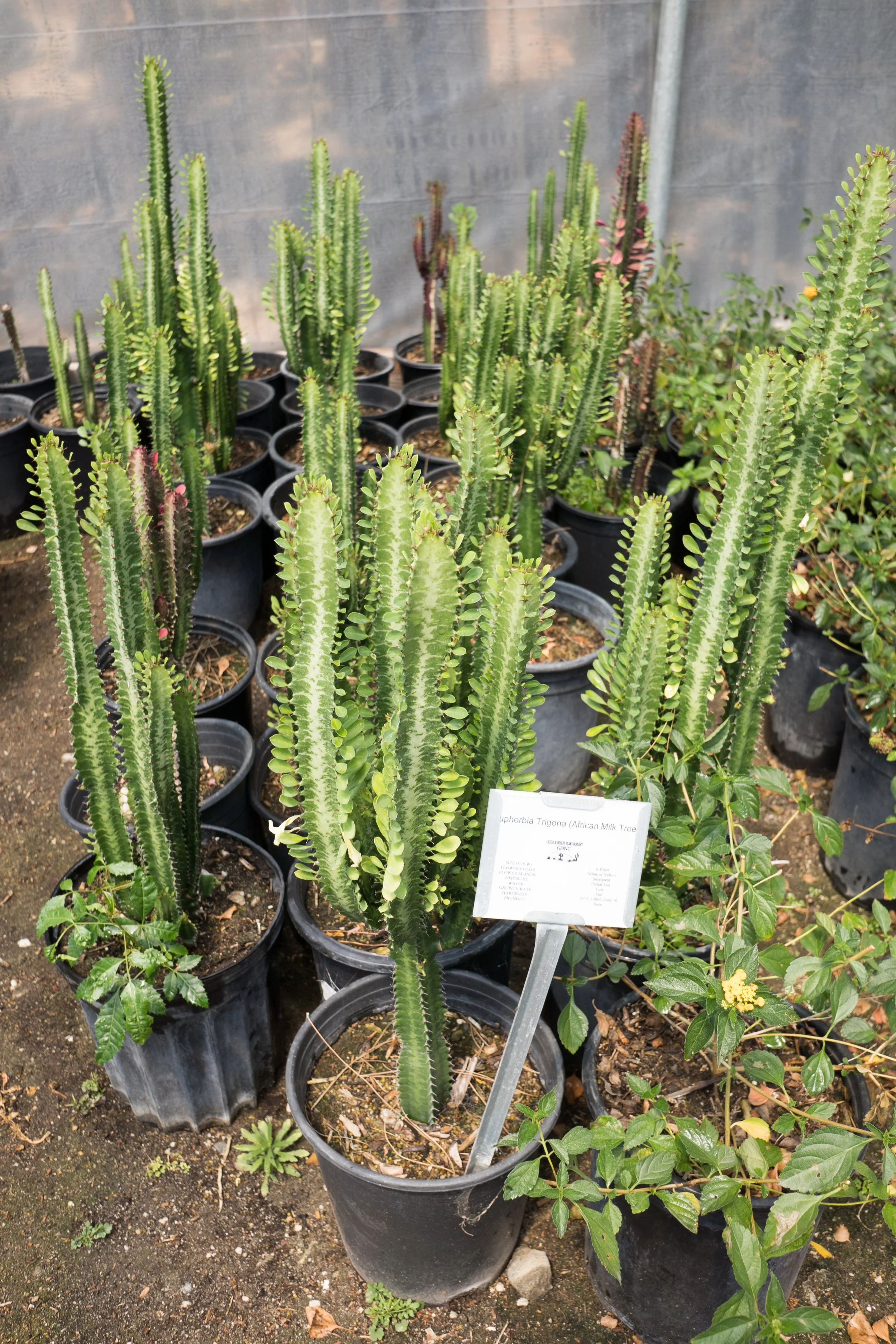
Propagating your African Milk Tree is rewarding. You can easily grow new plants from stem cuttings. First, make a clean cut on a stem. Use a sharp, sterile knife or pruners. Allow the cut end to callus over for a few days.
Then, plant the cutting in a well-draining succulent mix. Keep the soil slightly moist. New roots should form within a few weeks. This is a great way to expand your collection or share plants.
Is African Milk Tree Poisonous? Toxicity Explained
Yes, the African Milk Tree is poisonous. Its milky white sap is highly toxic. This sap can cause severe skin irritation. Rashes and blisters are common after contact. Always wear protective gloves when handling it. Safety is paramount with this plant.
If the sap gets into your eyes, seek immediate medical attention. It can cause serious damage. Ingestion will lead to stomach upset. Keep this plant away from children and pets. Understand the risks before you bring it home.
African Milk Tree Pruning: Shape and Size Control
Pruning helps maintain the plant’s shape. It also controls its size indoors. Use a sharp, sterile knife for pruning. Wear thick gloves to protect your skin. The milky sap can be irritating.
Cut back stems to encourage bushier growth. You can also remove damaged or leggy stems. Pruning is best done in spring or early summer. This allows the plant to recover quickly.
Euphorbia Trigona Varieties: Common Types
The most common type is the standard green form. It has a classic, upright appearance. Another popular variety is the ‘Royal Red’. This cultivar boasts vibrant magenta or burgundy stems. Its color deepens with more light exposure.
These different varieties offer unique visual appeal. They allow you to choose the best fit for your decor. Both types share the same care requirements. They are equally low-maintenance.
Cathedral Cactus Care: Indoor Growing Tips
The African Milk Tree is often called a Cathedral Cactus. Its care is similar to other succulents. Provide bright, indirect light. Water only when the soil is completely dry. Use a well-draining soil mix.
Protect it from cold temperatures. It cannot tolerate frost. Temperatures below 50°F are harmful. Keep it in a warm, bright spot indoors. This ensures a healthy, thriving plant. Learn more about its care at The Spruce.
The Verdict: A Striking Statement Plant for Modern Homes
The African Milk Tree is an excellent choice for adding drama. Its architectural form makes a bold statement. It is surprisingly easy to care for. Just remember its light and watering needs. Always handle it with care due to its toxic sap. For more detailed information, consult MasterClass.
This plant is a fantastic addition for 2026. It offers visual appeal without demanding much time. It is a resilient and rewarding houseplant. Its unique look will surely impress.
Your Quick Guide to Thriving African Milk Tree
Step 1: Get the Light Right
Place your plant in bright, indirect light. A south-facing window is best, but avoid direct afternoon sun to prevent leaf burn.
Step 2: Master the Watering Rhythm
Water only when the soil is completely dry. In summer, that’s every 10-14 days; in winter, monthly.
Step 3: Use the Right Soil and Pot
Choose a cactus or succulent mix for excellent drainage. A terracotta pot helps wick away extra moisture.
What to Avoid
- Overwatering: It’s the number one killer. Always check soil dryness first.
- Cold drafts: Keep away from windows in winter. Temperatures below 50°F can damage the plant.
- Handling without gloves: The sap is toxic and causes skin irritation. Always wear protective gear.
Frequently Asked Questions
Why are the stems of my African milk tree turning yellow?
Yellow stems usually indicate overwatering or poor drainage. Let the soil dry out completely and check that your pot has drainage holes.
Can I propagate African milk tree from cuttings?
Yes, but you must wear gloves. Cut a stem, let the cut end dry for a few days, then plant in dry succulent soil.
Is the African milk tree safe for pets?
No, it is toxic if ingested. The sap can cause vomiting and drooling in cats and dogs, so keep it out of reach.
Growing an African milk tree is a rewarding way to add dramatic vertical structure to your home. Its low-maintenance nature makes it perfect for busy plant lovers.
Now that you know the basics, start with a healthy plant from a reputable nursery. Your space will instantly feel more modern and alive.
Imagine your African milk tree reaching toward the ceiling, its sculptural stems creating a living art piece. With proper care, it will become a conversation starter for years to come.
