

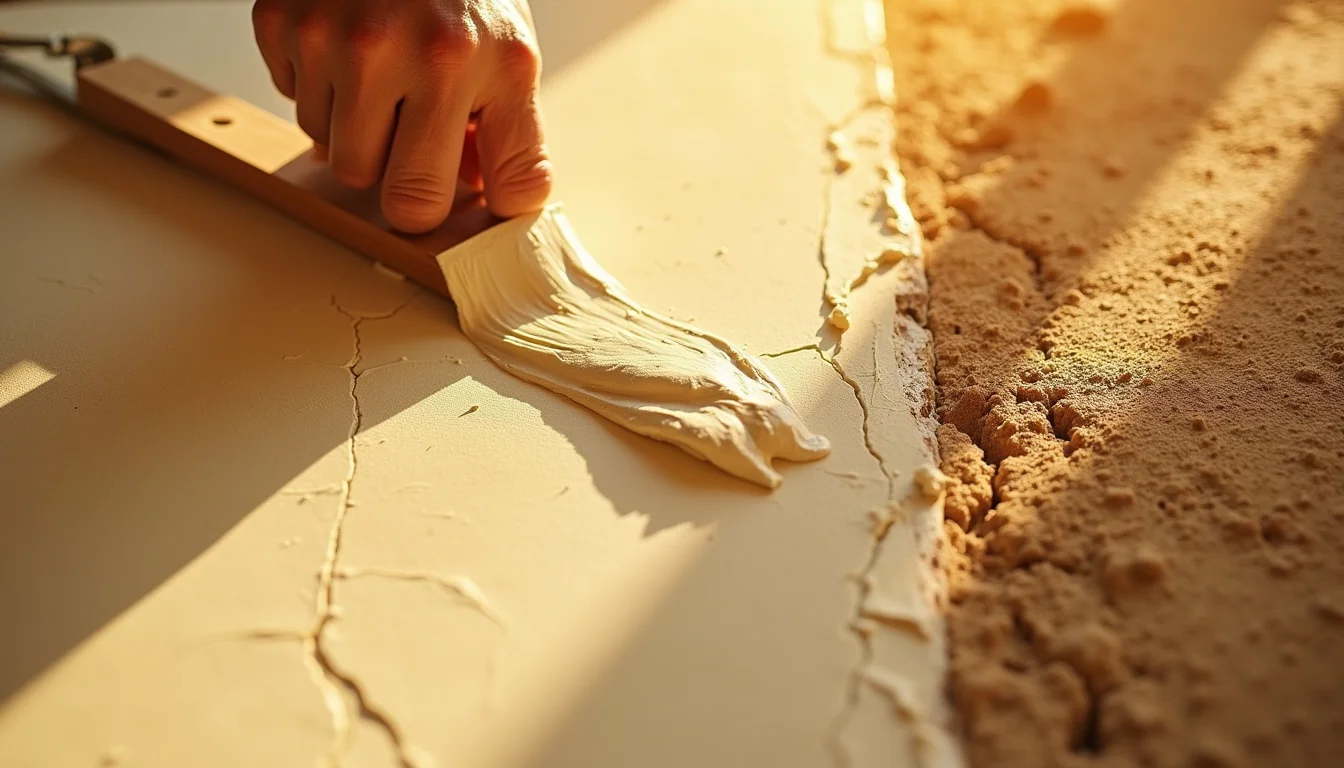
Think plaster is just for old houses or professional artists? That’s a common myth. In 2026, plaster is making a huge comeback in modern homes for its durability and unique look.
Whether you’re dealing with cracked walls or want a smooth, custom finish, plaster offers real solutions. It’s stronger than drywall and can save you money on repairs long-term.
Plaster vs Drywall: Which One Is Right for Your Home?
Many homeowners assume drywall is the only choice for walls. But traditional gypsum plaster gives you better soundproofing and fire resistance. It also lasts decades longer without showing wear.
For historic homes, lime plaster is a must because it lets walls breathe and prevents moisture damage. If you’re on a budget, cement plaster works great for basements or exterior walls.
The key is matching the plaster type to your room’s needs. Bathrooms and kitchens need moisture-resistant options, while living areas can use standard gypsum for a smooth, paintable finish.
Plaster: The Enduring Art of Wall Finishing
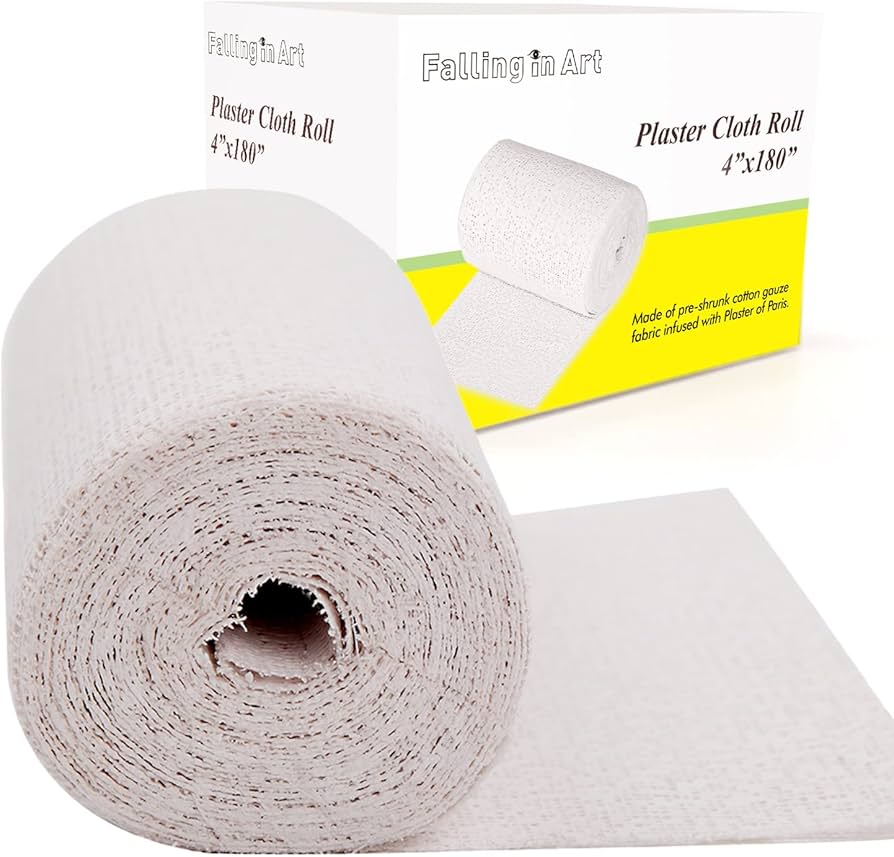
Plaster is a fundamental building material that has shaped interiors and exteriors for centuries. Applied as a paste, it transforms into a hard, smooth surface, providing a durable and elegant finish for walls and ceilings. Its versatility comes from its composition, typically a dry powder based on gypsum, lime, or cement, activated by mixing with water.
In 2026, plaster continues to be a preferred choice for its superior qualities over modern alternatives like drywall. It offers enhanced durability, better sound and fire resistance, and a unique aesthetic flexibility that drywall simply cannot match. Understanding the different types and applications of plaster is key to achieving professional results in any home improvement project.
| Type | Base | Key Features | Best For |
|---|---|---|---|
| Gypsum Plaster | Gypsum | Fast setting, smooth finish | Interiors, decorative elements |
| Lime Plaster | Lime | Breathable, traditional | Historic restorations |
| Cement Plaster | Cement | High strength, moisture resistant | Masonry, exteriors |
| Clay/Mud Plaster | Clay | Eco-friendly, natural | Green construction |
Plaster vs Drywall: Key Differences
The choice between plaster and drywall is significant for homeowners. While drywall, or gypsum board, is quicker to install, traditional plaster offers a level of performance and longevity that drywall cannot replicate. Plaster walls are known for their exceptional durability and resistance to impact, meaning they are less likely to be damaged by everyday wear and tear. This makes plaster a more robust long-term investment for your home.
Read also: 67 Faux Finish Painters Ideas to Transform Your Walls in 2026
Furthermore, plaster provides superior soundproofing qualities compared to drywall, creating quieter living spaces. It also boasts better fire resistance, a critical safety feature. The ability of plaster to be shaped into seamless curved surfaces and intricate designs offers an aesthetic advantage for custom finishes that is difficult to achieve with drywall panels.
The upfront cost and installation time for plaster are generally higher than drywall, but its longevity and performance benefits often justify the investment for homeowners seeking superior quality and durability.
How to Plaster a Wall in 5 Steps
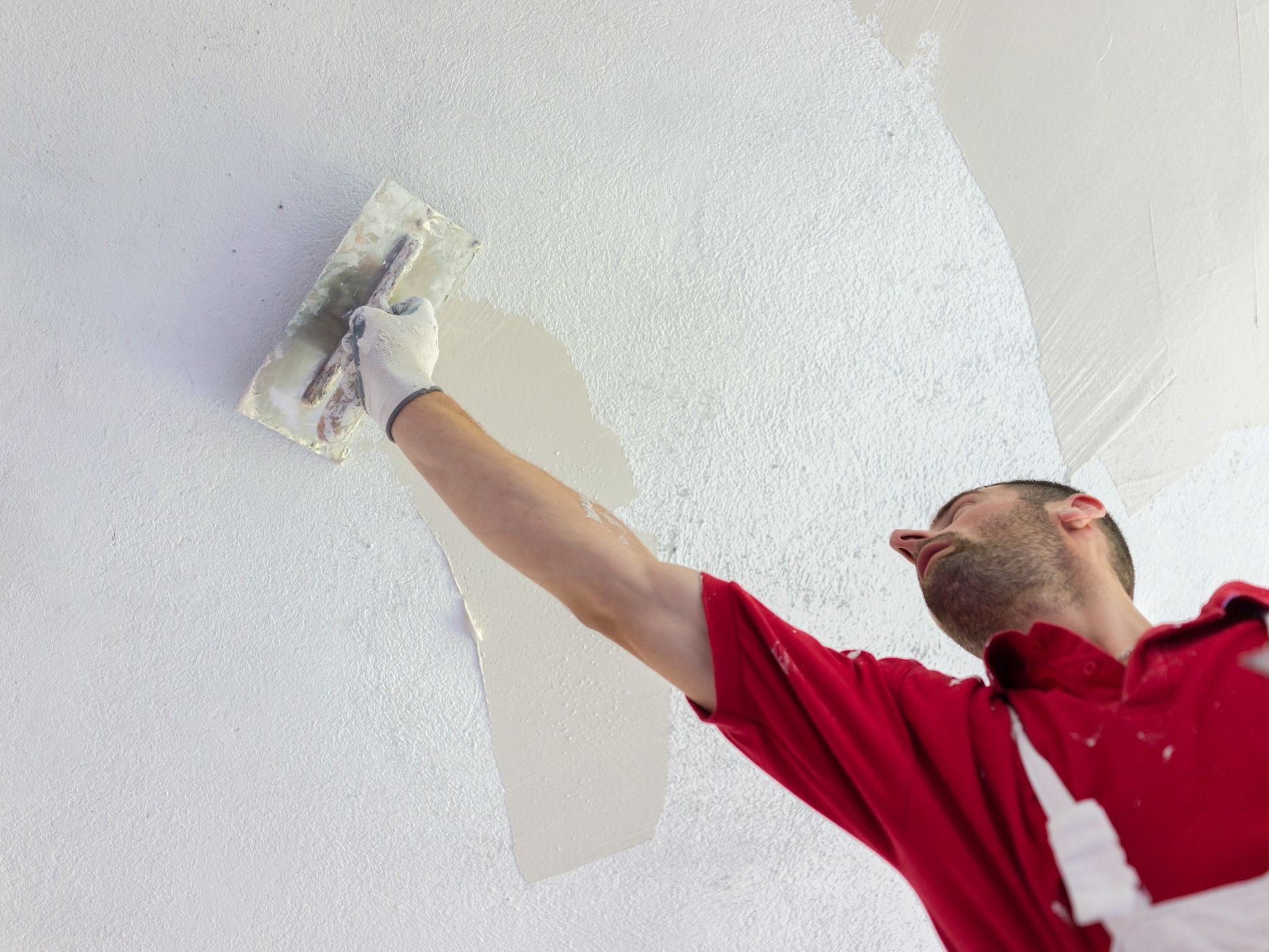
DIY plastering a wall is achievable with patience and the right technique. The process begins with preparing the surface thoroughly. This involves cleaning the wall, repairing any significant damage, and applying a primer or bonding agent to ensure good adhesion of the plaster. Proper preparation is crucial for a professional and lasting finish.
Next, mix your chosen plaster according to the manufacturer’s instructions, aiming for a smooth, lump-free consistency. Using a hawk and trowel, apply the plaster to the wall in thin, even coats. Each coat needs to be allowed to set slightly before applying the next. The final coat is then smoothed and finished to your desired texture.
Mistake to Avoid: Applying plaster too thick in one coat can lead to cracking and a longer drying time. It is always better to apply multiple thin coats.
Read also: How to Patch a Hole in the Wall in Under 2 Hours (No Experience Needed)
Types of Plaster for Every Project
Selecting the correct type of plaster is essential for project success. Gypsum plaster, often called Plaster of Paris, is popular for interior walls and ceilings due to its rapid setting time and smooth, paintable surface. It’s ideal for new construction and renovations where speed is a factor.
For historic buildings, lime plaster is the superior choice. Its breathable nature helps regulate moisture, preserving the integrity of older structures. Cement plaster is the go-to for exterior applications and areas requiring high durability and moisture resistance, such as bathrooms or basements. Eco-friendly options like clay plaster are gaining traction for their sustainability and natural aesthetic.
Essential Plastering Tools for DIYers
Having the right tools makes a significant difference when plastering. The plastering tools you will need include a plaster hawk, which is a flat metal plate with a handle used to hold plaster; a plastering trowel, available in various sizes and shapes for applying and smoothing plaster; and a mixing paddle or drill attachment for efficiently mixing the plaster powder with water.
Other useful items include a plastering float for texturing, a bucket for mixing, and a sponge for final smoothing. Ensure all tools are clean before use to prevent contamination of the plaster mix. Investing in quality tools will make the job easier and improve the final outcome.
For beginners, starting with a small repair or a single wall is recommended before tackling larger plastering projects.
Plaster Repair: Fixing Cracks and Holes
Plaster repair is a common task for homeowners. Small cracks can often be fixed by widening them slightly with a utility knife, cleaning out the debris, and filling them with a suitable plaster patching compound. For larger holes, you may need to use a backing material like mesh tape or a piece of drywall before applying multiple layers of plaster to build up the repair.
The key to successful plaster repair is feathering the edges of the patch so it blends seamlessly with the surrounding wall. Allow each layer of patching compound to dry completely before applying the next. Sand lightly once dry to achieve a smooth surface ready for painting.
Lime Plaster Benefits for Historic Homes
Lime plaster is a time-honored material with unique advantages, especially for plaster for historic buildings. Its primary benefit is breathability, allowing moisture vapor to pass through the wall. This is crucial for older structures, preventing moisture buildup that can lead to rot and structural damage.
Lime plaster also offers a natural flexibility that helps it accommodate minor building movements without cracking. Its aesthetic qualities are highly prized, providing a soft, natural look that complements historic architecture. While it requires a longer curing time, the benefits for preservation are substantial.
Gypsum Plaster Applications for Interiors
Gypsum plaster is the workhorse for modern interior finishing. Its rapid setting time means walls can be plastered and painted in a shorter timeframe, making it ideal for new construction and renovation projects. The smooth, hard finish it provides is perfect for receiving paint or wallpaper.
Beyond basic wall finishing, gypsum plaster is used for creating decorative elements like cornices, ceiling roses, and intricate moldings. Its ability to be cast and shaped makes it a favorite for adding architectural detail and enhancing the visual appeal of interior spaces.
Cement Plaster Uses for Exterior Walls
Cement plaster is chosen for its exceptional strength and durability, making it perfect for cement plaster uses on exterior walls. It provides a robust protective layer against weather elements, including rain, wind, and temperature fluctuations. This makes it a practical choice for homes in demanding climates.
Its high resistance to moisture also makes cement plaster suitable for areas like basements or garages. When properly applied and sealed, it offers a long-lasting finish that can withstand significant wear and tear. It is often the preferred material for stucco finishes.
The Future of Plaster in 2026
As we look at plaster in 2026, its role in construction and renovation remains strong, driven by a demand for quality and durability. While drywall has its place, the superior performance of traditional plaster, especially for historic preservation and high-end finishes, ensures its continued relevance.
The growing interest in eco-friendly plaster solutions, like clay and lime-based products, signals a shift towards more sustainable building practices. These materials not only offer environmental benefits but also contribute to healthier indoor environments. For homeowners, understanding plaster vs drywall and the various types of plaster empowers informed decisions for lasting value and beauty in their homes.
Read also: Hanging a TV? This $20 Stud Finder Saves Your Wall
Your 3-Step Action Plan to Start Plastering Today
You don’t need to be a pro to get started. Follow these three steps to begin your first plaster project with confidence.
Step 1: Choose the Right Plaster for Your Job
Match the plaster type to your project. For smooth interior walls, gypsum plaster (Plaster of Paris) is your best bet. For outdoor or high-moisture areas, cement plaster offers strength and water resistance.
Step 2: Gather Your Essential Tools
You’ll need a hawk to hold the plaster, a trowel to apply it, and a mixing paddle. Don’t skip a clean bucket and water – proper mixing is key to a smooth finish.
Step 3: Apply in Thin, Even Coats
Start with a thin scratch coat, let it set, then add a finish coat. Work in small sections and keep your trowel clean to avoid lumps. Patience pays off – rushing leads to cracks and uneven surfaces.
Frequently Asked Questions
How long does plaster take to dry?
Gypsum plaster typically dries in 24 to 48 hours, depending on humidity and thickness. Cement plaster can take up to a week to fully cure before painting.
Can I plaster over drywall?
Yes, you can apply a thin coat of plaster over drywall to create a smooth, seamless finish. Use a bonding agent first to help the plaster stick.
Is plaster better than drywall?
Plaster is more durable, offers better soundproofing, and can be shaped into curves. Drywall is cheaper and faster to install, so the choice depends on your budget and needs.
Choosing plaster means investing in a material that has proven its value for centuries. You’re getting a wall that stands up to daily life, insulates sound, and resists fire – real benefits you can feel.
Now it’s time to pick your project and gather your tools. Start small – maybe a patch repair or a single accent wall – and build your skills from there.
Imagine running your hand over a perfectly smooth, hand-finished wall. That texture, that solid feel, is something modern materials just can’t match. Your home deserves that quality.
