

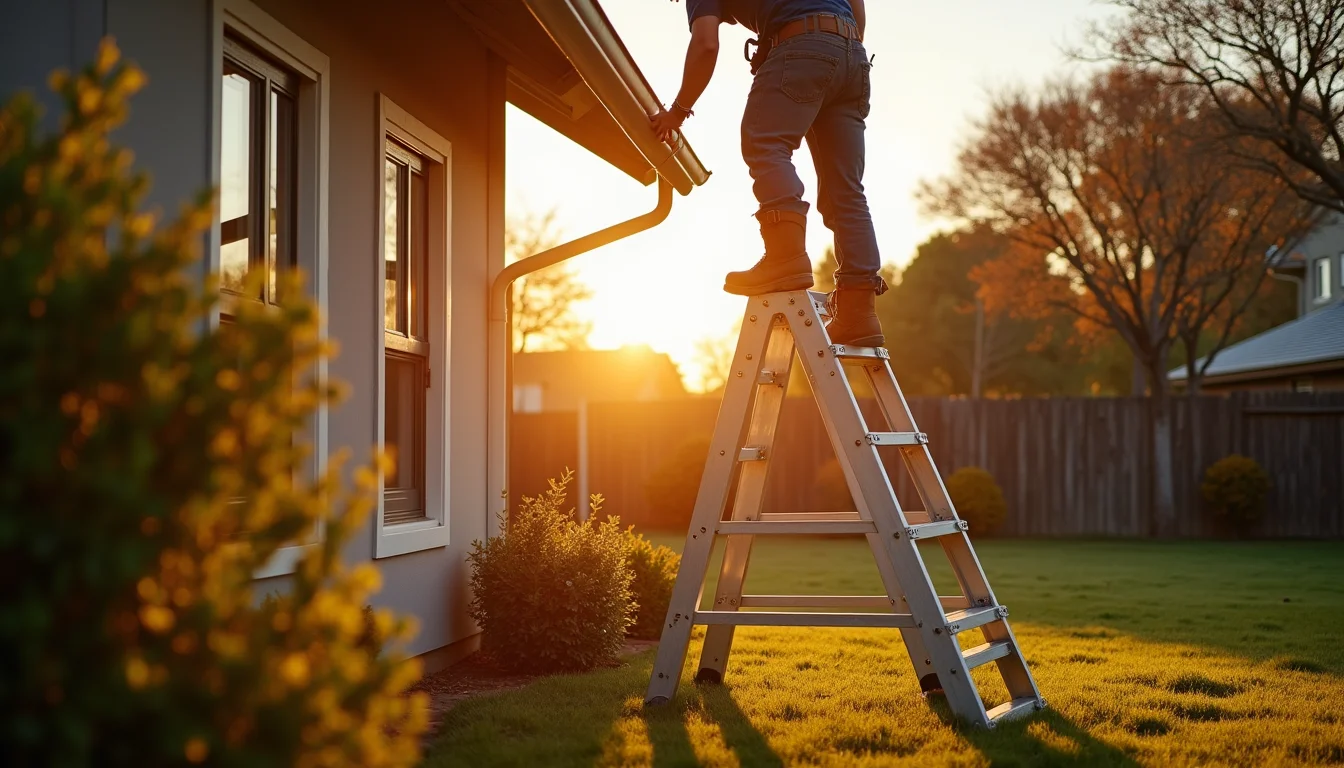
You’ve been searching for a ‘work platform’ and probably thinking about a ladder or a freelance website. But the truth is, the term covers two very different worlds: physical equipment for working at height and digital marketplaces for remote work. Choosing the wrong one can cost you time, money, or even your safety.
Whether you’re a DIY homeowner painting a room or a freelancer looking for your next gig, the right platform makes all the difference. Let’s break down what you actually need for your specific situation, without the confusing jargon.
Physical Work Platforms: Safety and Stability for Home and Job Sites
For hands-on tasks like painting, construction, or warehouse maintenance, a physical work platform is your best friend. These range from lightweight folding step platforms that support up to 375 pounds to heavy-duty adjustable platforms with independent leg adjustments for uneven ground. Brands like Gorilla Ladders and Werner Ladder are common at The Home Depot because they balance cost and durability.
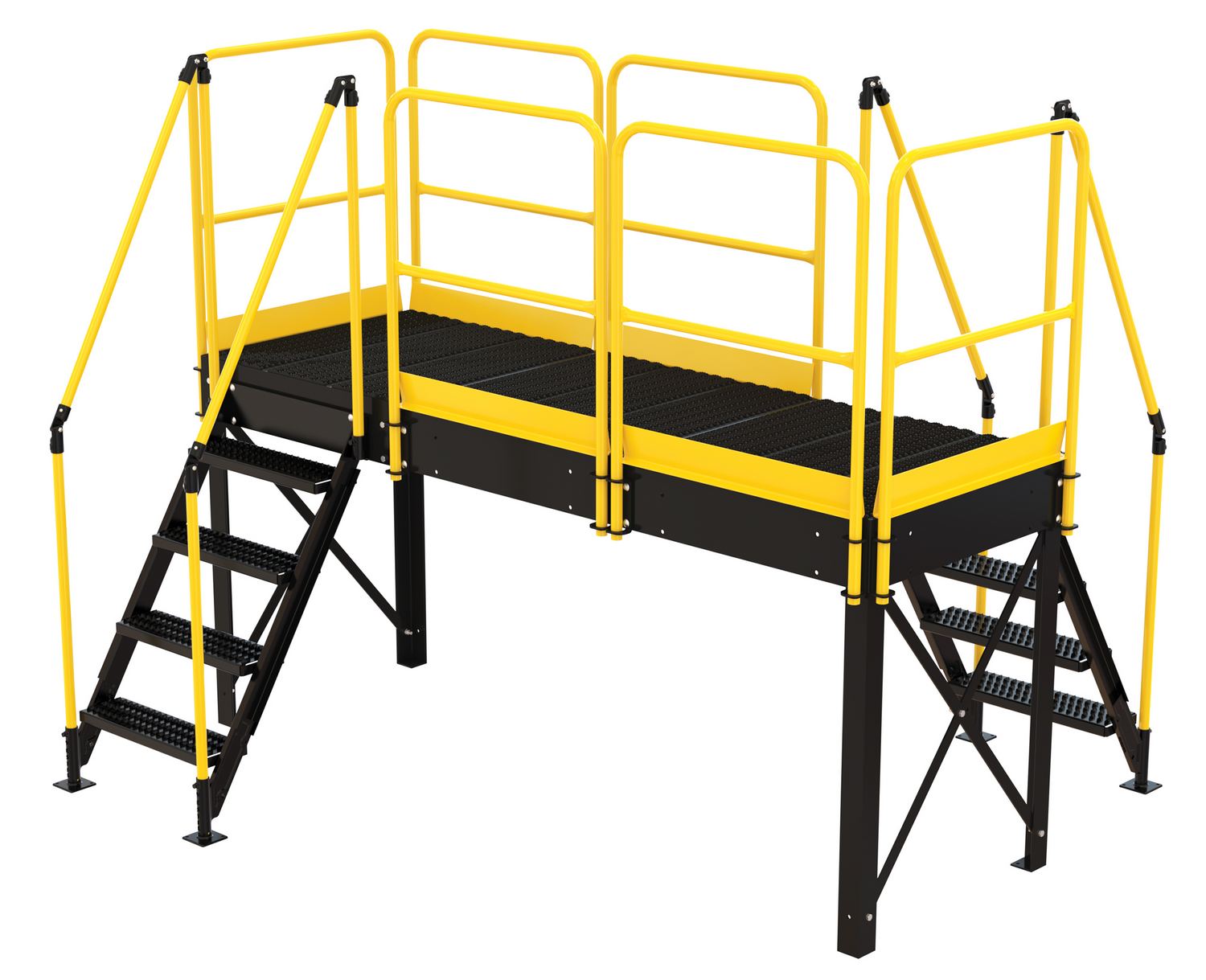
Mobile platforms with locking casters and handrails are essential in factories and automotive shops, letting workers move safely around large equipment. Stationary steel or aluminum platforms are permanent fixtures for repeated access to machinery. Always check the weight limit and platform height before buying, and make sure it meets OSHA standards if you’re using it at work.
The Evolving Work Platform: Accessing Heights and Opportunities in 2026
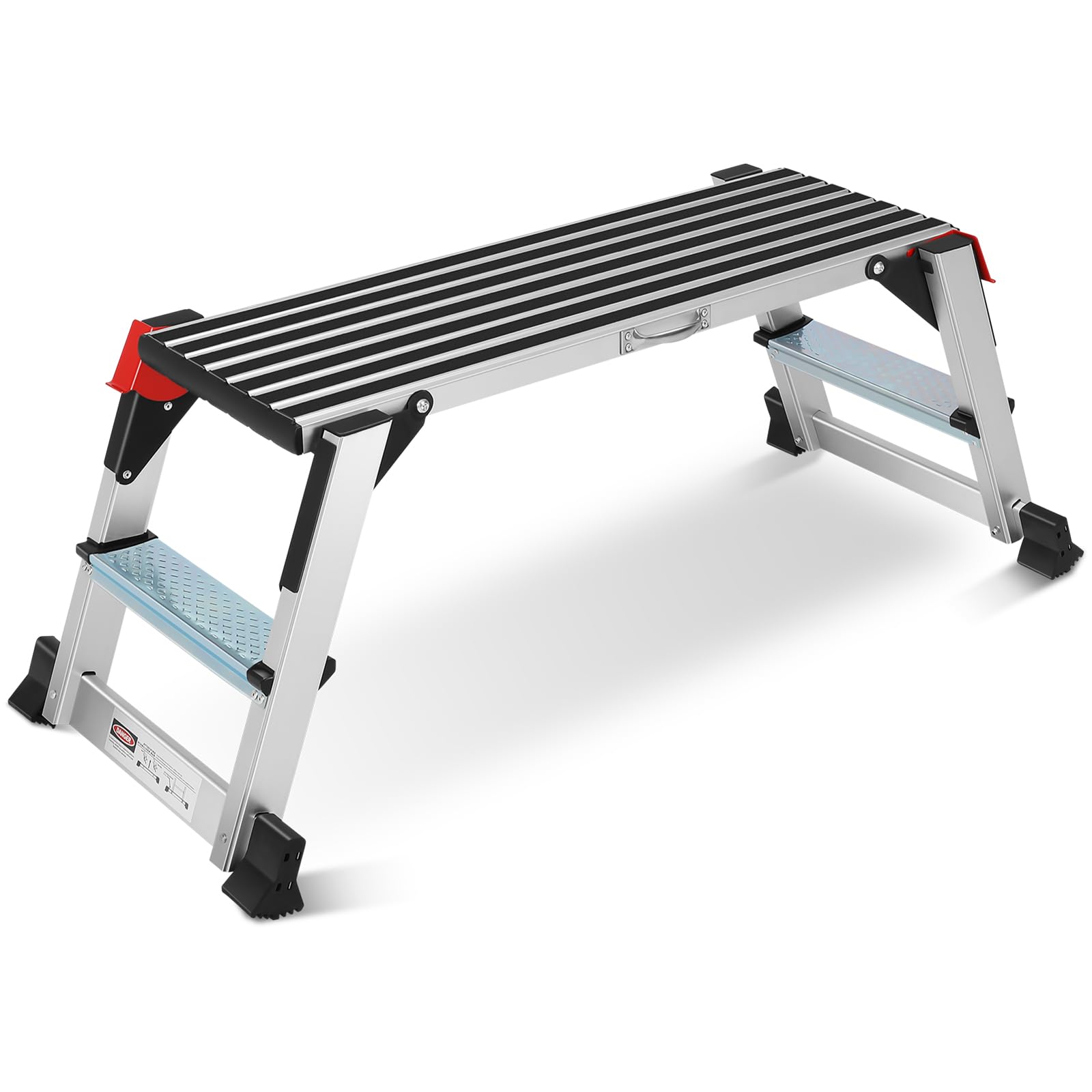
In 2026, the term ‘work platform’ covers two distinct worlds. One is about physical tools that help us work safely at height. The other is about digital spaces where people find freelance work. Understanding these differences is key to choosing the right tool for your job. Both physical and digital platforms are designed for efficiency. They help us achieve specific goals, whether on a construction site or a remote project.
| Platform Type | Primary Use | Typical Capacity | Key Features |
| Physical Access | Working at height | Varies (375 lbs+ for residential) | Stability, safety, portability |
| Digital Marketplace | Remote work, freelancing | N/A | Skill matching, project management |
Heavy-Duty Work Platforms for Industrial Use
Industrial work platforms are built tough for demanding environments. Think factories and large warehouses. These are often stationary, made of strong steel or aluminum. They provide reliable access to machinery or high shelves. Safety standards are extremely high. They must withstand constant use and heavy loads. These platforms are essential for maintaining large-scale operations smoothly.
Mobile Work Platforms for Warehouse Efficiency
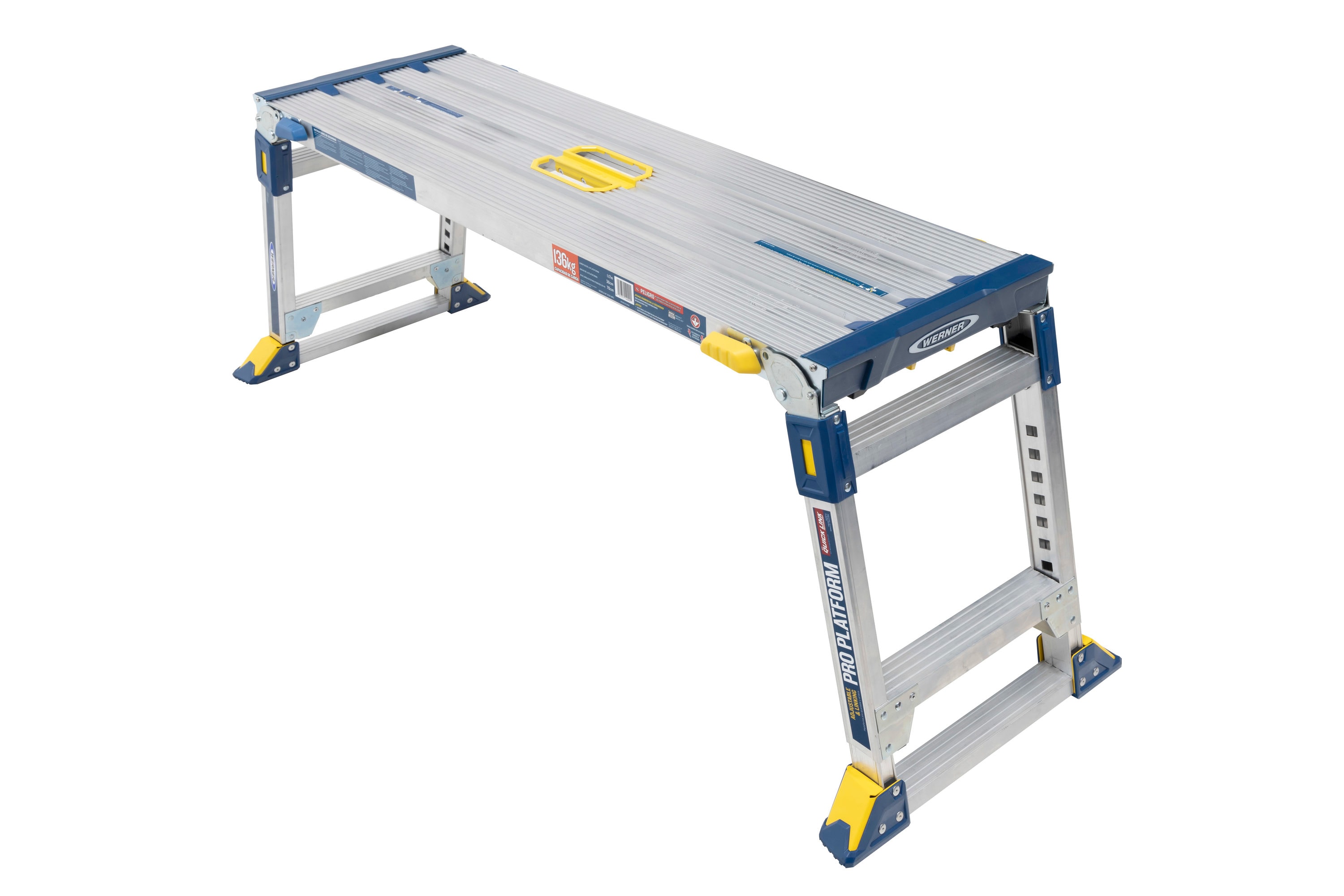
For dynamic settings like warehouses, mobile work platforms are indispensable. They come with sturdy wheels, often with locks. This allows workers to move easily between tasks. They improve efficiency by reducing downtime. Workers can reach different areas without dismantling and reassembling equipment. This is crucial for fast-paced logistics and inventory management.
Read also: 63 Clearance Furniture Outlet Tips to Save Big in 2026
Aluminum Work Platforms for Lightweight Portability
When you need to move your work platform often, aluminum is the material of choice. Aluminum work platforms are significantly lighter than steel. This makes them easier to transport and set up. They are perfect for jobs that require frequent relocation. Despite their light weight, they are engineered for strength and stability. Many models are designed for easy folding, enhancing portability.
Folding Work Platforms for Easy Storage
Storage space is often a concern. Folding work platforms offer a practical solution. They collapse down to a compact size. This makes them ideal for smaller workshops or homes. You can easily tuck them away when not in use. They provide the necessary height and stability without taking up much room. This convenience is a major selling point for DIY users.
Adjustable Work Platforms for Precision Tasks
Some jobs require exact positioning. Adjustable work platforms allow for fine-tuning height and angle. This precision is vital for detailed work. Think about tasks like intricate repairs or specialized assembly. Independent leg adjustments are common. This feature is a lifesaver on uneven ground. It ensures a level and secure working surface every time. You can find excellent options at retailers like The Home Depot.
Adjustability is not a luxury; it’s a necessity for precision work at height.
Online Work Platforms for Freelance Collaboration
The digital realm offers a different kind of platform. Online work platforms connect freelancers with clients globally. These digital marketplaces cover a vast range of skills. From graphic design to software development, opportunities abound. Platforms like Upwork and Freelancer.com are popular choices. They facilitate secure transactions and project management. These are essential tools for the modern remote workforce.
Read also: 47 Home Theater Decor Ideas That Transform Any Room Instantly
Work Platform Scaffolding for Construction Safety
In construction, safety is paramount. Work platform scaffolding provides secure elevated workspaces. These systems are designed to support multiple workers and materials. They are engineered to meet strict building codes. Proper assembly and use are critical. They allow crews to work efficiently and safely on large projects. You can find robust scaffolding solutions from specialized suppliers.
Portable Work Platforms for DIY Projects
For homeowners tackling weekend projects, a portable work platform is a great investment. These are often smaller, lighter versions of industrial platforms. They are perfect for painting walls, changing light fixtures, or washing cars. They offer more stability and a larger surface than a simple ladder. Many are designed for easy setup and takedown. Consider a model like this adjustable platform for versatile use: Amazon Link.
Choosing the right platform depends on your needs. For heavy industrial tasks, robust and stationary models are best. For mobility and storage, look at folding or aluminum options. For remote work, digital platforms are your gateway. Always prioritize safety and stability, no matter the task. The right work platform enhances productivity and ensures your well-being.
The Future is Accessible: Verdict on Work Platforms
In 2026, work platforms, both physical and digital, are more critical than ever. They empower individuals and industries to operate safely and efficiently. For physical access, innovation focuses on lighter materials and smarter adjustability. Expect more integrated safety features and user-friendly designs. For digital collaboration, platforms are becoming more specialized. They are refining how talent is matched and projects are managed. Investing in the right platform means investing in success. Whether you’re reaching new heights on a job site or connecting with clients online, the right tool makes all the difference. Explore options like those from Werner Ladder: Werner Work Platforms.
Read also: 47 Tiny Very Small Bedroom Ideas That Make Your Room Feel Huge
Your 3-Step Action Plan for Choosing a Work Platform
Step 1: Define Your Primary Need
Are you reaching high shelves or finding remote work? This single question decides if you need hardware or software.
Step 2: Match Capacity to Task
For physical platforms, check weight limits and height range. For digital ones, verify skill requirements and vetting process.
Step 3: Check Safety and Support
Physical platforms must meet OSHA standards. Digital platforms should offer escrow or payment protection.
Common Mistakes to Avoid
- Ignoring load ratings on step stools can lead to falls. Always exceed your weight plus tools.
- Choosing a freelance platform without reading fee structures. Some take 20% of your earnings.
- Forgetting to measure doorways for mobile platforms. A 30-inch platform won’t fit a standard 28-inch door.
- Using a digital platform without a portfolio. Clients expect proof of past work.
Frequently Asked Questions
Can I use a step stool for professional painting?
Yes, if the stool supports at least 300 lbs and has a non-slip surface. For ceilings over 8 feet, choose a taller platform.
How do I know if a freelance platform is legitimate?
Check for verified payment systems and read user reviews on independent sites. Avoid platforms that ask for upfront fees.
What is the best material for an outdoor work platform?
Aluminum is lightweight and rust-resistant, ideal for outdoor use. Steel is stronger but heavier and may corrode.
Choosing the right work platform is a decision between physical safety and digital opportunity. Both paths offer proven tools when matched to your specific task.
Start by listing your project’s height requirements or your skill set. Then apply the three-step plan to narrow your options.
Imagine a future where your work platform blends seamlessly into your workflow, whether it’s a stable ladder or a client dashboard. That efficiency is within reach.
