

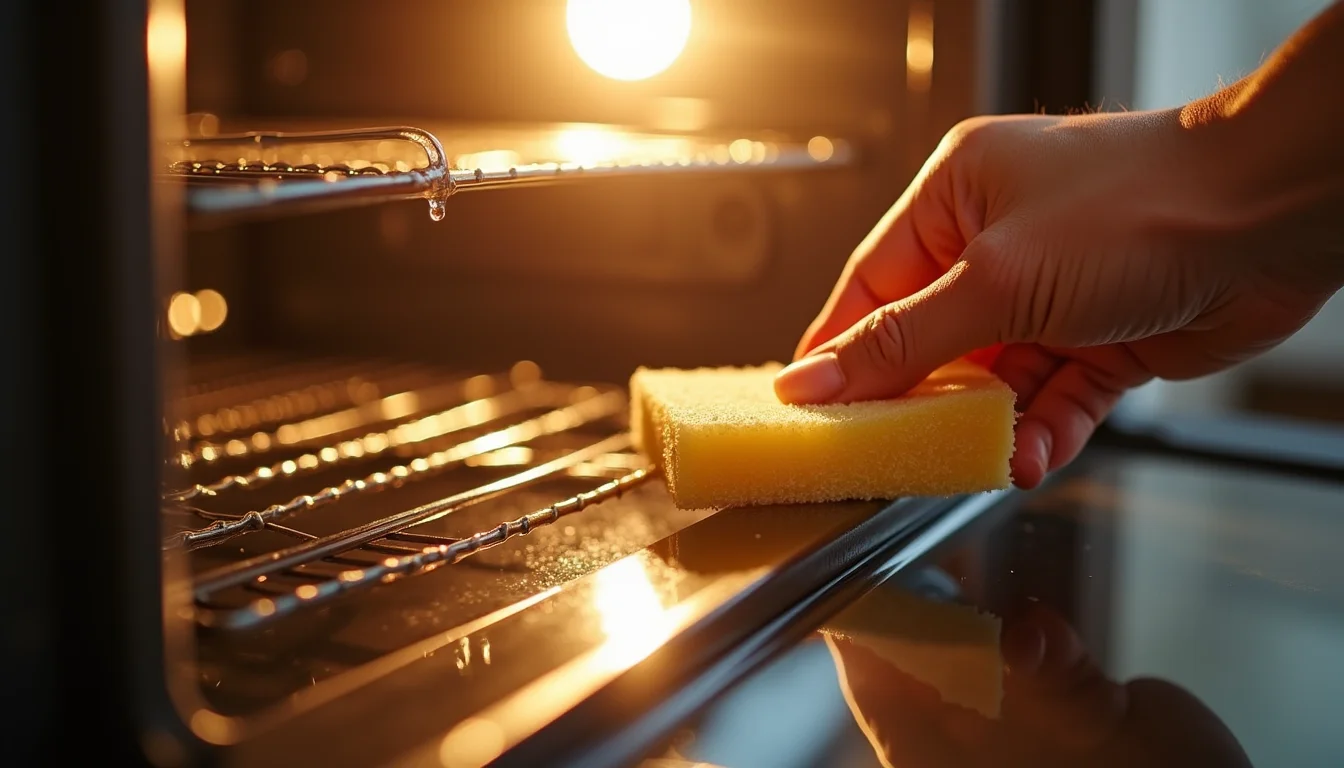
You open the oven door and that burnt-on grease is staring right back at you. Scrubbing for hours never seems to get it clean, and the smoke from the next roast just makes it worse. There is a better way to tackle this without losing your whole afternoon.
Most people grab the first spray they see at the store, but not all oven cleaners work the same way. Some need heat, some need time, and a few can actually damage your oven if you use them wrong. Let’s cut through the confusion so you can pick the right one for your mess.
Heavy-Duty vs. Natural Oven Cleaner: Which One Do You Need?
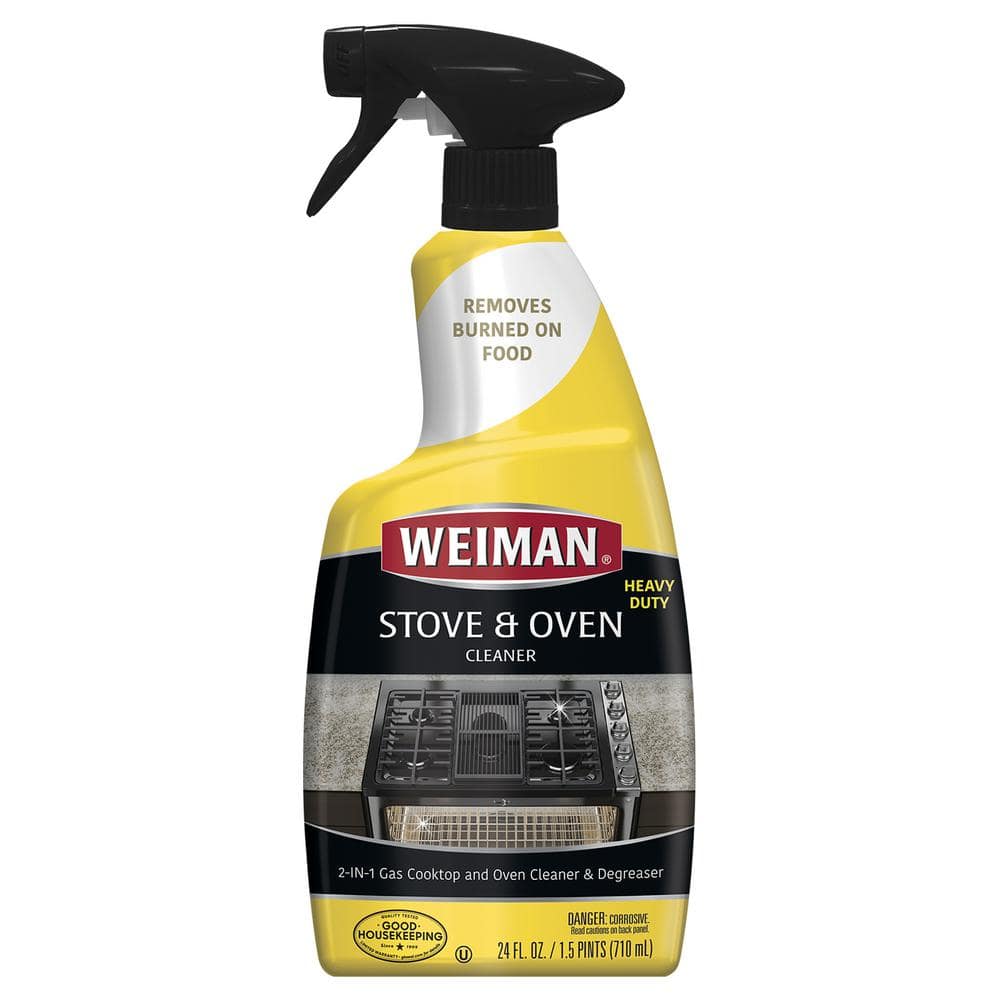
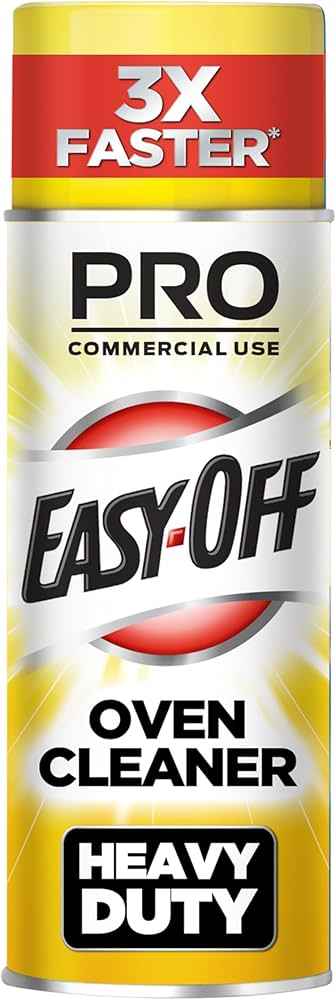
The first big choice is between a heavy-duty chemical cleaner and a natural option. Heavy-duty sprays like Easy Off Heavy Duty are made to cut through baked-on grease in about 5 minutes, but they put off strong fumes. You need to open windows and wear gloves, and the smell can linger for hours.
Natural cleaners like a paste of baking soda and vinegar are safer for your lungs and the environment. The trade-off is time: you have to let the paste sit overnight, sometimes 12 hours or more, to break down the grime. For a quick fix after a holiday meal, a chemical cleaner is usually faster, but for regular weekly wipe-downs, the natural route works fine.
There are also fume-free sprays like Easy-Off Fume Free that use a different formula. They don’t smell as strong and are safe for self-cleaning ovens, but they need to sit longer, often 30 to 90 minutes. Prices vary, with heavy-duty sprays around $4 and fume-free options closer to $5.50 at stores like Walmart.
Oven Cleaning in 2026: A Smarter Approach to a Sparkling Kitchen
Keeping your oven clean is essential for both hygiene and cooking performance. In 2026, the market provides advanced solutions for every need. We’re moving beyond harsh chemicals to smarter, more effective methods. Understanding your options means a cleaner oven with less effort. This guide breaks down the best choices for your kitchen.
| Product Type | Key Feature | Average Price (2026) | Dwell Time | Best For |
| Heavy-Duty Spray | Fast-acting on baked-on grease | $3.94 – $5.48 | 5 mins – 1 hour | Extreme grime |
| Fume-Free Spray | Low odor, lye-free | $5.48 – $7.00 | 30 mins – Overnight | Regular cleaning, sensitive users |
| Natural Cleaners | Baking soda, vinegar | DIY cost (low) | Overnight | Light cleaning, eco-conscious |
| Specialty Cleaners | Racks, gels, pastes | $9.99+ | Varies | Specific parts, tough spots |
Heavy-Duty Oven Cleaner for Tough Grease
When baked-on grease and burnt food become a problem, heavy-duty oven cleaner is your go-to. Products like Easy Off Heavy Duty are designed to cut through the toughest grime quickly. They use powerful chemicals to penetrate and lift stubborn residues. Always ensure good ventilation when using these potent sprays.
These cleaners often work in as little as 5 minutes for lighter messes. For extreme buildup, you might need to let them sit for up to an hour. Always follow the product instructions carefully. Protective gloves and eye protection are highly recommended for safety.
Read also: This DIY Grout Cleaner Works Better Than Store-Bought
Fume-Free Oven Cleaner for Safe Use
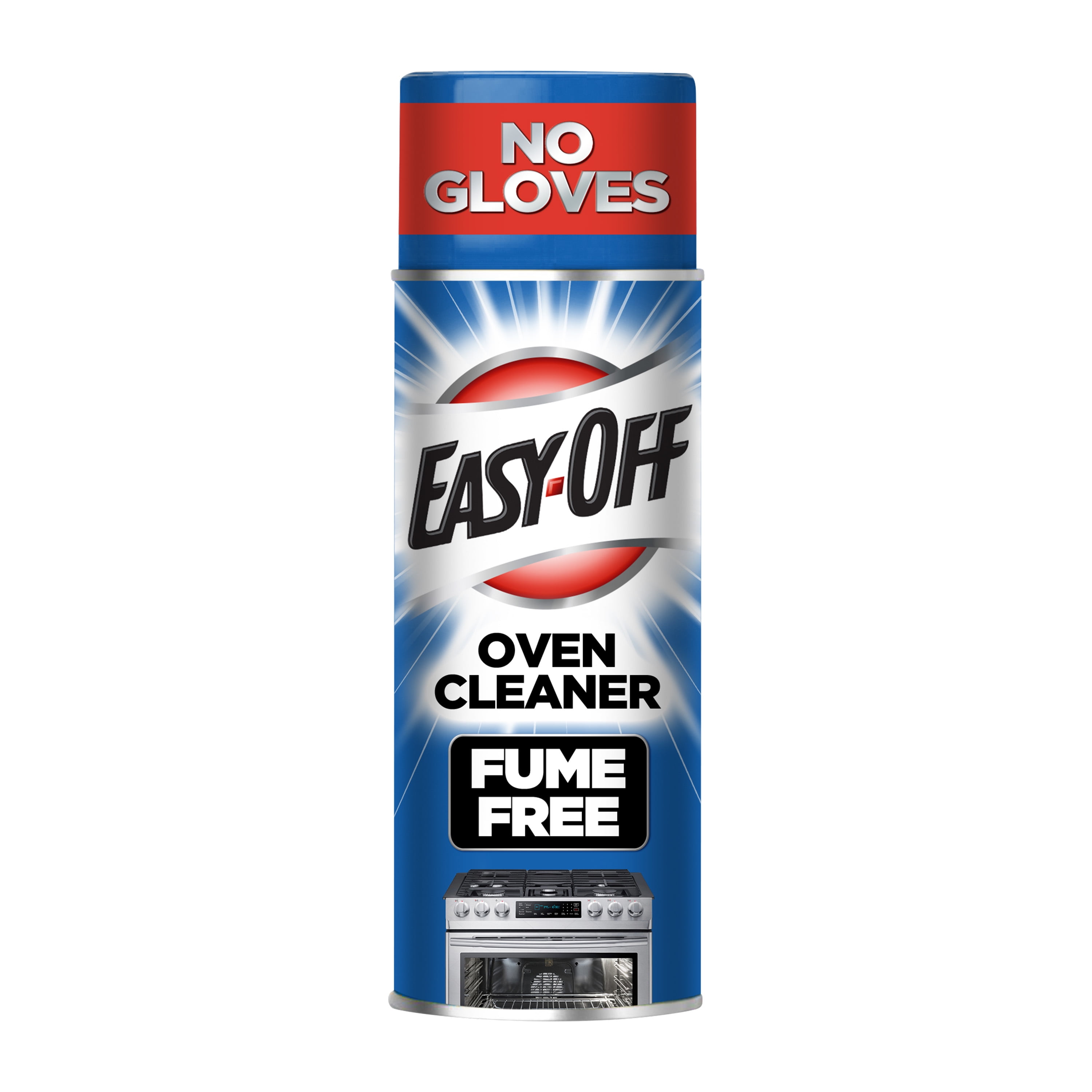
For those sensitive to strong odors or concerned about fumes, fume-free oven cleaner offers a safer alternative. These formulations are often lye-free and utilize ‘cold-oven technology’. They are ideal for regular maintenance and can be used in self-cleaning ovens. You can find options like Easy-Off Fume Free at most major retailers.
While they are gentler, fume-free cleaners may require a longer waiting period. Some recommend a dwell time of 30 minutes or more. For very tough spots, you might even leave them overnight. This makes them a great choice for a less aggressive, more controlled clean.
Natural Oven Cleaner with Baking Soda
A popular choice for an eco-friendly approach is a natural oven cleaner using baking soda. Baking soda is a mild abrasive that can help lift grime. You create a paste by mixing baking soda with a little water. Apply this paste to the oven interior, avoiding heating elements.
This method requires patience, as it is not as fast-acting as chemical cleaners. You will likely need to let the paste sit overnight for best results. After waiting, wipe away the residue with a damp cloth. For tougher spots, a little scrubbing may be needed.
Read also: 55 Vertical Blinds for Windows That Solve Your Patio Door Problem
Baking soda and vinegar are effective, but require significant dwell time. Plan for an overnight soak for best results.
DIY Oven Cleaner with Vinegar
Vinegar is another staple in the DIY oven cleaner arsenal. Its acidity helps break down grease and grime. You can use it in a spray bottle, often combined with water. For a deeper clean, you can heat a bowl of vinegar in the oven.
After heating, let the oven cool slightly, then wipe down the interior. Vinegar can also be used in conjunction with baking soda for a fizzing reaction that helps loosen debris. This is a non-toxic method that is safe for most ovens.
Best Oven Cleaning Spray for Daily Use
For light, everyday messes, a good oven cleaning spray can be very effective. These are typically less aggressive than heavy-duty options. They are designed for quick wipe-downs after cooking. Look for sprays that are easy to use and don’t require extensive rinsing.
Many brands offer versatile sprays that work on both ovens and grills. Goo Gone Oven & Grill Cleaner is one such product. These sprays are convenient for maintaining a clean oven between deeper cleaning sessions. They help prevent heavy buildup.
Oven Cleaning Gel for Vertical Surfaces
Oven cleaning gel is formulated to cling to vertical surfaces, preventing drips. This is a significant advantage over thinner sprays. The gel stays in place, allowing the active ingredients to work longer on grime. This makes it ideal for oven sides and doors.
Gels often require a similar application and dwell time to heavy-duty sprays. They are effective at breaking down tough, baked-on food particles. Always check the product label for specific instructions and safety precautions.
Oven Cleaning Paste for Stubborn Stains
For those truly stubborn stains that gels and sprays can’t handle, an oven cleaning paste is the next step. These pastes are thicker and more concentrated. They provide a powerful scrubbing action combined with cleaning agents. You apply them directly to the problem areas.
These are best used for spot treatment on burnt-on messes. Allow the paste to sit for the recommended time, then scrub gently with a non-abrasive pad. This is a targeted approach for the most challenging cleaning tasks. You can find specialized pastes for oven racks too.
Self-Cleaning Oven Cleaner Maintenance
If you have a self-cleaning oven, maintenance is key. While the self-cleaning cycle handles heavy-duty cleaning, regular wipe-downs are still necessary. Use a mild cleaner or a damp cloth for routine cleaning. Avoid using commercial oven cleaners inside a self-cleaning oven.
Commercial cleaners can damage the oven’s enamel coating or react dangerously with the self-cleaning cycle. Stick to the manufacturer’s recommendations for your specific model. This ensures the longevity and safety of your appliance. For rack cleaning, consider products like Delta Carbona 2-In-1 Oven Rack & Grill Cleaner.
The Future of Oven Cleaning: Smarter, Safer, Sparklier
In 2026, the trend is towards more specialized and user-friendly oven cleaning solutions. We see a clear divide between powerful chemical cleaners for tough jobs and gentle, fume-free options for everyday use. Natural methods remain a viable choice for the eco-conscious, though they demand more time.
The key is to match the cleaner to the mess. For heavy grease, a strong spray is often needed. For regular upkeep, a fume-free or natural option works well. Always prioritize safety by using protective gear and ensuring good ventilation with chemical products. For more tips on kitchen cleaning, check out Taste of Home.
Remember, never use commercial cleaners during a self-cleaning cycle. This can cause serious damage. Explore options like Zep Oven and Grill Cleaner for value or specialty rack cleaners. A clean oven not only looks good but cooks better. Find more product reviews at Bob Vila.
Read also: 67 Faux Finish Painters Ideas to Transform Your Walls in 2026
Your 3-Step Oven Cleaning Action Plan
Step 1: Assess Your Needs
Heavy baked-on grease calls for a potent chemical spray like Easy Off Heavy Duty. For regular maintenance, choose a fume-free option like Easy-Off Fume Free.
Step 2: Apply Correctly
Always ventilate your kitchen and wear gloves. Spray the product evenly, then use the cling film trick to maximize penetration.
Step 3: Wait and Wipe
Dwell times vary from 5 minutes for heavy-duty to overnight for natural cleaners. Never use commercial cleaner with your oven’s self-cleaning cycle.
Frequently Asked Questions
Can I use oven cleaner on self-cleaning oven racks?
Yes, but only if the product is labeled safe for self-cleaning ovens. Avoid using any cleaner during a self-cleaning cycle.
Is fume-free oven cleaner as effective?
Fume-free formulas work well for regular cleaning but may need longer dwell times for heavy buildup. They are safer for households with pets or sensitivities.
What’s the best way to clean oven racks?
Place racks in a large garbage bag, spray with cleaner, and seal overnight. Rinse thoroughly the next morning.
Choosing the right oven cleaner depends on your cleaning frequency and sensitivity to fumes. Heavy-duty chemical sprays offer speed, while fume-free options provide safety.
For your next cleaning, start with the action plan above to save time and avoid common mistakes. A clean oven not only looks better but also cooks more efficiently.
Imagine opening your oven to a sparkling interior with zero grease and no harsh smells. That’s the future of effortless kitchen maintenance.
