


Tired of dark corners and shadows in your living room? Canned lights, also called recessed lights, give you that clean, modern look without a hanging fixture. But if you install them wrong, you could end up with a fire hazard.
The good news is that with today’s LED technology, it’s easier and safer than ever to add recessed lighting to your home. You just need to know the right steps and safety rules to follow.
Understanding Canned Lights: Housings, Trims, and Safety Ratings
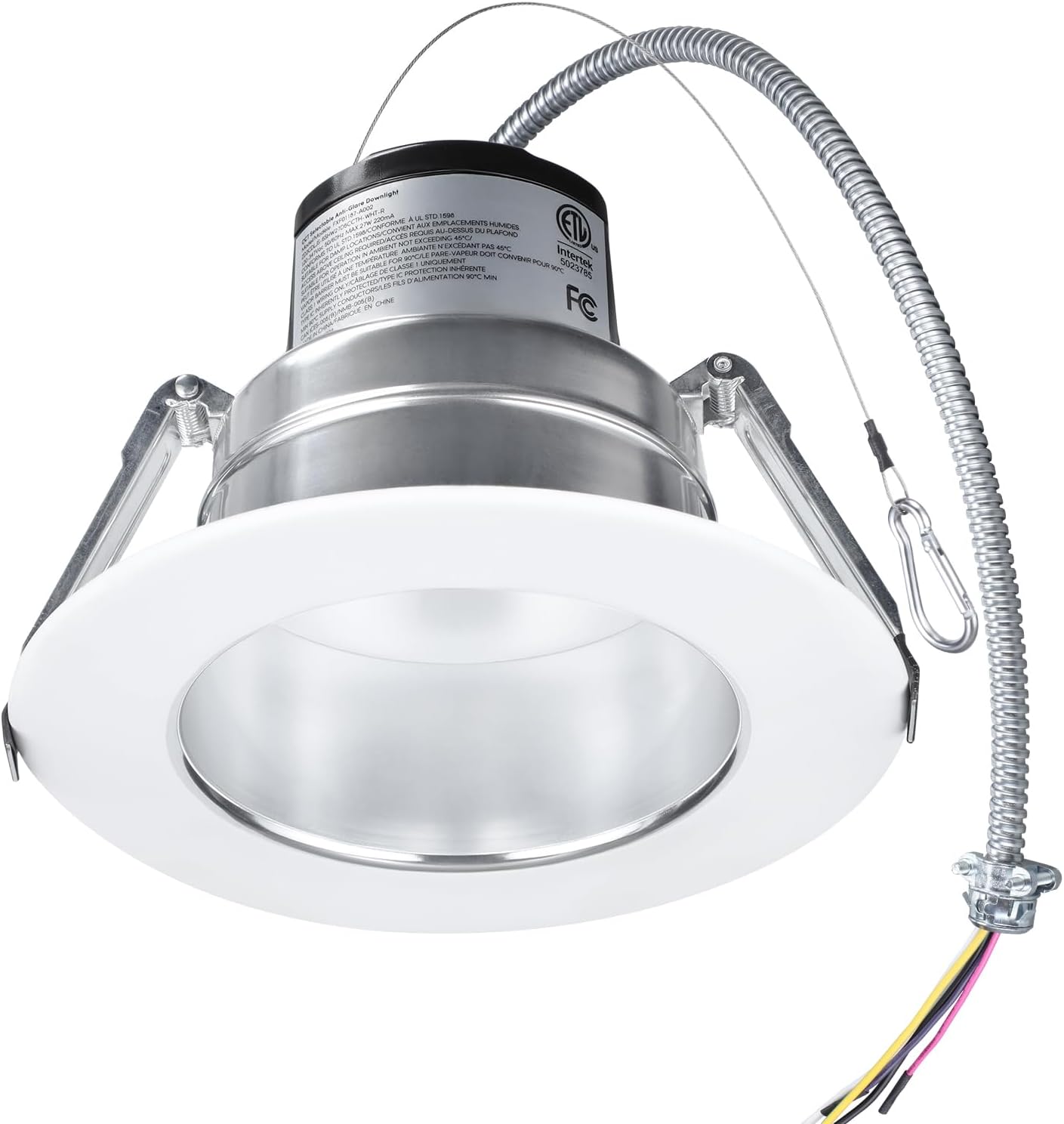
Canned lights come in two main parts: the housing (the box that goes in the ceiling) and the trim (the visible part you see). The housing must match your ceiling type and insulation. For example, if you have insulation touching the light, you must use an IC-rated housing to prevent overheating and fire.
Most homes built after 2020 use LED recessed lights that last up to 50,000 hours and cut energy use by 80%. You can also get dimmable canned lights that work with smart home systems. Just make sure to buy a dimmer switch that’s rated for LED bulbs to avoid flickering.
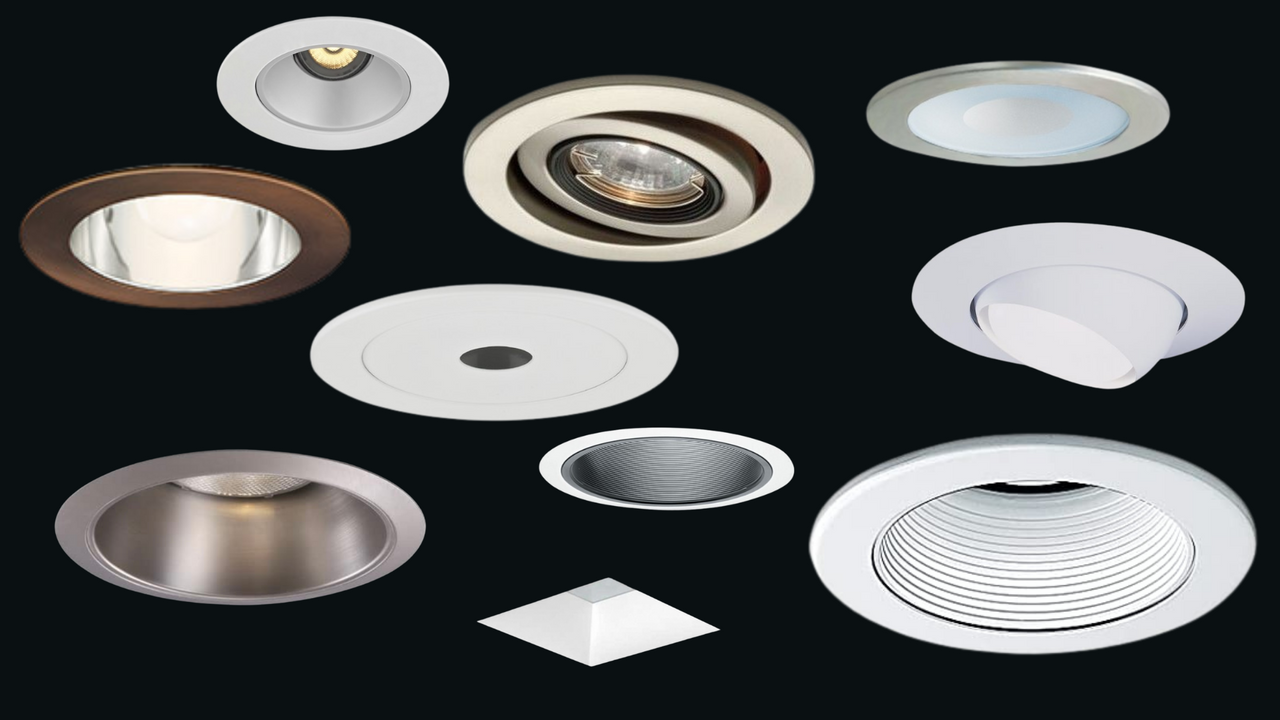
When choosing trim, think about where the light goes. For a bathroom or outdoor covered area, pick a wet location trim. For adjustable accent lighting, a gimbal trim lets you aim the light. A baffle trim is best for general room lighting because it reduces glare.
IC Rated vs Non-IC Rated Housings
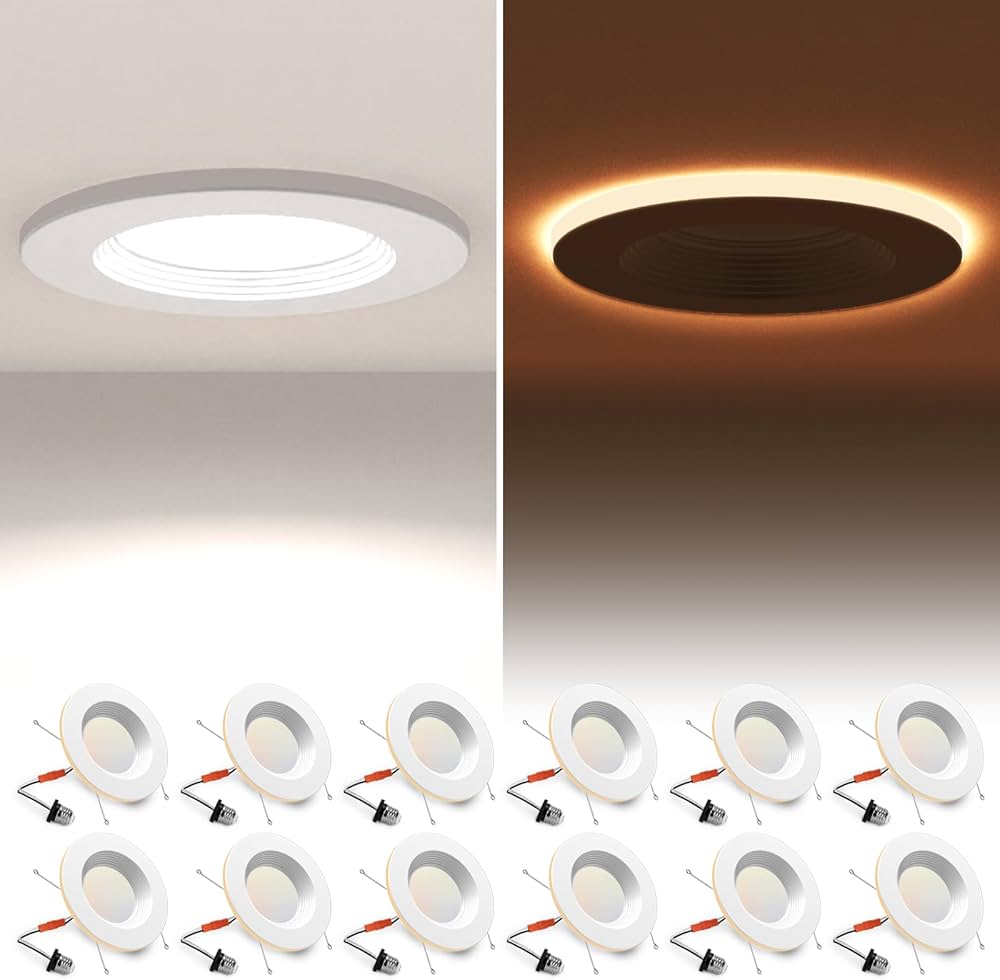
Choosing the right housing is critical for safety and code compliance. It ensures your lights won’t overheat insulation or cause a fire.
IC Rated Housings
IC rated housings are designed for direct contact with insulation. This is a requirement in most modern homes to prevent fire hazards. Building codes in 2026 often mandate IC-rated housings for new construction or renovations where insulation is present to prevent fire hazards.
Non-IC Rated Housings
These require a gap between the fixture and insulation. You must maintain at least three inches of clearance. This type is typically used in older homes or specific situations where insulation is not present.
Best Canned Lights for Living Rooms
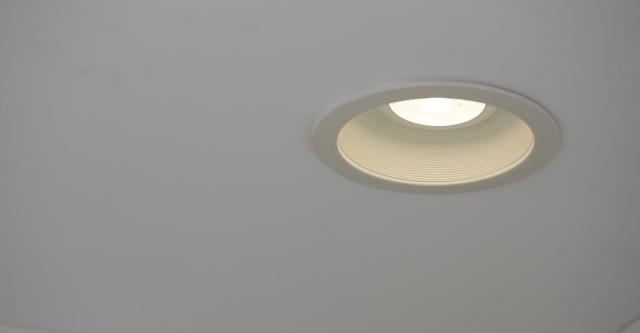
Living rooms need versatile lighting that can adapt to different activities. Ambient light is key, but task and accent lighting add depth.
Warm White LED Ambient Lighting
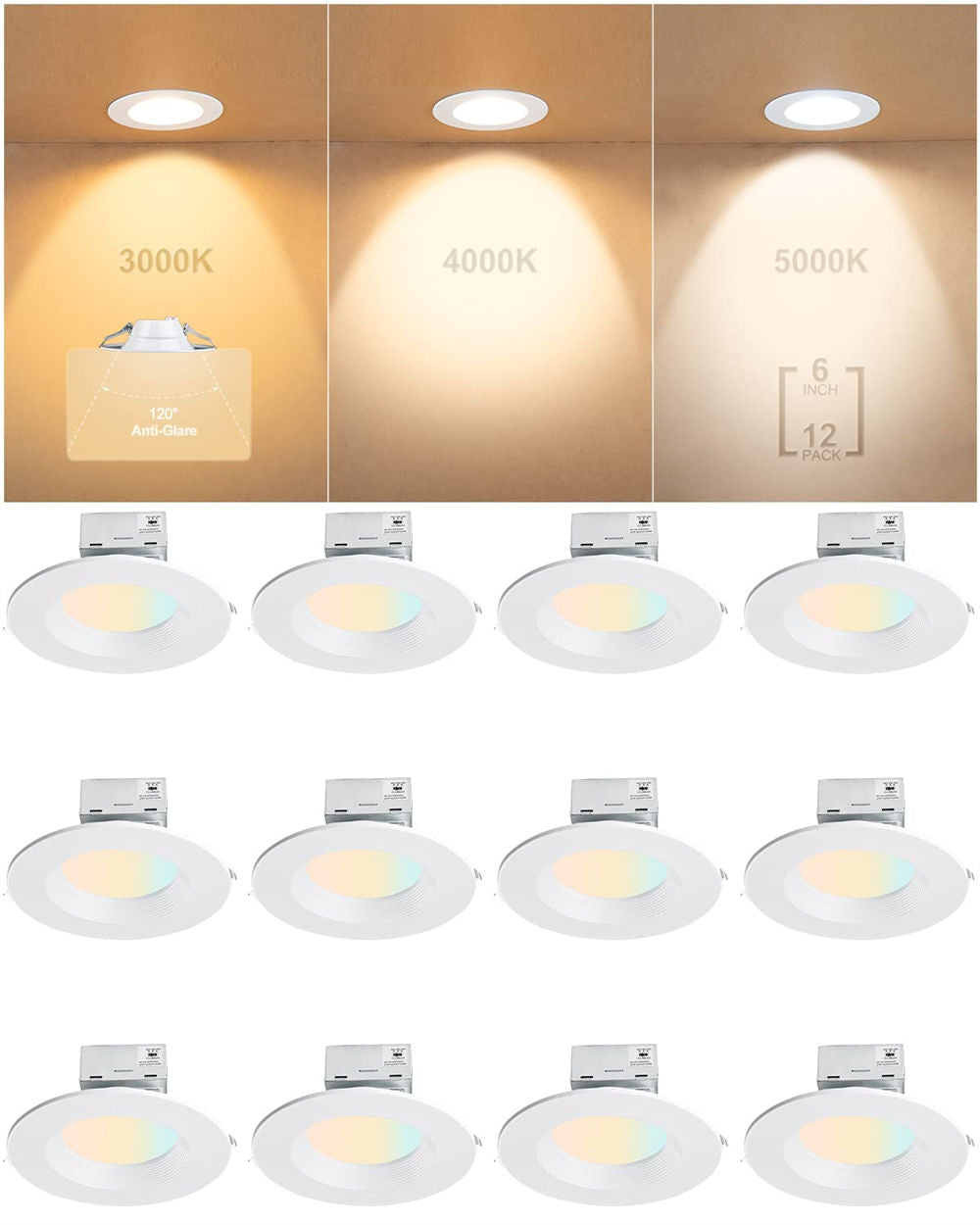
Opt for LED recessed lighting with a color temperature around 2700K to 3000K. This mimics the warm glow of incandescent bulbs, creating a cozy atmosphere. Current market trends favor LED recessed lighting due to energy efficiency and longevity, with smart home integration becoming a significant feature.
Adjustable Gimbal Trims
Gimbal trims allow you to direct light where needed. Use them to highlight artwork or architectural features. This adds a professional, layered look to your lighting design.
High CRI Recessed Fixtures
Look for fixtures with a Color Rendering Index (CRI) of 90 or higher. This ensures colors in your room appear true to life. It makes your decor and furnishings look their best.
LED Recessed Lighting Benefits
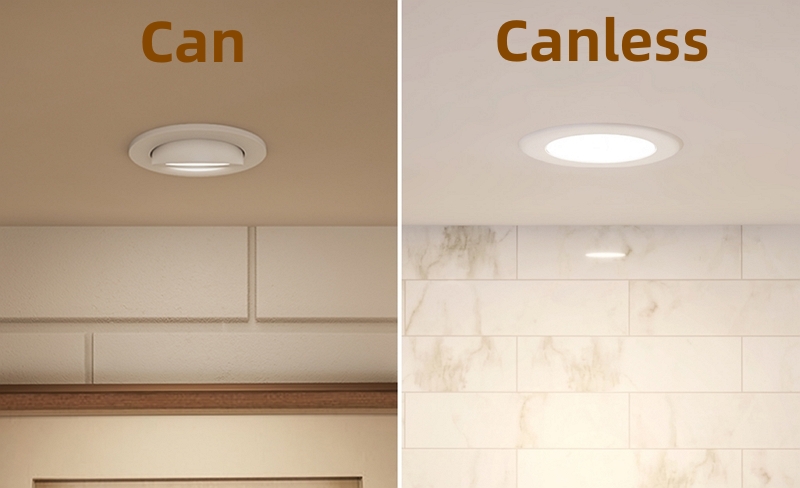
LEDs are the standard for good reason. They save money and last much longer than older bulb types. This makes them a smart investment for any homeowner.
Energy Savings
LED recessed lighting uses significantly less electricity. You can see a reduction in your energy bills. Energy Star certified recessed lighting fixtures can reduce energy consumption by up to 80% compared to older incandescent models.
Extended Lifespan
These lights last for many years. You won’t have to replace bulbs often. The average lifespan of LED recessed lights is 25,000-50,000 hours, significantly longer than traditional incandescent or halogen bulbs.
Consistent Light Quality
LEDs provide steady, flicker-free light. They maintain their brightness over time. This ensures a more comfortable and visually pleasing environment.
Dimmable Canned Light Options
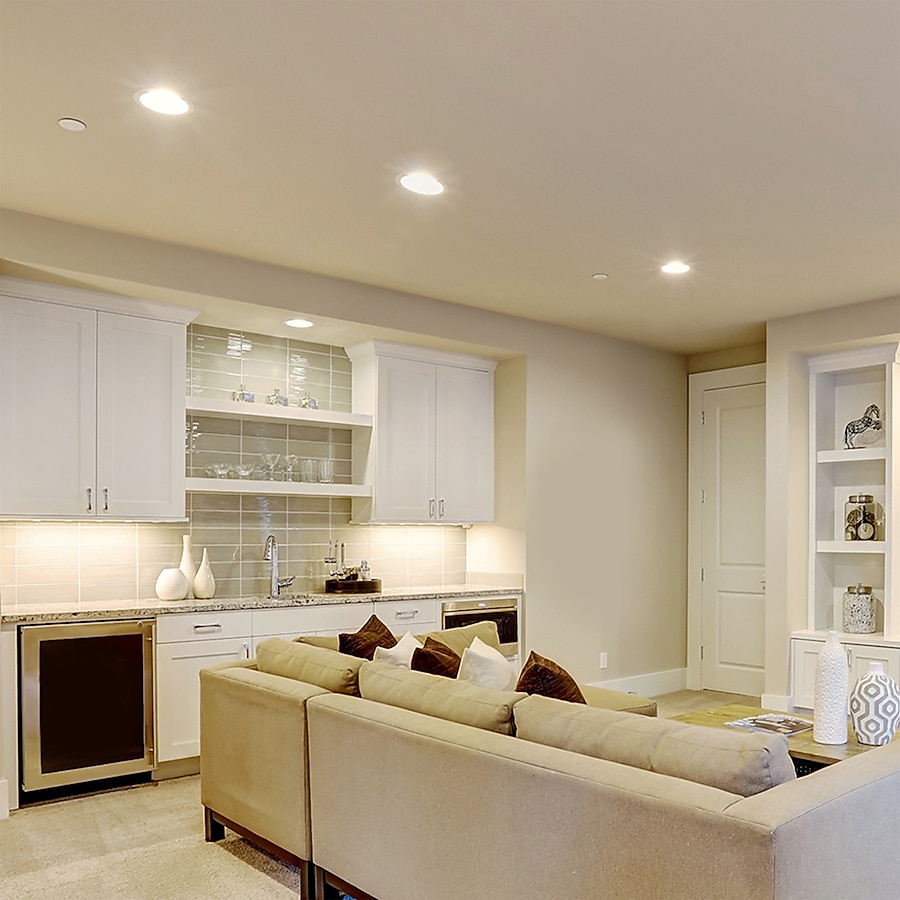
The ability to dim lights is essential for setting the mood. It allows you to control the brightness for different times of day. This feature enhances the functionality of your space.
Smooth Dimming Performance
Choose LED recessed lights specifically marked as dimmable. Not all LEDs are compatible with dimmers. Dimmer compatibility is a key consideration; ensure LED recessed lights are specified as ‘dimmable’ and paired with compatible LED dimmer switches.
Wide Dimming Range
Look for dimmers that offer a broad range, from 100% down to 5% or less. This provides maximum flexibility. You can achieve everything from bright task lighting to a soft, ambient glow.
Compatibility with LED Dimmers
Always use LED-compatible dimmer switches. Using the wrong type can cause flickering or damage the lights. Check the fixture’s specifications for recommended dimmer models.
Smart Recessed Lighting Control
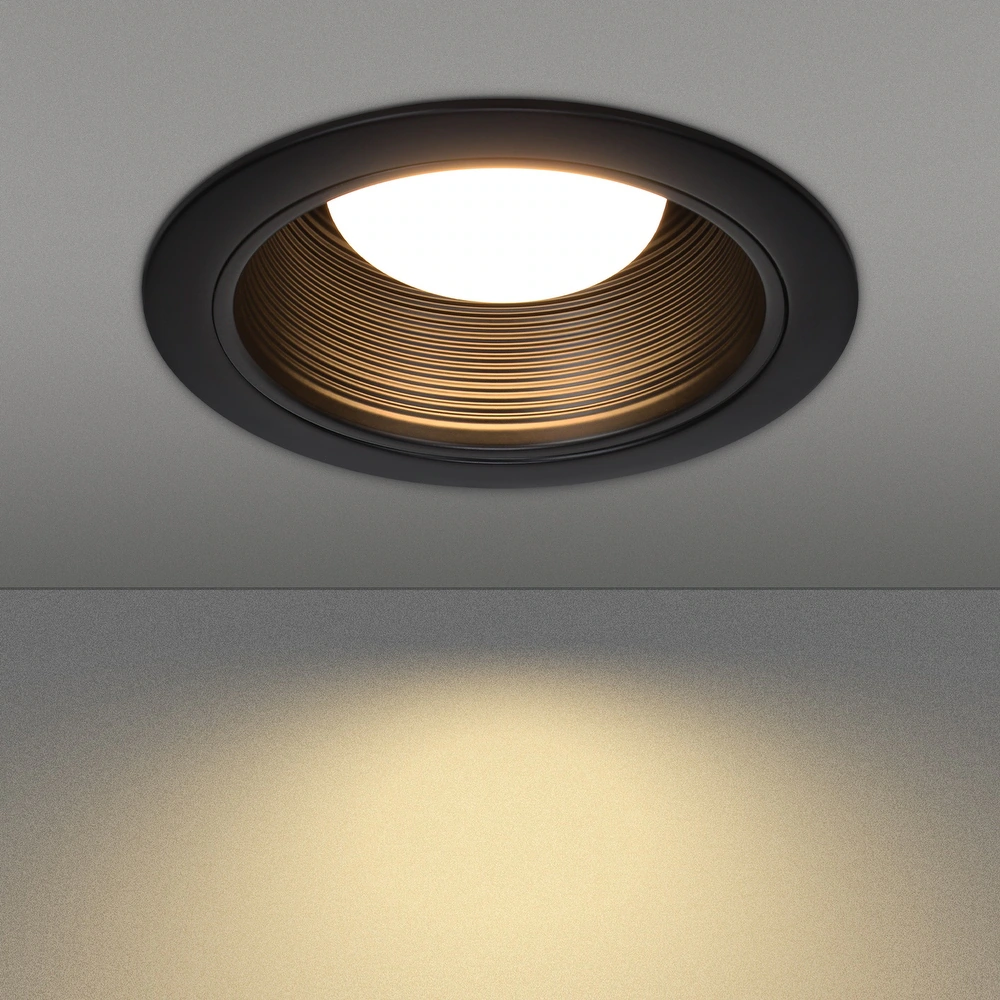
Smart lighting adds convenience and modern technology to your home. You can control your lights with your voice or phone. This offers unparalleled ease of use.
Voice Control Integration
Many smart recessed lighting systems work with voice assistants. You can turn lights on or off without lifting a finger. This is perfect for when your hands are full.
App-Based Control
Control your lights from anywhere using a smartphone app. You can set schedules or adjust brightness remotely. Current market trends favor LED recessed lighting due to energy efficiency and longevity, with smart home integration becoming a significant feature.
Customizable Scenes
Create preset lighting scenes for different moods or activities. A
Style and Reference Gallery
Wall washing creates a smooth gradient of light on a wall. Space lights 2 to 3 feet from the wall for this effect.
Use dimmable LEDs and a compatible dimmer switch. You can adjust the mood from bright to intimate.
In bathrooms, choose a trim with a gasket to keep moisture out. This prevents rust and electrical issues.
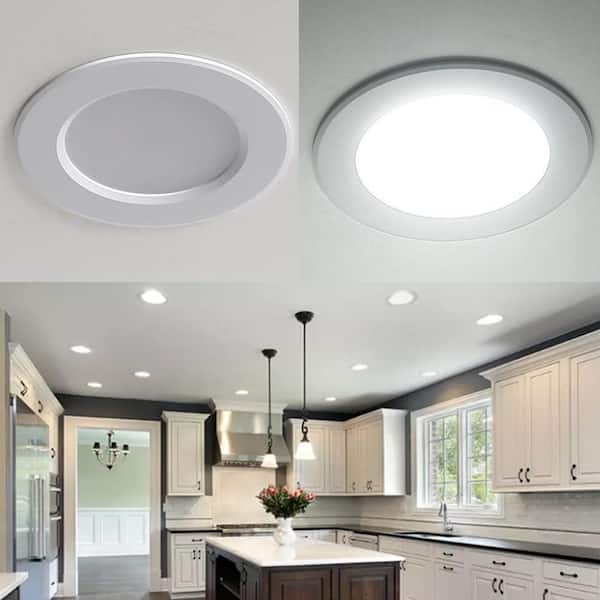
Outdoor canned lights need a sealed housing and trim. They can light up your patio or deck safely.
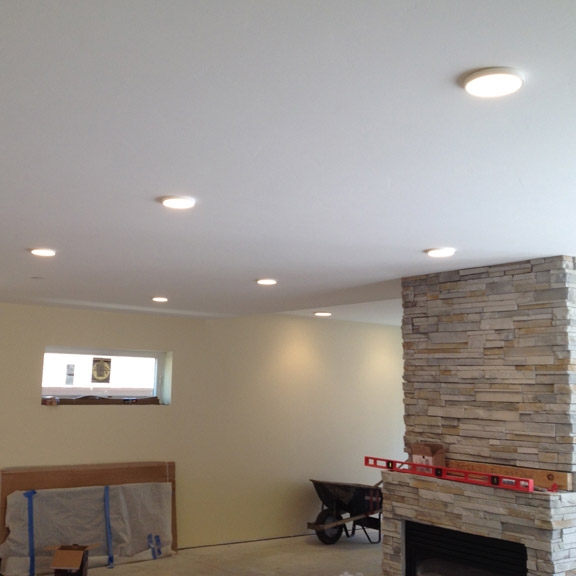
Small 4-inch lights work well in hallways and closets. They provide enough light without overwhelming the space.
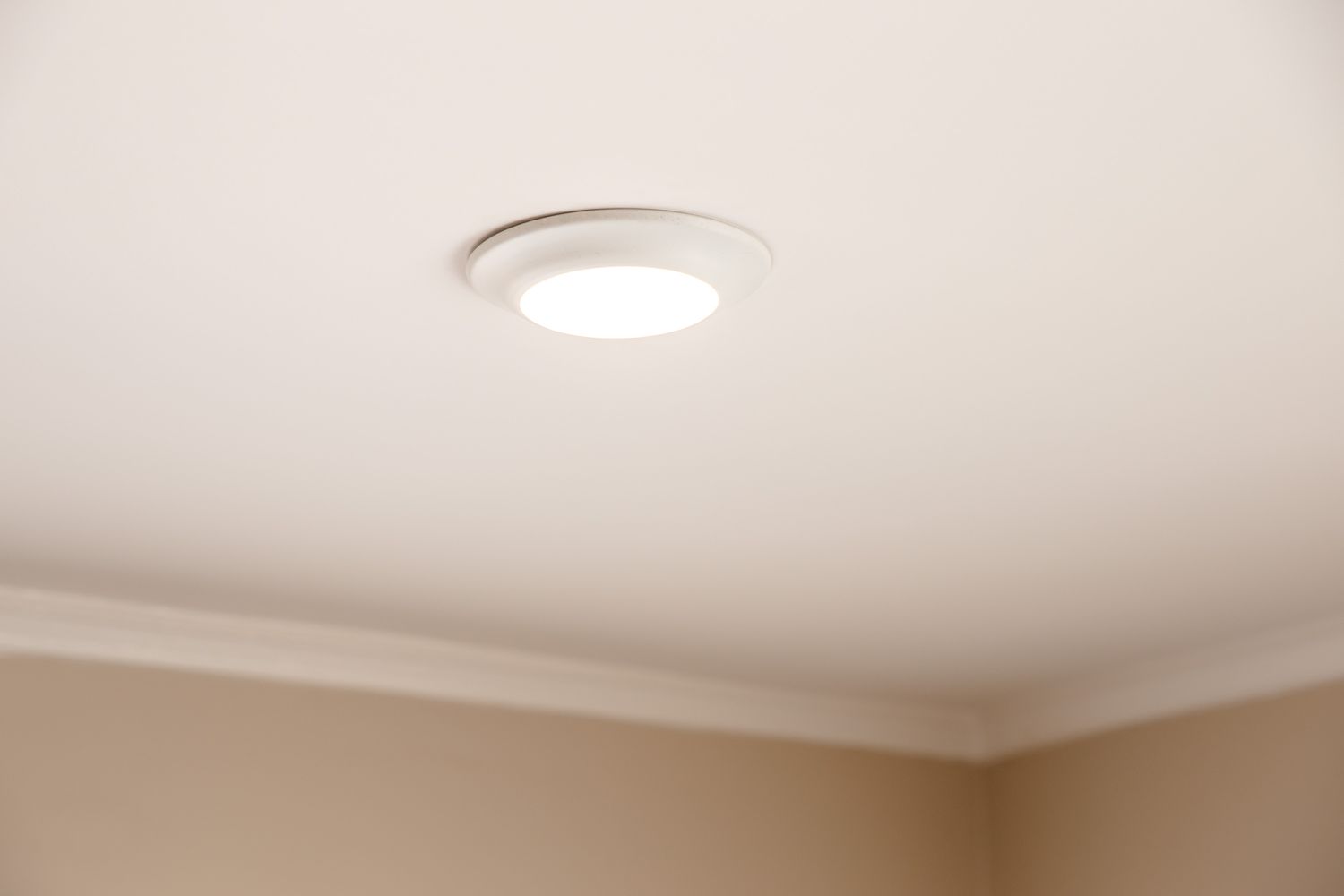
Low-profile trims sit flush with the ceiling. They look clean and modern, especially in contemporary homes.
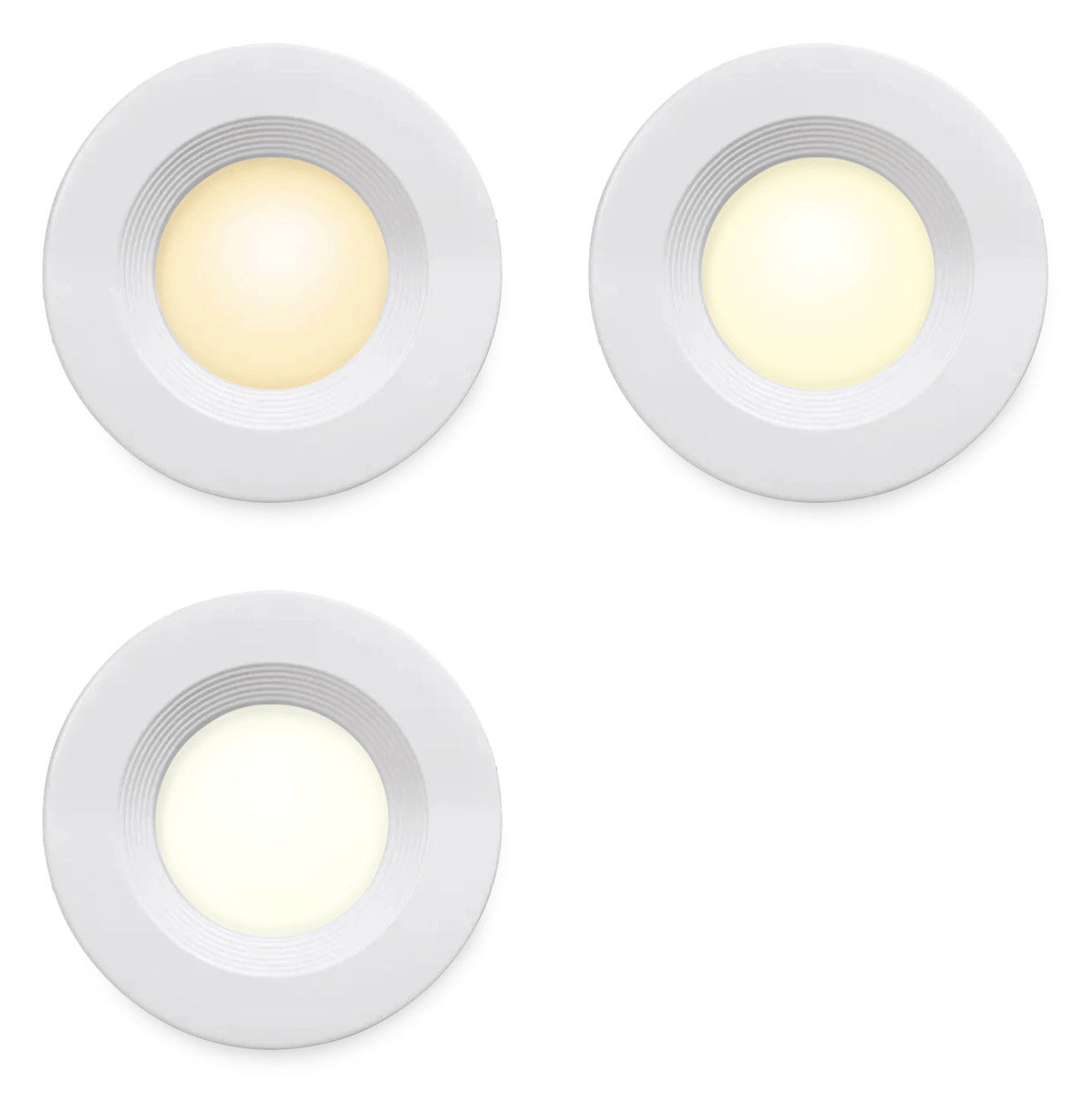
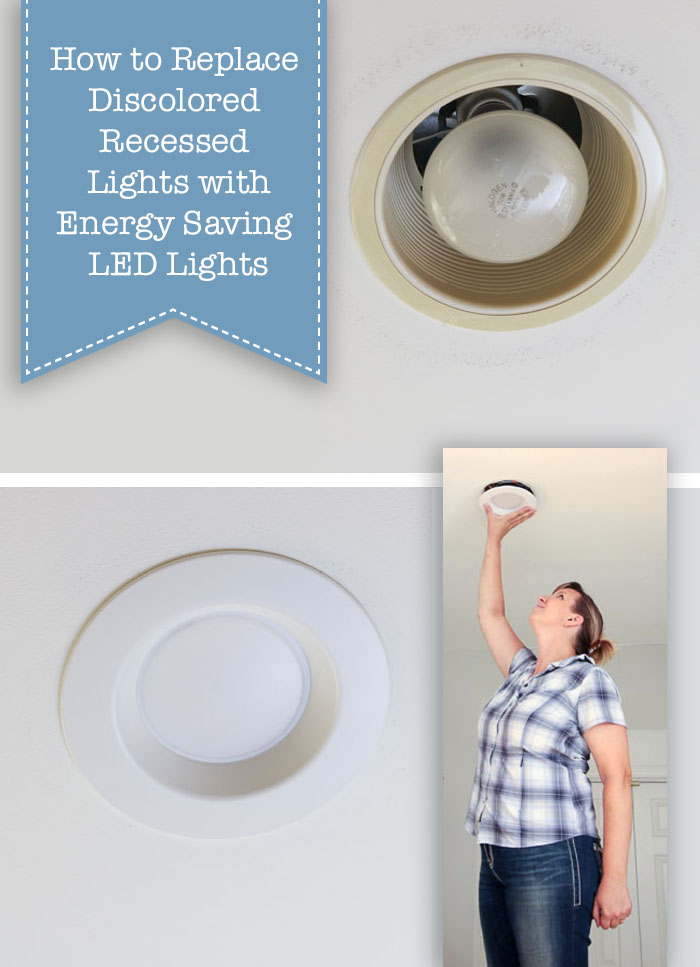
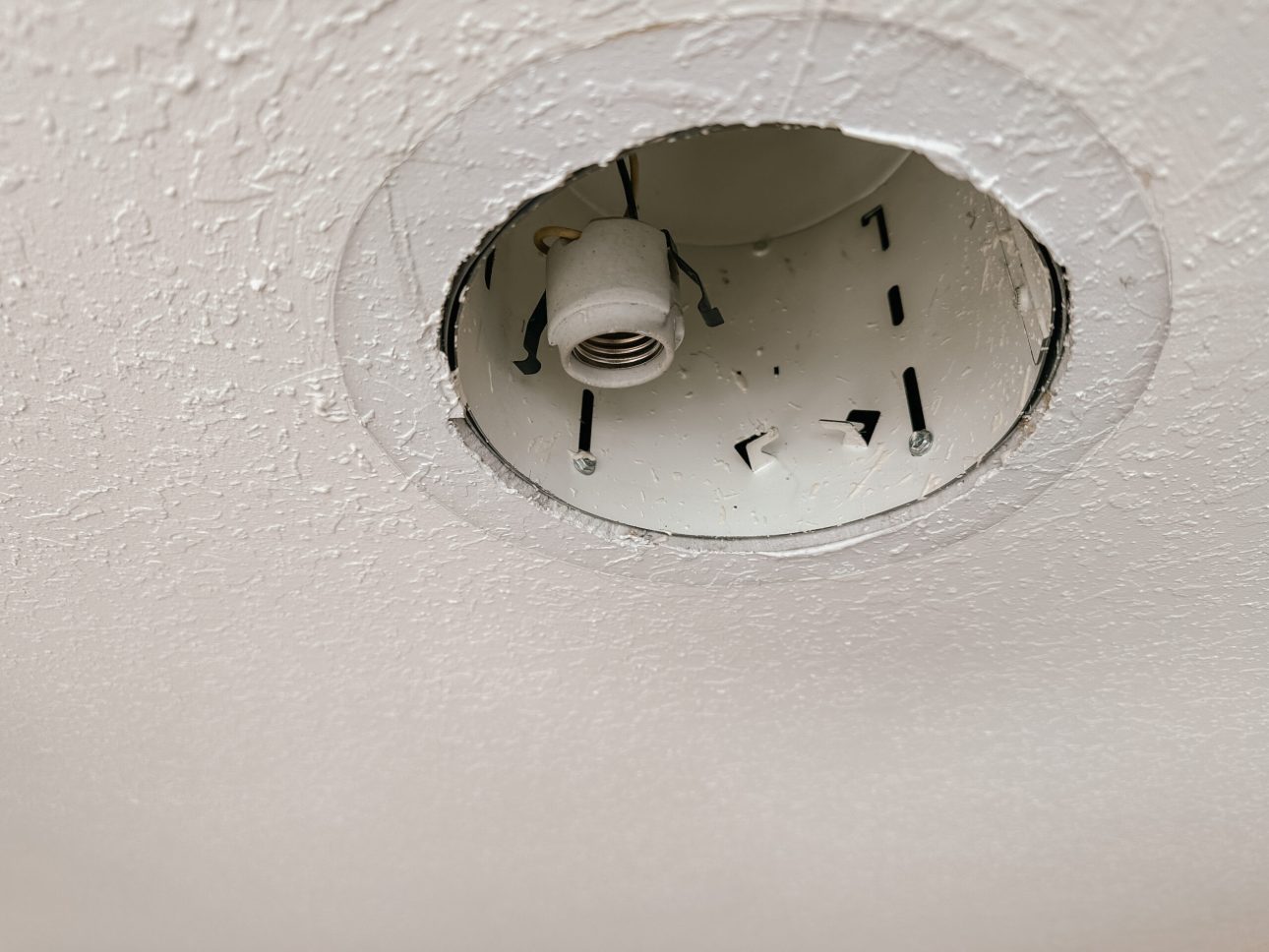
Retrofit kits let you convert old cans to LED. They are easy to install and improve efficiency.
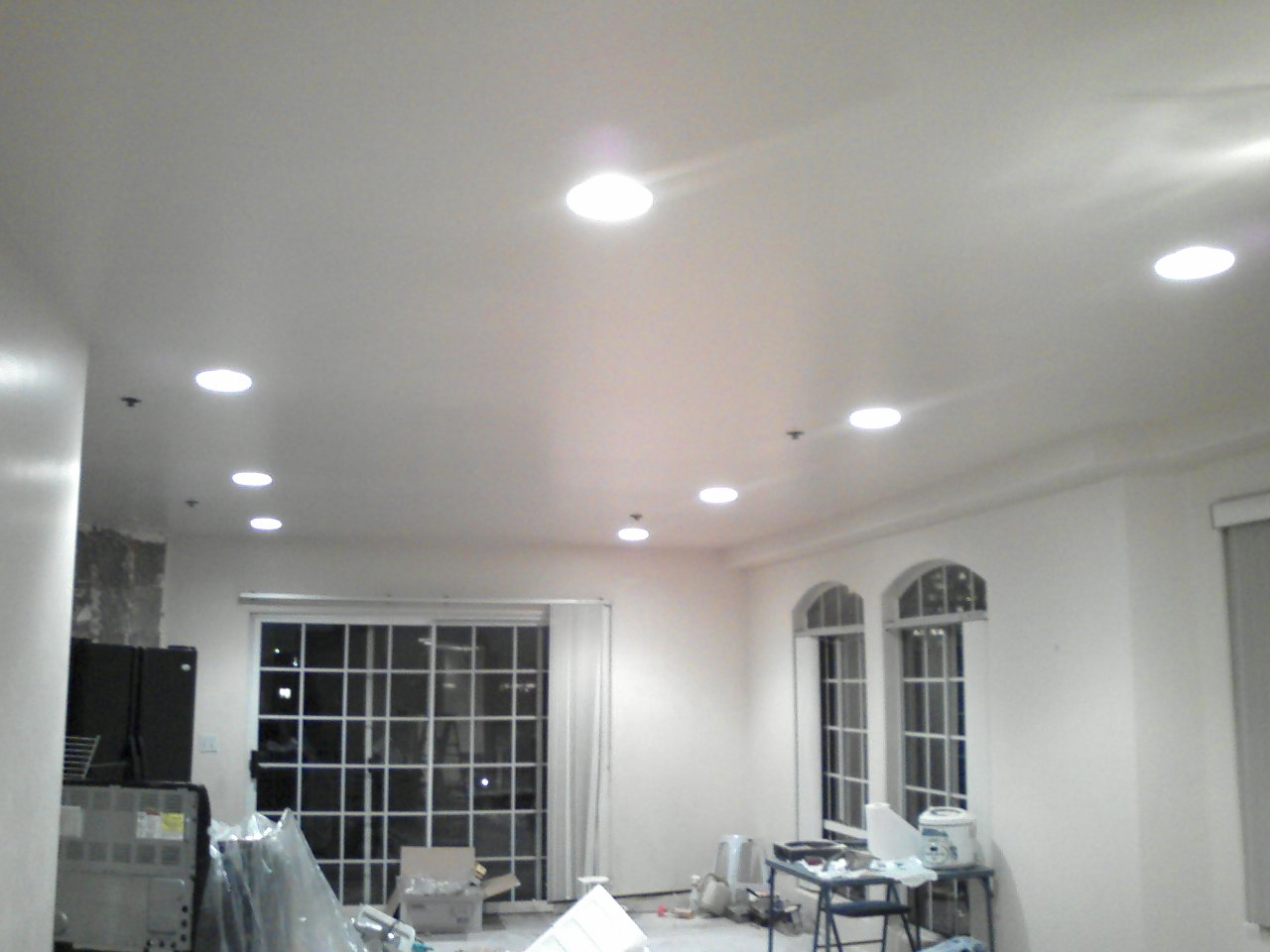
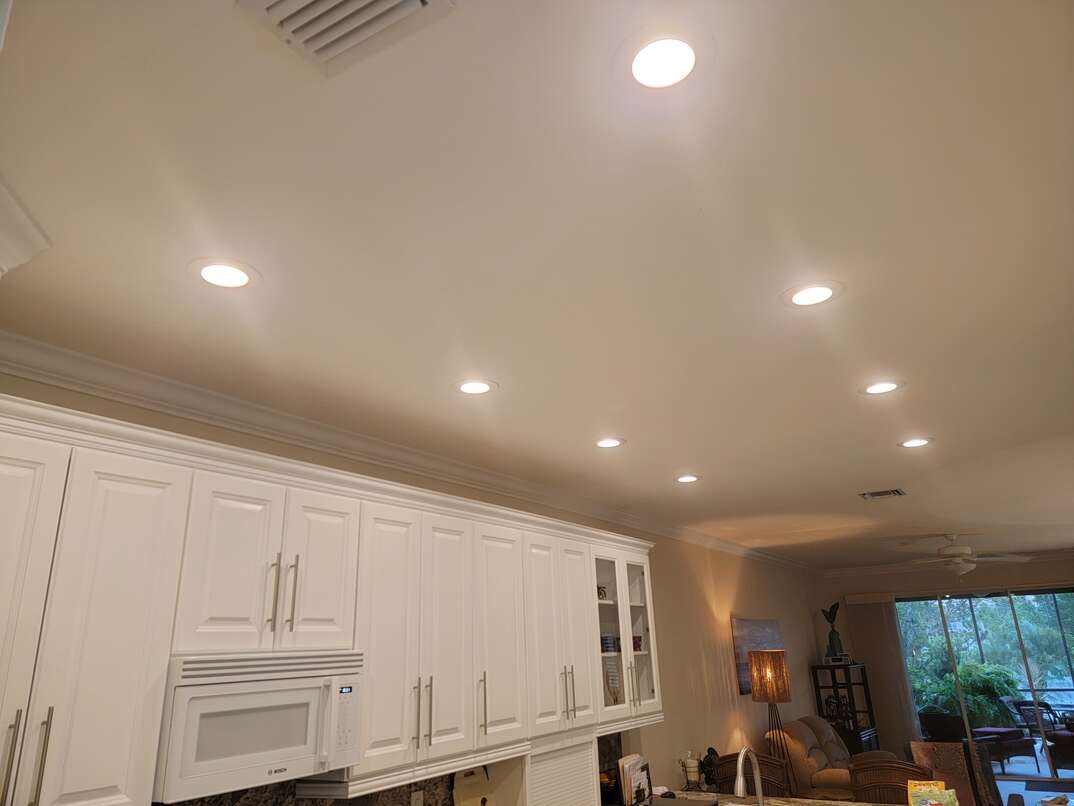
Use multiple rows of lights in large rooms. Stagger them for even coverage with no dark spots.
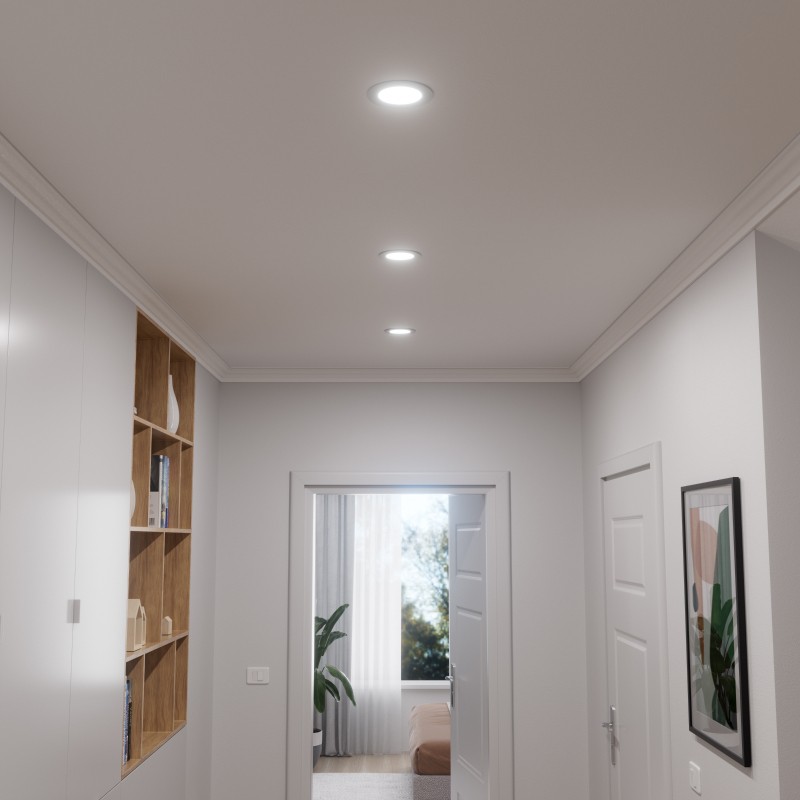
Smart LED canned lights connect to your home system. You can control them with your phone or voice.
A dimmer switch with a slider gives you fine control. It’s more intuitive than a simple toggle.
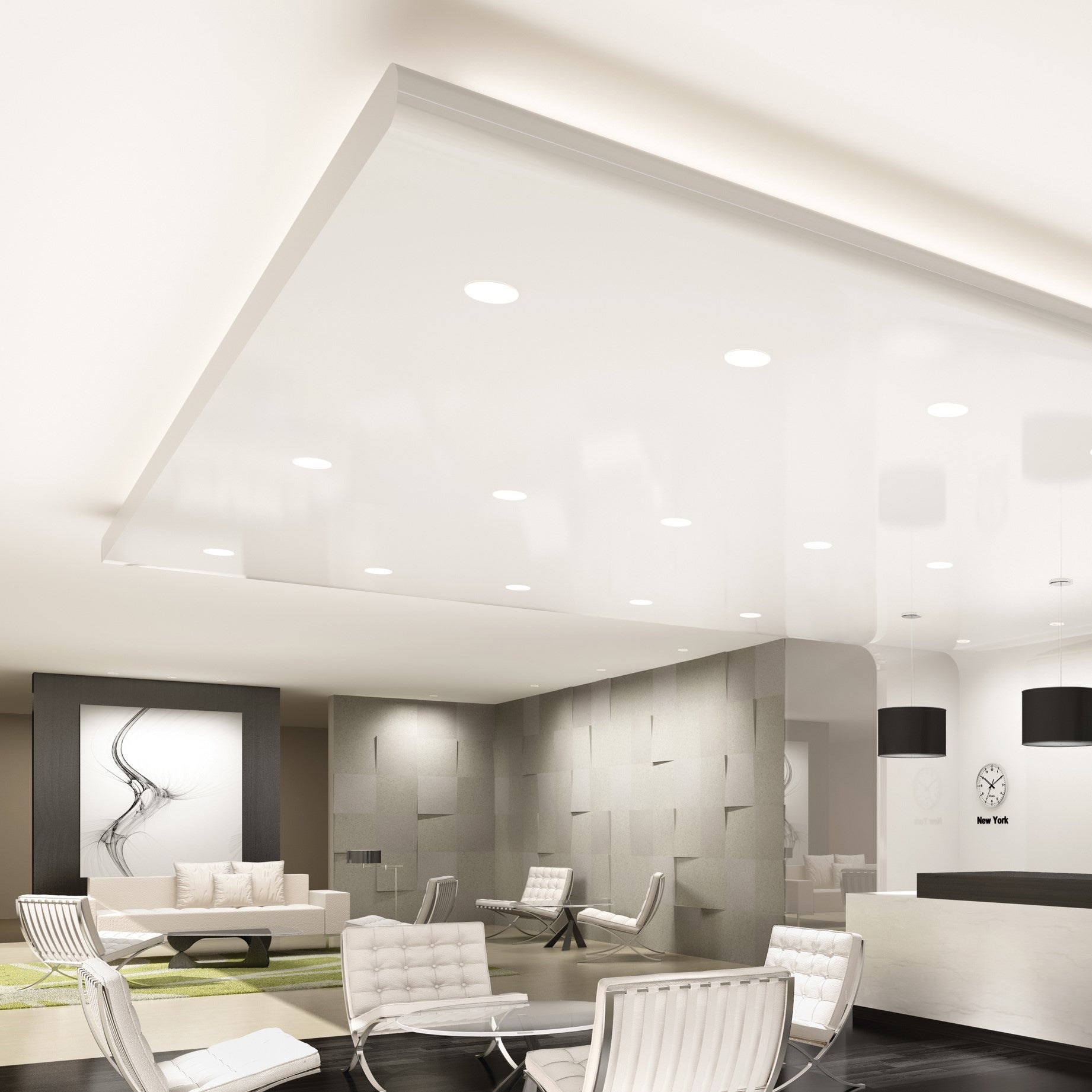
A clean ceiling with no visible fixtures creates a minimalist look. The light seems to come from nowhere.
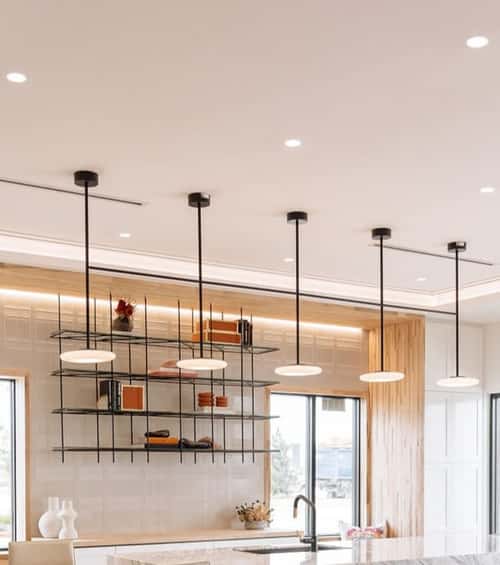
Gimbal trims let you direct light exactly where you need it. Perfect for highlighting artwork or a kitchen island.
Baffle trims reduce glare and hide the bulb from view. They give a soft, comfortable light.
Warm white LEDs (2700K) make a room feel cozy. Use them in living rooms and bedrooms.
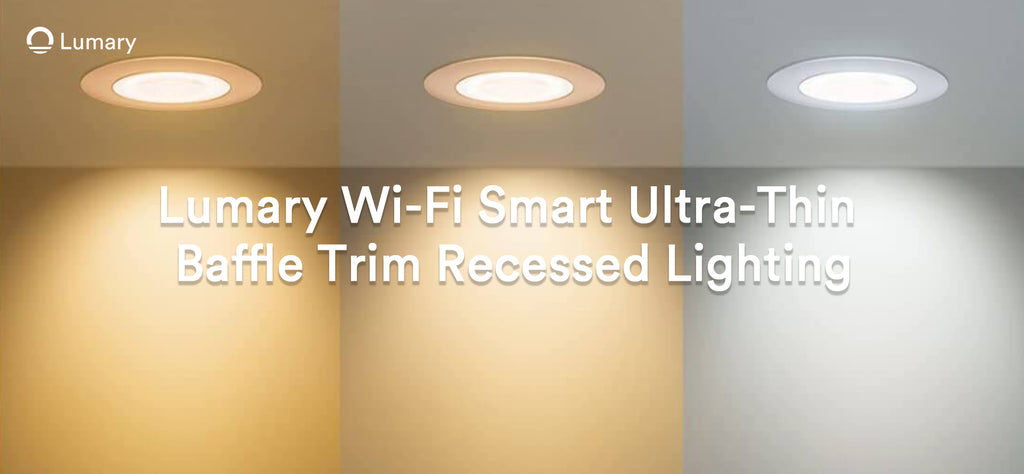
Cool white LEDs (4000K) are great for task lighting. Install them in kitchens and home offices.
How to Install Canned Lights Like a Pro
Step-by-Step Guide
Start by selecting IC-rated housings if your ceiling has insulation. This meets fire safety codes and prevents heat buildup.
Cut the hole using the template provided with the housing. Use a drywall saw for clean edges.
Run electrical cable from the switch to the first housing location. Leave at least 6 inches of wire inside each box.
Connect the wires: black to black, white to white, and ground to ground. Use wire nuts and secure them tightly.
Push the housing into the hole until the clips snap into place. Then install the trim and bulb.
What to Avoid in Execution
Never use non-IC housings where insulation is present. They can overheat and cause a fire.
Avoid mixing different trim styles in the same room. It creates an uneven look.
Don’t install dimmable LEDs with old dimmer switches. You’ll get flickering or buzzing.
Don’t space lights too far apart. A good rule is to divide ceiling height by two for spacing.
Maintenance Tips
Dust the trim with a microfiber cloth every few months. Built-up dust reduces light output.
If a light flickers, check the dimmer compatibility first. Replacing the dimmer often solves the problem.
LED bulbs last 25,000 to 50,000 hours. When they fail, replace the whole module if it’s integrated.
Frequently Asked Questions
Do I need IC-rated housings if I have insulation?
Yes, you must use IC-rated housings when insulation touches the fixture. This prevents overheating and meets building codes.
What size canned light should I choose for general lighting?
A 6-inch diameter is standard for most rooms. For smaller spaces or accent lighting, 4-inch works well.
Can I install canned lights in a bathroom or shower?
Yes, but you need wet-rated trims and housings. Look for trim labeled for damp or wet locations.
Canned lights are a smart, energy-efficient choice for any home. They save up to 80% on lighting costs compared to old bulbs.
Now measure your ceiling and pick the right housing for your insulation. Start with one room to get the hang of it.
Imagine your kitchen with bright, even light that highlights your countertops. Your home will feel modern and spacious.
