

Thinking a birch tree is too delicate for your yard? That’s a common myth. Many people believe all birches are fragile and short-lived, but that’s only true if you pick the wrong species for your climate.
The truth is, some birches are tough as nails. River Birch, for example, handles heat and wet soil better than most trees. The key is matching the tree to your yard’s conditions, not the other way around.
Paper Birch vs. River Birch: Which One Belongs in Your Yard?
If you love the classic white bark of a Paper Birch (Betula papyrifera), know this: it thrives in cool northern zones but struggles in the South. Its lifespan drops to just 30 years in hot climates, and bronze birch borer often attacks stressed trees.
For warmer areas, River Birch (Betula nigra) is the smarter pick. Cultivars like ‘Dura Heat’ and ‘Heritage’ resist borers and tolerate soggy soil. They grow fast, up to 2 feet per year, and their peeling cinnamon bark adds winter interest.
Yellow Birch (Betula alleghaniensis) is a long-lived option for shade, with bark that smells like wintergreen when scratched. But it needs cool, moist soil. Silver Birch (Betula pendula) looks elegant but is highly susceptible to borers in the US, so avoid it unless you live in the Pacific Northwest.
Birch Trees: A 2026 Look at Versatile Hardwoods
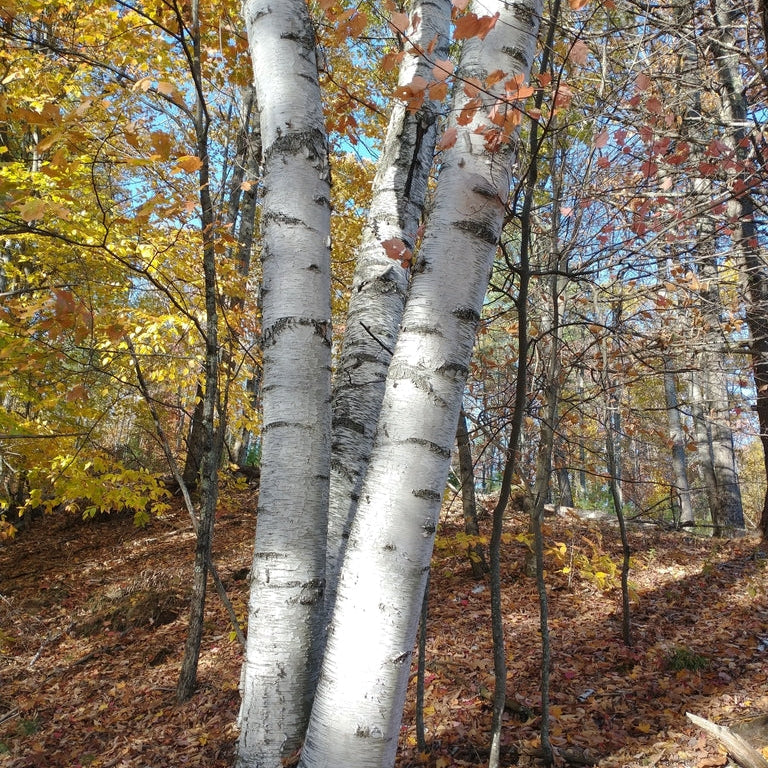
Birch trees are more than just pretty faces in the landscape. Their unique bark and wood have served us for centuries. In 2026, we see renewed interest in their practical applications. From sustainable furniture to natural remedies, the birch genus (_Betula_) offers a lot.
| Characteristic | Description |
| Genus | Betula |
| Family | Betulaceae |
| Bark | Distinctive exfoliating, often white, silver, or bronzy with horizontal lenticels. |
| Distribution | Northern Hemisphere, pioneer species. |
| Species Count | Approx. 30-60 recognized taxa. |
| Lifespan | 40-90 years (most), up to 300 years (Yellow Birch). |
| Uses | Furniture, flooring, crafts, sap, medicinal compounds. |
Paper Birch Bark Uses
The Paper Birch (_Betula papyrifera_) is famous for its bright white, peeling bark. Historically, this waterproof bark was vital for Indigenous peoples. They used it to construct durable canoes and containers. This material is lightweight yet strong. It showcases incredible natural engineering.
The ability of Paper Birch bark to shed water made it indispensable for early watercraft.
Today, artists and crafters still use this bark. It’s perfect for decorative items and small wooden crafts. Its unique texture adds a natural touch to any project. Look for sustainably harvested bark for your next creation.
Read also: 41 Shelf Liners That Actually Protect Your Cabinets and Drawers
River Birch for Wet Soil
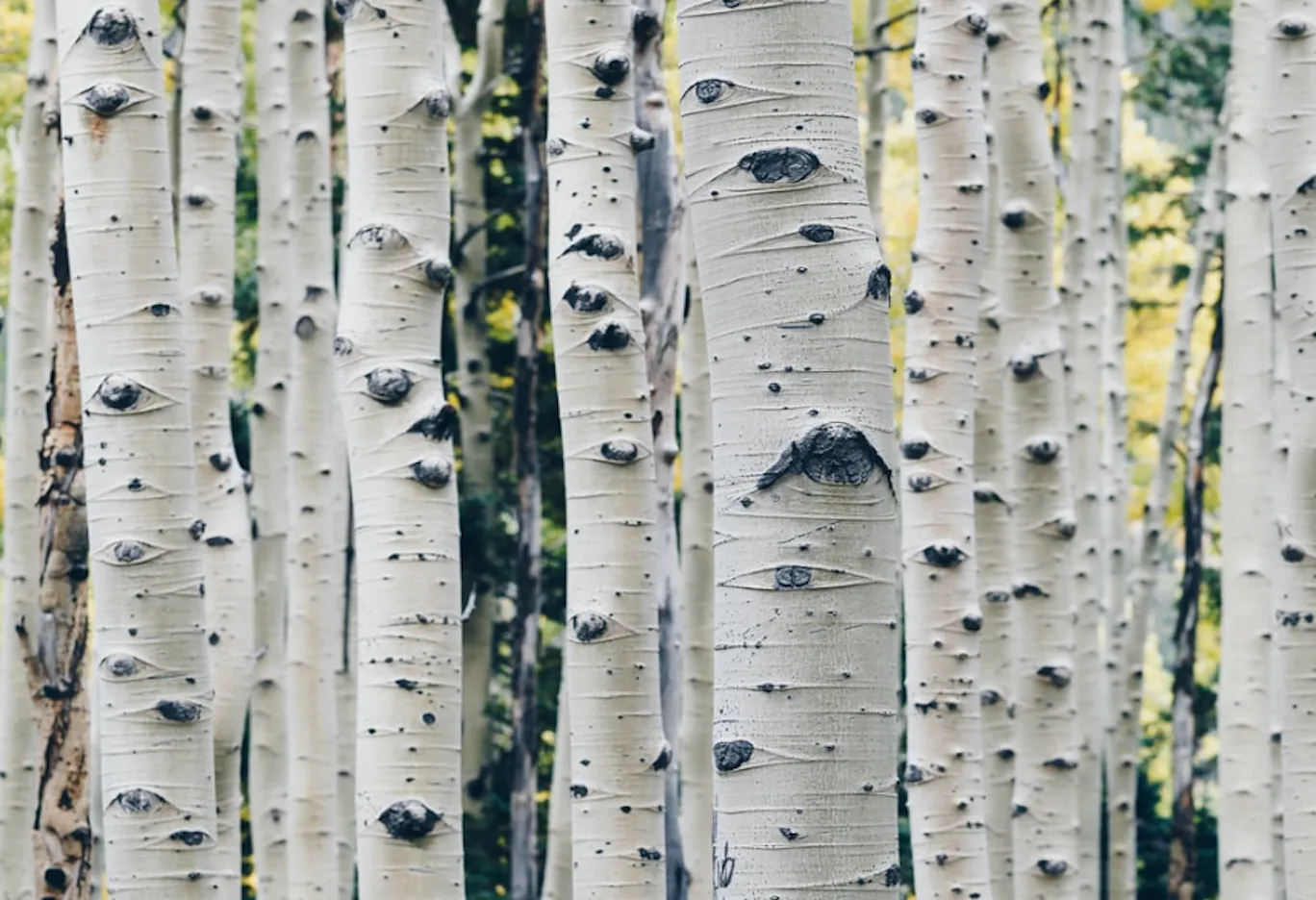
If you have a soggy spot in your yard, consider the River Birch (_Betula nigra_). This tree thrives in moist conditions. It’s also quite heat tolerant, making it ideal for many US climates. Its exfoliating bark has a beautiful reddish-brown hue.
Cultivars like ‘Dura Heat’ River Birch offer even better performance. They are bred for disease resistance and adaptability. Planting a River Birch can help manage drainage. It also adds significant curb appeal with its attractive form.
Yellow Birch Woodworking
The Yellow Birch (_Betula alleghaniensis_) is a large, long-lived tree. Its bark has a distinct bronzy-yellow color. When crushed, its leaves release a scent like wintergreen. This species is highly prized in woodworking.
Yellow Birch wood is hard and strong. It’s often used for furniture, flooring, and cabinetry. Its fine, straight grain takes finishes beautifully. This makes it a favorite for high-quality interior applications. It’s a durable choice for lasting pieces.
Read also: 51 Home Office Desk Decor Ideas for a More Productive Space
Silver Birch in Landscaping
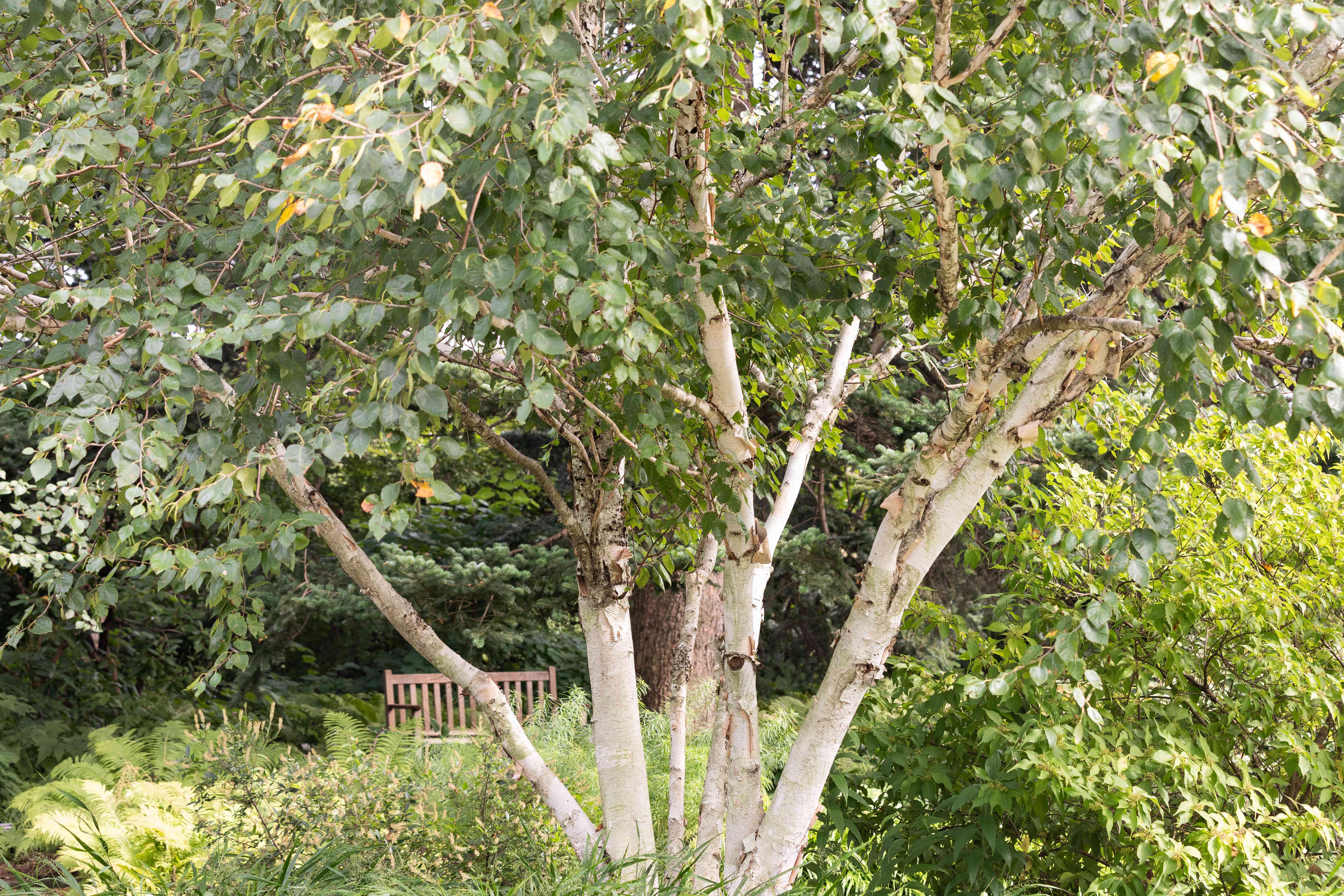
The Silver Birch (_Betula pendula_) is a European native. It’s known for its silvery-white bark and graceful, drooping branches. In North America, it can be susceptible to certain pests. However, it remains a popular ornamental tree.
Its elegant appearance makes it a standout in any garden. It provides a light, airy feel. Plant it as a specimen tree or in a mixed border. Its delicate form adds visual interest year-round. Ensure proper siting to minimize pest issues.
Heritage River Birch Growth Rate
The Heritage River Birch is a popular landscape variety. It grows at a moderate to fast pace. You can expect it to gain 2-3 feet in height annually under good conditions. This makes it a great choice for adding quick shade or screening.
Its mature height can reach 50-70 feet. This tree is known for its attractive, exfoliating bark. It also shows good resistance to common birch diseases. Its vigorous growth makes it a reliable landscape performer.
White Birch Tree Care
Caring for a White Birch tree involves a few key steps. Ensure it is planted in well-drained soil. While some species tolerate wetness, most prefer good drainage. Provide adequate water, especially during dry spells. Avoid planting too deep, as this can harm the roots.
Mulching around the base helps retain moisture. Keep mulch a few inches away from the trunk. Pruning should be done in late summer or early fall. This helps prevent disease. Proper care ensures a healthy, long-lived tree.
Canoe Birch Canoe Building
The term Canoe Birch is often used interchangeably with Paper Birch. Its bark was the primary material for building canoes. This was essential for transportation and trade for many Indigenous communities. The bark is flexible yet strong when prepared correctly.
Multiple large sheets of bark were carefully stitched together. Birch tar was used as a waterproof sealant. This traditional craft highlights the tree’s incredible utility. It’s a testament to sustainable resource use.
Black Birch Sap Harvesting
Black Birch (_Betula lenta_), also known as Sweet Birch or Cherry Birch, offers another benefit. In early spring, its sap can be tapped. This sap is less sweet than maple but has a distinct flavor. It can be enjoyed fresh or boiled down into a syrup.
The sap contains methyl salicylate, giving it a wintergreen aroma. Harvesting sap is a delicate process. It requires specific tools and timing. This natural bounty provides a unique seasonal treat. For more on birch species, see The Spruce.
The Enduring Appeal of Birch
Birch trees continue to impress with their versatility. From the striking bark of the Silver Birch to the robust wood of the Yellow Birch, there’s a species for almost any need. Their role as pioneer species also highlights their ecological importance.
In 2026, sustainable practices are key. Choosing native species like the River Birch supports local ecosystems. Understanding their specific needs ensures longevity. Birch trees offer beauty, utility, and ecological benefits. Learn more about birch identification at NPS.gov.
Your 3-Step Birch Tree Action Plan
Step 1: Pick the Right Birch
Choose River Birch if you have wet soil or live in a warm climate. Pick Paper Birch for cold regions and that classic white bark look.
Step 2: Plant for Success
Birches need full sun and cool, moist roots. Mulch the base and water deeply during dry spells to avoid stress.
Step 3: Watch for Pests
The bronze birch borer is the number one killer. Keep your tree healthy with proper watering and avoid pruning in spring.
Frequently Asked Questions
Can I plant a birch tree close to my house?
Yes, but choose a smaller species like River Birch and keep it at least 15 feet from the foundation. Their roots are shallow and won’t damage structures like oak roots do.
Why does my birch tree have yellow leaves in summer?
Yellow leaves often mean iron chlorosis from alkaline soil or poor drainage. Test your soil pH and add sulfur if needed.
How do I tap birch sap without harming the tree?
Wait until the tree is at least 8 inches in diameter. Drill a shallow hole and tap only one spout per tree to avoid stress.
Birch trees bring year-round beauty with their peeling bark and golden fall color. They are a smart choice for any American yard when you pick the right species.
Now it is time to visit your local nursery and pick a healthy sapling. Ask for a variety that thrives in your hardiness zone.
Imagine your landscape in five years, with a graceful birch casting dappled shade. That vision is just a planting hole away.
