

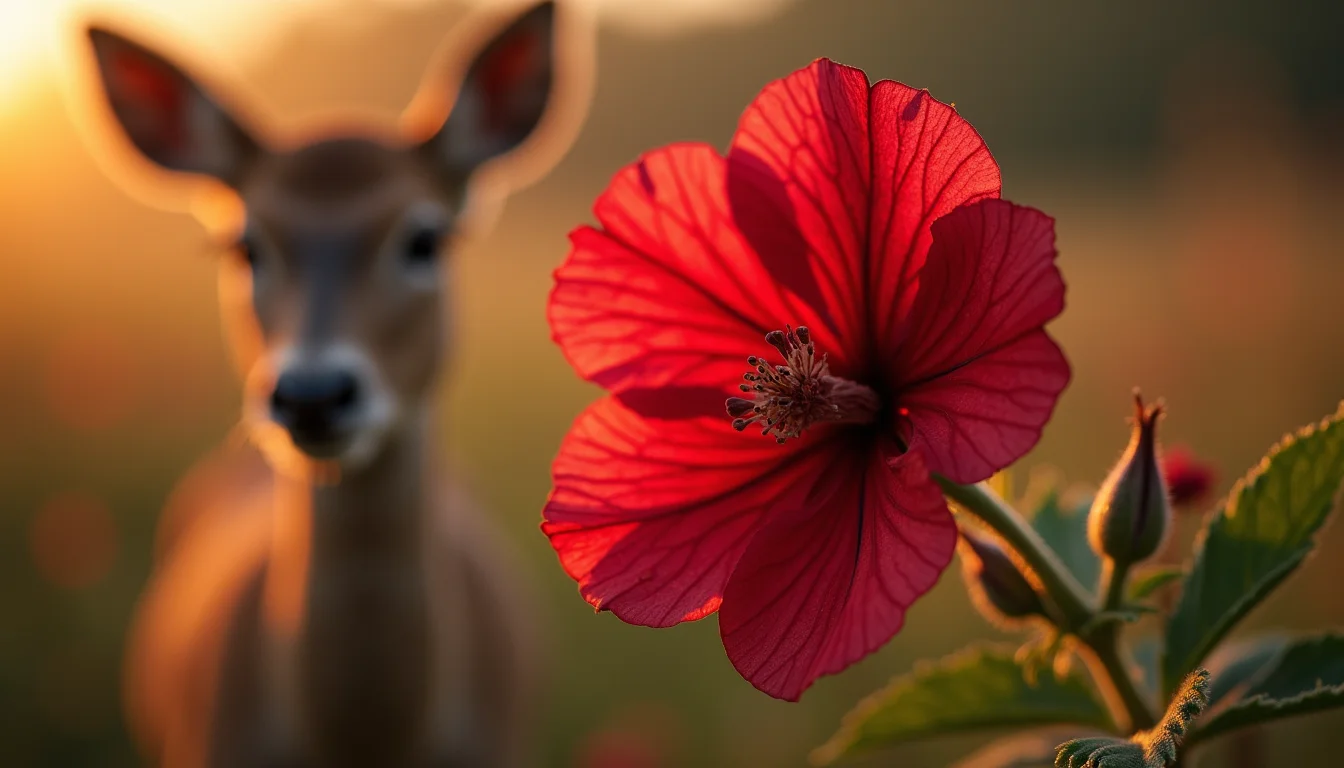
You planted those geraniums to add color to your yard, not to feed the local deer. But if you have seen nibbled leaves or missing flower buds, you are probably wondering: do deer eat geraniums? The short answer is yes, they can, but it is not that simple.
Many gardeners think geraniums are completely deer-proof, but that is a myth. While deer usually avoid them because of the strong smell and bitter taste, a hungry deer will eat almost anything. This is especially true in late winter or during a summer drought when other food is scarce.
Are geraniums deer resistant? The truth about Pelargoniums and Cranesbill
The term ‘deer resistant’ does not mean ‘deer proof.’ Annual geraniums, which are actually Pelargoniums, are more likely to be eaten than the perennial Hardy Geraniums (Cranesbill). Zonal geraniums, with their thick, fleshy stems, are a favorite because they store carbohydrates that deer need.
Deer often target the tender flower buds and blossoms first, sometimes leaving the stems and leaves alone. The good news is that geraniums bounce back well from light nibbling. In fact, a little deer damage can act like a pruning and make the plant bushier.
Geraniums and Deer in 2026: What You Need to Know
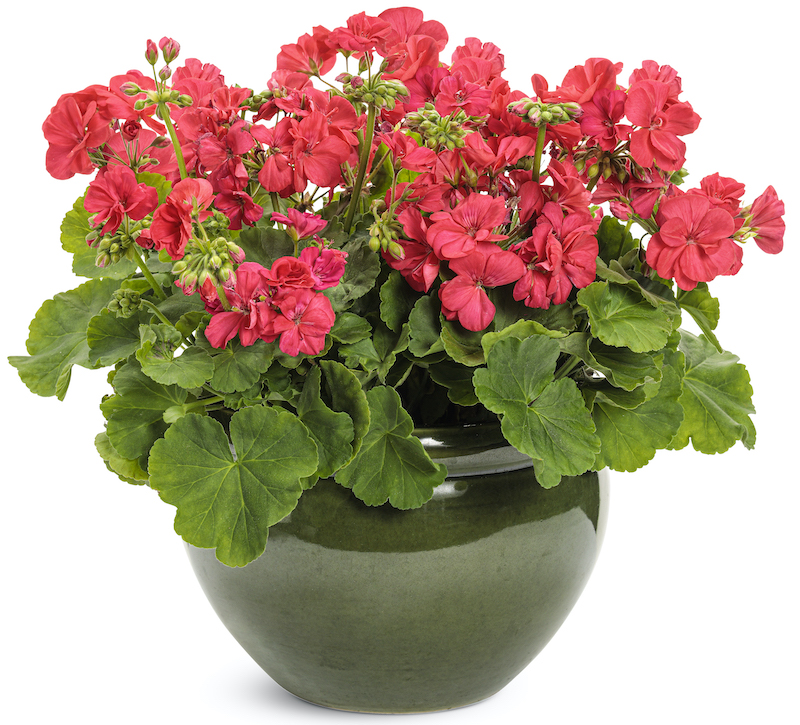
Many gardeners wonder if deer will eat their beautiful geraniums. In 2026, the answer is not a simple yes or no. Geraniums are often called deer-resistant, but this doesn’t mean deer will never touch them. Understanding deer behavior and plant characteristics is key.
| Characteristic | Deer Resistance Level | Notes |
| Aroma | Deterrent | Strong scents can put deer off. |
| Taste | Bitter | Unpleasant taste discourages grazing. |
| Leaf Texture | Tactile | Rough or fuzzy leaves are less appealing. |
| Overall | Generally Resistant | Not completely deer-proof. |
Do Deer Eat Pelargoniums?
Pelargoniums, commonly known as annual geraniums, are more likely to be eaten by deer. These plants have fleshy stems that can be quite appealing to hungry deer. While they possess some deterrent qualities, their overall appeal can outweigh them when food is scarce. Deer often go for the tender parts first.
Are Zonal Geraniums Deer Resistant?
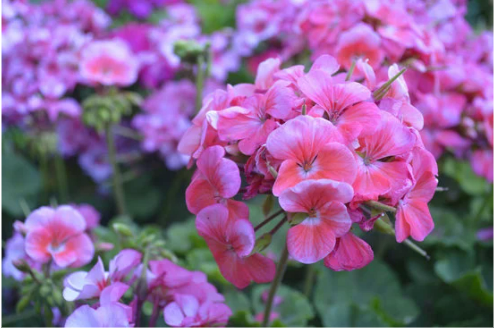
Zonal geraniums, a type of Pelargonium, are particularly susceptible. Their carbohydrate-rich, fleshy stems are a target for deer seeking an easy meal. Although they have a pungent aroma, this may not be enough to deter a determined deer. It’s a common mistake to assume all geraniums are safe from browsing.
Read also: 55 Pink Flowers That Bloom All Year Long With Easy Care
Deer Damage to Cranesbill Geraniums
Hardy Geraniums, also called Cranesbill, generally show greater resistance to deer. This is often due to a higher tannin content in their leaves, which makes them harder to digest. However, this isn’t a foolproof guarantee. Some species of Hardy Geranium are known to be grazed by deer, especially when other food sources are limited. You might see damage to the flower buds.
Best Deer-Proof Flowers for Gardens
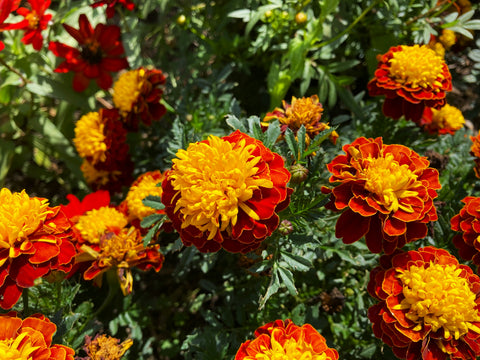
When aiming for a truly deer-proof garden, consider plants that deer actively avoid. This strategy is more reliable than relying solely on deer-resistant plants. Look for flowers with strong scents or tough foliage. Many gardeners find success by diversifying their plantings. This approach helps protect more delicate plants.
Deer commonly target the succulent flower buds and blossoms first, sometimes leaving the foliage intact.
How to Protect Geraniums from Deer
Protecting your geraniums involves a multi-pronged approach. The most effective methods focus on deterring deer rather than just hoping they won’t eat the plants. Consider using repellents that mimic natural predators or have strong, unpleasant odors for deer. Strategic placement is also crucial. Elevated spots can make them less accessible.
Odor-based repellents, such as those containing garlic or peppermint oil, need regular reapplication. Rain can wash them away, reducing their effectiveness. Check out these strategies for how to protect geraniums from deer. Companion planting can also help deter deer from your garden area.
Plants Deer Avoid in Landscapes
Certain plants are consistently avoided by deer due to their strong scents or textures. Lavender, Daffodils, and Sage are excellent examples. Incorporating these into your landscape design can create a natural barrier. Deer feeding habits in gardens often lead them away from these less palatable options. This is a smart, natural way to protect your garden.
Geraniums and Wildlife Browsing
While geraniums are not a primary food source for deer, they can become a target under certain conditions. Seasonal deer pressure on ornamental plants increases when natural food is scarce. This means even typically resistant plants might be browsed. Geraniums demonstrate significant resilience and can often recover from light browsing. Sometimes, this browsing can even act as a beneficial pruning.
Seasonal Deer Pressure on Ornamentals
Deer pressure on ornamental plants varies throughout the year. Late winter and early spring are critical times when natural forage is scarce. Summer droughts can also force deer to seek alternative food sources. During these periods, deer are more likely to browse on plants they normally avoid. This is when you’ll see increased deer damage to plants like geraniums. Understanding these patterns helps in planning your garden defense.
The Verdict on Geraniums and Deer
In 2026, geraniums remain a popular choice, but gardeners must be realistic about deer resistance. They are not entirely deer-proof, especially when deer are hungry. For the best results, combine deer-resistant plants with effective deterrents. Consider planting in elevated locations like hanging baskets. This makes them harder for deer to reach. You can find more information on deer-resistant plants at plantaddicts.com. By using a combination of strategies, you can enjoy your geraniums and minimize deer damage in your garden.
Your 3-Step Action Plan for Geraniums and Deer
Step 1: Assess Your Risk
Determine if deer are a real threat in your area. Check for tracks, droppings, or nibbled plants nearby.
If you have heavy deer pressure, treat all geraniums as vulnerable, not resistant.
Step 2: Choose Your Defense
For low pressure, plant hardy geraniums (cranesbill) in open beds. For high pressure, use annual geraniums in hanging baskets or high decks.
Always apply a scent-based repellent after planting and reapply after rain.
Step 3: Monitor and React
Check your geraniums weekly for new damage. If deer start browsing, upgrade to a stronger repellent or add physical barriers.
Remember that light browsing can actually help shape the plant, so don’t panic.
Frequently Asked Questions
Will deer eat geraniums if they are starving?
Yes, during late winter or drought, deer may eat even resistant plants like geraniums. Desperation overrides their natural avoidance.
In such times, use physical barriers or strong repellents to protect your plants.
Do deer prefer annual or perennial geraniums?
Deer tend to prefer annual geraniums (Pelargoniums) because of their fleshy, carbohydrate-rich stems. Hardy geraniums (cranesbill) are usually less appealing due to higher tannin content.
However, some hardy species are exceptions, so always observe your local deer behavior.
Can geraniums recover after deer eat them?
Yes, geraniums are resilient and often bounce back after light browsing, especially if the roots are intact. The nibbling can even stimulate bushier growth.
Just water and fertilize lightly to help the plant recover faster.
Geraniums remain a smart choice for gardeners who want color without constant deer drama. Their natural defenses work well in most situations, but no plant is 100% deer-proof.
Now it’s time to apply these strategies and watch your garden thrive. Start by assessing your deer pressure and choosing the right geranium type for your yard.
Imagine a garden where geraniums bloom freely, and deer pass by without a second glance. With the right plan, that vision is within reach.
