

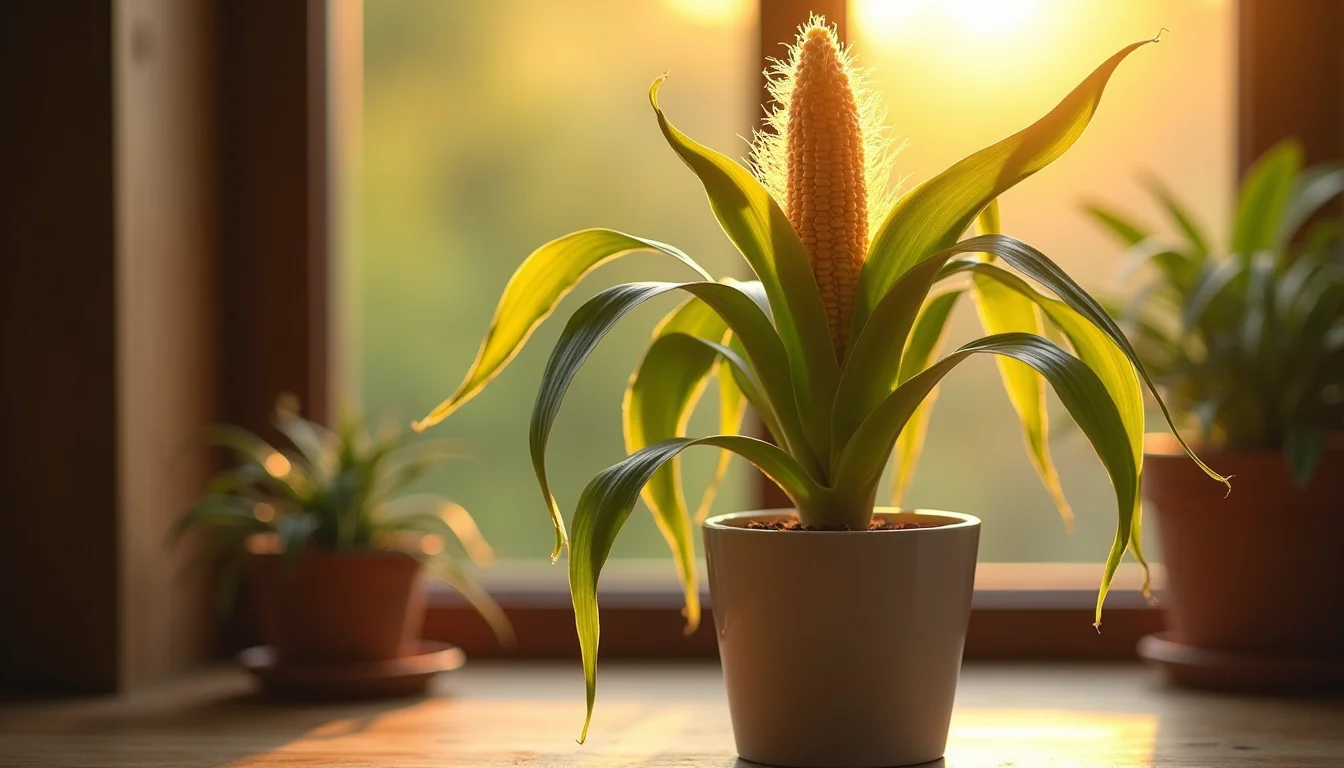
You love the look of a corn plant in your home, but those brown tips are driving you crazy. You are not alone. Most people either overwater or underwater this forgiving houseplant.
Here is the truth: the corn plant you buy at the store (Dracaena fragrans) is not the same as the corn you eat. One is a low-light indoor tree that purifies air. The other is a sun-hungry crop that needs a backyard. Let us clear up the confusion once and for all.
Corn Plant Care: Dracaena vs. Sweet Corn
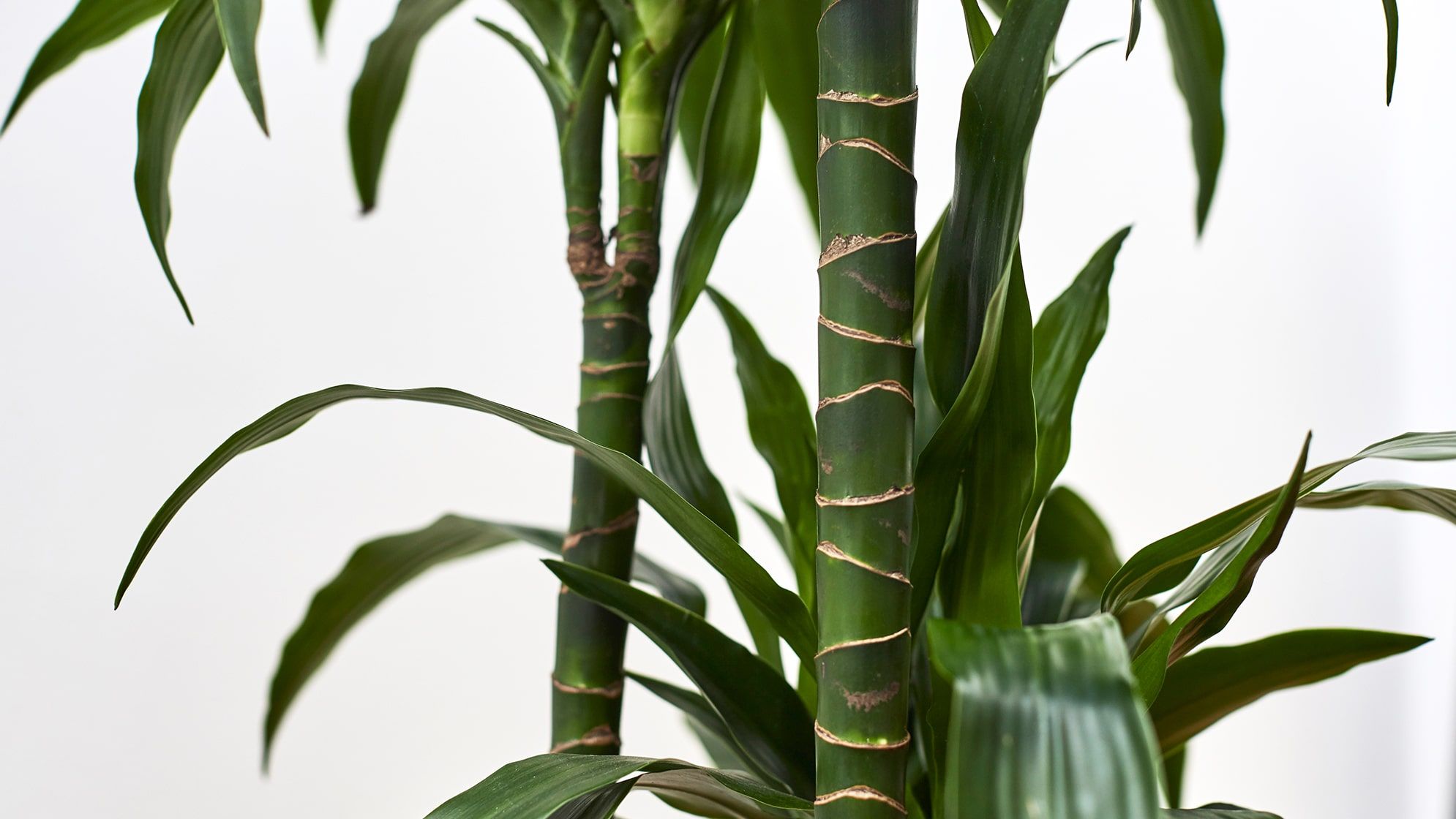
When we talk about a ‘corn plant’ in home decor, we mean Dracaena fragrans. It has long, arching leaves that look like corn stalks, but it is a tropical evergreen. It grows slowly indoors, reaching 4 to 6 feet, and it is famous for removing toxins like formaldehyde from your air.
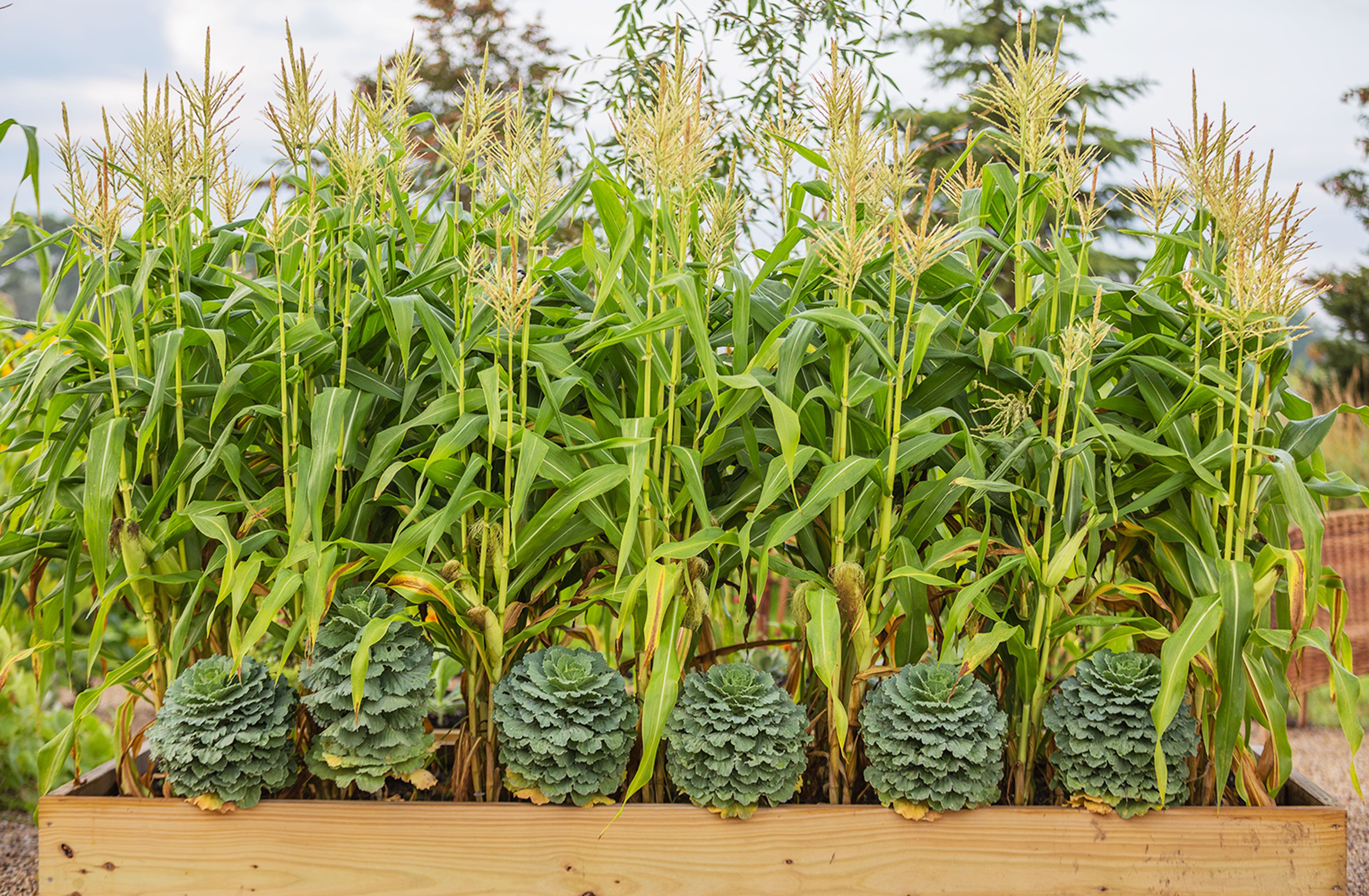
The other corn plant is Zea mays, the crop you grow outside. Sweet corn is the type you eat fresh or canned. Popcorn is a different variety with a hard shell that explodes when heated. Flint corn (Indian corn) is used for decoration or cornmeal. Dent corn goes into animal feed and corn syrup.
If you want an easy houseplant, stick with Dracaena. It tolerates low light and irregular watering. But if you dream of homegrown corn on the cob, you need full sun, rich soil, and a lot of space. Do not mix the two up.
Corn Plants: More Than Just a Pretty Face in 2026

The term ‘corn plant’ can be confusing. It often refers to a popular houseplant, not the vegetable we grow in gardens. Understanding the difference is key for any plant lover.
We will break down care for the indoor version and touch on growing the edible kind. This guide focuses on practical advice for your home and garden.
| Feature | Dracaena Fragrans (Houseplant) | Zea Mays (Garden Corn) |
| Origin | Africa | Americas |
| Use | Ornamental, Air Purifying | Edible Grain, Decorative |
| Size | 4-6 ft indoors | Varies, typically 5-10 ft |
| Toxicity | Toxic to pets | Non-toxic |
Dracaena Fragrans Care Basics
The Dracaena fragrans, commonly known as the Corn Plant, is a favorite for its tropical look. It features upright stems and long, arching leaves. This plant adds a touch of the exotic to any room. It is also known for its air-purifying qualities, helping to clean the air you breathe indoors.
Read also: 50 Cute Desk Decor Ideas to Make Your Workspace Cozy
Caring for this plant is straightforward. It thrives with minimal fuss, making it ideal for busy households. Proper care ensures it remains a vibrant addition to your decor for years to come.
Repotting is usually needed every few years. This gives the plant fresh soil and more space to grow. Choose a pot that is slightly larger than the current one.
Indoor Corn Plant Light Requirements
Your indoor corn plant needs bright, indirect light. Think of a spot near a window that gets sun in the morning or late afternoon. Direct sun can be too harsh for its leaves. It can cause them to turn brown and crispy.
Too little light is also a problem. The plant may become leggy and lose its vibrant color. Aim for a balance to keep it looking its best. Consistent light helps maintain its lush appearance.
Read also: Why Hostas Are the Only Plant for Shady Spots
If you notice your plant stretching towards the light, it needs a brighter location. Rotate the pot occasionally. This ensures even growth on all sides of the plant.
Corn Plant Watering and Soil Moisture
Watering is crucial for your Dracaena fragrans care. Allow the top 1-2 inches of soil to dry out between waterings. This prevents overwatering, a common mistake. Overwatering leads to root rot, which is hard to fix.
Yellowing and drooping leaves are signs of too much water. Stick your finger into the soil to check moisture. If it feels damp, wait longer to water. Good drainage in the pot is essential.
When you do water, water thoroughly. Let excess water drain from the bottom of the pot. This ensures the roots get enough moisture. Avoid letting the plant sit in standing water.
Corn Plant Toxicity to Pets
It is important to know that the corn plant poisonous to pets. If your cat or dog ingests parts of the plant, it can cause problems. Symptoms include vomiting and stomach upset. It can also cause pupil dilation in pets.
If you have pets, place the plant out of their reach. Consider hanging baskets or high shelves. This keeps your home safe for your furry friends. Always check plant toxicity before bringing new plants home.
If you suspect your pet has ingested the plant, contact your veterinarian immediately. Have the plant’s name ready for them. This helps them provide the best care.
Corn Plant Brown Tips: Causes and Fixes
Brown, crispy leaf tips are a common issue. This is often due to low humidity. The air in many homes is too dry, especially in winter. Misting the leaves can help. Using a humidifier is also effective.
Another cause is inconsistent watering. Letting the soil dry out too much, then soaking it, stresses the plant. Stick to a regular watering schedule. Check the soil moisture before watering.
Sometimes, fluoride or salts in tap water can cause brown tips. Try using filtered or distilled water. This can make a difference. You can also flush the soil occasionally.
Sweet Corn Varieties for Home Gardens
Growing sweet corn varieties at home is rewarding. There are many types to choose from. Consider early-maturing hybrids for shorter growing seasons. These are great for cooler climates.
Popular choices include ‘Silver Queen’ for its flavor. ‘Bodacious’ is a sweet variety known for its tenderness. ‘Mirai’ offers excellent disease resistance and great taste.
Choose a variety that suits your climate and taste preferences. Read seed packets carefully for planting instructions. This ensures the best harvest.
How to Grow Corn Outdoors
To grow corn outdoors, select a sunny spot. Corn needs at least six to eight hours of direct sunlight daily. The soil should be fertile and well-drained. Amend your soil with compost before planting.
Plant seeds about 1 inch deep. Space them according to the variety’s recommendations. Corn is wind-pollinated. Planting in blocks rather than single rows helps with pollination. This leads to better ear development.
Water consistently, especially when the plants are young and during ear development. Keep the area weed-free. Mulching can help retain soil moisture.
Corn Plant Humidity and Air Purifying
The Dracaena fragrans enjoys moderate to high humidity. Aim for levels between 40-60%. Dry air can lead to those dreaded brown leaf tips. Grouping plants together can increase local humidity.
This plant is also known for its air purifying abilities. It helps remove common indoor toxins. This makes it a great choice for bedrooms and living areas. It contributes to a healthier indoor environment.
For higher humidity, place the pot on a pebble tray filled with water. Ensure the bottom of the pot is not submerged. This provides a constant source of moisture. A humidifier is another excellent option.
The Verdict: Corn Plants Fit Any Lifestyle
Whether you choose the elegant Dracaena fragrans for your home or the delicious Zea mays for your garden, these plants offer significant benefits. The indoor corn plant adds style and improves air quality. Growing garden corn provides fresh, healthy food.
Remember that proper care is essential for both. For the houseplant, focus on light, water, and humidity. For garden corn, ensure good soil, sun, and water. Avoid common mistakes like overwatering the houseplant or poor pollination for garden corn.
With a little attention, both types of corn plants can thrive. They bring natural beauty and function into your life. Enjoy the rewards of nurturing these versatile plants.
Learn more about Dracaena fragrans care.Discover sweet corn varieties for your garden.
Read also: Your Begonia Is Dying? Fix It With 2 Simple Changes
Your 3-Step Action Plan for Corn Plants
Step 1: Identify Your Corn Plant. Determine if you have the houseplant Dracaena or the crop Zea mays. This is the most important decision for care and use.
Step 2: Master the Basics. For Dracaena, provide bright indirect light and water only when the top soil is dry. For Zea mays, ensure full sun and consistent moisture.
Step 3: Address Common Issues Fast. Brown tips on Dracaena mean low humidity or overwatering; yellow leaves mean overwatering. For Zea mays, watch for pests like corn earworms and water stress.
Frequently Asked Questions
Is Dracaena fragrans safe for pets?
No, it is toxic to cats and dogs if ingested, causing vomiting and dilated pupils. Keep it out of reach of your pets.
Can I grow Zea mays indoors?
It is not practical due to its need for full sun and height; it is best grown outdoors in a garden. Choose a dwarf variety if you must try.
Why are the leaves on my Dracaena turning yellow?
Yellow leaves usually indicate overwatering; let the soil dry out more between waterings. Check for root rot if the problem persists.
Whether you choose the architectural Dracaena for your living room or the productive Zea mays for your garden, you are selecting a plant with proven value and beauty. Now you have the knowledge to care for it with confidence and style.
Your next step is to assess your space and light conditions to pick the right variety. Start your journey today with one healthy specimen and watch it thrive.
Imagine the lush green stalks of Dracaena framing your window or the golden ears of corn in your summer harvest. Your home and garden can be both beautiful and functional.
