


Ever had to tear a check stub or open a package and ended up with a messy rip? That frustration is exactly what a perforated edge is designed to avoid. Perforations create a clean, easy tear line by adding a row of tiny holes, making separation simple and precise.
But the term ‘perforated’ goes far beyond paper. From drainage pipes that stop your basement from flooding to metal sheets that control sound in an auditorium, perforation is a key engineering feature. Understanding how and why materials are perforated can save you money and prevent costly mistakes in home projects.
What Perforated Means in Construction and Home Use
In the building industry, a perforated material is one that has been deliberately punctured with a pattern of holes. A common example is perforated metal sheet, used for everything from decorative wall panels to heavy-duty machine guards. The hole size and spacing are carefully calculated to balance strength with airflow or light passage.
Another critical application is perforated pipe, which is essential for French drains and septic systems. These pipes have small openings along their length that let groundwater seep in while keeping soil out. By 2026, laser-cut perforations have become standard, offering precise control over drainage rates and reducing clogging risks.
If you are planning a drainage project, remember that perforated pipe must be wrapped in filter fabric to prevent sediment from entering. Also, never use perforated pipe for pressurized water lines, as the holes would cause leaks. Knowing these basics helps you choose the right material for the job and avoid expensive repairs.
Perforated: More Than Just Holes in 2026
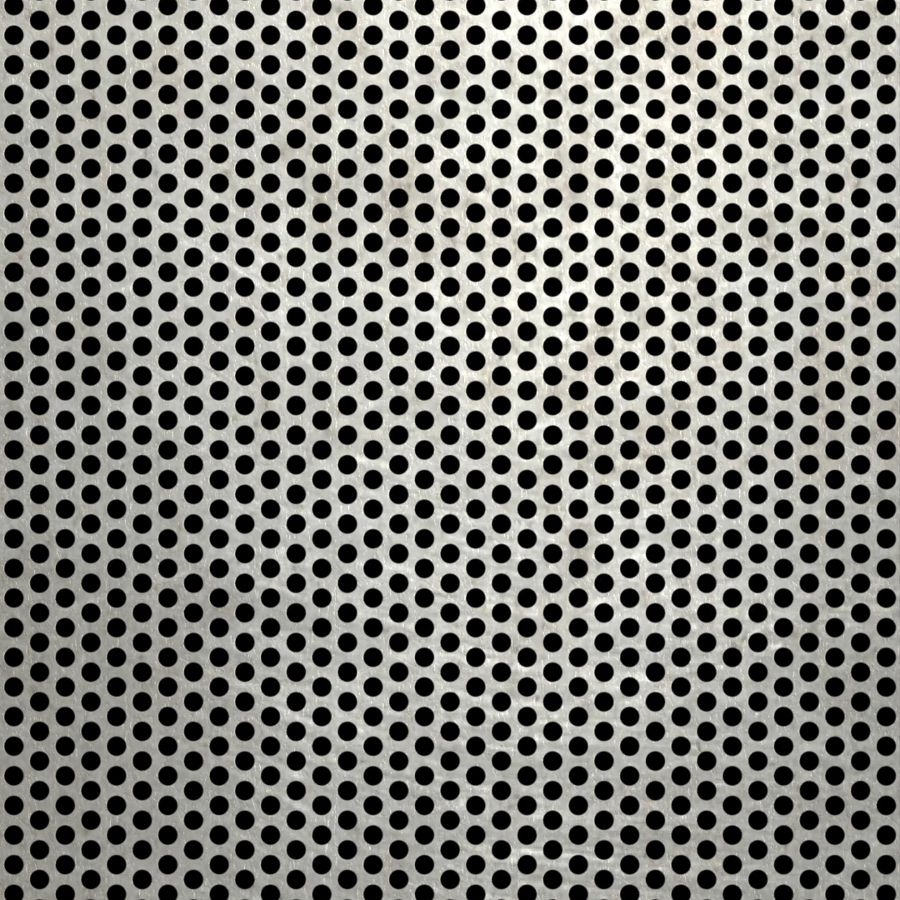
The word ‘perforated’ means something has holes. But in 2026, it means so much more. It describes smart design and essential functions across many fields. From buildings to medicine, perforations play a key role. Understanding these holes helps us appreciate everyday technology and safety.
| Term | Meaning | Application |
| Perforated | Having holes | Materials, Medicine, Industry |
| Pattern | Arrangement of holes | Airflow, Sound, Strength |
| Function | Purpose of holes | Separation, Drainage, Acoustics |
| Precision | Accuracy of holes | Advanced Manufacturing, Medical Devices |
Perforated Metal Sheet: Industrial Applications
Perforated metal sheet is engineered with specific hole sizes and patterns. This is vital for many industries. Think of building facades that allow air circulation while looking good. Or acoustic panels that absorb sound in busy spaces. These sheets are also used for machine guards, ensuring safety without blocking visibility. The precise spacing controls airflow and light, making them highly functional.
Advanced laser and waterjet cutting in 2026 allow for incredibly complex designs. This means we can tailor perforated material for very specific needs. Costs for standard sheets can range from $50 to $200 per panel, depending on size and metal type. Custom patterns will naturally cost more.
Perforated Paper: Craft and Office Uses
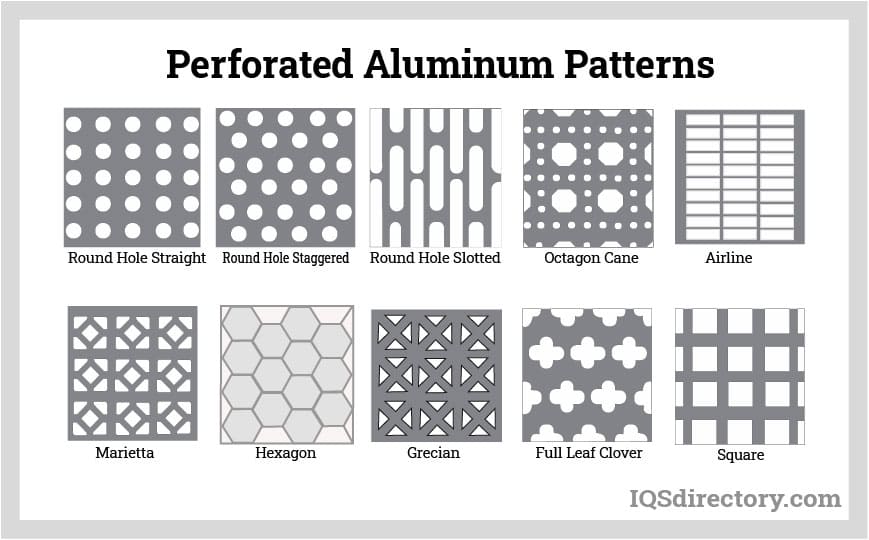
Perforated paper is common in offices and for crafts. It creates easy tear lines. This is useful for checks, receipts, and notebooks. You can easily separate a page from a pad. Many people use it for DIY projects and scrapbooking too. It offers a clean edge after tearing.
You can buy pre-perforated paper or create your own lines. Special tools exist for crafters. This type of paper is affordable, often costing less than $10 for a pack of 100 sheets. It’s a simple yet effective design element.
Perforated Eardrum: Symptoms and Treatment
A perforated eardrum means there is a hole in the thin tissue separating your ear canal from your middle ear. Symptoms can include ear pain, drainage, hearing loss, or a ringing sound in the ear. It can happen from loud noises, infections, or injury. It is important to see a doctor if you suspect this.
Treatment varies based on the cause and severity. Some small tears heal on their own. Others may require medication or even surgery. Mayo Clinic provides detailed information on this condition. Learn more about ruptured eardrums.
Perforated Ulcer: Causes and Emergency Care
A perforated ulcer is a serious medical condition. It occurs when a sore in your stomach or small intestine creates a hole. This allows digestive fluids to leak into your abdomen. Symptoms are sudden, severe abdominal pain, often worsening quickly. Nausea and vomiting can also occur.
This is a medical emergency requiring immediate attention. Treatment typically involves surgery to repair the hole and address the cause. The University of Maryland Medical Center explains this condition further. Understanding perforated ulcers is crucial for recognizing the signs.
Perforated Pipe: Drainage and Ventilation
Perforated pipe is essential in construction and landscaping. These pipes have small holes to allow water to pass through. They are key components in drainage systems. They help prevent water buildup around foundations or in fields. This protects structures and improves soil conditions. They are also used in some ventilation systems.
The material, like PVC or metal, and the hole size are chosen for the job. Larger holes allow more water flow. These pipes are generally affordable, with prices varying from $10 to $50 depending on length and diameter. They are a practical solution for water management.
Perforated Material: Types and Manufacturing
Perforated material goes beyond just metal and paper. It includes plastics, rubber, and even fabrics. Manufacturing methods have advanced significantly. Laser cutting, waterjet cutting, and stamping are common. These techniques allow for precise control over hole size, shape, and pattern.
The choice of material and perforation pattern affects its use. For example, fine perforations might be used in filters. Larger holes could be for decorative screens. This versatility makes perforated materials valuable in many products. The cost is highly dependent on the base material and complexity.
Perforated Definition: Meaning in Different Contexts
The core perforated definition is simple: having holes. However, the meaning shifts with context. In construction, it’s about function like drainage. In philately, it’s about separating stamps. In medicine, it signals a dangerous breach. Merriam-Webster offers a clear definition. Explore the definition of perforated.
Understanding the context is key to knowing the implications. A perforated pipe is helpful. A perforated ulcer is an emergency. The pattern and purpose of the holes define its role.
Perforated Stamps: Philately and Collecting
In philately, perforated stamps are the norm. The small holes, called perforations, allow stamps to be easily separated from a sheet. Without them, tearing stamps would be messy and difficult. The number of perforations per two centimeters (called ‘perf count’) is an important detail for collectors.
Different countries and eras used various perforation gauges. This variation adds a layer of detail for stamp collectors. It’s a simple feature that makes stamp collecting practical. The Wikipedia entry on perforation covers this history. Learn more about perforations.
Perforated Packaging: Tear Lines and More
Perforated packaging is designed for convenience. Think of snack bags or boxes that tear open easily. These perforations act as controlled weak points. They ensure a clean break when you need to access the product. This is common in food packaging and retail displays.
The precision of these tear lines is important. A poorly done perforation can lead to premature opening or difficulty in tearing. Manufacturers use specialized machinery to create consistent tear lines. It’s a small detail that greatly improves the user experience.
The Future is Full of Purposeful Holes
Perforations are more than just holes; they are functional design elements. In 2026, we see them integrated into smarter systems. From energy-efficient buildings using perforated facades to advanced medical devices, their role is expanding. The precision manufacturing available today allows for incredible customization.
Always consider the purpose when you see a perforated item. Is it for airflow, separation, or safety? Understanding this helps you appreciate the design. For home use, simple perforated items like drainage pipes or craft paper offer practical benefits. For more complex applications, always consult industry standards.
Your 3-Step Action Plan for Perforated Materials
Step 1: Identify Your Need
Determine the primary function of the perforation: airflow, drainage, filtration, or aesthetics. This will guide your material and pattern choice.
Step 2: Select Material & Pattern
For industrial use, choose metals with precise hole size and spacing. For medical concerns, consult a specialist immediately.
Step 3: Verify Quality & Compliance
Check that perforations meet industry standards (e.g., ASTM for metals). Ensure proper installation for drainage or acoustic panels.
Frequently Asked Questions
Can I repair a perforated eardrum at home?
No. A perforated eardrum requires medical evaluation. Most heal on their own, but some need surgery.
What is the best metal for outdoor perforated panels?
Stainless steel or aluminum resists corrosion. Choose a gauge that handles wind load without bending.
How do I clean perforated acoustic panels?
Use a soft brush or vacuum with a brush attachment. Avoid moisture that could warp the material.
Choosing the right perforated material or recognizing a medical perforation is about precision and context. You now have the knowledge to make informed decisions.
Next, consider consulting a specialist for custom applications or a doctor for health concerns. Your next step matters.
By 2026, perforation technology will integrate into smart surfaces and wearable health monitors. Imagine a world where materials breathe and heal.
