

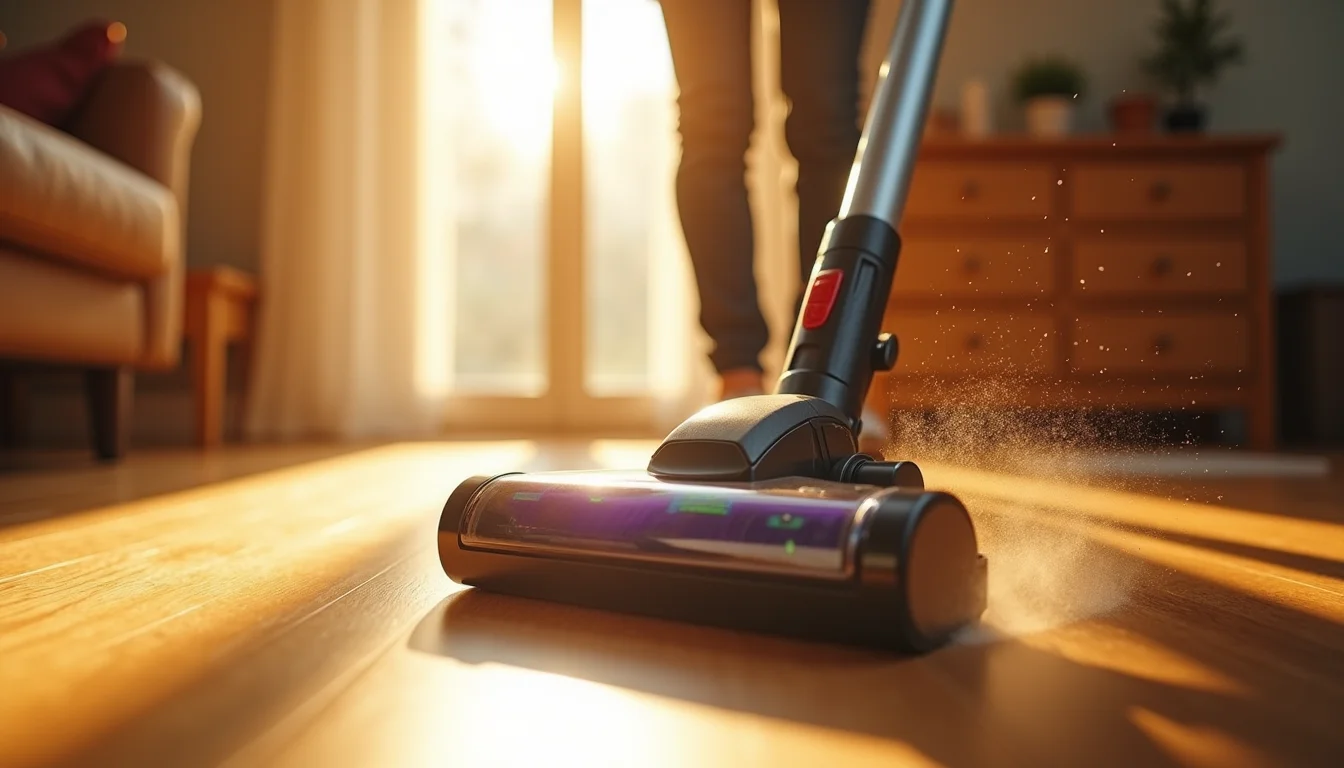
You vacuum every week, but your allergies still flare up. The truth is, most people push the vacuum too fast, leaving dirt behind. A slow, steady pace is the secret to real dust removal.
Proper technique matters more than an expensive machine. The way you move the vacuum and maintain it decides if your home actually gets clean. Let’s fix that starting now.
How to vacuum properly for better indoor air quality
Using a vacuum cleaner the right way starts with speed. Move the vacuum head slowly across carpets so the brush roll can agitate and lift embedded dirt. A fast pass just skims the surface.
Work in overlapping rows, going north to south first, then east to west. This pattern catches debris from every angle. Focus on high-traffic zones like entryways and kitchens every few days.
Empty the dustbin when it’s half full to keep suction strong. Check the brush roll weekly for hair wraps. A clean machine removes more allergens and makes your home feel fresher.
Vacuuming in 2026: The Smart Way to a Cleaner Home
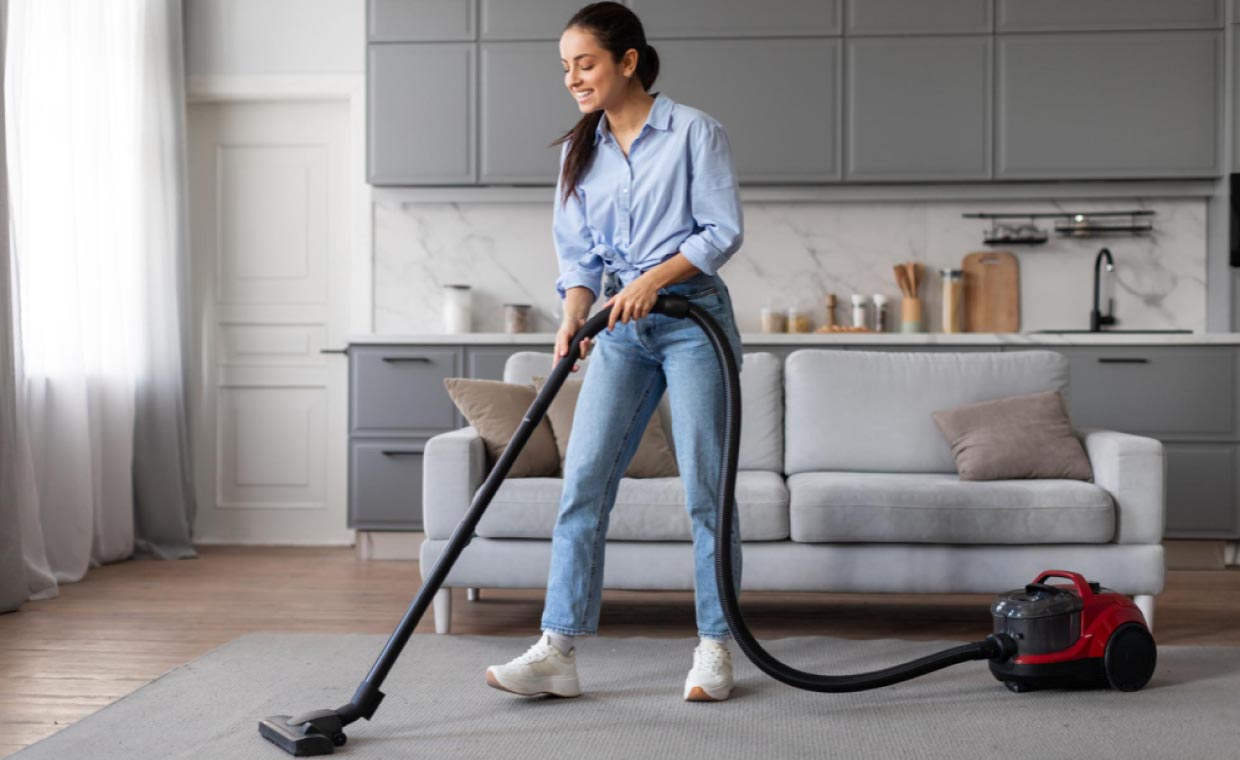
Vacuuming is more than just a chore; it’s a key part of keeping your home healthy and looking its best. In 2026, technology has made it easier than ever to achieve a deep clean. Understanding the right methods and maintaining your machine are essential for effective dust removal. This guide will show you how to get the most out of your vacuuming efforts.
| Aspect | 2026 Standards | Impact |
| Frequency | Weekly for most, bi-weekly for low-traffic areas | Maintains cleanliness, reduces allergens |
| Technique | Slow, overlapping passes, work backward | Maximizes dirt and debris capture |
| Maintenance | Empty bin, clean brush roll, check filters | Ensures consistent suction power |
| Filtration | HEPA filters standard on many models | Captures ultra-fine particles, improves air quality |
How Often Should You Vacuum
The frequency of vacuuming depends on your lifestyle. High-traffic areas like entryways and living rooms benefit from vacuuming every few days. For most households, a thorough vacuuming once a week is a good starting point. If you have pets or family members with allergies, consider increasing this to twice a week. This consistent schedule is crucial for indoor air quality.
Remember, a clean floor is a healthy floor. Don’t let dirt build up, as it can become harder to remove over time. Aim for a routine that fits your home’s needs. Consistent effort prevents deeper cleaning needs later.
Read also: Mini Split AC: The Quiet Way to Cut Your Energy Bills by 30%
Vacuuming Tips for Better Results
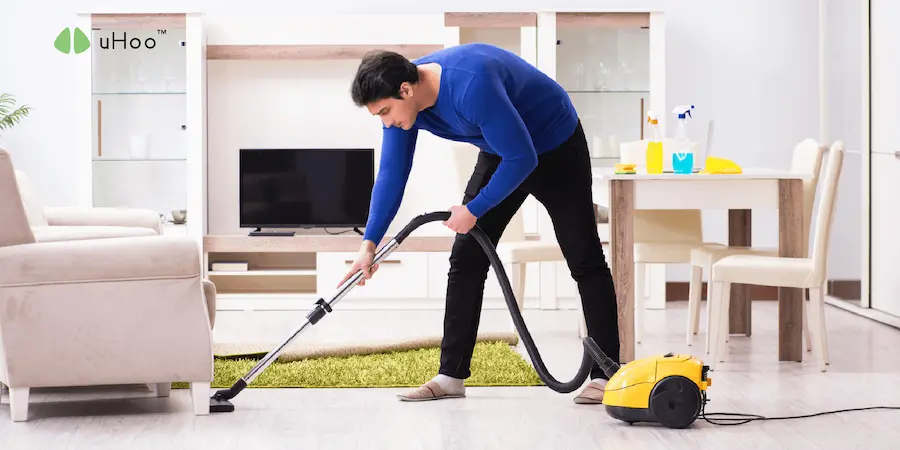
To truly capture dirt, you need to vacuum slowly. This allows the brush roll to agitate the carpet fibers effectively. Make overlapping passes in a grid pattern, moving from one side of the room to the other. Always work your way backward towards the exit of the room. This prevents you from walking over freshly cleaned areas and tracking dirt back in.
Don’t forget to use the right attachments. Crevice tools are perfect for edges and corners. Upholstery tools work well on furniture. Pre-cleaning elevated surfaces helps too. Dust falling from shelves will be caught by the vacuum.
Best Vacuum Cleaner for Pet Hair
Pet owners know the struggle of fur embedded in carpets and upholstery. In 2026, many vacuums are designed with this challenge in mind. Look for models with strong suction power and specialized brush rolls that resist tangling. Many top-rated vacuums now feature ‘pet hair’ modes or attachments specifically for this purpose. A good vacuum makes a significant difference in managing pet dander.
Consider vacuums with excellent filtration systems, like HEPA filters. These capture not only hair but also the allergens that come with it. This is vital for maintaining a healthy home environment for everyone. Investing in a good pet-friendly vacuum saves time and effort.
Read also: Struggling to sleep? Your king bed frame might be the fix
Carpet Cleaning vs. Vacuuming
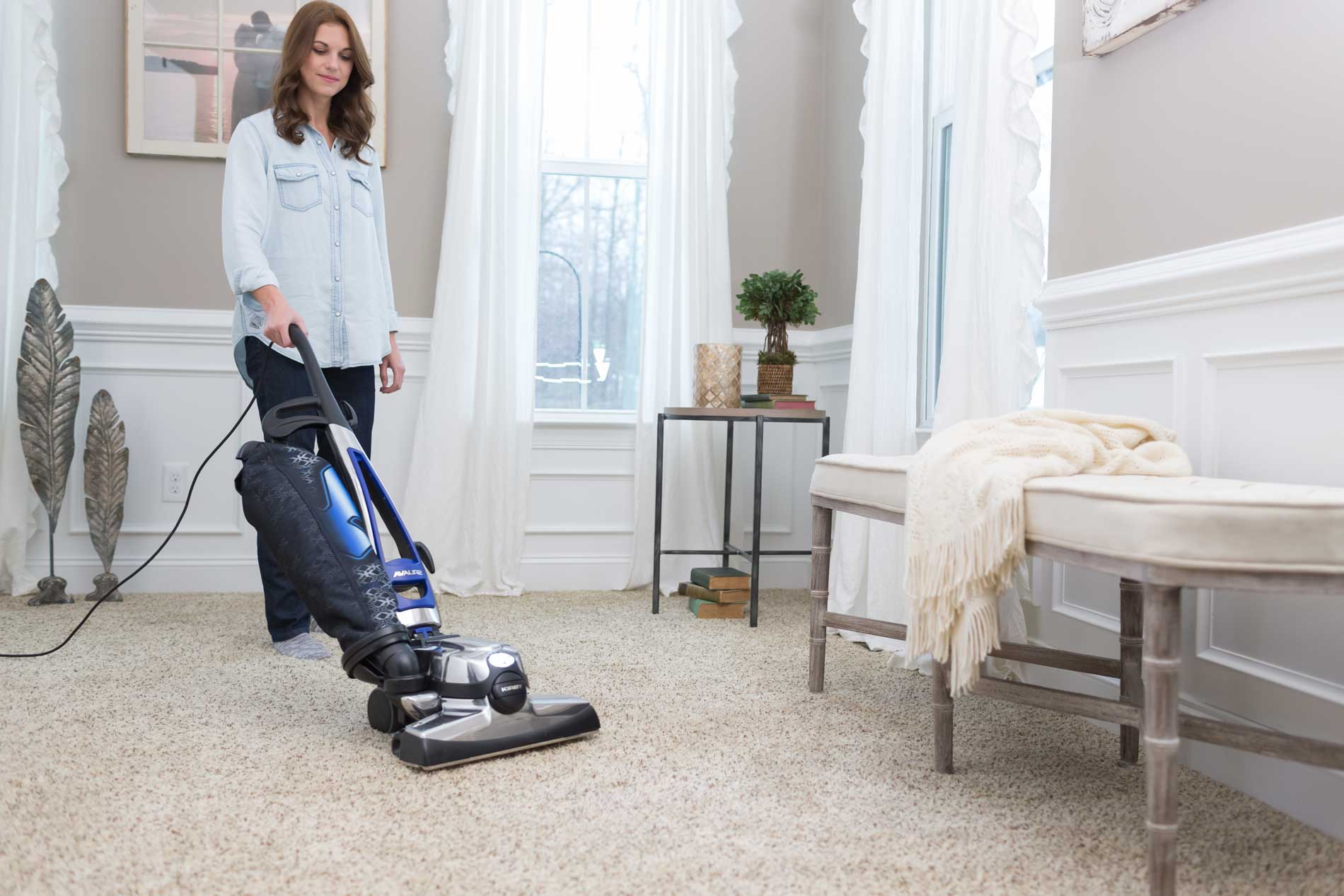
While vacuuming is essential for daily maintenance, it is not a substitute for deep carpet cleaning. Regular vacuuming removes surface dirt and prevents grit from damaging carpet fibers. Deep cleaning, however, removes embedded dirt, stains, and allergens that vacuuming alone cannot reach. Professional cleaning or a thorough DIY deep clean should be done periodically, perhaps once or twice a year.
Think of vacuuming as brushing your teeth daily. Deep cleaning is like a dental visit. Both are necessary for optimal health. For more on maintaining your carpets, visit carpet-rug.org. Proper care extends your carpet’s life.
Vacuum Maintenance for Longevity
A well-maintained vacuum cleaner performs better and lasts longer. Regularly empty the dustbin or bag. A full container reduces suction power significantly. Clean the brush roll frequently to remove tangled hair and threads. This ensures it can effectively agitate carpet fibers.
Check and clean or replace filters according to the manufacturer’s instructions. Clogged filters restrict airflow and diminish performance. Many modern vacuums have indicator lights to remind you when maintenance is needed. This proactive approach ensures your vacuum is always ready for the job.
Indoor Air Quality and Vacuuming
Vacuuming plays a vital role in improving your home’s indoor air quality. By removing dust, pet dander, and other allergens from floors and carpets, you reduce the amount of airborne irritants. Vacuums equipped with HEPA filters are particularly effective, capturing particles as small as 0.3 microns. This is crucial for creating a healthier living space.
A clean home environment can significantly reduce respiratory issues. Regular vacuuming helps keep your air fresh and clean. For more on how to vacuum properly, check out southernliving.com. It’s a simple step with big benefits.
Allergy Relief Through Dust Removal
For individuals suffering from allergies or asthma, vacuuming is a powerful tool for relief. It removes common allergens like dust mites, pet dander, and pollen that accumulate on surfaces. A thorough vacuuming routine, especially with a HEPA-filtered machine, can dramatically reduce allergen levels in your home. This directly contributes to fewer allergy symptoms and a more comfortable living environment.
Consistent dust removal is key. Don’t underestimate the impact of a clean floor on your health. It’s a practical step towards breathing easier at home. Make it a priority for your family’s well-being.
Proper Vacuuming Technique for Floors
The way you vacuum your floors makes a big difference. Start by clearing the floor of any large debris. Then, use slow, deliberate passes. Overlap each stroke to ensure no spots are missed. For hard floors, you might use a setting that disengages the brush roll or a specific hard floor attachment.
For carpets, ensure the height adjustment is set correctly for your carpet pile. This allows the brush roll to work effectively without damaging the fibers. Working backward from the farthest point of the room ensures you don’t re-contaminate cleaned areas. This systematic approach is key to effective floor care.
The Verdict: Vacuum Smarter, Live Healthier
Vacuuming in 2026 is an accessible and effective way to maintain a clean and healthy home. By adopting proper techniques, understanding how often to vacuum, and keeping your machine in top condition, you can significantly improve your living environment. Investing in a quality vacuum cleaner, especially one suited for pet hair and equipped with HEPA filtration, offers substantial benefits for allergy relief and overall well-being.
Prioritize a consistent vacuuming schedule and smart technique. Your home will look better, and you’ll breathe easier. It’s a simple, powerful habit for a healthier life.
Read also: Futon vs. Sofa Bed: Which One Saves Your Back and Space?
Your 3-Step Action Plan for Better Vacuuming
Step 1: Set Your Pace
Slow down your vacuuming speed. A deliberate pace allows the brush roll to agitate and lift embedded dirt effectively.
Step 2: Use the Grid Method
Vacuum in overlapping rows, first north-to-south, then east-to-west. This ensures every inch gets covered.
Step 3: Maintain Your Machine
Empty the dustbin after each use and clean the brush roll weekly. This keeps suction strong and prevents clogs.
Frequently Asked Questions
How often should I vacuum if I have pets?
Vacuum high-traffic areas every two to three days to control pet dander and fur. Use a rubber brush attachment to lift hair from carpets.
Does vacuuming help with allergies?
Yes, but only if your vacuum has a HEPA filter that traps fine particles. Vacuuming weekly reduces dust mites and pollen in your home.
Why does my vacuum lose suction?
Most often it’s due to a full dustbin or a clogged filter. Check and clean the filter monthly, and clear any blockages in the hose.
You now have the expert knowledge to vacuum like a pro. This simple routine protects your floors and improves your indoor air quality.
Start your new vacuuming plan today. Your home will feel cleaner, and your allergies will thank you.
Imagine walking barefoot on a carpet that feels fresh. That is the future you can achieve with just a few mindful changes.
