

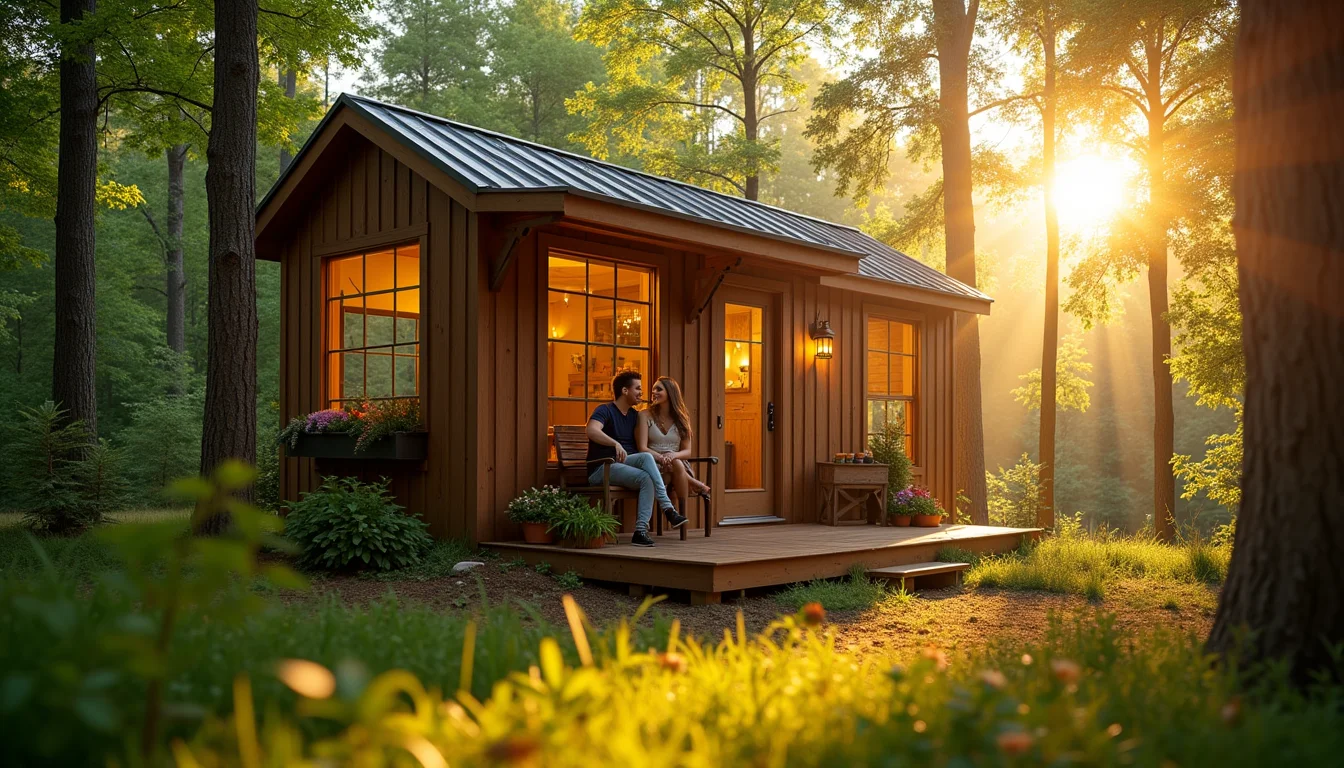
Tired of rent eating your paycheck? You are not alone. More people are looking at tiny homes as a real way to own something without a 30-year mortgage. The small house movement is not just a trend; it is a smart financial move for many working-class families.
Think about living mortgage-free or with a tiny payment. A tiny home can cost as little as $30,000 to build yourself. But there are rules and costs you need to know first. Let’s break down what tiny living really means for your wallet and your lifestyle.
What Counts as a Tiny Home? Sizes, Types, and Real Costs
A tiny home is usually between 100 and 600 square feet. That is smaller than many one-car garages. You have two main choices: a Tiny House on Wheels (THOW) or a foundation home. A THOW is built on a trailer and counts as an RV in most places.
Foundation tiny homes can be permanent additions to your property, often called ADUs. In 2026, building a tiny home costs about $300 to $400 per square foot. That is higher than a regular house at $150 per square foot. But your total price is much lower because you build less space.
DIY builds can run from $30,000 to $60,000. A turnkey luxury model from brands like Timbercraft or Tiny Heirloom can cost $100,000 or more. You also need to think about land, utility hookups, and permits. Zoning laws are a big hurdle. Many towns require a minimum house size of 800 square feet, so check local rules first.
Tiny Homes in 2026: Smart Living for Modern Americans
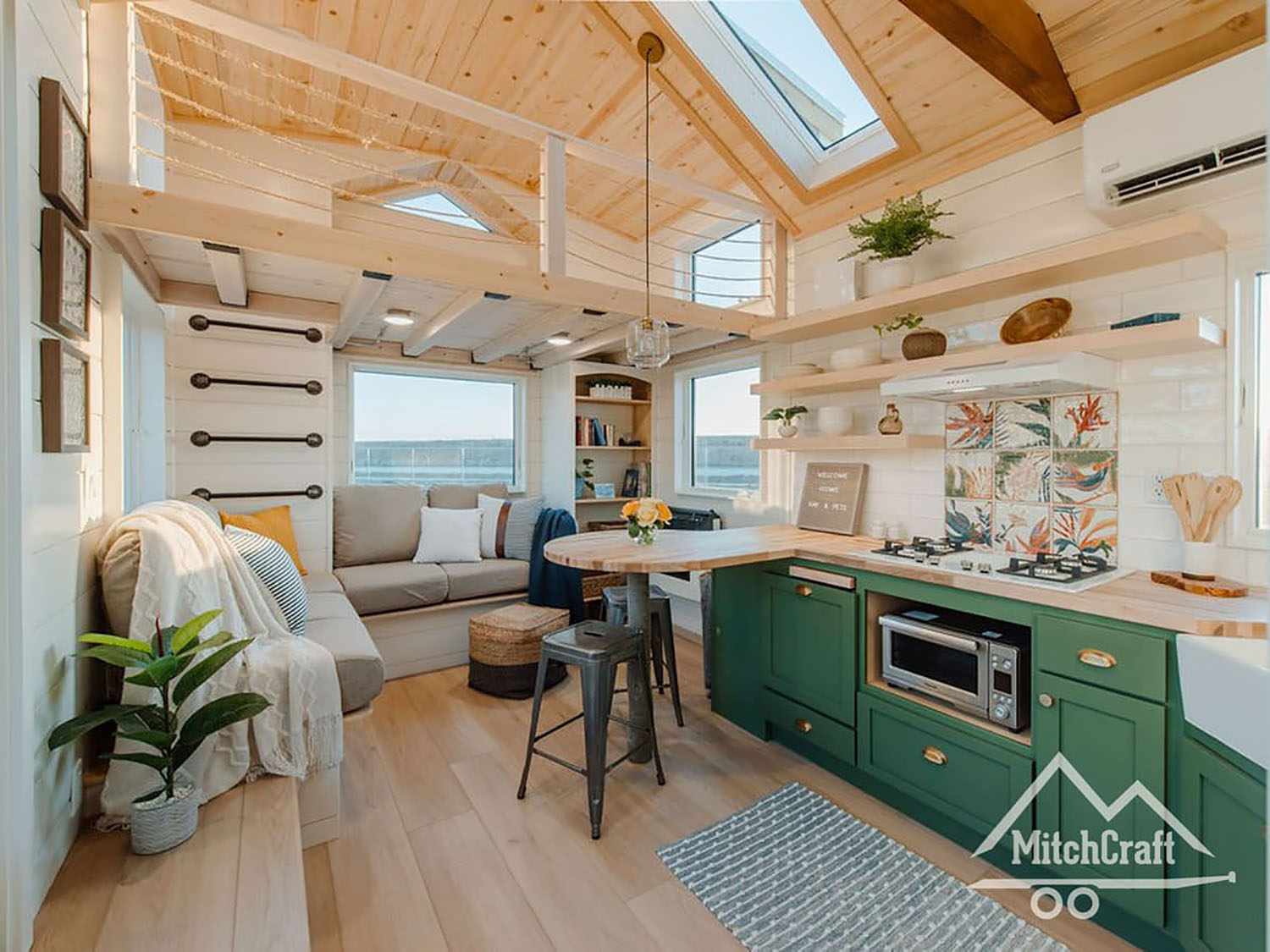
The tiny house movement is a major force in 2026. These homes offer efficient living in spaces from 100 to 600 square feet. They focus on smart design and multi-use features. Think fold-out beds and clever storage. Many tiny homes are built on trailers, known as Tiny Houses on Wheels (THOWs). Others are permanent, acting as Accessory Dwelling Units (ADUs). Off-grid systems are popular for those seeking self-sufficiency. Manufacturers like Timbercraft Tiny Homes offer high-end options. This trend redefines homeownership for many.
| Category | Typical Size | Cost per Sq Ft (2026) | Mobility | Key Features |
| THOWs | 100-400 sq ft | $300-$400 | High (Trailer-based) | RV Regulations, Parkability |
| Foundation Tiny Homes (ADUs) | 200-600 sq ft | $300-$400 | Low (Permanent) | Zoning Laws, Utility Hookups |
| DIY Builds | Varies | $150-$250 (Materials) | Varies | Labor Intensive, Customization |
| Prefab/Turnkey | Varies | $300-$400 | Varies | Faster Build, Professional Finish |
Small House Movement: Core Principles
The core idea is simplicity and efficiency. Tiny homes challenge the need for large, expensive houses. They encourage owning less and living more intentionally. This movement is about smart design, not just small size. Every inch counts in a tiny home.
Minimalist Living in Tiny Homes
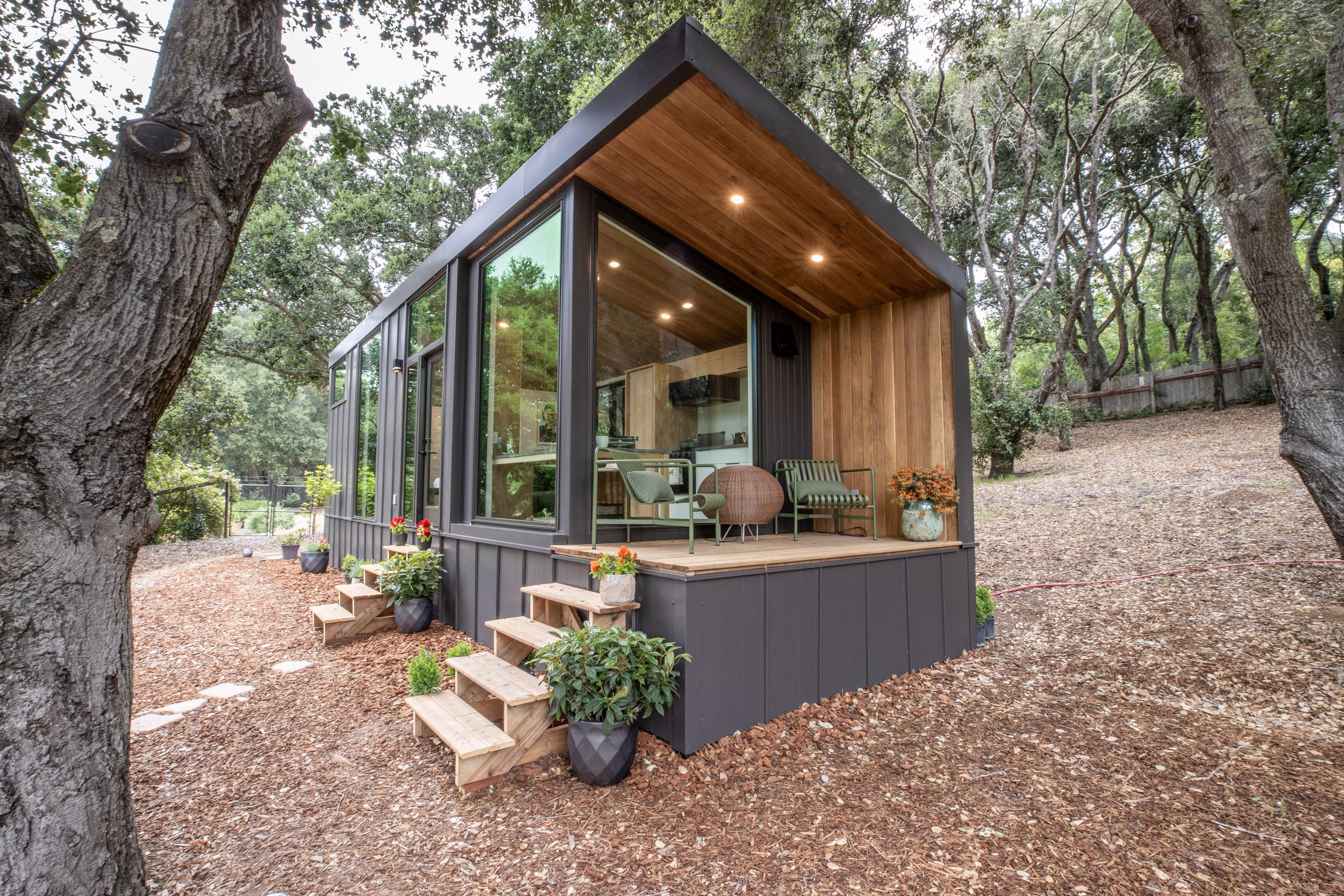
Embracing a tiny home means embracing minimalist living. You must be intentional about what you own. This leads to less clutter and more mental space. It simplifies your life and reduces your impact. Many find it liberating to shed possessions.
Read also: Tired of Ugly Concrete? Epoxy Floor Coating Transforms It Instantly
Sustainable Housing with Tiny Homes
Tiny homes are often a choice for sustainable housing. Their smaller footprint means less material use. They require less energy to heat and cool. Many incorporate eco-friendly features like solar panels. This aligns with a desire for a greener lifestyle.
ADU Construction: Costs and Permits
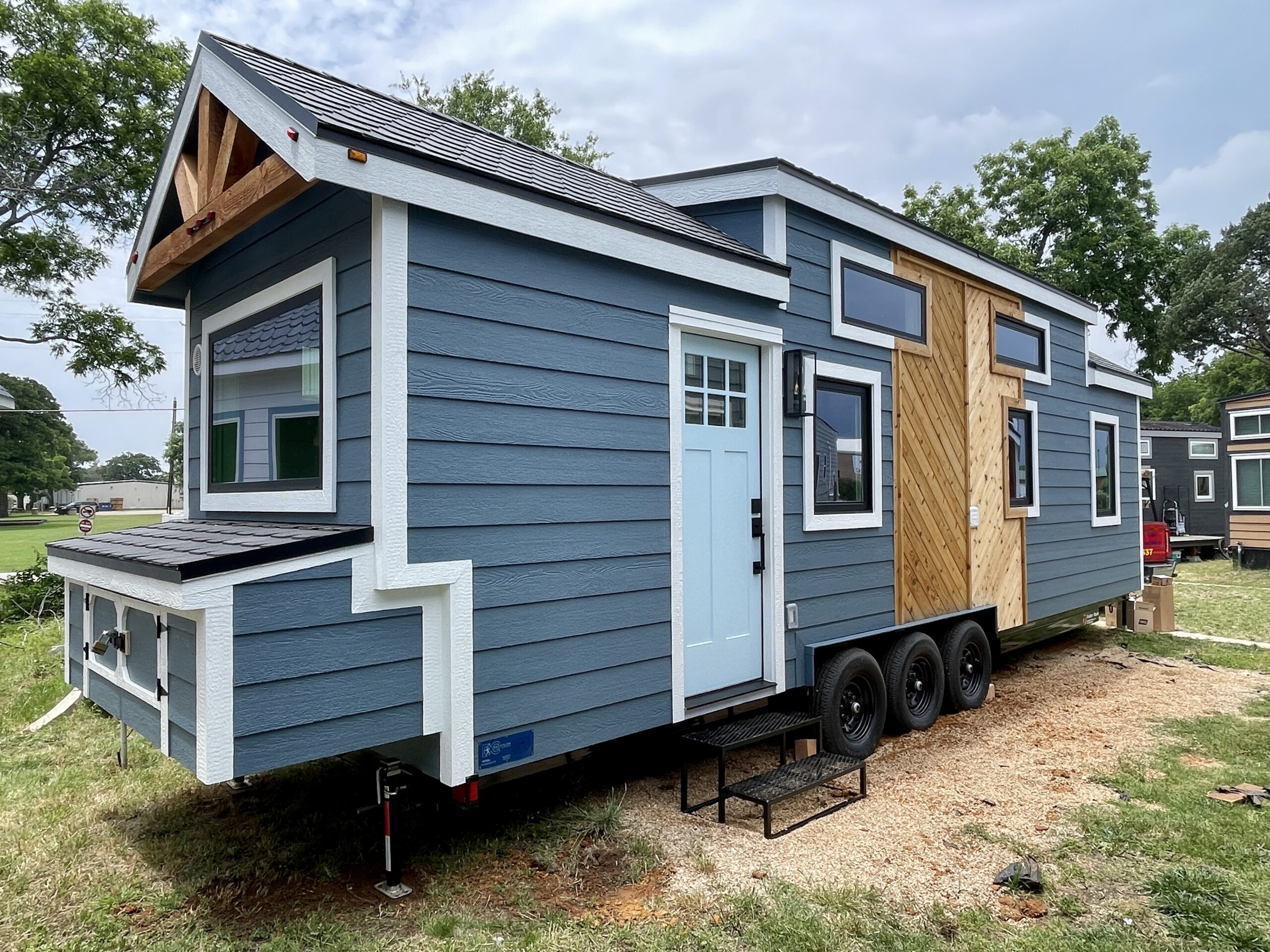
Building an Accessory Dwelling Unit (ADU) requires careful planning. Costs can range from $30,000 to $150,000+. Zoning laws are critical; check local requirements. Permits are essential for legal construction. Many cities now encourage ADUs to increase housing stock.
RV Conversion: Legal and Practical Tips
Converting an RV into a tiny home is an option. Tiny Houses on Wheels (THOWs) must follow RV regulations. Parking these homes can be complex. Research local laws on where you can legally place them. This offers mobility but requires adherence to specific rules.
Off-Grid Tiny Home Systems
Going off-grid is a popular feature. Systems include solar power for electricity. Composting toilets reduce water use. Rainwater collection provides water. These systems enhance self-sufficiency and reduce utility bills. It’s a significant lifestyle choice.
Read also: Your Begonia Is Dying? Fix It With 2 Simple Changes
DIY Tiny Home: Step-by-Step Guide
Building your own tiny home is rewarding. Start with a solid plan and budget. Ensure you understand construction basics. Materials can cost $30,000 to $60,000. This path requires significant time and skill. Many resources exist to guide DIY builders.
Prefab Tiny Homes: Pros and Cons
Prefab tiny homes offer speed and quality. They are built in a factory and delivered. This ensures consistent construction standards. However, customization can be limited. Delivery logistics can also be challenging. They are a good option for a faster move-in.
The Future of Small-Space Living
Tiny homes are more than a trend; they are a practical solution. In 2026, they offer affordability and efficiency. They cater to a desire for simpler, more sustainable lives. Navigating zoning and financing remains key. Explore options from custom builders like Tiny Heirloom. Consider cold climate designs from Tru Form Tiny. Tiny living is a smart choice for many Americans.
Read also: Stop Guessing: Your Perfect Leaf Blower Match in 3 Easy Steps
Your 3-Step Tiny Home Action Plan
Step 1: Define Your Priorities
List your must-haves: mobility, off-grid capability, or luxury finishes. This guides your choice between a THOW and a foundation home.
Step 2: Budget Realistically
Include land, utilities, and permits in your cost estimate. Expect $30,000 to $150,000 for a professional build.
Step 3: Secure Land and Permits
Research local zoning laws before buying land. Many areas require minimum square footage or restrict tiny houses on wheels.
Frequently Asked Questions
Can I get a mortgage for a tiny home?
Traditional mortgages rarely apply to tiny homes. Most owners use personal loans, RV loans, or cash.
How do I handle waste in an off-grid tiny home?
Composting toilets and greywater systems are common solutions. They require regular maintenance but eliminate the need for sewer hookups.
Are tiny homes safe in cold climates?
Yes, with proper insulation and heating systems. Manufacturers like Tru Form Tiny specialize in cold-weather designs.
Tiny homes offer a path to financial freedom and simplified living. They force you to prioritize what truly matters.
Start by visiting a tiny house show or touring a model near you. See the space in person to understand its potential.
Imagine waking up in a home that fits your life perfectly. The tiny house movement is about living large with less.
