

You’ve spent hours raking, but your back is killing you and leaves are still scattered across the yard. A leaf blower can cut that time down to minutes, but which one actually works for your property? Stop guessing and wasting money on the wrong tool.
Whether you’re dealing with a small city lot or a big suburban yard, the right blower makes all the difference. Battery-powered models now match gas power for most homes, and gas still rules for heavy duty work. Let’s clear up the confusion so you can buy smart.
Gas vs Battery: Which Leaf Blower Is Right for You in 2026?
Battery-powered leaf blowers have come a long way. In 2026, top brands like DeWalt, Milwaukee, and EGO offer cordless models that rival gas units in power, with runtimes up to 60 minutes on a single charge. They’re quieter, lighter, and need almost no maintenance—just keep the air intake clean and store batteries at room temperature.
Gas-powered blowers are still the best choice for big yards or wet, heavy leaves. Models like the Stihl BR 600 or Husqvarna 350BT deliver high CFM and MPH to move piles fast. But they require regular care: change the air filter and spark plug yearly, and use fresh fuel less than 30 days old to avoid carburetor issues.
For small to medium yards, a handheld battery blower is your best bet. For large properties or professional use, a backpack gas blower saves your back and gives you all-day power. Corded electric blowers are cheap and reliable for tiny patios, but the cord limits your reach.
Leaf Blowers in 2026: Power, Portability, and Smart Choices
Choosing the right leaf blower in 2026 means understanding advanced technology and your specific needs. The market now offers powerful battery options that match gas models for many tasks. Consider your yard size, debris type, and how often you’ll use it. This guide breaks down the key features to help you make an informed decision.
| Feature | Gas-Powered | Battery-Powered | Corded Electric |
| Power | High | Medium-High | Medium |
| Runtime | Unlimited | Limited (improving) | Unlimited (tethered) |
| Noise | High | Low-Medium | Low |
| Maintenance | High | Low | Very Low |
| Portability | Medium | High | Low (due to cord) |
| Cost | Medium-High | Medium-High | Low |
Gas-Powered Leaf Blower Power and Range
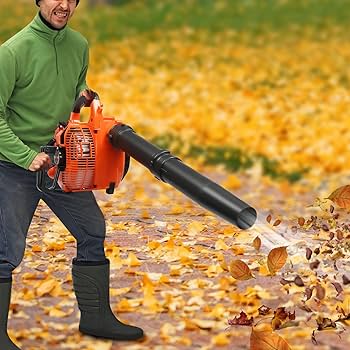
Gas-powered leaf blowers still lead when raw power is essential. They are ideal for professionals or homeowners with very large properties. These units offer sustained high performance without worrying about battery life. They excel at clearing heavy, wet debris quickly.
However, gas models require more upkeep. You need to manage fuel mixtures and perform regular maintenance like air filter and spark plug changes. Using fresh fuel, less than 30 days old, is critical for optimal performance and engine longevity.
Battery-Powered Leaf Blower Runtime and Convenience
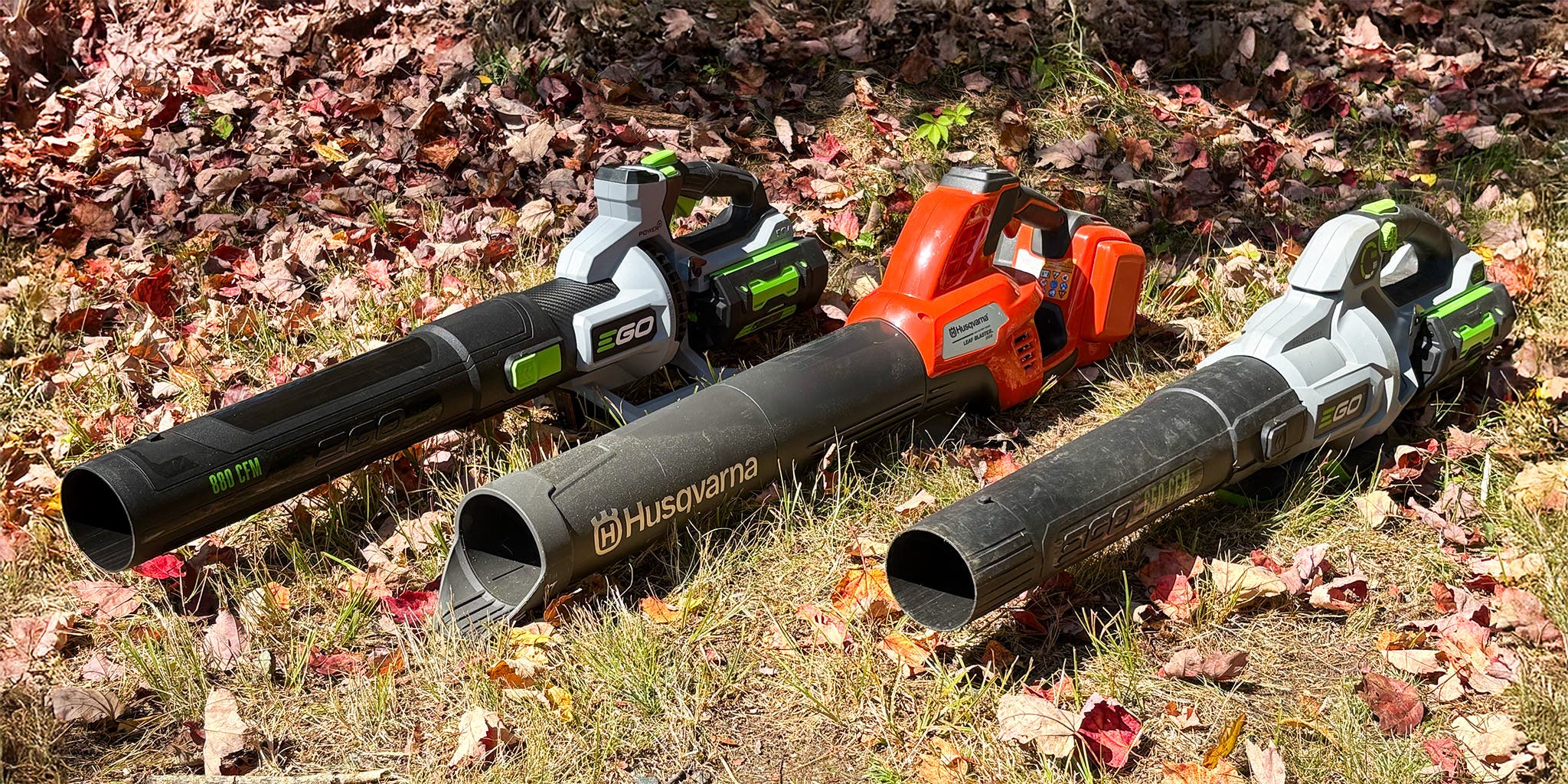
Battery-powered leaf blowers have dramatically improved. In 2026, advanced battery tech offers runtimes competitive with gas models for many residential uses. They provide a quieter operation and zero emissions, making them eco-friendlier.
The convenience of a cordless leaf blower is a major draw. No cords mean no limitations on where you can work. Just grab it and go. Proper battery storage, at room temperature, is key to their lifespan.
Advanced battery technology is closing the gap with gas, offering great power with less hassle.
Cordless Leaf Blower Mobility and Freedom
The freedom of a cordless leaf blower cannot be overstated. You can easily navigate around obstacles and cover your entire yard without interruption. This mobility is perfect for properties with complex landscaping.
This type of blower is also significantly lighter than most gas models. It reduces strain during use. Look for models with good weight distribution for maximum comfort.
Electric Leaf Blower Lightweight and Low Maintenance
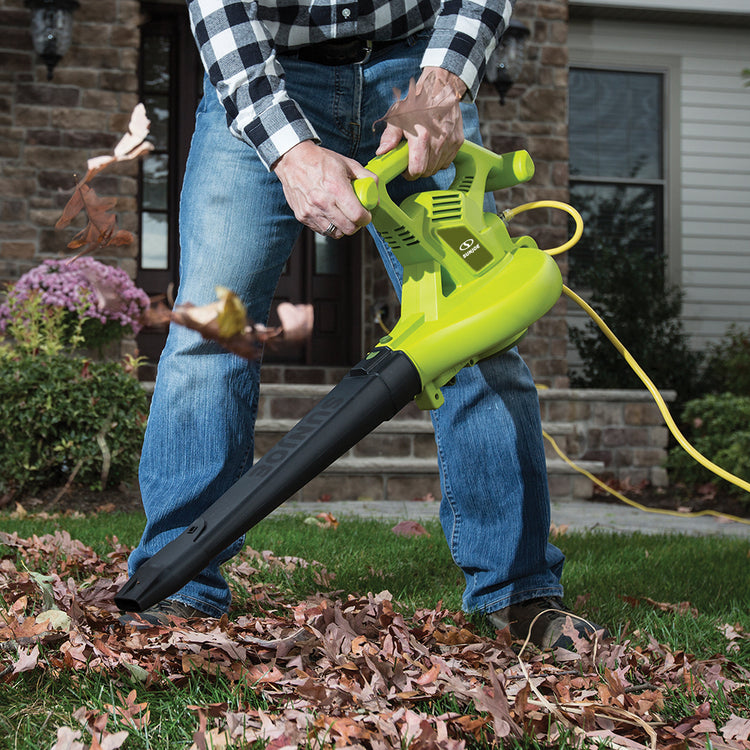
Electric leaf blowers, especially corded ones, are the most budget-friendly option. They are very lightweight and require minimal maintenance. Simply keep the air intake clear of debris.
Their main limitation is the power cord. This restricts movement to areas near an outlet. They are best suited for small, contained spaces like patios or small front yards.
Backpack Leaf Blower Comfort for Large Yards
For extensive properties, a backpack leaf blower is the superior choice. The weight is distributed across your back and shoulders, significantly reducing fatigue. This allows for longer working periods without discomfort.
These models typically offer higher power and airflow (CFM) compared to handheld units. This makes them efficient for clearing large areas quickly. The ergonomic design is crucial for extended use.
Handheld Leaf Blower Portability and Ease of Use
Handheld leaf blowers are excellent for quick cleanups and smaller tasks. Their compact size makes them easy to store and maneuver. They are the go-to for light debris on decks or walkways.
While less powerful than backpack or gas models, they offer great portability. Many battery-powered handhelds are now powerful enough for most residential needs. They are user-friendly for almost anyone.
Commercial Leaf Blower Durability for Heavy Duty
Commercial leaf blowers are built for demanding, daily use. They feature robust construction and powerful engines designed for maximum durability. These are often gas-powered or high-output battery models.
They are engineered for professionals who need reliable performance under tough conditions. Expect higher price points but longer service life. They handle the toughest jobs with ease.
Residential Leaf Blower Quiet and Efficient
For most homeowners, a residential leaf blower balances power with user-friendliness. Battery-powered models are increasingly popular due to their quiet operation and reduced emissions. They are efficient for typical yard maintenance.
Look for models with good CFM and MPH ratings suitable for your yard size. Many residential models offer adjustable speeds for precise control. This prevents scattering mulch or gravel.
Understanding CFM (air volume) and MPH (air speed) is key to selecting the right blower for your debris type.
Impact and Verdict
The leaf blower market in 2026 is diverse and user-focused. For most homeowners, advanced battery-powered leaf blowers offer the best blend of power, convenience, and reduced maintenance. They provide ample performance for small to medium yards without the noise and emissions of gas models.
If you have a very large property or consistently deal with heavy, wet leaves, a powerful gas or backpack blower remains a strong contender. Always consider the maintenance requirements and your comfort during use. For quick, small jobs, a simple electric or lightweight handheld model suffices. Ultimately, the best leaf blower for you depends on your specific needs and property. You can find more buying advice at Consumer Reports. Proper maintenance ensures longevity; check Four Seasons for tips.
Your 3-Step Action Plan for the Perfect Leaf Blower
Step 1: Match Power to Your Property
Measure your yard. For lots under a quarter acre, a corded electric or compact battery blower will do the job.
If you have a larger property or deal with wet leaves, choose a high-performance battery model or a gas backpack blower for serious power.
Step 2: Decide on Portability
Handheld blowers are light and easy to store, but they can tire your arm after 20 minutes of use.
Backpack blowers distribute the weight across your shoulders and back, making them much more comfortable for longer sessions.
Step 3: Look at the Numbers
Focus on CFM for moving large piles (aim for 400+ CFM) and MPH for blasting stuck debris (look for 140+ MPH).
Ignore peak numbers from manufacturers; instead, read real user reviews about runtime and actual performance in grass and gravel.
Frequently Asked Questions
Can I use a leaf blower on wet leaves?
Yes, but you need a model with high MPH (over 150) to break the surface tension and dislodge them.
Wet leaves are heavy, so a gas or high-end battery backpack blower with high CFM will move them more effectively than a small handheld unit.
How long do battery leaf blowers last on a full charge?
Runtime varies widely by model and power setting, typically ranging from 15 to 45 minutes of continuous use.
For larger yards, consider buying an extra battery or choosing a model with a rapid charger to stay productive.
Do I need to winterize a gas leaf blower?
Yes, you must drain the fuel or add a fuel stabilizer before storing it for more than 30 days to prevent carburetor damage.
Also, change the oil, clean or replace the air filter, and store it in a dry place to ensure it starts next season.
Choosing the right leaf blower comes down to matching power, portability, and maintenance to your specific yard size and debris type.
Now that you know the key differences, identify your primary use case and compare models based on CFM, MPH, and battery voltage or engine displacement.
Imagine clearing your entire lawn in half the time, with less noise and zero fumes, leaving you more weekends to enjoy your outdoor space.
