

Thinking about adding a dogwood tree to your yard but worried it’s too hard to grow? You’re not alone. Many homeowners love the look but struggle with planting and care.
The truth is, with the right know-how, dogwoods can thrive in your landscape. This guide cuts through the confusion to give you practical, proven advice for success.
Dogwood Tree Varieties and What Makes Each Special
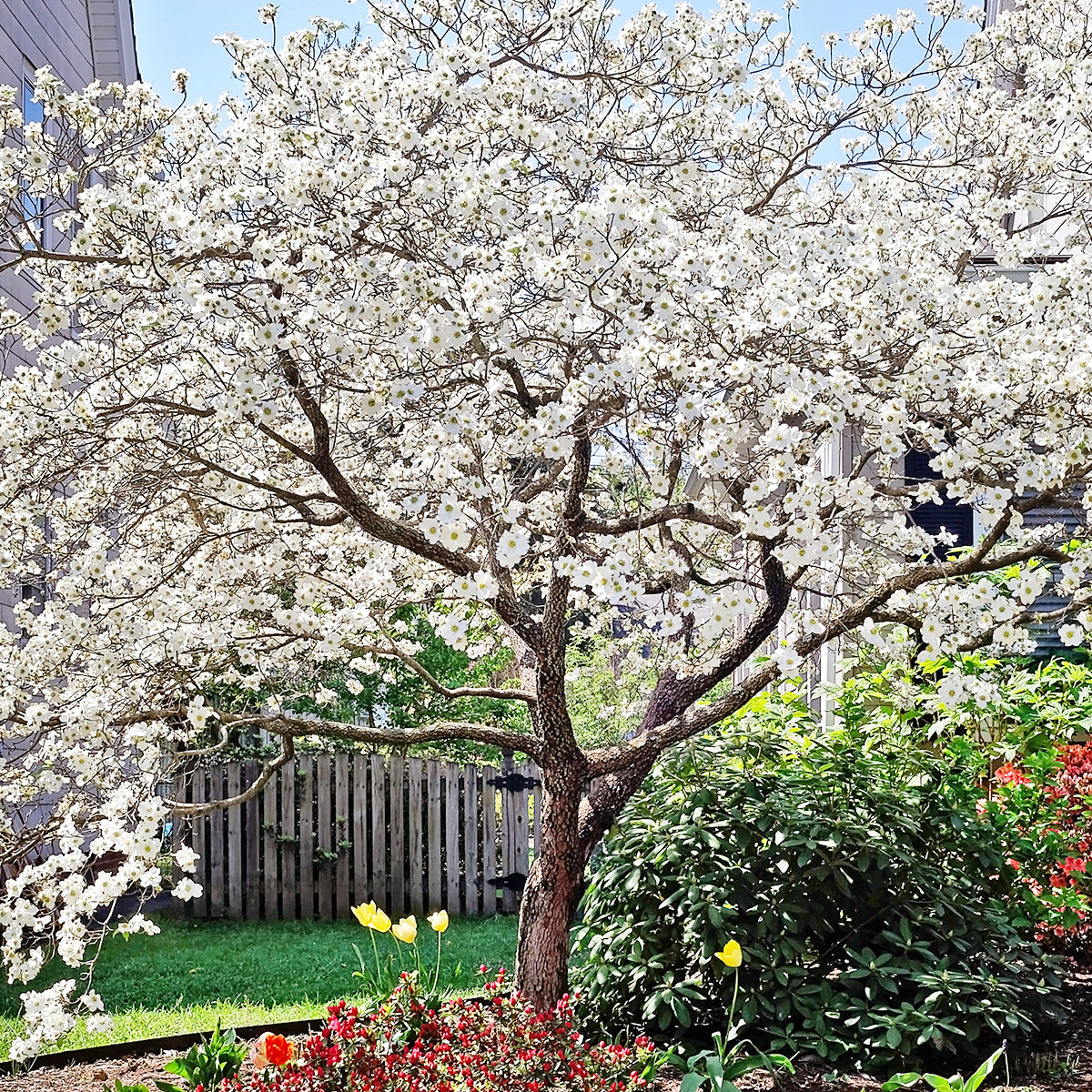
Not all dogwood trees are the same. The Flowering Dogwood (Cornus florida) is native to the eastern US and puts on a classic spring show. But it’s prone to anthracnose disease, so you need to choose carefully.
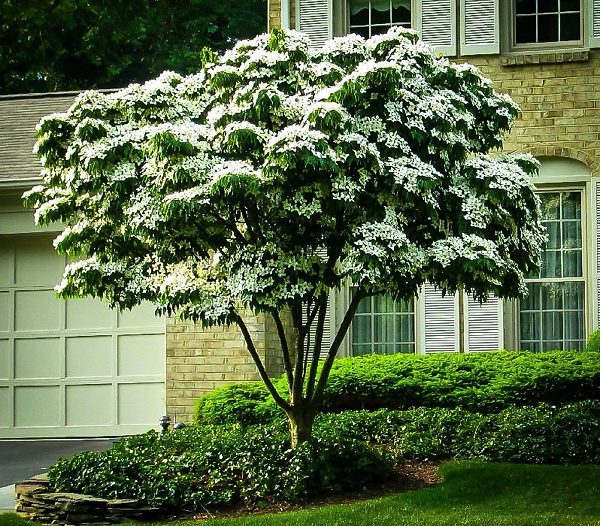
For a tougher option, consider the Kousa Dogwood (Cornus kousa). It blooms later, resists common diseases, and even produces edible fruit. Prices for a 2-3 foot sapling start around $15 from the Arbor Day Foundation, while larger specimens can cost over $100.
If you want winter interest, the Red-Twig Dogwood (Cornus sericea) offers striking red stems. This shrubby variety grows fast and handles wet soil better than others. Pick the right species for your zone and conditions to avoid headaches later.
Dogwood Trees: A Timeless Beauty for Your 2026 Yard
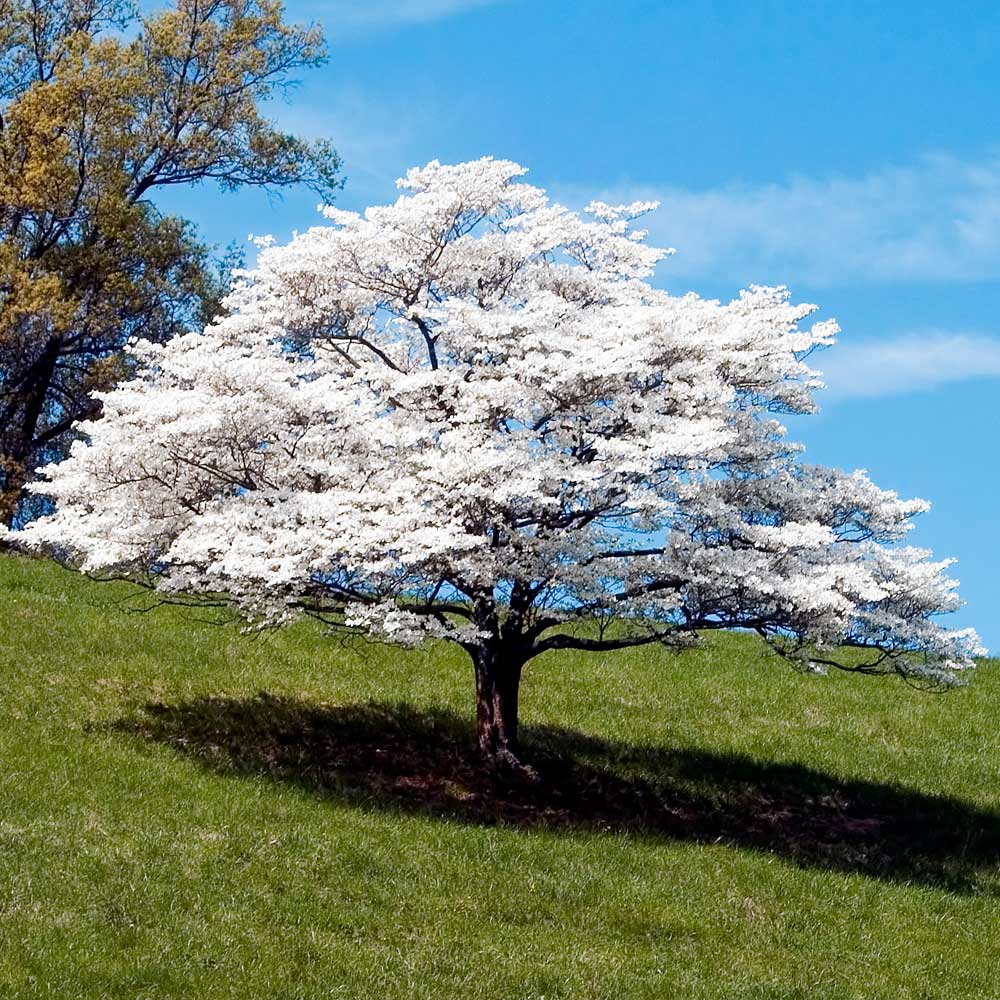
Dogwood trees bring stunning beauty to any home landscape. They offer beautiful blooms in spring and vibrant colors in fall. These trees are not just pretty; they add significant value to your property. Understanding their needs ensures a healthy, long-lasting addition to your garden. Let’s explore what makes the dogwood tree so special.
| Feature | Description |
| Genus | Cornus |
| Height | 15-30 feet typically |
| Spring Blooms | Modified leaves called bracts (white, pink, red) |
| Fall Color | Red, purple, yellow foliage |
| Winter Interest | Colorful bark or stems on some varieties |
| Sunlight Needs | Partial shade, dappled sunlight |
| Soil Preference | Well-draining, slightly acidic, rich in organic matter |
| Watering | Consistent moisture, avoid waterlogging |
| Pruning Time | Late winter or early spring |
Dogwood Tree Facts and Characteristics
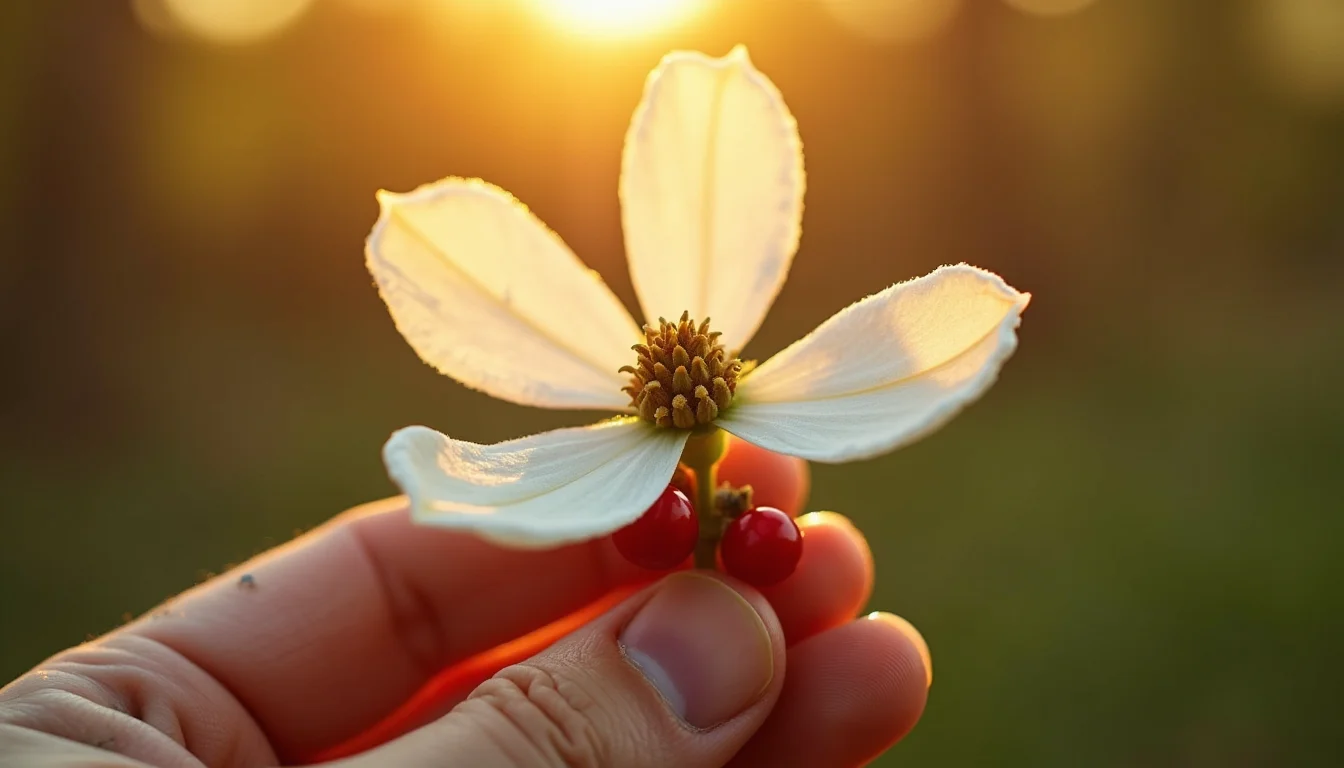
The dogwood tree, part of the Cornus genus, is famous for its beauty all year. What look like flowers are actually called bracts. These modified leaves appear in early spring. They come in white, pink, or red, depending on the type. Dogwoods also provide bright fall foliage. Colors range from red to yellow. Some types have colorful bark for winter appeal. Mature trees usually reach 15 to 30 feet tall. This size is perfect for most yards, offering shade without being too large.
There are over 50 kinds of dogwood trees. Many are grown just for how they look. This makes them a popular choice for ornamental dogwood trees. They fit well in residential landscapes. Their size is manageable for most homeowners. They provide a lovely focal point in your garden design.
Planting Dogwood Trees: Soil and Sunlight
Dogwoods grow best where they get dappled sunlight. Think of the edge of a forest. They like morning sun but need protection from hot afternoon rays. Too much direct sun can scorch their leaves. In cooler areas, they might handle full sun. Good soil is also key for planting dogwood trees. They need soil that drains well. It should also be slightly acidic, with a pH between 5.5 and 6.6. Adding compost to the soil helps a lot. This gives the tree the nutrients it needs to thrive.
Because dogwoods have shallow roots, they need consistent water. Water them deeply once or twice a week. This is especially important when the tree is new. It’s also vital during dry spells. Never let the soil become waterlogged. A 2-4 inch layer of organic mulch helps keep the soil moist. It also regulates soil temperature. Keep the mulch a few inches away from the trunk. This prevents rot and pest issues.
Flowering Dogwood vs. Kousa Dogwood
The Flowering Dogwood, or Cornus florida, is native to the eastern US. It’s known for its classic spring blooms. However, it can be prone to anthracnose, a common fungal disease. The Kousa Dogwood, Cornus kousa, comes from Asia. It blooms a bit later in the season. A major advantage of the Kousa is its disease resistance. It handles anthracnose and other issues better than Cornus florida. The Kousa’s fruit is also more ornamental and can be eaten.
Choosing between these two popular varieties depends on your priorities. If you want the iconic eastern US look, the Flowering Dogwood is a great choice. If disease resistance and a later bloom time are more important, consider the Kousa Dogwood. Both offer beautiful seasonal interest. They are excellent choices for adding charm to your yard.
Common Dogwood Tree Diseases and Problems
Dogwood trees can face a few health challenges. Anthracnose is a significant concern, especially for the Flowering Dogwood. This disease causes leaf spots and can weaken the tree. Powdery mildew can also affect the leaves, appearing as a white, dusty coating. Leaf scorch is another common problem. This happens when the tree doesn’t get enough water or is exposed to too much sun. Proper watering and site selection can prevent this.
To avoid dogwood tree problems, choose resistant varieties when possible. The Kousa Dogwood is a good example of a more disease-resistant option. Ensure good air circulation around the tree. Avoid planting too close to other structures or plants. Healthy trees are less susceptible to pests and diseases. Regular monitoring can help catch issues early.
Pruning Dogwood Trees for Health and Shape
Pruning dogwood trees should be done carefully. The goal is to remove dead, damaged, or crossing branches. This helps maintain the tree’s health and shape. The best time to prune is in late winter or early spring. Do this before new growth begins. This is when the tree is dormant. Avoid heavy pruning. Dogwoods do not respond well to drastic cuts. Minimal pruning is usually best for these trees.
When you prune, make clean cuts. Use sharp, sterilized tools. This prevents the spread of diseases. Remove any branches that rub against each other. Also, take out any branches that grow inward towards the trunk. Proper pruning encourages strong growth. It also helps the tree maintain its natural, attractive form. Learn about dogwood tree pruning techniques to keep your tree looking its best.
Dogwood Tree Fall Color and Winter Interest
Dogwood trees offer beauty beyond their spring blossoms. Their dogwood tree fall color is spectacular. Leaves turn vibrant shades of red, purple, and yellow. This adds a burst of color to your landscape as the seasons change. It creates a stunning display before the leaves drop. This seasonal interest makes dogwoods a favorite for many homeowners.
Some dogwood varieties provide winter interest too. The Red-Twig Dogwood, for example, is prized for its bright red stems. These stems stand out against the snow. They offer a cheerful splash of color during the cold months. Even without leaves, the tree’s structure can be beautiful. This year-round appeal makes dogwoods a valuable landscape plant.
Native Dogwood Trees for Your Landscape
Considering native dogwood trees is a smart choice for your garden. The Flowering Dogwood (Cornus florida) is a beautiful native species for the eastern US. It is well-adapted to local conditions. Planting native trees supports local ecosystems. They often require less maintenance once established. Native dogwood trees also provide food and habitat for local wildlife.
Other native dogwood species exist depending on your region. For example, the Pacific Dogwood (Cornus nuttallii) is native to the Pacific Northwest. It can grow larger than the Cornus florida. Choosing a native tree ensures it will thrive in your climate. It also contributes to a more sustainable landscape design. Research which native dogwood trees are best suited for your specific area.
Buying Dogwood Trees: Price and Zones
You can find dogwood trees at many places. Prices vary based on the type and size of the tree. Small saplings from organizations like the Arbor Day Foundation can be quite affordable, starting around $15. More specialized cultivars, like the ‘Cherokee Chief’, can cost more. Larger specimens might range from $130 to $150. Kousa dogwood varieties are also available, with prices around $86 for certain sizes.
When buying dogwood trees, consider the plant hardiness zone for your area. Most dogwoods prefer zones 5 through 8. Always check the specific needs of the variety you choose. Buying dogwood trees from reputable nurseries ensures you get a healthy plant. Look for trees with good root systems and no signs of disease. This investment will pay off with years of beauty.
The Enduring Appeal of the Dogwood Tree
Dogwood trees remain a top choice for American homeowners. Their beauty evolves through the seasons. They offer more than just curb appeal; they enhance your property’s overall value. For 2026, consider adding a dogwood to your landscape. They are relatively easy to care for with the right approach. Choose a variety suited to your climate and space. Proper planting and care will ensure your dogwood tree thrives for years to come. It’s a beautiful, rewarding addition to any home.
Your Dogwood Action Plan
Step 1: Choose the Right Spot
Dogwoods need partial shade and well-draining, acidic soil. Test your soil pH; aim for 5.5–6.6.
Step 2: Plant with Care
Dig a hole twice as wide as the root ball but no deeper. Place the tree so the root flare sits just above ground level.
Step 3: Water and Mulch Consistently
Water deeply once a week during the first two years. Apply a 3-inch layer of organic mulch, keeping it away from the trunk.
Frequently Asked Questions
How long does it take for a dogwood to bloom?
Most dogwoods bloom within 3 to 5 years after planting if grown in suitable conditions. Young trees may take longer if they receive too much shade or insufficient water.
Can I grow a dogwood in full sun?
In cooler northern climates, full sun can work, but in hotter regions, afternoon shade is essential to prevent leaf scorch. Morning sun with afternoon shade is ideal for most areas.
Why are my dogwood leaves turning brown at the edges?
Brown leaf edges often indicate leaf scorch from too much sun, wind, or dry soil. Ensure consistent watering and consider adding a layer of mulch to retain moisture.
Choosing a dogwood tree adds timeless beauty and seasonal interest to your landscape. With proper site selection and care, you’ll enjoy years of spring blooms and vibrant fall color.
Start by testing your soil and picking a protected spot with morning sun. Then plant your dogwood and commit to regular watering during its first two years.
Imagine your yard transformed by a graceful tree that delights in every season. Next spring, those iconic bracts will be your reward.
