

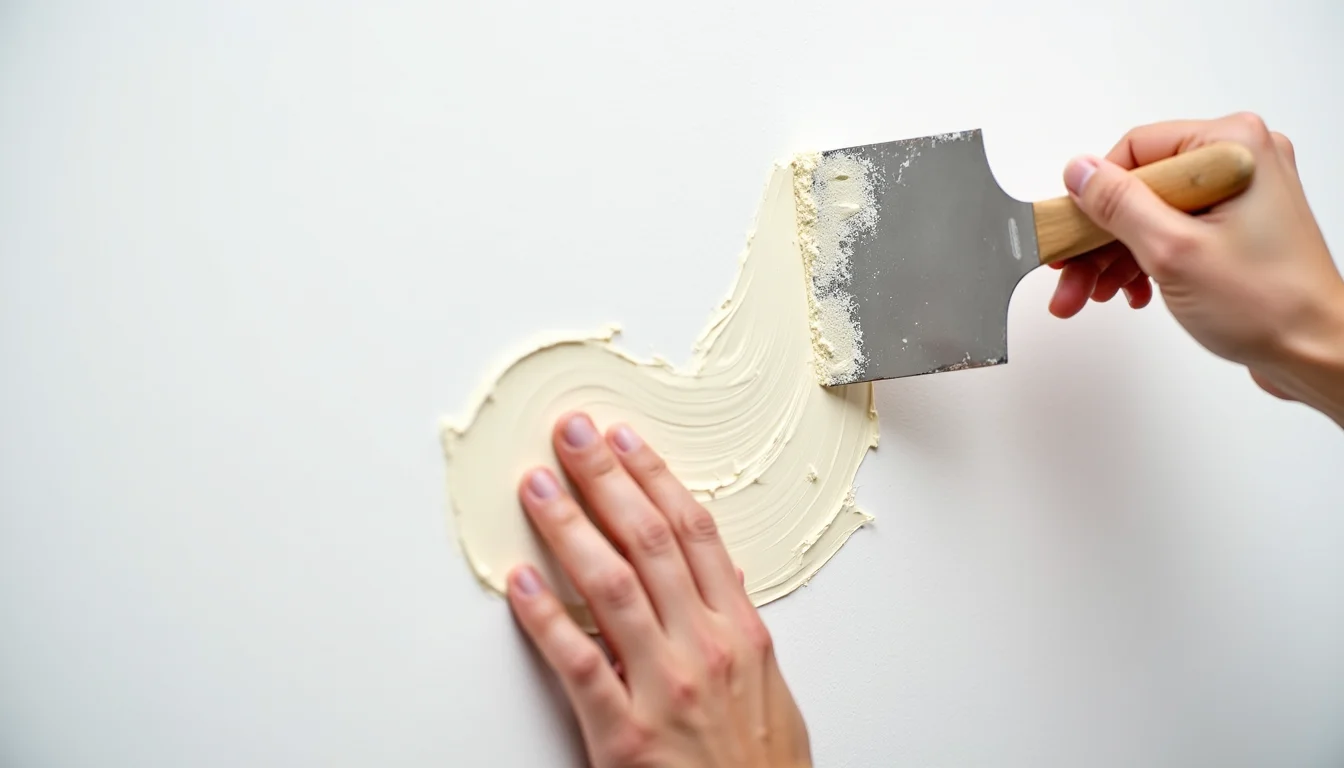
That ugly hole in your wall doesn’t have to stay there forever. You can fix it yourself in a few hours, even if you have never done it before. Forget paying a handyman hundreds of dollars for a simple repair.
Most wall damage is easy to patch with the right tools and a little patience. Whether it is a small nail hole or a doorknob-sized dent, this guide will show you exactly what to do. No fancy skills required, just follow the steps.
How to fix a hole in drywall like a pro
The first step is to figure out what size hole you are dealing with. For tiny holes like nail or screw holes, a dab of spackling paste from a squeeze tube works great. Apply it with a putty knife, let it dry for about 30 minutes, then sand it smooth with a fine-grit sanding sponge.
For medium holes up to about 6 inches across, use a self-adhesive drywall patch from any hardware store. Stick the patch over the hole, then apply three thin coats of joint compound, letting each coat dry and sanding between layers. Feather the edges so the patch blends in with the wall.
For larger holes, you need to cut a new piece of drywall to fit. Use a drywall saw to cut the hole into a clean square or rectangle, then screw a backer board inside the wall to support the patch. Apply drywall joint tape over the seams and cover with joint compound, sanding between coats. Always prime the repaired area before painting for a seamless finish.
| Tempo Estimado | Custo Médio | Nível |
| 30 min – 2 horas | $10 – $50 | Fácil |
MATERIAIS NECESSÁRIOS
- Massa corrida (spackle) ou composto para drywall
- Espátula ou desempenadeira
- Lixa fina (grão 120-220) ou esponja de lixar
- Pano úmido
- Primer para paredes
- Tinta da cor da parede
- Kit de reparo para drywall (para buracos maiores)
- Fita para drywall (se necessário)
O PASSO A PASSO DEFINITIVO
- Passo 1: Limpe a área – Remova poeira e detritos soltos ao redor do buraco.
- Passo 2: Aplique a massa – Use a espátula para aplicar a massa, preenchendo o buraco.
- Passo 3: Alise a superfície – Retire o excesso de massa, deixando a superfície o mais lisa possível.
- Passo 4: Espere secar – Deixe a massa secar completamente conforme as instruções do fabricante.
- Passo 5: Lixe suavemente – Use a lixa para nivelar a área reparada com a parede.
- Passo 6: Limpe o pó – Remova todo o pó da lixação com um pano úmido.
- Passo 7: Aplique o primer – Cubra a área reparada com primer para selar.
- Passo 8: Pinte a parede – Pinte sobre a área preparada para igualar a cor da parede.
ERROS COMUNS NA EXECUÇÃO
- Usar muita massa de uma vez, causando rachaduras após secar.
- Não lixar a área reparada até ficar totalmente nivelada com a parede.
- Não aplicar primer antes de pintar, resultando em manchas visíveis.
APROFUNDAMENTO TÉCNICO
Patching Small Nail Holes
Para pequenos furos de pregos, use massa corrida. Aplique uma pequena quantidade com a espátula. Alise bem e deixe secar. Lixe suavemente até ficar rente à parede. Esta é uma das técnicas mais simples de patching drywall damage.
Repairing Drywall Damage
Danos maiores exigem kits de reparo ou fita para drywall. Siga as instruções do kit ou aplique fita sobre o buraco. Cubra com várias camadas finas de composto para drywall. Cada camada deve secar e ser lixada. O objetivo é um seamless wall repair.
Fixing Holes in Plaster Walls
Reparos em paredes de gesso exigem cuidado extra. Gesso antigo pode ser quebradiço. Use composto para drywall ou massa específica para gesso. Aplique em camadas finas, lixando entre elas. Evite umidade excessiva para não danificar mais o gesso.
Read also: What To Do When Your Pipe Bursts at 3 AM: Emergency Plumber Tips
Applying Wall Spackle Correctly
A aplicação correta da massa é crucial. Use a espátula para espalhar uma camada fina e uniforme. Evite deixar excessos que dificultem o lixamento. A massa deve preencher o buraco completamente. Uma aplicação lisa facilita o trabalho.
Using Drywall Compound Techniques
O composto para drywall requer paciência. Aplique em camadas finas, permitindo a secagem completa entre elas. Use uma espátula maior para alisar as bordas, criando um acabamento suave. Esta técnica é essencial para fixing holes in plaster walls e drywall.
Seamless Wall Repair Tips
Para um reparo invisível, aplique camadas finas de composto. Alargue gradualmente a área coberta a cada nova camada. Lixe com cuidado para não criar depressões. A pintura final deve cobrir toda a área reparada. Isso garante um resultado profissional.
DIY Wall Patching for Beginners
Para iniciantes, comece com furos pequenos. Use massa corrida e uma espátula pequena. Pratique a aplicação e o lixamento em uma área discreta. Aprender a usar drywall compound techniques leva tempo. O importante é ter paciência.
Read also: Hanging a TV? This $20 Stud Finder Saves Your Wall
Best Way to Patch a Wall Hole
A melhor maneira depende do tamanho do buraco. Para furos pequenos, massa corrida é suficiente. Para buracos maiores, use kits de reparo ou fita e composto. O segredo é aplicar camadas finas e lixar bem. Um bom acabamento é a chave para wall repair for beginners.
Read also: 52 Pink Wallpaper Ideas to Transform Any Room on a Budget
Pro Tips for a Flawless Finish
What to Avoid
Don’t skip the primer. Unprimed patches will look dull and absorb paint unevenly.
Avoid applying thick coats of compound. Thin layers dry faster and sand easier.
Speed Up the Process
Use a hair dryer on low heat to accelerate drying between coats. Keep it moving to prevent cracking.
For small holes, try a self-adhesive mesh patch. It eliminates the need for tape and speeds up the repair.
Tools You Need
- Putty knife (3-inch and 6-inch)
- Sandpaper or sanding sponge (120-grit)
- Joint compound or spackle
- Drywall patch kit for medium holes
- Primer and paint
Frequently Asked Questions
Can I use toothpaste to fill a nail hole?
Toothpaste can shrink and crack, so it’s not a reliable fix. Stick with spackle or joint compound for a lasting repair.
How long should I wait between coats of compound?
Wait until each coat is completely dry, usually 2-4 hours for lightweight compound. Touch the surface to confirm it’s no longer cool or damp.
Do I need to sand between every coat?
Yes, sand lightly after each coat to remove ridges and ensure a smooth finish. Use a sanding sponge for better control.
Now you have the know-how to fix any wall hole like a pro. This skill saves you money and keeps your home looking its best.
Next, try tackling a small paint touch-up to match the repaired area. You’ll be amazed at how seamless the result can be.
Imagine walking past that wall without even noticing the repair. That’s the confidence of a job done right.
