

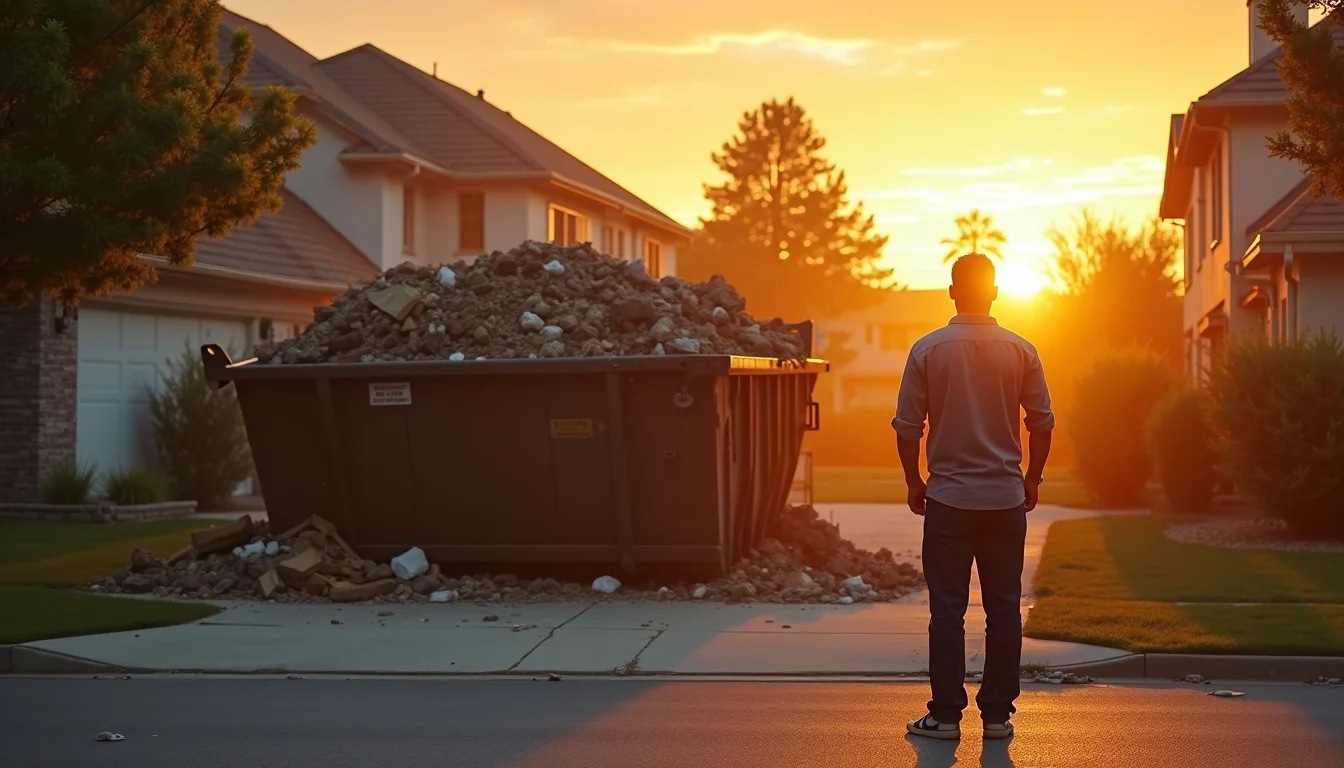
You have a pile of debris in your driveway and no idea how to get rid of it. A roll off dumpster is the heavy-duty solution that takes the stress out of big cleanups. No more multiple trips to the landfill or overflowing curbside bins.
Whether you are tackling a home renovation, a construction project, or a major declutter, a roll-off dumpster rental gives you one simple container that gets hauled away when you are done. You just fill it, call the company, and they handle the rest.
Understanding Roll-Off Dumpster Sizes and Costs
Roll-off dumpsters come in standard sizes measured in cubic yards, with 10-yard, 20-yard, 30-yard, and 40-yard being the most common. A 10-yard dumpster is perfect for small remodels or heavy materials like concrete, while a 20-yard works for mid-sized renovations and whole-home cleanouts.
Costs vary by size and location, but expect to pay between $300 and $600 for a week-long rental of a 20-yard dumpster. Always ask about weight limits and prohibited items like batteries or chemicals to avoid extra fees. For placement on a street or sidewalk, you may need a permit from your local city office.
Roll-Off Dumpsters in 2026: Your Essential Waste Management Solution
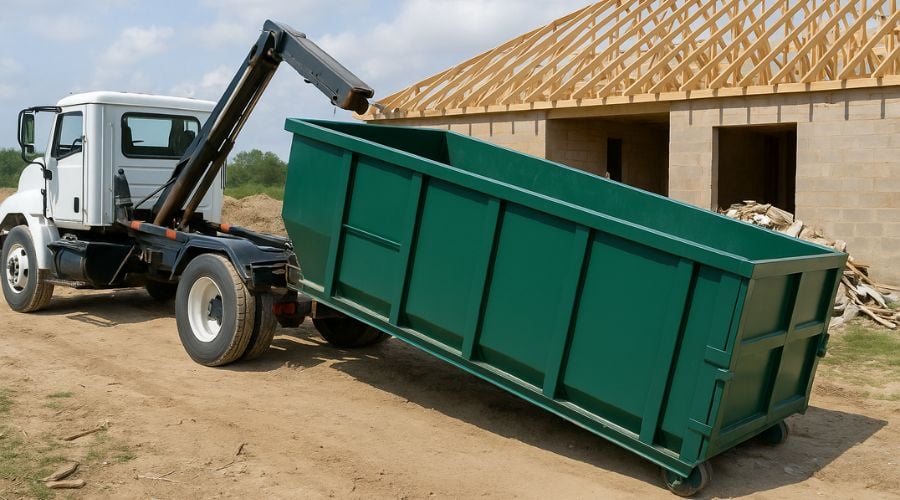
Managing waste from big projects is crucial. A roll-off dumpster is your go-to tool. These heavy-duty containers handle more than regular trash bins. They are built for renovations, construction, and major cleanouts. Understanding your needs ensures efficient waste removal. This guide breaks down everything you need to know.
| Container Size (Cubic Yards) | Typical Use Cases | Common Materials |
| 10-Yard | Small remodels, garage cleanouts | Concrete, dirt, heavy debris |
| 20-Yard | Mid-size renovations, decluttering | Flooring, furniture, general debris |
| 30-Yard | Large construction, home additions | Wood, drywall, mixed debris |
| 40-Yard | Major demolition, industrial waste | Large volumes, bulky items |
Roll-Off Dumpster Rental: What to Expect
Renting a roll-off dumpster is straightforward. You select a size based on your project. Then, you schedule delivery. The dumpster sits on your property for a set period. You fill it with debris. Finally, the rental company picks it up. It is a vital part of waste management containers. Always confirm the rental period and any overage fees.
Site preparation is key before delivery. Clear the drop-off area. Ensure no cars, low branches, or wires are in the way. This prevents delivery issues and delays. Your driveway might need protection. Lay down plywood to prevent damage from the dumpster’s rollers. This simple step saves costly repairs later.
Read also: Renting a dumpster in NYC? Avoid this $385 mistake
The right dumpster size prevents multiple trips and extra costs. Measure your debris carefully.
Standard Dumpster Sizes for Your Project
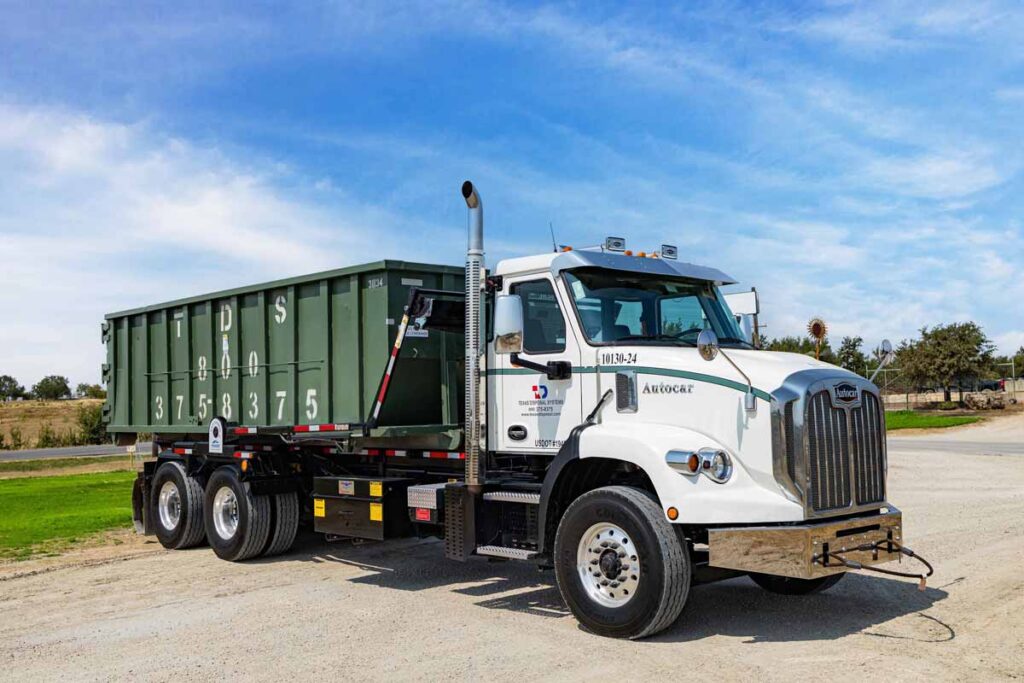
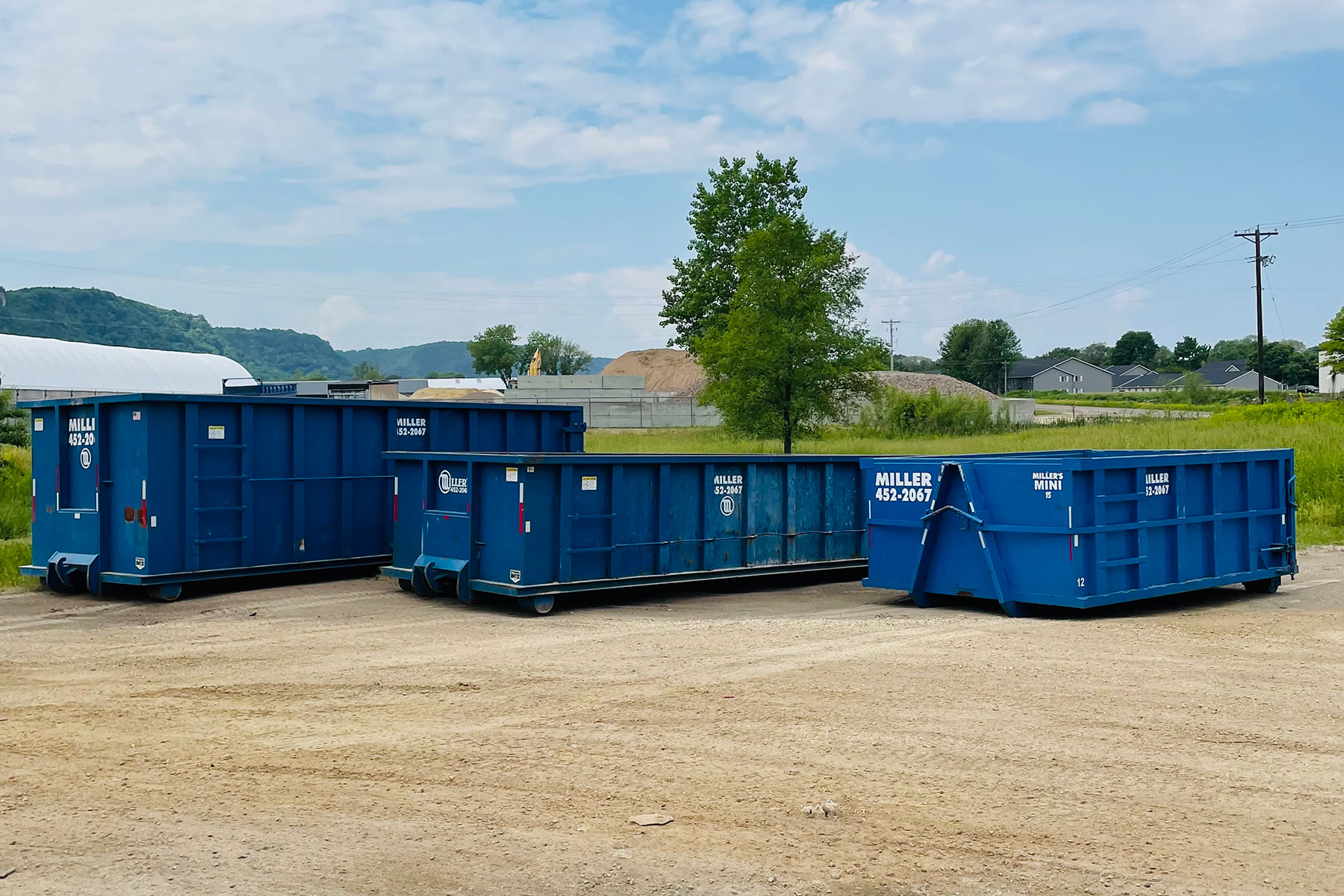
Dumpster sizes are measured in cubic yards. Common sizes include 10, 20, 30, and 40 yards. A 10-yard dumpster is good for small jobs. Think garage cleanouts or concrete disposal. A 20-yard dumpster works for medium projects. This includes kitchen remodels or decluttering a whole house.
Larger projects need bigger containers. A 30-yard dumpster suits home additions or significant construction. For major demolition or industrial waste, a 40-yard dumpster is necessary. Choosing the correct size avoids overfilling or unnecessary rentals. It streamlines your residential dumpster rental process.
Dumpster Rental Cost: Factors and Estimates
The dumpster rental cost varies. Size is a major factor. Larger dumpsters cost more to rent. The rental duration also impacts the price. Longer rentals usually incur higher fees. Local market conditions and landfill fees play a role too. Some companies charge based on weight. Always ask for a detailed quote.
Expect to pay between $300 and $800 for a typical rental. This can go higher for larger sizes or longer periods. Check for additional fees. These might include fuel surcharges or disposal of certain materials. Understanding these factors helps budget effectively for your home renovation dumpster needs.
Construction Dumpster: Heavy Debris Removal
Construction sites generate substantial waste. A construction dumpster is essential for this. These are typically larger roll-off containers. They are designed to handle heavy materials. Think concrete, bricks, asphalt, and wood. Proper heavy debris removal keeps the site safe and organized. It also ensures compliance with local regulations.
Always confirm what materials are allowed. Prohibited items can lead to fines. Examples include batteries, chemicals, and tires. Your rental agreement will specify these. Proper disposal is crucial for environmental safety. Consult your provider about specific waste streams.
Residential Dumpster Rental for Home Renovation
Homeowners often need a residential dumpster rental. Renovations, cleanouts, and landscaping projects create debris. A roll-off dumpster makes these tasks manageable. It contains the mess and simplifies cleanup. For smaller projects, a 10 or 20-yard bin is usually sufficient. This is ideal for a bathroom remodel or clearing out an attic.
Avoid common mistakes like overfilling. Keep debris below the fill line. This ensures safe transport. It also prevents extra charges. Protect your driveway with plywood. This is a simple step that prevents damage. It shows respect for your property.
Commercial Dumpster Rental for Businesses
Businesses also benefit from roll-off dumpsters. A commercial dumpster rental is used for various needs. This includes office cleanouts, retail renovations, or regular business waste. Larger businesses might use them for ongoing waste management. The size needed depends on the volume and type of waste generated. Consistent service is vital for business operations.
Work with a reputable provider. Ensure they offer reliable pickup schedules. This prevents overflowing dumpsters. Overflowing bins can create unsanitary conditions. It can also damage your business’s image. Choose a provider that understands your business needs.
Dumpster Permits: When and How to Get One
Dumpster permits are often required. This is especially true if placing the dumpster on public property. Streets, sidewalks, or alleys typically need permits. Check with your local municipality or city hall. The requirements vary by location. There might be fees associated with permits.
Failure to obtain a permit can result in fines. It can also lead to the dumpster being removed. Plan ahead to secure any necessary permits. This avoids project delays and unexpected costs. Your dumpster rental company can often provide guidance. You can find more information on dumpster rental services here: Waste Management.
Dumpster Placement: Tips for Safe Setup
Proper dumpster placement is crucial for safety and accessibility. Choose a level spot for the dumpster. Avoid placing it on soft ground. This can cause the dumpster to sink. Ensure there is ample space around it. This allows for easy loading and debris removal.
Keep the area clear of obstructions. This includes parked cars, fences, or landscaping. Overhead clearance is also important. Avoid placing dumpsters near low-hanging wires or branches. Safe placement ensures efficient service. It also prevents potential hazards. Consider protecting your driveway with plywood.
The Verdict: Smart Waste Management for 2026
Roll-off dumpsters are indispensable for managing project waste. In 2026, efficiency and cost-effectiveness are paramount. Choosing the right size and understanding rental terms saves money. Proper placement and adherence to regulations prevent issues. Always ask questions and get clear quotes. This ensures a smooth process from start to finish.
For reliable waste solutions, explore options from major providers. Companies like Republic Services offer various dumpster sizes. You can learn more about their offerings here: Republic Services Residential Dumpster Rental. Make informed decisions for your next project. Smart waste management benefits your budget and the environment.
Your 3-Step Roll Off Dumpster Action Plan
Step 1: Choose the Right Size
Match your project to the correct dumpster size to avoid paying for unused space or needing a second dumpster. A 10-yard bin works for small remodels, while a 40-yard handles major demolition.
Step 2: Prep Your Site
Clear the delivery area of vehicles, branches, and wires to ensure safe placement. Lay down plywood to protect your driveway from the dumpster’s heavy rollers.
Step 3: Know the Rules
Check if you need a permit for street placement and review the list of banned items like batteries and tires. Staying within weight limits prevents extra fees and pickup delays.
Frequently Asked Questions
How long can I keep a rental dumpster?
Typical rental periods are 7 to 14 days, but many companies offer extensions for a daily fee. Always confirm the rental term and any grace periods before signing.
Can I put any type of waste in a roll-off dumpster?
No, prohibited items include hazardous materials like paint, solvents, and asbestos. Check with your provider for a complete list to avoid fines or refused pickup.
What happens if I exceed the weight limit?
Most companies charge an overage fee per ton over the agreed limit. To avoid surprises, estimate your debris weight using online calculators or ask your provider for guidance.
Choosing the right roll-off dumpster saves you time, money, and hassle on any big project. Trust the process of sizing, prepping, and following the rules to keep your job on track.
Ready to order? Measure your space, check local permits, and call a reputable provider today. Your clean, organized worksite starts with that first phone call.
Imagine your property free of debris, with a clean slate for your next project. That fresh start is just a dumpster delivery away.
