

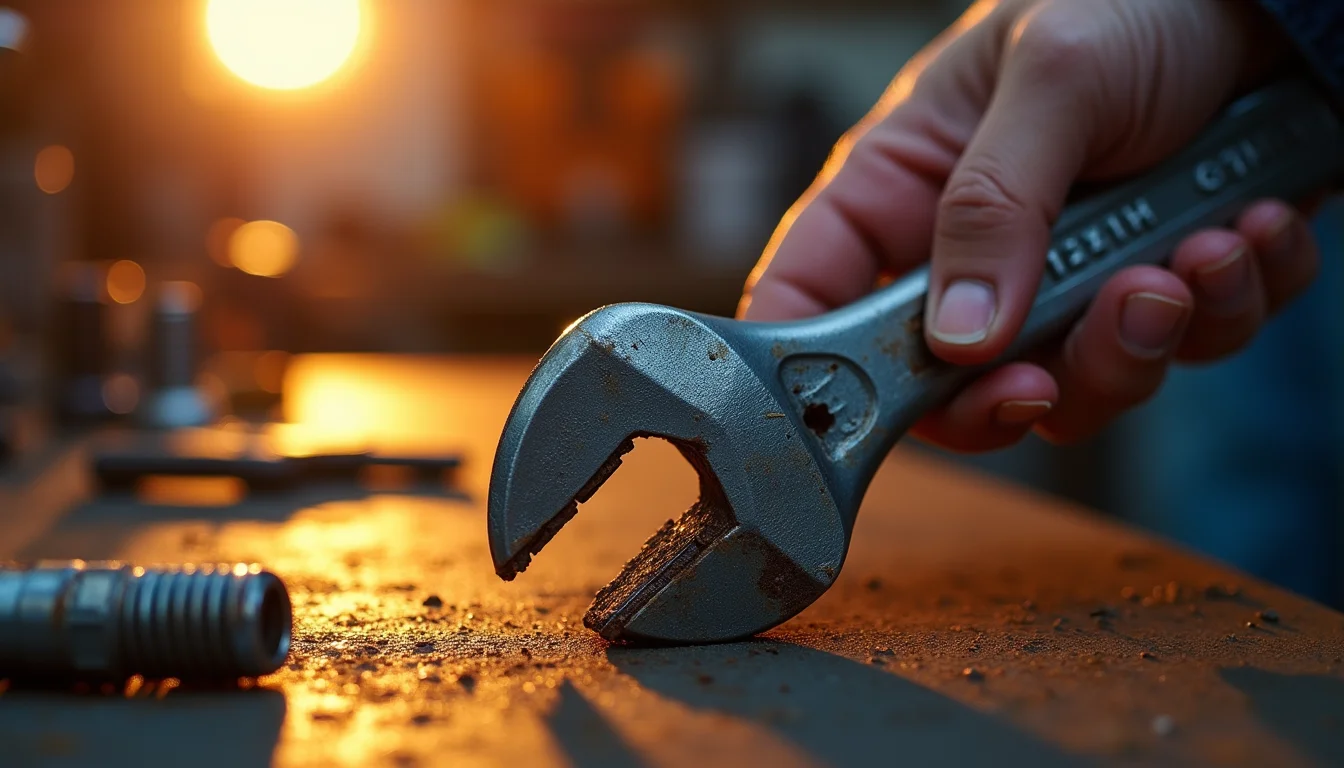
Choosing the wrong wrench can strip a bolt and ruin your whole day. That’s why knowing the difference between a box-end and an open-end is critical. You need the right tool for the job to save time and avoid frustration.
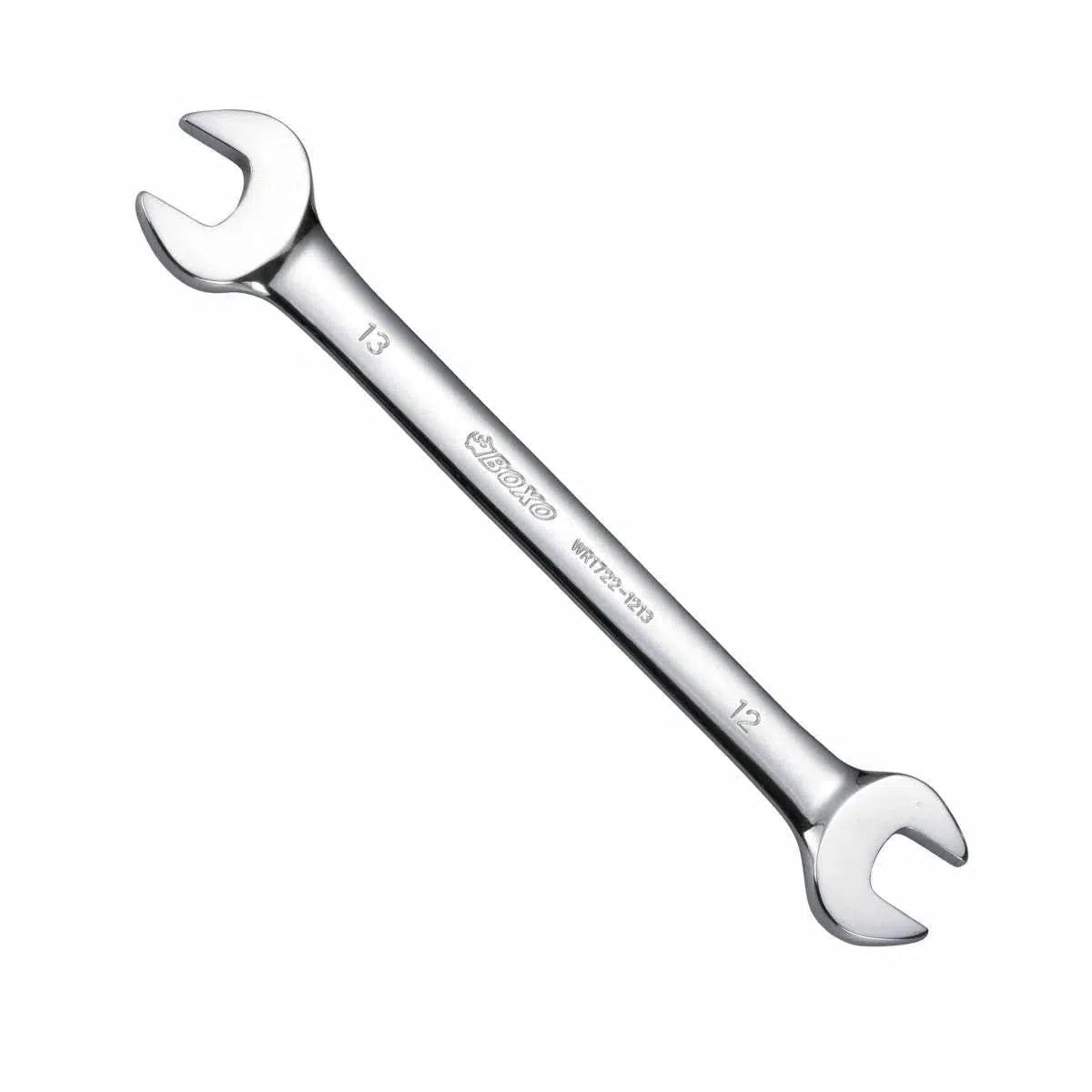
The most common mistake is using an adjustable wrench when a fixed-size wrench is better. A crescent wrench can slip and round off a fastener’s corners. For most home repairs, a combination wrench set in both SAE and metric sizes covers what you need.
Spanner vs. Ratchet: Which Wrench Type Fits Your Task?
For automotive work, a ratchet wrench with a socket set is your best friend. It lets you spin nuts on and off without repositioning the tool each time. For plumbing, a pipe wrench or a basin wrench gives you the grip to turn stubborn fittings.
Torque wrenches are essential for engine work where overtightening can cause damage. A click-type torque wrench costs about $30 to $100 at Home Depot and ensures bolts are tightened to spec. Always store your torque wrench at the lowest setting to keep it accurate.
For tight spaces, a stubby wrench or a flex-head ratchet gives you the leverage you need. Many DIYers forget that a flare nut wrench is the right choice for brake lines and fuel fittings. Using the wrong tool here can crush the nut and create a leak.
Wrenches in 2026: Mastering Every Turn
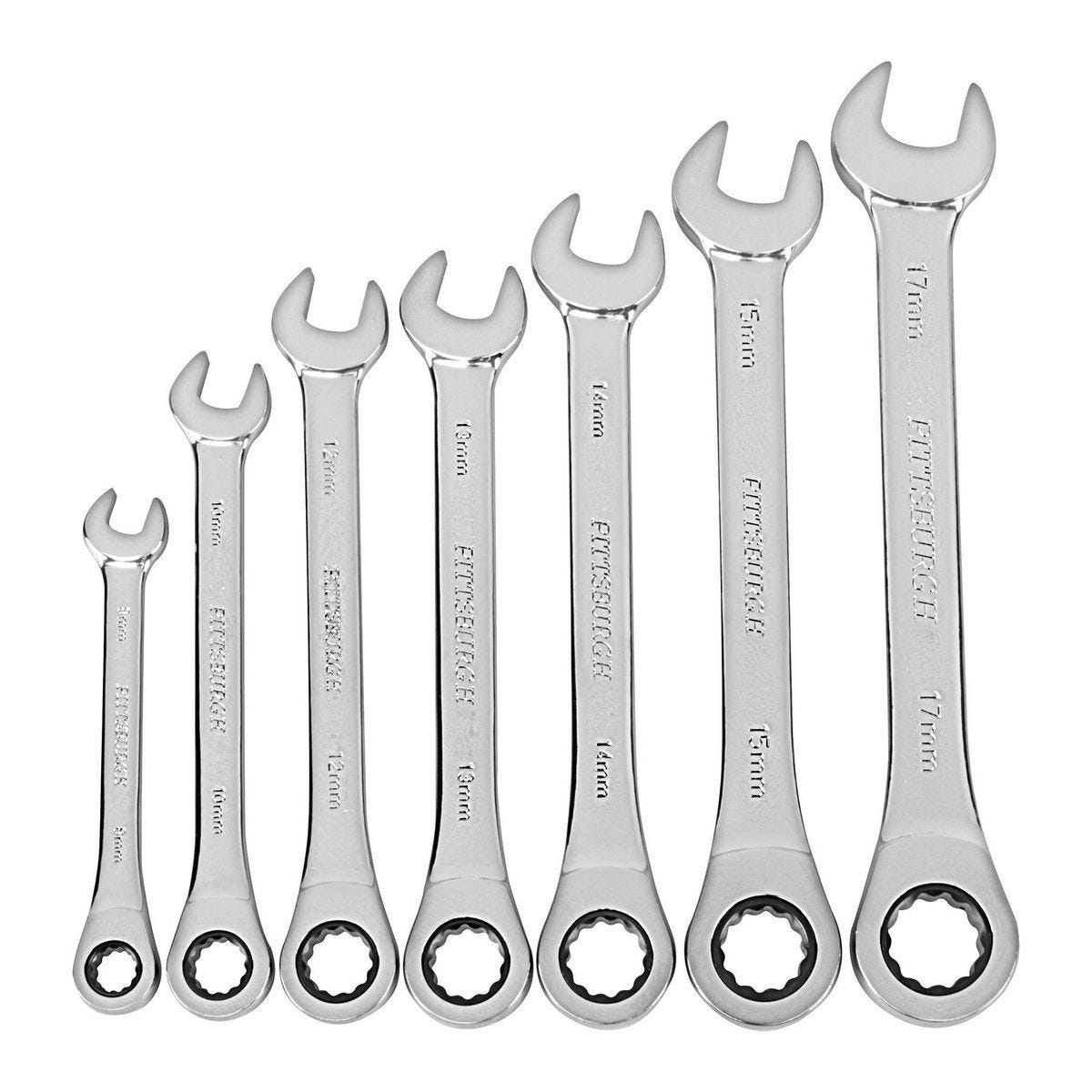
In today’s world, having the right tool makes all the difference. Wrenches are essential for home repairs and professional work. They provide the grip and leverage needed for nuts and bolts. Understanding different types ensures you get the job done right and safely. We will look at the most common and useful wrenches you should have.
| Wrench Type | Primary Use | Key Feature | Cost (Est. 2026) |
| Combination | General purpose | Open and box ends | $5 – $15 per wrench |
| Adjustable | Versatile tasks | Movable jaw | $10 – $30 |
| Socket/Ratchet | Fastening/Loosening | Interchangeable sockets | $30 – $150 per set |
| Torque | Precise tightening | Calibrated measurement | $50 – $300+ |
| Pipe | Plumbing | Serrated jaws | $15 – $40 |
Adjustable Wrench: Versatility in One Tool
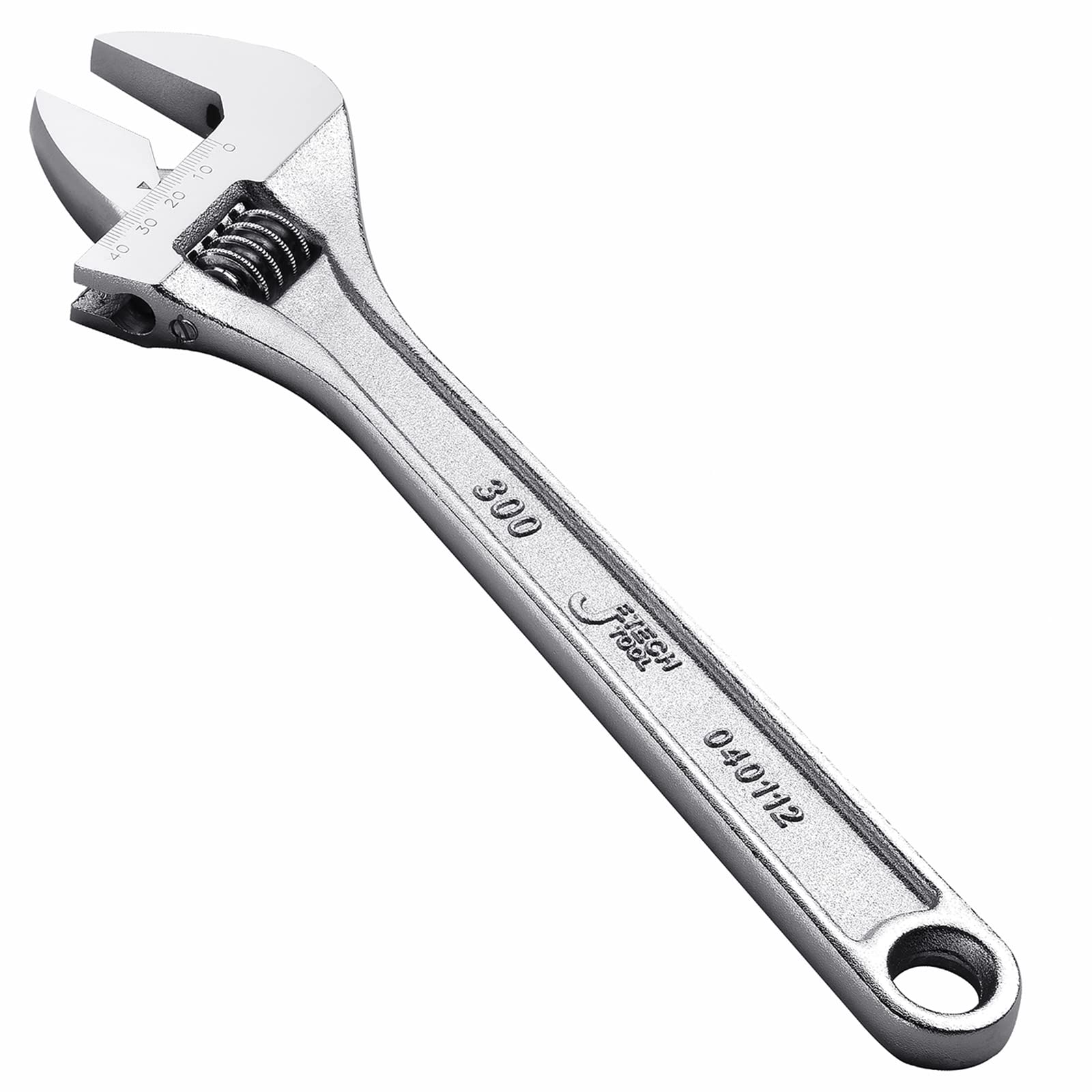
The adjustable wrench, sometimes called a Crescent wrench, is a go-to for many. Its movable jaw lets you work with various fastener sizes. This makes it great for quick fixes around the house. However, be careful; using too much force can damage fastener heads. Adjustable wrenches are versatile but can round off fastener heads if not used carefully. They are a good starting point for any toolbox.
Ratchet Wrench: Speed and Efficiency
For tasks involving many nuts and bolts, a ratchet wrench is a lifesaver. It allows you to turn fasteners without removing the tool. This significantly speeds up work, especially in tight spots. Socket sets come with various socket sizes to fit different bolts. Socket wrenches with ratchets significantly reduce the time and effort required for repetitive tasks. Look for models with a high tooth count, like 72 teeth, for finer adjustments.
Read also: Stop Over-Tightening: Why a Torque Wrench Saves Your Car
Torque Multiplier: Amplifying Force
When you need to apply a lot of turning force, a torque multiplier is the answer. These tools use gears to increase the input force. They are common in heavy machinery and automotive repair. Torque wrenches are crucial for ensuring fasteners are tightened to manufacturer specifications, preventing damage and ensuring safety. Always use a calibrated torque wrench for critical applications.
Allen Wrench: Precision for Hex Screws
An Allen wrench, also known as a hex key, is designed for screws with hexagonal sockets. You find them in furniture assembly, bicycles, and electronics. They offer a secure grip for these specific fasteners. They are simple but effective for their intended purpose. Many sets include both metric and SAE sizes.
Impact Wrench: Power for Tough Jobs
While often considered a power tool, the impact wrench is related and worth mentioning. It delivers high torque through rotational blows. This makes it ideal for loosening stubborn or rusted bolts. They are indispensable in automotive shops and construction. These tools can remove fasteners quickly that would be impossible by hand. Always use appropriate safety gear when operating.
Basin Wrench: Essential for Plumbing
Plumbing jobs often require specialized tools, and the basin wrench is one of them. Its long shaft and pivoting jaw allow access to faucet nuts and supply lines under sinks. It’s designed to reach difficult areas. Pipe wrenches are designed to grip softer materials like pipes, which can be damaged by other wrench types. This tool can save a lot of frustration during sink or toilet repairs.
Read also: Your Garbage Disposal Is Louder Than It Should Be: Here’s How to Fix It
Strap Wrench: Grip Without Damage
For delicate or irregularly shaped objects, a strap wrench is perfect. It uses a rubber or fabric strap to provide a strong grip without scratching or crushing the item. They are excellent for filters, PVC pipes, and polished fixtures. This tool offers a secure hold on surfaces that other wrenches would mar. It’s a gentle but effective solution.
Metric vs. SAE Wrenches: Choosing the Right Set
In the US, you will encounter two main sizing systems: Metric wrenches and SAE (Society of Automotive Engineers) wrenches. Metric sizes are based on millimeters, while SAE sizes are in inches. Most modern vehicles and equipment use metric fasteners. However, older American cars and some appliances still use SAE sizes. It is wise to have a set that covers both standards. Metric and SAE wrenches are the two primary standards for wrenches. Having both ensures you can tackle a wider range of jobs. Retailers like Home Depot and Lowe’s offer extensive sets.
The Verdict: Wrenches Are Here to Stay
Wrenches remain fundamental tools in 2026. While power tools are advancing, the need for manual wrenches is not diminishing. They offer control, precision, and reliability. For everyday tasks, a good set of combination and adjustable wrenches is essential. For specific jobs, investing in a socket set or a pipe wrench will pay off. Always prioritize quality and the correct tool for the job to ensure safety and efficiency. Resources like Reddit’s r/coolguides often showcase visual comparisons of tool types. Choose wisely and build a toolbox that serves you well for years to come.
Read also: Best Gazebo for Beginner: Tool-Free Setup in 15 Minutes
Your 3-Step Wrench Action Plan
1. Assess Your Needs
Identify the types of fasteners you’ll encounter most: Metric or SAE? For general home use, a combination wrench set covering 8mm to 19mm (or 5/16 to 3/4 inch) is your starting point. If you work on cars, add a socket set with a ratchet.
2. Choose Quality Over Quantity
Invest in a mid-range brand like Craftsman, Husky, or GearWrench. Avoid no-name bargain sets that may round off bolt heads. A good set will last decades and provide better grip and safety.
3. Learn Proper Technique
Always pull a wrench toward you, never push, to prevent knuckle injuries. Use the box end for breaking loose tight fasteners, then switch to the open end for speed. For torque-sensitive work, a click-type torque wrench is essential.
Frequently Asked Questions
Can I use an adjustable wrench for everything?
No, adjustable wrenches are convenient but can slip and damage fasteners. Use a properly sized combination or socket wrench for critical jobs.
What’s the difference between chrome and black oxide finishes?
Chrome finish resists rust and is easier to clean; black oxide provides better grip in oily conditions but is less corrosion-resistant. Choose based on your work environment.
How often should I calibrate my torque wrench?
Calibrate annually or after 5,000 cycles, whichever comes first. A torque wrench that’s off by even 10% can lead to stripped threads or loose assemblies.
Choosing the right wrench is about matching the tool to the task, not about having the biggest collection. A well-chosen set of wrenches makes every repair faster and safer. Now that you know the types and uses, consider your next project and pick the wrench that fits. The future of DIY is smart, efficient, and satisfying. Your toolbox is ready to grow with you.
