


You’re trying to hang a heavy mirror or mount a TV, but every time you drill into the wall, you hit nothing but air. That’s the frustration of not having a reliable stud finder. A stud finder is a simple tool that locates the wooden or metal framing behind your drywall, so you can hang things securely.
Without one, you risk damaging your walls or having your shelves come crashing down. The good news is that in 2026, there are affordable options for every skill level, from basic magnetic finders to high-tech electronic scanners. This article cuts through the confusion and tells you exactly what to look for.
Magnetic vs. Electronic: Which Stud Finder is Right for You?
The first big decision is choosing between a magnetic stud finder and an electronic one. Magnetic models, like the classic C.H. Hanson, are battery-free and cost under $20. They work by detecting the screws or nails in the stud, so they’re simple and reliable for standard drywall over wood studs.
Electronic stud finders, such as the Franklin Sensors ProSensor M210 or the Zircon MultiScanner A200, use sensors to measure wall density. These are more versatile, especially for thicker walls or plaster. The Franklin model features 13 sensors for instant detection without calibration, while the Zircon offers a ‘DeepScan’ mode for walls up to 1.5 inches thick.
For safety, many electronic models include live wire detection, which is a must if you’re drilling near electrical outlets. Prices range from $20 to $80, so consider your wall type and how often you’ll use it. If you’re a weekend DIYer, a magnetic finder is a great start. For pro-level accuracy and safety, invest in an electronic scanner.
Stud Finders in 2026: Your Essential Wall Scanner Guide
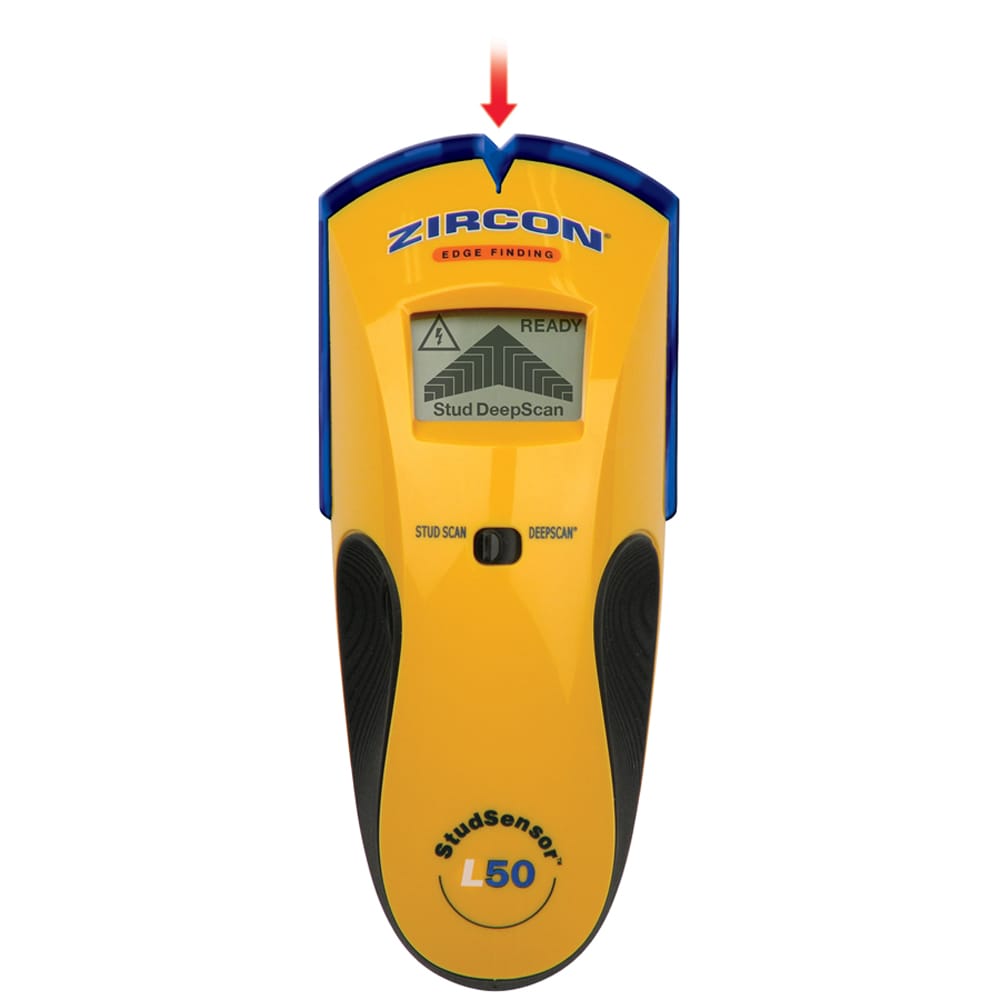
In 2026, finding studs behind your walls is simpler than ever. A good stud finder is key for hanging shelves, mounting TVs, or any DIY project. It ensures you hit solid wood, not just drywall. This guide covers the best tools for every need. We look at accuracy, ease of use, and safety features. Get ready to tackle your next home improvement task with confidence. Understanding your wall is the first step to a successful project. This tool is a must-have for any homeowner.
| Type | Pros | Cons | Price Range |
| Magnetic | Battery-free, simple | Less accurate, only detects metal | $10 – $30 |
| Electronic | More accurate, detects stud edges | Requires batteries, calibration | $30 – $80+ |
| Multi-Scanner | Detects studs, wires, pipes | More expensive, complex | $50 – $100+ |
Best Stud Finders for DIY Projects
For weekend warriors, a reliable and easy-to-use stud finder is crucial. The Franklin Sensors ProSensor M210 is a top pick. It uses 13 sensors for instant, accurate readings. You do not need to calibrate it, which saves time. It clearly shows the center and edges of studs. This makes hanging pictures or shelves straightforward. It also warns you about live wires, adding a layer of safety. This is a great DIY stud finder for most homes.
Another excellent choice is the Zircon MultiScanner A200. It offers a ‘DeepScan’ mode for thicker walls. This is helpful if you have older homes or multiple drywall layers. Zircon tools are known for their accuracy. They help you locate studs with confidence. For basic tasks, even a simple magnetic stud finder can work. But for precision, electronic models are better.
Read also: 47 Floating Shelf Ideas That Look Built-In and Hold Heavy Loads
Electronic vs Magnetic Stud Finders
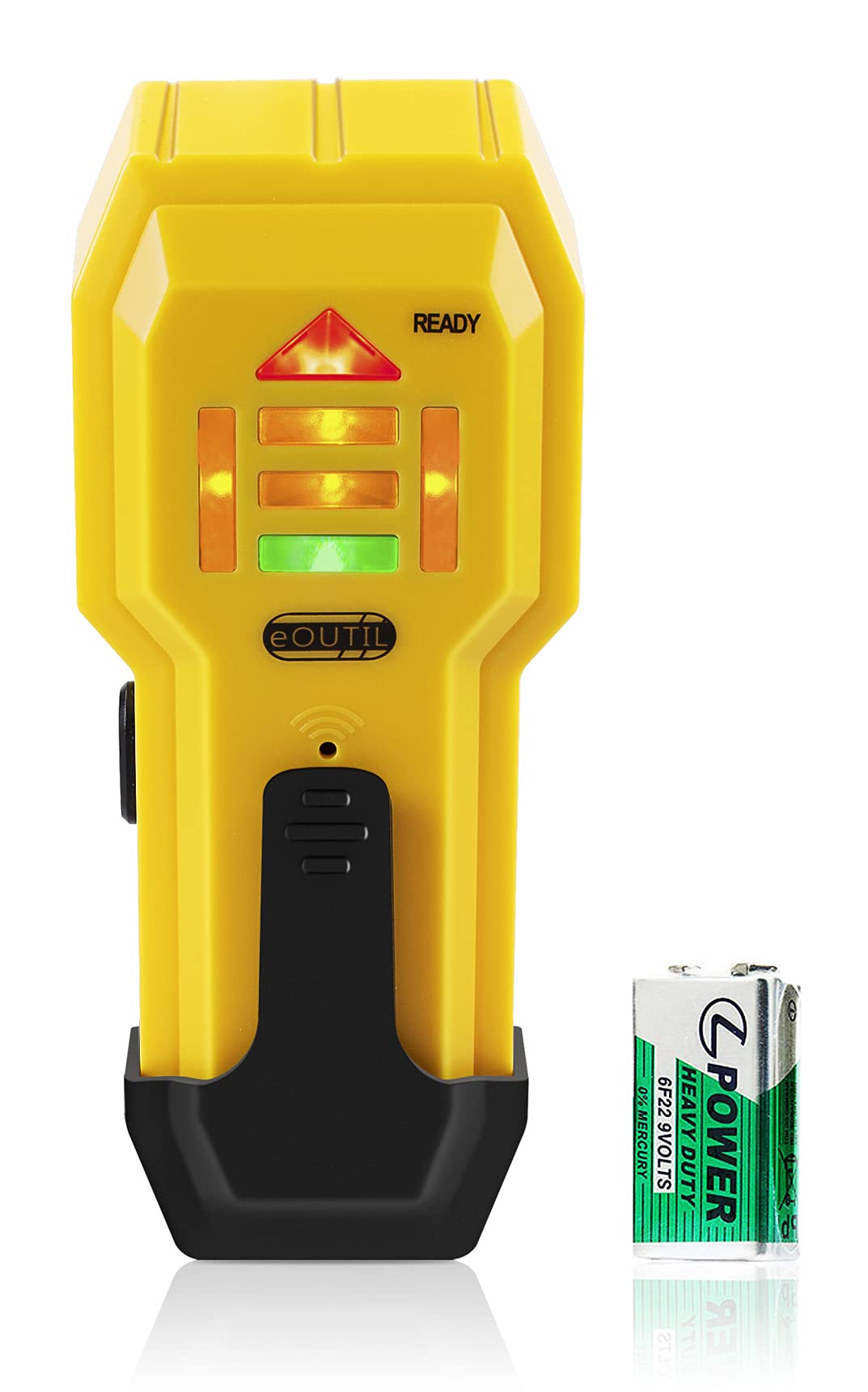
Magnetic stud finders are the simplest tools. They use magnets to find metal screws or nails in studs. The CH Hanson magnetic stud finder is a good example. It is battery-free and very affordable. These are best for standard drywall and wood studs. However, they do not tell you where the stud is, only where the fastener is. You might miss the stud center.
Electronic stud finders use sensors to detect density changes. This means they can find the stud itself, not just the nails. Models like the Franklin Sensors ProSensor M210 offer superior accuracy. They often show the stud’s center and edges. This precision is vital for critical installations. Electronic models usually require batteries and may need calibration. But the added accuracy is worth it for most tasks.
Stud Finders with Wire Detection
Safety is paramount when working on walls. A stud finder with live wire detection is essential. This feature warns you if there are live electrical wires behind the wall. This prevents accidental shocks or electrical fires. Many advanced electronic stud finders include this. The Franklin Sensors ProSensor M210 has a clear live wire warning. It helps you avoid dangerous situations. Always look for this feature if you are unsure about your wiring.
Working near electrical outlets or switches requires extra caution. A stud detector with wire warning adds a critical safety net. It allows you to proceed with your project knowing the risks. This feature is a small price to pay for peace of mind. It is a standard on many professional stud finder models.
Deep Scan Stud Finders for Thick Walls
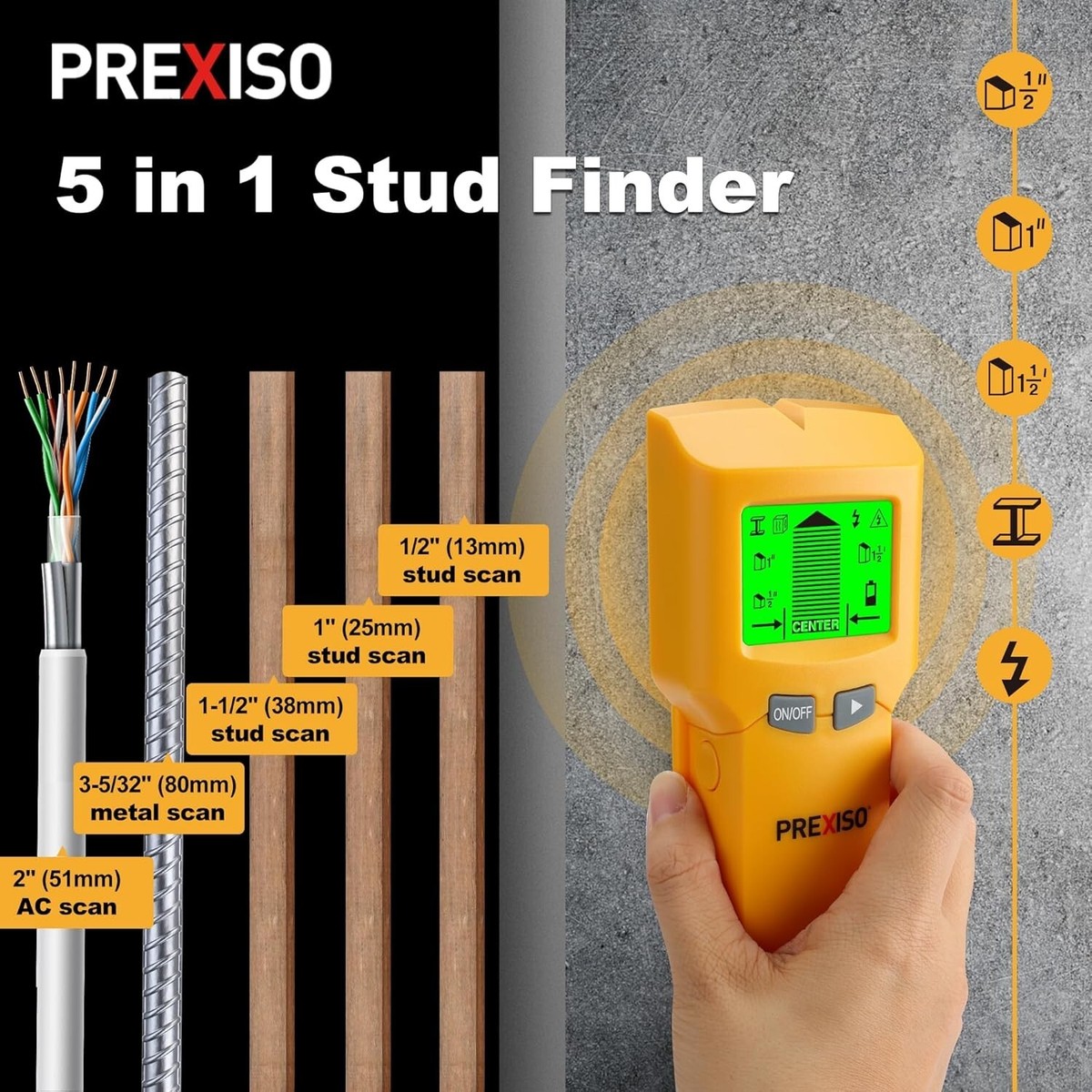
Some homes have thicker walls. This can include lath and plaster or multiple layers of drywall. Standard stud finders may struggle to detect studs through these materials. This is where a deep scan stud finder comes in handy. The Zircon MultiScanner A200 offers a ‘DeepScan’ mode. This mode increases the sensor’s sensitivity. It allows it to penetrate deeper into the wall. This ensures accurate readings even in challenging wall structures. If you have older plaster walls, this feature is a lifesaver. It ensures you can still find studs reliably.
Battery-Free Stud Finders
For those who prefer simplicity and no maintenance, battery-free stud finders are ideal. Magnetic stud finders are typically battery-free. The CH Hanson magnetic stud finder requires no batteries. You just hold it against the wall and move it. It will indicate the presence of metal fasteners. This makes them very reliable as they never run out of power. They are also very lightweight and easy to store. However, remember their limitations in accuracy and detection.
While battery-free options are convenient, they lack advanced features. Electronic stud finders offer better detection of the stud itself. If you need precise location or wire detection, you will need batteries. Consider your typical wall type and project needs. For simple tasks, battery-free is a great option. For more complex jobs, an electronic model is better.
How to Use a Stud Finder Accurately
Using a stud finder correctly is key to accurate results. First, ensure your walls are at room temperature. Extreme temperatures can affect sensor readings. Gently place the stud finder flat against the wall. Move it slowly and steadily across the wall surface. Many electronic stud finders require calibration. Follow the manufacturer’s instructions precisely. Mark the wall lightly where the tool indicates a stud. Scan in multiple directions to confirm the stud’s location and center. This confirms your findings and ensures accuracy.
Avoid scanning over electrical boxes or vents. These can interfere with readings. Always read the manual for your specific model. Understanding its features, like ‘DeepScan’ or calibration, is important. A little practice goes a long way. Accurate stud location prevents costly mistakes. It ensures your hanging projects are secure and safe.
Stud Finders for Plaster Walls
Plaster walls present a unique challenge for stud finders. The lath behind the plaster can be thick and irregular. Standard stud finders may not work well. You need a tool with a sensitive sensor and a deep scan stud finder mode. Models designed for thicker walls are best. The Zircon MultiScanner A200 with its DeepScan feature is suitable. It can often detect studs through plaster and lath. Some advanced electronic stud finders also perform well. It is important to test the tool in a known stud area first. This confirms its ability to penetrate your specific wall type.
Professional Stud Finders for Contractors
Contractors need the highest level of accuracy and reliability. They often face diverse wall materials and complex systems. Professional stud finders offer advanced features for demanding jobs. The Franklin Sensors ProSensor M210 is a good example. Its multi-sensor array provides instant, precise readings. It identifies stud edges and centers clearly. This saves valuable time on job sites. It also includes crucial safety features like live wire warnings.
These high-end tools are built for durability and performance. They can handle frequent use and varied conditions. While more expensive, their efficiency and accuracy justify the cost. For professionals, investing in a top-tier wall scanner is essential. It ensures quality work and client satisfaction. Look for models with excellent reviews and proven performance.
The Verdict on Stud Finders
Choosing the right stud finder in 2026 depends on your needs. For simple DIY tasks, a good electronic model like the Franklin Sensors ProSensor M210 offers great value. It balances accuracy, ease of use, and safety. If you frequently encounter thick walls, a deep scan option is necessary. Always prioritize safety by choosing a model with wire detection. For contractors, investing in a professional-grade tool is a must. It ensures efficiency and precision on every job. A reliable stud detector is a small investment for big project success. It prevents damage and ensures secure installations.
Your 3-Step Action Plan for Finding Studs
Step 1: Choose Your Tool
For basic drywall, a magnetic stud finder under $20 works fine. For plaster or thick walls, invest in an electronic scanner with DeepScan mode.
Step 2: Calibrate Correctly
Place the electronic finder flat on the wall, press the button, and wait for the beep. Move it slowly in a straight line; never lift it during scanning.
Step 3: Mark and Verify
Mark the center and edges of the stud with a pencil. Use a small nail or a wire to confirm you hit wood before drilling.
Frequently Asked Questions
Can a stud finder detect live wires?
Only advanced electronic models with wire detection, like the Franklin Sensors M210, can locate live wires. Magnetic finders cannot detect electrical lines.
Why does my stud finder keep beeping everywhere?
This often happens on textured walls or when the finder is not calibrated on a flat surface. Reset the tool on a clear spot and scan again.
Do I need a stud finder for metal studs?
Yes, but you need a finder with a metal-scanning mode. Standard magnetic finders may not work if the metal studs are covered by thick drywall.
Choosing the right stud finder saves you time and prevents costly wall repairs. Whether you go with a simple magnetic model or a high-tech scanner, accuracy is key.
Start your next project by testing your finder on a known stud location. This builds confidence and ensures your shelves or TV mounts are secure.
Imagine hanging a heavy mirror without a single patch job. With the right tool, every hole you drill lands exactly where it should.
