

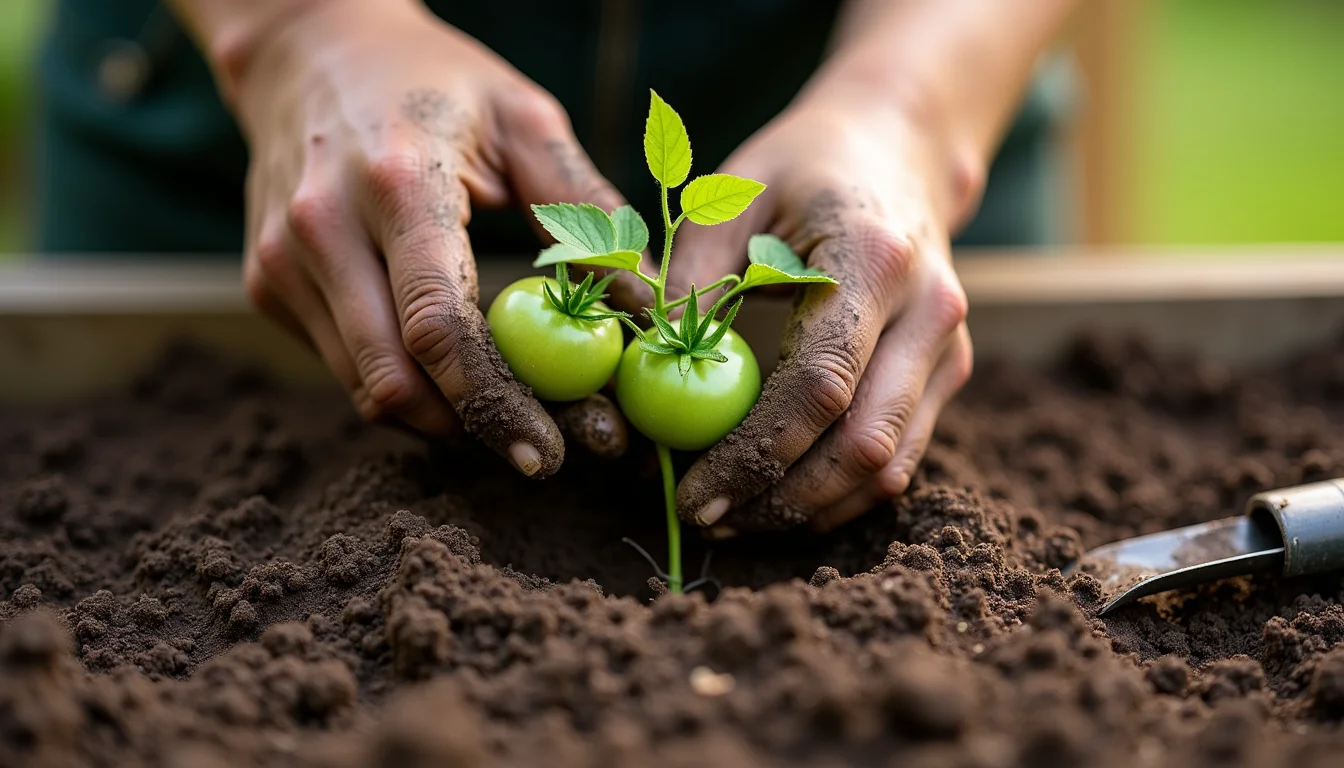
You dream of fresh tomatoes and crisp lettuce from your own yard, but every time you think about starting a garden, you get overwhelmed and give up. That stops today. The biggest mistake beginners make is trying to do too much too fast, then getting frustrated when plants die or weeds take over.
Starting small is the secret to success. A single 4×4 foot raised bed or a few containers on a sunny patio is all you need for your first season. This keeps the work manageable and your confidence high. You will actually grow food without the stress.
How to Start a Vegetable Garden: Pick the Right Spot and Prep the Soil
The first step in how to start a garden is finding a location with full sun, meaning 6 to 8 hours of direct light every day. Without enough sun, your tomatoes and peppers will stay small and tasteless. Also make sure there is a water spigot nearby so you don’t have to drag heavy hoses across the yard.
Level ground is important too, because it prevents water from pooling and makes it easier to set up your raised bed or containers. Once you have the spot, clear away grass and weeds using a ‘no-dig’ method: lay down cardboard, wet it, then cover with 6 inches of compost or topsoil. This smothers weeds and feeds the soil naturally.
Do not skip a soil test. Your local county extension office will test a sample for about $10 to $20 and tell you exactly what nutrients are missing. Most garden soils need a boost of organic matter, so mix in 2 to 3 inches of compost before planting. This step is what separates a thriving garden from a disappointing one.
Ready to Grow Your Own Food?
Starting a garden is rewarding and achievable, even with limited space or experience. This guide provides a clear path to your first harvest.
Follow these practical steps to cultivate a thriving garden. We focus on simple, effective methods for beginners.
| Estimated Time | Cost ($ USD) | Difficulty Level |
| 1-2 Days (Initial Setup) | $100 – $300 | Easy |
Necessary Materials
- Garden tools (shovel, trowel, rake)
- Soil amendments (compost, manure)
- Seeds or seedlings
- Watering can or hose
- Mulch (straw, bark)
- Optional: Raised bed kit or containers
The Definitive Step-by-Step
- Step 1: Choose Your Spot – Select a location with at least 6-8 hours of direct sunlight daily.
- Step 2: Prepare the Soil – Clear the area and enrich it with compost for better plant growth.
- Step 3: Plan Your Layout – Decide where each plant will go, considering their mature size.
- Step 4: Plant Your Choices – Sow seeds or transplant seedlings according to package directions.
- Step 5: Water Consistently – Provide about 1 inch of water per week, more in hot weather.
- Step 6: Mulch Generously – Apply mulch to retain moisture and suppress weeds.
- Step 7: Inspect Daily – Spend 10 minutes checking for pests or signs of stress.
Common Execution Mistakes
- Overcrowding plants, leading to poor air circulation and disease.
- Neglecting watering, especially during dry spells.
- Using poor quality soil that lacks essential nutrients.
Technical Depth
Choosing the Best Garden Location
Select a spot that receives 6 to 8 hours of direct sunlight daily. Ensure it is close to a water source and has level ground. This site selection is crucial for healthy plant development and ease of maintenance.
Read also: 57 Fishtail Palm Care Tips for Lush, Healthy Growth
Preparing Soil for a New Garden
Clear the area of grass and weeds. Incorporate 2-3 inches of organic compost or well-rotted manure. A soil test from your local extension office can reveal pH and nutrient needs. This step is vital for a successful vegetable garden.
Starting a Raised Bed Garden
Raised beds offer excellent drainage and soil control. Assemble your bed frame, then fill it with a quality soil mix. This method is ideal for areas with poor native soil or drainage issues. It simplifies beginner gardening tips.
Container Gardening for Beginners
Use pots or containers with drainage holes for small spaces. Fill them with a potting mix specifically designed for containers. This is a great way to start a small garden on a patio or balcony.
Best Vegetables to Start a Garden With
Opt for easy-to-grow vegetables like tomatoes, zucchini, lettuce, and green beans. These plants are generally forgiving and provide a satisfying harvest. They are excellent choices for how to start a vegetable garden.
Read also: 67 Pink Lily Decoration Ideas That Look Expensive on a Budget
Easy Garden Plants for Beginners
Hardy herbs such as basil, mint, and chives are simple to grow. Many flowers like marigolds and zinnias are also very resilient. These plants add beauty and flavor with minimal fuss.
When to Start Your Garden
The timing depends on your local climate and the plants you choose. Generally, start warm-season crops after the last frost. Cool-season crops can be planted earlier in spring or in fall. Check your local planting calendar for specifics.
Beginner Gardening Tips for Success
Start small with a manageable garden size. Water consistently and mulch to conserve moisture. Observe your plants daily for any issues. Learning these beginner gardening tips will lead to greater success.
For more detailed guidance, explore resources like Homestead and Chill and The Old Farmer’s Almanac. These sites offer valuable insights for how to start a garden.
Read also: 38 Kitchen Island Ideas That Work in Any Size Kitchen
Tips for a Thriving Garden
What to Avoid
- Don’t overwater: Too much water can rot roots. Stick to one inch per week unless it’s very hot.
- Avoid planting too close: Crowded plants compete for light and nutrients. Follow the spacing on the seed packet.
- Don’t skip mulch: Bare soil dries out fast and invites weeds. A 2-inch layer of straw or shredded bark makes a big difference.
Step-by-Step Weekly Care
- Check soil moisture: Stick your finger an inch into the soil. If it’s dry, water deeply.
- Inspect for pests: Look under leaves for bugs or eggs. Remove them by hand or with a gentle spray of water.
- Harvest often: Pick veggies when they’re ripe. This encourages more growth and prevents disease.
Frequently Asked Questions
Can I start a garden if I have poor soil?
Yes, you can. Raised beds or containers filled with quality soil are a great workaround. You can also improve existing soil by adding plenty of organic compost.
How much time does a garden need each week?
Plan for about 30 minutes to an hour per week for a small garden. Daily quick checks (5-10 minutes) help catch problems early before they get out of hand.
What are the easiest vegetables for beginners?
Tomatoes, zucchini, lettuce, radishes, and green beans are very forgiving. They grow quickly and don’t require special care beyond regular watering and sunlight.
Starting a garden is one of the most rewarding home projects you can take on. With careful planning and a small start, you’ll be amazed at what you can grow.
Next, choose your first three plants and prepare your soil. You’re ready to put this knowledge into action and enjoy fresh produce from your own yard.
Imagine stepping outside to pick a ripe tomato for your salad. That simple pleasure is just a few weeks away with your new garden.
