

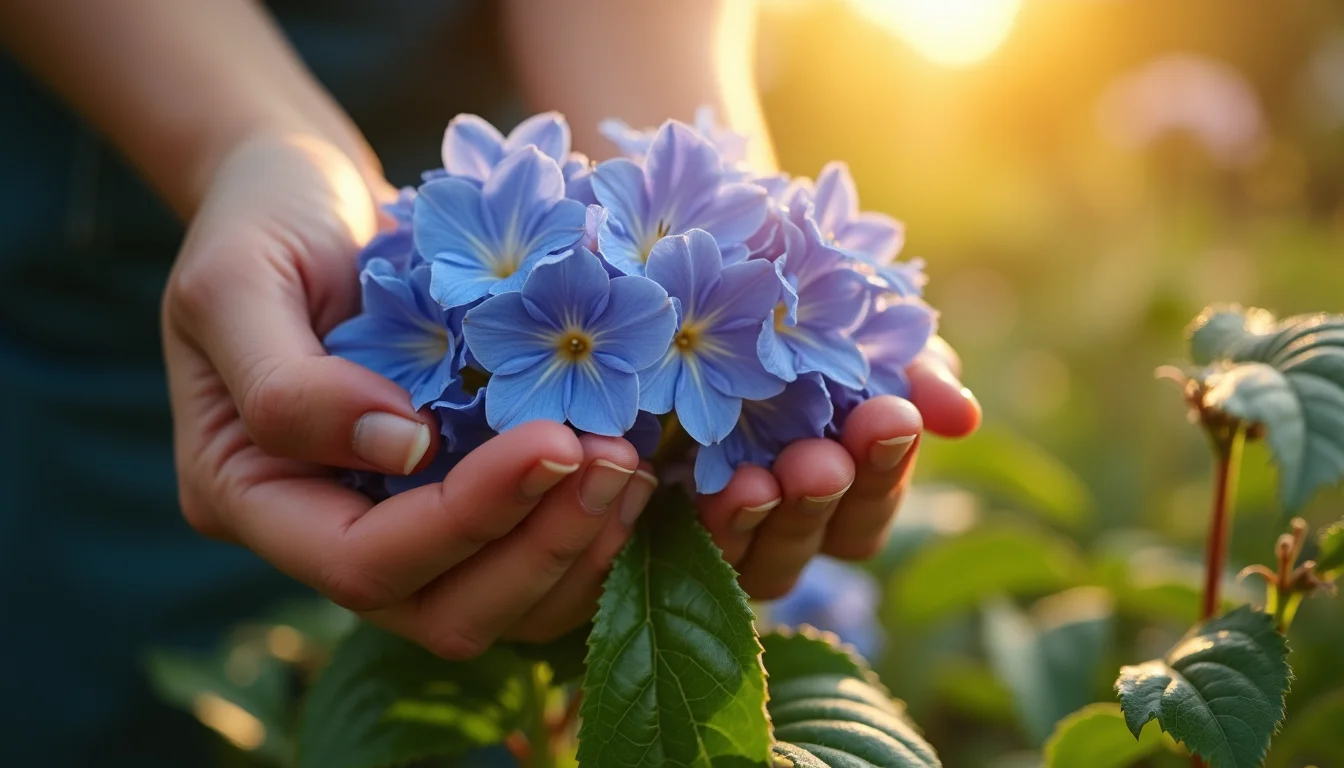
You’ve tried planting blue flowers before, but they turned pink or purple. That frustrating color change is actually a clue about your soil’s chemistry. Understanding why this happens is the first step to growing the true blue garden you’ve been dreaming of.
Blue flowers are rare in nature because the pigment requires specific conditions to develop. Less than 10% of flowering plants produce true blue blooms. This scarcity makes them highly desirable for gardeners and floral designers alike.
Understanding Blue Flowers: From Soil pH to Pigment Chemistry
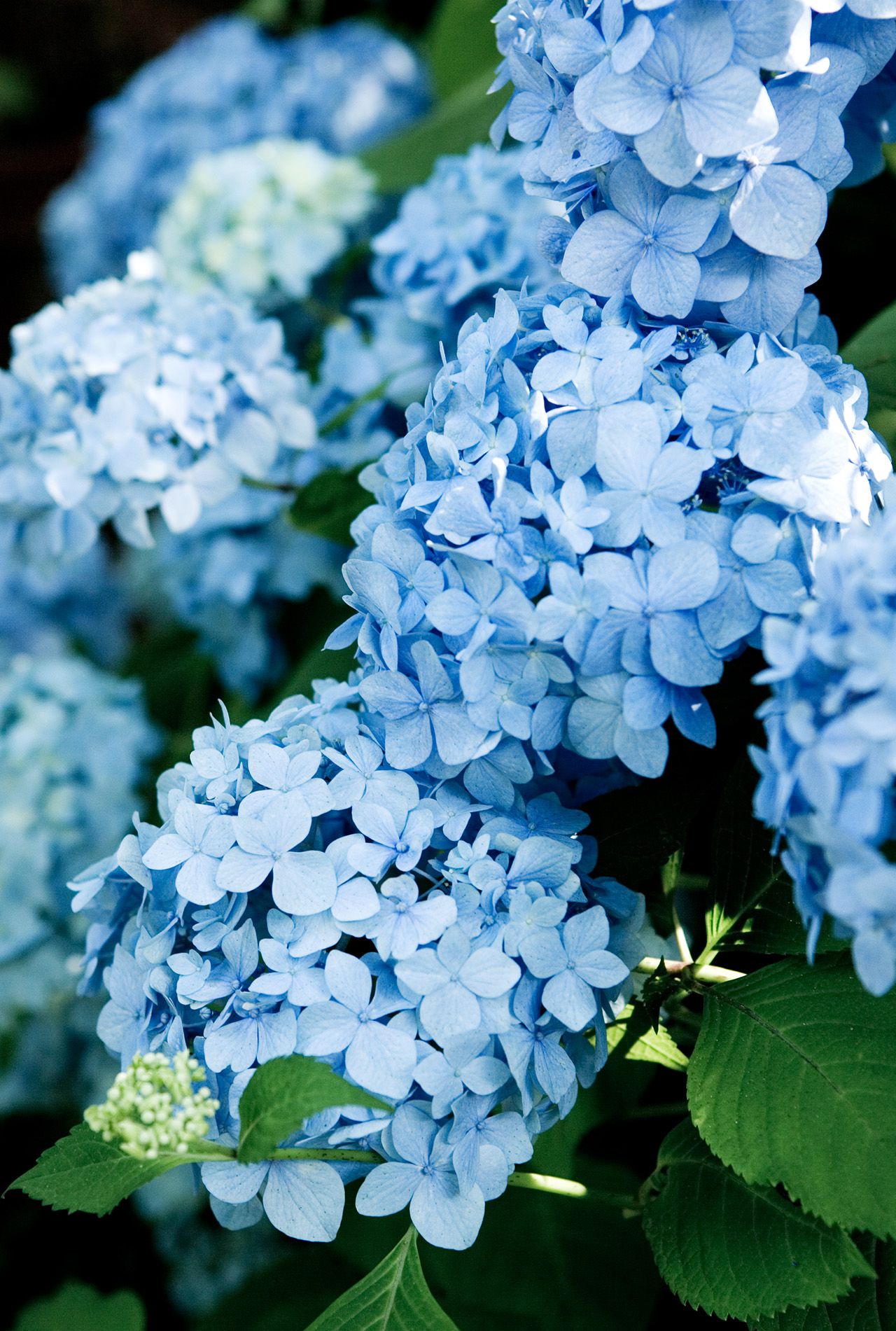
The blue color in flowers comes from anthocyanin pigments, which shift color based on the plant’s cellular pH and available metals. For hydrangeas, acidic soil (pH below 6.0) allows aluminum uptake, turning the flowers blue. Alkaline soil (pH above 7.0) blocks aluminum, resulting in pink blooms.
Other blue flowers like forget-me-nots and cornflowers produce consistent blue because their anthocyanin profiles are less affected by soil conditions. Cornflowers contain delphinidin and pelargonidin glycosides that create an intense blue regardless of pH. Knowing these differences helps you choose the right plants for your garden’s existing conditions.
Low-maintenance blue flowers like lobelia and bluebells thrive in shade or sun with minimal care. Lobelia erinus offers rich blue tones for containers and borders, while Virginia bluebells naturalize in woodland gardens. Both attract pollinators and add reliable color without constant fussing.
Blue Flower Meanings and Symbolism
The color blue in flowers carries deep meaning across cultures. It often represents peace, trust, and serenity.
Calmness and Trust
The symbolism of blue flowers frequently connects to tranquility and loyalty. This makes them ideal for thoughtful gifts or personal gardens seeking a peaceful vibe. Furthermore, their cool tones can create a sense of calm in any space.
Spiritual Connection
In some traditions, blue flower meanings are tied to spirituality and introspection. They can evoke a sense of wonder and connection to the vastness of the sky and sea. Consider these for areas where you seek quiet contemplation.
Read also: 52 Pink Wallpaper Ideas to Transform Any Room on a Budget
Historical Significance
Historically, certain blue flower species were rare and highly prized. Their color was difficult to achieve in dyes and art. This rarity added to their symbolic weight, often representing royalty or divine favor.
| Meaning | Associated Concepts |
| Tranquility | Peace, Calmness, Serenity |
| Trust | Loyalty, Faithfulness, Stability |
| Wisdom | Depth, Knowledge, Introspection |
Popular Blue Flower Species
Many plants offer stunning blue blooms, adding unique color to gardens and arrangements. Understanding these blue flower species helps in selecting the best fit for your needs.
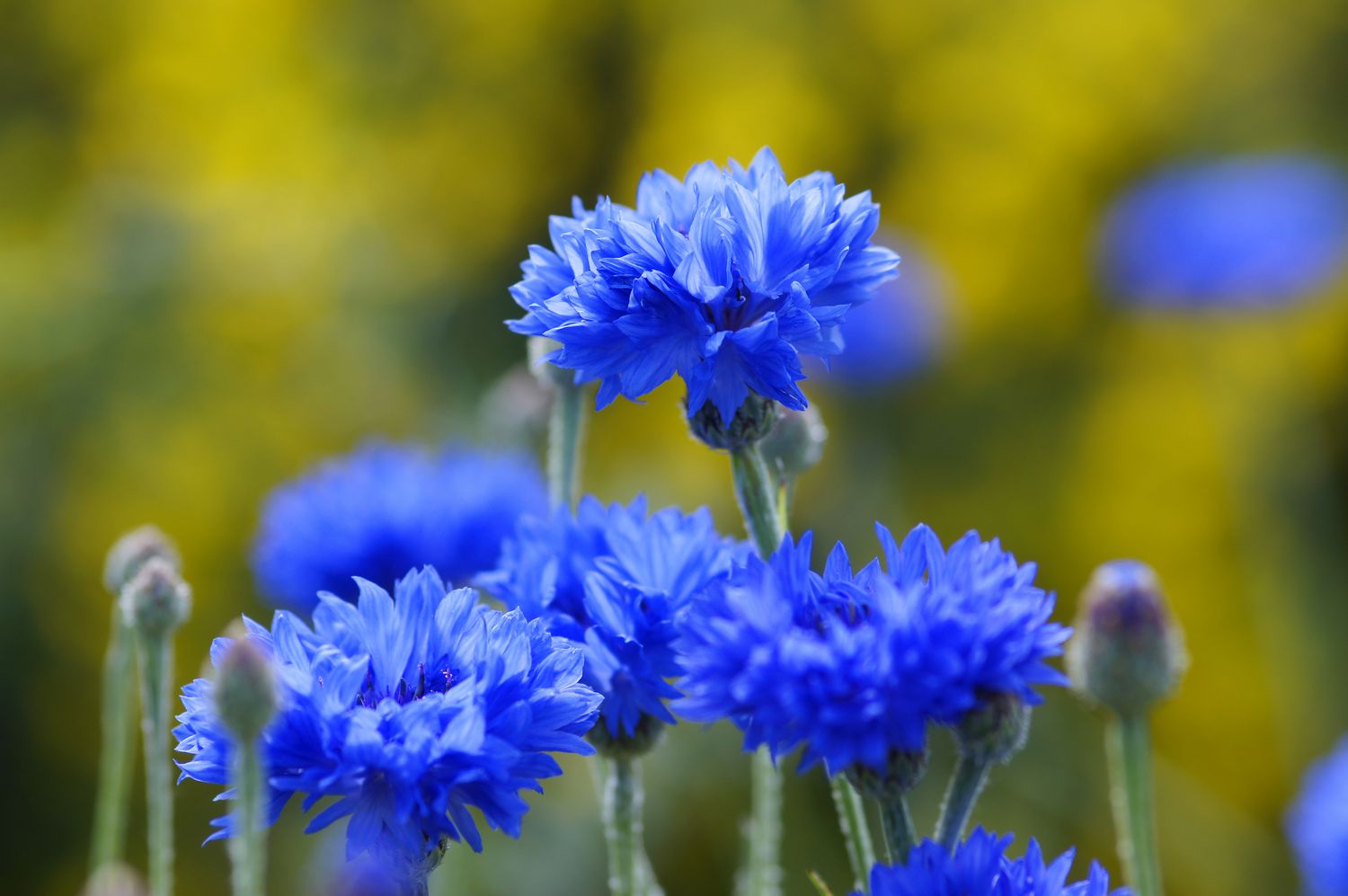
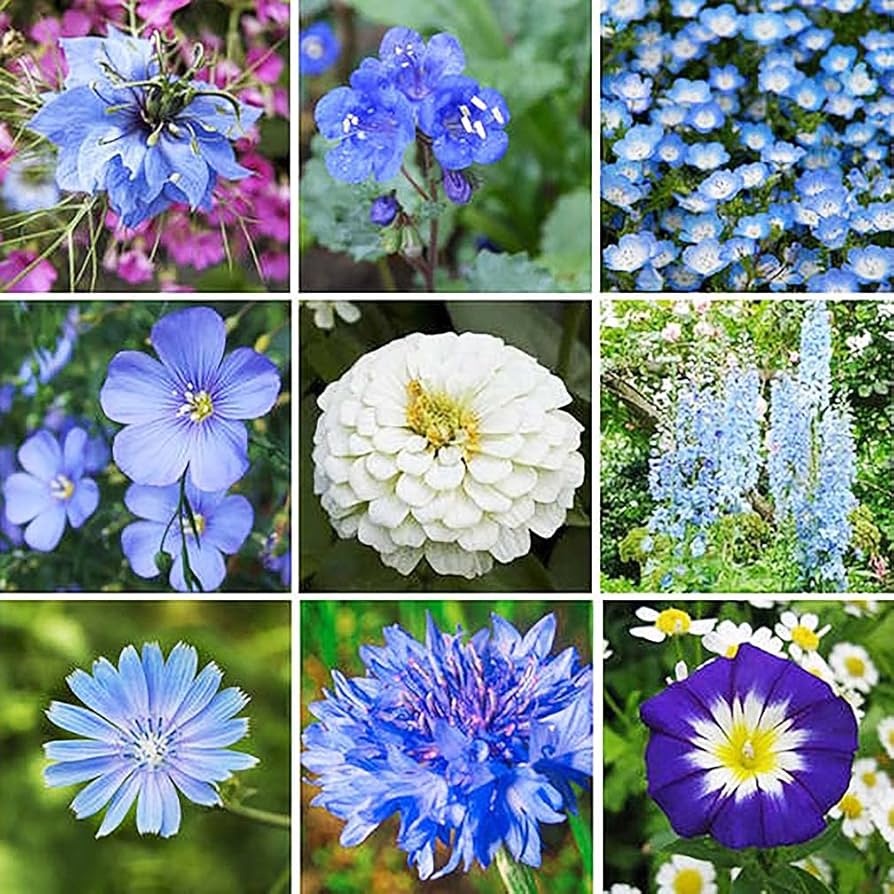
Cornflower (Centaurea cyanus)
Also known as Bachelor’s Button, this annual offers a vibrant, true blue. It is a classic choice for cottage gardens and informal plantings. Furthermore, cornflowers are excellent for attracting bees and butterflies.
Forget-Me-Not (Myosotis spp.)
These small, delicate flowers provide a carpet of sky-blue in spring. They thrive in moist, shady conditions. Their charming appearance makes them a favorite for borders and woodland settings.
Read also: 57 Lilac for Beginner: Easy Varieties That Bloom Fast
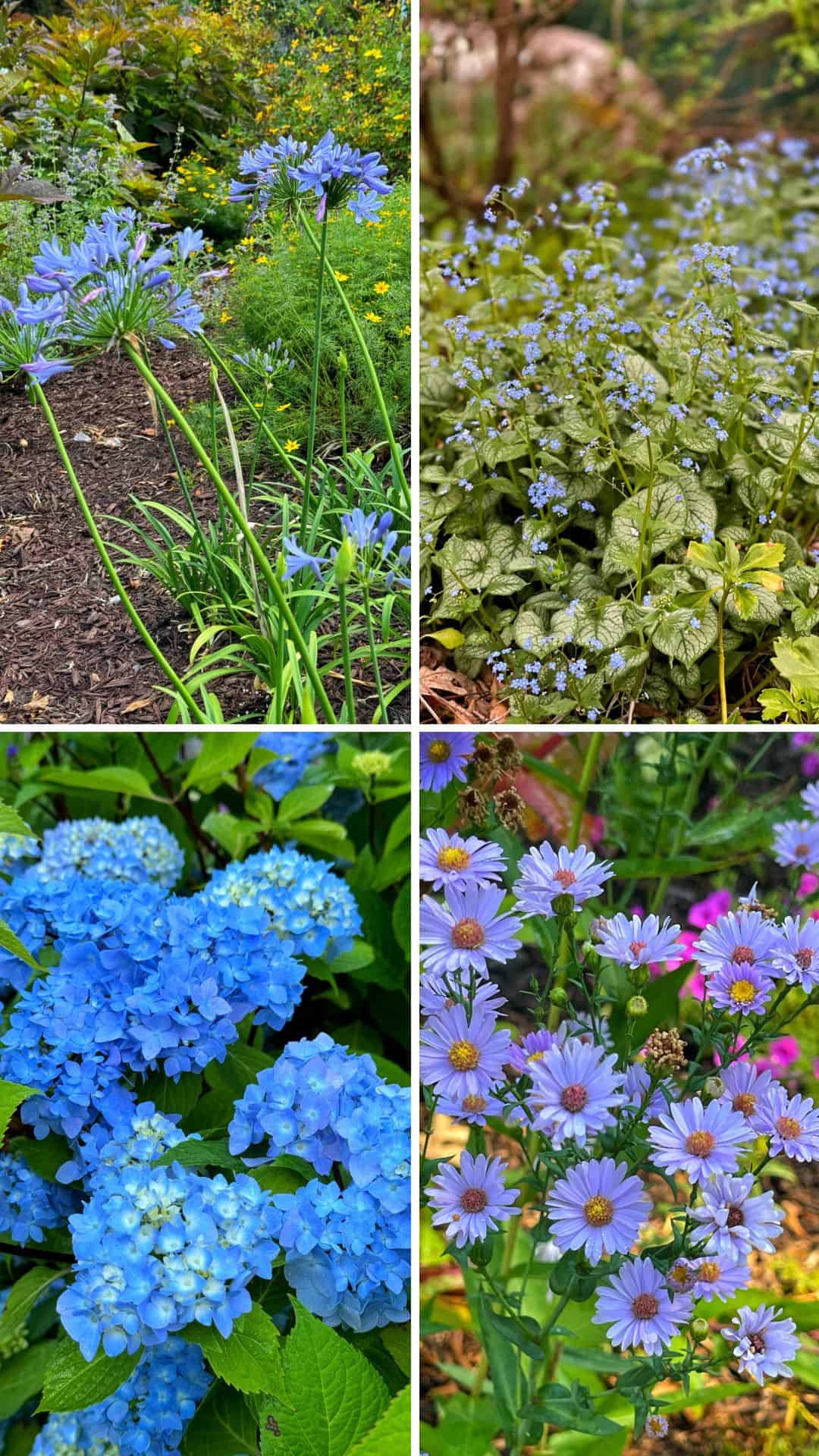
Hydrangea (Hydrangea spp.)
Known for their large, showy flower heads, hydrangeas can display a range of blues. Soil pH significantly influences their color. Acidic soil promotes deeper blues, offering a unique gardening challenge and reward.
Delphinium (Delphinium spp.)
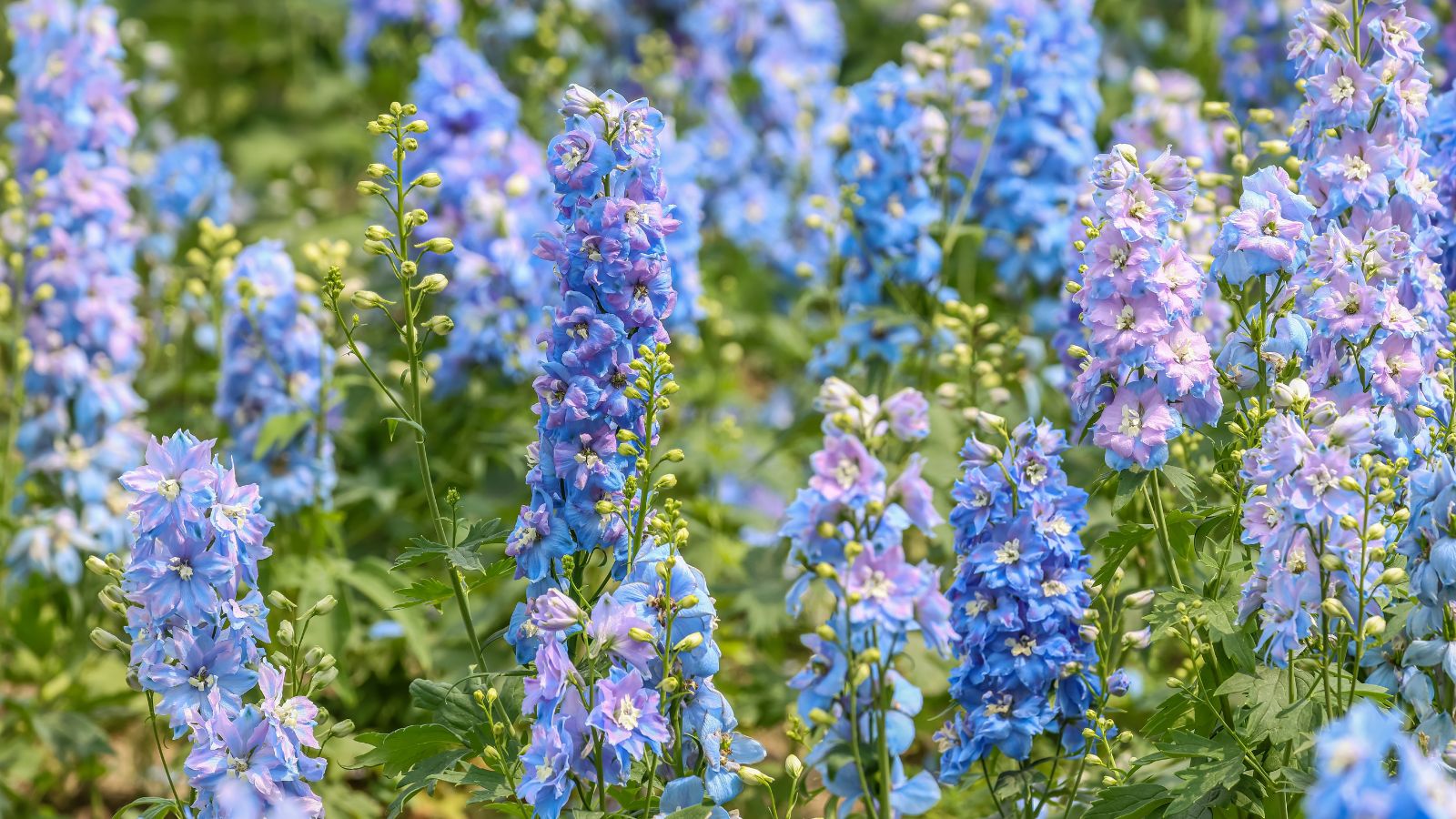
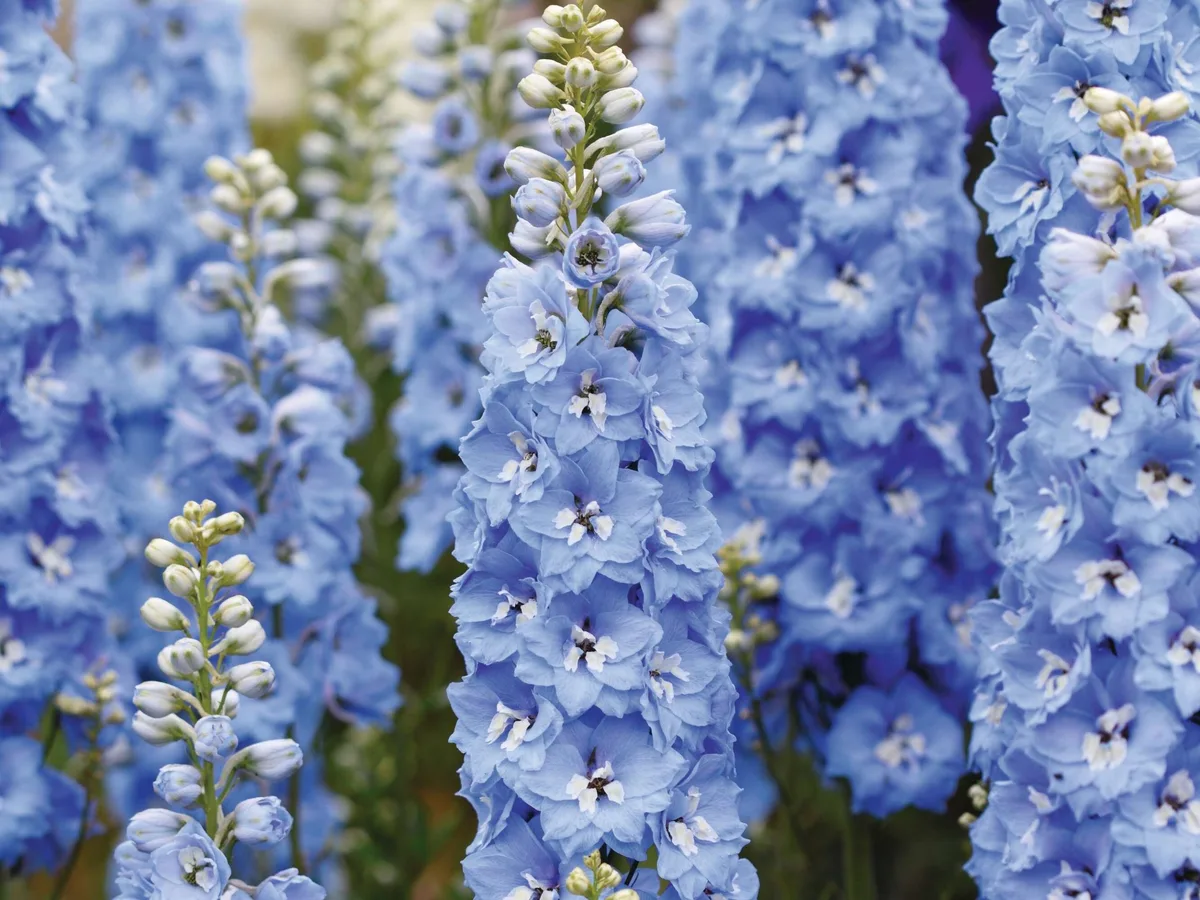
These tall, stately plants produce spikes of intense blue flowers. They add vertical interest and drama to garden beds. Delphiniums require full sun and well-drained soil to flourish.
Low-Maintenance Blue Flowers for Your Garden
Creating a beautiful garden doesn’t require constant work. Low-maintenance blue flowers offer lasting color with minimal fuss. These plants are perfect for busy homeowners or beginner gardeners.
Perennial Geranium (Geranium spp.)
Many perennial geraniums offer lovely blue or violet-blue blooms. They are hardy and adaptable, tolerating a range of conditions. Above all, they spread nicely to fill garden spaces.
Salvia (Salvia spp.)
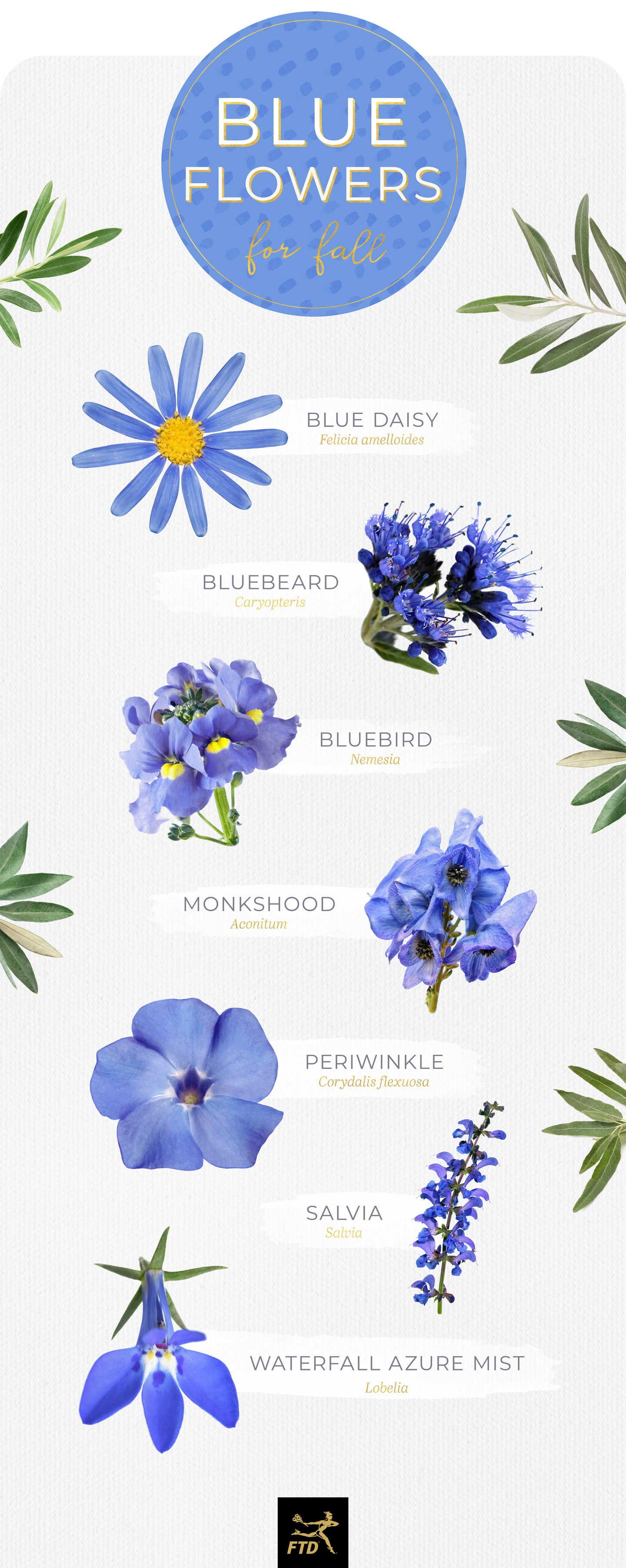
Salvias, especially varieties like ‘May Night’, provide spikes of deep blue. They are drought-tolerant once established. This makes them ideal for sunny, dry locations.
Brunnera (Brunnera macrophylla)
Often called Siberian Bugloss, this plant features heart-shaped leaves and sprays of tiny, sky-blue flowers. It prefers shade and moist soil. Its delicate blooms are a welcome sight in spring.
Blue Flax (Linum perenne)
This delicate plant has airy stems and small, sky-blue blossoms. It thrives in full sun and well-drained soil. Blue flax is a lovely addition to wildflower meadows and rock gardens.
Shade-Loving Blue Blooms
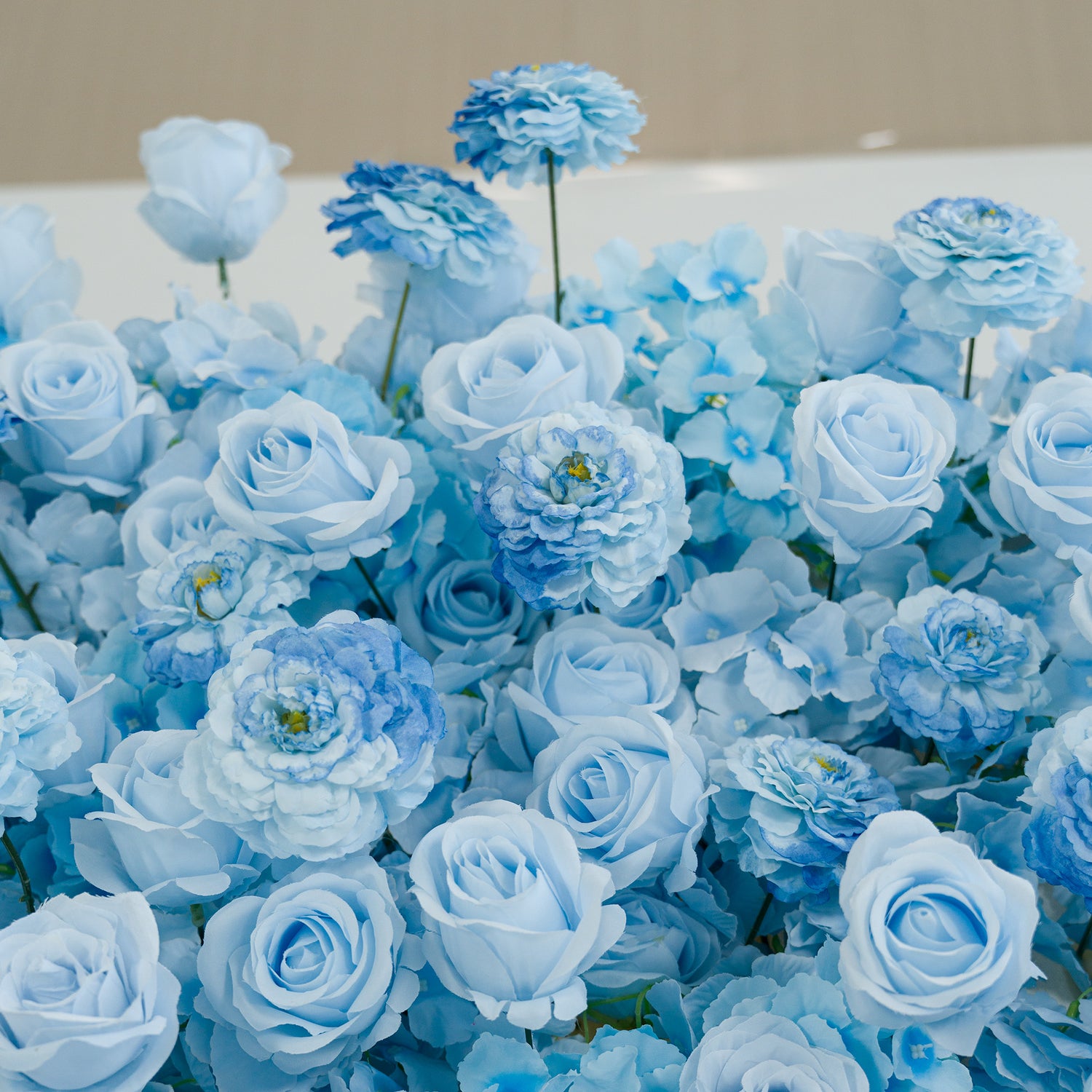
Not all gardens have full sun, but you can still enjoy beautiful blue flowers. Shade-loving blue blooms bring color to the most overlooked garden corners. These plants are adapted to lower light conditions.
Hosta (Hosta spp.)
While primarily grown for their foliage, some hostas produce spikes of lavender-blue or violet flowers. They are exceptionally hardy and versatile. Hostas are a staple for shady areas.
Astilbe (Astilbe spp.)
Astilbes offer feathery plumes of color, including shades of lavender-blue and violet. They prefer moist, shady spots. Their unique texture adds interest to the garden.
Lungwort (Pulmonaria spp.)
Lungwort displays clusters of small, bell-shaped flowers that often start pink and mature to blue. It thrives in shady, moist environments. Its spotted foliage also adds decorative appeal.
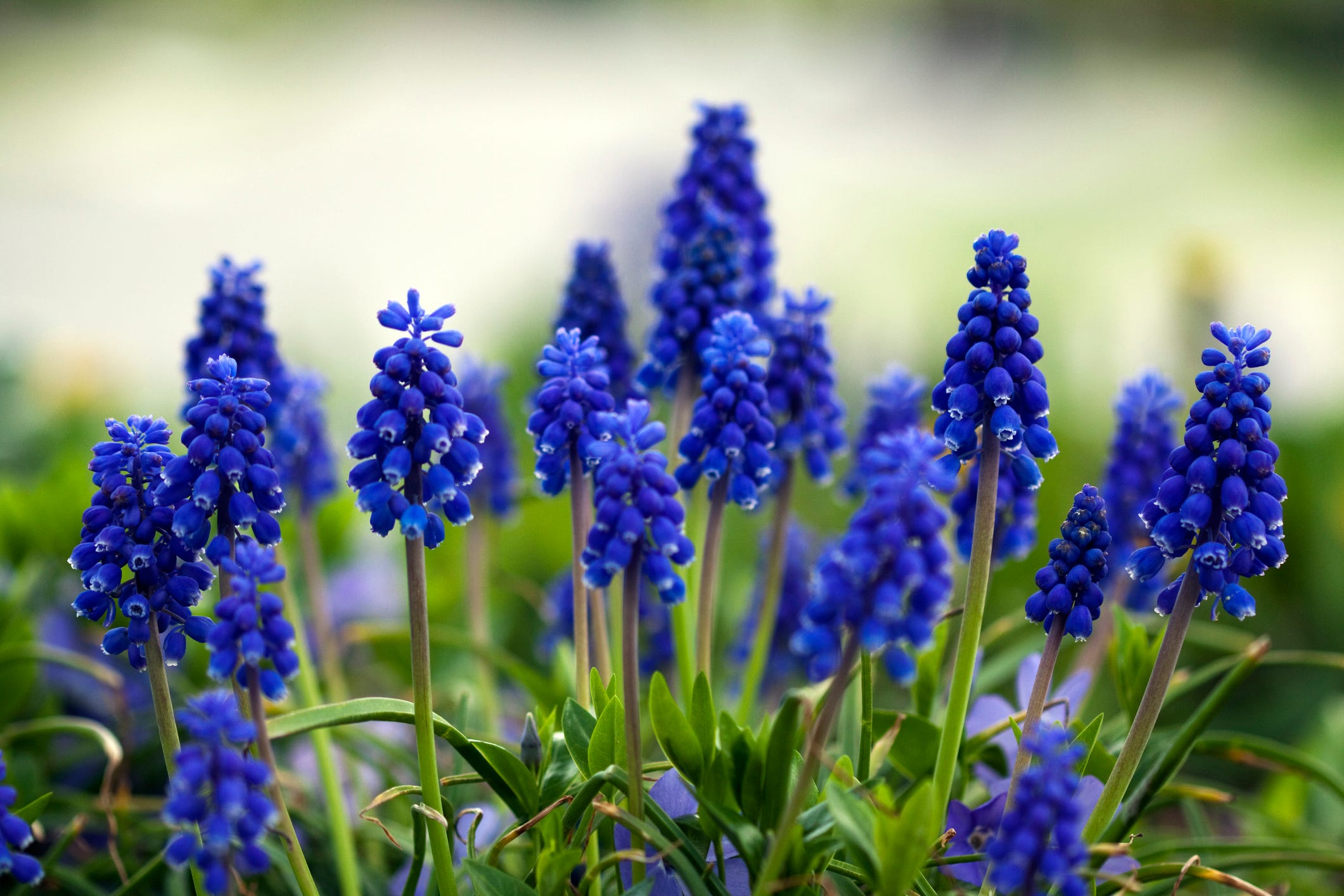
Grape Hyacinth (Muscari spp.)
These small bulbs produce dense spikes of deep blue, grape-like clusters. They naturalize well in shady or partially shaded areas. Their early spring bloom is a delightful surprise.
Sun-Loving Blue Flowers for Full Exposure
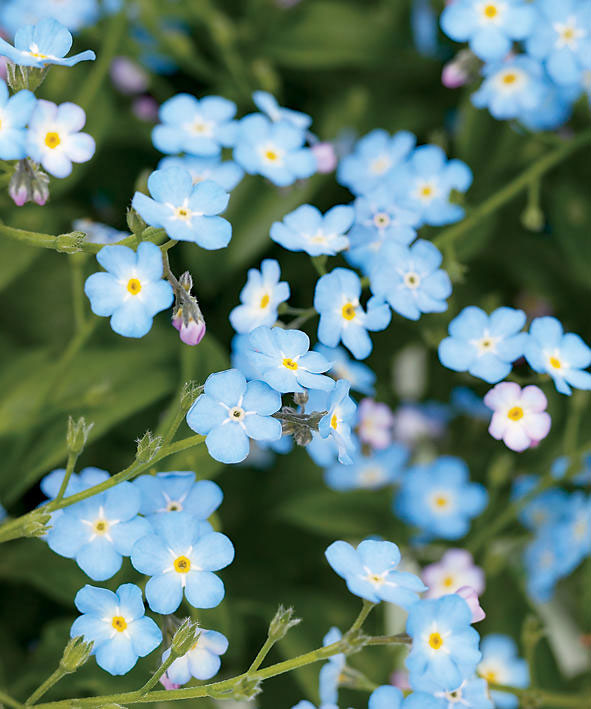
For gardens bathed in sunlight, choose plants that thrive in the heat. Sun-loving blue flowers provide vibrant color and attract beneficial insects. They are perfect for sunny borders and containers.
California Poppy (Eschscholzia californica)
While often orange, some varieties offer a beautiful sky-blue or lavender hue. They are exceptionally drought-tolerant. Plant them in full sun for the best bloom production.
Agapanthus (Agapanthus spp.)
Also known as Lily of the Nile, Agapanthus produces large globes of blue or white flowers. They need full sun and well-drained soil. These plants make a dramatic statement.
Lantana (Lantana camara)
Many lantana varieties feature clusters of small flowers that change color as they mature, often including beautiful blue and purple tones. They are heat-loving and drought-tolerant. Lantana is also a magnet for butterflies.
Salvia (Salvia spp.)
As mentioned, many salvias love the sun. Varieties like ‘Victoria Blue’ are classic choices for their intense color. They bloom prolifically throughout the summer.
Blue Flowers That Attract Pollinators
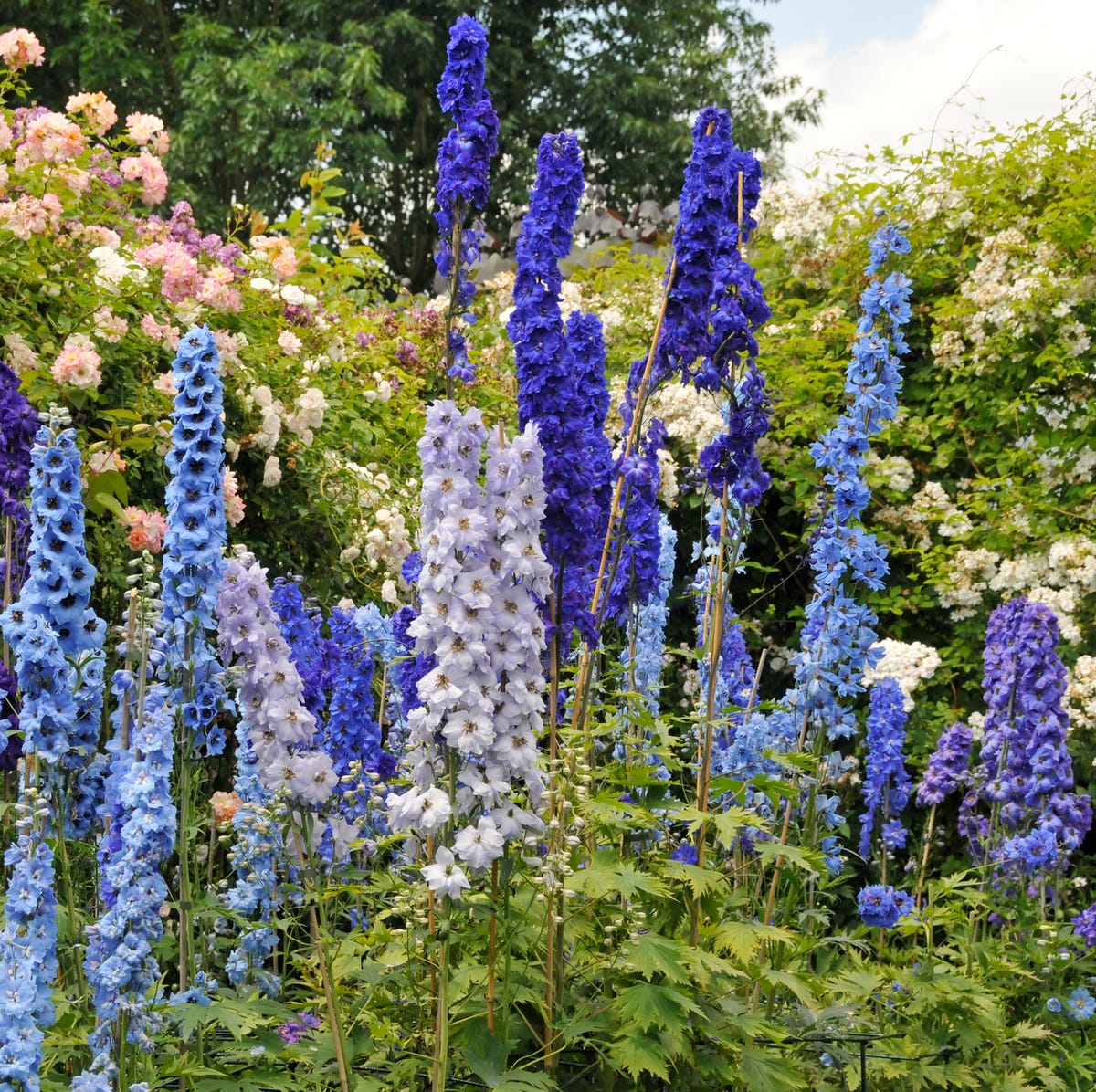
Gardens can be havens for bees, butterflies, and other pollinators. Planting blue flowers that attract these helpful creatures supports local ecosystems. These species provide essential nectar and pollen.
Borage (Borago officinalis)
This herb has star-shaped, vibrant blue flowers that bees adore. It self-seeds readily and is edible. Borage adds a unique charm and flavor to salads.
Lavender (Lavandula spp.)
The fragrance of lavender is well-known, but its purple-blue spikes are also a huge draw for bees and butterflies. It thrives in full sun and well-drained soil. Lavender is a staple for pollinator gardens.
Centaurea (Centaurea spp.)
Cornflowers and other Centaurea species are excellent for attracting a variety of pollinators. Their open-faced blooms provide easy access to nectar. They are also quite drought-tolerant.
Echium (Echium spp.)
Tall spikes of blue flowers, like those on Viper’s Bugloss, are irresistible to bees. These plants often have a dramatic, architectural presence in the garden. They prefer full sun and dry conditions.
Incorporating Blue Flowers in Floral Arrangements
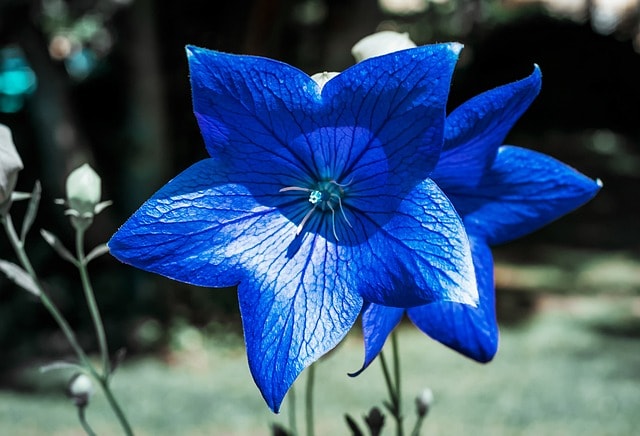
Using blue flowers in floral arrangements brings a sense of calm and sophistication. They offer a unique color palette that can be both striking and subtle. Consider these for adding depth to your designs.
Delphinium Stems
The tall, elegant spikes of delphiniums add height and drama. Their intense blue is captivating. Use them as a focal point in larger arrangements.
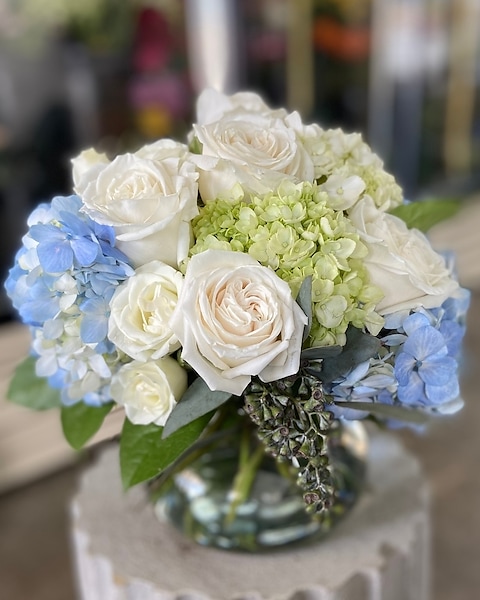
Hydrangea Heads
Large hydrangea blooms provide volume and a soft, textured look. Their color can range from pale sky blue to deep indigo. They work well in vase arrangements or as accents.
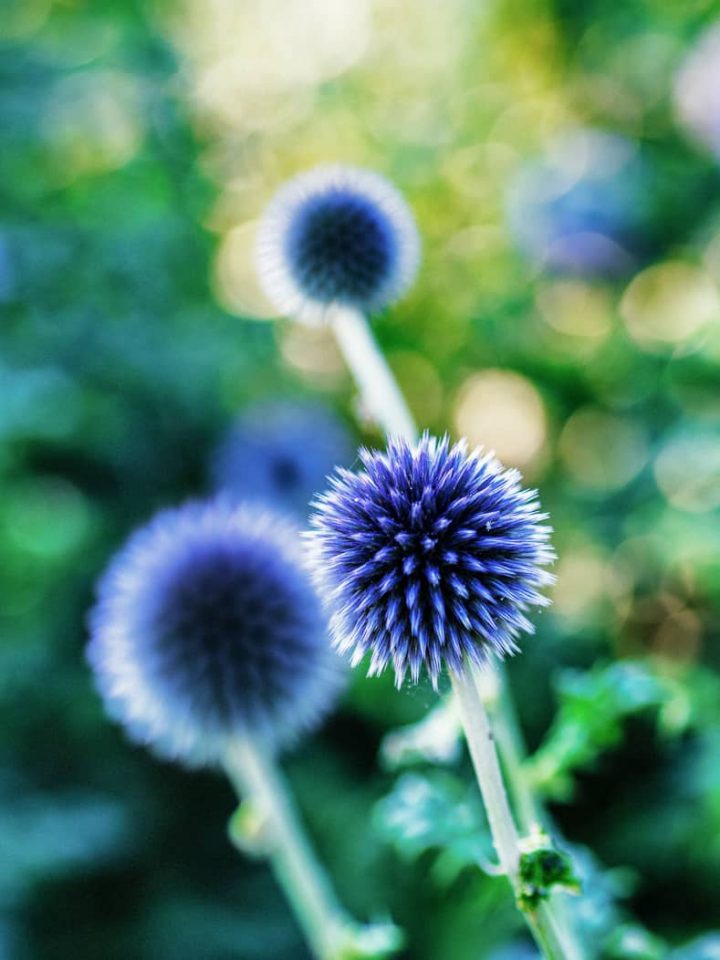
Blue Thistle (Eryngium spp.)
With their spiky, metallic blue appearance, thistles add an architectural and textural element. They are surprisingly durable. Use them to create contrast and visual interest.
Ageratum (Ageratum houstonianum)
Also known as Floss Flower, ageratum offers fuzzy clusters of small, powder-blue blooms. They provide a soft, airy feel. These are great for filling in spaces in bouquets.
Floral Arrangement Color Palette Example
| Primary Color | Accent Color | Filler/Texture |
| White | Deep Blue | Greenery |
| Cream | Sky Blue | Eucalyptus |
| Soft Pink | Periwinkle | Ferns |
Blue Garden Inspiration for a Serene Landscape
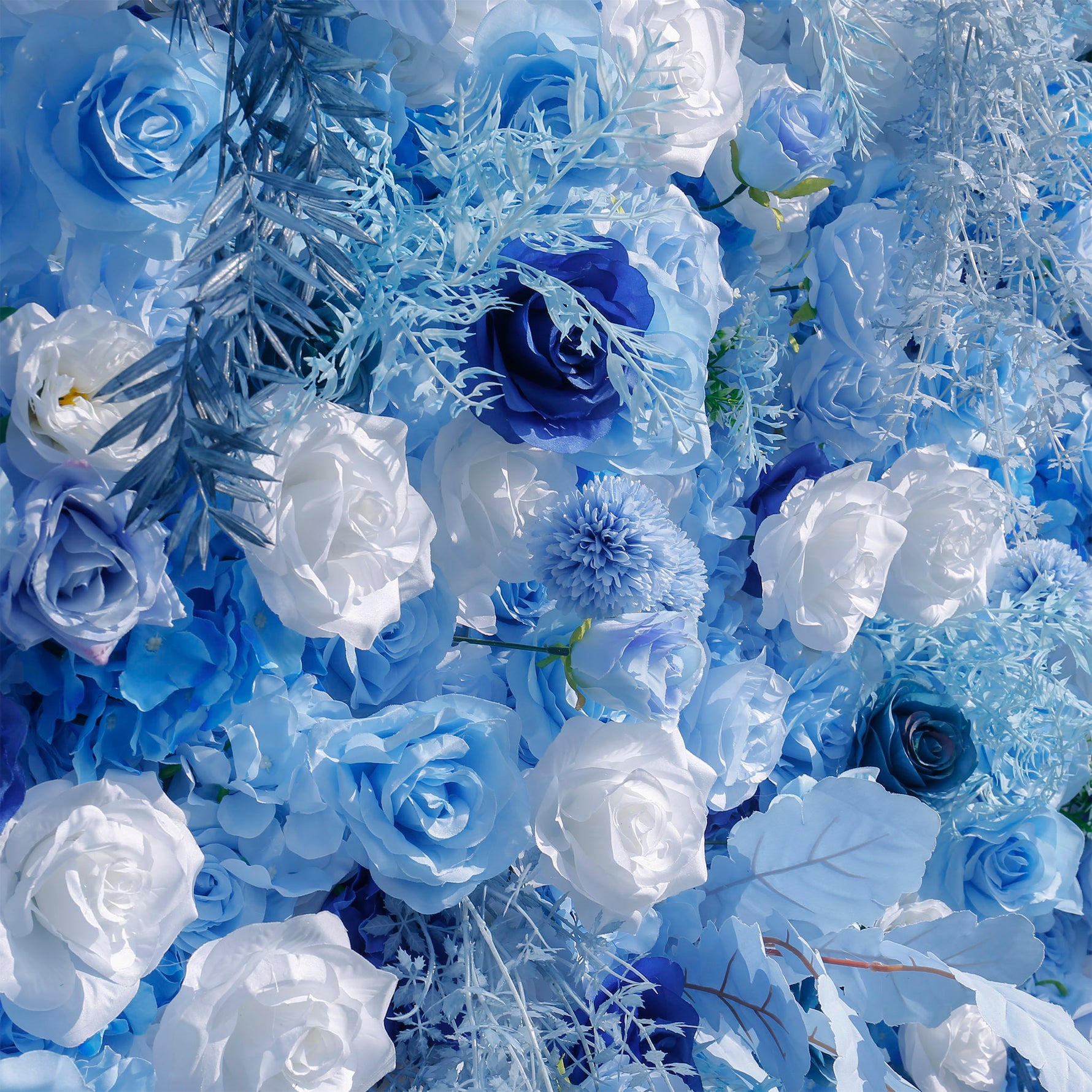
Designing a garden with blue hues can create a tranquil oasis. This color palette promotes relaxation and visual harmony. It transforms your outdoor space into a peaceful retreat.
Monochromatic Planting
Focusing on various shades of blue creates a sophisticated, calming effect. Mix different textures and heights of blue flower species. This approach offers a unified and elegant look.
Cool Color Borders
Combine blues with purples, silvers, and whites for a cool, refreshing garden border. This palette is especially effective in hot climates. It visually cools the landscape.
Water Features Integration
Place blue-blooming plants near water features like ponds or fountains. The reflection of the blue blooms in the water enhances the serene atmosphere. It doubles the visual impact.
Moon Gardens
Incorporate pale blues and whites for a moon garden, designed to be beautiful at night. These colors reflect moonlight softly. They create a magical, ethereal feel after dark.
Read also: Hibiscus blooms fall off in one day? That’s actually normal
Style and Reference Gallery
A single blue rose is rare and often symbolic of mystery. True blue roses are created through genetic modification.
Blue salvia attracts pollinators with its upright spikes of azure. It is drought-tolerant and blooms all summer.
Grape hyacinths produce clusters of tiny blue bells in early spring. They naturalize easily under trees and shrubs.
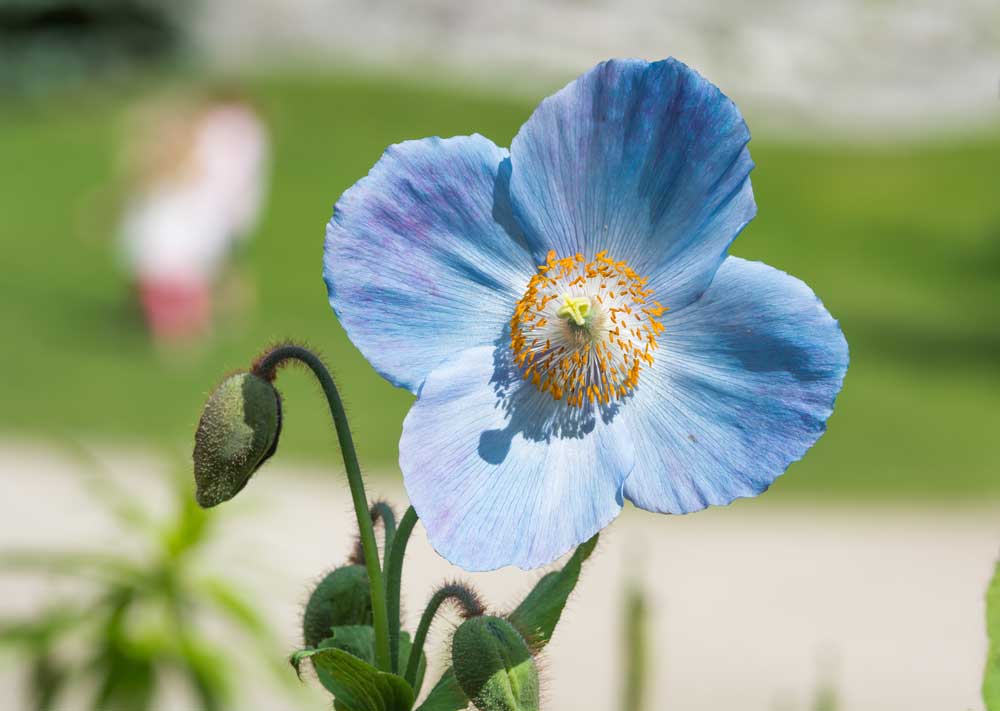
Blue poppies from the Himalayas require cool summers and rich soil. Their papery petals are a collector’s prize.
Plumbago shrubs bear clusters of pale blue flowers from summer to fall. They thrive in warm climates as ground cover.
Blue star creeper forms a low mat of tiny blue blooms perfect for stepping stones. It tolerates light foot traffic.
A blue-themed garden brings a sense of calm and depth. Pair with silver foliage for a cool, serene effect.
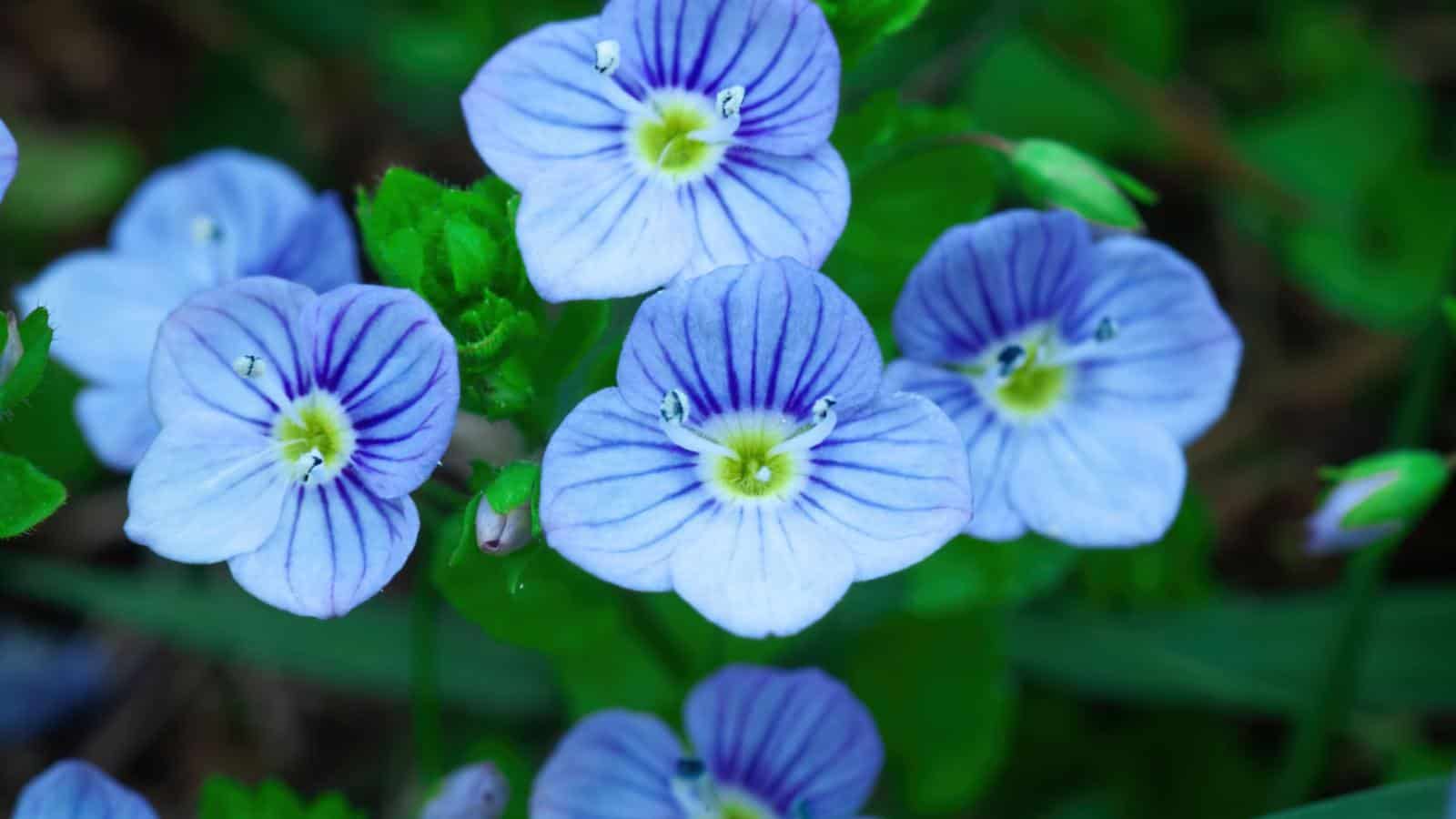
A sea of forget-me-nots creates a soft blue carpet under dappled shade. Their tiny petals hold a surprising depth of color.
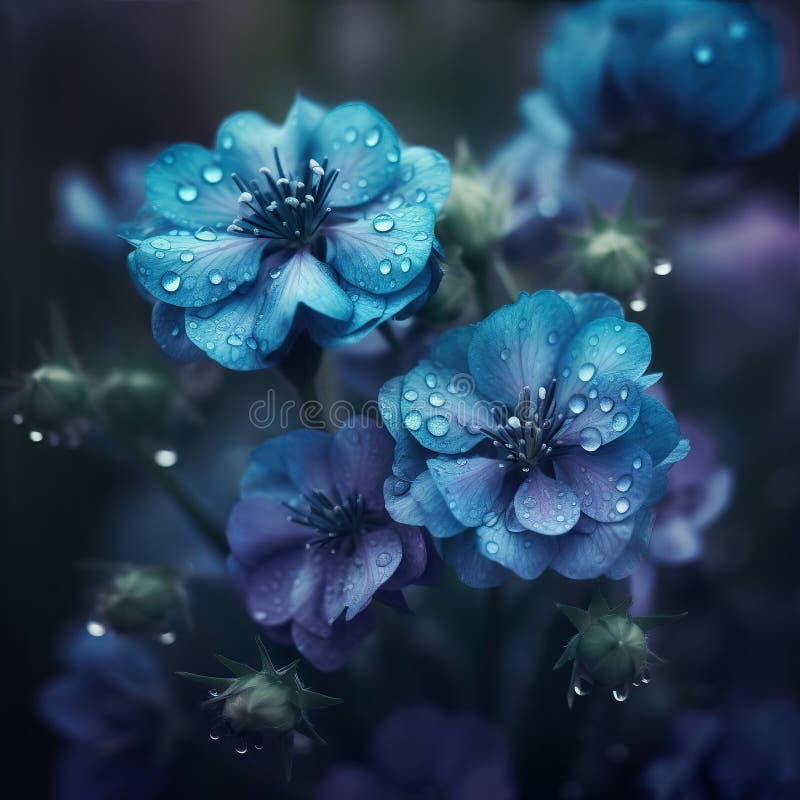
Cornflowers stand tall in a meadow, their intense blue a beacon against green grass. They are perfect for cut flower arrangements.
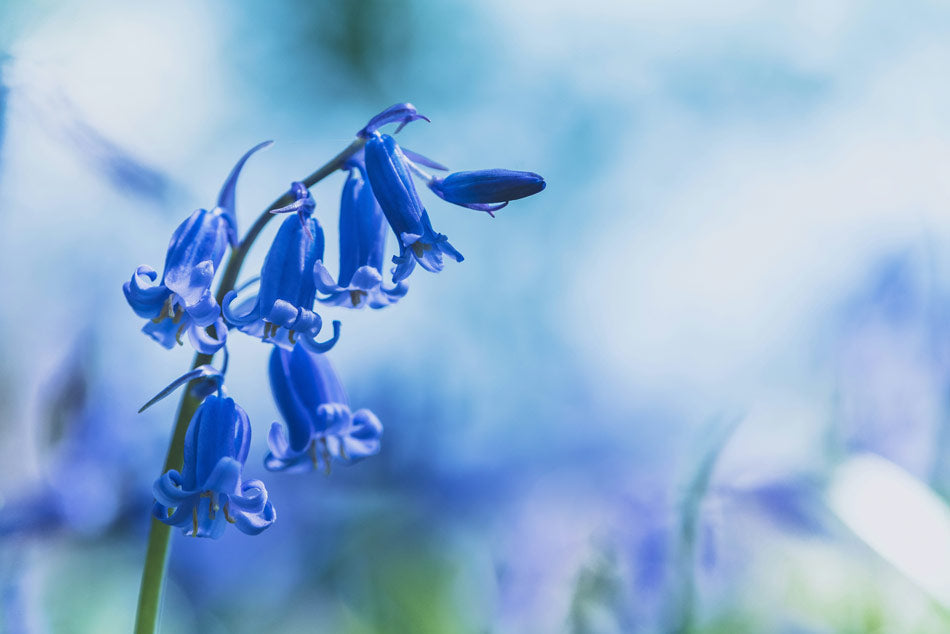
Bluebells in a woodland setting paint the ground in cool violet-blue. Their drooping heads add a delicate charm.
Lobelia cascades from a hanging basket, its vivid blue spilling over the edge. It thrives in partial shade with consistent moisture.
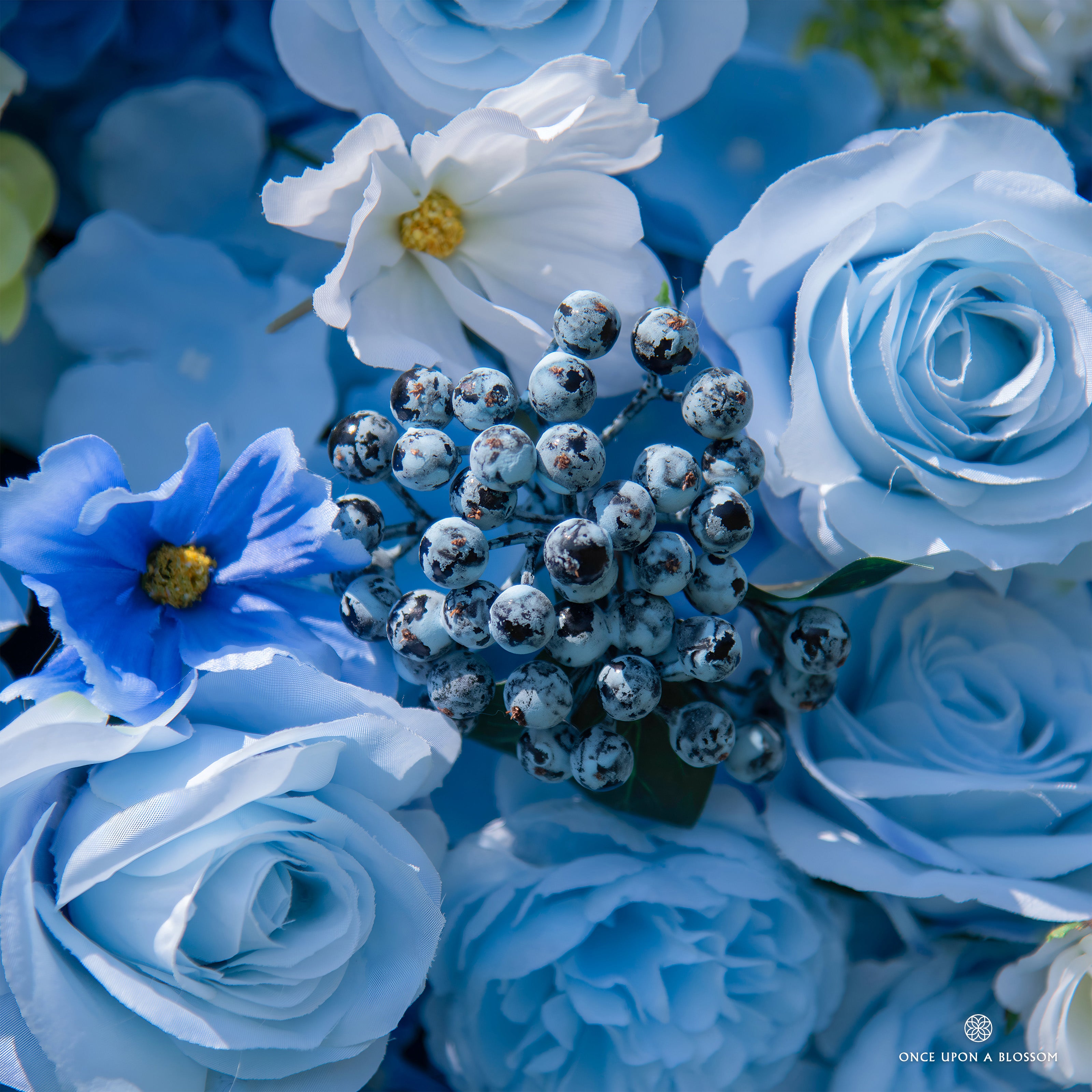
Hydrangea blooms in acidic soil shift from pink to a deep sky blue. The color change is a living pH test.
How to Grow True Blue Flowers in Your Garden
Step-by-Step Guide
- Test your soil pH first. For true blue hydrangeas, keep pH below 6.0 using aluminum sulfate.
- Choose plants with strong blue genetics like Centaurea cyanus or Lobelia erinus. These hold color reliably.
- Plant in full sun to partial shade depending on species. Most blue flowers need at least 4-6 hours of direct light.
What to Avoid
- Do not overwater. Blue flowers like well-drained soil; soggy roots cause root rot and faded blooms.
- Avoid high nitrogen fertilizers. They push leaf growth at the expense of flowers and can reduce blue intensity.
Maintenance Tips
- Deadhead spent blooms regularly to encourage continuous flowering. This keeps your garden vibrant all season.
- Apply a layer of organic mulch to maintain soil moisture and temperature. This mimics their natural woodland floor habitat.
Frequently Asked Questions
- Why are my hydrangeas pink instead of blue?
Pink hydrangeas indicate alkaline soil. Lower the pH below 6.0 with sulfur or aluminum sulfate to shift them blue.
- Can I get blue flowers from seeds?
Yes, many blue flowers like forget-me-nots and cornflowers grow easily from seed. Check the variety for true blue genetics.
- Do blue flowers need special fertilizer?
Use a balanced fertilizer low in phosphorus. High phosphorus blocks aluminum uptake in hydrangeas, turning them pink.
Mastering the science behind blue flowers gives you control over your garden’s palette. By adjusting soil chemistry and choosing the right plants, you can achieve those elusive true blues.
Start with one blue variety this season. Experiment with soil pH and observe the color changes firsthand.
Imagine a garden where every shade of blue tells a story of chemistry and care. The future of your floral design is in your hands.
