


You want a lilac bush that actually blooms, not just a green bush taking up space. The number one mistake beginners make is planting in too much shade. Lilacs need at least 6 hours of direct sun daily to flower well.
Pick the right variety and location, and you will get years of that sweet spring fragrance. Even a small yard can handle a compact lilac like ‘Miss Kim’ or a reblooming Bloomerang. Let’s get you set up for success.
Why Compact and Reblooming Lilacs Are Best for Beginners
Standard common lilacs can grow 12 feet tall and take years to bloom. That is frustrating for a new gardener. Instead, look for compact lilac varieties like ‘Miss Kim’ or ‘Palibin’ that stay under 6 feet and start flowering sooner.
Reblooming lilacs like the Bloomerang series flower in spring and again in late summer. They are also more disease-resistant to powdery mildew, a common problem in humid areas. These smaller shrubs work great in containers or small yards.
For cold climates, ‘Miss Kim’ is a top pick because it is cold-hardy down to USDA zone 3. It also has nice fall color. If you want a classic look with less hassle, try a Syringa x hyacinthiflora hybrid. They bloom a week earlier than common lilacs and resist mildew better.
‘
Compact Lilac Varieties for Small Spaces
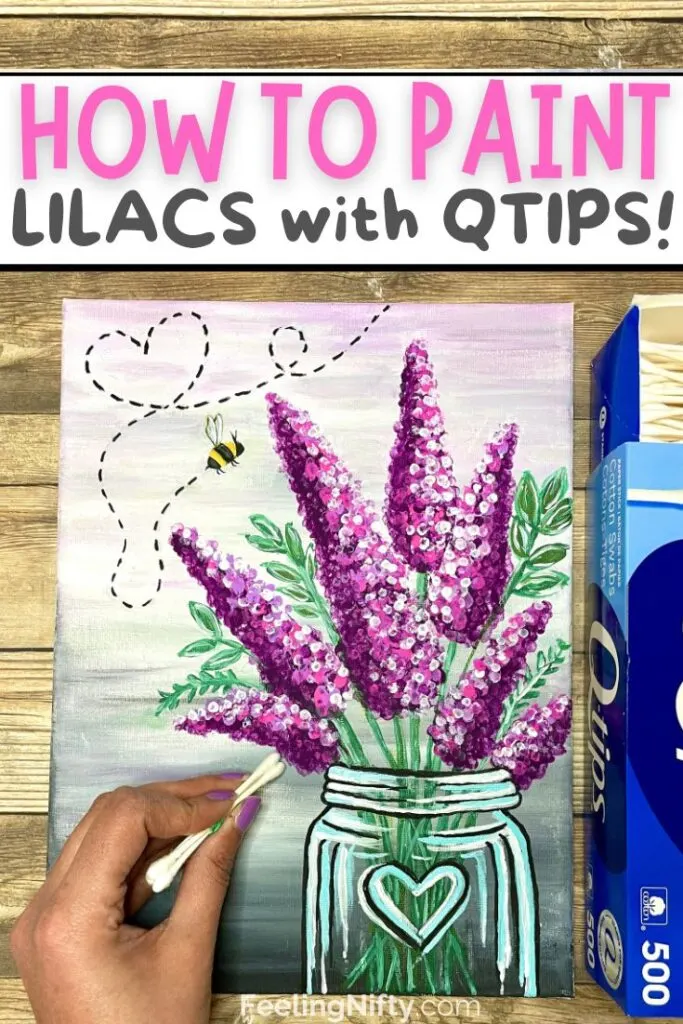
Many gardeners want the beauty of lilacs but have limited space. Fortunately, breeders have developed smaller versions. These compact lilac varieties fit perfectly into modern landscapes and smaller yards.
Miss Kim Lilac (Syringa patula ‘Miss Kim’)
This is a fantastic choice for smaller yards. It stays compact, usually under 6 feet tall. Miss Kim offers fragrant purple-pink flowers in spring. It is also quite disease-resistant, making it an easy care lilac.
Bloomerang Purple Lilac (Syringa Bloomerang Series)
The Bloomerang series is known for reblooming lilacs. These shrubs offer a second flush of flowers in summer. They stay a manageable 3 to 5 feet tall. This makes them ideal for small gardens or even containers.
Dwarf Korean Lilac (Syringa meyeri ‘Palibin’)
Palibin is a very slow-growing dwarf variety. It typically reaches only 4 to 5 feet in height. Its small size makes it one of the best lilac shrubs for small yards. It produces abundant, fragrant flower clusters.
| Variety | Max Height | Bloom Time |
|---|---|---|
| Miss Kim | 6 ft | Spring |
| Bloomerang Purple | 5 ft | Spring & Summer |
| Palibin | 5 ft | Spring |
Reblooming Lilacs: Extended Bloom Season

Enjoying the beauty of lilacs for longer is possible. Reblooming lilacs offer a second chance to experience their fragrance. This extends the visual appeal in your garden.
Bloomerang Dark Purple Lilac
This is a prime example of reblooming lilacs. It blooms in late spring, then again in mid-summer. The flowers are a rich, deep purple. It provides continuous color and fragrance.
Penda Lilac (Syringa ‘Penda’)
Known for its extended bloom, Penda is a great option. It offers fragrant pink flowers in spring. It then reblooms with fewer flowers in summer. This variety is also a good choice for containers.
Consideration for Reblooming
Reblooming lilacs require consistent care to encourage a second bloom. Deadheading spent flowers after the first bloom helps. This directs energy into producing new flower buds.
Disease-Resistant Lilacs for Easy Care
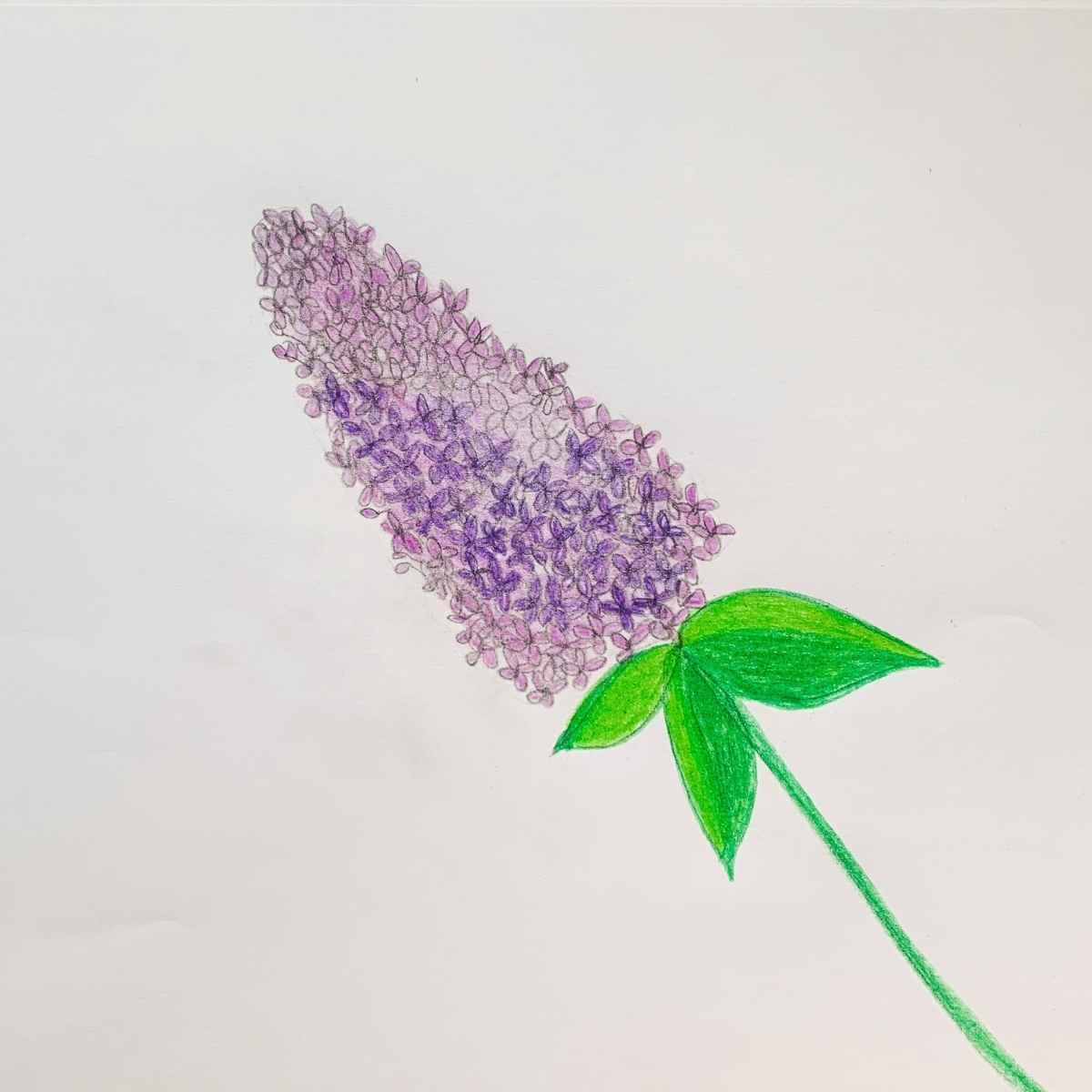
Some lilac varieties are naturally more resistant to common garden problems. Choosing disease-resistant lilacs means less work for you. You can enjoy healthy plants with minimal intervention.
Miss Kim Lilac (Syringa patula ‘Miss Kim’)
This variety is highly regarded for its disease resistance. It is particularly resistant to powdery mildew. This common issue can plague other lilac types. Miss Kim remains a beautiful, healthy shrub.
Beauty of Moscow Lilac (Syringa vulgaris ‘Beauty of Moscow’)
While a French hybrid, ‘Beauty of Moscow’ shows good vigor. It is less prone to common fungal diseases than some older varieties. It offers stunning white flowers with pink buds. This makes it a standout among easy care lilacs.
Sargent’s Pink Lilac (Syringa Sargentiana)
This species is known for its robust nature. It demonstrates good resistance to common lilac ailments. Its large size makes it suitable for larger landscapes. It provides a dramatic floral display.
Fragrant Lilac Bushes: Top Choices
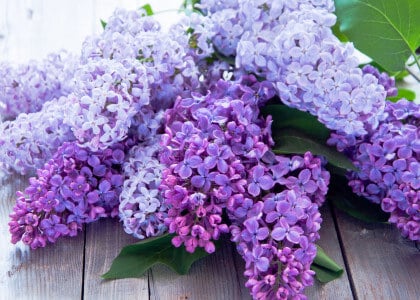
The intoxicating scent of lilacs is a major draw for gardeners. Fragrant lilac bushes fill the air with a sweet perfume. Selecting the most aromatic varieties enhances the sensory experience.
Common Lilac (Syringa vulgaris)
The classic lilac is famous for its powerful fragrance. Many French hybrids are descendants of this species. They offer a rich, sweet scent that is unmistakable in spring. These are excellent fragrant lilac bushes.
‘Sensation’ Lilac (Syringa vulgaris ‘Sensation’)
This unique variety not only smells wonderful but looks striking. Its deep purple flowers have a contrasting red-purple border. The fragrance is strong and classic. It is a popular choice for its dual appeal.
‘Charles Joly’ Lilac (Syringa vulgaris ‘Charles Joly’)
For intense fragrance, consider ‘Charles Joly’. It produces large, double, deep magenta flowers. The scent is very strong and sweet. This is a truly impressive fragrant lilac bush.
| Variety | Flower Color | Fragrance Intensity |
|---|---|---|
| Common Lilac | Purple/White | Strong |
| ‘Sensation’ | Deep Purple w/ Red Border | Strong |
| ‘Charles Joly’ | Deep Magenta | Very Strong |
Lilac Shrubs for Small Yards
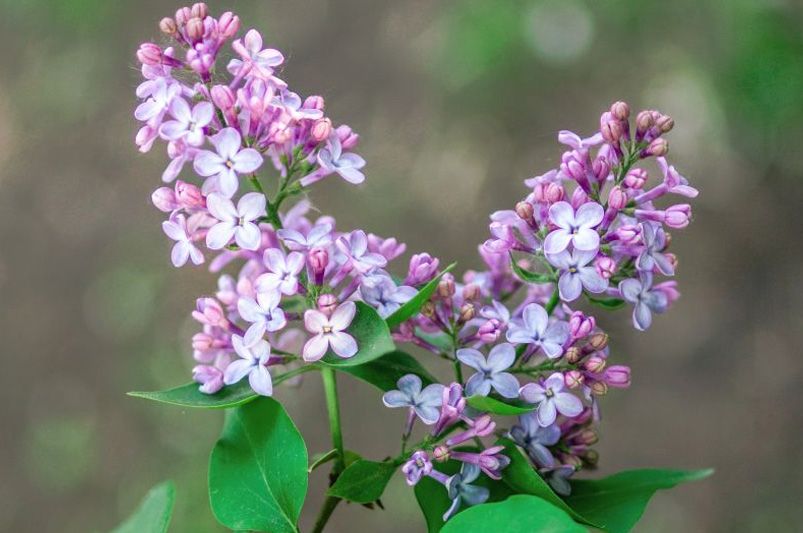
You do not need a large property to enjoy lilacs. Specific lilac shrubs for small yards are bred for compact growth. They provide all the beauty without overwhelming the space.
Dwarf Korean Lilac (Syringa meyeri ‘Palibin’)
As mentioned, Palibin is an excellent choice. Its small stature makes it one of the best lilac shrubs for small yards. It fits well along walkways or in foundation plantings. It offers abundant blooms on a small scale.
Little Persian Lilac (Syringa x persica ‘Little Persian’)
This is a smaller, more manageable version of the Persian lilac. It grows to about 4-6 feet tall. It produces masses of fragrant, pale lavender flowers. It is a lovely addition to any compact garden.
Consider Foundation Planting
Placing a compact lilac shrub near your home’s foundation works well. Ensure it has enough sun and good drainage. This placement maximizes its visual impact in a small yard.
Growing Lilacs in Containers
Container gardening is a great solution for small spaces or patios. Many lilac varieties can thrive in pots. Growing lilacs in containers allows you to enjoy their blooms anywhere.
Choose Compact Varieties
Select dwarf or compact lilac varieties for containers. Plants like ‘Miss Kim’ or the Bloomerang series work well. Ensure the container is large enough to accommodate root growth. A pot at least 15-20 gallons is recommended.
Potting Mix and Drainage
Use a high-quality potting mix designed for containers. Good drainage is critical; ensure the pot has drainage holes. Lilacs do not tolerate soggy soil. This is true even when growing lilacs in containers.
Sunlight and Watering
Place containers in a spot that receives at least 6-8 hours of direct sun daily. Water thoroughly when the top inch of soil feels dry. Container plants may need more frequent watering than those in the ground.
Winter Protection
In colder climates, containerized lilacs may need winter protection. Insulate the pot with burlap or bubble wrap. Move the pot to a sheltered location if possible.
Resources for Container Growing
For more details on planting lilacs, visit Gardeners.com.
Cold-Hardy Lilacs for Harsh Winters
If you live in a region with severe winters, choose cold-hardy lilacs. These varieties are bred to withstand freezing temperatures. They ensure beautiful blooms even after a tough winter.
Common Lilac (Syringa vulgaris)
The species Syringa vulgaris is very cold-hardy. It is reliably grown in USDA Zones 3-7. Its resilience makes it a dependable choice for many northern gardeners. These are excellent cold-hardy lilacs.
‘Miss Kim’ Lilac (Syringa patula ‘Miss Kim’)
This Korean native lilac is exceptionally cold-hardy. It thrives in zones 3-8. Its compact size and disease resistance add to its appeal. It is a top choice for colder climates.
‘Palibin’ Dwarf Korean Lilac (Syringa meyeri ‘Palibin’)
This dwarf variety is also very cold-hardy. It performs well in zones 3-7. Its small size and toughness make it ideal for challenging environments. It proves that cold-hardy lilacs can be beautiful.
Check Your Hardiness Zone
Always confirm your USDA hardiness zone before selecting a plant. This ensures the lilac you choose will survive your local climate. Proper selection is key for success with cold-hardy lilacs.
Learn More About Lilac Care
For general lilac information, consult The Old Farmer’s Almanac.
Low-Maintenance Lilacs for Beginners

For those new to gardening, low-maintenance lilacs are ideal. These plants require minimal fuss to thrive. They offer beautiful blooms with little effort.
Disease-Resistant Varieties
As discussed, varieties like ‘Miss Kim’ are naturally disease-resistant. This reduces the need for treatments. They are inherently easy care lilacs. This makes them perfect for beginners.
‘Bloomerang’ Series
The reblooming capability of the Bloomerang series is a bonus. Beyond that, they are relatively low-maintenance. They tolerate a range of conditions well. This series offers continuous beauty with minimal input.
Proper Planting is Key
The most important step for low-maintenance lilacs is correct planting. Ensure full sun and well-draining soil. Avoid overwatering once established. Following these basics sets them up for success.
Pruning After Flowering
Remember to prune lilacs right after they finish blooming. This is the single most important pruning rule. It ensures flower buds form for next year. This simple step makes them low-maintenance.
Expert Advice on Lilacs
For planting guides, see Proven Winners. Additional tips are available at Flower Patch Farmhouse.
Style and Reference Gallery
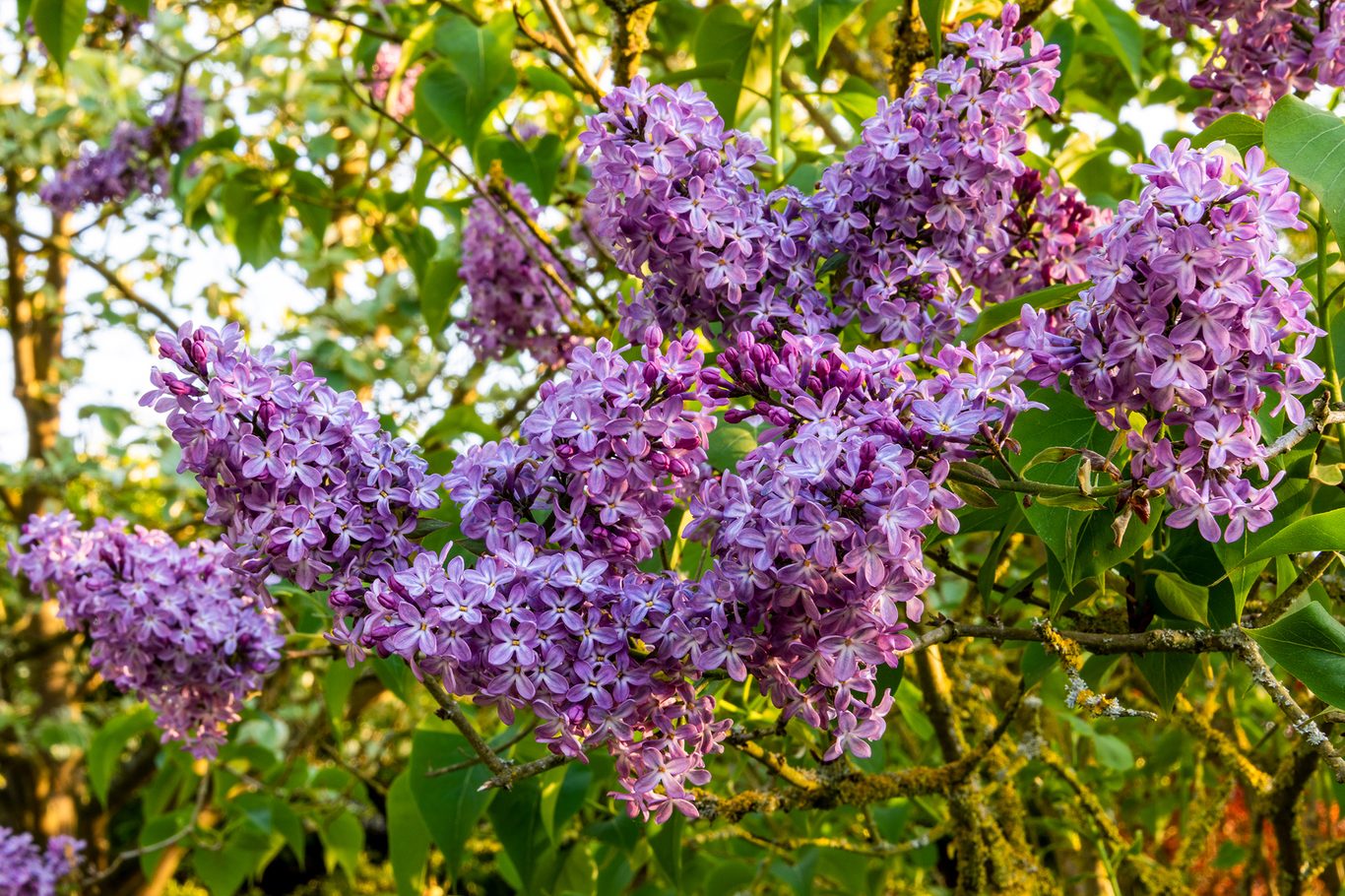
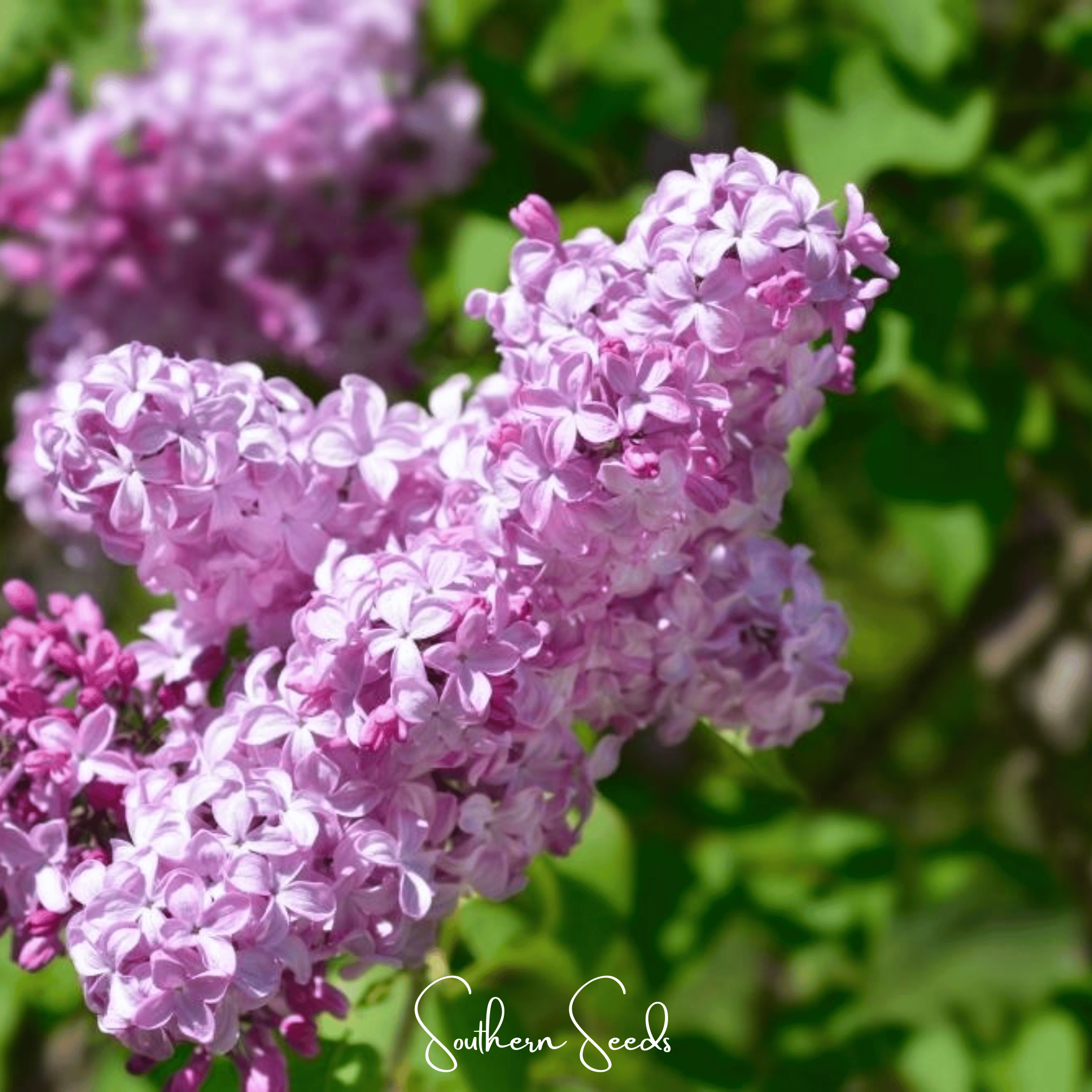
Double-flowered varieties like ‘President Grevy’ look like tiny roses. They add extra elegance to the shrub.
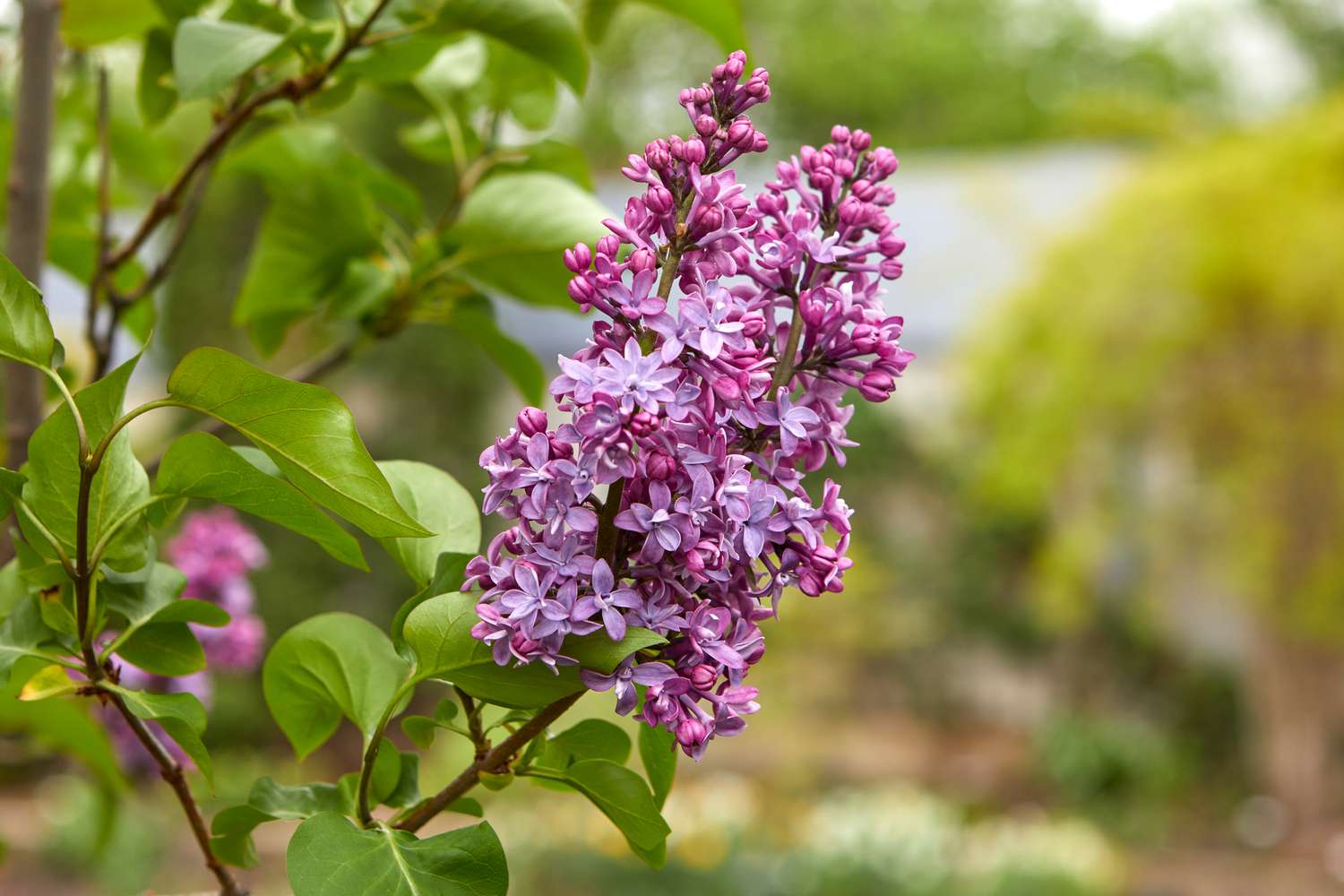
Fall foliage on some lilacs turns burgundy or gold. This gives your garden a second season of interest.
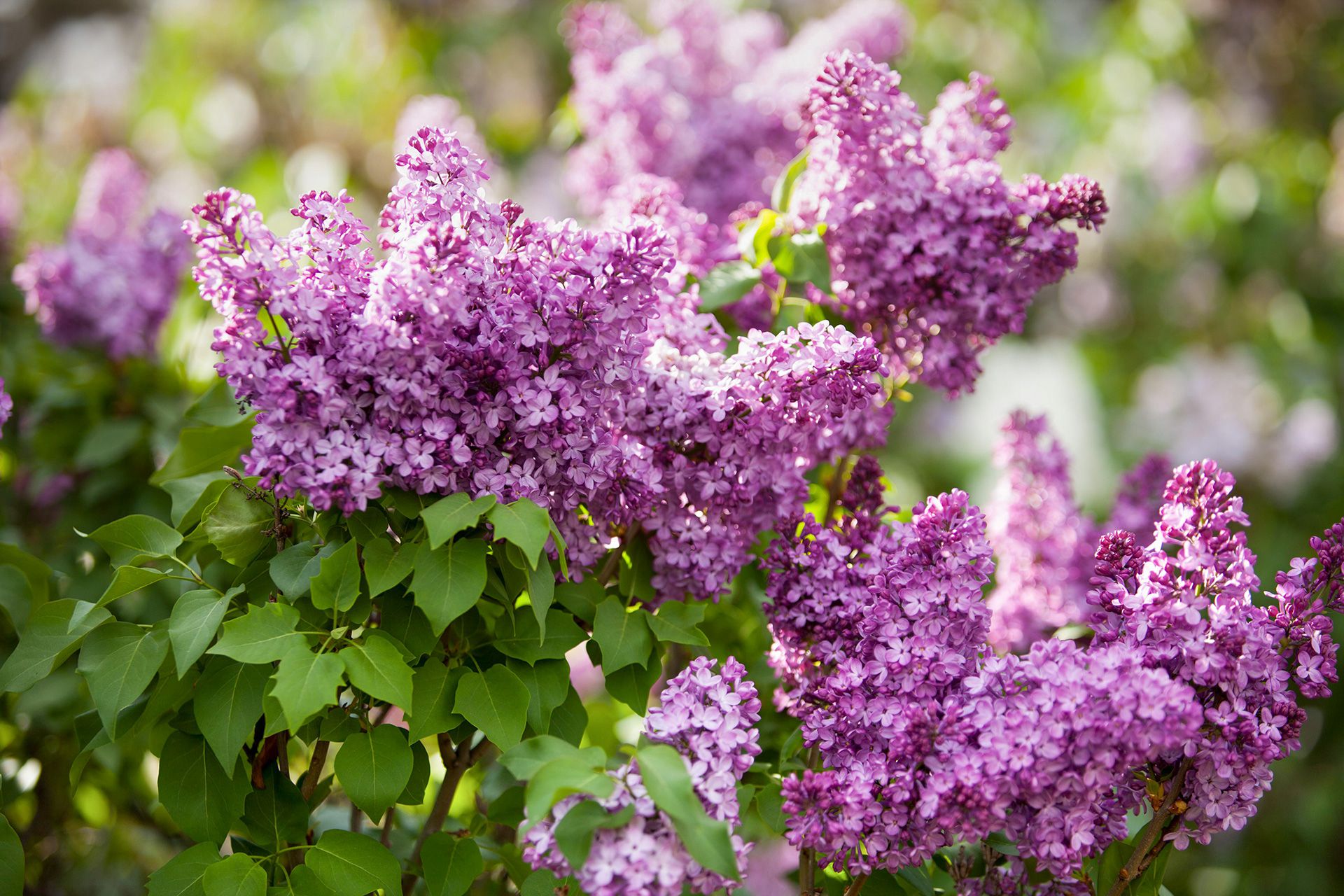
A row of lilacs makes a beautiful, fragrant hedge. Space them 6 feet apart for a solid screen.
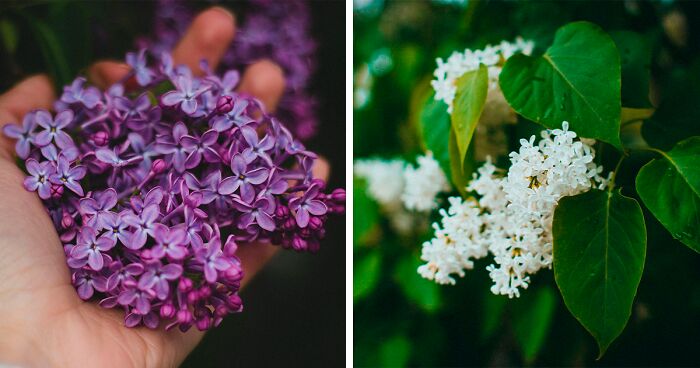
Lilac blooms last about two weeks in cool weather. Cut them early in the morning for longest vase life.
The bark of mature lilacs becomes gray and fissured. This adds winter interest to the landscape.
Reblooming lilacs like Bloomerang bloom again in late summer. You get two shows for the price of one.
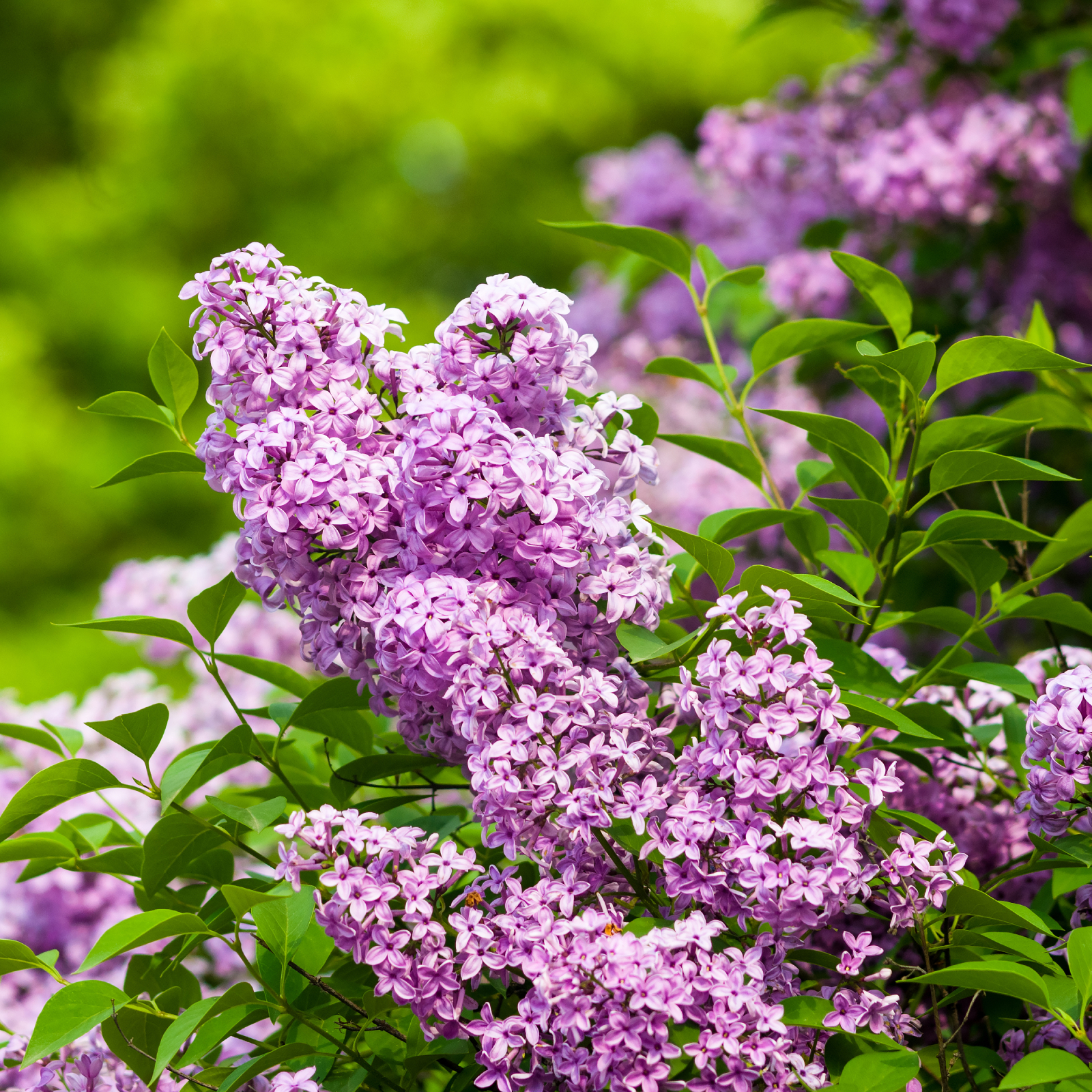
Lilacs pair beautifully with peonies and irises. Their bloom times overlap for a stunning spring display.
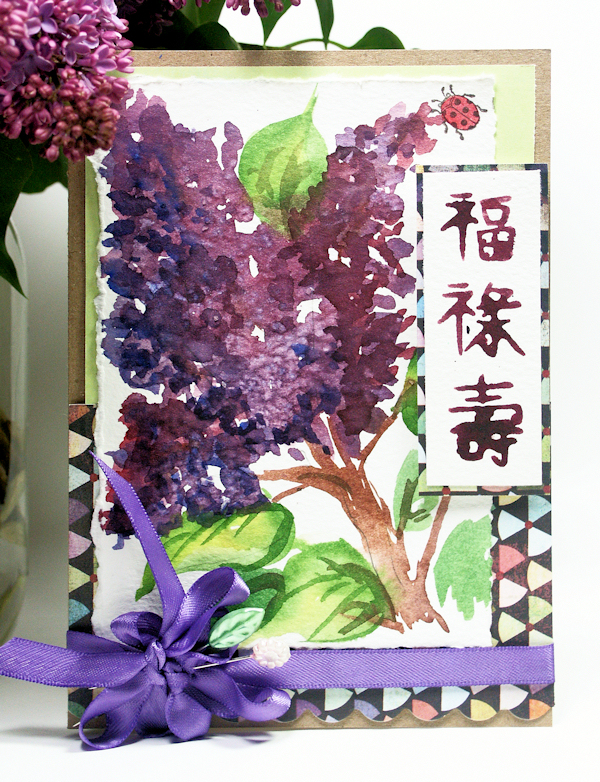
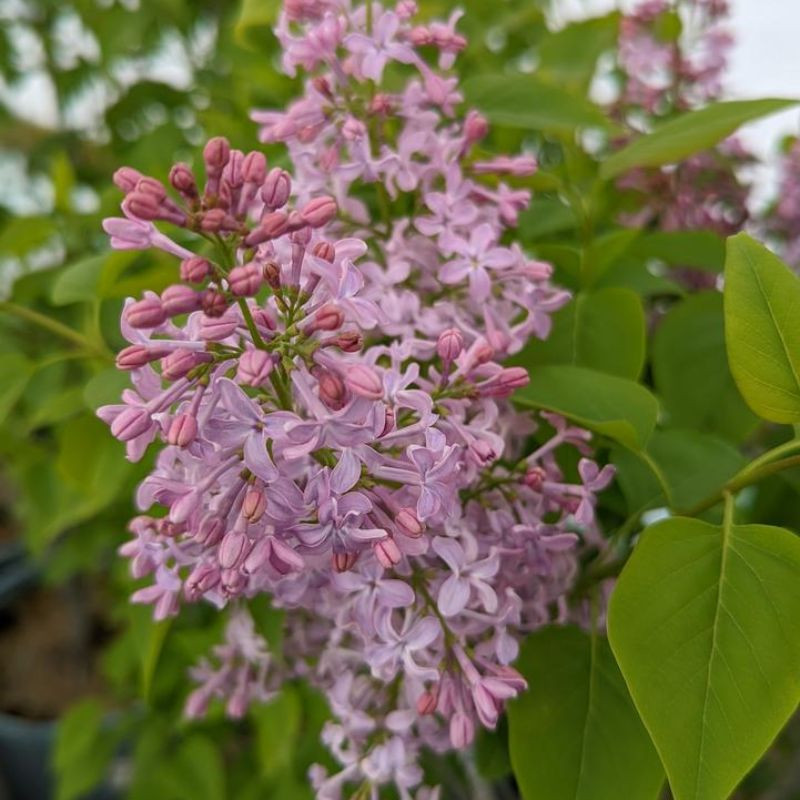
Close-up of lilac petals reveals a delicate star pattern. The texture is soft like velvet.
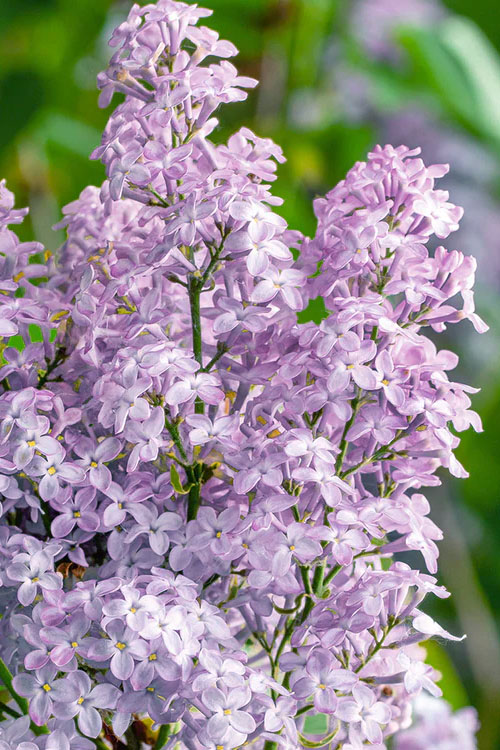
A single bloom cluster can hold dozens of tiny flowers. Each one contributes to the overall fragrance.
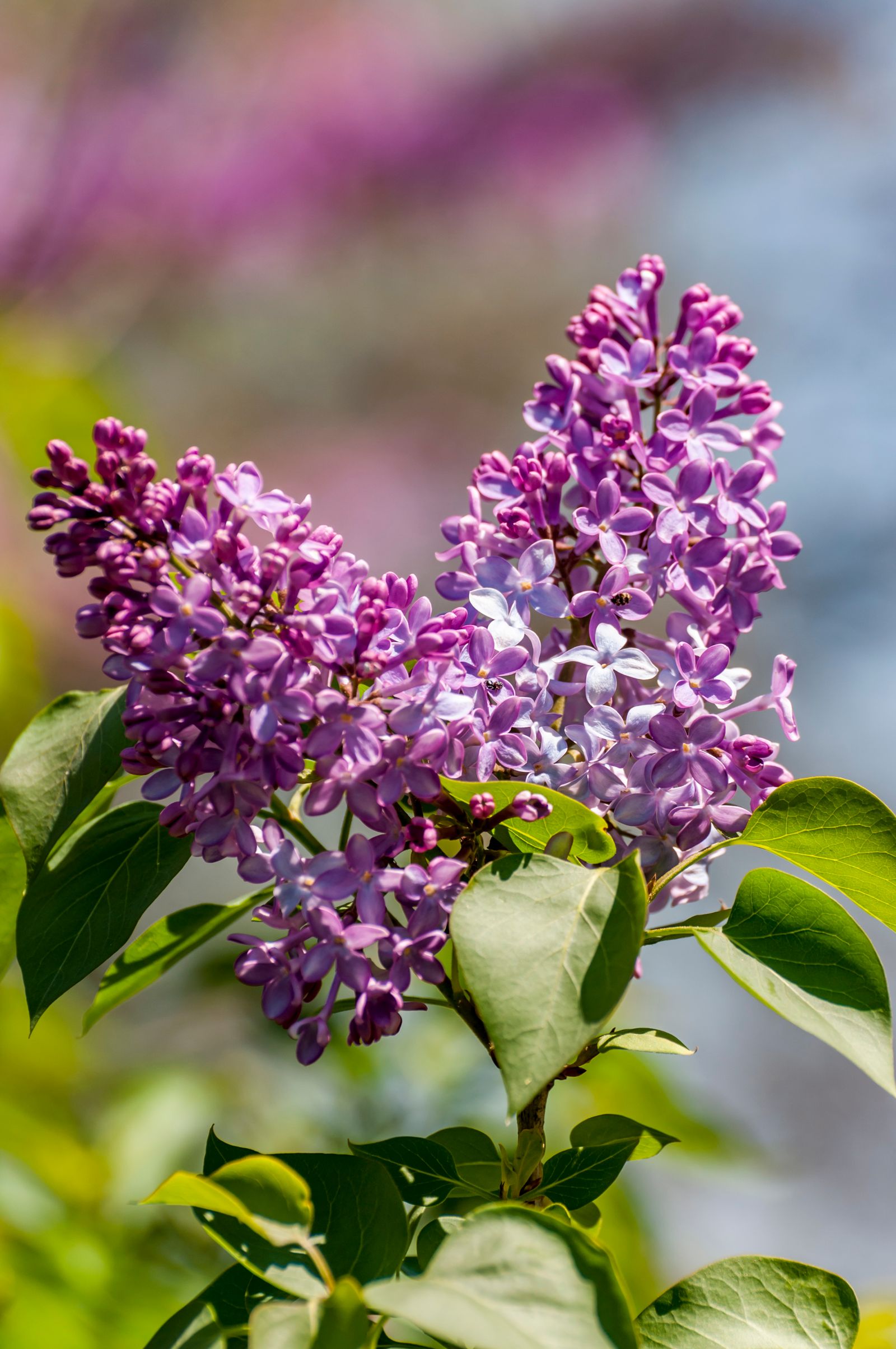
Morning dew on lilac leaves creates tiny beads of light. This is a sign of healthy, hydrated plants.
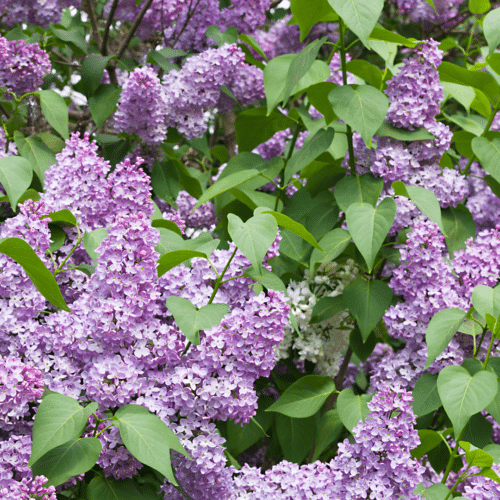
Lilac bushes in full bloom create a wall of color. The purple haze is stunning against a blue sky.
A vase of cut lilacs brings the garden indoors. The scent fills the whole room instantly.

Dwarf lilacs like ‘Miss Kim’ fit perfectly in small gardens. They offer big fragrance in a compact package.
Practical Tips for Growing Lilacs
Step-by-Step Guide to Planting Lilacs
Choose a spot with full sun and well-draining soil. Dig a hole twice as wide as the root ball and just as deep.
Place the shrub in the hole, backfill with native soil, and water thoroughly. Apply a 2-inch layer of mulch around the base, keeping it away from the stem.
What to Avoid When Growing Lilacs
Do not plant in shade or soggy soil—this leads to sparse blooms and root rot. Avoid heavy pruning in fall or winter, as you’ll cut off next year’s flower buds.
Never skip watering during the first two summers. Established lilacs are tough, but new ones need consistent moisture to build strong roots.
Maintenance Tips for Healthy Lilacs
Prune right after flowering to shape the shrub and remove spent blooms. This encourages vigorous growth and more flowers next season.
Fertilize lightly in early spring with a balanced, slow-release fertilizer. Too much nitrogen promotes leafy growth at the expense of blooms.
Frequently Asked Questions
Why didn’t my lilac bloom this year?
The most common reason is insufficient sunlight. Lilacs need at least 6 hours of direct sun daily to form flower buds.
Another cause is pruning too late in the season. Always prune immediately after flowering to avoid removing next year’s buds.
Can I grow lilacs in a pot?
Yes, choose a dwarf variety like ‘Miss Kim’ or Bloomerang and use a large container with drainage holes. Repot every 2-3 years to refresh the soil.
Potted lilacs need more frequent watering than in-ground plants, especially during hot weather. Ensure the pot is heavy enough to prevent tipping in wind.
When is the best time to plant lilacs?
Plant in early spring or fall when temperatures are mild. Avoid planting during extreme heat or when the ground is frozen.
Fall planting gives roots time to establish before winter. Spring planting should be done after the last frost date in your area.
Lilacs are a rewarding choice for any beginner gardener. With just a little care, they’ll reward you with fragrant blooms for decades.
Start with a compact variety like ‘Miss Kim’ to build confidence. Your garden will thank you with color and scent each spring.
Picture your yard filled with the sweet perfume of lilacs on a warm May evening. That vision is just a planting hole away.
