

You think renting a dumpster in New York City is as simple as calling a number and paying a flat fee? The truth is, hidden costs like permits and overage charges can double your bill if you are not careful. Knowing the real rules before you order will save you hundreds of dollars.
Most people do not realize that a permit is mandatory if your dumpster sits on a street or sidewalk, and the fee can range from $135 to $385. But if you place it on your own driveway, you can skip the permit entirely and keep more cash in your pocket.
Roll-Off Dumpster Rental: Sizes, Costs, and NYC Permit Rules
In 2026, a weekly dumpster rental in NYC typically runs between $440 and $1,085, which is higher than the national average due to local disposal fees and permit costs. The permit responsibility usually falls on the carting company or your general contractor, not you as the homeowner.
Standard dumpster sizes are measured in cubic yards: a 10-yard unit works for a bathroom remodel or garage cleanout, while a 20-yard is better for a kitchen renovation or multi-room purge. For major additions or demolition, you will need a 30- or 40-yard container, but watch the weight limits — exceeding the tonnage can cost you an extra $200 to $250 per ton.
Dumpster Rental in NYC: Your 2026 Guide to Waste Management
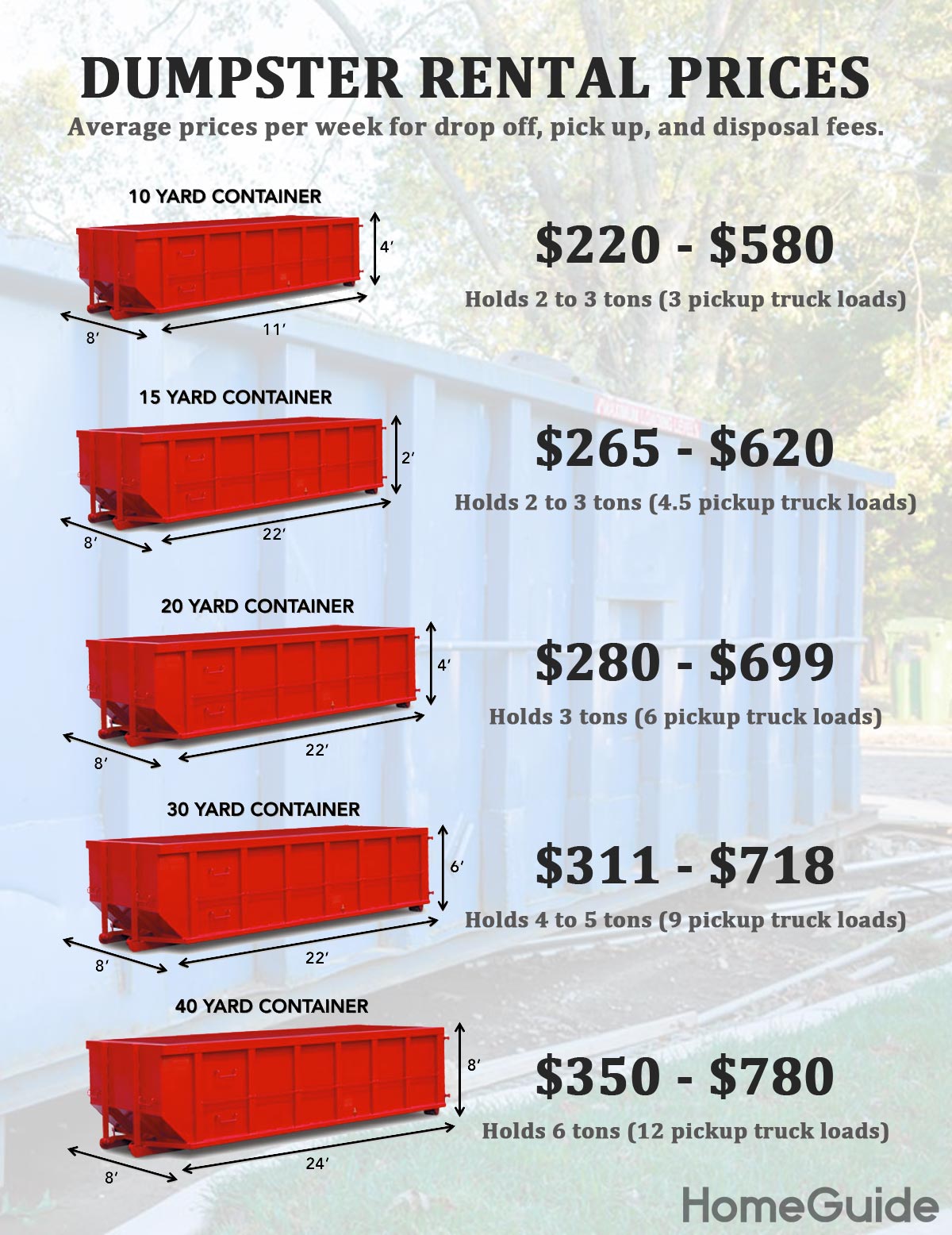
Renting a dumpster in New York City in 2026 requires careful planning. Costs can range from $440 to $1,085 weekly. This is higher than the national average. Higher permit and disposal fees in NYC drive these prices. Understanding your needs is key to managing waste effectively. This guide breaks down the essentials for successful roll-off dumpster rental.
| Factor | 2026 NYC Average |
| Weekly Rental Cost | $440 – $1,085 |
| Permit Fee (if required) | $135 – $385 |
| Overage Fee (per ton) | $200 – $250 |
Roll-Off Dumpster Rental for Construction Debris
Construction projects generate significant debris. A roll-off dumpster is essential for managing this waste. These large containers are delivered and picked up by specialized trucks. They are perfect for materials like concrete, wood, drywall, and metal. Proper construction debris disposal prevents site clutter and ensures safety. Always confirm the dumpster’s weight limit to avoid extra charges. Exceeding limits can cost $200-$250 per ton overage.
Residential Dumpster Rental: Sizes and Costs
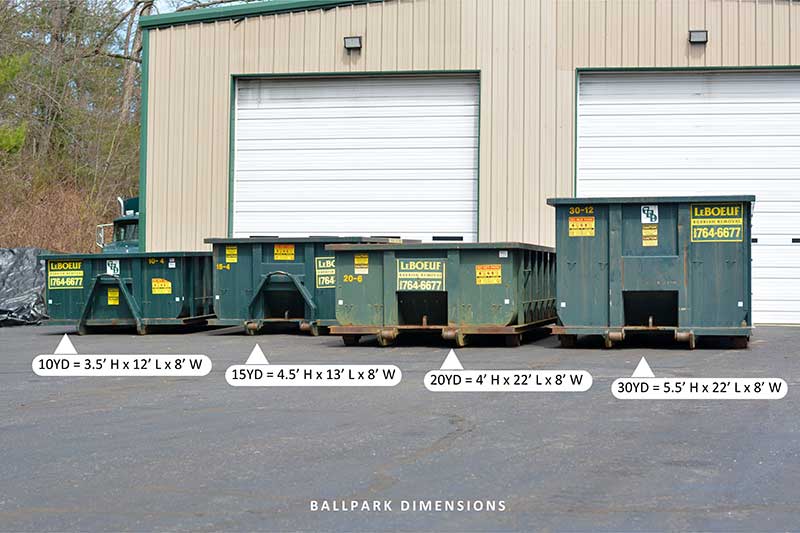
Homeowners often need dumpsters for cleanouts or renovations. A 10-yard dumpster is good for small projects like a bathroom remodel. For bigger jobs, like a kitchen renovation, a 20-yard is better. Costs vary based on size and rental duration. Expect to pay more for larger containers. Many companies offer residential dumpster rental. Always check what materials are accepted.
Commercial Dumpster Rental for Waste Management
Businesses require reliable waste management services. Commercial dumpsters are ideal for ongoing waste needs. They come in various sizes, from small bins to large roll-offs. Regular pickups ensure your business stays clean and efficient. Choosing the right size prevents overflow and extra fees. This service is crucial for maintaining a professional appearance. Discuss your needs with a provider for the best solution.
Temporary Dumpster Rental for Home Renovations
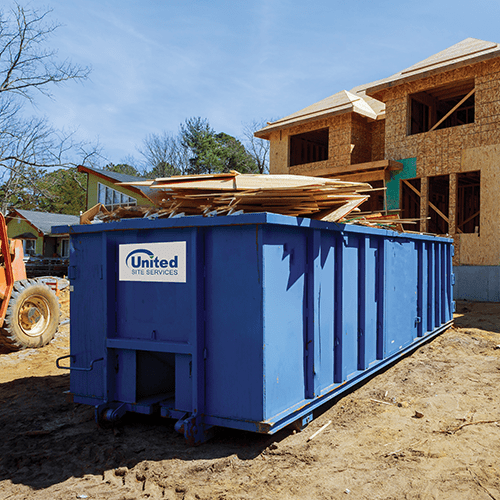
Home renovations create a lot of waste. A temporary dumpster rental keeps your project site tidy. For a garage cleanout, a 10-yard is often sufficient. Larger renovations, like adding a room, may need a 20 or 30-yard container. Planning ahead prevents delays. Ensure the dumpster fits in your driveway or designated area. This makes the junk removal process much smoother.
Dumpster Container Sizes: Choosing the Right Fit
Selecting the correct dumpster size is critical. A 10-yard container holds about 4 pickup truck loads. A 20-yard dumpster is suitable for larger projects. For major construction or demolition, consider 30 or 40-yard options. Overestimating can lead to paying for unused space. Underestimating means you might need a second rental. Visit dumpsters.com for size guides. This helps avoid costly mistakes.
NYC Dumpster Permits: Requirements and Process
In NYC, permits are often required for dumpsters on public property. This includes streets and sidewalks. The carting company or contractor usually handles permits. Permit fees can range from $135 to $385. If the dumpster stays on private property, like a driveway, a permit is typically not needed. Always verify local regulations. Atlas Roll Off Corp can assist with navigating these requirements. This step is vital for compliance.
Permits are a critical component of dumpster rentals in NYC. A permit is mandatory if a dumpster is placed on public property, such as a street or sidewalk.
Junk Removal vs. Dumpster Rental: Key Differences
Junk removal services typically handle smaller amounts of waste. They often come to your property, load the items, and leave. Dumpster rental provides a container for you to fill yourself. This is usually more cost-effective for larger volumes of debris. For extensive renovations or construction, a dumpster is generally the better choice. Consider the scale of your project when deciding.
Dumpster Rental Cost Factors and Estimates
The total dumpster rental cost depends on several factors. These include dumpster size, rental duration, and location. NYC’s permit fees and higher disposal costs increase the price. Weight limits are also important; exceeding them incurs significant overage fees. Always get a detailed quote. This should include all potential charges. Rapid Dumpsters offers flexible scheduling and competitive pricing. Check Angi for local cost estimates.
The Verdict: Smart Dumpster Choices for 2026
Choosing the right dumpster rental in NYC is about informed decisions. Understand your project’s waste volume and type. Factor in permit requirements and potential fees. Always compare quotes from reputable providers like Guardian Dumpster Rental. Proper planning ensures a smooth, cost-effective waste removal process. This approach saves time and money. Make a smart choice for your next project.
Your 3-Step Action Plan for Dumpster Rental in NYC
Step 1: Measure Your Project
- Estimate the volume of debris in cubic yards. A 10-yard dumpster fits about 3 pickup truck loads.
- Check weight limits: typical overage fees are $200-$250 per ton. Avoid heavy materials like concrete in large dumpsters.
Step 2: Choose Placement and Permits
- If the dumpster goes on a street or sidewalk, you need a permit costing $135-$385. Your carting company usually handles this.
- Place it on your driveway or private property to skip the permit entirely. Confirm with your provider.
Step 3: Compare Local Providers
- Contact at least three companies like Guardian Dumpster Rental, Rapid Dumpsters, or Atlas Roll Off Corp. Ask about all fees upfront.
- Book at least one week in advance. Confirm delivery date, drop-off location, and rental period in writing.
Frequently Asked Questions
Can I put a dumpster on the street without a permit in NYC?
No. You must have a permit from the NYC Department of Transportation if the dumpster is on public property. The carting company or contractor typically obtains it.
What happens if I exceed the weight limit?
You will be charged overage fees, usually $200 to $250 per ton. Always ask your provider about the weight allowance and avoid filling the dumpster with heavy debris like dirt or concrete.
How long can I keep a dumpster in NYC?
Most rentals are weekly, but you can extend for additional fees. Permits have a maximum duration, so check with your provider for your specific project timeline.
Choosing the right dumpster rental in NYC comes down to knowing your project size, permit needs, and local providers. With weekly costs between $440 and $1,085, planning ahead saves you money and hassle.
Now that you understand the basics, contact two or three companies for quotes. Compare their fees, permits included, and weight limits to make the best choice.
Imagine your renovation debris gone in one smooth pickup, leaving you with a clean space and a sense of accomplishment. That peace of mind is worth the careful planning.
