


You found a wild rabbit and your first instinct is to help. But doing the wrong thing can actually kill it. Wild rabbits are extremely fragile and can die from stress alone.
Before you act, you need to know the facts. Most ‘orphaned’ rabbits are not orphans at all. Mother rabbits only visit their nests twice a day to avoid predators. Your interference could be fatal.
Disclaimer: This article is for informational purposes only and does not constitute professional veterinary advice. Always contact a licensed wildlife rehabilitator for guidance.
How to tell if a wild rabbit really needs your help
The first step is to assess the rabbit’s size and behavior. A rabbit that is about 4 to 5 inches long, with open eyes and upright ears, is likely independent. If it can hop away from you, leave it alone.
Check for obvious injuries like bleeding or a broken leg. A rabbit that is lying on its side or not moving may be in shock. Capture myopathy is a real danger: the rabbit’s muscles break down from extreme stress, leading to kidney failure and death.
If you find a nest, do not assume it is abandoned. Use the ‘tic-tac-toe’ test: place two twigs in an X over the nest and check the next morning. If the X is disturbed, the mother has returned. If it is untouched for 24 hours, then you may need to step in.
Wild Rabbits in 2026: Understanding Their Needs
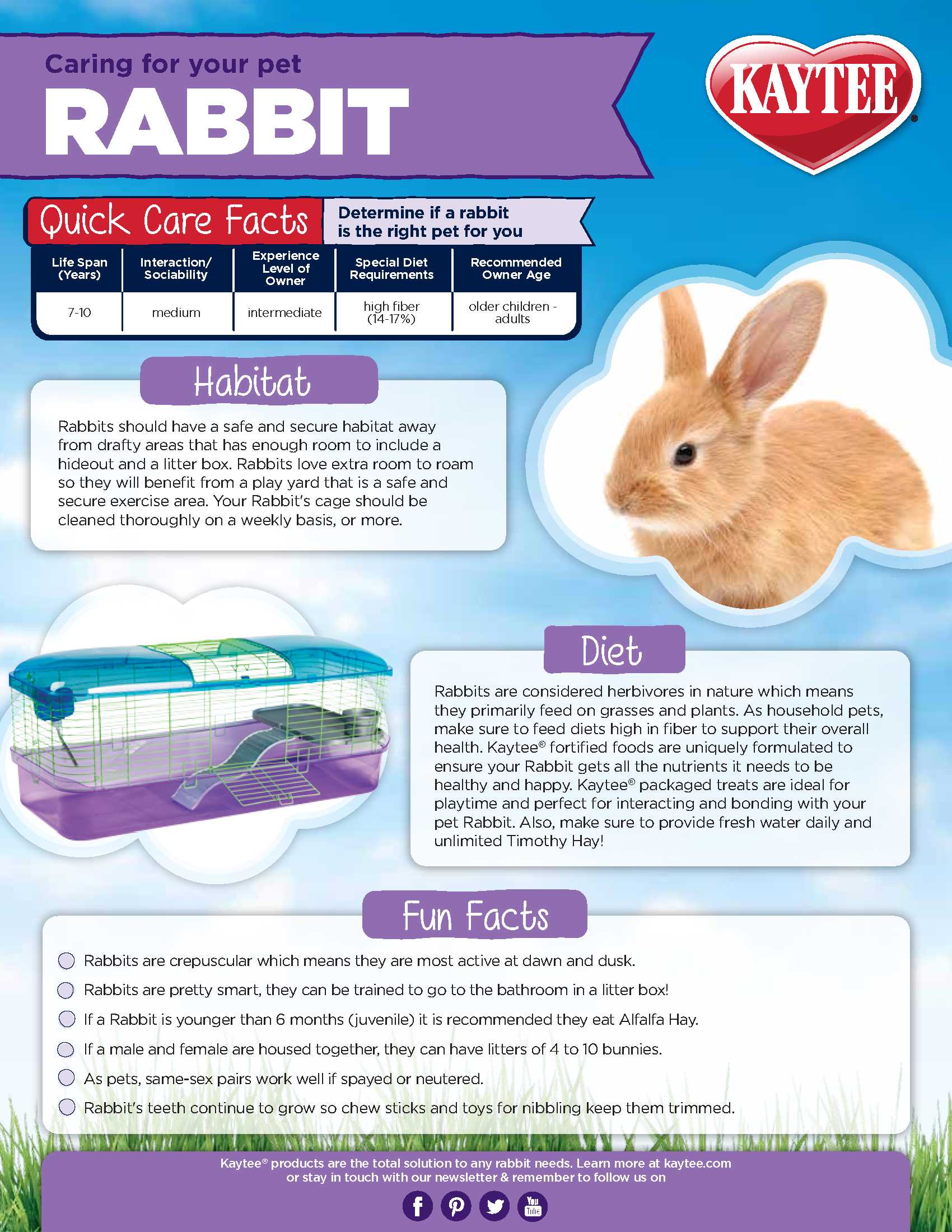
Encountering a wild rabbit can spark a desire to help. However, understanding their specific needs is critical for their survival. In 2026, our approach to wildlife should be informed by science and respect for their natural behaviors.
| Age/Size | Eyes | Ears | Mobility | Intervention Needed? |
| 4-5 inches (10-13 cm) | Open | Upright | Good hopping | No, independent |
How to Identify an Orphaned Wild Rabbit
Distinguishing an orphaned rabbit from one whose mother is temporarily away requires careful observation. Young rabbits, typically 4-5 inches long with open eyes and upright ears, are usually independent if they can hop well. Mother rabbits are cautious and visit their nests only briefly at dawn and dusk to avoid attracting predators.
A quiet nest does not automatically mean abandonment. The mother rabbit’s instinct is to protect her young by staying away when humans or predators are near. Observe from a distance before assuming the worst.
Immediate Care for a Found Wild Rabbit
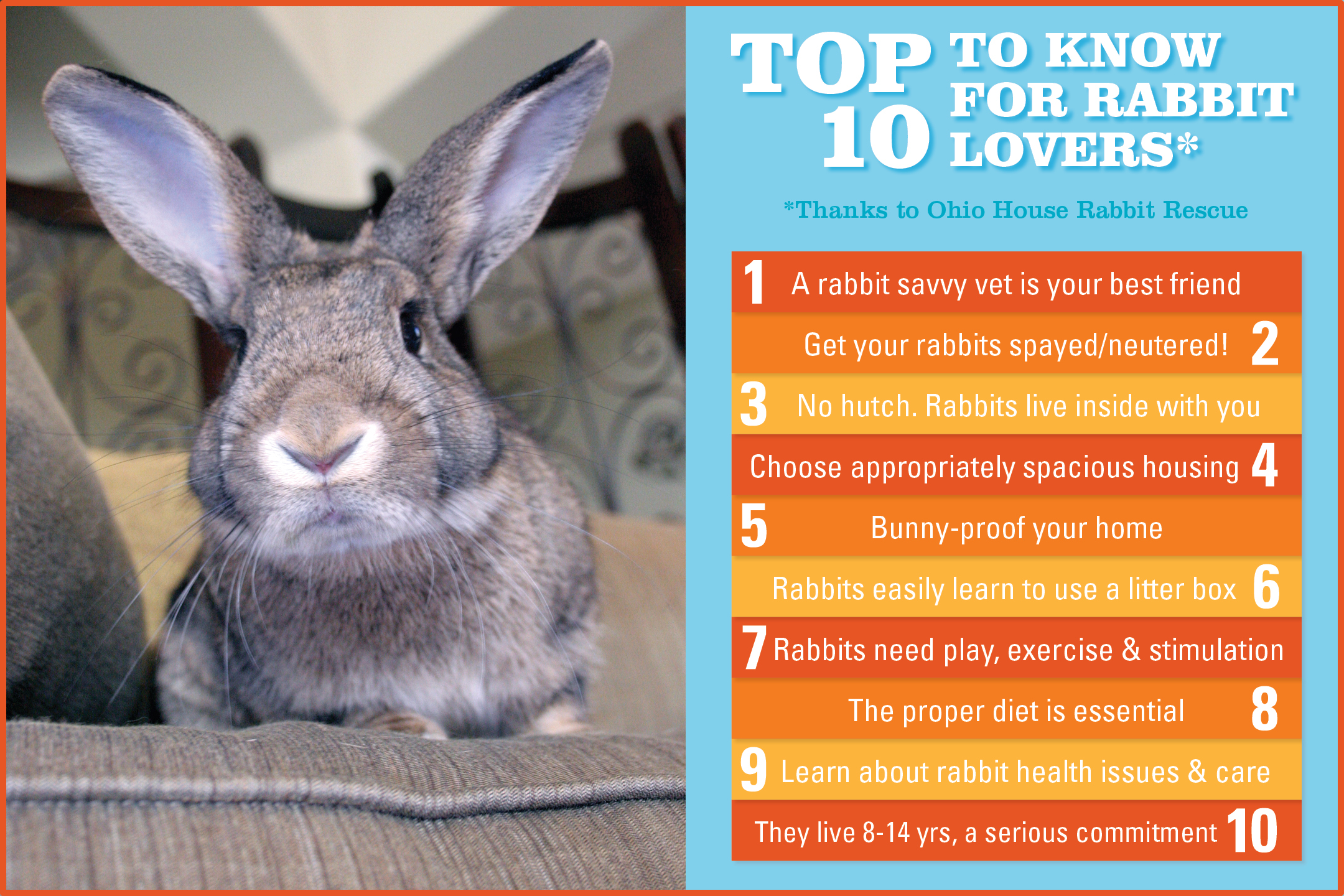
If you find a rabbit that appears truly in distress, the first step is to create a safe, temporary shelter. Contain the rabbit in a small, ventilated cardboard box lined with soft, thread-free rags. This minimizes stress and prevents injury from snagging.
Place the box in a warm, dark, and quiet location. Keep it away from pets and children, as noise and activity can be fatal. This quiet environment is crucial for their recovery.
What to Do with an Injured Wild Rabbit
For a visibly injured rabbit, immediate containment is necessary. The goal is to stabilize them until professional help arrives. Remember, human contact is extremely stressful for wild animals.
If the rabbit is cold, use a heating pad set to its lowest setting. Place it under only half of the box. This allows the rabbit to move away if it gets too warm, regulating its own temperature.
Proper Feeding for Baby Wild Rabbits
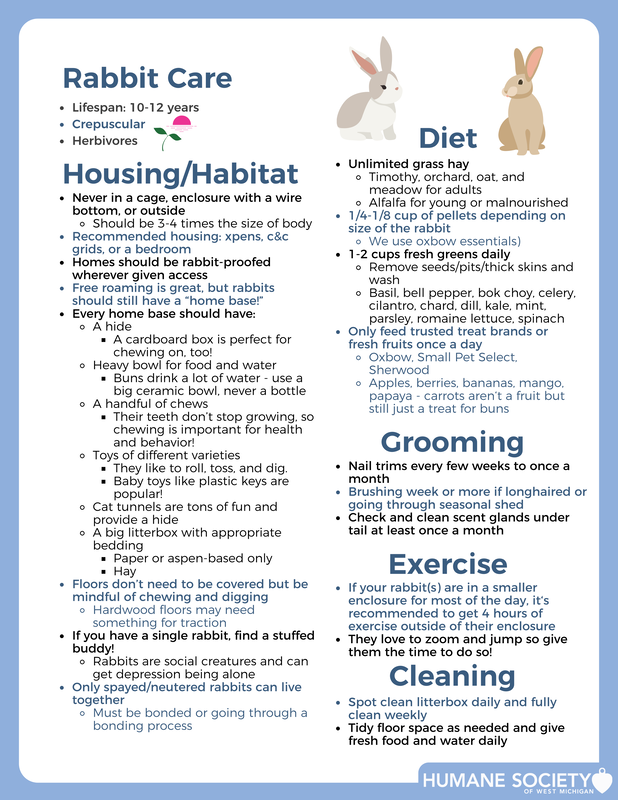
Feeding wild baby rabbits is complex and should only be done under professional guidance. An incorrect diet can cause fatal bloating or pneumonia. Never offer milk, bread, or lettuce, as these are harmful.
Professionals use specialized formulas and feeding techniques. Attempting to feed a wild rabbit without expertise can do more harm than good. Always consult a licensed rehabilitator for dietary advice.
Capture Myopathy: Risks and Prevention
Wild rabbits are extremely susceptible to capture myopathy. This is a stress-induced condition that can lead to fatal heart failure or metabolic shock. Even brief handling can trigger this response.
Minimizing all contact is the best prevention. Avoid touching, loud noises, or direct eye contact. Their wild nature means they perceive humans as a significant threat.
Legality of Keeping Wild Rabbits at Home
It is often illegal to keep wild animals, including rabbits, as pets without proper licensing. These animals have specific needs that are difficult to meet in a domestic setting.
Wildlife rehabilitation laws vary by state. Keeping a wild rabbit can result in legal penalties. Focus on getting them the expert help they need instead.
Wildlife Rehabilitation: When to Act
Contacting a licensed wildlife rehabilitator is essential for injured or orphaned rabbits. These professionals have the training and resources to provide proper care. They understand the delicate needs of wild animals.
You can find local rehabilitators through organizations like the National Wildlife Rehabilitators Association (NWRA) or The Humane Society. Providing your zip code helps locate the nearest expert.
How to Help a Wild Rabbit Without Interfering
The best way to help a wild rabbit is often to leave it alone. Observe from a safe distance to assess its condition. If it appears healthy and is not in immediate danger, intervention is unnecessary.
If you suspect a nest has been disturbed, you can use the ‘Tic-Tac-Toe’ test. Place twigs in an ‘X’ shape over the nest and check in the morning for signs of disturbance. This can help confirm if the mother has returned.
The Verdict on Wild Rabbit Care
Our responsibility in 2026 is to protect wild rabbits by understanding their natural behaviors and needs. Minimal interference is key to their survival, especially due to the risk of capture myopathy.
Always prioritize contacting licensed wildlife rehabilitators for any animal that appears truly sick, injured, or orphaned. Their expertise ensures the best chance for a successful return to the wild. Learn more about caring for orphaned rabbits at rabbit.org and find help through mywildliferescue.org.
Quick Action Plan for a Wild Rabbit Encounter
Step 1: Stop and Observe
Before you do anything, stop and watch the rabbit from a distance.
If the rabbit is fully furred, with open eyes and upright ears, it is likely independent.
Step 2: Assess the Situation
Check for signs of injury, such as blood, limping, or flies around the rabbit.
If the rabbit is a nestling, use the Tic-Tac-Toe test to see if the mother returns.
Step 3: Act Only if Necessary
Only intervene if the rabbit is injured, cold, or clearly orphaned.
Place it in a warm, dark box and contact a licensed wildlife rehabilitator immediately.
What to Avoid
- Never feed or water a wild rabbit without professional advice.
- Avoid handling the rabbit more than necessary.
- Do not bring the rabbit inside your home or near pets.
Frequently Asked Questions
How can I tell if a wild rabbit is truly orphaned?
Mother rabbits only visit the nest at dawn and dusk, so a quiet nest is normal.
Use the Tic-Tac-Toe test to confirm maternal care before assuming abandonment.
Is it safe to give water to a dehydrated wild rabbit?
No, giving water can cause aspiration pneumonia or bloating.
Only a licensed rehabilitator should provide fluids to a stressed rabbit.
Can I keep a wild rabbit as a pet?
It is illegal in most states without a permit, and wild rabbits do not adapt to captivity.
Their stress response can be fatal, so professional rehabilitation is always best.
Your instinct to help is admirable, but remember that wild rabbits are resilient and often need no interference.
By following these guidelines, you ensure the best chance for the rabbit’s survival.
Now that you know the basics, explore our species-specific care sheets for more details.
Knowledge is the first step to responsible wildlife stewardship.
Imagine a world where every wild rabbit encounter leads to a positive outcome.
Your informed actions today shape a safer future for these delicate creatures.
