

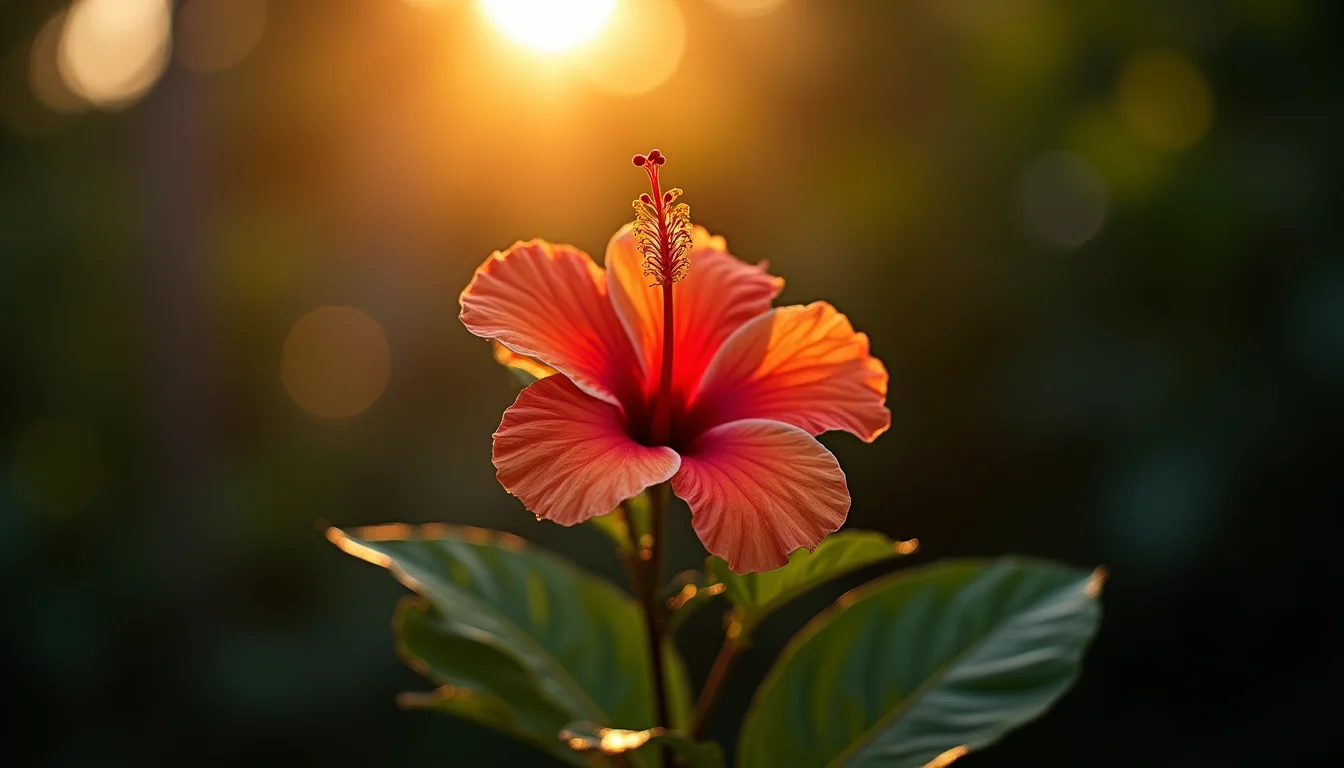
If you have ever watched a hibiscus bloom drop off the plant the day after it opened, you are not alone. That is completely normal for tropical hibiscus, but many people think they killed the plant. This one fact changes how you care for your hibiscus.
Hibiscus flowers are built to last only one day, but the plant keeps producing new buds for months. The real problem starts when the buds fall off before they even open. That is a sign of stress, often from too little water or a sudden temperature change.
Hibiscus Varieties and How to Choose the Right One for Your Yard or Home
There are two main types of hibiscus: tropical and hardy. Tropical hibiscus (Hibiscus rosa-sinensis) needs warm weather year-round and is only hardy in USDA zones 9 to 11. Hardy hibiscus (Hibiscus moscheutos) can survive winter in zones 4 to 9, even down to -30 degrees Fahrenheit.
If you live in a cold climate, you can still grow tropical hibiscus in a pot and bring it indoors when temperatures drop below 50 degrees. Hardy hibiscus, also called rose mallow, dies back to the ground each winter and comes back in spring with huge dinner-plate-sized blooms up to 12 inches across.
Another popular option is Rose of Sharon (Hibiscus syriacus), a deciduous shrub that works great as a hedge. It blooms in late summer with smaller flowers and is hardy in zones 5 to 9. For indoor plants, stick with tropical varieties like the ones you see at big-box stores labeled ‘hibiscus’ in the houseplant section.
Hibiscus: Your Blooming Guide for 2026
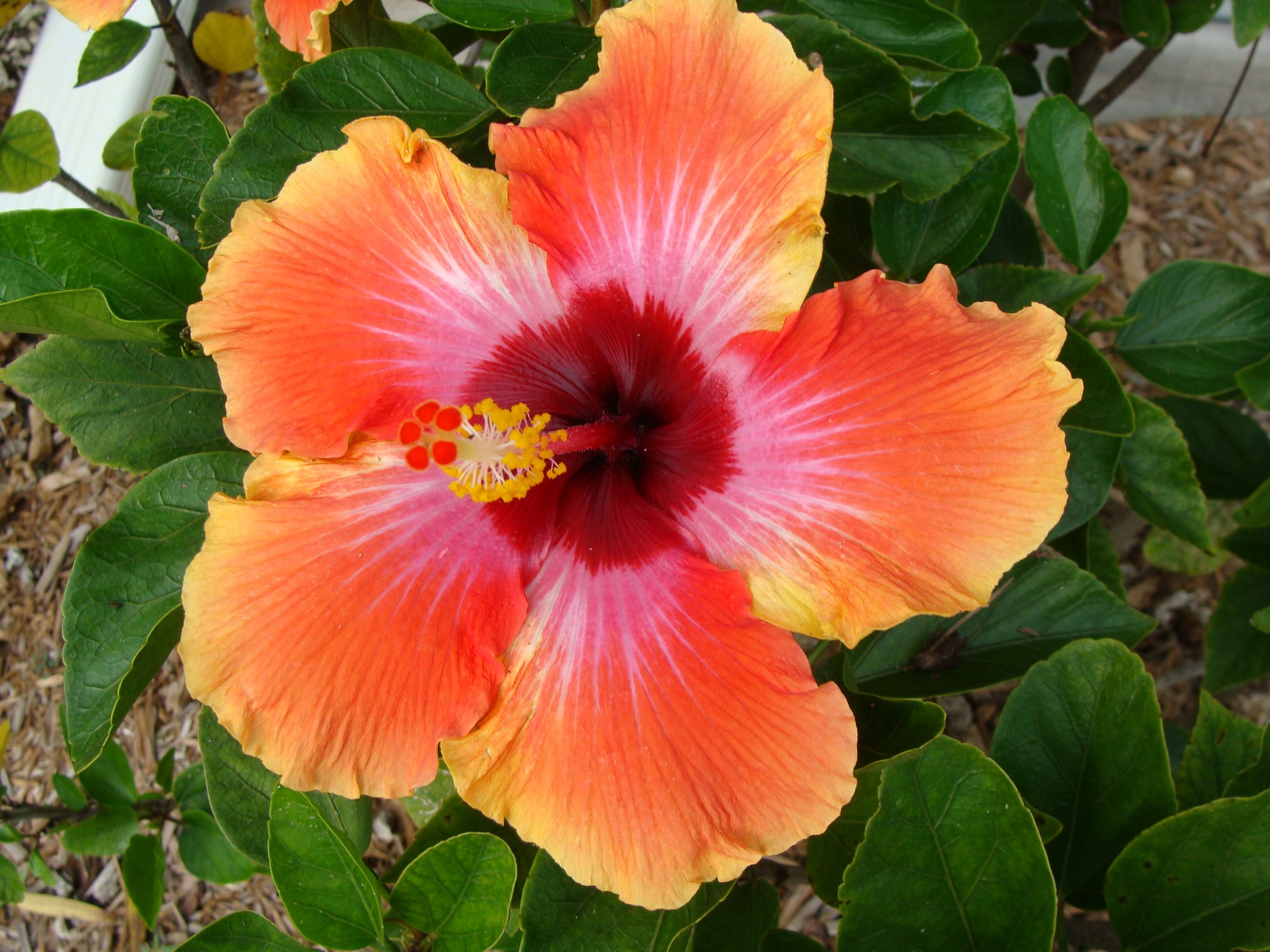
Hibiscus plants bring vibrant color and beauty to any home or garden. These flowering plants are known for their large, eye-catching blooms. They come in many shapes and sizes, from small shrubs to large trees. You can find them in almost any color imaginable. This guide will help you choose, care for, and even use hibiscus for its health benefits. Let’s explore the world of hibiscus.
| Type | USDA Zones | Bloom Size | Key Features |
| Tropical Hibiscus | 9-11 | 4-6 inches | Large, showy flowers, needs frost protection. |
| Hardy Hibiscus | 4-9 | 10-12 inches | Tolerates cold, large perennial blooms. |
| Rose of Sharon | 5-9 | 3-4 inches | Deciduous shrub, good for hedges, cold-hardy. |
Hibiscus Care Mistakes to Avoid
Many gardeners make common errors that harm their hibiscus plants. One frequent mistake is overwatering. Hibiscus needs consistent moisture, but its roots should never sit in soggy soil. This can lead to root rot, a serious problem for any plant.
Another common issue is insufficient sunlight. Most hibiscus varieties need at least six hours of direct sun daily to thrive and produce abundant flowers. Planting them in shady spots will result in fewer blooms and leggy growth. Also, avoid planting in soil that doesn’t drain well. Good drainage is crucial for healthy roots.
Forgetting to fertilize can also stunt growth. Hibiscus are heavy feeders, especially during their blooming season. Use a balanced, slow-release fertilizer to provide consistent nutrients. Lastly, remember that tropical types need winter protection. Bringing them indoors before the first frost is essential for their survival.
Tropical Hibiscus Care Tips
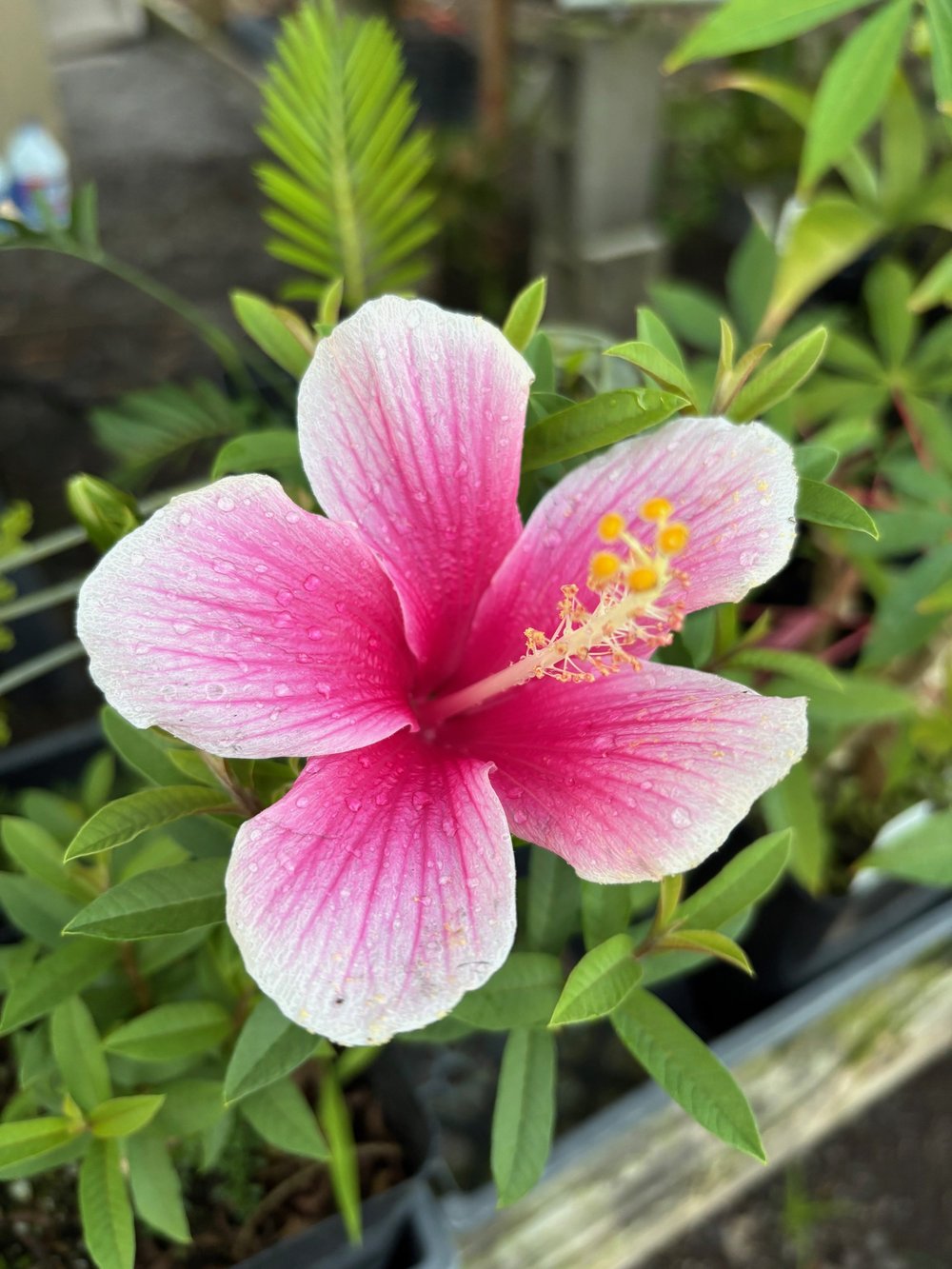
Tropical hibiscus, like *Hibiscus rosa-sinensis*, are stunning but require specific care. They flourish in warm climates, typically USDA zones 9 through 11. These plants love full sun, needing at least six hours of direct sunlight each day for the best blooms. Ensure they are planted in well-draining soil to prevent waterlogged roots.
Consistent watering is key; keep the soil moist but not saturated. During the growing season, feed your tropical hibiscus with a balanced, slow-release fertilizer. This supports continuous blooming and healthy foliage. Watch out for common pests like aphids and spider mites, and treat them promptly.
Since tropical hibiscus cannot tolerate frost, you must protect them when temperatures drop below 50°F (10°C). This often means moving potted plants indoors to a sunny location or providing a protective cover outdoors in marginal zones. Proper care ensures these beauties will bloom all season long.
Hardy Hibiscus Planting Guide
Hardy hibiscus, such as *Hibiscus moscheutos* (Rose Mallow), are a fantastic choice for colder climates, thriving in USDA zones 4-9. These perennials can withstand freezing temperatures, returning year after year. They produce impressively large flowers, sometimes up to 10-12 inches across.
Choose a planting location that receives full sun, at least six hours daily. Hardy hibiscus prefers moist, well-drained soil. Dig a hole twice as wide as the plant’s root ball and just as deep. Gently place the plant in the hole, backfill with soil, and water thoroughly.
These plants benefit from a spring feeding with a balanced fertilizer as new growth emerges. Mulching around the base helps retain soil moisture and suppress weeds. Even though they die back in winter, they are incredibly resilient and will surprise you with spectacular blooms each summer.
Hibiscus Varieties and Their Colors
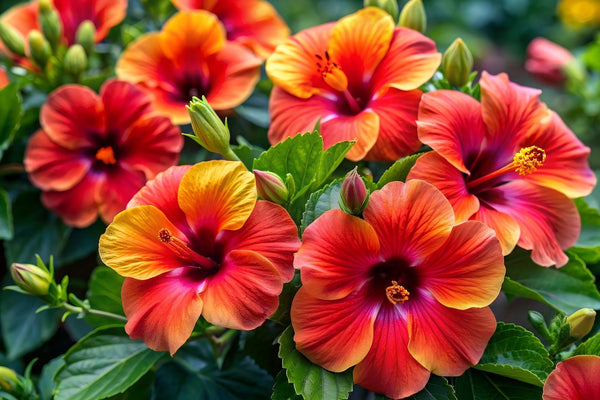
The *Hibiscus* genus offers a dazzling array of species and cultivars. Tropical hibiscus varieties are famous for their vibrant, often exotic-looking flowers in shades of red, pink, orange, and yellow. Some popular tropical types have ruffled petals or striking color combinations.
Hardy hibiscus presents enormous blooms, often in shades of pink, red, and white, sometimes with a contrasting eye. Cultivars like ‘Summerific Berry Awesome’ showcase exceptionally large flowers. Rose of Sharon (*Hibiscus syriacus*) is a deciduous shrub that offers a more delicate beauty, with flowers in paler shades of pink, purple, and white, and some unique blue-tinged varieties.
The sheer diversity means there’s a hibiscus for almost any landscape or container garden. Consider the mature size of the plant and its specific climate needs when selecting. The range of hibiscus flower colors is truly astounding.
Medicinal Benefits of Hibiscus Tea
Beyond their ornamental value, certain hibiscus species offer significant health benefits, most notably *Hibiscus sabdariffa*, also known as Roselle. The calyx of this plant is used to make a popular herbal tea, celebrated for its tart flavor and rich antioxidant content. These antioxidants, including anthocyanins and vitamin C, help protect your body from cell damage.
Drinking hibiscus tea has been linked to several positive health outcomes. Its consumption is associated with a modest reduction in blood pressure and may support weight management efforts. The tea is also recognized for its potential to promote liver health and protect against certain toxins. This makes it a beneficial addition to a healthy lifestyle.
However, it is important to be aware of potential contraindications. Pregnant individuals should avoid hibiscus tea. Those taking certain medications, like some blood pressure drugs or chloroquine, should consult their doctor before consuming it regularly due to possible interactions. Always check with a healthcare provider if you have concerns.
Hibiscus for Blood Pressure Control
Research indicates that regular consumption of hibiscus tea may contribute to managing blood pressure levels. Studies suggest that hibiscus can lead to a modest but significant reduction in both systolic and diastolic blood pressure. This effect is attributed to compounds within the hibiscus plant that may act as natural diuretics and ACE inhibitors.
The antioxidants present in hibiscus tea also play a role in cardiovascular health. They help combat inflammation and oxidative stress, both of which are linked to heart disease. Incorporating hibiscus tea into your daily routine can be a simple, natural way to support your heart health alongside conventional medical advice.
While promising, hibiscus tea is not a substitute for prescribed medication. It should be seen as a complementary approach. If you are monitoring your blood pressure, discuss adding hibiscus tea with your doctor to ensure it fits safely with your current treatment plan.
Growing Hibiscus Indoors Successfully
Bringing the beauty of hibiscus indoors is possible, especially for tropical varieties. Success hinges on providing the right conditions. Choose a bright location, such as a south-facing window, where the plant can receive ample sunlight, ideally six hours or more per day.
Maintain consistent moisture in the soil, watering when the top inch feels dry. Avoid letting the plant sit in water. Good air circulation is also important to prevent fungal issues. You may need to mist the plant occasionally, especially in dry indoor environments.
Fertilize your indoor hibiscus during its active growing period with a diluted liquid fertilizer. Watch for common indoor pests like spider mites and mealybugs. Regular inspection and prompt treatment are crucial for keeping your indoor hibiscus healthy and blooming. This is a key aspect of tropical hibiscus care.
Rose of Sharon Hibiscus Overview
Rose of Sharon (*Hibiscus syriacus*) is a hardy, deciduous shrub that offers reliable blooms in zones 5-9. It’s a popular choice for landscapes, often used for hedges or as a specimen plant. Its upright growth habit and tolerance for a range of conditions make it quite versatile.
The flowers of Rose of Sharon are typically 3-4 inches wide and come in various colors, including white, pink, lavender, and sometimes a rare blue. The plant blooms from mid-summer into fall, providing color when many other plants are fading. It prefers full sun but can tolerate partial shade.
This hibiscus variety is relatively low-maintenance. It benefits from annual pruning to maintain shape and encourage flowering. Ensure good air circulation and well-drained soil for the healthiest growth. It’s a robust and rewarding plant for many garden settings.
The Enduring Appeal of Hibiscus
Hibiscus plants continue to be a favorite for good reason. Their stunning flowers and diverse forms offer something for everyone. Whether you are looking for a tropical splash of color or a hardy perennial for cooler climates, there is a hibiscus for you.
The trend in 2026 is towards sustainable gardening and natural wellness. Hibiscus fits perfectly into both. Its ease of care for many varieties and the health benefits of its tea align with these growing interests. Consider adding these beautiful plants to your home.
My expert recommendation is to start with a variety suited to your climate. For beginners, hardy hibiscus or Rose of Sharon are excellent choices. Pay attention to sunlight and watering needs. With a little care, your hibiscus will reward you with spectacular blooms year after year. Explore the many hibiscus varieties available and find your perfect match.
Your 3-Step Action Plan for Stunning Hibiscus
Start with the right variety for your zone. Tropical hibiscus loves warm climates, while hardy types survive freezing winters.
Step 1: Choose Your Spot
- Give your hibiscus at least 6 hours of direct sun daily. More sun means more blooms.
- Pick a spot with well-drained soil that stays moist but never soggy.
Step 2: Water and Feed Consistently
- Water deeply when the top inch of soil feels dry. During hot spells, check daily.
- Fertilize with a balanced slow-release formula every 4 to 6 weeks in spring and summer.
Step 3: Protect from Cold
- Bring tropical hibiscus indoors when temps drop below 50°F. Place in a bright window.
- Hardy hibiscus can stay outside year-round in zones 4-9. Cut stems back in late fall.
Frequently Asked Questions
Why are my hibiscus leaves turning yellow?
Yellow leaves often mean too much water or poor drainage. Let the soil dry slightly between waterings.
Can I grow hibiscus in a pot?
Yes, container growing works well for tropical varieties. Use a pot with drainage holes and a light potting mix.
How do I get more flowers on my hibiscus?
Prune lightly in early spring to encourage branching. Remove spent blooms to redirect energy into new buds.
Hibiscus is a rewarding choice for gardeners of all skill levels. With the right care, you’ll enjoy massive, colorful blooms season after season.
Now pick your favorite variety and get planting. Your garden will thank you with a tropical vibe that lasts.
Imagine sipping iced tea under a canopy of dinner-plate flowers. That future is just a few steps away.
