


You want a flower that stops people in their tracks, something so big it feels unreal. But most large blooms are either rare in the wild or need special care.
Big flowers aren’t just about size—they make a statement. Whether you’re after a dinner-plate dahlia or a giant sunflower, the right choice can transform your garden without breaking the bank.
Giant flowers for your garden: dinner-plate dahlias and more
In 2026, the trend for oversized blooms is stronger than ever. Dinner-plate dahlias like ‘Café au Lait’ can reach 10 inches across, while giant sunflowers such as ‘Mongolian Giant’ grow 14 feet tall with 18-inch flower heads.
These plants are easy to find at any garden center. A pack of dahlia tubers costs around $15, and sunflower seeds are under $5. Just give them full sun and rich soil, and you’ll get show-stopping flowers all season.
Giant Flowers That Defy Expectations
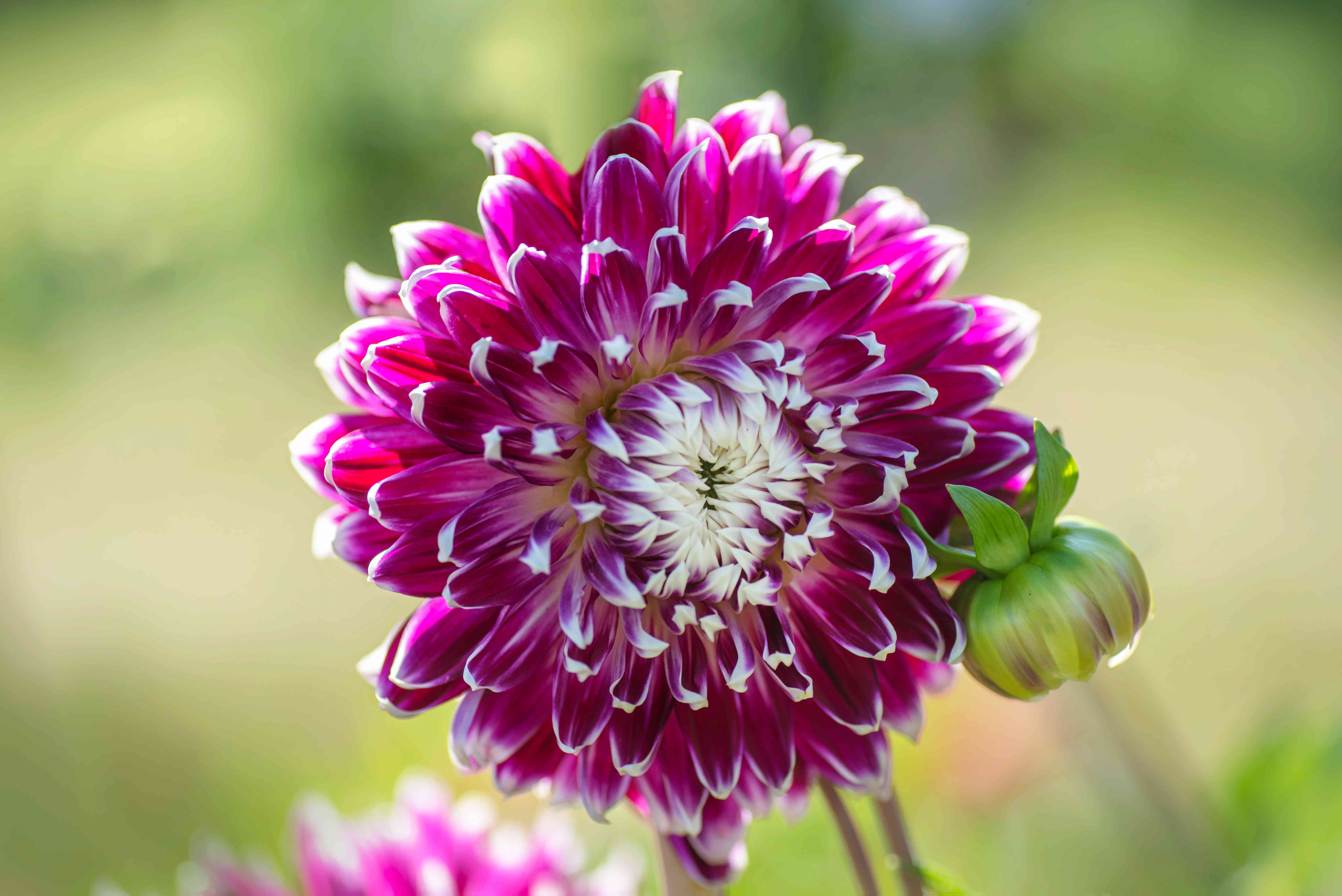
These oversized blooms bring dramatic scale to any setting. They create a powerful visual statement, transforming ordinary spaces into extraordinary ones.
‘Midnight Marvel’ Hibiscus Blooms
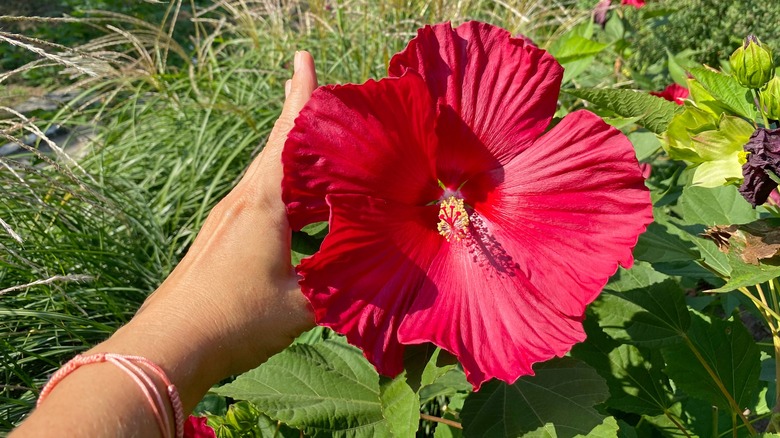
This variety offers deep red, dinner-plate flowers reaching up to 12 inches across. It thrives in full sun and well-drained soil, bringing tropical flair.
‘Mongolian Giant’ Sunflower Heads
Expect massive flower heads, sometimes 18 inches wide, atop stalks that can reach 14 feet. These giant sunflower varieties need ample space and direct sunlight.
Read also: 53 Strap Leaf Anthurium Care Tips for Lush, Long Leaves
Dinner-Plate Dahlia Varieties
These dahlias present huge, intricate blooms in a wide array of colors. They require staking for support due to their substantial size and weight.
‘Lord Baltimore’ Hibiscus
Known for its large, vibrant pink flowers, this hibiscus adds bold color. It prefers moist soil and consistent watering for optimal growth and bloom size.
Record-Breaking Blooms Around the World
Nature offers some truly astonishing floral specimens that capture attention. These largest flowers in the world showcase the incredible diversity of plant life.
Rafflesia arnoldii
This is the largest individual flower on Earth, capable of reaching over 3 feet in diameter. It is a parasitic plant found in Southeast Asian rainforests.
Read also: 42 Fall Mantel Decor Ideas for a Cozy Home on Any Budget
Titan Arum Inflorescence
The Titan Arum produces the largest unbranched flower cluster, often reaching up to 8 feet tall. Its blooming cycle is infrequent, occurring only every few years.
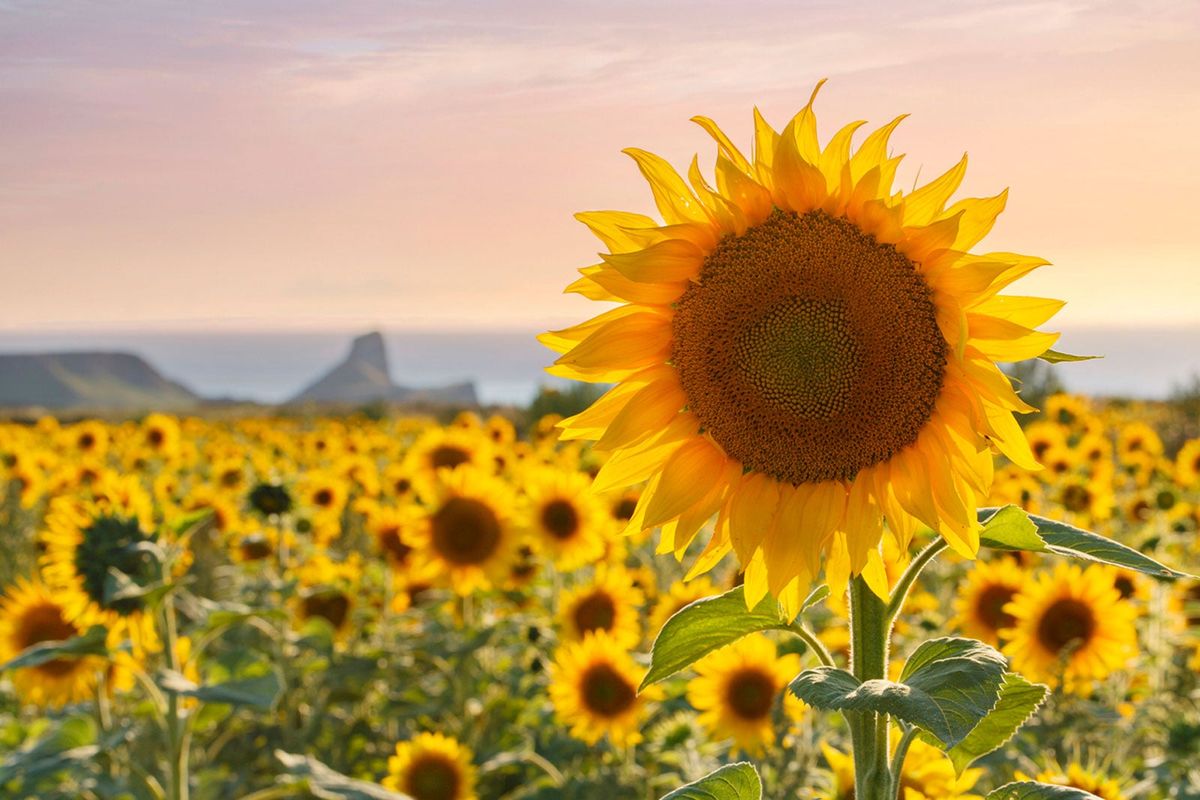
Giant Sunflower Cultivars
Specific cultivars are bred for impressive size, with flower heads spanning up to 18 inches. These annual flowers are a garden favorite for their dramatic presence.
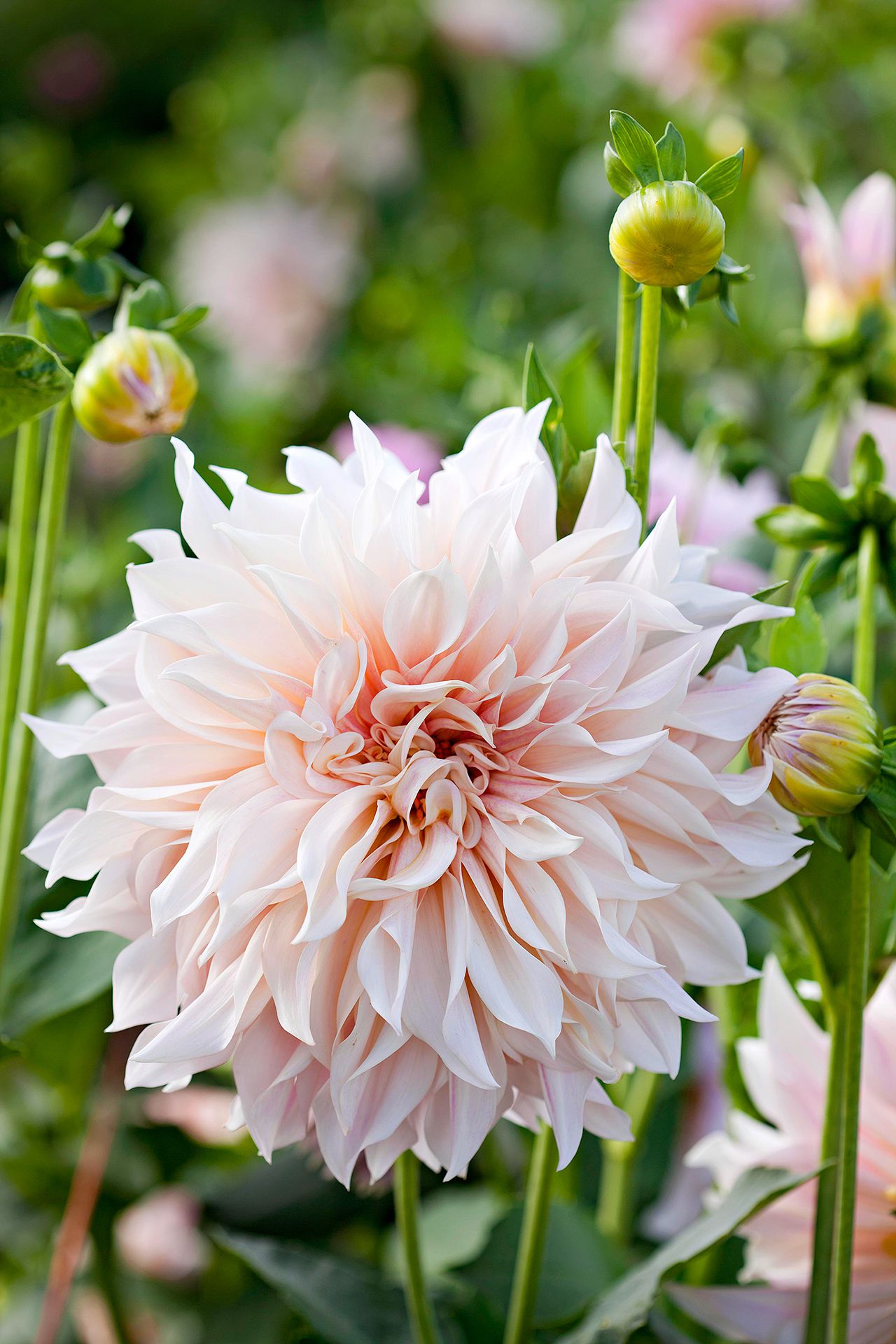
Dinner-Plate Dahlias
These garden flowers are prized for their oversized blooms, rivaling the size of a dinner plate. They come in countless colors and petal forms.
The Corpse Flower: Nature’s Smelliest Bloom
This nickname refers to plants with a strong, unpleasant odor designed to attract pollinators. These unusual flowers are a fascinating botanical phenomenon.
Titan Arum’s Odor Profile
The Titan Arum is known for its strong, unpleasant odor, often compared to decaying flesh. This scent attracts flies and beetles for pollination.
Rafflesia arnoldii’s Scent
Similarly, Rafflesia arnoldii emits a carrion-like smell to attract its specific pollinators. This characteristic makes it one of the most unusual flowers.
Corpse Flower Blooming Events
Witnessing a corpse flower blooming is a rare event, often drawing crowds. The Titan Arum blooms infrequently, making each occurrence noteworthy.
Attracting Pollinators Naturally
The powerful scent serves a critical biological function for these specific plants. It ensures the continuation of these rare species through effective pollination.
Rafflesia Arnoldii: The Largest Flower on Earth
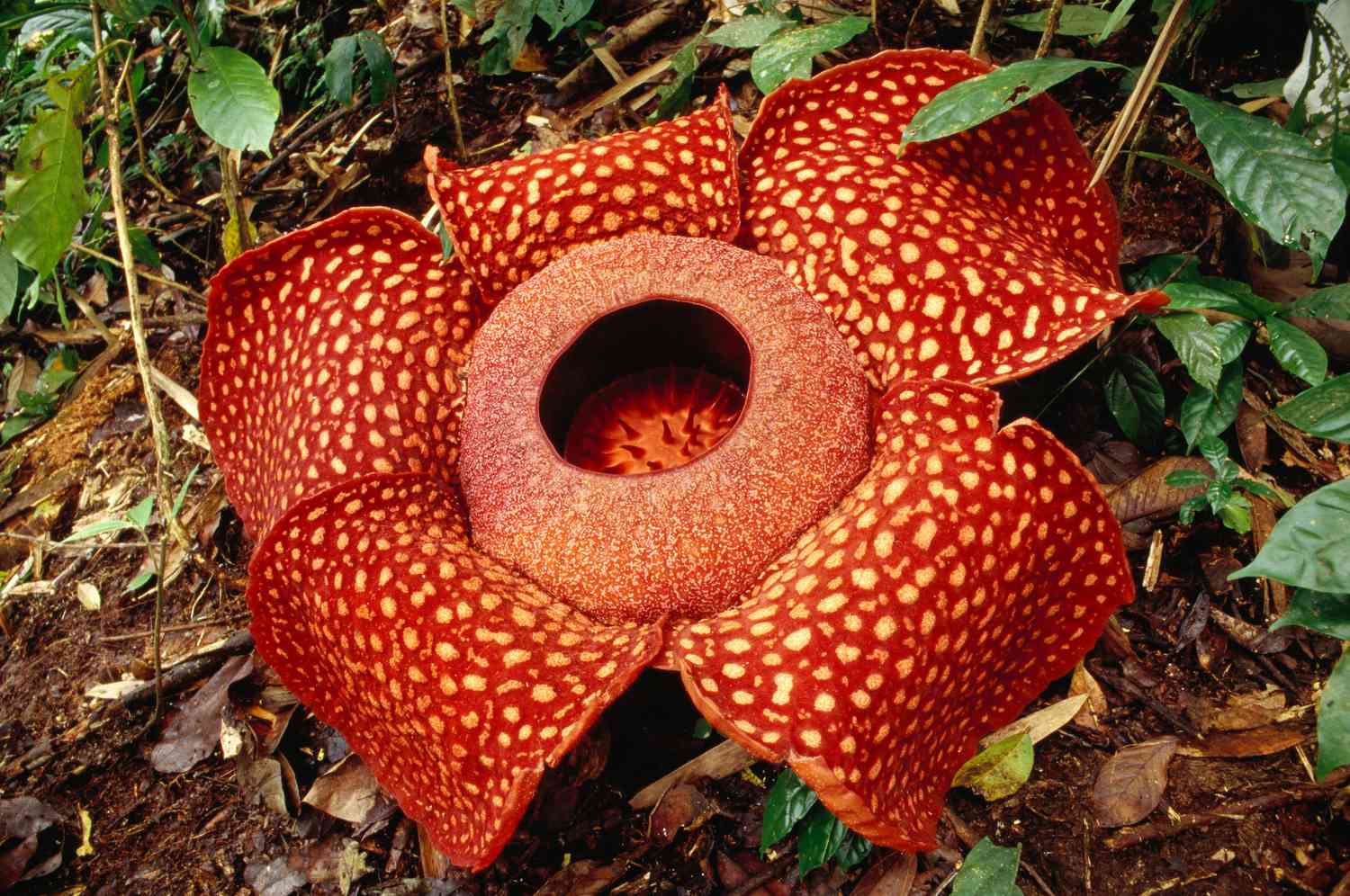
This remarkable plant holds the record for the single largest flower found in nature. Its sheer size makes it a subject of intense botanical interest.
Rafflesia Arnoldii Size
Rafflesia arnoldii can reach over 3 feet in diameter, making it a truly massive bloom. It is one of the most striking examples of oversized blooms.
Parasitic Plant Nature
Rafflesia arnoldii is a parasitic plant, meaning it derives nutrients from a host vine. It lacks visible leaves, stems, or roots, making it highly unusual.
Endangered Species Status
Unfortunately, Rafflesia arnoldii is an endangered species, facing threats to its habitat. Conservation efforts are crucial for its survival.
Tropical Rainforest Habitat
This flower is native to the tropical rainforests of Southeast Asia. Its specific environmental needs make it difficult to cultivate outside its natural range.
Titan Arum: A Rare and Massive Spectacle
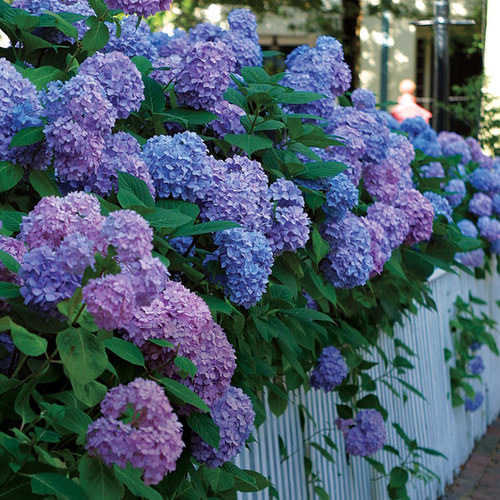
The Titan Arum is famous for its enormous flower cluster and infrequent blooming. It presents a unique spectacle for those fortunate enough to witness it.
Titan Arum Inflorescence Height
Titan Arum inflorescences can grow up to 8 feet tall, creating a towering presence. This makes it one of the largest flower structures in the world.
Rare Blooming Cycles
Titan Arum blooms infrequently, often only every few years, making it a rare sight. The anticipation for its corpse flower blooming is significant.
Attracting Carrion Feeders
Its distinctive smell attracts carrion feeders, such as flies and beetles, for pollination. This is a key adaptation for its reproductive success.
Amorphophallus titanum Facts
Understanding Amorphophallus titanum facts reveals its unique biology and ecological role. It is a true marvel of the plant kingdom.
Oversized Sunflowers for Dramatic Gardens
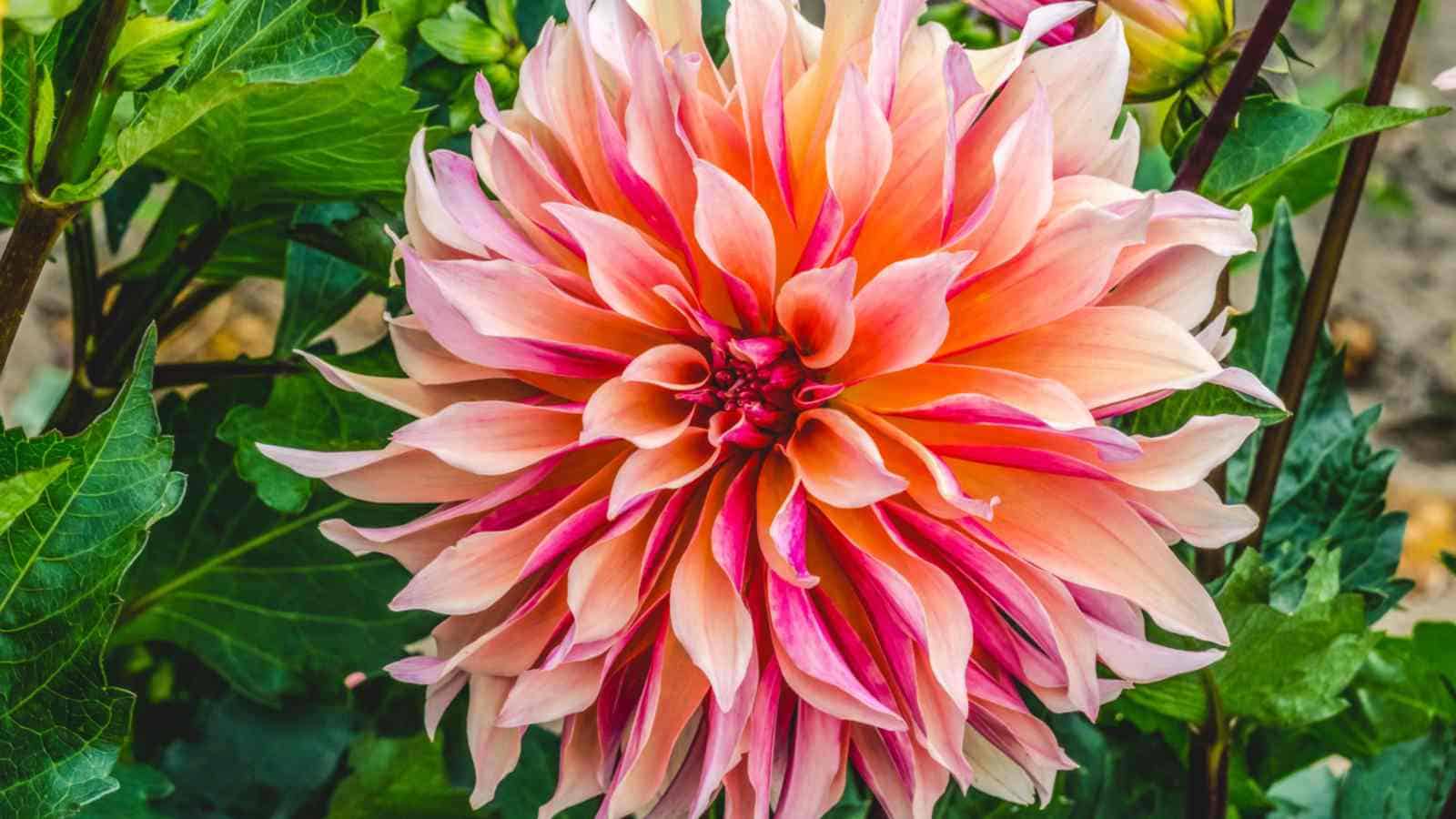
Giant sunflowers bring an unmatched sense of drama and scale to any garden. These towering plants create a striking visual focal point.
‘Mongolian Giant’ Sunflower Growth
Giant sunflower cultivars like ‘Mongolian Giant’ can grow 12-14 feet tall. They require full sun and rich, well-drained soil to reach their potential.
Massive Flower Heads
Giant sunflower flower heads can span 18 inches, providing impressive visual impact. Their large size makes them a popular choice for gardeners seeking bold statements.
Annual Garden Flowers
These sunflowers are annual flowers, meaning they complete their life cycle in one season. They offer quick, dramatic results from seed.
Sunflower Variety Selection
Choosing the right giant sunflower varieties ensures the best results for your garden space. Consider the mature height and spread when planning.
Dinner-Plate Dahlias: Vibrant and Bold
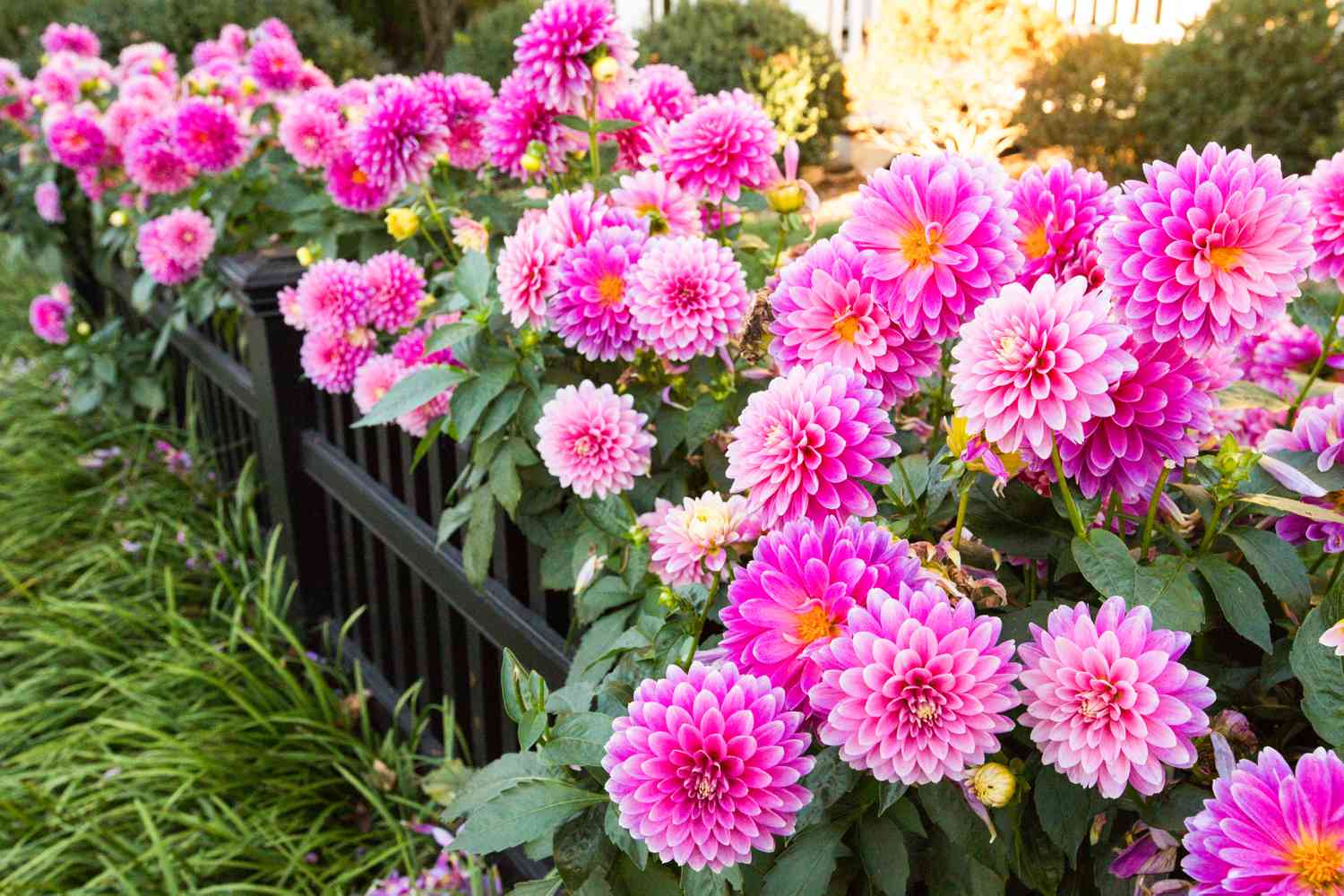
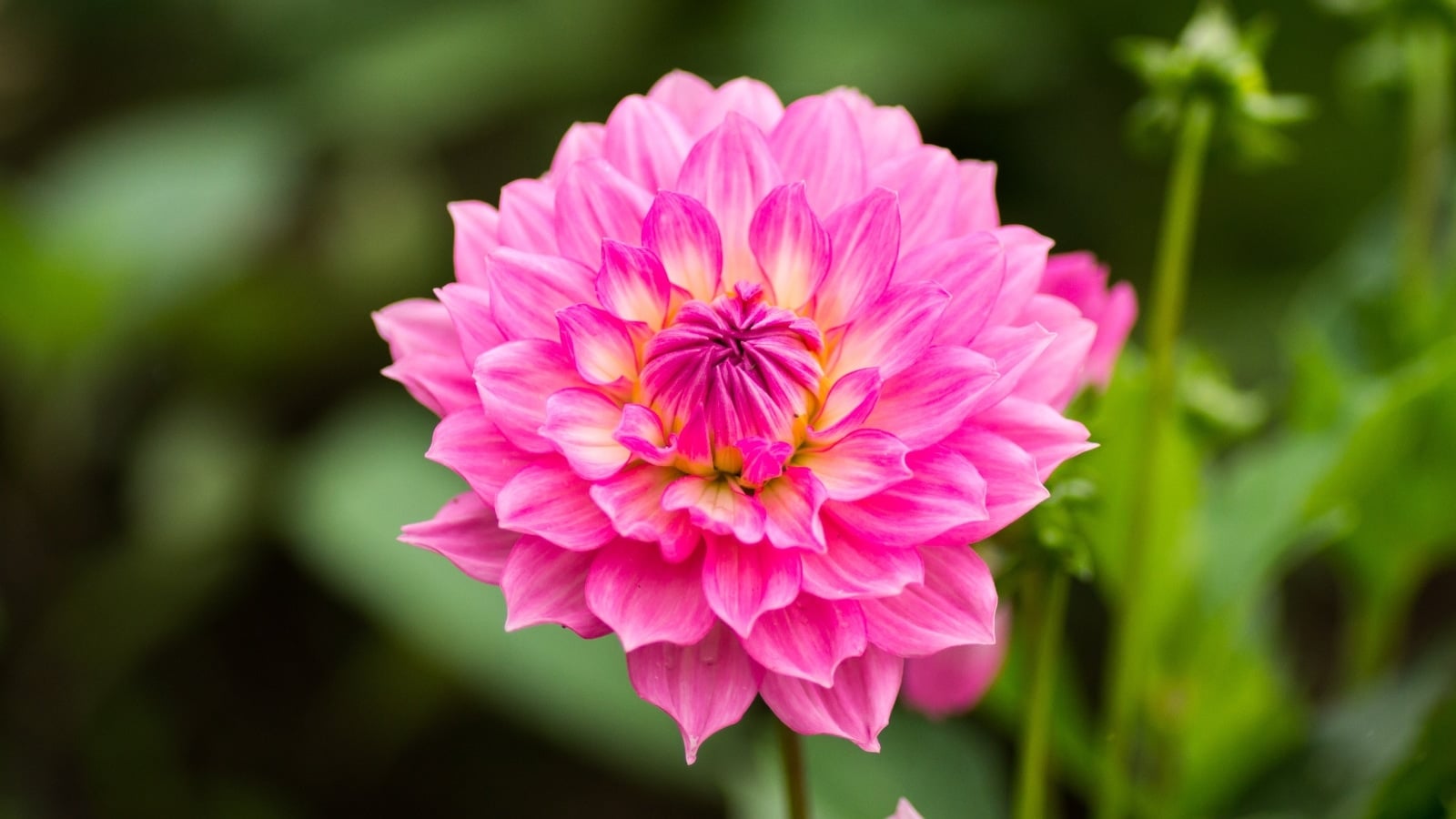
Dinner-plate dahlias are celebrated for their exceptionally large and intricate blooms. They add a splash of vibrant color and sophisticated texture to floral arrangements and garden beds.
Dahlia Flower Size
Dinner-plate dahlias are known for their impressive diameter and complex petals. Blooms can easily reach 10-12 inches across, commanding attention.
Dahlia Color Palettes
These dahlias come in a stunning array of colors, from deep reds and purples to bright oranges and pinks. Their rich hues complement any garden style.
Perennial Garden Flowers
Dahlias are perennial flowers in warmer climates, returning year after year. In colder regions, their tubers must be dug up and stored for winter.
Dahlia Bloom Arrangement
Their substantial size makes them ideal for focal points in garden beds or as statement pieces in large vases. They add a luxurious feel to any display.
Giant Hibiscus: Tropical Showstoppers

Giant hibiscus varieties bring exotic beauty and vibrant color with their oversized blooms. They evoke a sense of tropical paradise, even in cooler climates.
Hibiscus Bloom Size
Dinner-plate hibiscus varieties can have blooms the size of a dinner plate, often exceeding 10 inches. Their large petals create a stunning visual effect.
Tropical Flower Appeal
These tropical flowers thrive in warm, sunny conditions and add a lush, exotic feel. They are perfect for creating a vacation-like atmosphere.
Annual vs. Perennial Hibiscus
Some giant hibiscus are grown as annual flowers in cooler climates, while others are perennial. Understanding their growth habit is key for successful care.
Hibiscus Color Variety
Available in shades of red, pink, white, and even bi-colors, giant hibiscus offers diverse aesthetic options. Their bold colors are sure to impress.
Read also: 57 Cuadros Ideas to Decorate Your Walls on a Budget
Style and Reference Gallery
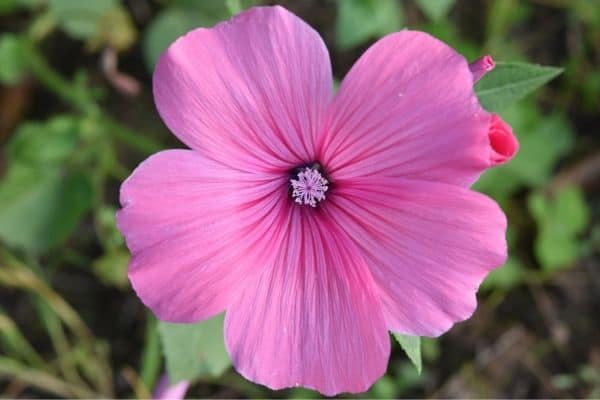
Hibiscus ‘Lord Baltimore’ has bright pink flowers that last one day. New blooms open daily in summer.
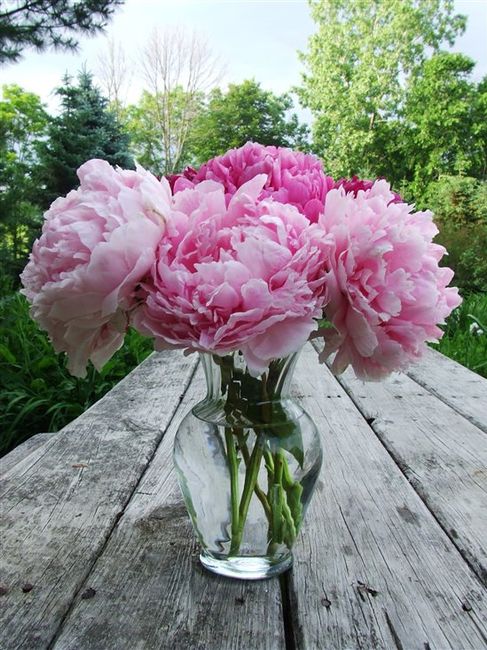
Sunflower seeds from giant varieties are edible. Harvest them after the flower head dries.
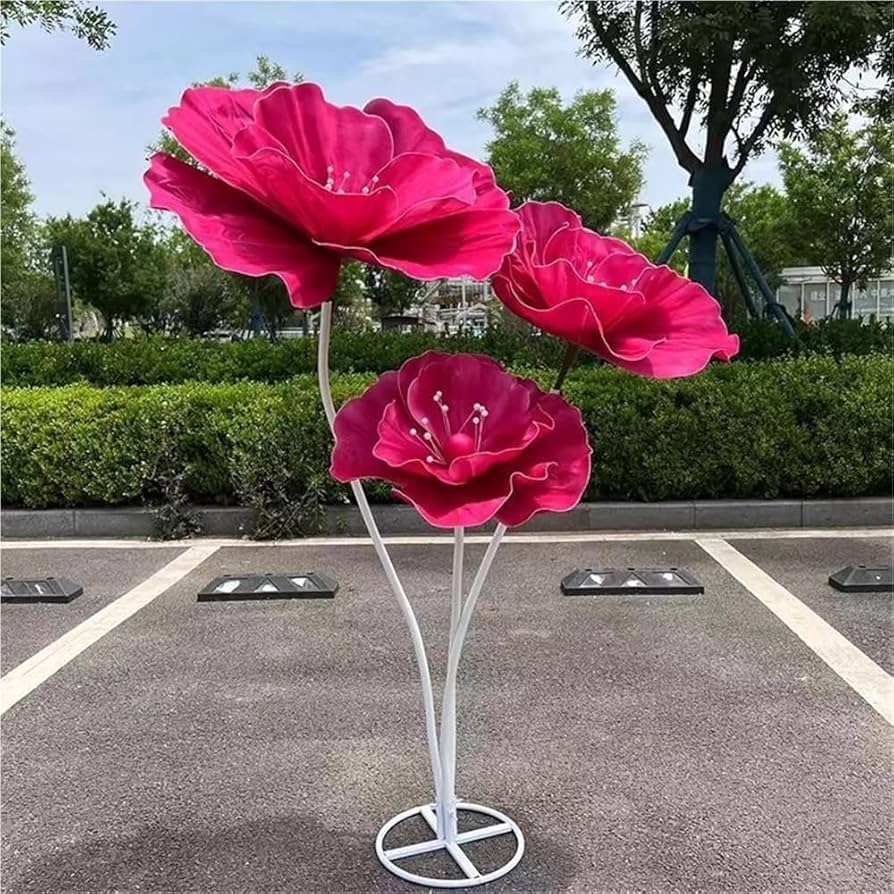
Dinner-plate dahlias need staking to support their heavy blooms. Use sturdy bamboo stakes.
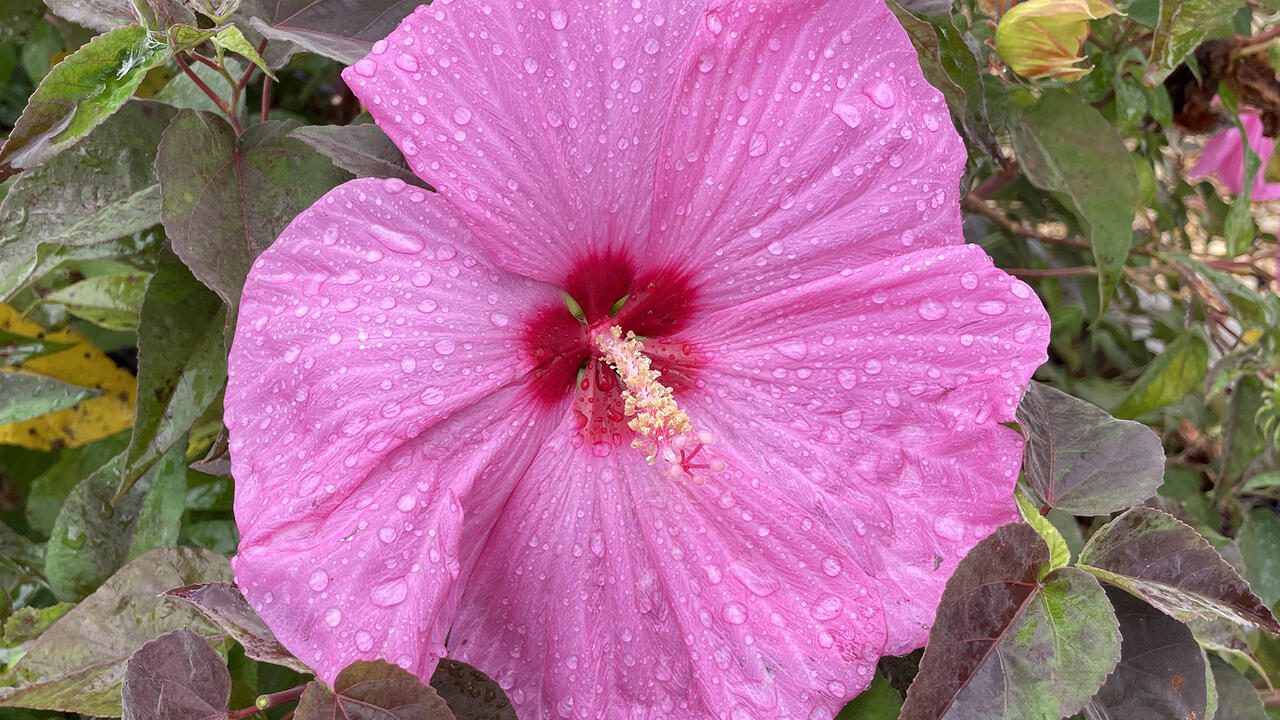
Rafflesia is now endangered due to habitat loss. Conservation efforts focus on protecting rainforests.
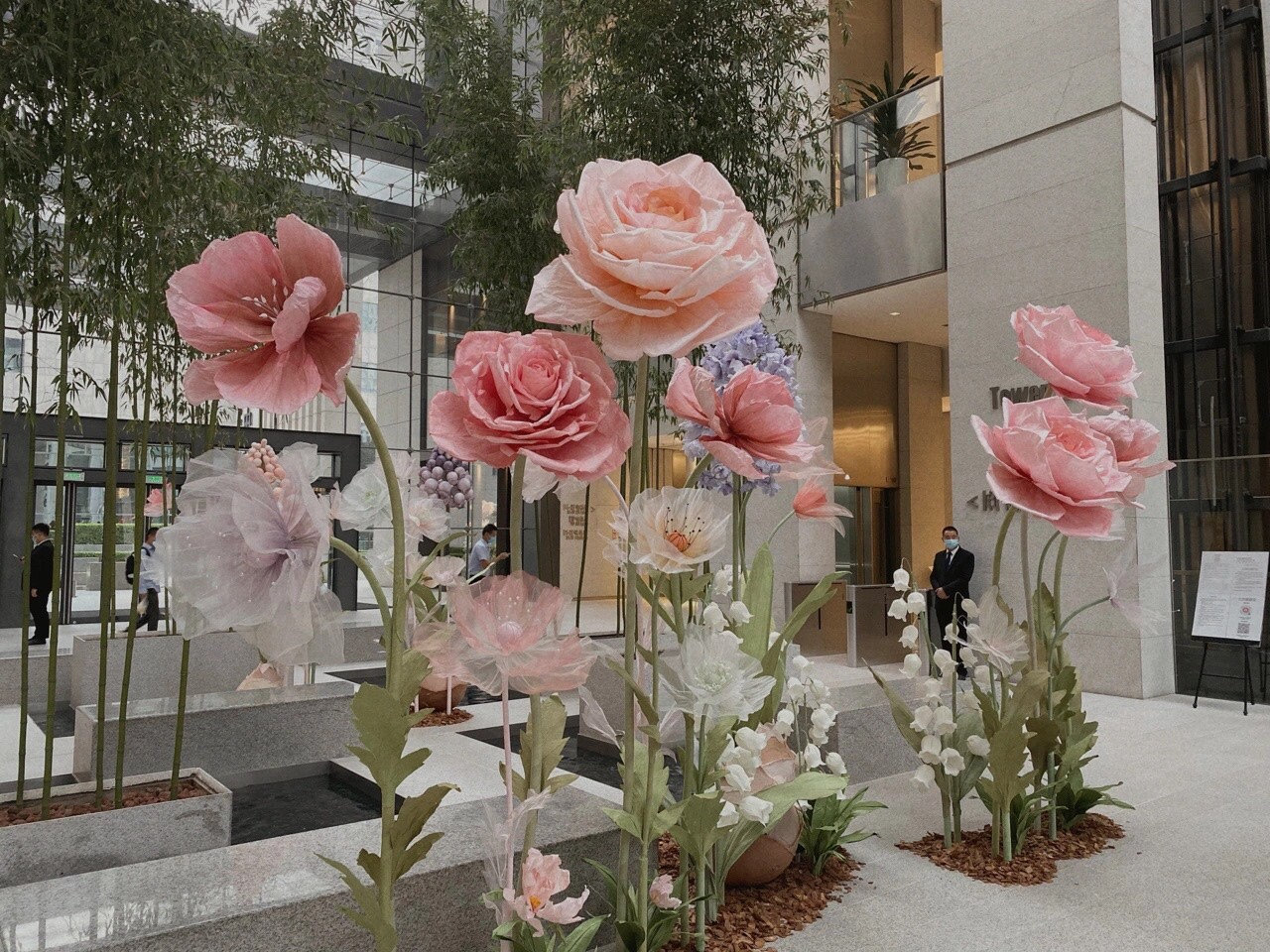
Titan Arum is native to Sumatra, Indonesia. It is a popular attraction in botanical gardens worldwide.
Giant sunflowers follow the sun as they grow. This movement is called heliotropism.
Dinner-plate dahlias come in many colors: red, yellow, pink, and white. They bloom from midsummer to frost.
Rafflesia arnoldii can reach over 3 feet across. Its red spots mimic rotting flesh to attract flies.
The Titan Arum’s inflorescence towers up to 8 feet tall. It blooms for only two days every few years.
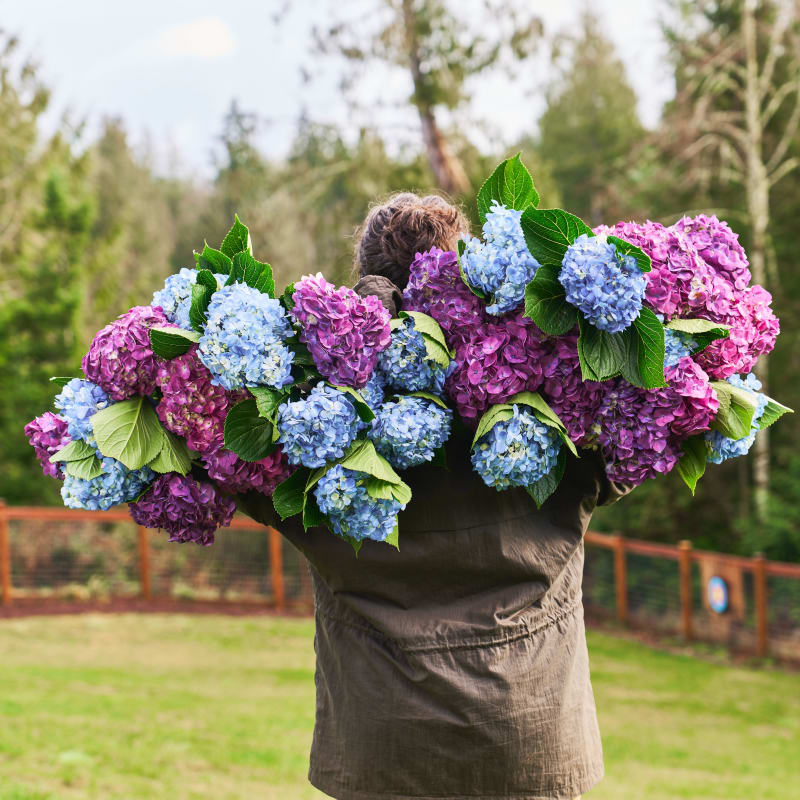
Hibiscus ‘Midnight Marvel’ produces deep red flowers the size of dinner plates. It thrives in full sun.
How to Grow Giant Blooms in Your Own Garden
Step-by-Step Guide
- Choose the right variety. For sunflowers, pick ‘Mongolian Giant’ or ‘Mammoth’. For hibiscus, go with ‘Midnight Marvel’ or ‘Lord Baltimore’. These are bred for size.
- Start seeds indoors or buy young plants. Giant varieties need a long growing season. Plant after the last frost in rich, well-draining soil.
- Give them space and support. Large flowers need room to grow. Stake tall stems early to prevent wind damage.
- Water deeply and fertilize regularly. Use a balanced fertilizer every two weeks. Keep soil moist but not soggy.
What to Avoid in Execution
- Don’t overcrowd. Big flowers compete for nutrients. Space plants at least 2 feet apart.
- Avoid poor soil. Test your soil pH. Aim for 6.0 to 7.0. Add compost if needed.
- Don’t skip pest control. Aphids and slugs love large leaves. Use insecticidal soap or diatomaceous earth.
Maintenance Tips
- Deadhead spent blooms. This encourages more flowers. Cut the stem back to a leaf node.
- Mulch around the base. Mulch keeps roots cool and retains moisture. Use a 2-inch layer of organic mulch.
- Support heavy heads. Use bamboo stakes and soft ties. Check weekly as flowers grow.
Frequently Asked Questions
How long does it take for a Titan Arum to bloom?
The Titan Arum blooms only once every 7 to 10 years. The flower lasts just 24 to 48 hours before collapsing.
Can I grow Rafflesia arnoldii at home?
No, Rafflesia is a parasitic plant that requires a specific host vine found only in Southeast Asian rainforests. It is also endangered and protected.
What is the easiest giant flower for beginners?
Sunflowers like ‘Mongolian Giant’ are easy to grow from seed. They need full sun and regular water, and they reach full size in one season.
Choosing a giant flower, whether a wild marvel or a garden giant, adds instant drama to any space. These blooms are conversation starters and proof of nature’s incredible diversity.
Now it’s your turn to bring a piece of this scale into your life. Pick a sunflower or hibiscus variety and start planting this season.
Imagine walking through a garden where flowers are as big as dinner plates. The future of home gardening is bold, oversized, and unapologetically grand.
