


You have been searching for rare plants online, but the photos never match reality. You want to see a Corpse Flower in person, not just a video. Juniper Level Botanic Garden in Raleigh, North Carolina, is the place where plant dreams come true.
This 28-acre garden holds over 27,000 different plant species. It is one of the most diverse collections on earth. And the best part? Admission is free, with a small parking fee that goes toward your plant purchase.
Plan Your Visit to Juniper Level Botanic Garden: Hours, Events, and Rare Plants
Juniper Level Botanic Garden is not open every day. Public access happens during eight weekends a year, called ‘Open Garden and Nursery Days.’ For Spring 2026, the dates are May 1-3, May 8-10, and May 15-17, from 9 a.m. to 5 p.m. Friday through Sunday.
Outside those weekends, you can visit by appointment Monday to Friday, 8 a.m. to 5 p.m. Just go to the Plant Delights Nursery website to schedule. Parking costs $5, but you get that money back when you buy plants.
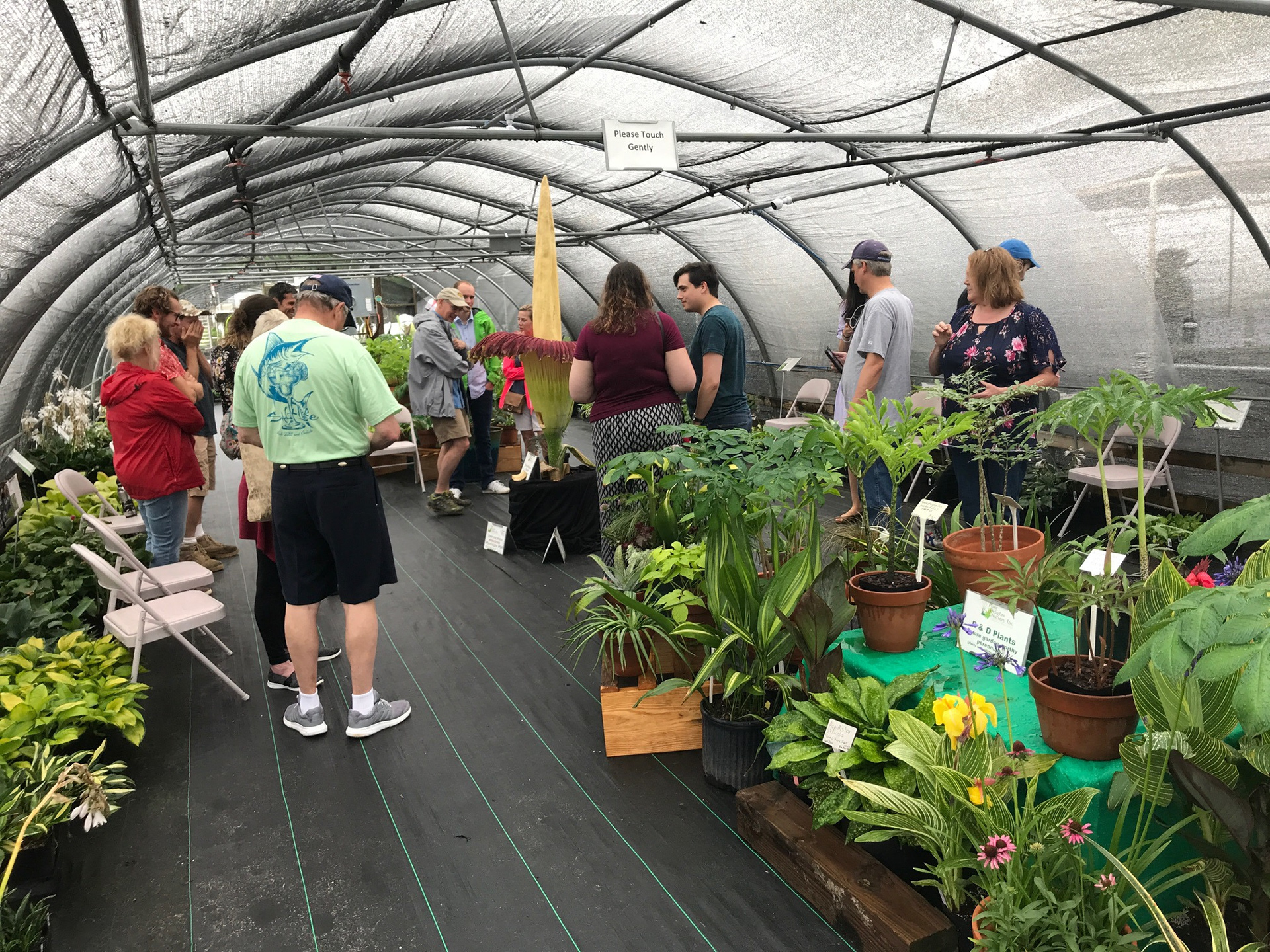
The garden features the world’s largest crevice garden, sunken rain gardens, and a carnivorous plant section. It is also home to the famous Corpse Flower, which blooms rarely and draws huge crowds. During open days, free ‘Gardening Unplugged’ lectures and guided tours help you learn sustainable gardening practices.
Juniper Level Garden Hours
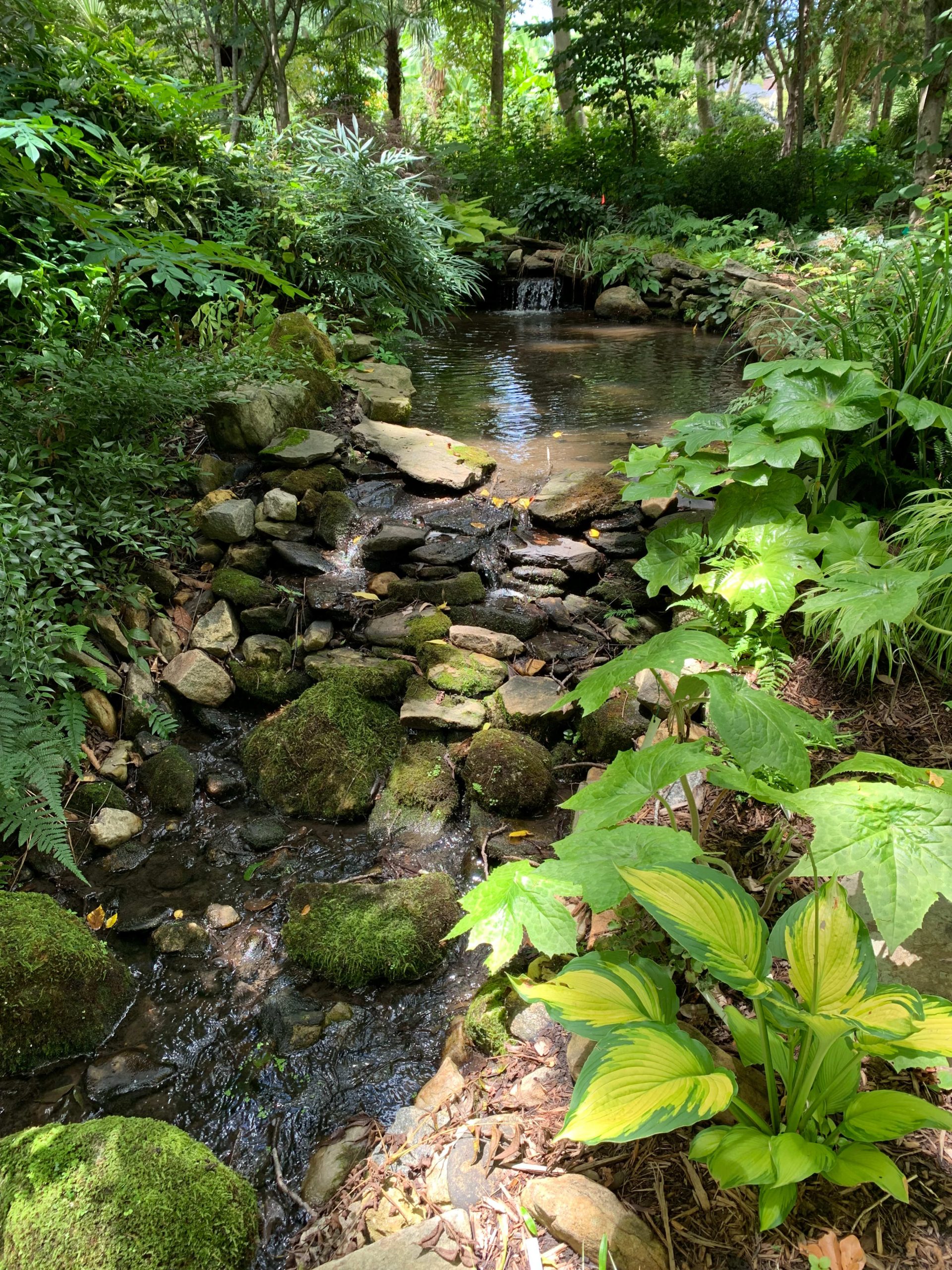
Understanding the operating schedule is key for planning your visit. These times allow for optimal viewing and engagement with the garden’s offerings.
Spring Open Garden Days
The Spring 2026 dates are May 1–3, May 8–10, and May 15–17. These weekends offer full access from 9 a.m. to 5 p.m. each day. This is a prime time to see spring blooms and explore the Raleigh botanical gardens.
Weekday Appointments
Visits outside of open weekends can be arranged by appointment. Contact Plant Delights Nursery directly for weekday availability. This option is ideal for focused study or specific inquiries.
Fall and Summer Access
While specific dates vary, the garden typically hosts open days in other seasons. Check the official website for updates on Juniper Level Garden hours for future visits. Planning ahead ensures you don’t miss these opportunities.
Juniper Level Botanic Garden Events
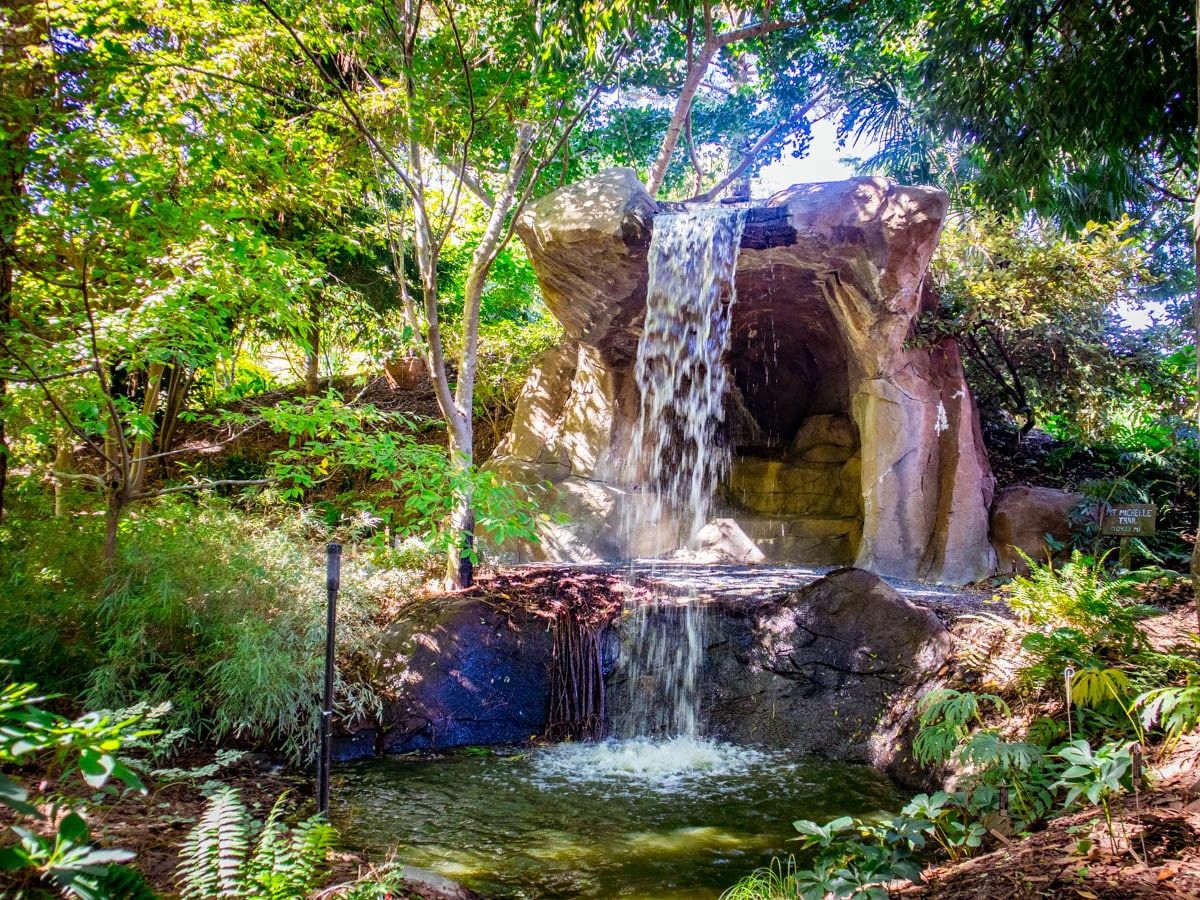
Special events provide unique opportunities to learn and experience the garden. These gatherings often focus on education and community engagement.
Gardening Unplugged Lectures
These free mini-lectures occur during open days. They offer practical advice on various horticultural topics. Look for schedules posted on-site or online for these informative sessions.
Guided Tours
Join guided tours to gain deeper insights into the plant collections. Expert guides share knowledge about the rare plant collections and sustainable gardening practices. These tours enhance the understanding of the botanical research facilities.
Seasonal Celebrations
The garden may host specific events tied to blooming cycles or seasons. These Juniper Level Botanic Garden events are announced on their official platforms. They often coincide with peak flowering times.
Plant Delights Nursery Visit
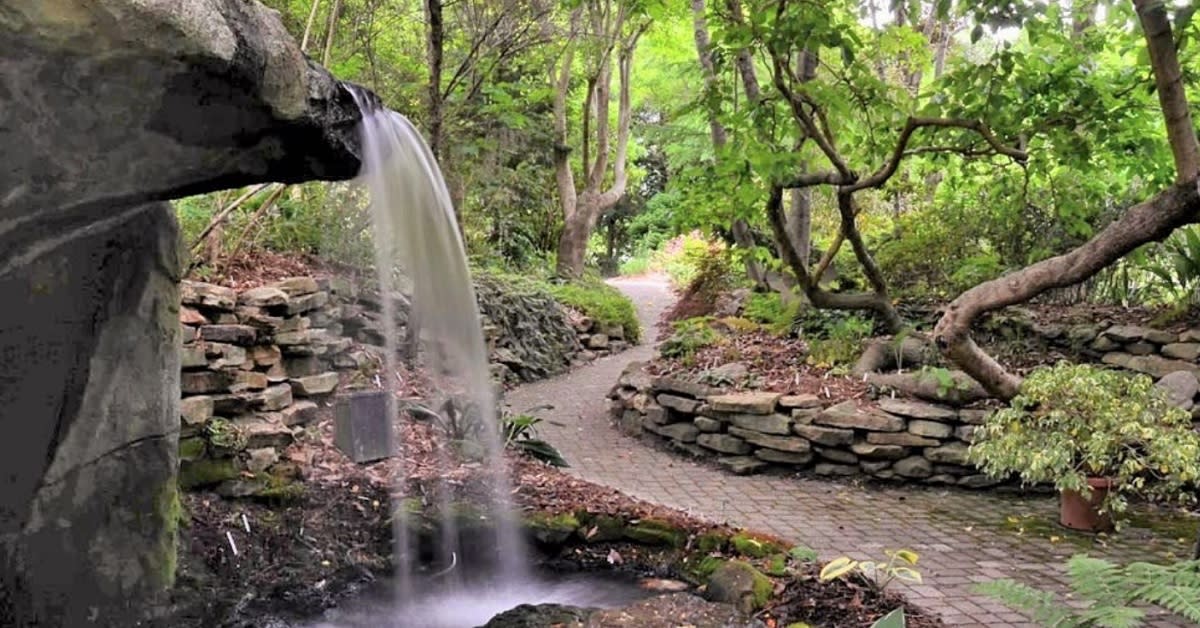
Plant Delights Nursery is an integral part of the garden experience. It offers a chance to acquire unique plants seen during your visit.
Nursery Shopping
The nursery is open during the designated Open Garden Days. You can purchase plants directly, including many rare varieties. This is a great way to bring a piece of the garden home with you.
Online Ordering
For those unable to visit in person, Plant Delights Nursery offers mail-order services. Browse their extensive catalog online. This ensures access to their unique offerings year-round.
Special Collections
The nursery often features plants cultivated from the garden’s research. A Plant Delights Nursery visit allows you to see these specimens firsthand. Inquire about availability of specific rare plants.
Rare Plant Collections at Juniper Level
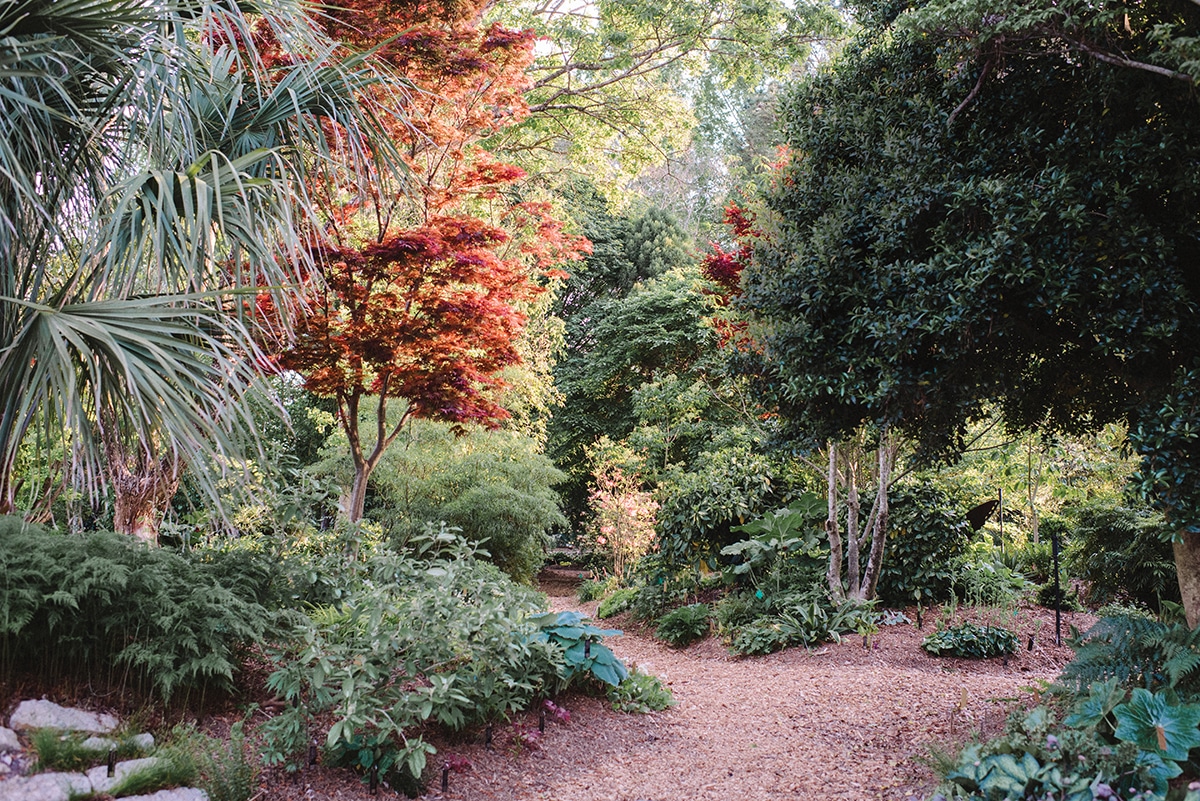
The garden boasts an impressive array of unusual and scientifically significant plants. These collections are a major draw for enthusiasts and researchers alike.
North American Natives
Discover a wide variety of native plants from across North America. These species are crucial for understanding local ecosystems. Their inclusion highlights a commitment to conservation.
Exotic Flora
Explore plants from diverse global climates and regions. These exotic specimens showcase the breadth of botanical diversity. Many are not found in typical garden centers.
Perennial Specialists
The focus on rare perennials is a hallmark of the garden. You will find unique varieties not commonly offered elsewhere. These plants offer distinct textures and colors for garden design.
Carnivorous Plants
A dedicated section features fascinating carnivorous plants. Observe species like Venus flytraps and pitcher plants in their specialized habitat. This area demonstrates unique adaptations.
| Plant Type | Origin | Rarity |
| Perennials | Global | High |
| Native Flora | North America | Varies |
| Exotic Species | Worldwide | Often High |
Corpse Flower Blooming Schedule
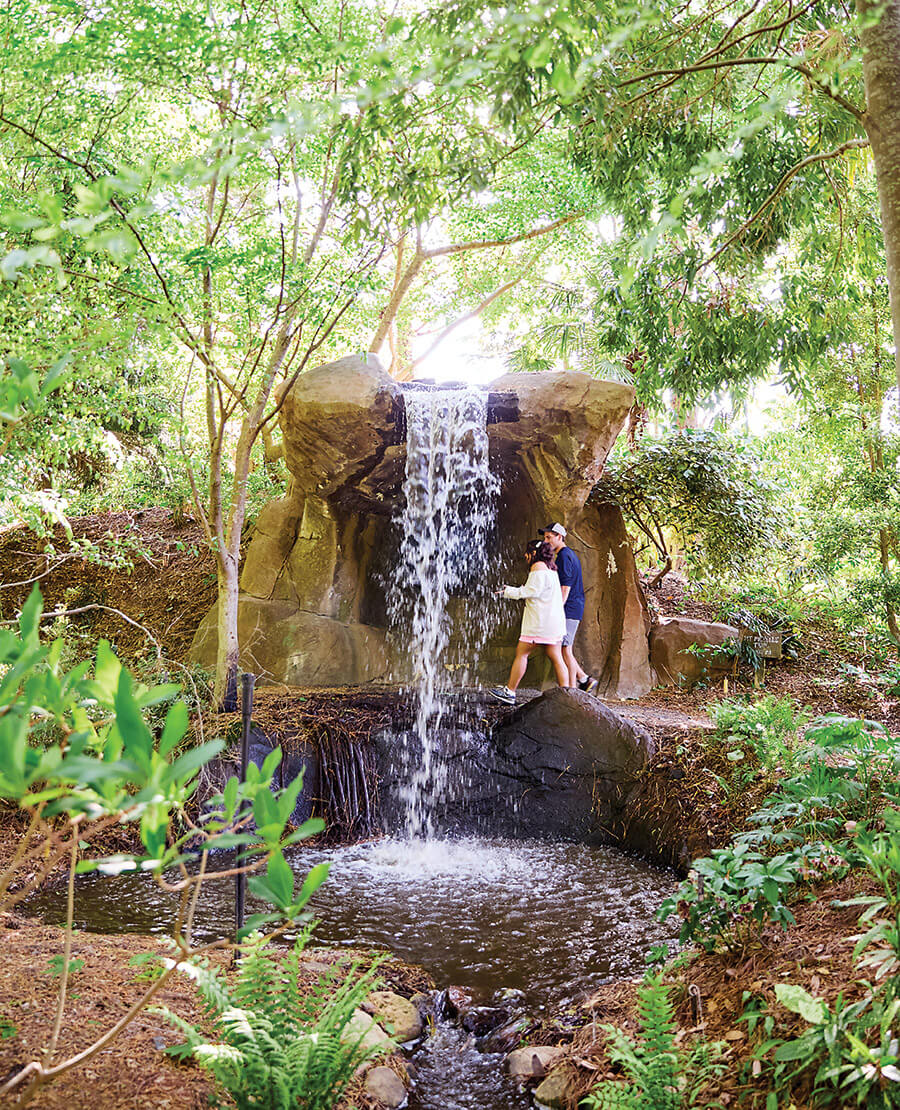
The Corpse Flower is a rare and dramatic specimen that draws significant attention. Its infrequent blooming cycle is a major event for plant enthusiasts.
Amorphophallus titanum
This plant is known for its massive, foul-smelling flower. The bloom is short-lived, lasting only a day or two. Its unique characteristics make it a must-see when it flowers.
Blooming Notifications
The garden typically announces blooming events via email and social media. Sign up for notifications to be alerted to the Corpse Flower blooming schedule. This allows for timely visits.
Viewing Opportunities
Special viewing times are often arranged during a bloom. Check the garden’s website for specific details when a bloom is imminent. These events are highly popular.
Crevice Garden Design Inspiration
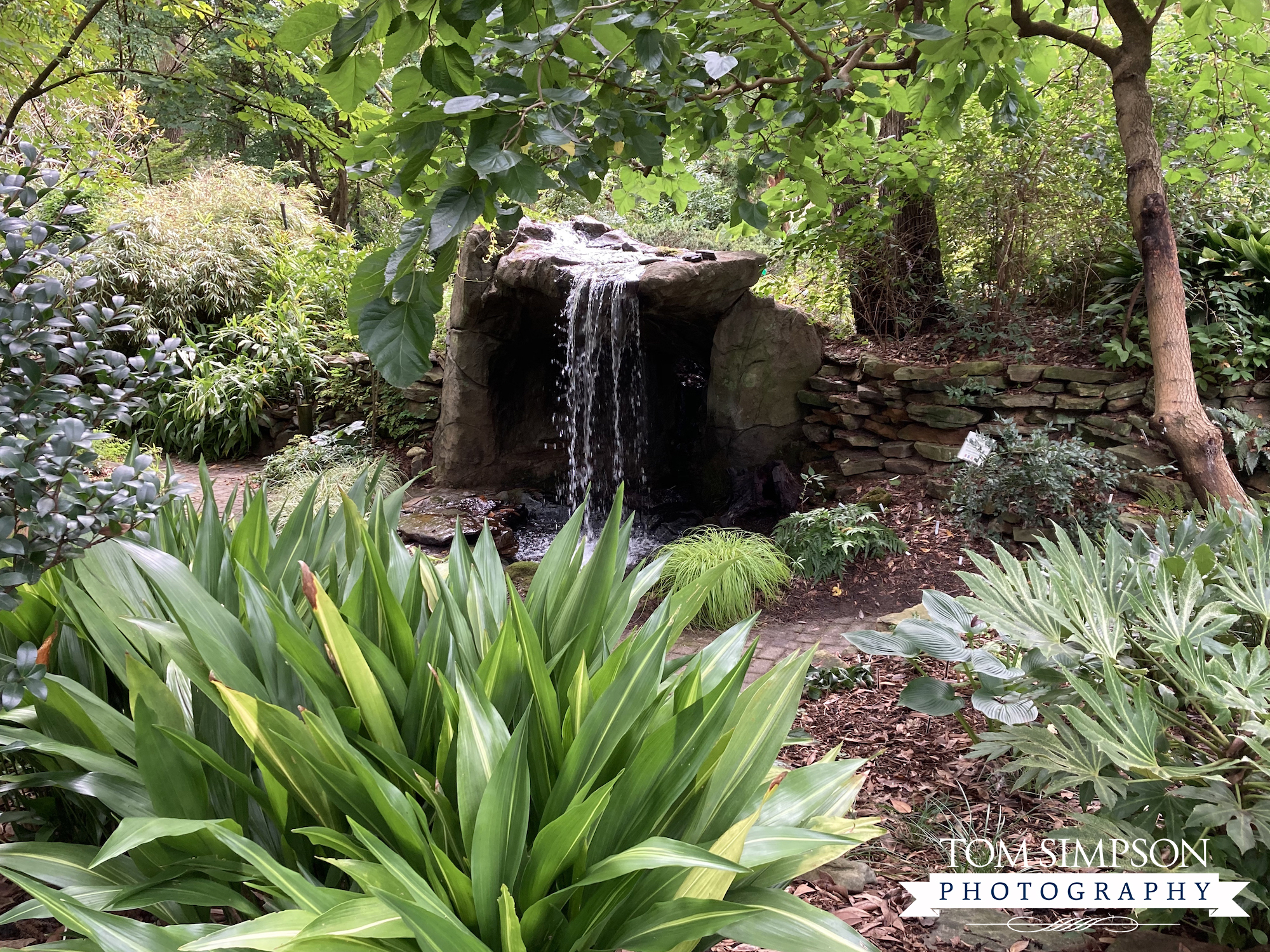
Crevice gardens offer a unique aesthetic, mimicking natural rock formations. They are ideal for showcasing smaller, specialized plants.
World’s Largest Crevice Garden
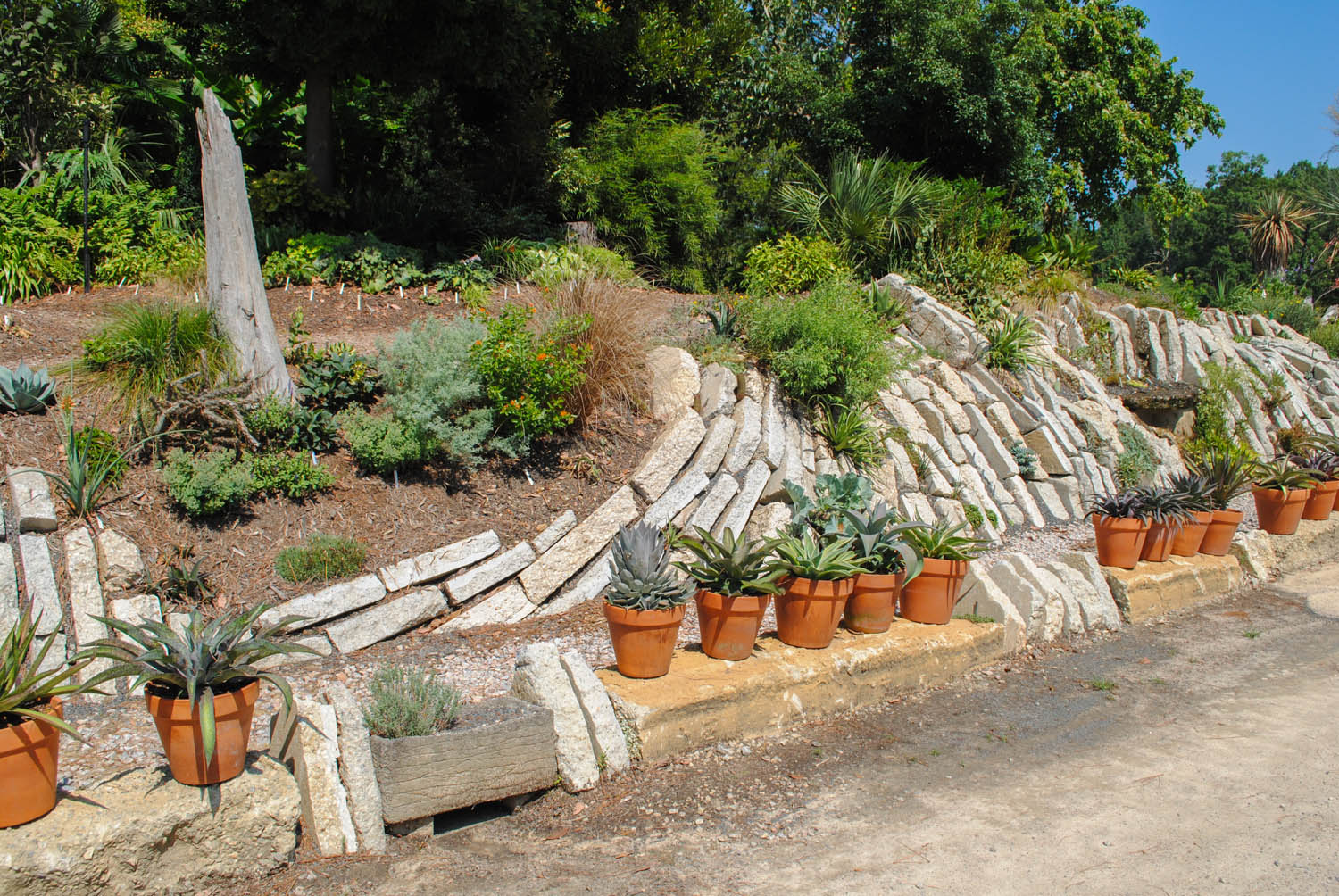
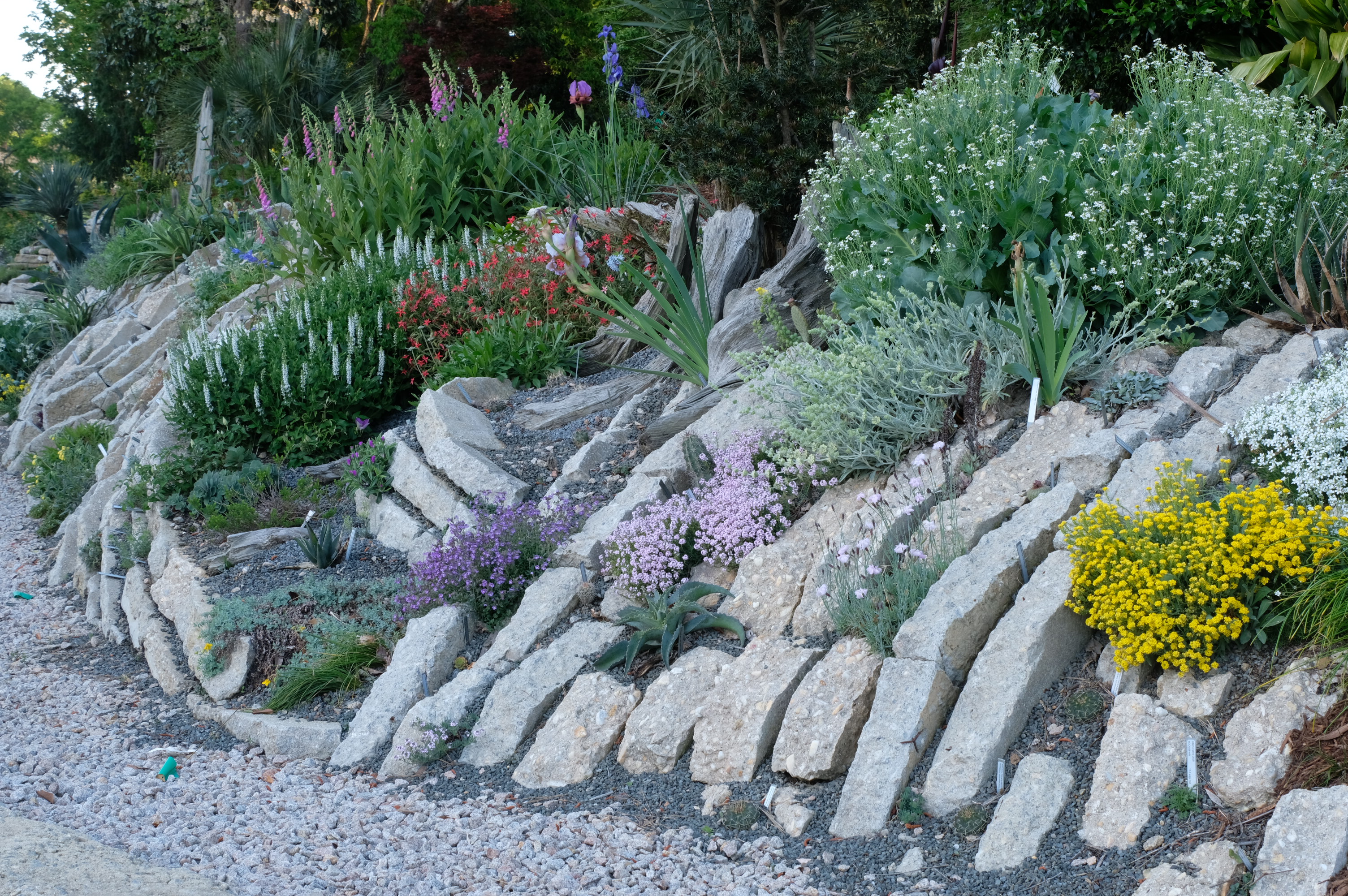
The garden features the world’s largest crevice garden. This expansive installation provides inspiration for rock garden enthusiasts. It demonstrates scale and intricate planting.
Plant Selection
This design style is perfect for alpine plants and succulents. Plants thrive in the well-drained conditions created by the rock placement. Consider drought-tolerant species for this style.
Material Choices
Natural stone, such as slate or granite, is commonly used. The arrangement of stones creates narrow planting pockets. Proper drainage is essential for success.
Aesthetic Appeal
The visual impact comes from the interplay of stone and plant. It offers a textured, architectural element to the landscape. This style is low-maintenance once established.
Crevice Garden Design
This specific crevice garden design utilizes carefully selected rocks. The stones are angled to create deep fissures for planting. It requires meticulous planning and execution.
| Feature | Description | Best For |
| Crevice Garden | Rock formations with narrow planting pockets | Alpines, succulents |
| Materials | Natural stone (slate, granite) | Drainage, aesthetics |
Sustainable Gardening Practices
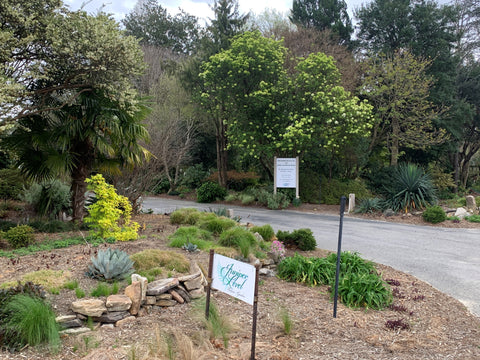
The garden employs environmentally friendly methods in its operations. These practices benefit the ecosystem and reduce resource use.
Organic Fertilization
Only non-synthetic fertilizers are used throughout the grounds. This approach supports soil health and beneficial organisms. It avoids chemical runoff into waterways.
Water Management
Rain gardens and recirculating water systems manage runoff effectively. These systems capture and reuse water resources. This conserves water and prevents erosion.
Native Plant Emphasis
Prioritizing North American native plants supports local wildlife. These species are adapted to the climate and require less intervention. This aligns with sustainable gardening practices.
Integrated Pest Management
The garden likely uses methods that minimize pesticide use. This could include biological controls or companion planting. It creates a healthier environment for plants and visitors.
Botanical Research Facilities
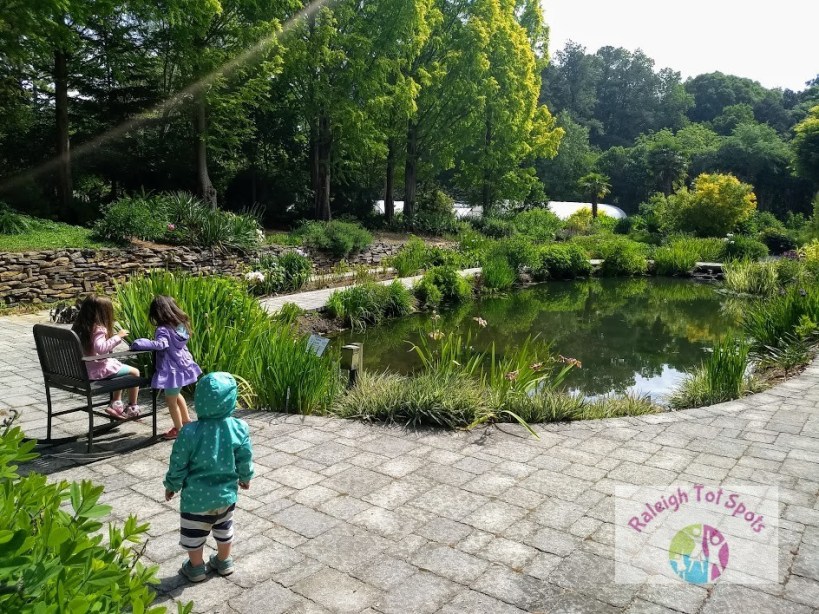
Juniper Level Botanic Garden serves as a vital center for plant research. Its extensive collections support scientific study and conservation efforts.
Plant Documentation
Thousands of distinct plant species are meticulously cataloged. This documentation is crucial for botanical research facilities. It provides a valuable resource for scientists globally.
Conservation Efforts
The garden plays a role in conserving rare and endangered plant species. Its collections act as a living seed bank. This work is vital for biodiversity preservation.
Horticultural Innovation
Research may focus on new cultivation techniques or plant breeding. These advancements contribute to the field of horticulture. The findings often inform sustainable gardening practices.
Educational Outreach
The facility offers learning opportunities for the public and students. These programs connect people with botanical science. They foster appreciation for North Carolina gardens.
| Aspect | Focus | Importance |
| Research | Plant diversity, conservation | Scientific advancement |
| Education | Public engagement, learning | Awareness, appreciation |
| Collections | Rare and native species | Biodiversity, genetic resource |
Style and Reference Gallery
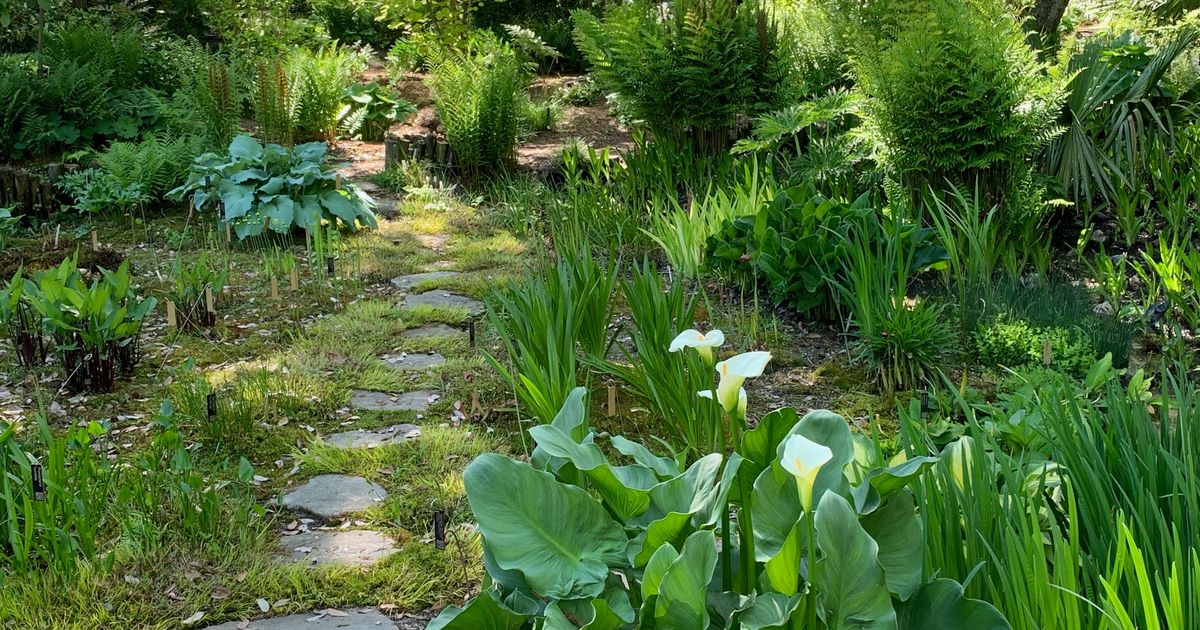
Spring brings waves of color from bulbs and early perennials. The garden is a masterclass in seasonal succession.
Ferns and hostas fill the shady understory. Their textures contrast with bold tropical leaves nearby.
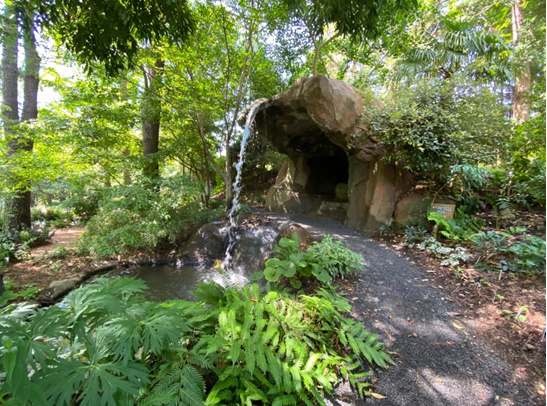
Water features recirculate to conserve resources. The sound of trickling water adds calm to your walk.
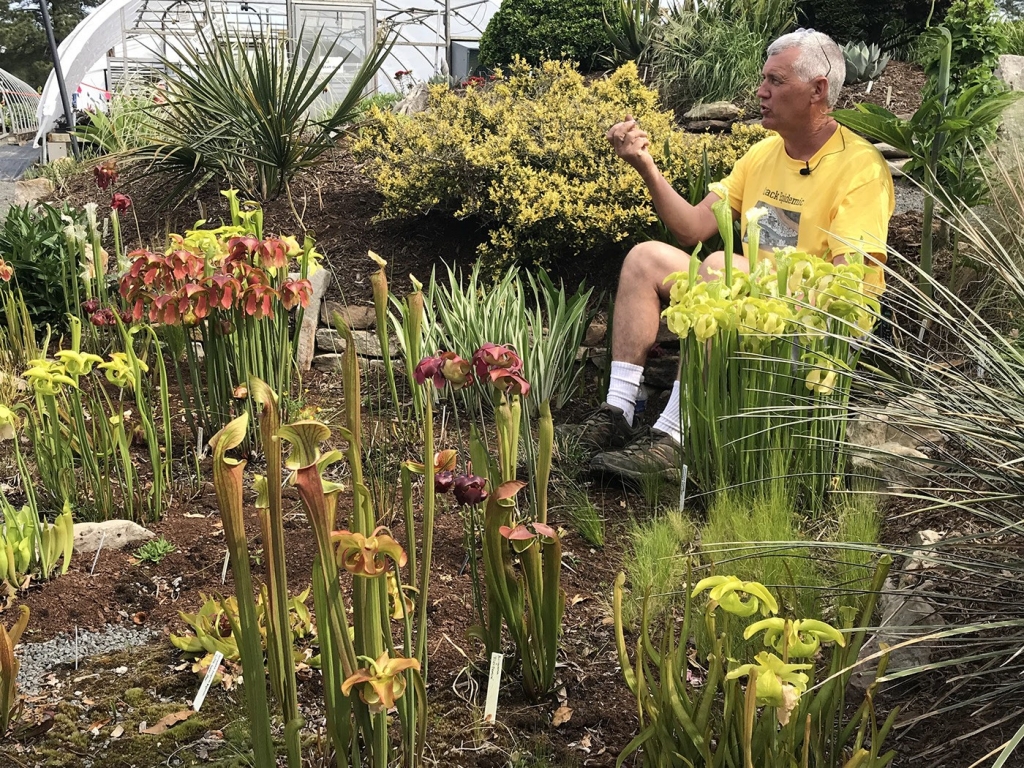
Educational signs label every plant. You will learn botanical names and growing tips as you stroll.

The garden changes with each season. A return visit in fall reveals fiery foliage and late blooms.
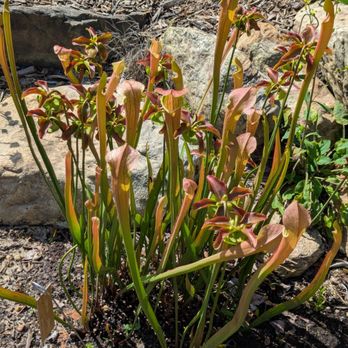
Volunteers work tirelessly to maintain this collection. Their passion shows in every well-tended bed.
A visit here inspires you to take risks in your own garden. Rare plants are more adaptable than you think.
The crevice garden mimics a rocky outcrop. Plants wedge into tight spaces, creating a natural tapestry.
Your Visit to Juniper Level: A Practical Guide
Step-by-Step: How to Plan Your Day
- Check the calendar. Open Garden Days for Spring 2026 are May 1-3, 8-10, and 15-17. Hours are 9 a.m. to 5 p.m. Friday through Sunday.
- Register online. Go to the Plant Delights Nursery website to reserve your spot. This ensures entry and helps with crowd control.
- Bring cash for parking. The $5 fee is refunded when you buy plants. Have exact change to speed things up.
- Wear comfortable shoes. Trails are unpaved and grassy. You will be walking on uneven ground for hours.
- Attend a lecture. Free ‘Gardening Unplugged’ talks happen during open days. They are short and packed with expert tips.
What to Avoid During Your Visit
- Don’t come outside open days without an appointment. The garden is closed to the public except for those eight weekends and by appointment Monday-Friday.
- Don’t expect paved paths. If you have mobility issues, call ahead. Some areas may be hard to navigate.
- Don’t skip the crevice garden. It’s the world’s largest and a must-see. Many visitors miss it because it’s tucked away.
- Don’t forget to visit the nursery. Plant Delights Nursery is on-site and has rare plants you can buy. Your parking fee is redeemable here.
Maintenance Tips for Your Own Garden Inspired by JLBG
- Use non-synthetic fertilizers. JLBG only uses organic inputs. Your soil will stay healthy and your plants will thrive.
- Install a rain garden. It manages runoff and attracts pollinators. Even a small one in a low spot makes a difference.
- Group plants by water needs. This reduces waste and keeps plants healthier. JLBG’s sunken gardens are a great model.
- Mulch heavily. It suppresses weeds and retains moisture. Use shredded bark or leaf compost.
Frequently Asked Questions
Can I visit the garden any weekend?
No. Public access is only during eight designated Open Garden Days each year. Spring 2026 dates are May 1-3, 8-10, and 15-17.
Is the garden accessible for wheelchairs?
Trails are unpaved and grassy, which can be challenging. Call ahead at (919) 772-4794 to discuss your specific needs.
Do I have to pay to enter?
Admission is free. There is a $5 parking fee, but that amount is fully refundable when you purchase plants from the nursery.
Juniper Level Botanic Garden is a world-class destination that combines rare beauty with serious plant science. A visit here will change how you see your own garden.
Plan your trip for spring 2026 and bring a notebook. You will leave with ideas and plants that turn your yard into a living collection.
Imagine walking through a crevice garden under a Carolina blue sky. That experience is waiting for you, and it costs nothing but a five-dollar parking fee.
