

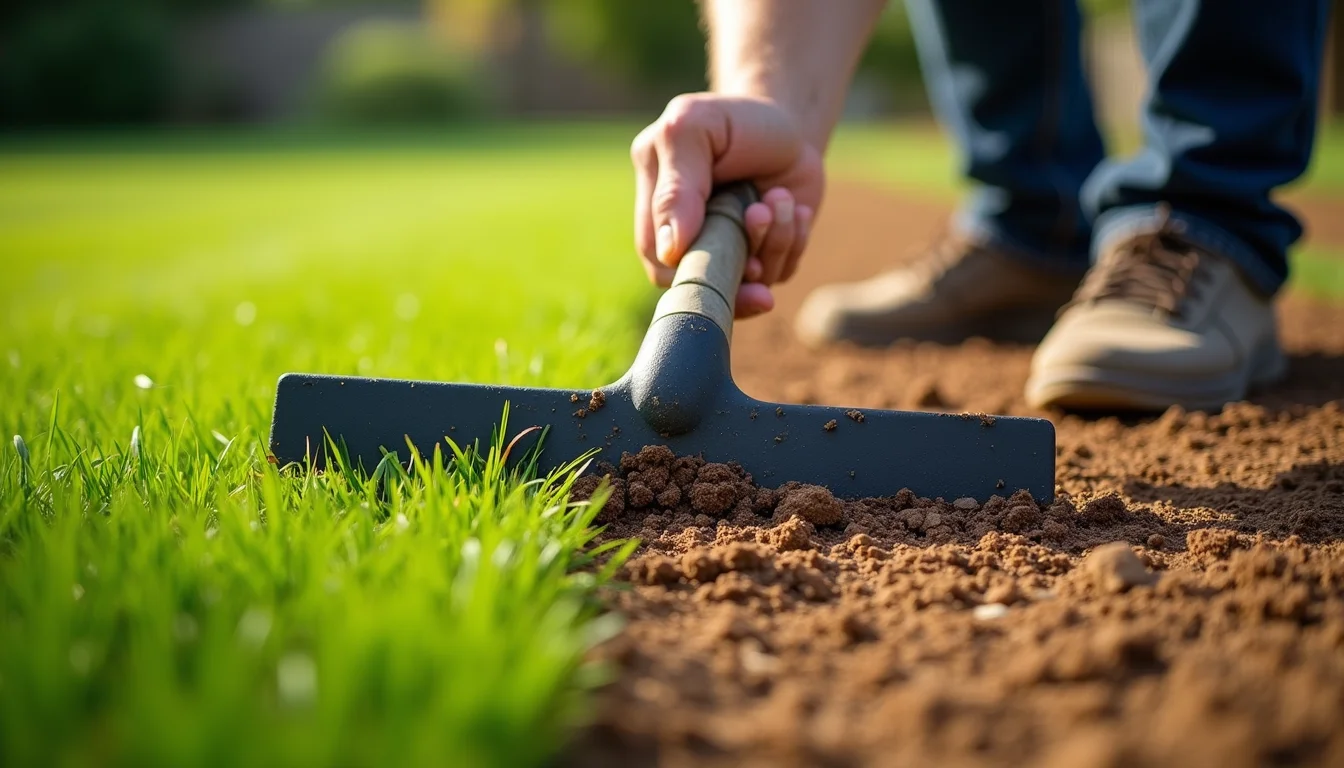
Is your lawn lumpy and bumpy, making you trip every time you mow? You might think you need expensive equipment to fix it, but a simple tool called a leveling rake can give you that smooth, golf-course look without breaking the bank.
Using a leveling rake is the secret to fixing uneven ground, whether you are prepping for new sod or just smoothing out low spots. This tool is designed to spread dirt and fill holes quickly, saving you hours of back-breaking work.
What Makes a Lawn Leveling Rake Different from a Regular Rake?
A standard garden rake has thin tines that dig into the soil, but a lawn leveling rake has a flat, solid plate that glides over the surface. This plate is usually 24 to 48 inches wide and made of heavy-duty steel or stainless steel, weighing enough to press down soil as you pull it.
This design lets you move topdressing or sand into low spots without digging up the grass. For example, brands like VEVOR and Landzie offer rakes with 180-degree swivel heads, so you can pull in both directions without turning the tool around.
Prices range from $30 for basic models to $180 for commercial-grade tools with longer handles. A longer handle (65 to 84 inches) reduces back strain, making it easier to cover large lawns without fatigue.
Transform Your Lawn with a Leveling Rake
Achieve a smooth, professional-looking lawn without breaking the bank. A leveling rake is your secret weapon.
This tool is essential for a healthy, beautiful yard. It ensures even watering and nutrient delivery to your grass.
| Estimated Time | Cost (USD) | Difficulty Level |
| 2-4 Hours | $30 – $180 | Easy |
Necessary Materials
- Leveling rake (36-48 inch recommended for efficiency)
- Topdressing material (soil, compost, sand mix)
- Wheelbarrow
- Gloves
- Water source (hose or sprinkler)
The Definitive Step-by-Step
- Prepare the Lawn – Mow your lawn short. Remove any debris like rocks or sticks.
- Gather Materials – Have your leveling rake and topdressing ready. Ensure the material is slightly moist, not wet.
- Apply Topdressing – Spread a thin layer of material over the lawn. Use a wheelbarrow for easier transport.
- Use the Leveling Rake – Place the rake flat on the ground. Gently pull it towards you in short, overlapping strokes.
- Fill Low Spots – The rake will push material into depressions. Add more material as needed.
- Smooth High Spots – The rake will shave down high areas. Distribute the excess material to fill other spots.
- Repeat Strokes – Continue raking in different directions. This ensures even distribution and leveling.
- Water Lightly – After leveling, water the area gently. This helps settle the new material.
- Allow Recovery – Let the grass grow through the topdressing. Avoid heavy foot traffic for a week.
Common Execution Mistakes
- Using a rake that is too narrow for large areas, increasing work time.
- Applying topdressing too thick, which can smother the existing grass.
- Raking too aggressively, which can damage the lawn instead of leveling it.
Lawn Leveling Rake vs. Landscape Rake
A lawn leveling rake has a wide, flat plate designed to spread and smooth material. A landscape rake has tines to gather leaves or debris. They serve very different purposes in lawn care.
Best Lawn Leveling Rake for Sandy Soil
For sandy soil, a wider rake (36-48 inches) with good weight is best. This helps the rake press into the sand effectively. Look for durable materials like stainless steel.
How to Use a Lawn Leveling Rake for Overseeding
After overseeding, use the rake gently. Lightly drag it over the seeded areas. This ensures good seed-to-soil contact for better germination.
DIY Lawn Leveling Rake Construction
While possible, building a DIY leveling rake can be challenging. It requires welding and precise measurements. Buying one is often more cost-effective and time-efficient. Check out options at Varomorus.
Benefits of a Stainless Steel Lawn Leveling Rake
Stainless steel leveling rakes resist rust and corrosion. They are also durable and maintain their shape under pressure. This makes them a long-lasting investment for your lawn.
Lawn Leveling Rake for Uneven Backyard
An uneven backyard is a perfect candidate for a leveling rake. Use it with a good soil mix to fill low spots. This tool is key for achieving a smooth backyard.
Commercial Grade Lawn Leveling Tools
Commercial grade tools are built for heavy use and larger areas. They often feature wider plates and stronger construction. Brands like VEVOR offer robust options. See VEVOR’s selection here: VEVOR Lawn Leveler Tool.
Lawn Leveling Rake for Sod Installation
When installing sod, a leveling rake is crucial. It prepares the soil bed by smoothing out imperfections. This ensures the sod lays flat and establishes evenly. Visit Varomorus for suitable tools.
Expert Tips for Using Your Leveling Rake
What to Avoid
Never use a leveling rake on wet soil. The tool will clump and create an uneven surface that hardens into ridges.
Avoid pulling the rake too fast. Slow, deliberate strokes give the soil time to settle evenly behind the plate.
Step-by-Step for Best Results
- Start by mowing your lawn low and removing debris. This lets the rake glide without snagging.
- Apply a thin layer of topdressing (sand or compost) no deeper than half an inch. Thicker layers smother the grass.
- Work in a grid pattern, overlapping each pass by a few inches. This prevents missed spots and ensures consistent leveling.
- After leveling, water lightly to help the material settle. Avoid heavy watering that can wash away your work.
For bare soil preparation, rake in two perpendicular directions. This breaks up clods and creates a smooth seedbed.
Clean your rake after every use. Rinsing off soil prevents rust and keeps the glide smooth for the next job.
Frequently Asked Questions
Can I use a leveling rake on an existing lawn without topdressing?
No, a leveling rake is designed to redistribute material, so it needs something to move. Without topdressing, it will only scratch the surface and not fill low spots.
How long does it take to level a typical 5,000 sq ft lawn?
With a 36-inch rake, expect about two to three hours for a thorough pass. The time depends on how many low areas you need to fill and your walking speed.
Will a leveling rake damage my grass?
If used correctly on dry turf with a thin topdressing, it causes minimal stress. The rake’s flat plate glides over the grass without tearing it, unlike a standard garden rake.
Choosing the right leveling rake means investing in a tool that transforms your lawn from patchy to pristine. The durable materials and ergonomic designs available today make this job easier than ever.
Now that you know what to look for, measure your lawn and pick a width that matches your space. A 36-inch model is a versatile starting point for most homeowners.
Imagine walking barefoot across a smooth, level lawn that looks like a putting green. That satisfaction is just a few passes away with the right rake in your hands.
