

You bought a beautiful frame but the art inside is boring. That empty wall is just staring back at you. It feels expensive to fill it with something that actually looks good.
You don’t need to spend a fortune on original paintings. The trick is knowing which wall art styles work in your home and how to hang them. Let’s fix that blank wall without breaking your budget.
What ‘Paintings’ Means for Your Home Decor in 2026
In Spanish, ‘cuadros’ means ‘paintings’ or ‘art prints’ – the kind you hang on your wall. But it also refers to plaid patterns on fabric and data tables. For home decor, we’re talking about wall art. The global art market is worth tens of billions, and online sales keep growing.
People now want personalized and sustainable art. Think abstract art, landscape paintings, or modern art prints. You can buy affordable pieces from sites like Etsy or Society6. Custom framing adds a polished look without costing a lot.
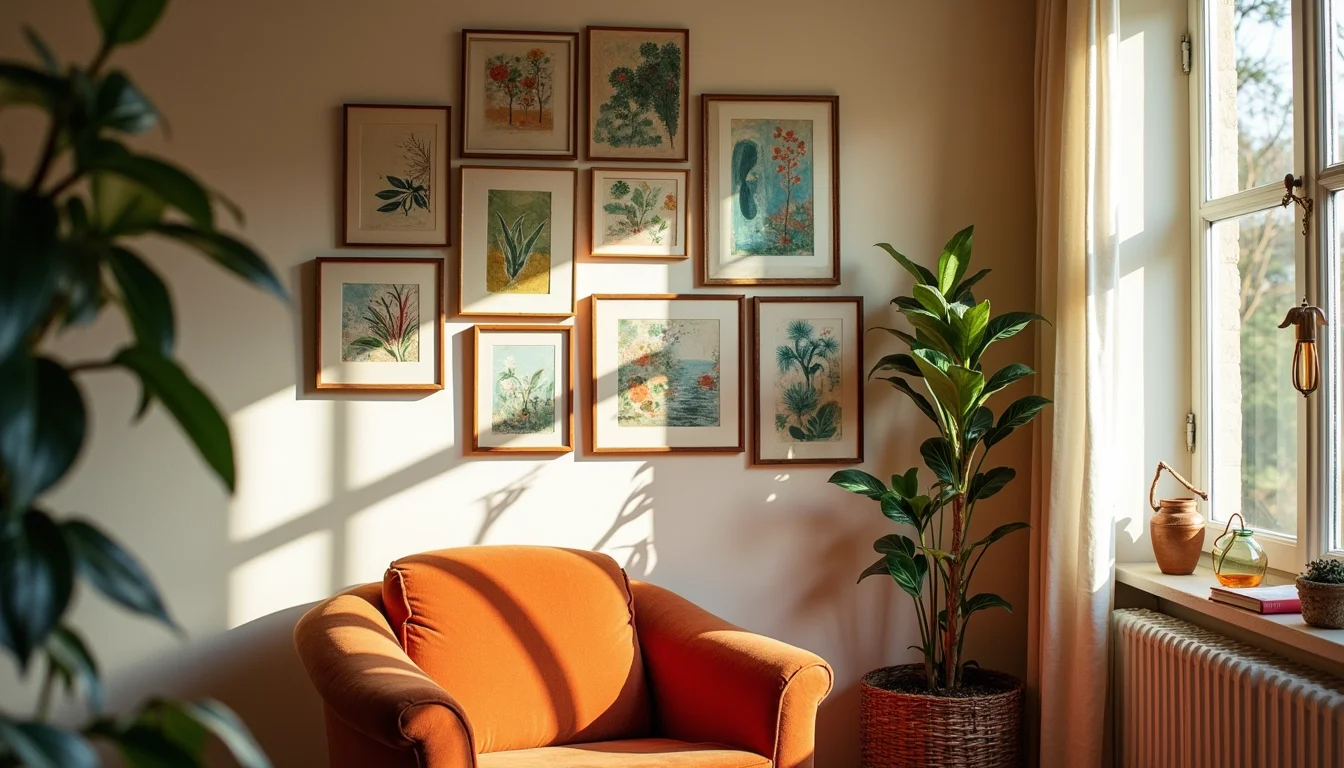
A common mistake is buying art that’s too small for your wall. A single small print looks lost. Instead, create a gallery wall with multiple pieces. Mix different sizes and styles for a designer feel. Use the same frame color to tie them together.
Abstract Art for a Modern Gallery Wall

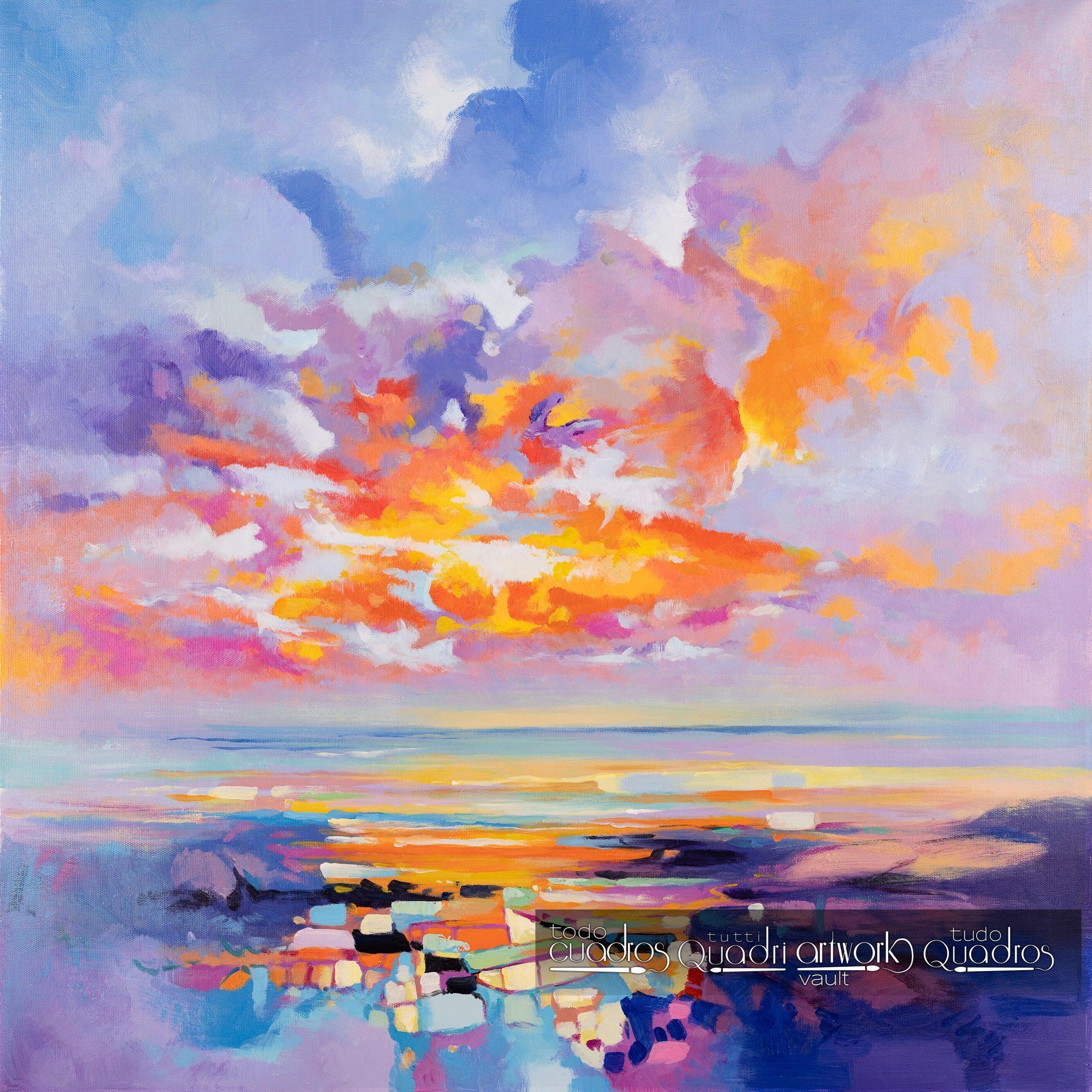
Abstract art offers a dynamic way to express personality in your home. It invites interpretation and adds a focal point to any room. This style is perfect for creating a contemporary gallery wall.
Geometric Abstractions
Sharp lines and defined shapes create a sense of order and modern sophistication. These pieces work well with minimalist interior design. Consider pairing them with clean-lined furniture.
Fluid and Organic Forms
Soft, flowing shapes evoke a sense of calm and movement. This type of abstract art complements natural materials and textures. It brings an element of organic beauty to your decor.
Bold Color Blocking
Vibrant blocks of color create high visual impact. This style is excellent for adding energy to a neutral space. It makes a strong statement in modern art collections.
Textured Abstract Pieces
Artwork with visible texture adds a tactile dimension. Impasto techniques or mixed media create depth and interest. This adds a unique sensory experience to your wall art.
| Style | Average Cost (Print) | Average Cost (Original) |
| Abstract | $50 – $300 | $500 – $10,000+ |
Landscape Paintings That Transform a Room
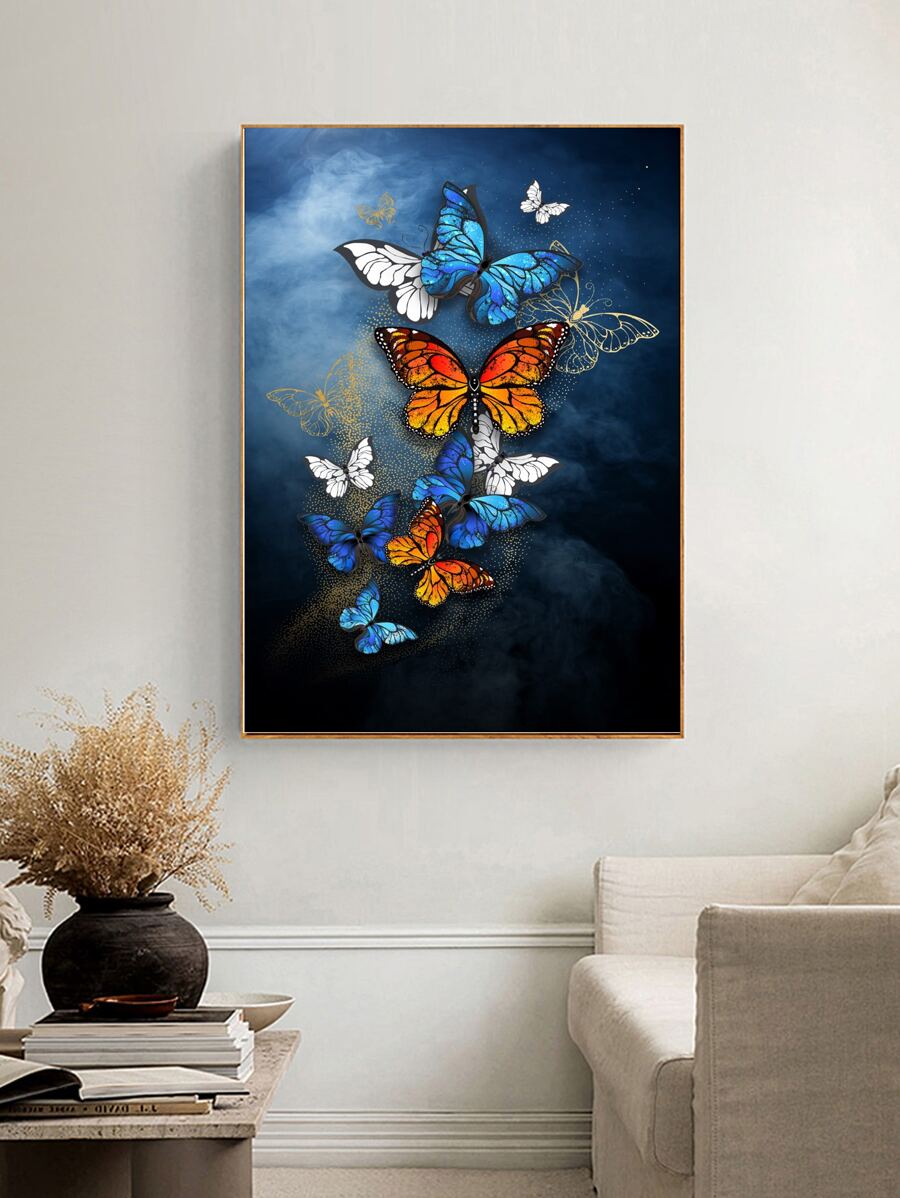
Landscape paintings connect your home to the outdoors. They bring a sense of peace and natural beauty indoors. These pieces can dramatically alter the mood of a space.
Serene Nature Scenes
Calm forests, tranquil lakes, or rolling hills create a peaceful atmosphere. These landscape paintings are ideal for bedrooms or living areas. They promote relaxation and a connection to nature.
Vibrant Cityscapes
Dynamic city views add energy and a touch of urban sophistication. These pieces can make a bold statement in a modern interior design. They are perfect for a home office or entryway.
Coastal and Seascape Art
Ocean views and beach scenes bring a refreshing, airy feel. This type of wall art is excellent for creating a relaxed, vacation-like ambiance. It suits bathrooms and sunrooms particularly well.
Mountain and Wilderness Views
Majestic mountains or vast wilderness evoke a sense of adventure. These powerful images can be a stunning focal point. They add drama and grandeur to any room.
| Subject | Typical Materials | Color Palette |
| Landscapes | Oil on Canvas, Acrylic on Board | Earthy Tones, Blues, Greens |
Vintage Art: Charm and Character for Your Walls
Vintage art adds a unique layer of history and personality. It brings a sense of nostalgia and timeless appeal to your home decor. These pieces tell a story and create a warm atmosphere.
Retro Poster Reproductions
Reproductions of old advertisements or travel posters offer a pop of color. They are an affordable way to incorporate vintage art. These are great for kitchens or casual living spaces.
Antique Botanical Prints
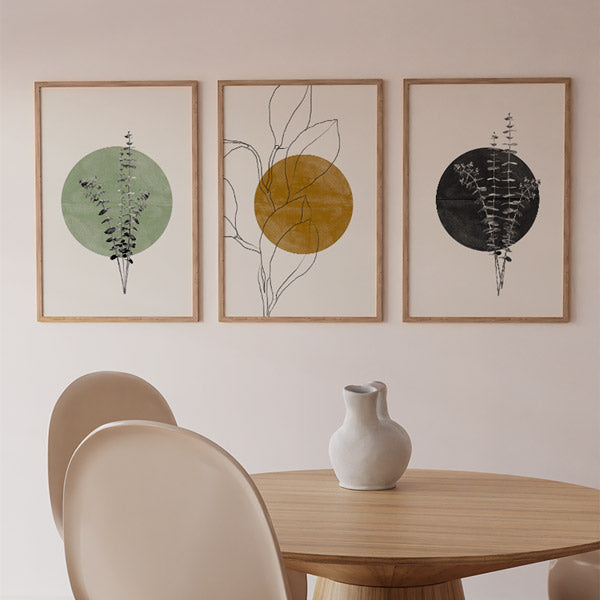
Delicate illustrations of plants and flowers add a touch of old-world elegance. These are often found in muted, natural tones. They fit well in studies or dining rooms.
Classic Portrait Art
Old portraits can add a touch of drama and intrigue. Consider their scale and subject matter for your space. They can become a captivating element in a gallery wall.
Faded Maps and Cartography
Vintage maps offer a sense of history and exploration. Their intricate details and aged appearance are appealing. They work well in home offices or libraries.
| Era | Common Subjects | Typical Condition |
| Vintage | Portraits, Landscapes, Ads | Aged Patina, Faded Colors |
Custom Framing: Elevating Your Favorite Art
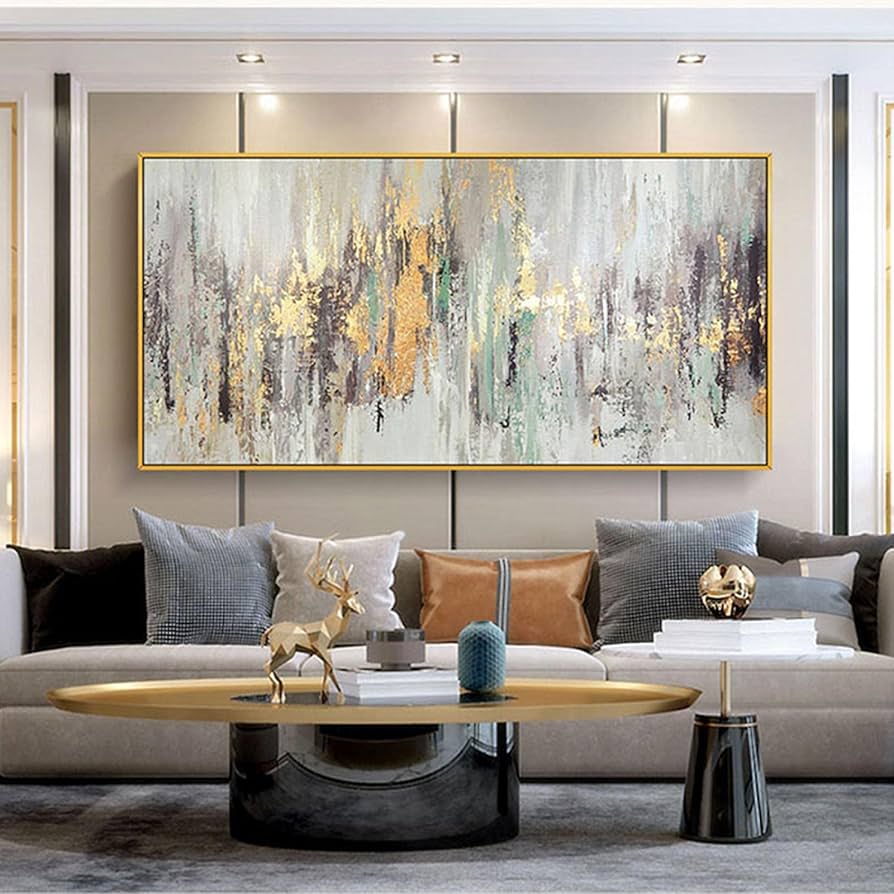
Proper custom framing protects your art and enhances its presentation. It transforms a simple piece into a sophisticated display. The right frame complements the artwork and your interior design.
Material Choices for Frames
Wood offers warmth, metal provides a modern edge, and acrylic gives a clean look. Consider the weight and style of your art. Natural oak finishes are popular for a contemporary feel.
Matting Techniques
Matting adds space around the artwork, preventing contact with the glass. It draws the eye to the piece and can complement its colors. Double or triple matting adds extra depth.
Frame Styles and Finishes
Ornate frames suit traditional art, while simple, clean lines work for modern art. Metallic finishes can add a touch of glamour. A distressed finish can enhance vintage art.
Protective Glass Options
UV-filtering glass protects art from sun damage and fading. Anti-reflective options reduce glare for better viewing. Choose based on where the art will be displayed.
| Frame Material | Typical Cost Range | Impact on Art |
| Wood | $100 – $500+ | Warmth, Classic |
| Metal | $80 – $400+ | Modern, Sleek |
The Art of the Gallery Wall: Curating a Collection
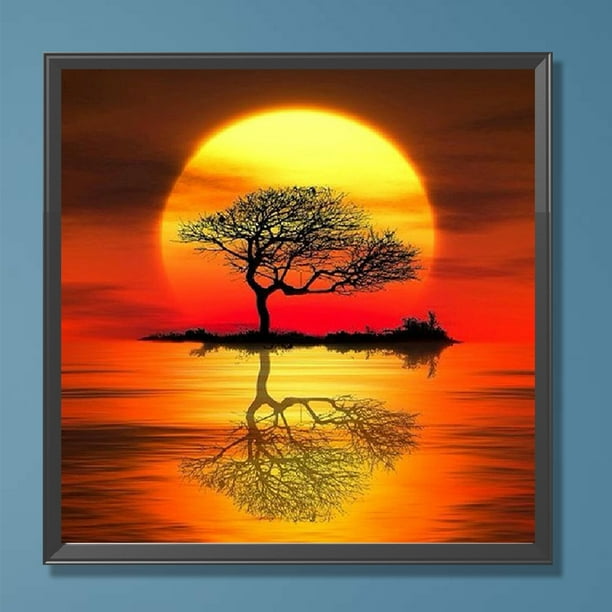
A gallery wall is a curated arrangement of multiple art pieces. It allows for a highly personal expression of style. This approach adds visual interest and depth to a room.
Mixing Art Styles
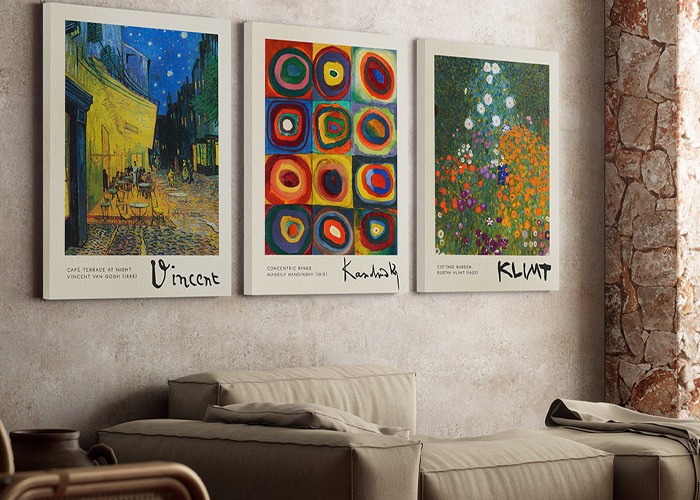
Combine abstract art, landscape paintings, and portrait art for a dynamic look. Varying sizes and orientations create visual rhythm. This approach showcases diverse tastes in home decor.
Consistent Color Palette
Choosing art with a cohesive color scheme ties the collection together. Even with different subjects, a shared palette creates harmony. This makes the gallery wall feel intentional.
Symmetrical vs. Asymmetrical Layouts
Symmetrical arrangements feel formal and balanced. Asymmetrical layouts offer a more relaxed and eclectic vibe. Plan your layout on the floor before hanging.
Spacing and Alignment
Consistent spacing between pieces is crucial for a polished look. Use a level for precise alignment. This attention to detail makes a big difference.
Incorporating Other Decor
Add mirrors, shelves with objects, or even textile patterns to your gallery wall. This creates a multi-dimensional display. It breaks up the visual plane effectively.
Modern Art Statements for Bold Interiors
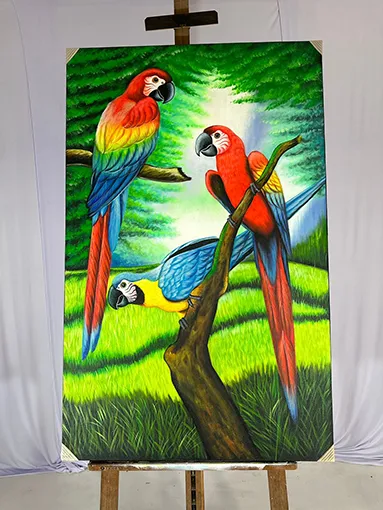
Modern art is characterized by its bold forms and often abstract nature. It makes a strong visual statement in contemporary spaces. This style is perfect for those who appreciate clean lines and impactful design.
Large-Scale Abstract Pieces
A single, oversized abstract artwork can dominate a room. It acts as a powerful focal point. This approach is ideal for minimalist interior design.
Minimalist Line Art
Simple, clean lines create a sophisticated and uncluttered aesthetic. This type of modern art is versatile. It complements various decor styles.
Sculptural Wall Art
Three-dimensional pieces add texture and depth to walls. They challenge traditional notions of wall art. These can be made from metal, wood, or mixed media.
Vibrant Geometric Designs
Bold geometric shapes and bright colors energize a space. This style is playful yet sophisticated. It works well in living rooms or creative workspaces.
| Style | Key Characteristics | Best For |
| Modern Art | Abstract, Geometric, Bold | Contemporary Homes |
Portrait Art: Adding Personality to Home Decor
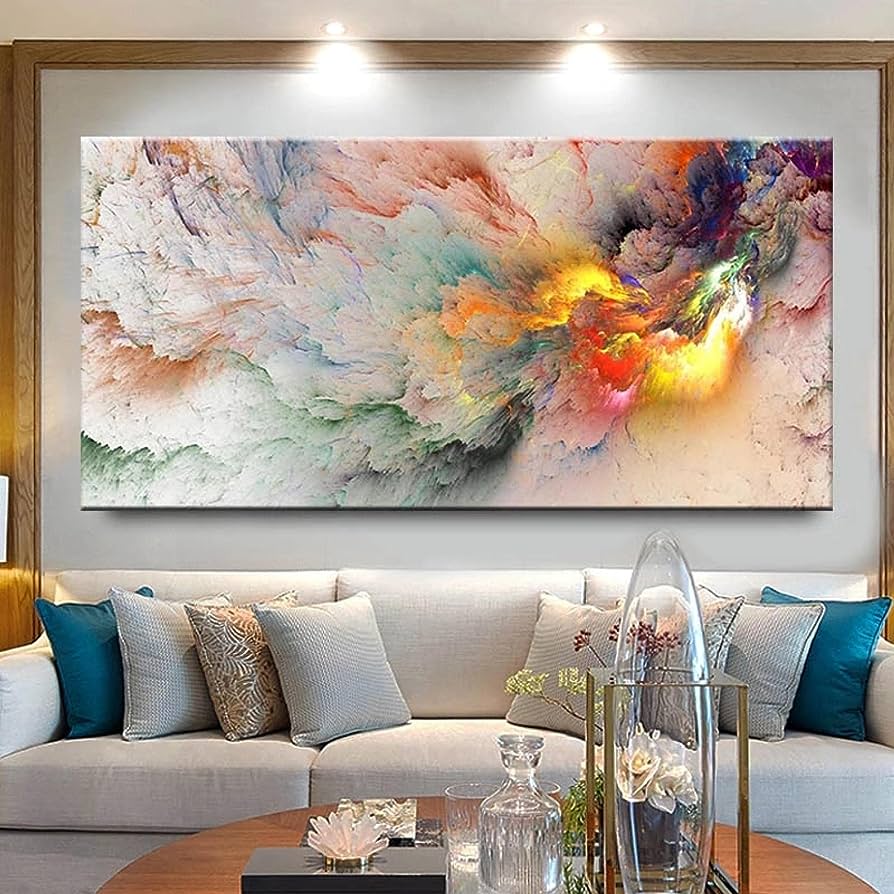
Portrait art brings a human element and a sense of connection to your walls. It can range from classical paintings to contemporary photography. This adds a unique personality to your home decor.
Family Portraits
Custom family portraits capture cherished memories. They add a deeply personal touch to your living space. Consider different artistic styles for a unique look.
Abstracted Figures
Portraits that are stylized or abstracted offer a modern interpretation. They can be more subtle than traditional likenesses. This blends figurative art with abstract art.
Historical or Celebrity Portraits
Images of historical figures or icons can add character and conversation starters. Choose subjects that resonate with your interests. They can lend a sophisticated air.
Pet Portraits
For animal lovers, a portrait of a beloved pet is a wonderful addition. These can be whimsical or highly realistic. They add warmth and joy to any room.
| Type | Material Examples | Emotional Impact |
| Portraits | Oil, Charcoal, Photography | Personal, Sentimental |
Textile Patterns as Wall Art: Fabric Meets Design
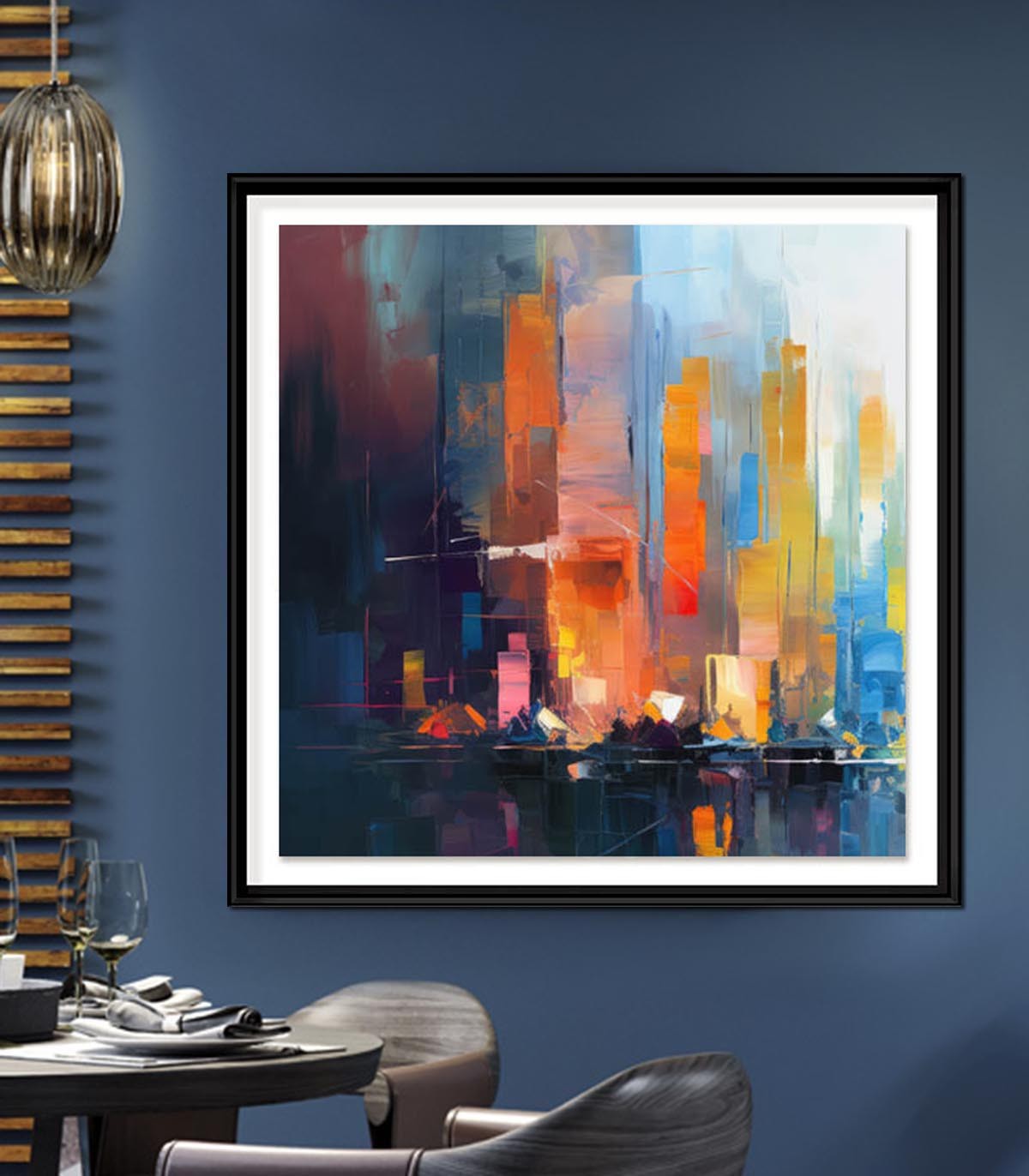
Using textile patterns as wall art offers a unique texture and visual appeal. Fabric can bring warmth, color, and pattern to your interior design. This approach is creative and often budget-friendly.
Framed Fabric Swatches
Select beautiful fabric by the yard with interesting textile patterns. Frame them like artwork for a custom look. This is perfect for adding a pop of color or pattern.
Tapestries and Wall Hangings
Larger textile pieces, like tapestries, can cover significant wall space. They add texture and a sense of history. This works well in bohemian or traditional decor.
Plaid and Checkered Designs
Classic patterns like plaid and gingham offer timeless appeal. They can add a cozy or sophisticated feel depending on the color. These are versatile for many rooms.
Custom Curtains as Art
Densely patterned curtains can act as a form of wall art. The fabric drapes and folds create visual interest. Choose bold patterns for a dramatic effect.
| Textile Type | Common Patterns | Application |
| Fabric | Plaid, Floral, Geometric | Wall Hangings, Curtains |
Style and Reference Gallery
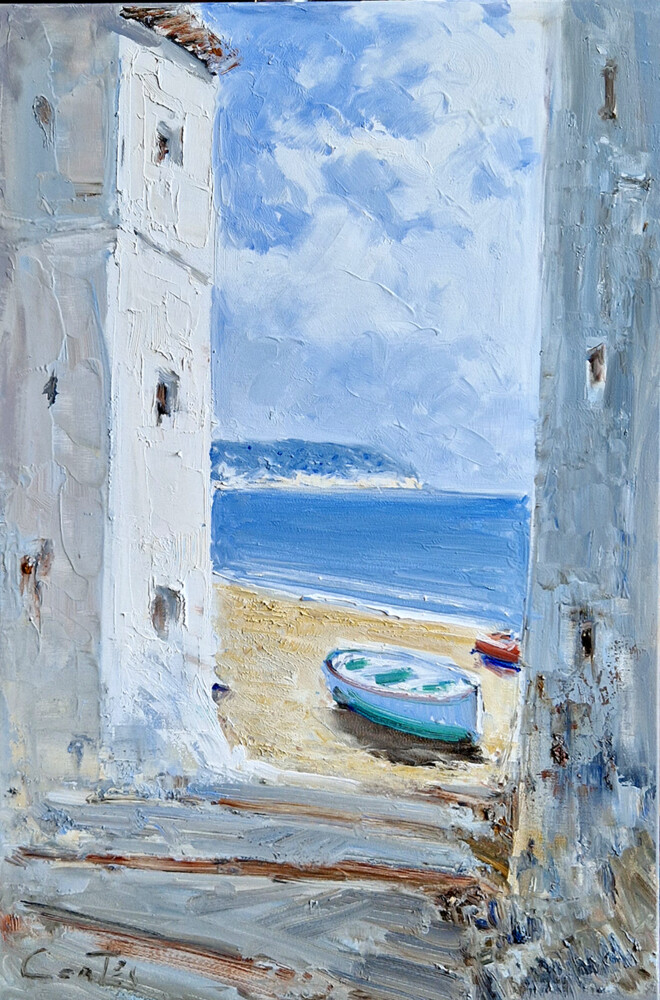
Mirrored panels act as art while making a room feel larger. Place one opposite a window to reflect light.
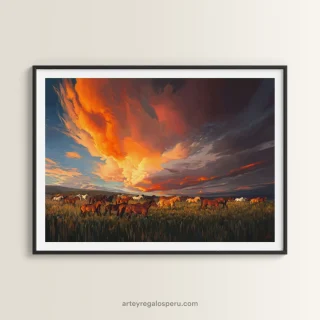
Local artists’ work adds unique character to any home. Support your community and get a conversation starter.
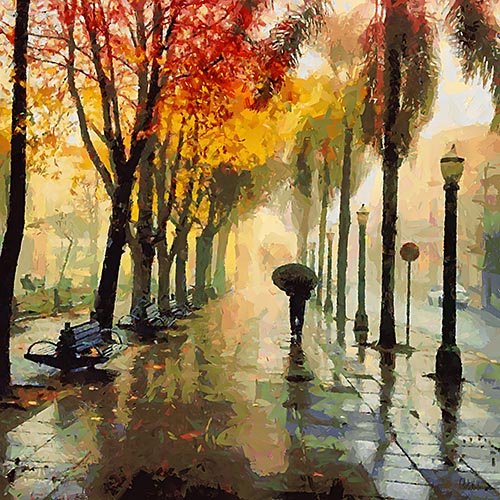
Neon signs are a playful alternative to traditional art. They work best in media rooms or home bars.
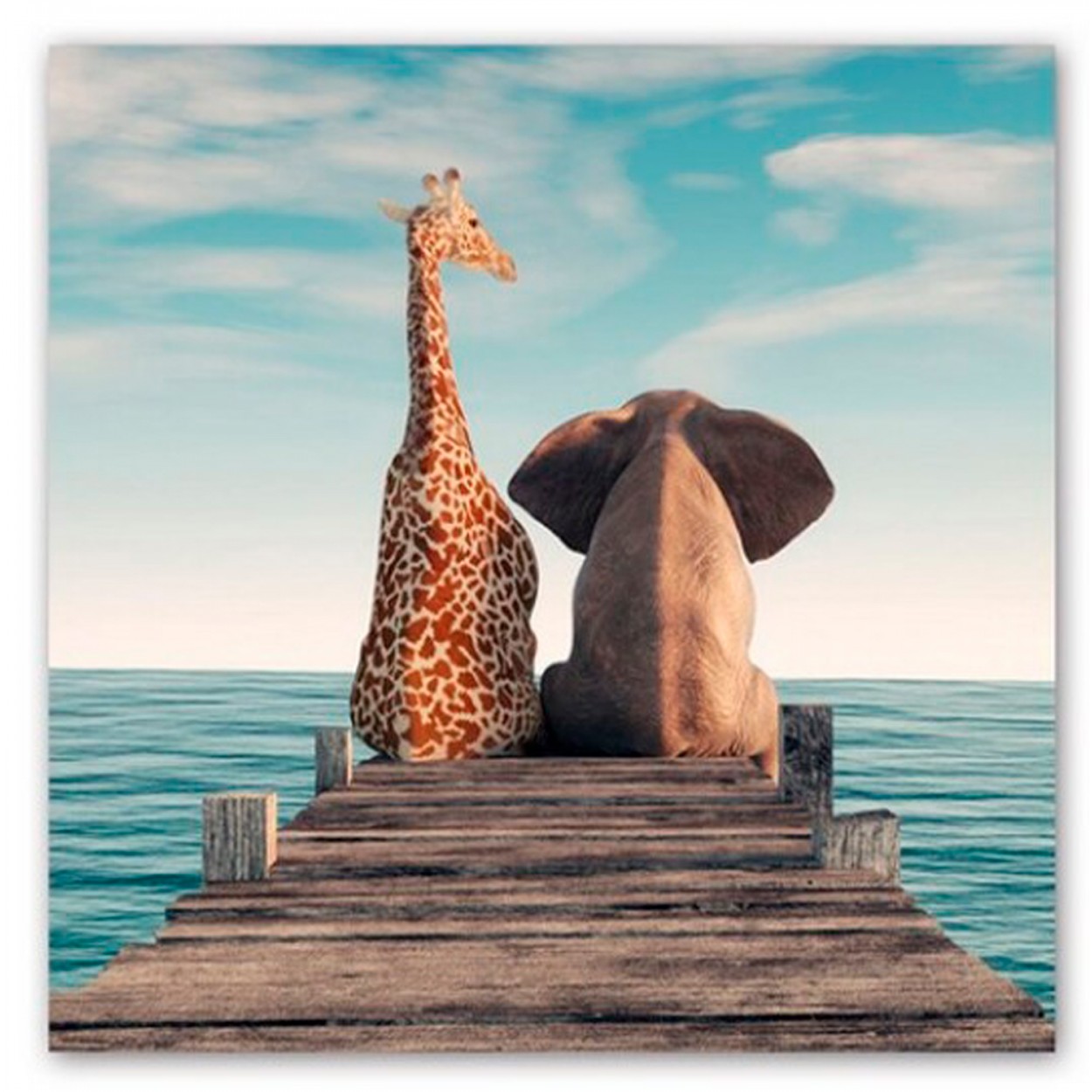
Sculptural wall pieces add dimension beyond flat art. Consider ceramic tiles or wood carvings for texture.
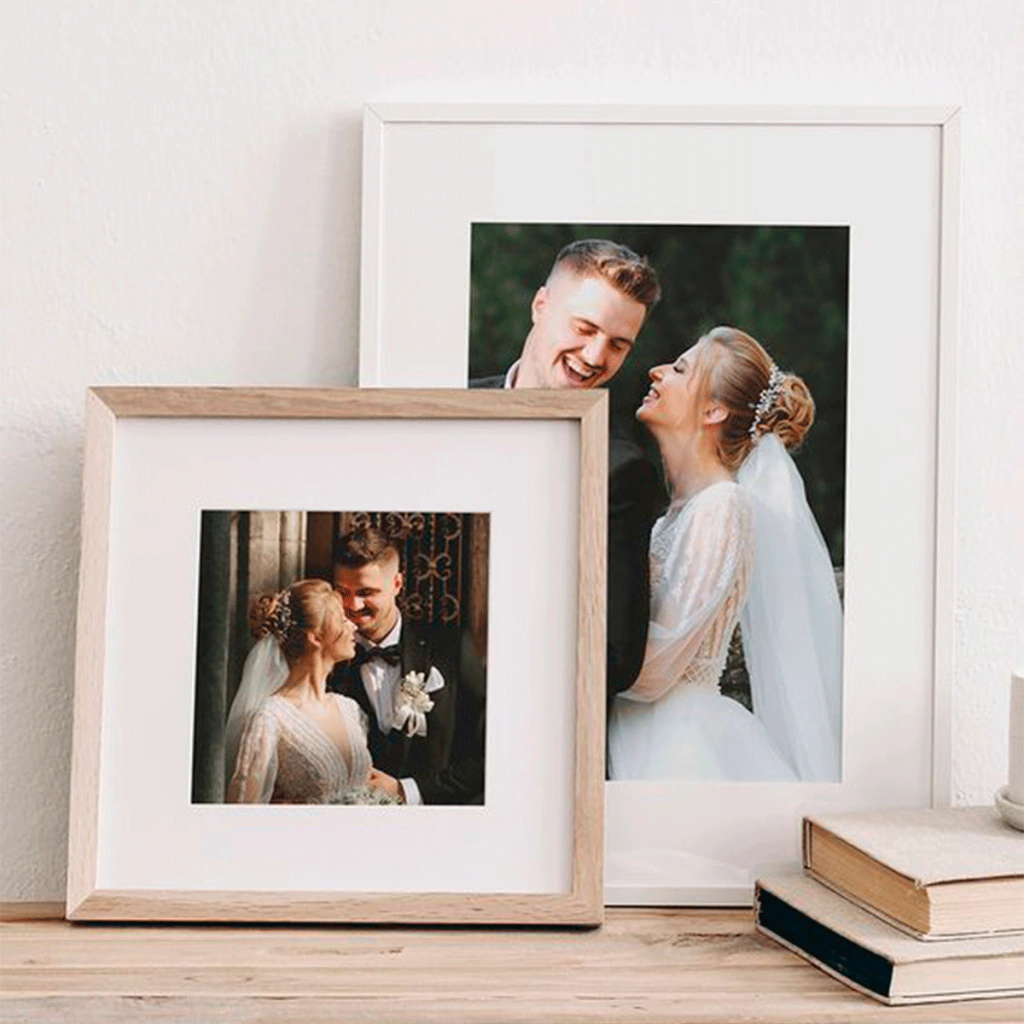
A gallery wall of family photos in matching frames tells your story. Use black frames on a white wall for consistency.
Maps and travel posters bring a worldly feel to a study. Frame them in thin metal for a clean, modern look.
Abstract art with blue tones creates a calming bedroom atmosphere. Pair it with neutral bedding for balance.

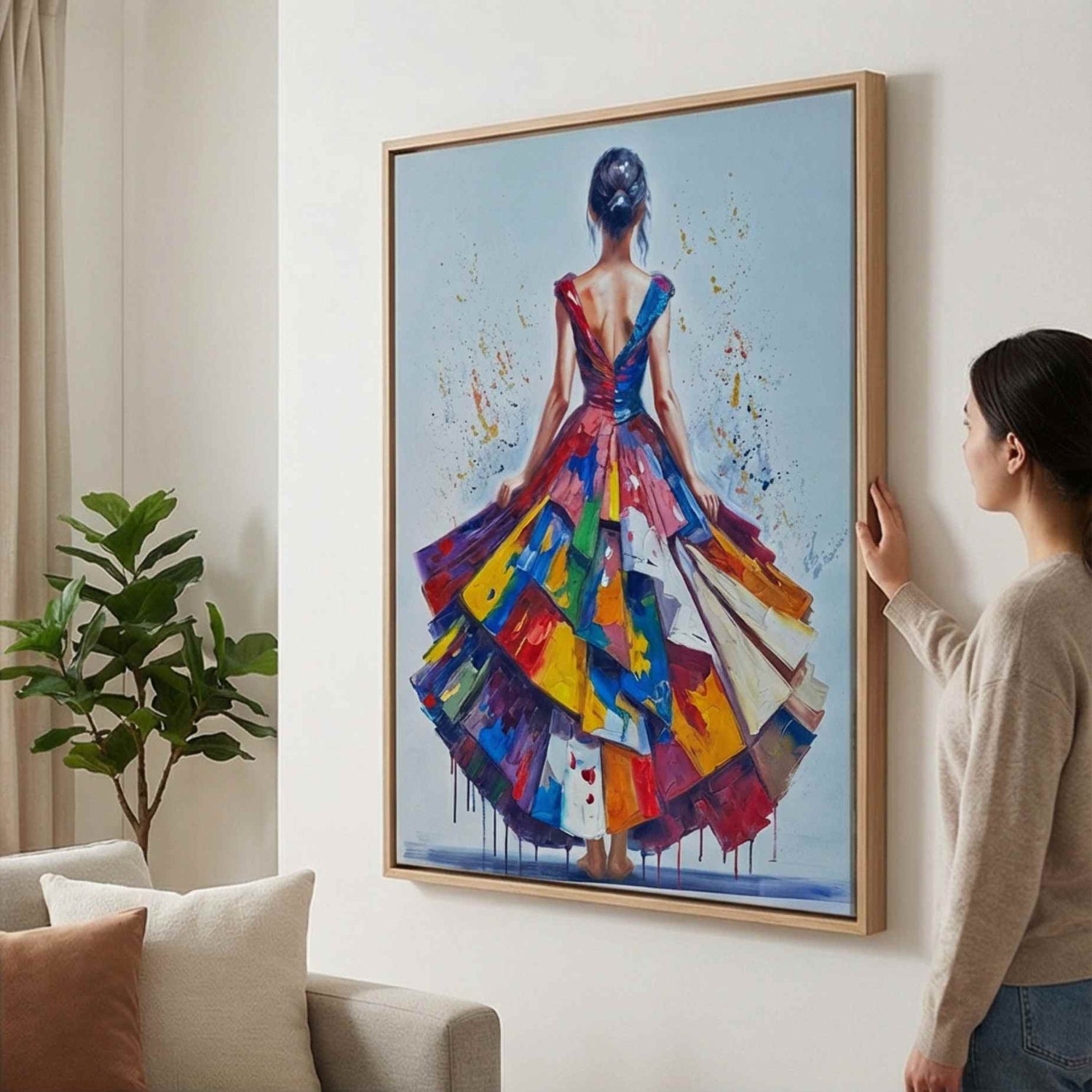
A single large canvas can anchor an entire living room. Choose a bold abstract to make the space feel expansive.
Black and white photography adds timeless sophistication. Group three small prints in matching frames for impact.
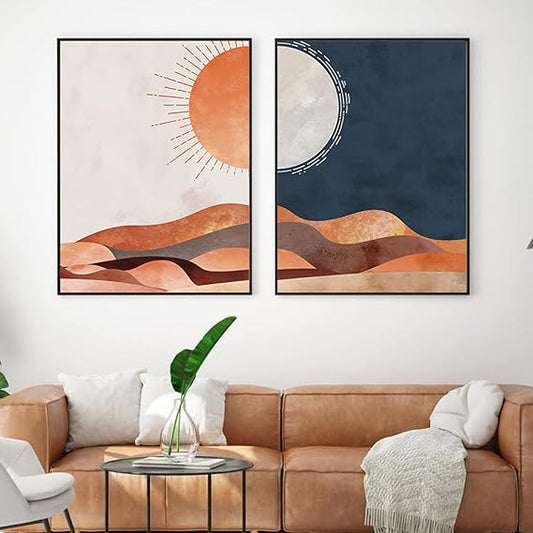
Textured art like fabric wall hangings brings warmth. They soften hard edges and absorb sound in open rooms.
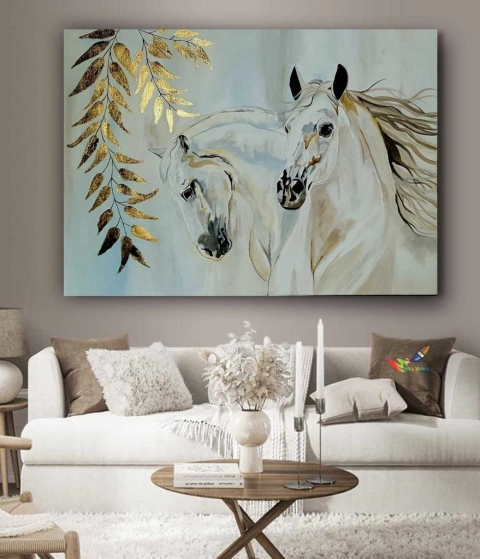
Mixing metallic frames with matte finishes creates visual intrigue. Try gold and black together for a modern edge.

A triptych of nature scenes can turn a hallway into a gallery. Keep the horizon line consistent across all three panels.
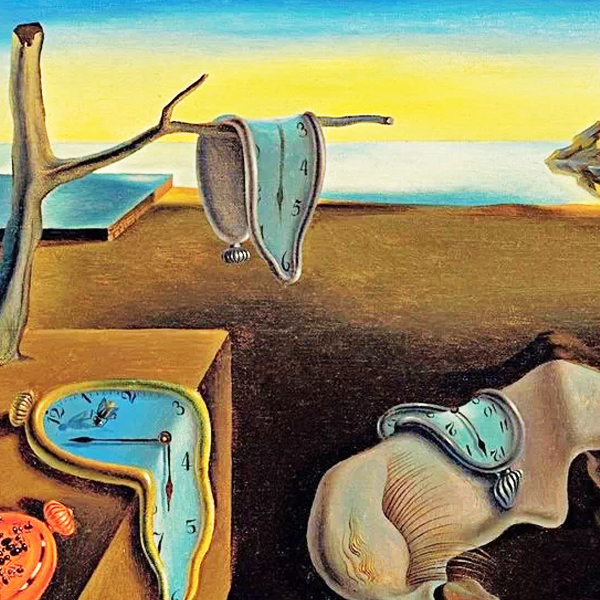
Oversized art works best above a sofa or bed. The piece should be about two-thirds the width of the furniture.
How to Turn Inspiration Into Action
Step-by-Step Guide to Hanging Your Art
Measure your wall width and mark the center point. Use a pencil to lightly outline where each frame will go.
Hang the heaviest piece at eye level first. Then work outward, leaving 2 to 3 inches between each frame.
What to Avoid in Execution
- Don’t hang art too high. The center should be 57 to 60 inches from the floor.
- Avoid mixing too many frame styles. Stick to two or three finishes for a cohesive look.
- Don’t ignore lighting. Use picture lights or track lighting to highlight your pieces.
Maintenance Tips
Dust frames and glass monthly with a soft microfiber cloth. Avoid direct sunlight to prevent fading.
Check hanging hardware every six months. Tighten screws or replace worn wire as needed.
Frequently Asked Questions
What is the best way to arrange a gallery wall?
Lay your frames on the floor first and move them around until you like the layout. Snap a photo to use as a guide while hanging.
Can I mix original paintings with prints?
Yes, mixing originals and prints adds depth and personal style. Just keep the color palette consistent for a unified look.
How do I choose the right frame for my art?
Pick a frame that complements the art without overpowering it. Simple black or white frames work with almost any style.
Choosing the right wall art transforms a room from plain to personal. You now have the tools to make confident, stylish decisions.
Start with one piece that speaks to you. Then build your collection over time, always keeping balance and scale in mind.
In 2026, art is more than decoration—it’s a statement of who you are. Let your walls tell your story with every carefully chosen painting.
