

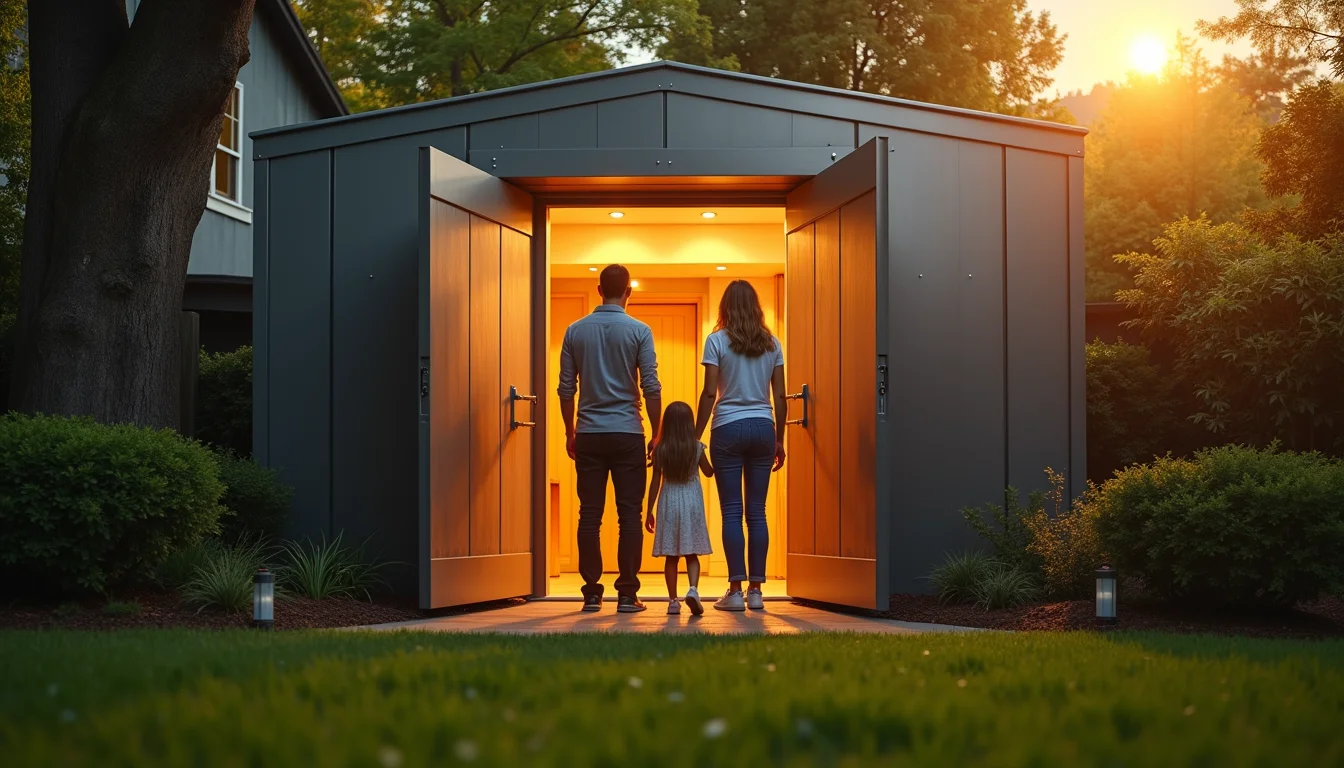
You might think a bomb shelter is just a concrete box buried in the backyard. In 2026, that idea couldn’t be more wrong. Today’s shelters are high-tech fortresses that protect against nuclear fallout, chemical attacks, and even tornadoes.
But building one isn’t as simple as digging a hole. You need to understand blast resistance, air filtration, and local permits. Let’s break down what a modern bomb shelter really involves and how to get started without wasting money.
What Is a Modern Bomb Shelter? It’s Not Your Grandfather’s Fallout Cellar
A bomb shelter today is a multi-purpose survival bunker built to withstand blast overpressure, radiation, and toxic air. Thick reinforced concrete (often over 12 inches) or heavy steel alloys form the shell. NBC/CBRN filters scrub the air, and blast doors seal you in safely.
Companies like Atlas Survival Shelters and DEFCON Bunkers sell prefab units starting around $20,000 for a basic model. Luxury versions with showers, kitchens, and gyms can top $200,000. The key is matching the shelter to your biggest threats: nuclear, chemical, or just severe storms.
Installation requires excavation, structural engineering, and building permits. Many homeowners bury shelters under garages or patios to keep them hidden. Decontamination chambers at the entry prevent bringing in radioactive dust. That’s why planning ahead is critical.
The Evolving Bomb Shelter: More Than Just a Bunker
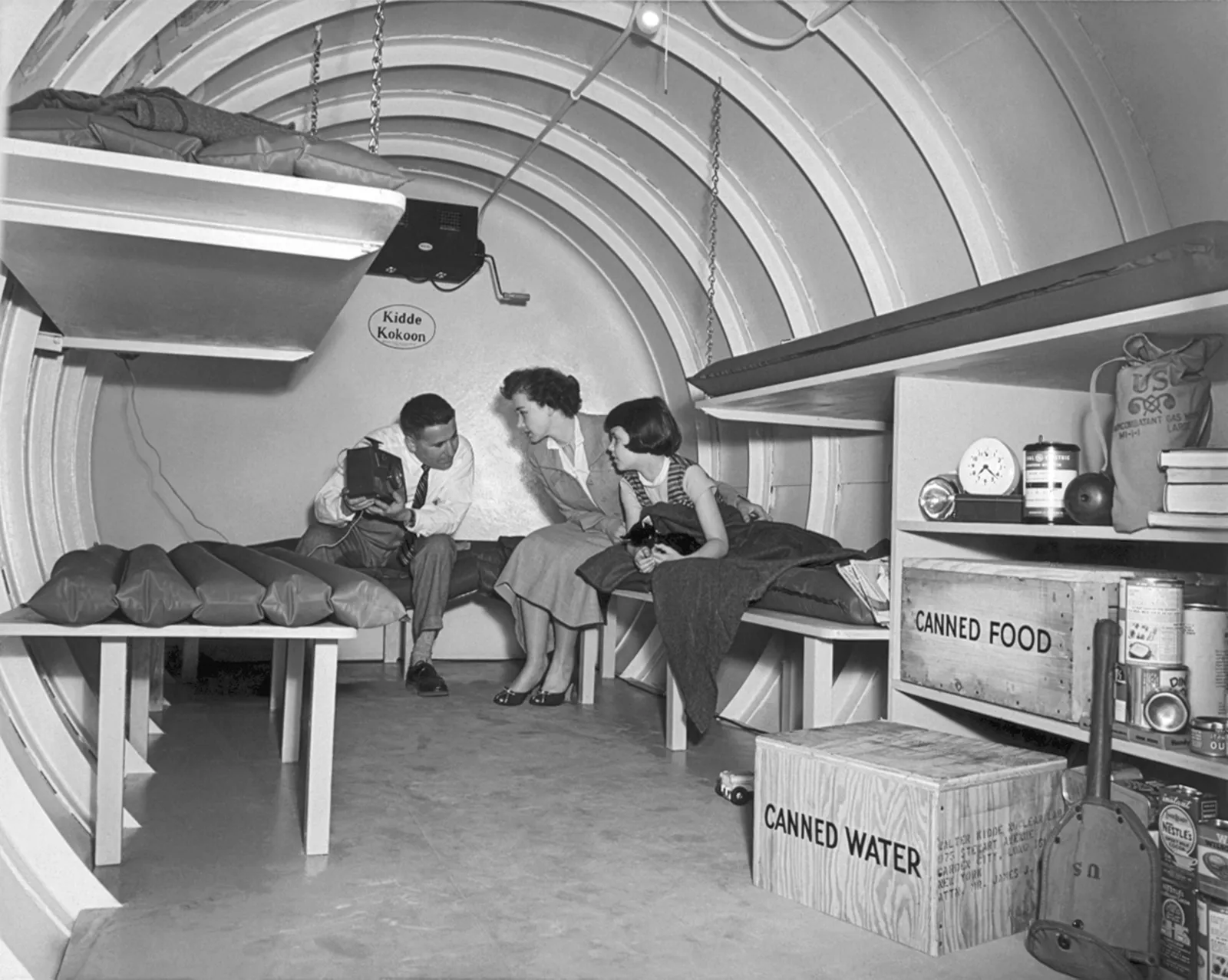
The concept of a bomb shelter has transformed dramatically since its Cold War beginnings. Today’s shelters are sophisticated, multi-functional fortifications designed for a wide range of threats. They offer protection against nuclear blast, thermal radiation, and radioactive fallout (NBC/CBRN).
Modern bomb shelters integrate advanced materials and technologies for comprehensive safety. They are engineered to withstand immense forces, ensuring survivability in extreme scenarios. These structures are becoming a serious consideration for homeowners seeking enhanced security.
| Feature | Description |
| Blast Resistance | Thick reinforced concrete (12+ inches) or steel alloys |
| Fallout Protection | Dense materials like earth, concrete, lead, composites |
| Air Filtration | Multi-stage NBC/CBRN filters, overpressure valves |
| Blast Doors | Heavy steel (8+ inches thick) with robust seals |
| Amenities | Long-term food/water, independent power, comms, waste management |
| Decontamination | Integrated chambers with showers and drainage |
Underground Bomb Shelter Basics
Underground bomb shelters leverage the earth’s mass for protection. This depth is critical, especially against high-yield nuclear events. Optimal depths can reach 100 feet or more, using soil as a natural shield against radiation and blast waves.
The construction involves significant excavation and engineering. Reinforced concrete or steel are common materials. Proper sealing is vital to prevent the ingress of hazardous air and contaminants. These shelters are designed for long-term occupancy.
Nuclear Fallout Shelter Design
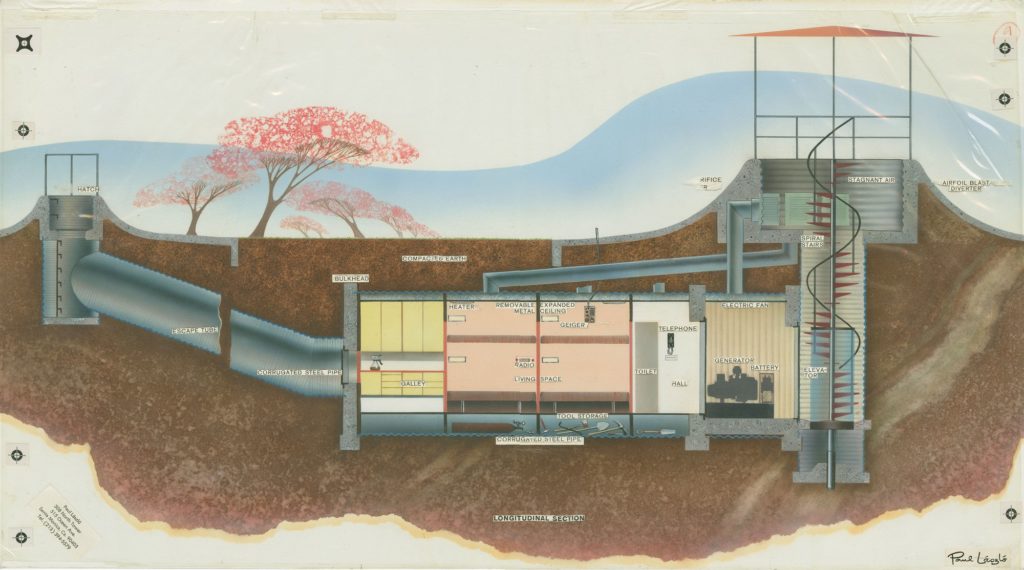
Designing a nuclear fallout shelter focuses on attenuating gamma radiation. Dense materials like concrete, lead, and even thick layers of earth are used. The goal is to block or significantly reduce the harmful radiation that follows a nuclear detonation.
Air filtration is a key component. Multi-stage NBC/CBRN filters remove airborne particles, including radioactive fallout. Overpressure systems ensure that contaminated air cannot easily enter the shelter. This creates a safe internal environment.
Cold War Bomb Shelter Features
Cold War bomb shelters were primarily designed for nuclear blast and fallout. They often featured thick concrete walls and basic ventilation systems. Stockpiles of food, water, and medical supplies were essential for survival.
These early shelters emphasized simplicity and durability. While effective for their time, modern designs offer far greater sophistication. They incorporate advanced filtration, better blast resistance, and more comfortable living conditions for extended stays.
Modern Survival Bunker Options
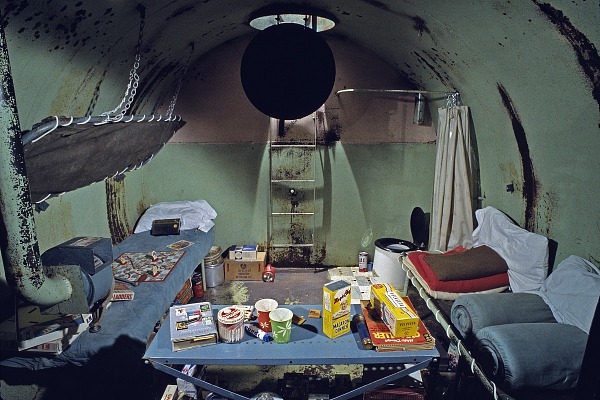
Today’s survival bunkers go beyond basic protection. They can be outfitted with advanced communication systems, independent power generation like solar or diesel generators, and comprehensive waste management. These options transform a bunker into a habitable living space.
Luxury bomb shelter options are available, featuring amenities like kitchens, bathrooms, and entertainment systems. Prefabricated bomb shelter kits and custom-built underground bunkers cater to various budgets and needs. The market offers diverse solutions for emergency preparedness.
Home Bomb Shelter Installation
Installing a home bomb shelter involves careful planning and execution. This often requires significant excavation and structural engineering expertise. Permits are usually necessary, and local building codes must be followed.
The process can be complex and costly. However, many homeowners find the peace of mind invaluable. Some shelters are integrated discreetly, serving dual purposes like home theaters or gyms when not in use.
Prefabricated Bomb Shelter Kits
Prefabricated bomb shelter kits offer a more streamlined installation process. These units are manufactured off-site and then transported for assembly. They come in various sizes and configurations, from small safe rooms to larger underground bunkers.
Kits often include pre-installed filtration systems and blast doors. This can reduce on-site construction time and complexity. They provide a reliable option for those seeking a quicker path to shelter security.
DIY Bomb Shelter Construction
For the more hands-on individual, a DIY bomb shelter is an option. This requires a deep understanding of construction principles and safety standards. Sourcing appropriate materials and ensuring structural integrity are paramount.
Common DIY approaches involve using reinforced concrete or steel shipping containers. Careful attention must be paid to ventilation, sealing, and blast resistance. Consulting with engineers is highly recommended for safety and compliance.
Blast Resistant Shelter Materials
The materials used in blast resistant shelters are critical for survival. Thick, high-strength reinforced concrete is a common choice, often exceeding 12 inches in thickness. Steel alloys are also used for their immense strength and durability.
These materials are chosen for their ability to withstand extreme pressure waves from explosions. The density of these materials also aids in blocking radiation. Proper engineering ensures the shelter’s structural integrity under immense stress.
The Future is Secure: Expert Verdict 2026
In 2026, bomb shelters are no longer relics of the past but essential components of modern preparedness. Their evolution reflects a growing awareness of diverse threats, from natural disasters to geopolitical instability.
The trend is towards integrated, multi-functional spaces that offer robust protection without compromising modern living standards. Expect to see more innovative designs and accessible options emerge in the coming years, making advanced security a reality for more households.
Your 3-Step Action Plan for Bomb Shelter Readiness
Step 1: Assess Your Needs and Budget
Start by identifying the primary threats in your area, such as nuclear fallout or extreme weather. A basic fallout shelter costs around $20,000, while a luxury bunker can exceed $100,000.
Step 2: Choose the Right Shelter Type
Prefabricated steel units are quick to install, but poured concrete offers superior customization. Always verify that the design meets FEMA guidelines for blast resistance.
Step 3: Plan for Long-Term Sustainability
Stock at least 30 days of food and water per person, plus a multi-stage air filtration system. Test your shelter annually to ensure seals and filters remain functional.
Frequently Asked Questions
Can I build a bomb shelter in my backyard?
Yes, but you must check local building codes and obtain permits, which can vary by city or county. Excavation depth and structural engineering are critical for proper blast protection.
How deep should a bomb shelter be for nuclear fallout?
A depth of at least 3 feet of earth cover reduces gamma radiation by 50%, but 10 feet or more is recommended for major threats. Deeper shelters provide exponentially better protection.
What is the best material for a bomb shelter?
Reinforced concrete at least 12 inches thick is standard for blast resistance, while steel adds flexibility for prefab designs. Earth berming around the structure enhances both insulation and shielding.
Choosing the right bomb shelter is a serious investment in your family’s safety, grounded in proven engineering and modern materials. The peace of mind from being prepared is worth the effort.
Now, review your property layout and contact a certified installer for a site assessment. Start small if needed, but take that first step today.
Imagine a secure retreat that blends seamlessly into your home, offering both protection and comfort. That future is achievable with careful planning and expert guidance.
