


Struggling to sink fence posts into hard ground? A sledgehammer can turn a simple job into a frustrating, back-breaking chore. The post pounder is the tool that changes everything, making post installation fast and precise.
Whether you are setting a mailbox or building a pasture fence, this tool delivers focused force without damaging the post top. Forget crooked, mushroomed posts and wasted time. A post pounder gives you professional results with less effort.
Manual vs. Powered Post Drivers: Which One Fits Your Job?
Manual post pounders are ideal for small projects like garden fences or signposts. They weigh between 12 and 30 pounds and rely on your arm strength. A good steel driver costs under $100 and needs almost no maintenance.
For large jobs like agricultural fencing, a gas-powered post driver saves hours of labor. These units use a 2-stroke engine to deliver rapid impacts, driving posts in seconds. Expect to pay $400 to $1,500, and remember to mix fuel and change oil regularly.
Pneumatic and hydraulic models offer even more power but require a compressor or heavy machinery. For most homeowners, a manual driver is enough. For pros or big acreage, gas power is the way to go.
The 2026 Guide to Post Pounders: Driving Success for Your Projects
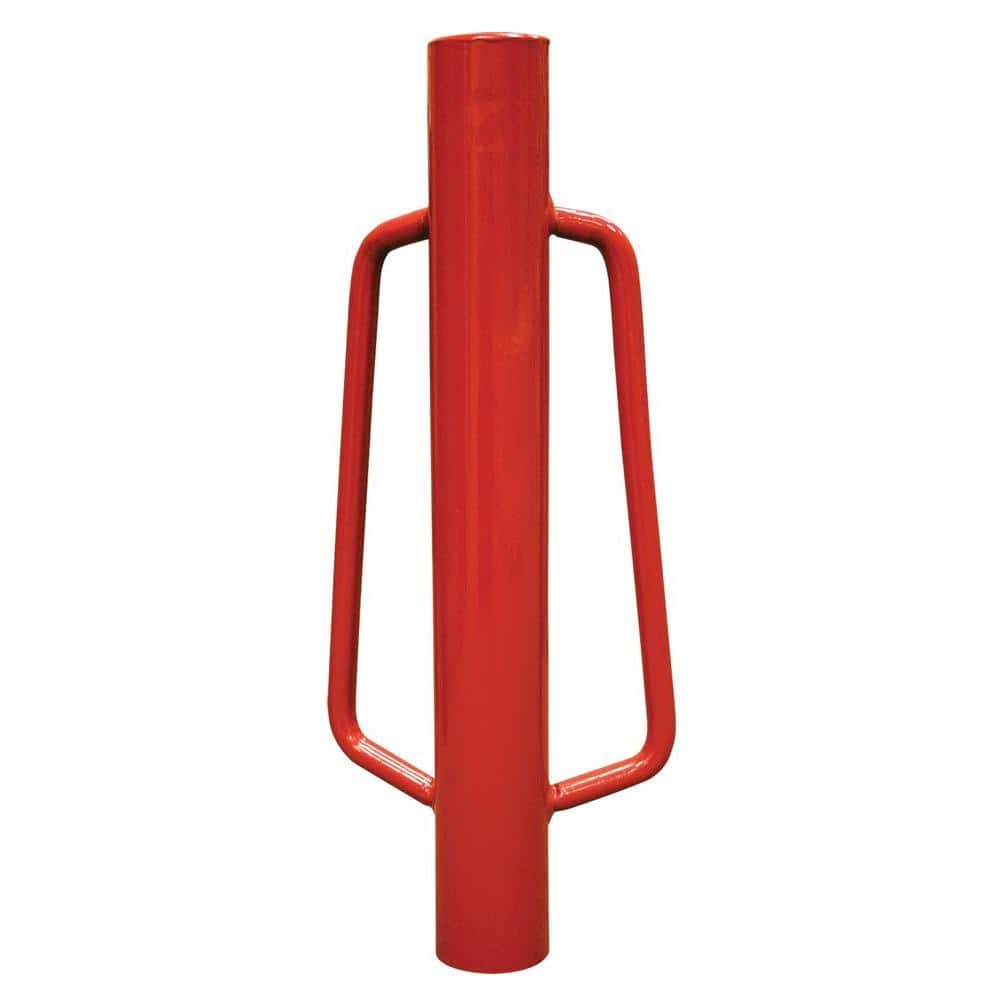
In 2026, getting posts into the ground efficiently is key. Whether you’re building a fence or setting up signs, the right tool makes all the difference. A post pounder, also called a post driver or fence driver, is designed for this exact job. It delivers strong, direct force to push posts down. This is much better than a sledgehammer. It keeps posts straight and prevents tops from getting damaged. Choosing the correct post pounder depends on your ground and project size.
| Tool | Power Source | Typical Weight | Best For | Cost |
| Manual | Human Effort | 12-30 lbs | Small DIY, Occasional Use | Under $100 |
| Gas-Powered | Gas Engine | 30-45+ lbs | Large Fences, Commercial | $300 – $1000+ |
| Pneumatic | Compressed Air | Varies (with compressor) | Consistent High Force, Less Portable | $200 – $800+ (tool only) |
| Hydraulic | Heavy Machinery | Very Heavy (machine mounted) | Large Posts, Professional Contracting | $1000s (attachment) |
Manual Post Pounder for Fence Posts
Manual post pounders are your go-to for simple tasks. They are essentially heavy steel tubes you lift and drop. You provide the power by lifting and letting gravity do the work. These are very affordable and easy to use for small jobs. Think garden fences or marking property lines. They require no fuel and minimal upkeep. Just keep them clean and dry.
Gas-Powered Post Driver Efficiency
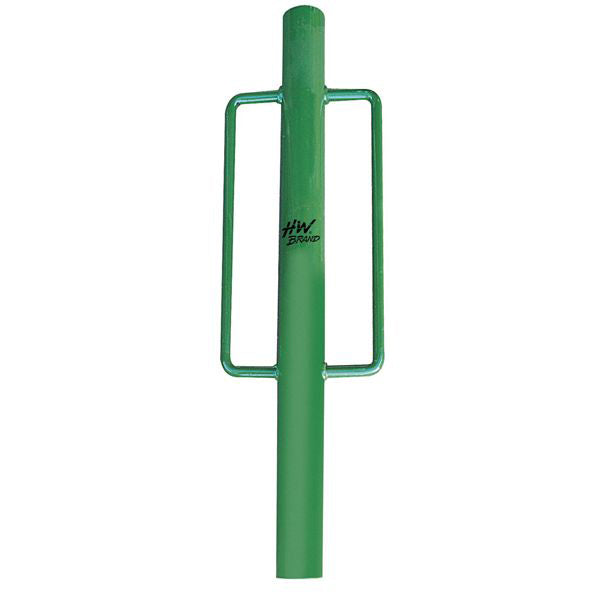
For bigger projects, gas-powered post drivers are a game-changer. These machines use a small engine to deliver rapid, powerful blows. They can drive hundreds of posts in a single day. This saves a lot of physical strain. They are heavier, so portability is a factor. Regular engine maintenance, like oil changes, is necessary for them to run well. You can find good options online, like on Amazon.
Hydraulic Post Driver for Heavy Duty Jobs
When you need serious power, hydraulic post drivers are the answer. These are usually attached to larger equipment like tractors. They use hydraulic fluid to generate immense force. This makes them perfect for driving large posts or even railroad ties. They are the professional choice for tough conditions. Their power is unmatched for demanding applications.
Skid Steer Post Driver Attachment
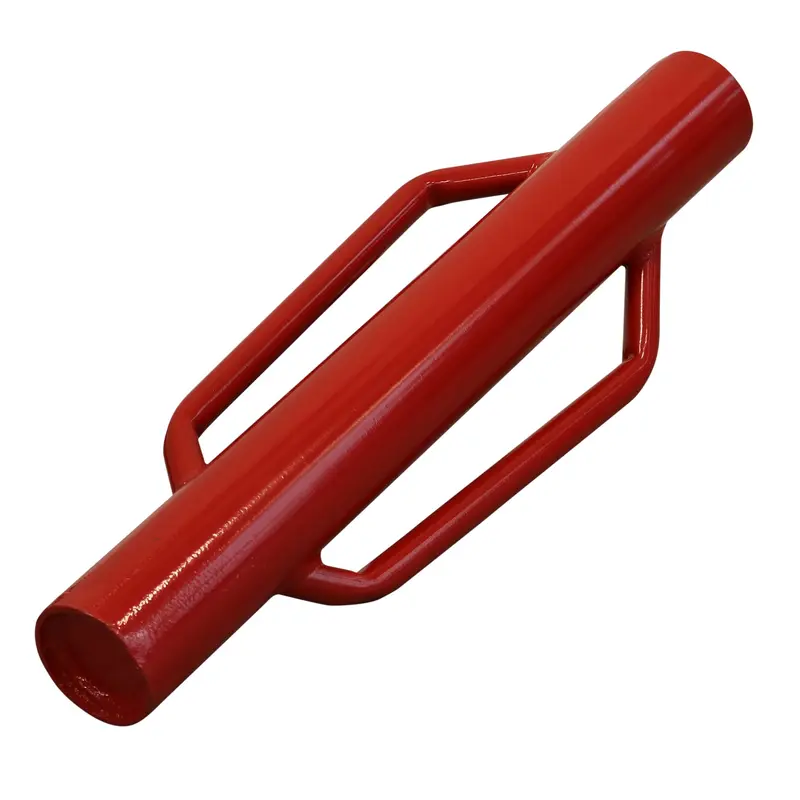
A skid steer post driver attachment turns your machine into a fence-building powerhouse. These are hydraulic tools designed to mount directly onto skid steers. They offer high speed and precision for driving posts. If you have a skid steer, this is an efficient way to handle large fencing jobs. It significantly reduces labor time and effort.
T-Post Driver for Steel Fence Posts
Steel T-posts are common for livestock fencing. A T-post driver is specifically shaped to fit over these posts. They make installing T-posts much faster and easier. Some are manual, while others are powered. Using the right tool prevents bending the T-post. It ensures a secure and stable fence line.
Hand Post Pounder for Small Projects
A hand post pounder is another term for a manual post driver. It emphasizes the direct, hand-operated nature of the tool. These are ideal for homeowners doing small DIY projects. They are lightweight and easy to store. You can find a wide variety of these on sites like Kencove Farm & Fence Supply. They are the most budget-friendly option available.
Pneumatic Post Driver for Air Tools
Pneumatic post drivers use compressed air to operate. They deliver consistent, high-impact force. The main drawback is the need for an air compressor and hoses. This makes them less portable than other types. They are often used by professionals who need reliable performance. Ensure your air supply is clean and dry for optimal function.
Comparing Post Driver Types by Power Source
Choosing between manual, gas, pneumatic, and hydraulic drivers comes down to your needs. Manual drivers are simple and cheap for light work. Gas drivers offer a balance of power and portability for medium to large jobs. Pneumatic drivers provide consistent force but require air support. Hydraulic drivers are the strongest, best suited for heavy-duty professional use. Consider your budget, project size, and soil type carefully.
The Verdict: Driving Forward with the Right Post Pounder
In 2026, the post pounder remains an essential tool for many projects. For DIYers, a sturdy manual post pounder is often all you need. Professionals tackling large areas should invest in a gas-powered or hydraulic model. The technology continues to improve, offering more power and efficiency. Always prioritize safety and choose a tool that fits your specific needs and physical capabilities. A good post driver will save you time and effort, ensuring your projects are built to last.
Your 3-Step Action Plan for Choosing the Right Post Pounder
Step 1: Define Your Project Scale
Count the number of posts you need to install. For fewer than 50 posts, a manual driver is sufficient; for hundreds, invest in a gas-powered model.
Step 2: Assess Your Soil
Test your soil by trying to drive a stake with a sledgehammer. Hard, rocky, or clay-heavy soils demand a powered driver to avoid frustration and wasted effort.
Step 3: Match Your Budget to Durability
Manual drivers cost $50–$150 and last decades with care. Gas-powered units run $300–$800 and require annual maintenance, so factor that into your decision.
What to Avoid
- Don’t buy a lightweight manual driver for rocky soil—it will bounce and tire you out.
- Avoid used gas-powered drivers without service records; engine repairs can cost more than a new unit.
Frequently Asked Questions
Can I use a manual post pounder in frozen ground?
No, frozen ground requires a gas-powered or hydraulic driver to generate enough force. Attempting manual driving in frozen soil risks damaging the tool and injuring yourself.
What size post pounder do I need for 4×4 posts?
For 4×4 posts, a manual driver weighing at least 20 lbs is recommended. Lighter drivers may not deliver enough force to seat the post properly in dense soil.
How do I maintain a gas-powered post driver?
Change the oil every 50 hours of use and clean the air filter regularly. Store it with a full tank of stabilized fuel to prevent carburetor issues.
Choosing the right post pounder saves time, money, and physical strain. Manual drivers work for small jobs, while powered models handle tough soils and high volumes.
Now that you know the key differences, measure your project needs and compare models at your local hardware store. Start with our action plan to make an informed purchase today.
Imagine setting your last post with clean, straight alignment in half the time. That satisfaction is within reach with the right tool in your hands.
