

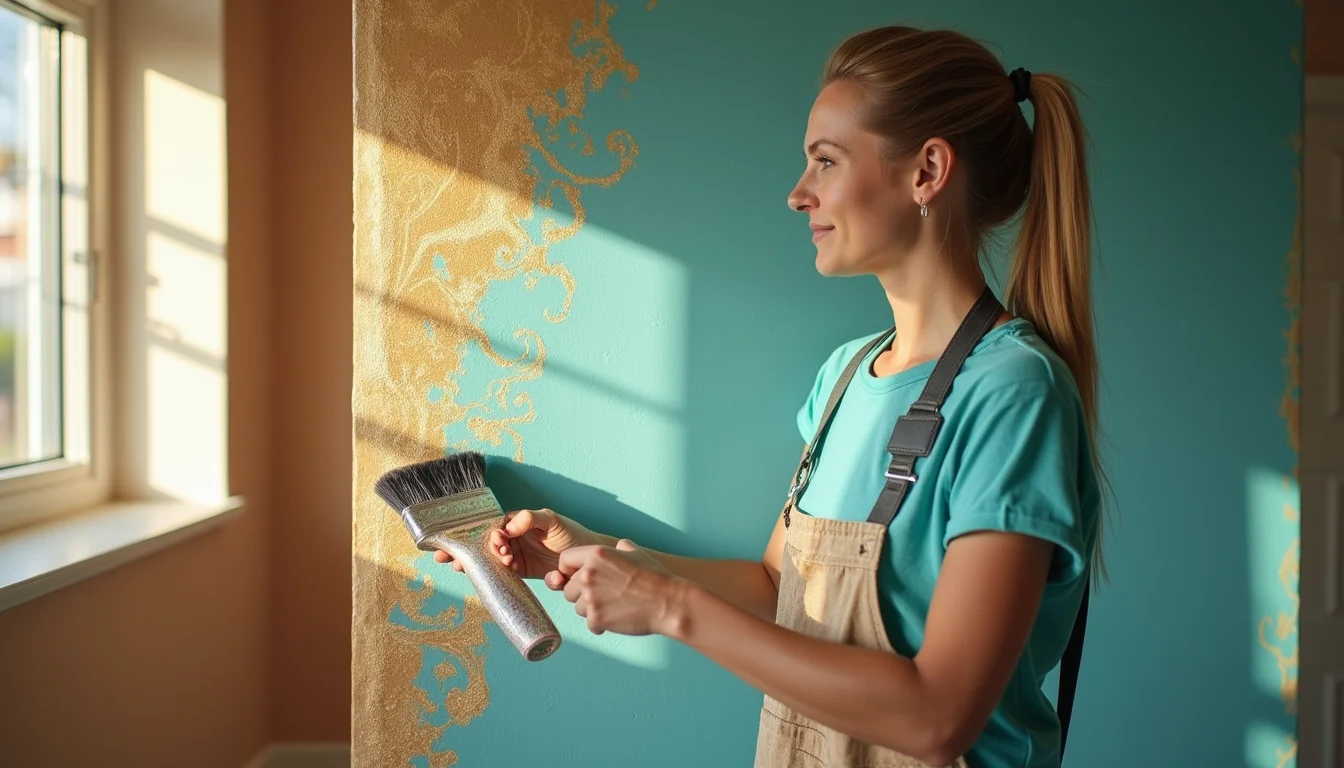
You’ve seen those smooth, stone-like walls in magazines and wondered how to get that look without spending a fortune on real marble. Faux finish painters can transform your plain drywall into a work of art, but finding the right one is key to avoiding a costly mistake.
Many homeowners think faux finishing is just a fancy paint job, but it’s a skilled craft that requires years of practice. The wrong technique can leave you with a blotchy mess, while the right painter can add serious value to your home.
What Can Decorative Painters and Wall Texture Artists Do for Your Home?
Professional faux finish painters use specialized techniques like Venetian plaster, color washing, and wood graining to create custom wall treatments that mimic natural materials. For example, a skilled muralist can replicate the veining of Carrara marble at a fraction of the cost of the real stone.
Prices in 2026 range from $2 to $25 per square foot, depending on complexity. A simple sponged texture might cost $3 per foot, while a layered Venetian plaster finish with multiple coats can run $12 or more. Always ask to see a portfolio of custom interior painting projects before hiring.
The Art of Decorative Painters
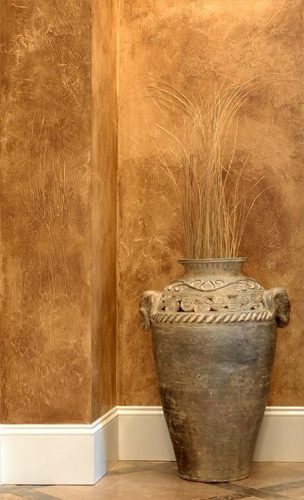
Decorative painters bring walls to life with unique artistic touches. They offer custom wall treatments that go beyond standard paint jobs.
Venetian Plaster
This technique creates a smooth, marble-like finish. It involves applying thin layers of plaster with a trowel for a polished look. Venetian plaster offers a luxurious, old-world charm.
Crackle Finish
A crackle finish mimics aged paint with fine lines. It is achieved by applying a special crackle medium between paint layers. This effect adds vintage character to any room.
Graining Techniques
Graining replicates the look of natural wood. Artisans use tools to mimic wood grain patterns on walls. This provides a sophisticated, natural aesthetic.
Color Washing
Color washing uses thin, translucent layers of paint. It creates a soft, layered color effect. This technique adds depth and a subtle texture.
Specialty Paint Finishes for Walls
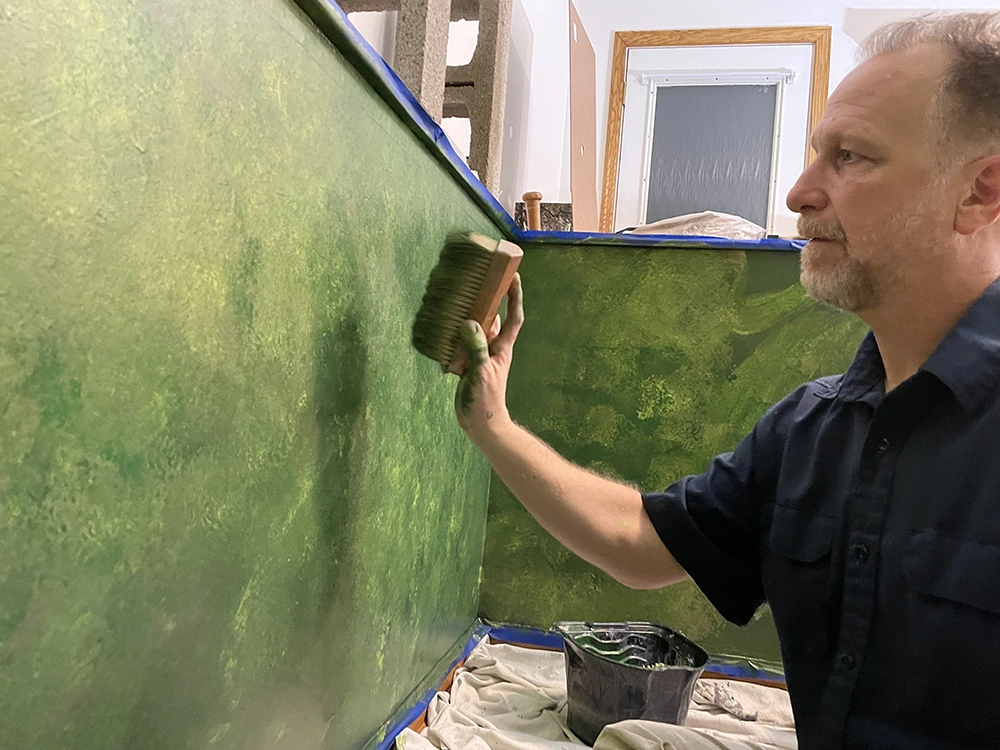
Specialty paint finishes transform ordinary walls into works of art. These techniques add depth, texture, and visual interest to interior spaces.
Metallic Finishes
Metallic paints offer a shimmering, reflective surface. They can mimic polished metals like gold, silver, or bronze. Use them to add glamour and light to a room.
Suede or Velvet Effect
This finish provides a soft, matte texture resembling suede or velvet fabric. It is achieved using special paints with fine particles. The effect is subtle yet elegant.
Strie and Rag Rolling
Strie involves dragging a brush through wet paint for a striped effect. Rag rolling uses a cloth to dab and swirl paint for a mottled look. Both add subtle texture and dimension.
Concrete Look
This finish mimics the raw, industrial aesthetic of concrete. It uses a special plaster or paint to achieve a matte, textured surface. It suits modern and loft-style interiors.
Textured Wall Effects That Impress
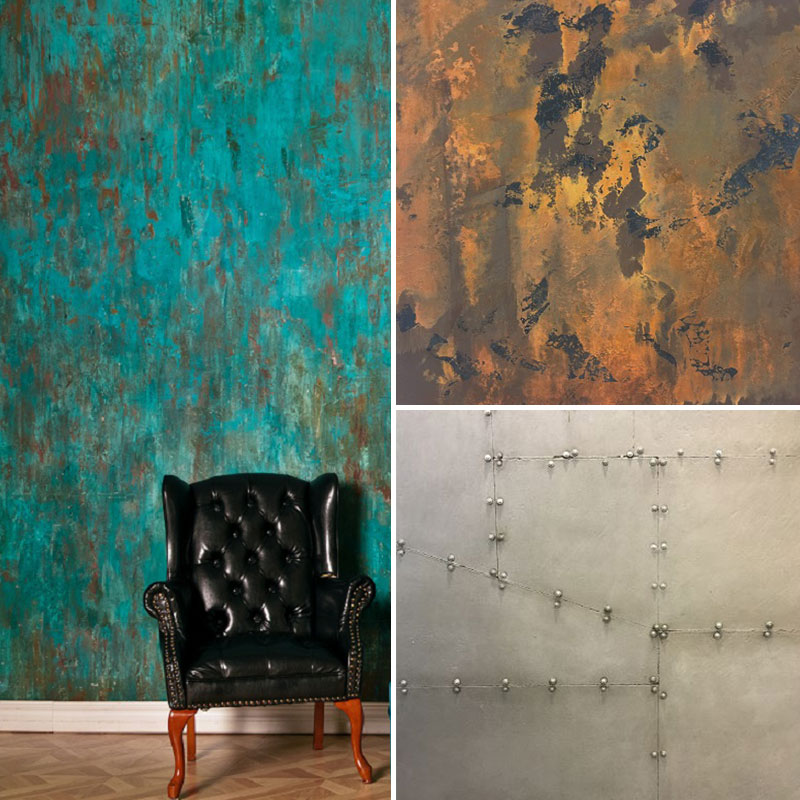
Textured wall effects add a tactile dimension to your home’s decor. These finishes provide visual depth and character, making a statement.
Sand Finishes
Sand finishes incorporate fine sand particles into paint. This creates a slightly gritty, matte texture. It offers a natural, earthy feel to walls.
Linen Texture
This effect mimics the woven texture of linen fabric. It is achieved through specific application techniques with paint and glazes. The result is a soft, organic pattern.
Stone or Brick Replication
Professional artisans can make walls look like natural stone or brick. They use specialized plasters and paints for a realistic appearance. This adds rustic or industrial charm.
Raised Stenciling
Raised stenciling uses textured compounds applied through stencils. This creates a three-dimensional pattern on the wall. It adds a unique, decorative element.
Custom Interior Painting by Experts
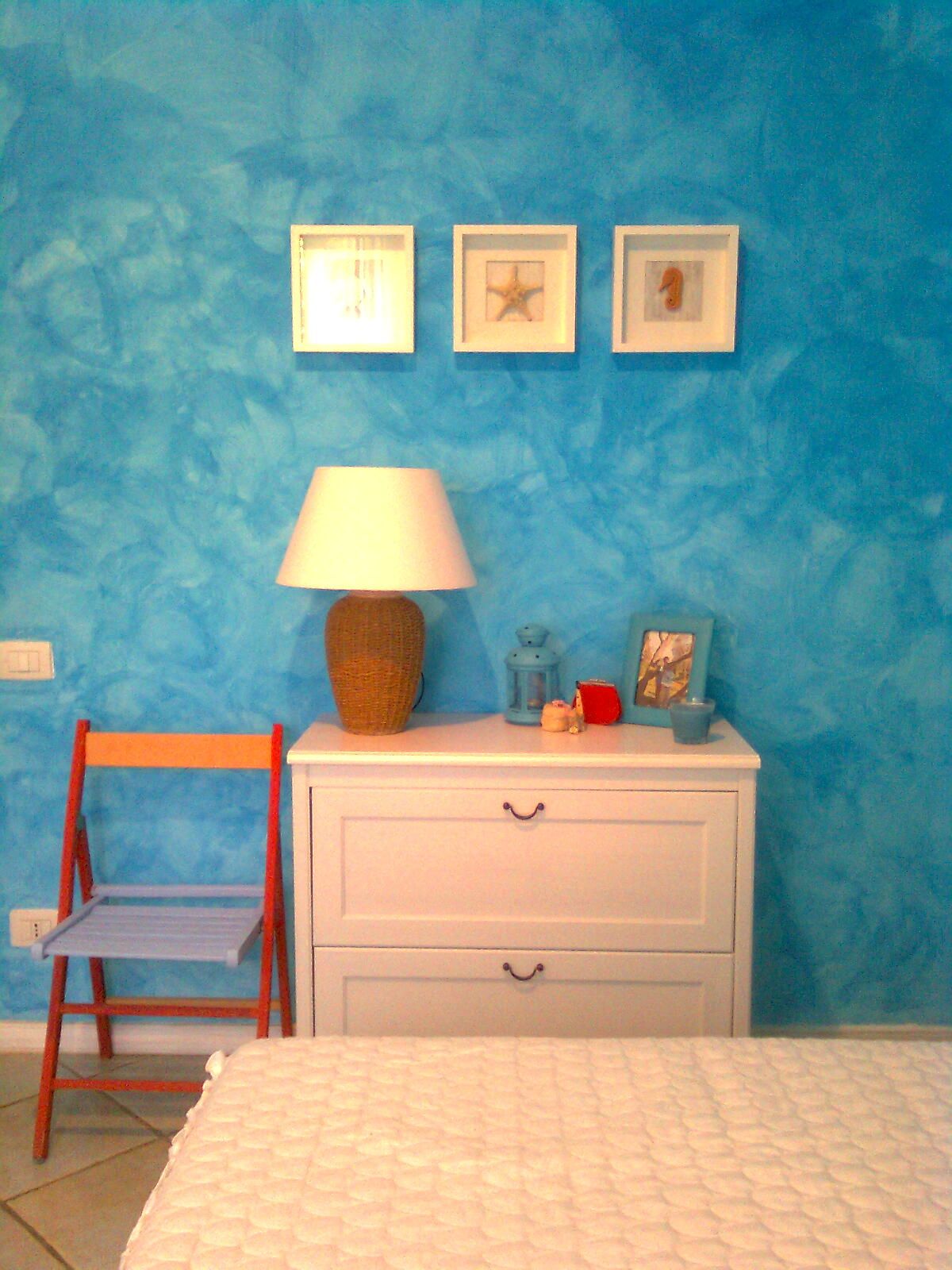
Custom interior painting elevates your home’s aesthetic with personalized designs. Experts create unique wall treatments tailored to your style.
Murals and Hand-Painted Designs
Muralists create large-scale artwork directly on walls. These custom wall treatments can transform any room. They offer endless possibilities for personalization.
Themed Room Painting
This involves painting entire rooms to match a specific theme. It can range from children’s fantasy worlds to sophisticated adult spaces. It creates an immersive environment.
Faux Wood Paneling
Artistic painters can simulate the look of wood paneling. This technique is often more affordable than real wood. It adds warmth and classic style.
Faux Marble or Granite
Achieve the luxurious look of natural stone without the cost. Specialty paint finishes mimic the veining and color of marble or granite. This adds elegance to kitchens and bathrooms.
Muralists and Their Creative Visions
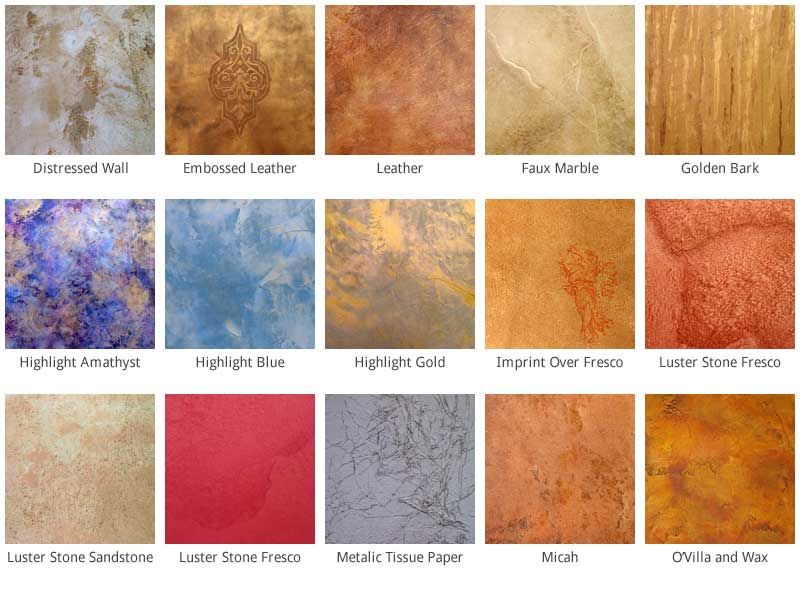
Muralists are artists who specialize in large-scale wall paintings. Their work can transform spaces into immersive environments or focal points.
Landscape Murals
These murals depict natural scenery, from serene forests to dramatic coastlines. They bring the outdoors in, creating a sense of spaciousness. Consider a calming nature scene for a bedroom.
Abstract Art Murals
Abstract murals use shapes, colors, and forms to create visual interest. They can be bold and energetic or subtle and calming. This offers a modern artistic touch.
Cityscape Murals
Depicting urban skylines or street scenes, these murals add a dynamic element. They are perfect for living rooms or entertainment areas. A black and white cityscape offers a sophisticated look.
Children’s Room Murals
These murals bring fantasy and fun to a child’s space. Themes can include storybook characters, animals, or outer space. They spark imagination and joy.
Artistic Painters for Unique Spaces
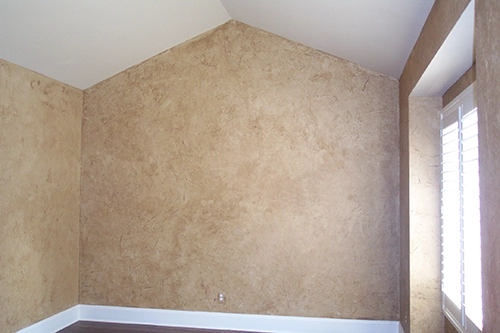
Artistic painters offer a broad range of decorative painting services. They specialize in creating custom interior painting that reflects individual tastes.
Trompe-l’oeil Effects
This technique creates optical illusions, making painted objects appear three-dimensional. It can simulate windows, doorways, or architectural details. It adds depth and surprise.
Distressed Finishes
Distressed paint effects mimic the look of age and wear. This involves sanding, layering, and glazing to create an antique appearance. It adds character and warmth.
Custom Color Blending
Artistic painters expertly blend colors to achieve unique shades. They can create gradients or multi-tonal effects not found in standard paints. This ensures a truly custom look.
Hand-Painted Stripes
Unlike wallpaper, hand-painted stripes offer a unique texture and sheen. Painters can create precise or slightly irregular lines. This adds a graphic element to walls.
Plaster Finishes with Old-World Charm
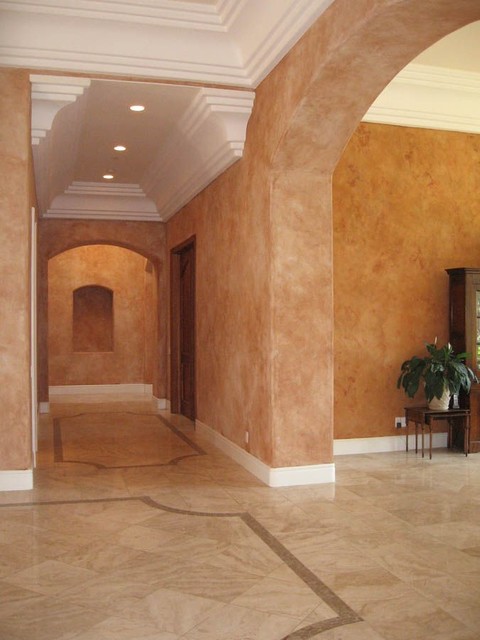
Plaster finishes bring a timeless, textured elegance to interior walls. They offer a tactile depth and a sophisticated, natural aesthetic.
Lime Wash Plaster
Lime wash creates a soft, matte, and slightly textured finish. It has a breathable quality and a natural, earthy appearance. This finish is ideal for a rustic or minimalist look.
Tadelakt Plaster
Tadelakt is a waterproof lime plaster originating from Morocco. It creates a smooth, seamless, and lustrous finish. It is excellent for bathrooms and wet areas.
Microcement
Microcement is a versatile decorative coating that can be applied to walls and floors. It offers a modern, seamless look with a concrete-like texture. It is durable and water-resistant.
Textured Plaster Effects
Beyond smooth finishes, plaster can be manipulated for various textures. Think stucco, combed patterns, or trowel marks. These add significant visual and tactile interest.
Decorative Plastering Techniques
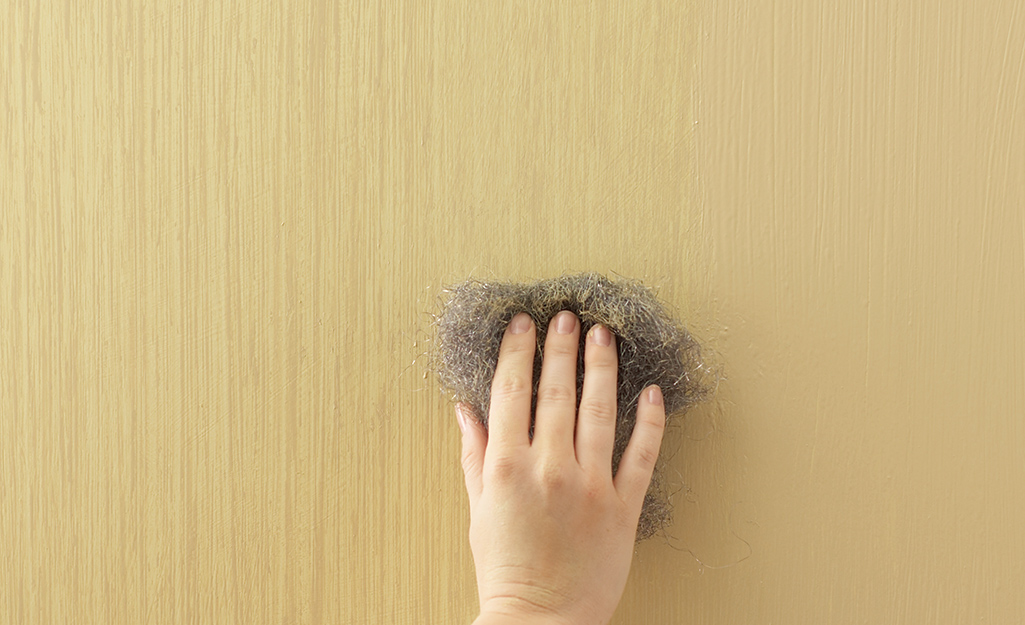
Decorative plastering involves skilled application to create artistic wall surfaces. These techniques add dimension and unique visual appeal to interiors.
Venetian Plaster Application
This involves applying multiple thin layers of plaster with a steel trowel. Each layer is burnished to create depth and a high-gloss sheen. It mimics polished marble beautifully.
Stucco Finishes
Stucco provides a rougher, more textured appearance than Venetian plaster. It can be applied in various patterns for a rustic or Mediterranean feel. It adds substantial architectural character.
Sgraffito
Sgraffito is a technique where layers of plaster or paint are scratched through. This reveals underlying colors or textures, creating designs. It offers a unique, etched effect.
Marmorino
Marmorino is a type of Venetian plaster known for its smooth, marble-like finish. It can be polished to a high sheen or left with a softer, matte appearance. It offers a classic elegance.
Style and Reference Gallery
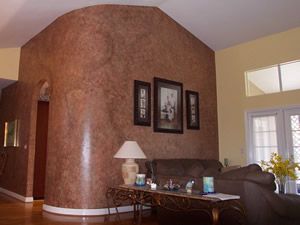
Trompe-l’œil paintings trick the eye with realistic 3D effects. A skilled artist can create faux windows or architectural details.
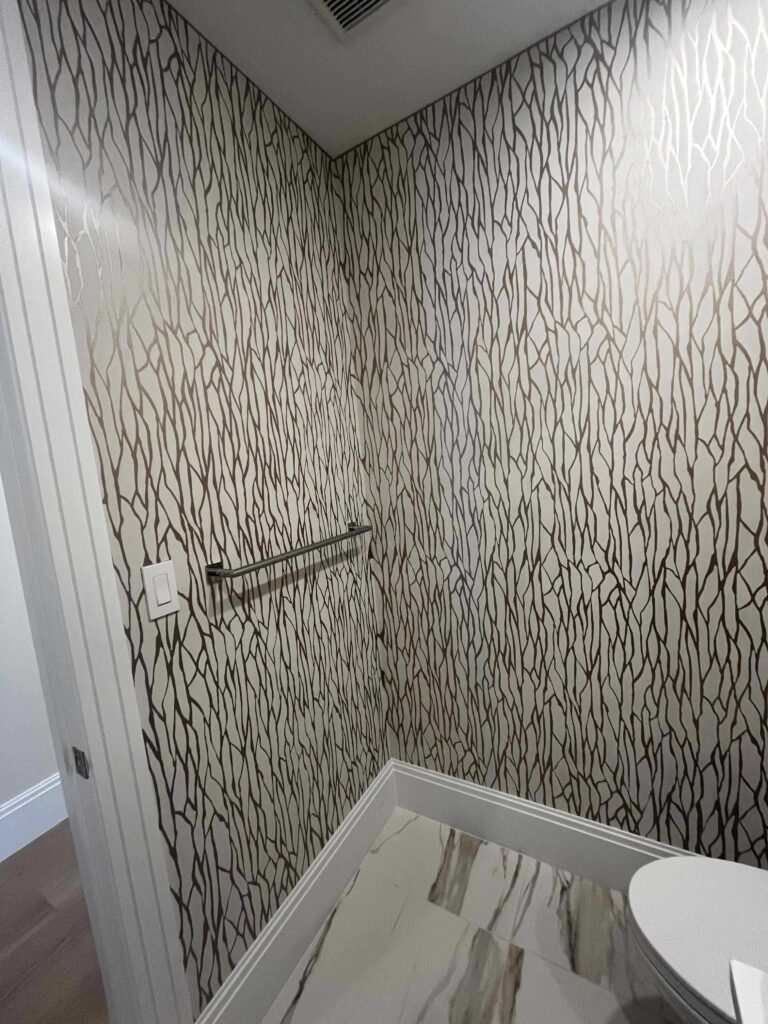
Limewash is a breathable, eco-friendly finish with a chalky matte look. It works well on brick, plaster, and drywall.
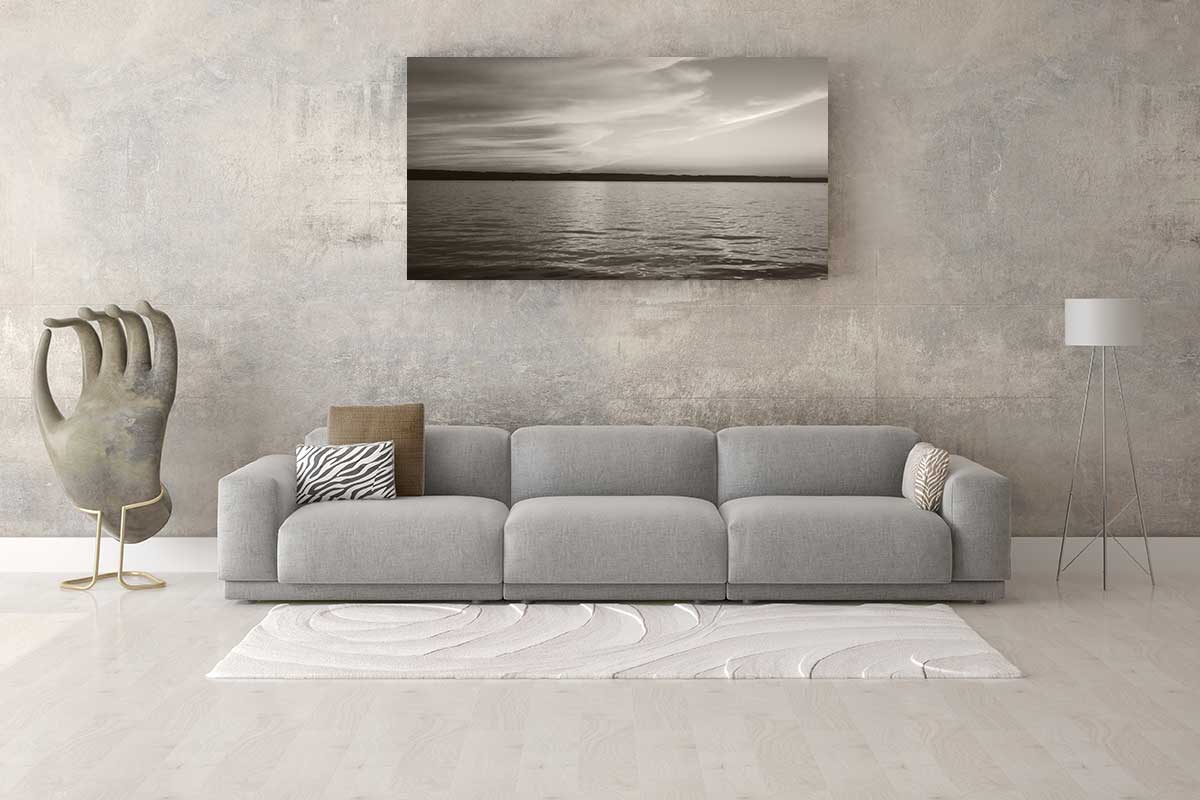
Concrete-look finishes bring industrial style to living spaces. They are durable and can be tinted to any gray or warm tone.
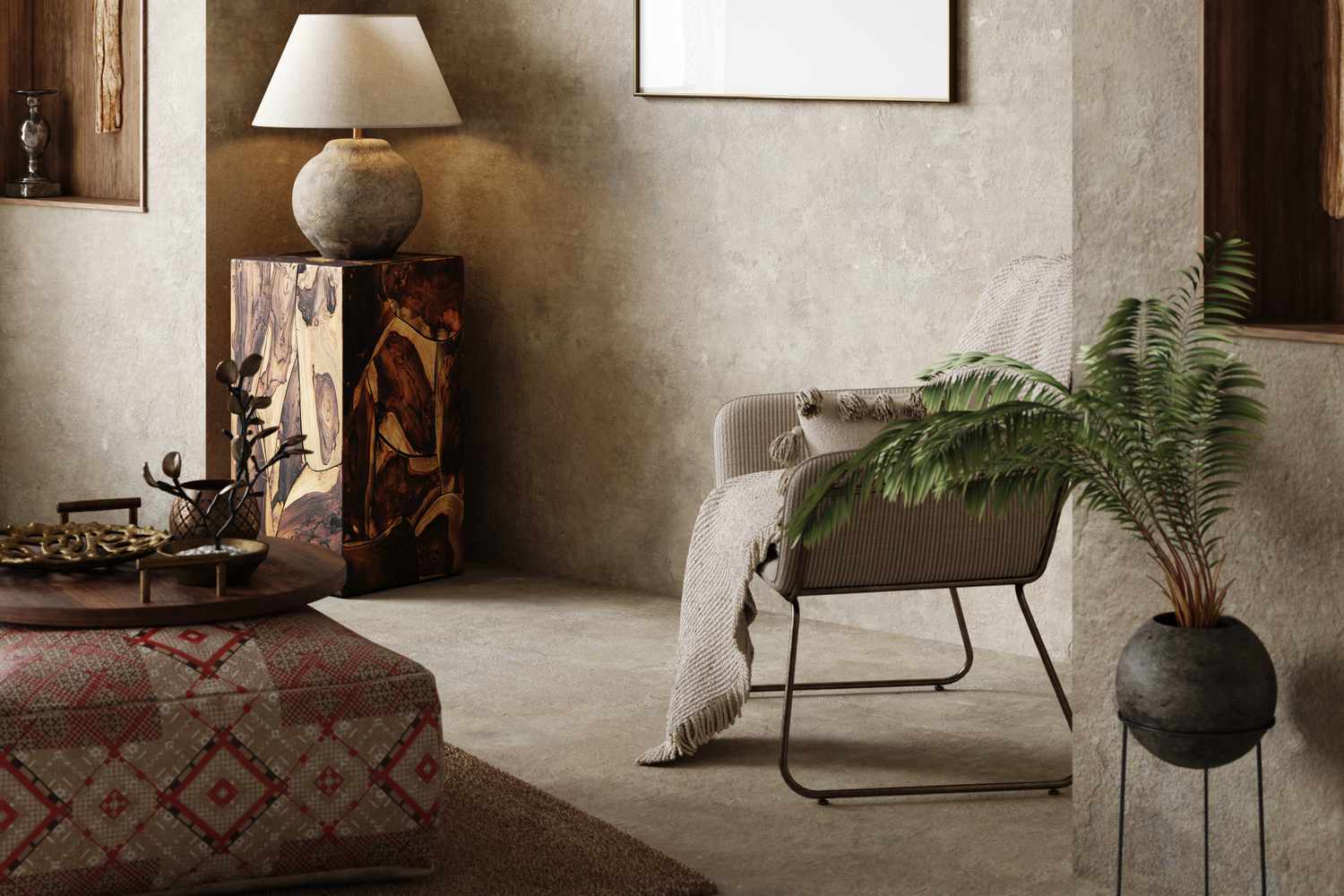
Gilding adds real gold or silver leaf for a luxury accent. It is best used on trim, moldings, or small decorative panels.
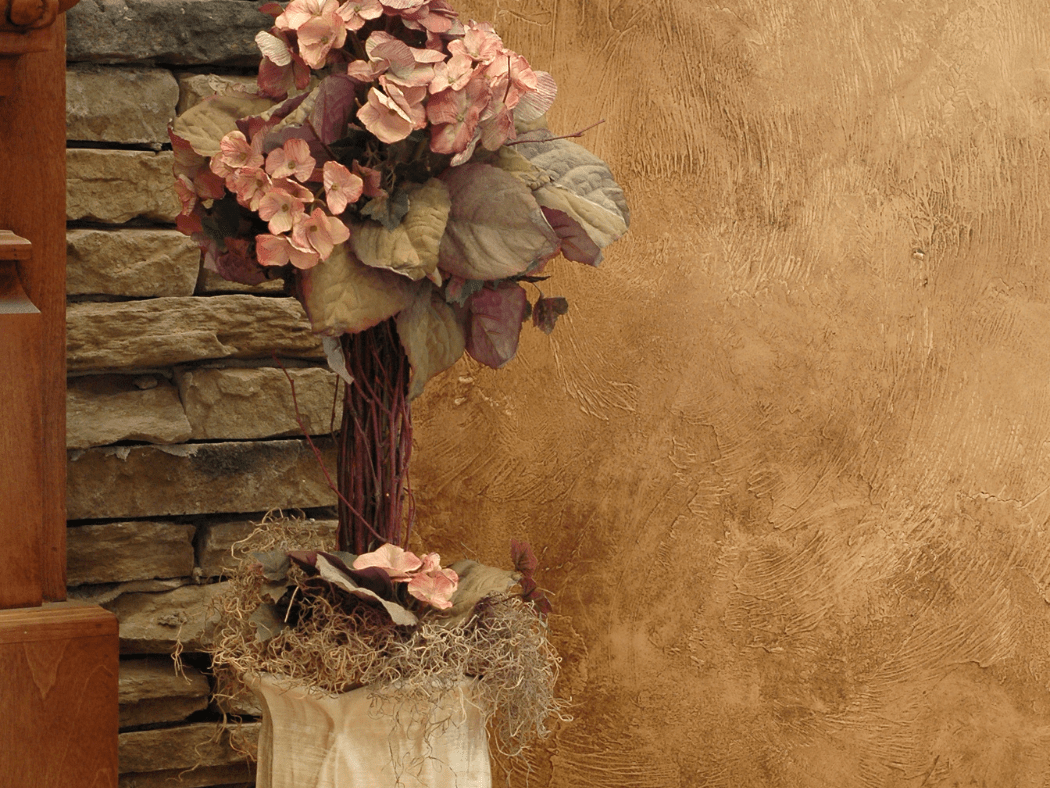
Ombre walls blend one color into another for a gradient effect. The transition is smooth when applied with a sprayer or sponge.
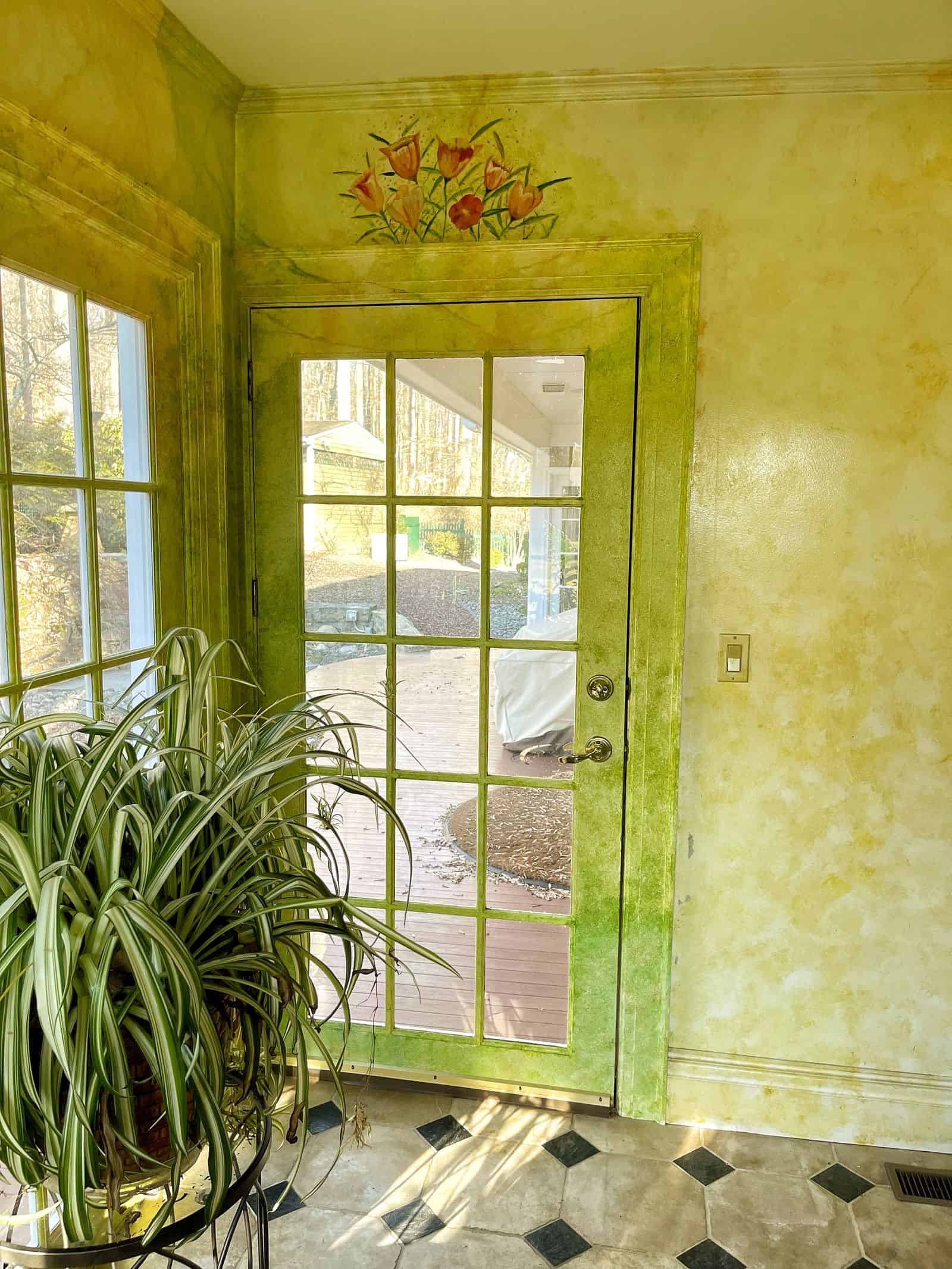
Crackle finish creates an antique, distressed appearance with fine cracks. It requires a special crackle medium between base and top coats.
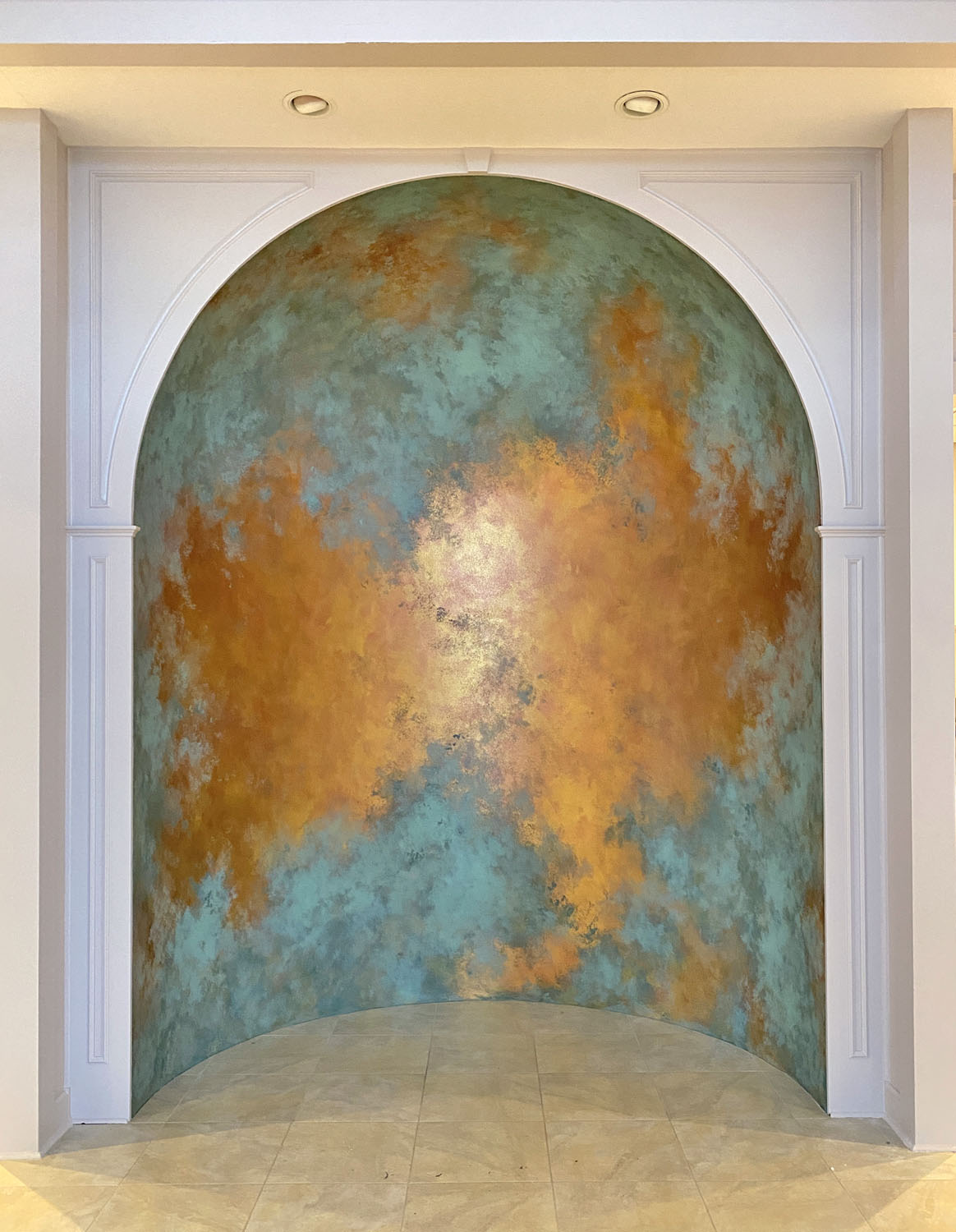
Stenciling combined with faux finishing gives custom patterns like damask or tile. Use a stencil brush and light dabbing motion for crisp edges.
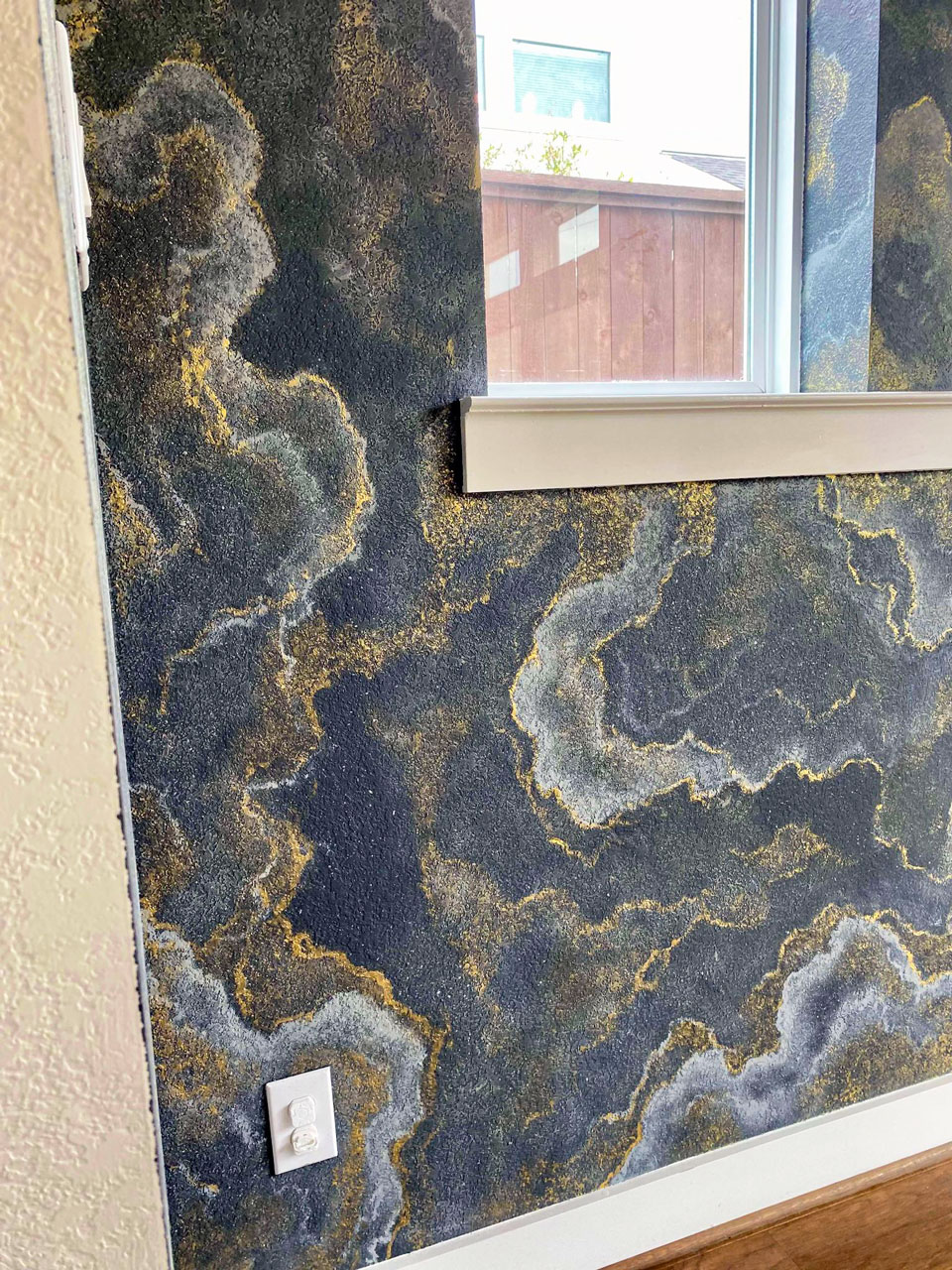
Faux marble adds the elegance of stone without the weight. Each slab is hand-painted to mimic natural veining.
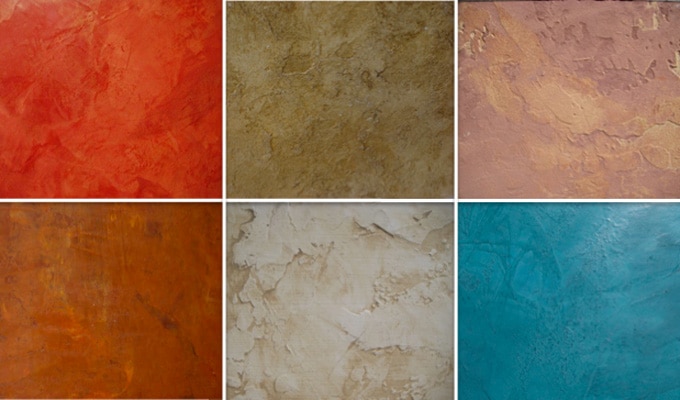
Venetian plaster creates a polished, luminous wall that feels cool to the touch. The multiple layers give deep, subtle depth.
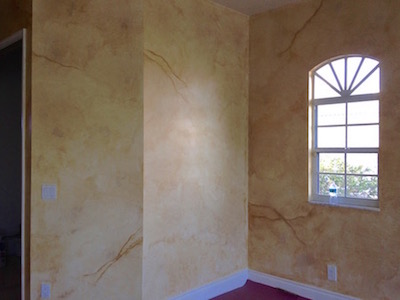
Wood graining transforms plain doors into rich oak or mahogany. The technique uses a special comb to drag paint into grain lines.
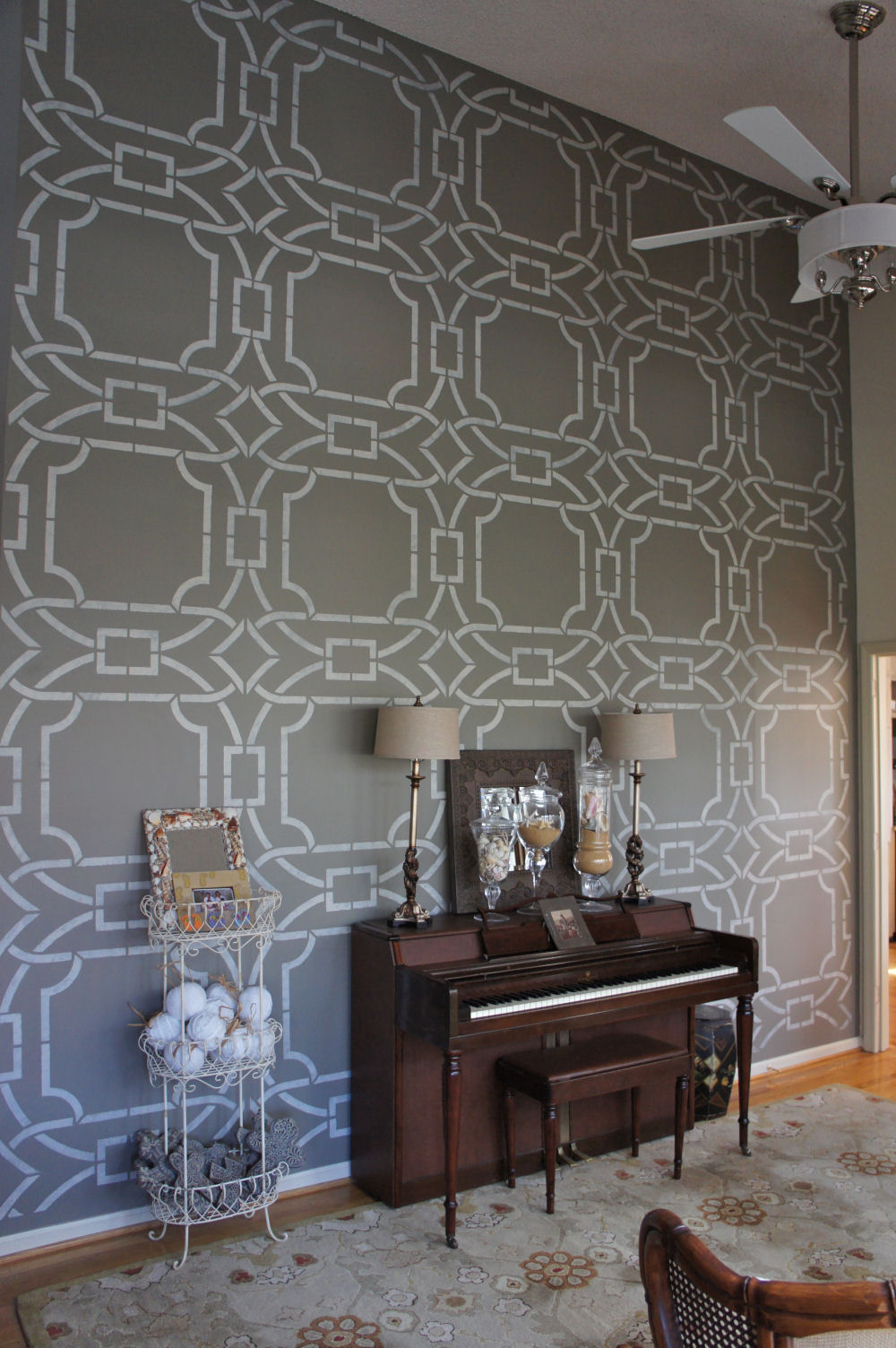
Color washing produces a soft, weathered look perfect for cottages. It layers translucent glazes for a gentle, aged patina.
How to Work with Faux Finish Painters for the Best Results
Step-by-Step Guide: Hiring and Collaborating
Start by gathering photos of the exact look you want—marble, wood, or aged plaster. Share these with at least three painters to compare their portfolios and prices.
Ask for a sample board painted in your home with the actual technique. This lets you see the color, texture, and finish before committing to the full job.
Discuss the timeline and number of coats. Complex finishes like Venetian plaster need multiple layers and drying time between each.
What to Avoid in Execution
Do not hire a painter who cannot show you recent examples of faux finishes. General painters often lack the specific skills for these techniques.
Avoid choosing colors or textures based on a small chip. Faux finishes look different on large walls due to lighting and surface variations.
Do not skip a written contract. It should list the technique, materials, cost per square foot, and total square footage to prevent surprises.
Maintenance Tips for Faux Finishes
Clean faux finishes with a soft, dry microfiber cloth only. Water and harsh cleaners can damage the delicate glaze or plaster layers.
For high-traffic areas, apply a clear matte sealer to protect against scuffs and stains. Test the sealer on a small patch first.
Touch up scratches by keeping leftover paint and glaze in labeled containers. Mark the wall location and technique used for future repairs.
Frequently Asked Questions
How long does a faux finish last?
With proper application and care, a professional faux finish can last 10 to 15 years. The durability depends on the technique, surface preparation, and traffic in the room.
Can I paint over a faux finish later?
Yes, you can paint over a faux finish, but you need to sand or prime the surface first. Glossy or textured finishes require extra preparation to ensure the new paint adheres.
Is faux finishing more expensive than wallpaper?
Faux finishing is often more expensive, averaging $5 to $15 per square foot, while wallpaper costs $2 to $10 per square foot installed. However, faux finishes are seamless and can be customized to any color or texture.
Choosing a skilled faux finish painter transforms your walls into art that adds depth and value to your home. Their expertise in layering and blending creates unique textures that wallpaper or standard paint cannot match.
Now that you understand the costs and techniques, start collecting inspiration photos and request quotes from local specialists. This step ensures you find the right artist for your vision and budget.
In 2026, faux finishes are trending toward organic textures like limewash and microcement for a modern yet timeless look. Your home can become a reflection of your style with a finish that feels both luxurious and personal.
