

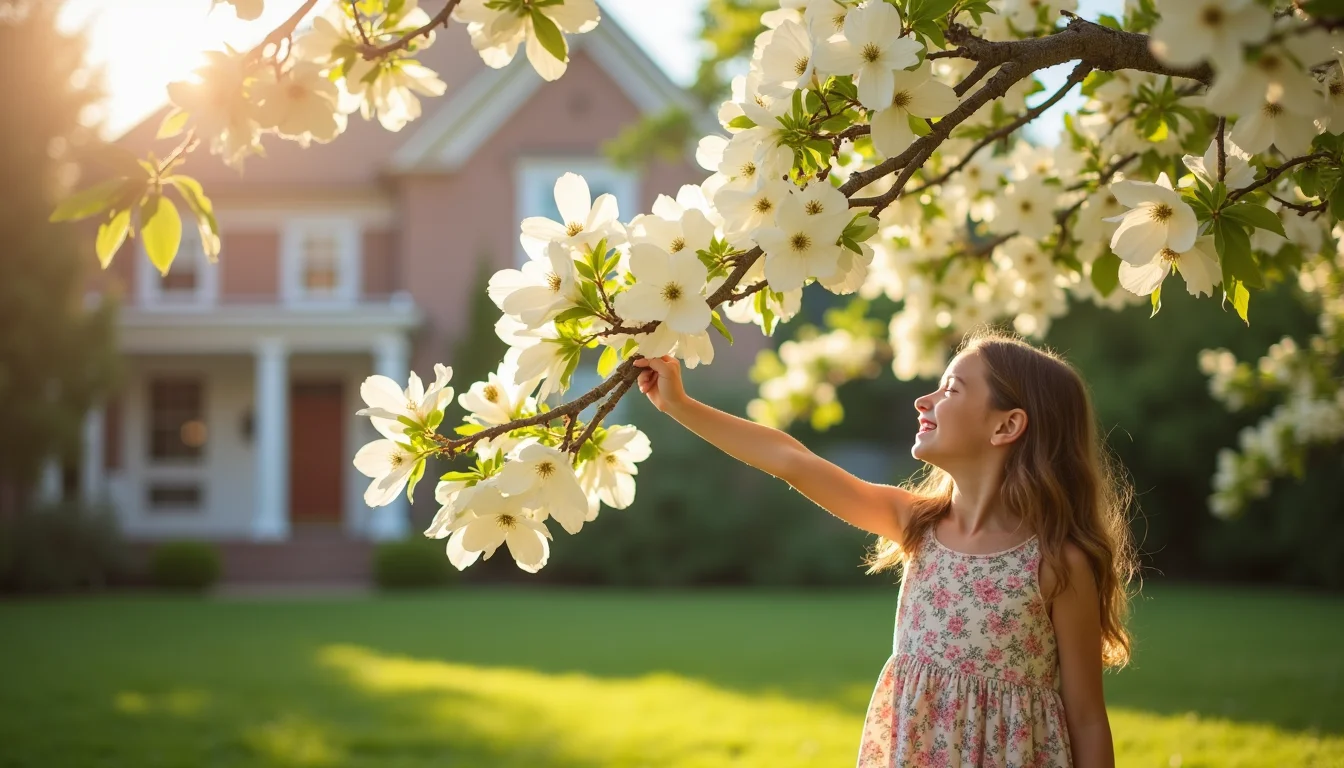
You want a white tree that stands out in your yard, but you might be picking the wrong one. Many people choose a tree for its flowers, only to find it looks dull the rest of the year. Let’s fix that so you get beauty in every season.
A white tree can mean two things: a live tree with white bark or white flowers, or an artificial tree for decoration. The trick is knowing which one fits your space and your lifestyle. We’ll break it down simply, so you can make the right choice fast.
White Bark Trees vs. White Flowering Trees: Which Is Right for You?
The most popular white bark tree is the White Birch, like the Himalayan birch (Betula utilis var. jacquemontii). Its papery white bark stays bright all year, even in winter. That means you get a focal point even when everything else is bare.
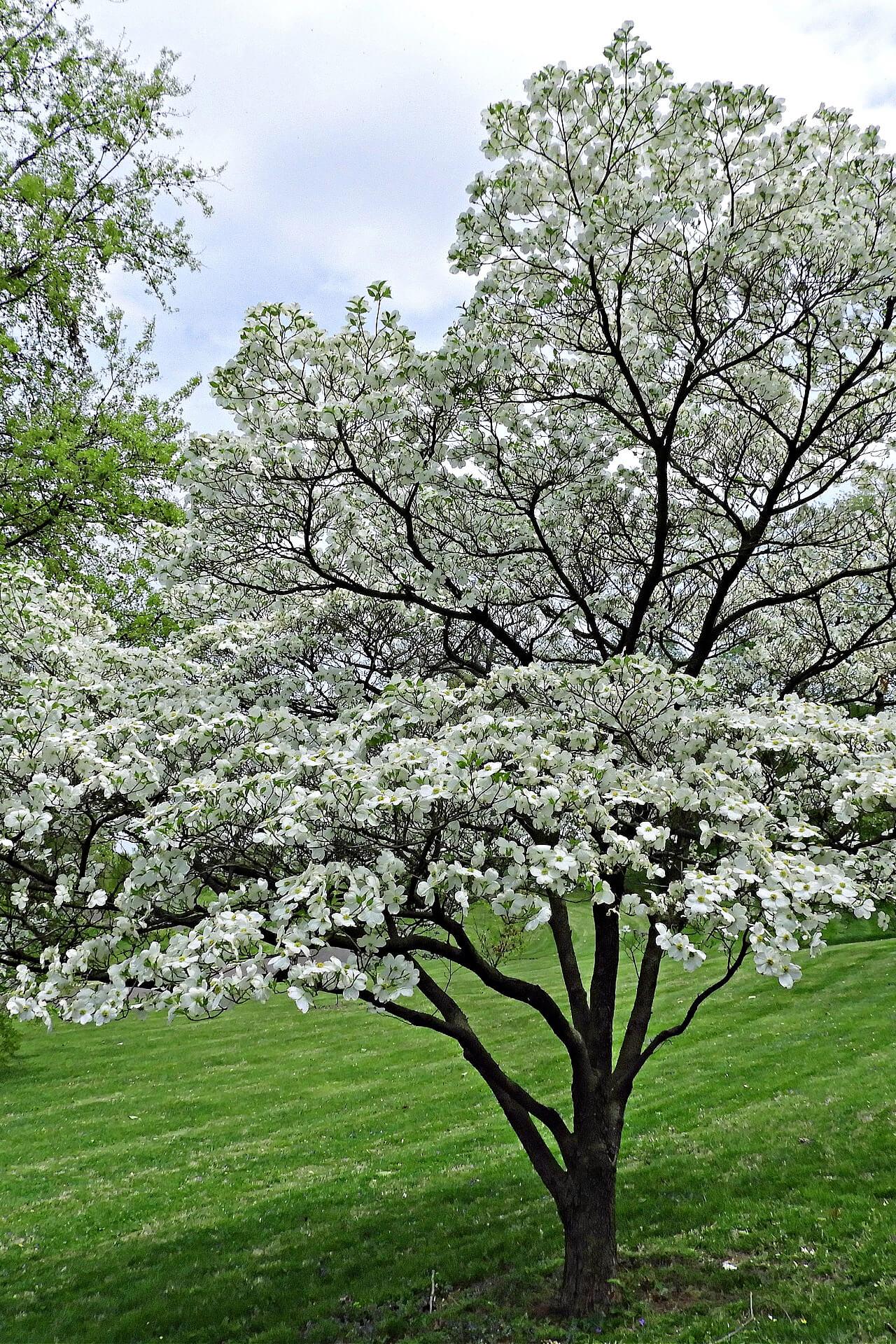
For white flowers, the White Dogwood (Cornus florida) is a classic choice. It blooms in early spring with creamy white bracts. But remember: dogwood flowers last only a few weeks, so the tree looks ordinary the rest of the year.
If you want year-round interest, go with a white bark tree. If you love spring blooms and don’t mind a plain tree later, pick a flowering one. Both have their place, but knowing the difference saves you disappointment.
Birch Trees with White Bark
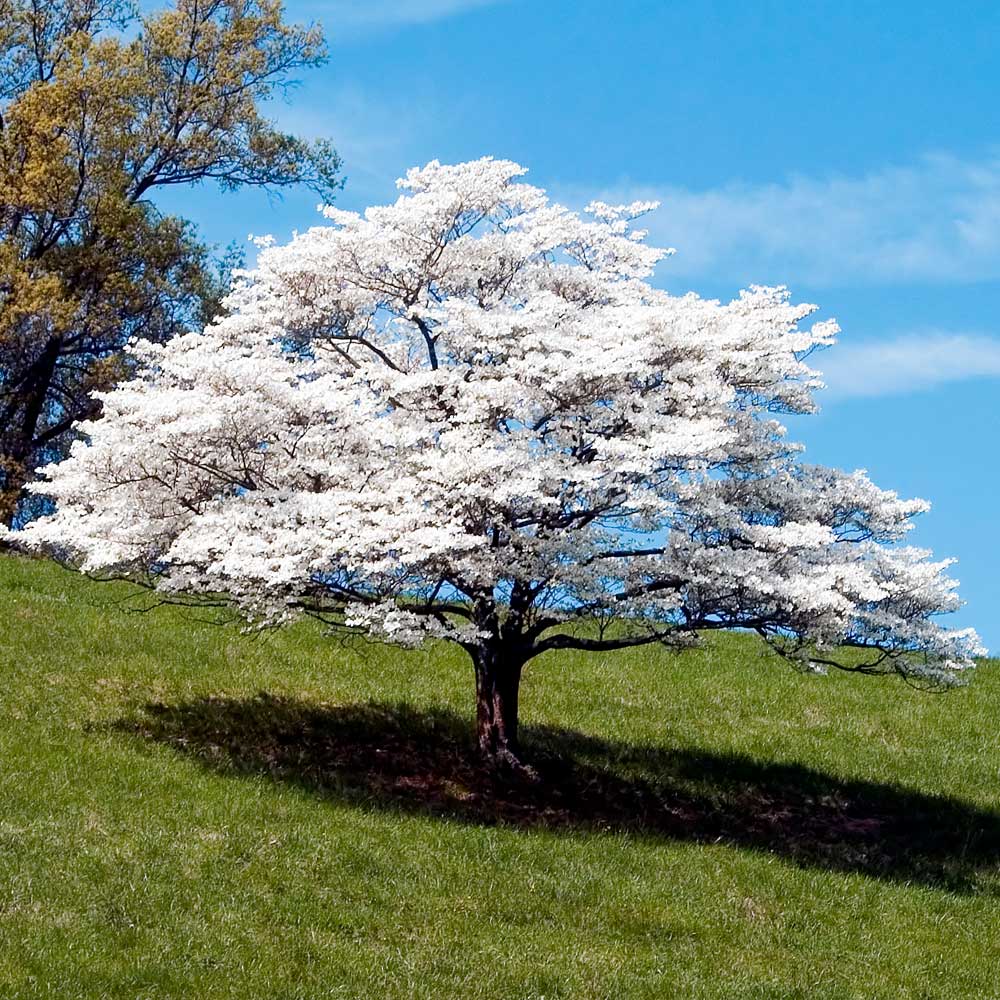
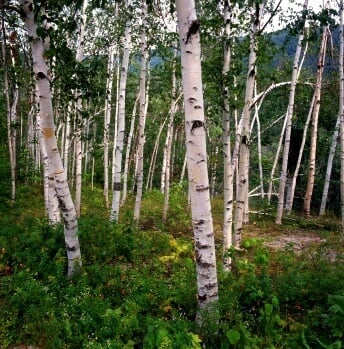
The striking white bark of birch trees offers a clean, modern aesthetic. These trees bring year-round visual interest to any landscape. They are a popular choice for creating a bright focal point.
White Birch (Betula papyrifera)
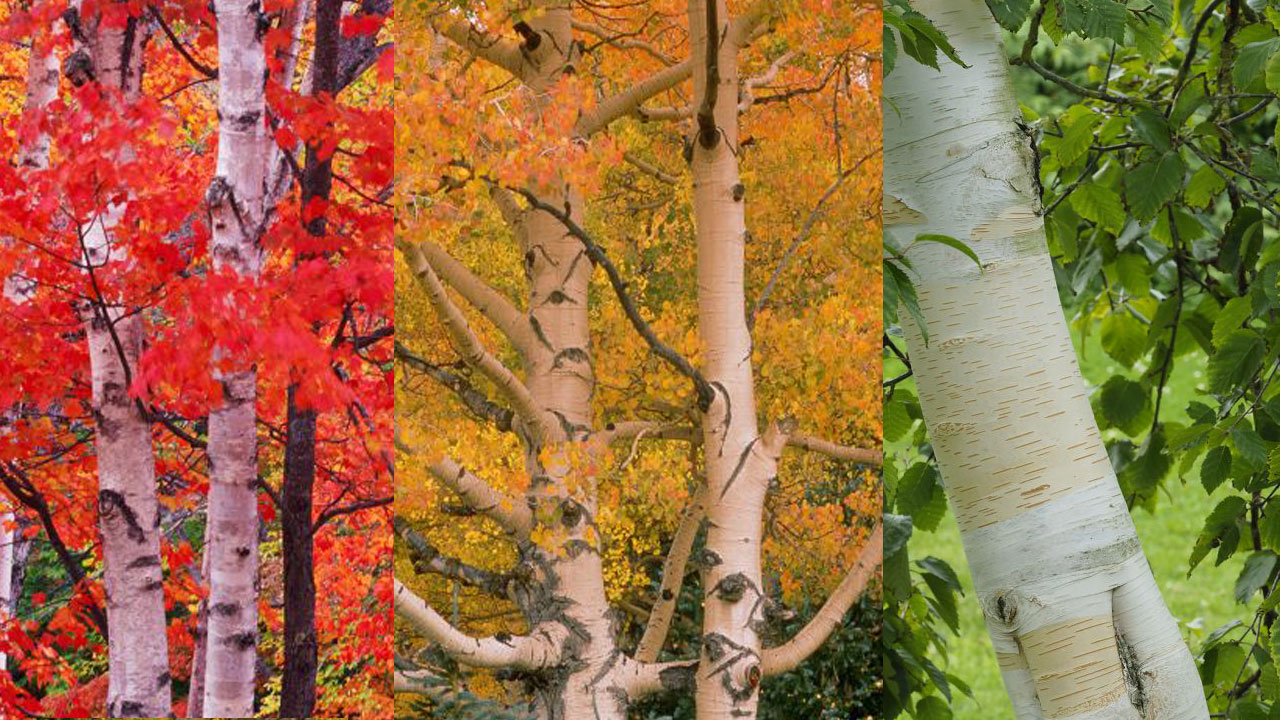
This classic species is known for its papery, exfoliating bark that is bright white. It peels in thin, horizontal strips, revealing darker layers underneath. The White Birch (Betula papyrifera) is a hardy option for many northern climates.
Himalayan White Barked Birch (Betula utilis var. jacquemontii)
Often considered to have the most brilliant white bark, this birch is a showstopper. Its bark is smooth and chalky, providing a strong contrast against green foliage and winter skies. The Himalayan white barked birch is a premium choice for dramatic effect.
Read also: 35 Cute Flower Ideas to Make Your Home Look Beautiful on a Budget
Trees with Pale Bark
Beyond birches, other trees offer pale bark for a similar luminous effect. These trees provide a sophisticated look without being overpowering. They blend well with various garden styles.
Quaking Aspen
Quaking Aspen trees have smooth, greenish-white bark that can appear almost luminous. The bark is thin and often marked with dark scars from fallen branches. This tree adds a subtle brightness to the landscape.
American Sycamore
The American Sycamore features large, exfoliating bark. This process reveals patches of creamy white and tan inner bark. It creates a mottled, attractive pattern, especially in winter. This is one of the white wood trees that offers unique texture.
White Dogwood Tree Blossoms
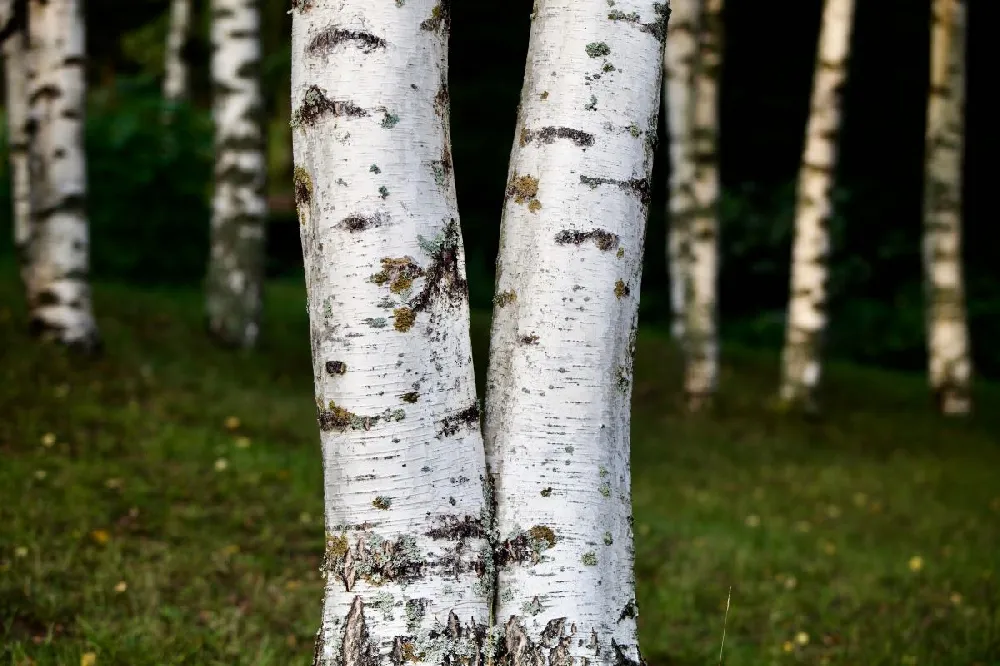
The White Dogwood tree is a beloved ornamental for its stunning spring display. Its flowers are a symbol of renewal and elegance. This tree provides a beautiful, soft appearance.
Read also: 55 Baseball Wall Decor Ideas That Look Way Better Than a Dorm Room
White Dogwood Tree (Cornus florida)
This native tree produces large, creamy white bracts that surround small, greenish flowers. They appear in early spring, often before the leaves fully emerge. The White Dogwood tree is a quintessential spring bloomer.
White Flowering Trees for Spring
Many trees offer beautiful white blooms to welcome the spring season. These trees create a breathtaking spectacle of color. They are perfect for adding a touch of natural beauty.
Star Magnolia Tree Charm
The Star Magnolia offers delicate, star-shaped flowers in early spring. These blooms are a lovely pale white, sometimes with a hint of pink. The Star Magnolia tree is a smaller tree, ideal for intimate gardens.
Star Magnolia (Magnolia stellata)
This shrub or small tree is covered in fragrant, pure white flowers. They have narrow petals that give them a spidery appearance. The Star Magnolia tree is a welcome sight as winter ends.
White Cherry Blossom Tree Beauty
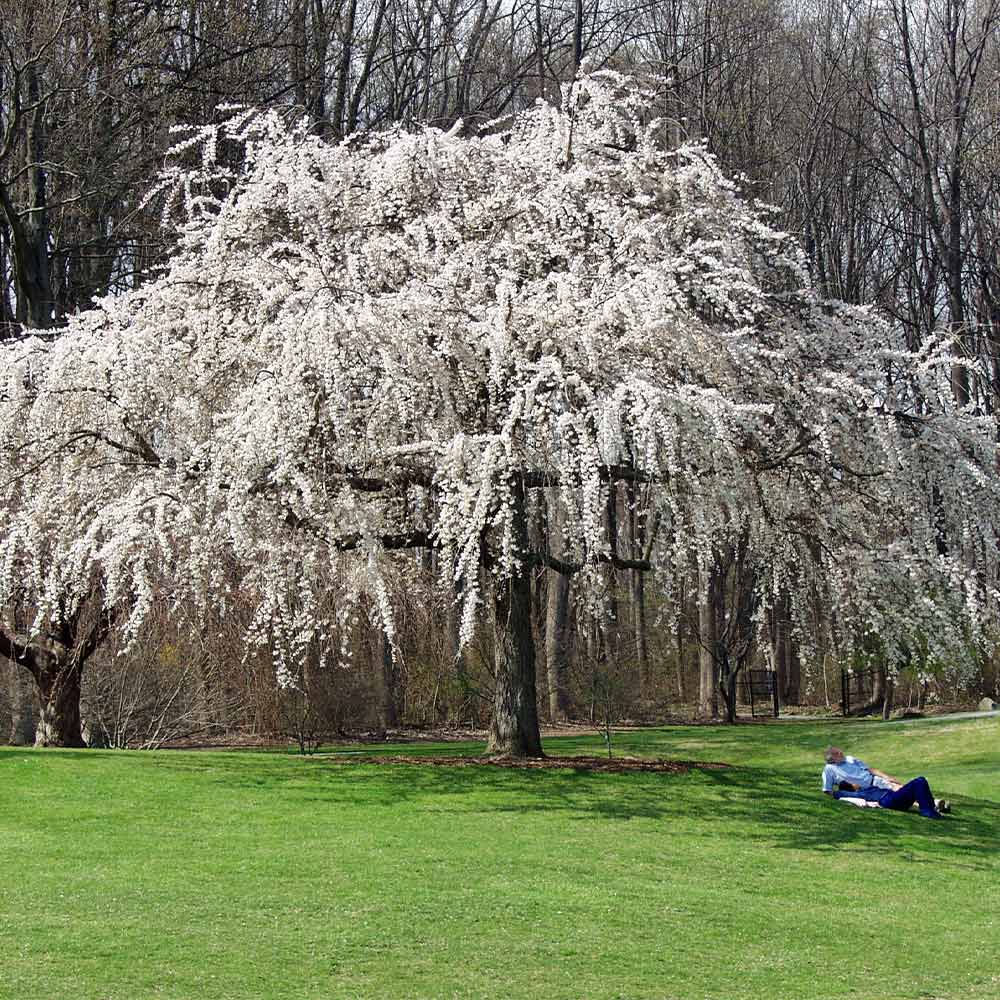
Cherry blossoms in white create a magical, ethereal atmosphere. They signal the arrival of warmer weather. These trees are a popular choice for their fleeting, yet spectacular, display.
‘Yoshino’ Cherry Blossom
This cultivar produces masses of delicate, single white flowers. They bloom profusely in early spring, creating a cloud-like effect. The ‘Yoshino’ Cherry Blossom tree is stunning when planted in groups.
Flocked White Christmas Trees
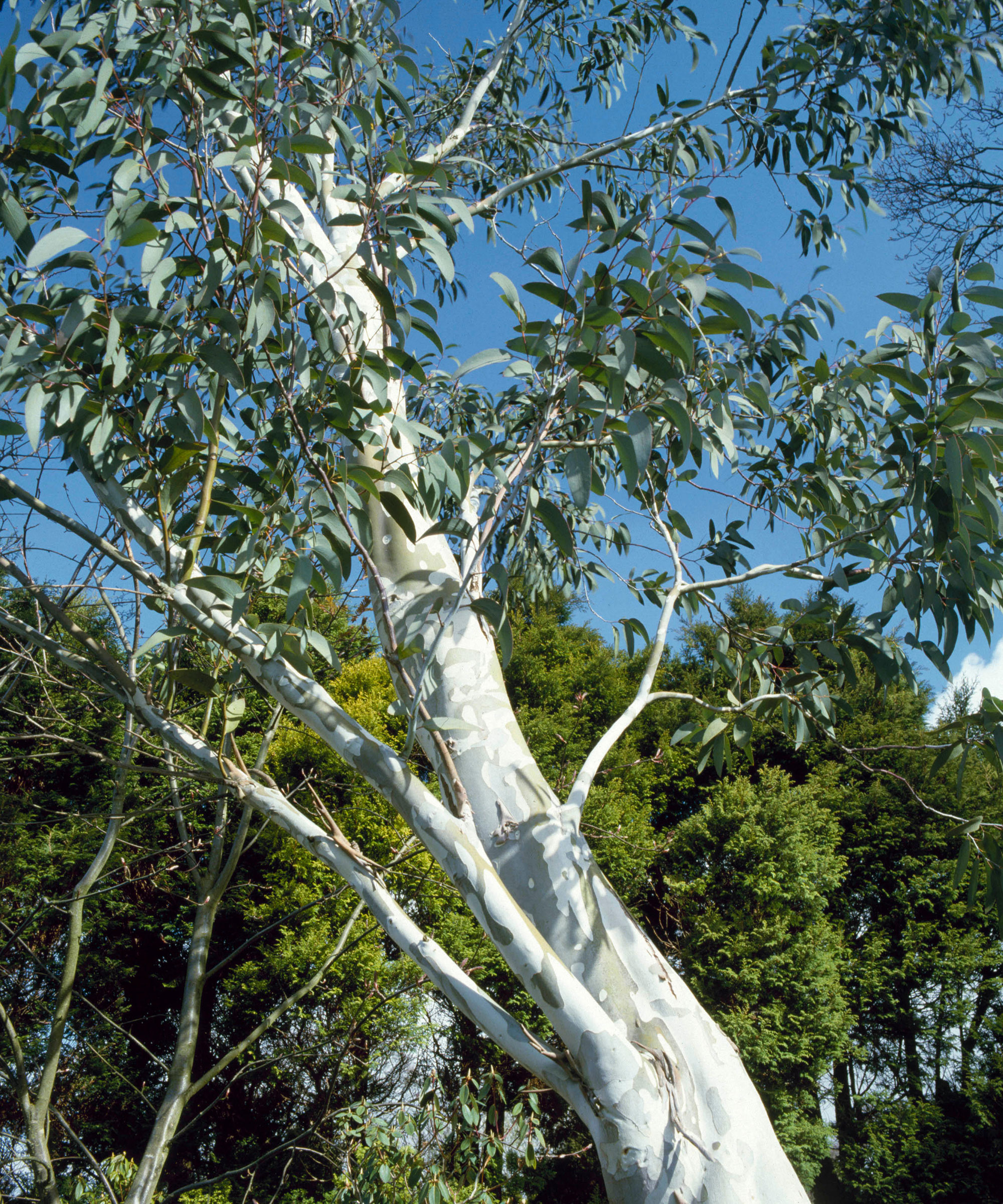
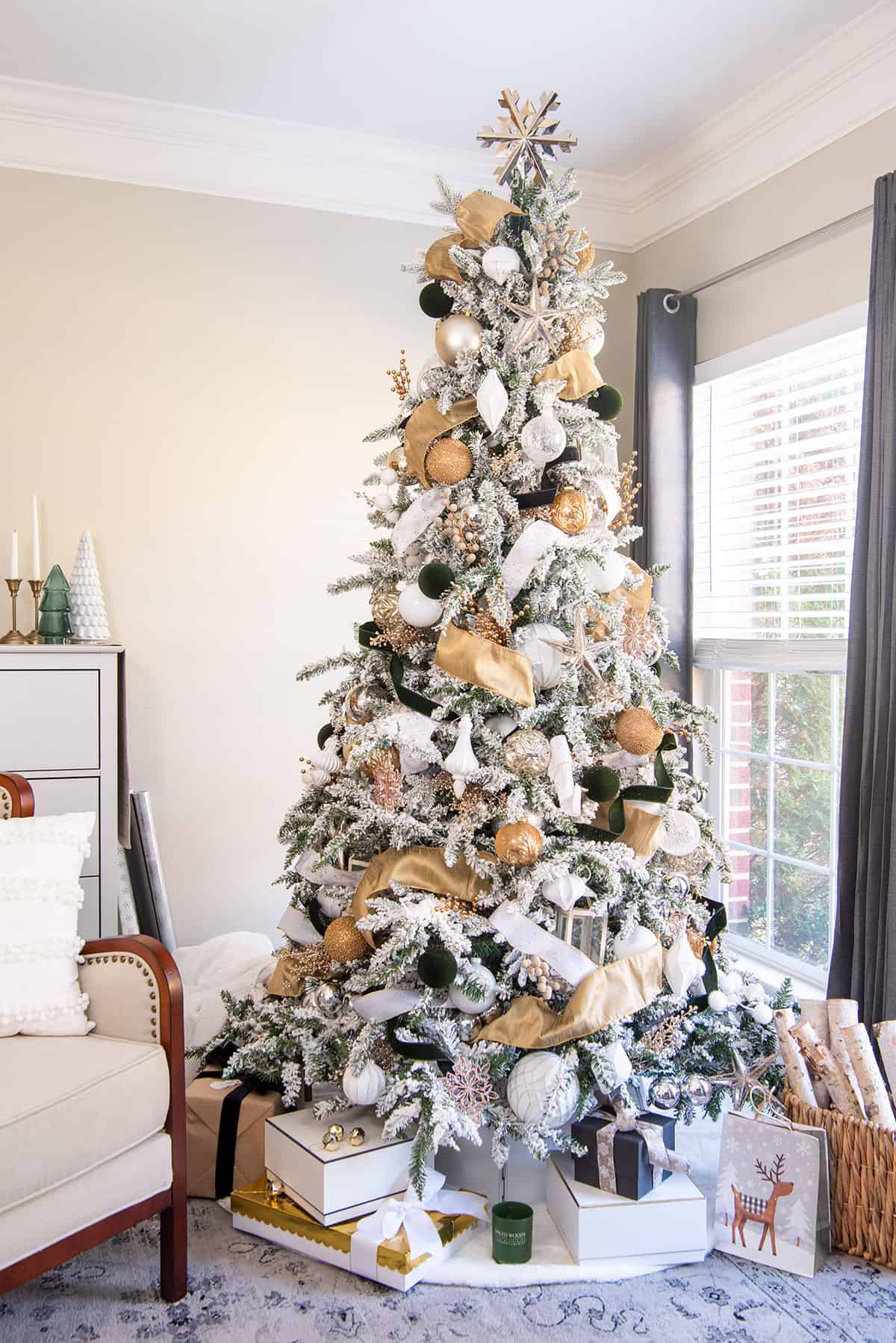
Flocked trees mimic the look of a snow-covered evergreen. They provide a festive and elegant holiday display. These artificial trees are a popular choice for a winter wonderland theme.
Artificial White Christmas Tree
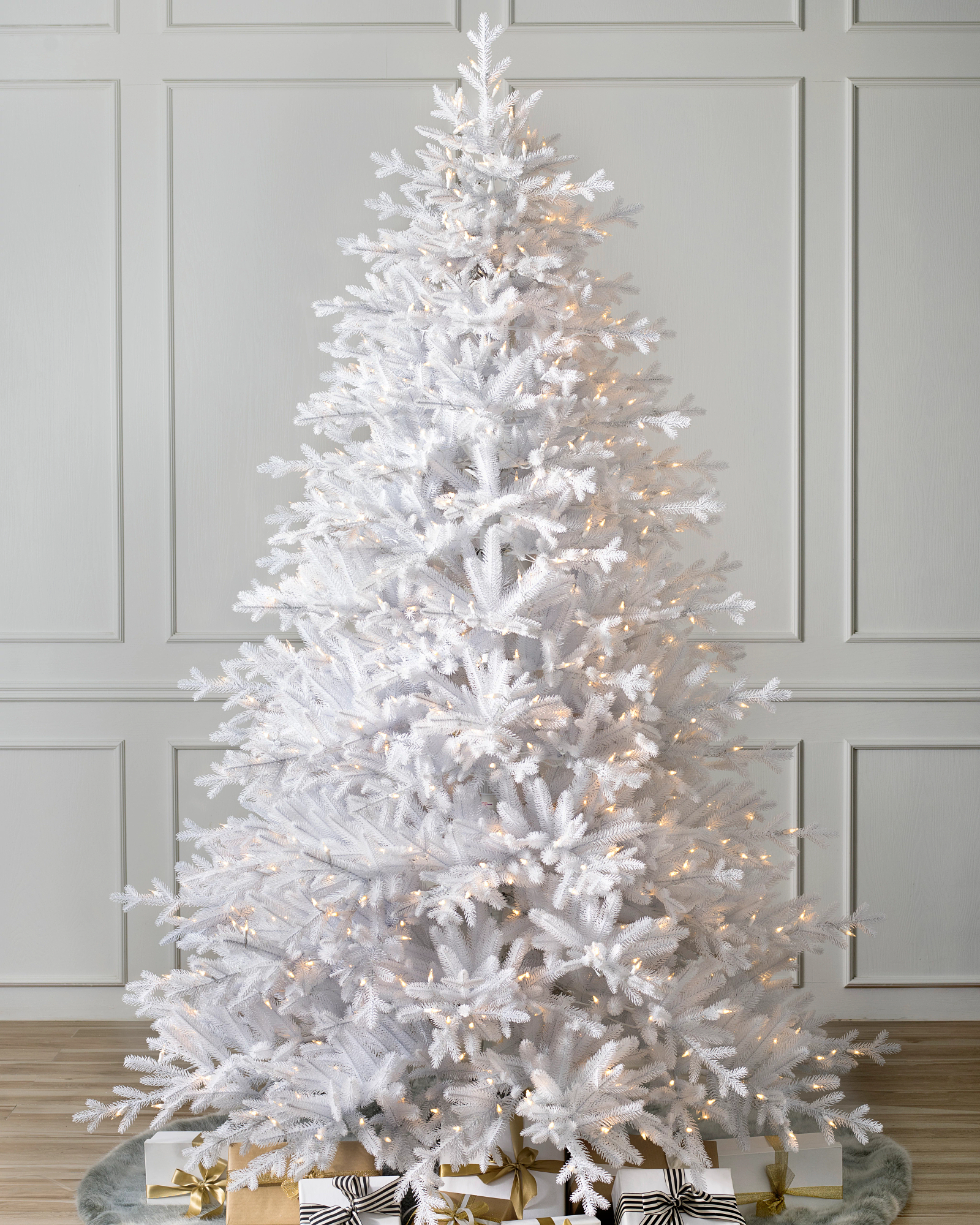
These trees are designed to look like natural evergreens but are entirely white. They come in various styles, from realistic firs to stylized modern designs. An artificial white Christmas tree offers a clean canvas for decorations.
Flocked White Christmas Tree
This type of artificial tree has a coating of artificial snow or flocking applied to its branches. The flocking can be dense or sparse, creating different levels of snow effect. A flocked white Christmas tree adds a cozy, wintry feel.
Snow-Covered Tree Scenes
Creating a scene with snow-covered trees evokes a sense of peace and winter magic. This can be achieved with artificial flocked trees or natural elements. It is a classic holiday decorating approach.
Pre-Lit Snow-Flocked Fir
These artificial trees come already decorated with flocking and integrated lights. They offer convenience and a polished look. Pre-lit snow-flocked firs are easy to set up and decorate.
White Ornamental Trees for Landscapes
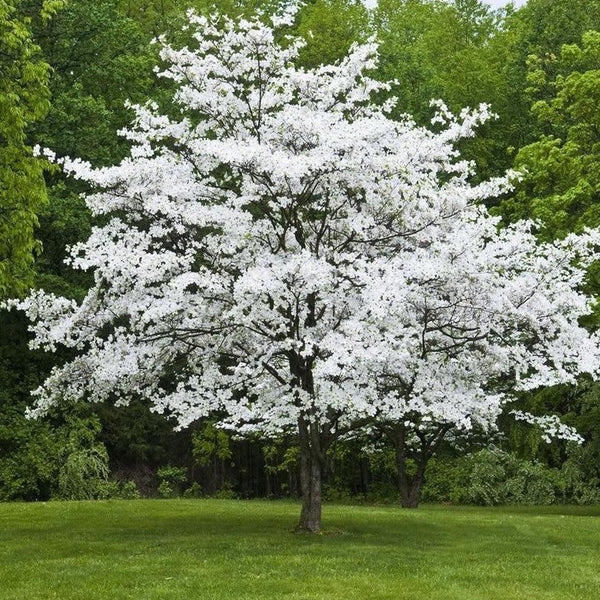
White ornamental trees add a touch of sophistication and brightness to outdoor spaces. They can serve as focal points or complement existing garden designs. Their pale colors offer a versatile backdrop.
White Ornamental Trees
This category includes a variety of trees chosen for their aesthetic appeal, often featuring white bark or blossoms. They are selected for their form, texture, and seasonal interest. White ornamental trees enhance curb appeal and garden beauty.
Trees with White Blossoms
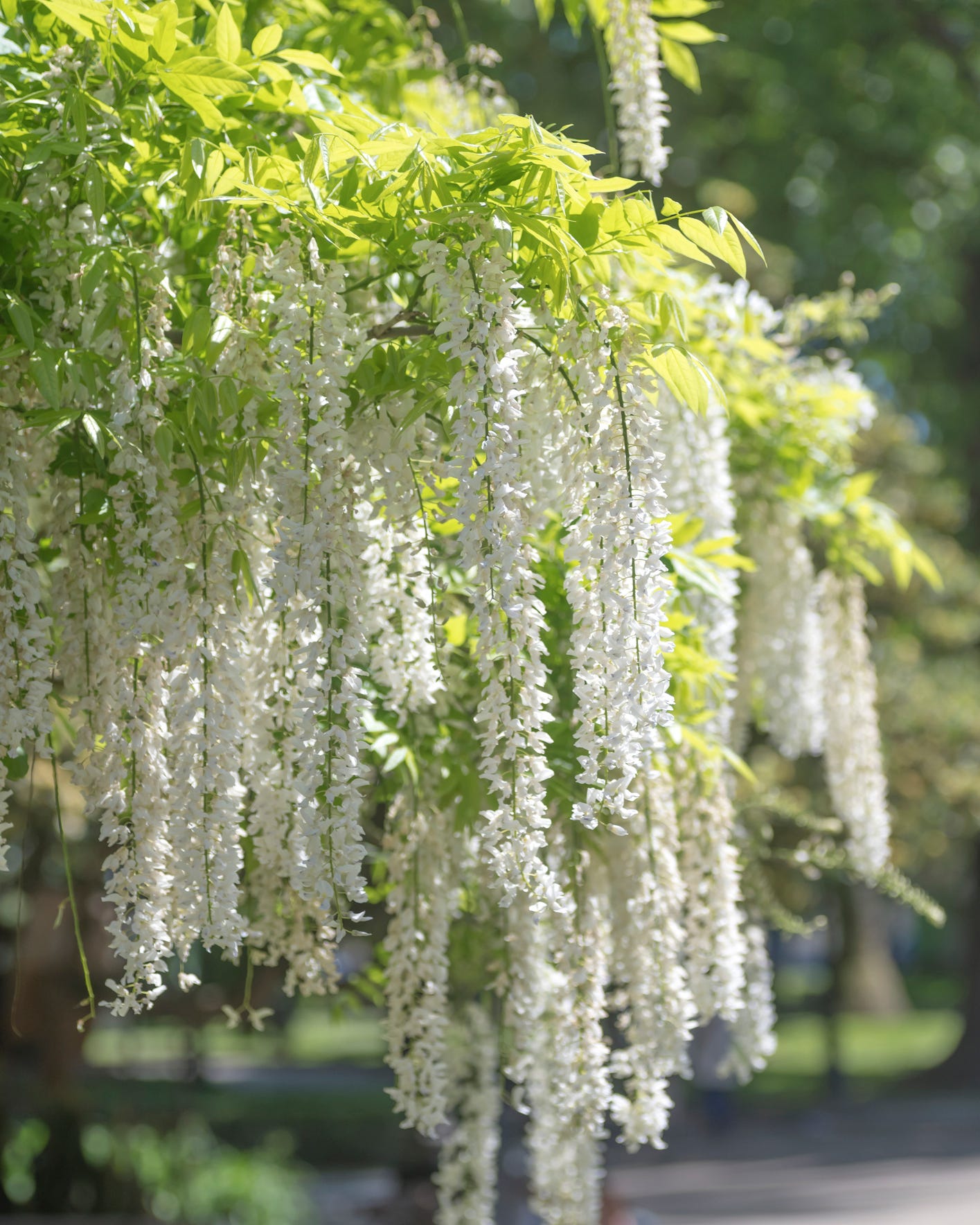
Many trees produce stunning white flowers that brighten landscapes in spring and summer. These trees attract pollinators and add a fragrant element. Trees with white blossoms are a delightful addition to any garden.
White Wood Trees
The term ‘white wood trees’ can refer to trees with pale bark or those used for their light-colored timber. In landscaping, the visual aspect of pale bark is often the primary consideration. These trees offer a bright, natural look.
Himalayan Birch
The Himalayan Birch is prized for its exceptionally smooth and bright white bark. It stands out dramatically in any landscape setting. This species is a prime example of white bark trees.
White Dogwood
The White Dogwood is a small to medium-sized tree famous for its showy spring flowers. Its elegant form and beautiful bracts make it a landscape favorite. It is a classic among white flowering trees.
Star Magnolia
This early-blooming tree or shrub offers a profusion of large, fragrant white flowers. It provides a significant visual impact in the spring garden. The Star Magnolia tree is a delightful harbinger of warmer weather.
White Cherry Blossom
Known for their breathtaking spring displays, white cherry blossoms create a romantic and festive atmosphere. They are often planted in parks and along streets for public enjoyment. The White Cherry Blossom tree is a symbol of beauty and renewal.
Artificial White Christmas Tree
These decorative trees are used for holiday celebrations, offering a clean and festive look. They are available in many sizes and styles, often with pre-attached lights. An artificial white Christmas tree is a reusable decor item.
Flocked White Tree
A flocked white tree is an artificial Christmas tree that has a coating simulating snow. This gives it a wintery appearance, perfect for holiday decorating. It provides a charming, festive ambiance.
Snow-Covered Tree
This refers to any tree, real or artificial, that appears to be covered in snow. It evokes a cozy, wintery feel and is a popular theme for holiday decor. A snow-covered tree brings the magic of winter indoors.
White Ornamental Trees
These are trees selected for their ornamental value, often featuring white bark, flowers, or attractive foliage. They are used to enhance the visual appeal of gardens and landscapes. White ornamental trees provide year-round interest.
Trees with Pale Bark
This describes trees with bark that is light in color, such as white, cream, or light gray. These trees add brightness and contrast to a landscape. Trees with pale bark offer a unique textural element.
Trees with White Blossoms
These trees are appreciated for their beautiful white flowers that appear during their blooming season. They add elegance and a fresh look to outdoor spaces. Trees with white blossoms are a springtime delight.
White Wood Trees
This term can refer to trees with light-colored bark or those whose wood is naturally pale. In decor, the visual of pale bark is often the focus. They contribute to a bright and airy aesthetic.
Read also: 42 Ceramic Pumpkin Decor Ideas to Upgrade Your Fall
Style and Reference Gallery
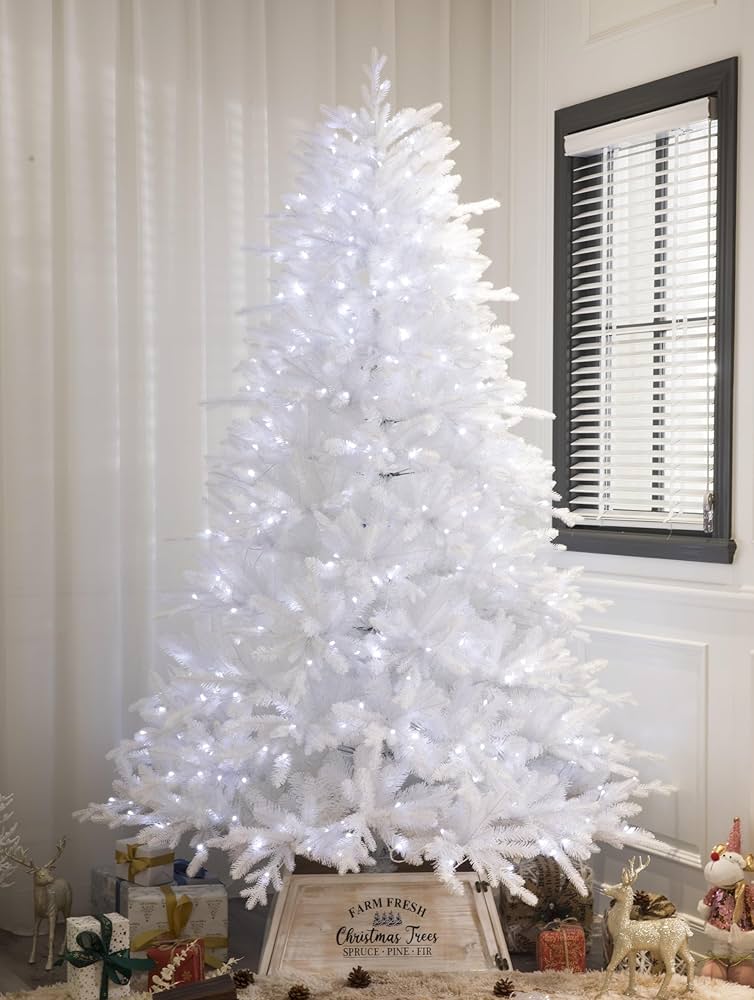
Pre-lit white trees save you time and create a warm glow. Use warm LED bulbs for a cozy feel.
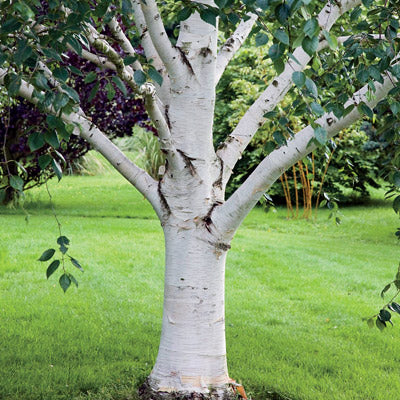
White bark stands out against dark walls. Paint an accent wall charcoal to make the tree pop.
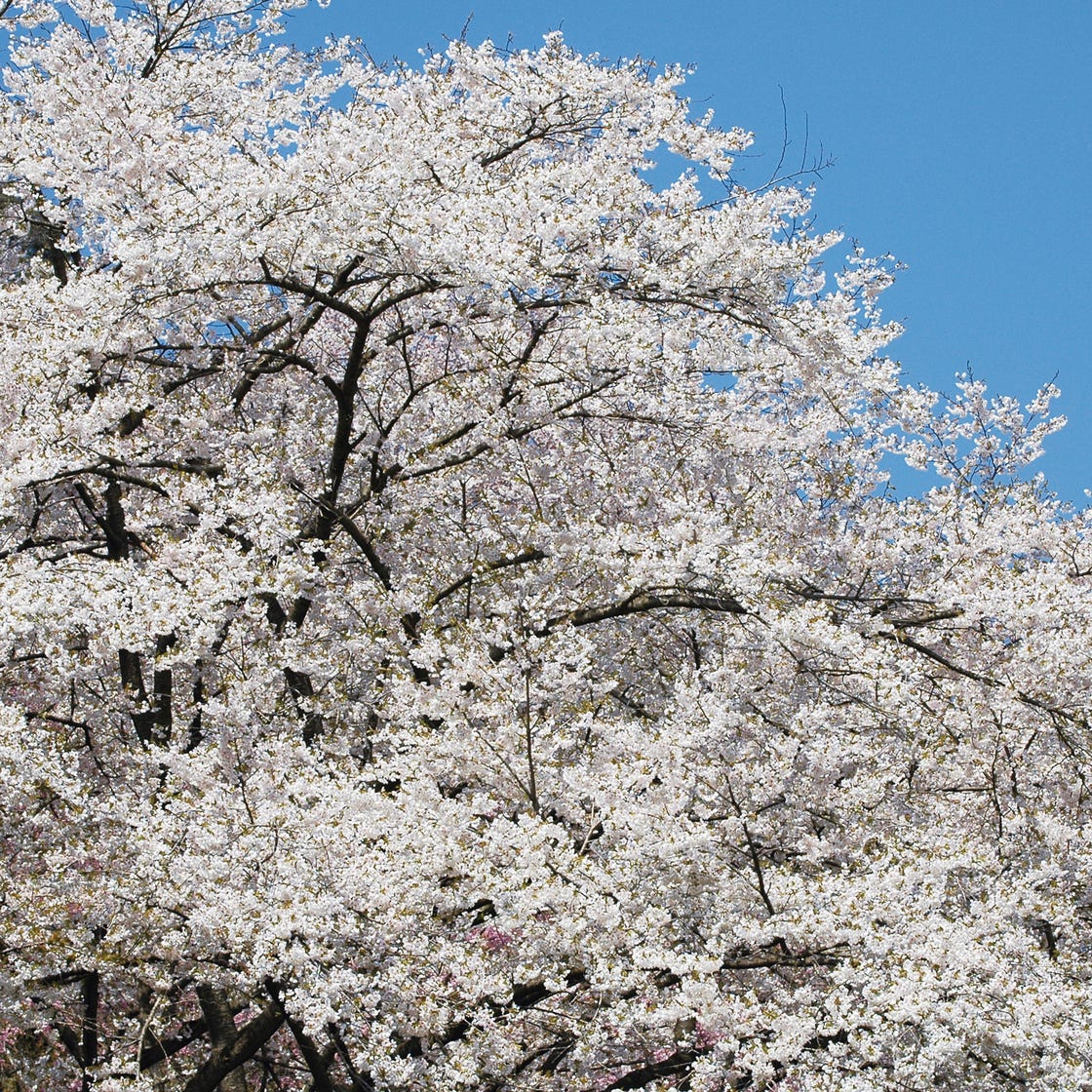
A white cherry blossom branch in a vase brings the outdoors in. Change the water weekly to keep it fresh.
Group three small white trees in different heights for a sculptural arrangement. Use matching pots for unity.
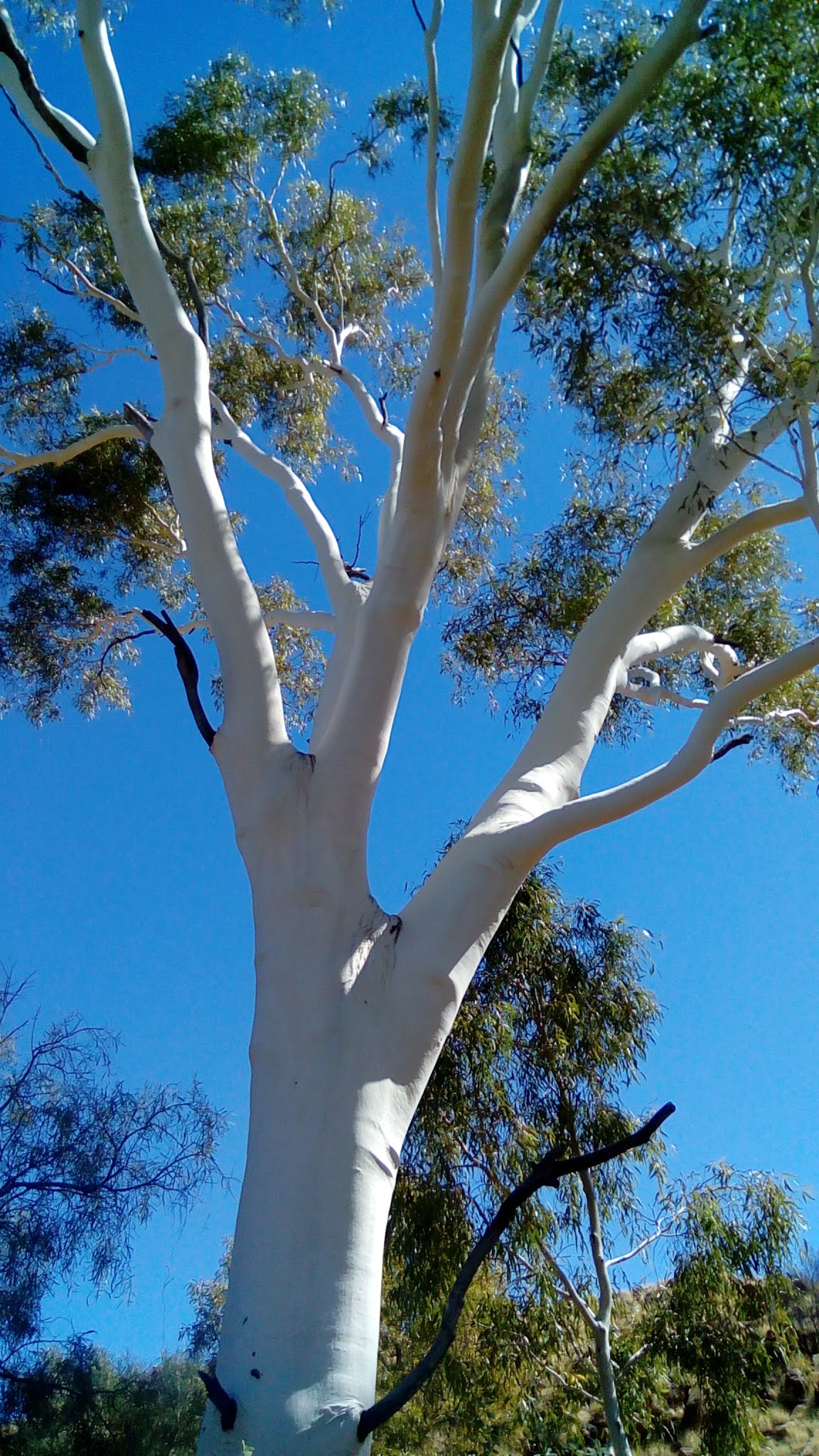
For outdoor white birches, plant in clusters of three for visual impact. Space them 10 feet apart.
An artificial white tree with snow tips works year-round in a winter-themed room. Swap ornaments for seasonal decor.

White trees with delicate leaves soften industrial interiors. Place one near a metal bookshelf.
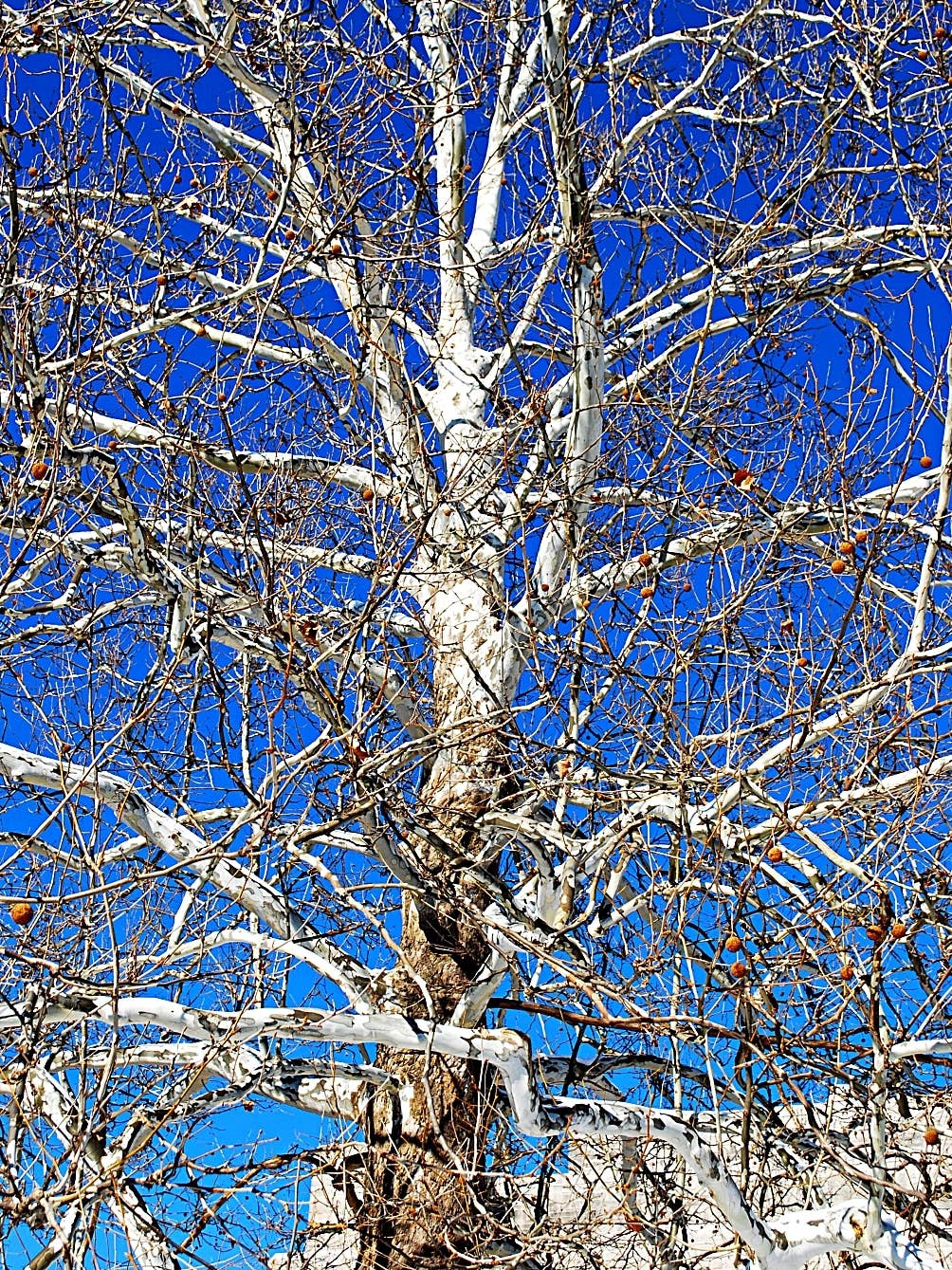
Water your live white tree early in the morning to reduce evaporation. Deep watering encourages deep roots.
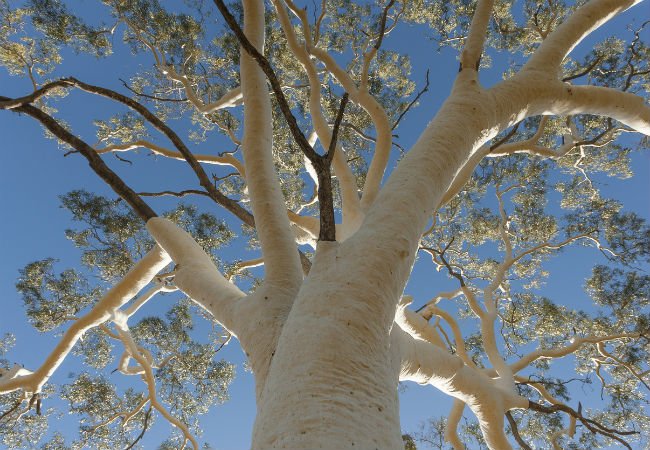
Use a white tree as a room divider in open-plan spaces. The branches create a semi-transparent screen.
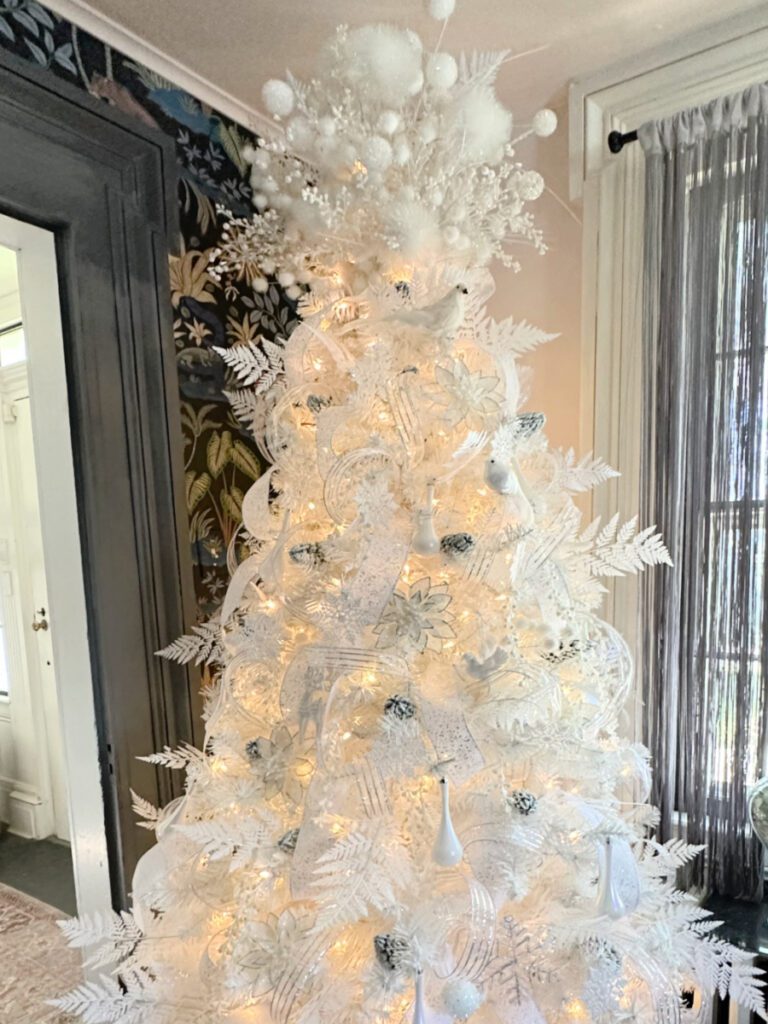
A white magnolia tree in bloom is a showstopper. Plant it where you can see it from a window.

Flocked trees shed glitter over time. Place a soft mat underneath to catch the mess.
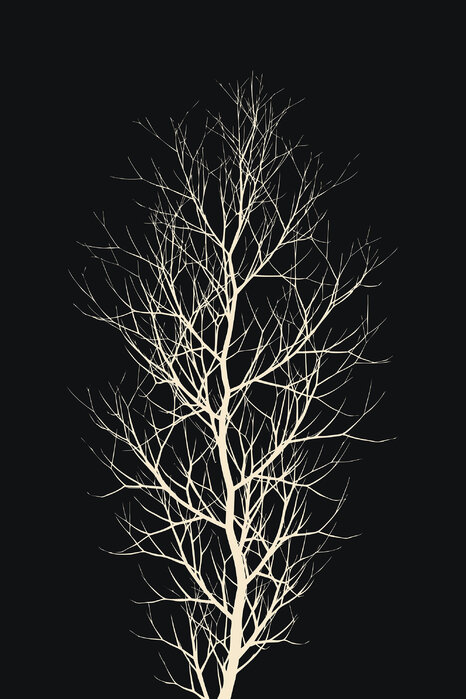
A white birch in a corner creates a natural focal point. Pair it with a neutral rug for contrast.
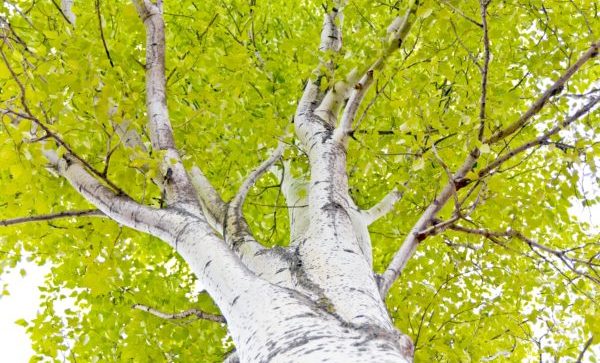
Flocked artificial trees work best in rooms with low natural light. The white finish reflects what little light there is.
Layer a white dogwood with spring bulbs underneath. The blooms will echo the tree’s flowers.
For a minimalist look, choose a stylized white olive tree in a concrete planter. It adds texture without clutter.
Pre-lit white trees save you time and create a warm glow. Use warm LED bulbs for a cozy feel.

White bark stands out against dark walls. Paint an accent wall charcoal to make the tree pop.
A white cherry blossom branch in a vase brings the outdoors in. Change the water weekly to keep it fresh.
Group three small white trees in different heights for a sculptural arrangement. Use matching pots for unity.
Your White Tree Project: From Inspiration to Reality
Step-by-Step Guide: How to Make It Happen
Start by choosing your white tree type: live or artificial. For a live white birch, buy a sapling from a local nursery and plant it in well-drained soil with full sun.
For an artificial flocked tree, assemble the sections and fluff the branches for a natural look. Add a white planter or a neutral pot to keep the aesthetic clean.
What to Avoid in Execution
Don’t plant a white birch in clay soil that stays wet—it will rot the roots. Avoid placing an artificial tree near a heat source; the flocking can melt or discolor.
Never use harsh chemical cleaners on live white bark; they can strip the protective layer. For artificial trees, skip abrasive brushes that damage the finish.
Maintenance Tips for Long-Lasting Beauty
Water your live white birch deeply once a week during dry spells, and mulch around the base to keep roots cool. For artificial trees, dust them gently with a microfiber cloth or use a hairdryer on cool to remove debris.
Prune dead branches from live trees in late winter to encourage healthy growth. Store artificial trees in a breathable bag away from moisture to prevent mold.
Frequently Asked Questions
Can I grow a white birch in a hot climate?
White birch trees prefer cool climates and struggle in USDA zones above 7. If you live in a hot area, consider a white-flowering dogwood instead.
How do I keep my artificial white tree from looking fake?
Choose a tree with realistic branch tips and a natural-looking trunk texture. Fluff each branch fully and add warm white lights to mimic sunlight.
Is it expensive to maintain a live white tree?
Initial cost for a sapling ranges from $20 to $50, plus soil amendments. Ongoing costs are low—just water and occasional pruning.
Choosing a white tree—whether live or artificial—adds a timeless, sculptural element to your home. You now have the knowledge to select the right tree and care for it properly.
Next, browse our gallery of white tree inspirations to see how others have styled them. Save your favorite looks and start your own transformation today.
Imagine your space transformed by a white tree that catches the light and changes with the seasons. This is the kind of effortless elegance that defines modern living.
