

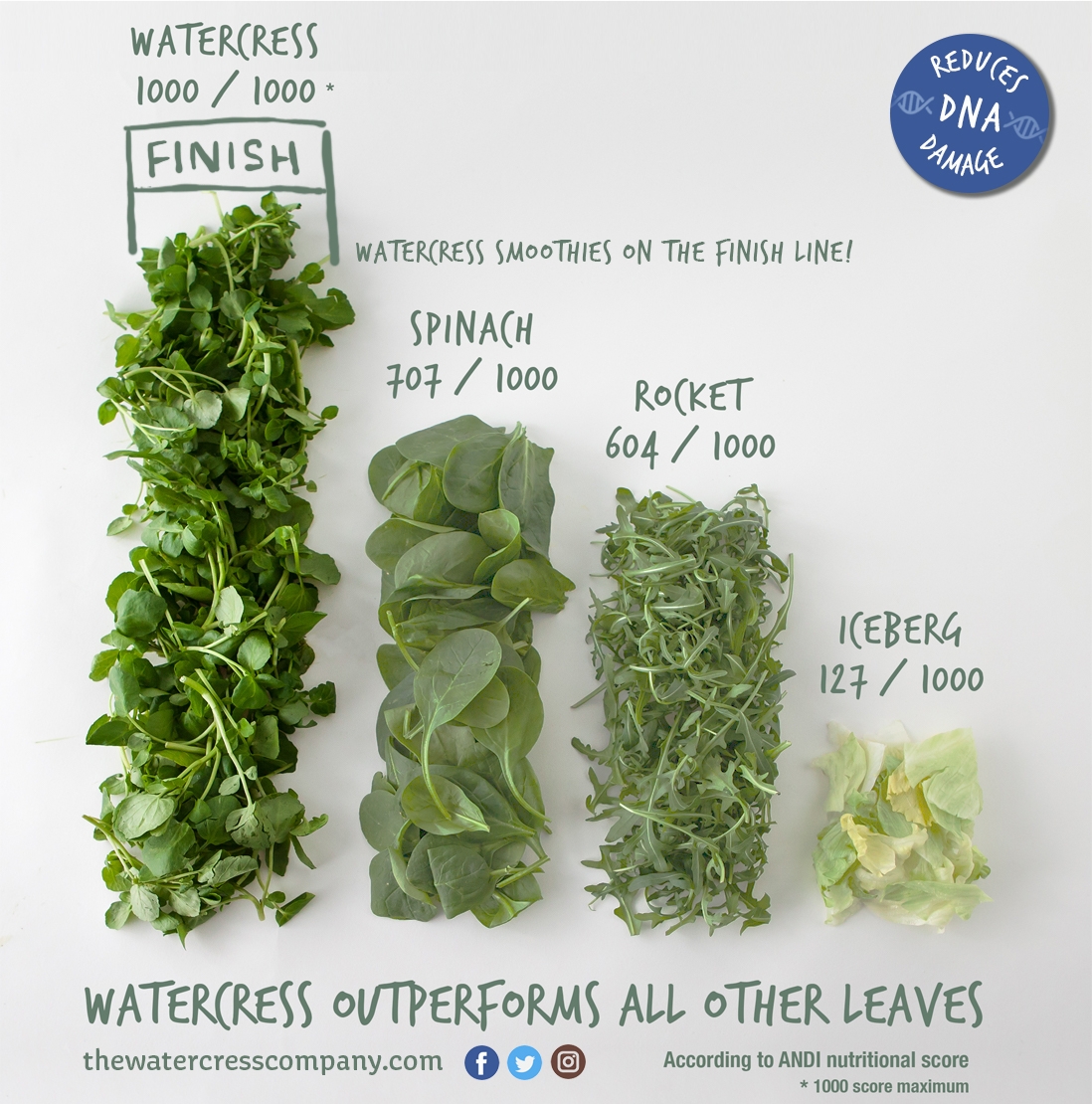
If you think kale is the king of greens, think again. The CDC ranked watercress as the most nutrient-dense vegetable, scoring a perfect 100 out of 100. This peppery little leaf packs a serious punch for just 4 calories per cup.
Most people overlook watercress because they don’t know how to use it. But once you learn a few simple ways to eat it, you’ll want to add it to everything. Let’s clear up the confusion and show you why this aquatic herb deserves a spot in your kitchen.
What Is Watercress and Why Is It So Good for You?
Watercress, or Nasturtium officinale, is a semi-aquatic plant from the mustard family. It grows in cool, flowing water and has a sharp, peppery taste similar to arugula but stronger. People have eaten it for centuries because it’s packed with vitamins and disease-fighting compounds.
One cup of raw watercress gives you over 100% of your daily vitamin K needs, plus plenty of vitamin A and C. These nutrients support strong bones, healthy vision, and a robust immune system. But the real star is a group of natural chemicals called glucosinolates, which turn into isothiocyanates when you chew the leaves. Early research suggests these compounds may help slow the growth of certain cancer cells.
Compared to kale, watercress is lighter in texture and less bitter. It also has a higher nutrient density per calorie, meaning you get more bang for your buck. If you’re looking to boost your intake of superfoods without breaking the bank, watercress is an affordable and easy addition to your diet.
Watercress in 2026: The Ultimate Nutrient-Dense Green
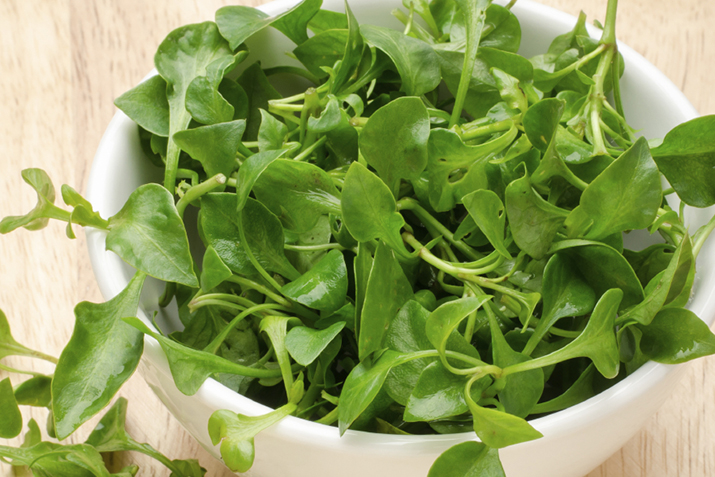
Watercress, known scientifically as Nasturtium officinale, is a peppery green that continues to impress in 2026. It is one of the oldest known leaf vegetables. This aquatic herb offers an intense flavor and a powerful nutritional punch. Its popularity is soaring as consumers seek out nutrient-dense vegetables. Watercress is a standout choice for health-conscious individuals.
| Nutrient | Amount (per cup, raw) | % Daily Value |
|---|---|---|
| Calories | 4 kcal | ~0% |
| Vitamin K | ~100 mcg | ~80-100% |
| Vitamin A | ~1200 IU | ~25% |
| Vitamin C | ~14 mg | ~15% |
| Calcium | ~60 mg | ~5% |
Nasturtium Officinale: The Aquatic Herb
Nasturtium officinale, or watercress, is a semi-aquatic plant. It thrives in cool, flowing water. This herb belongs to the mustard family, Brassicaceae. It is native to Eurasia and has been cultivated for centuries. Its peppery bite is a key characteristic.
Watercress often forms dense mats along stream banks. It prefers clean, clear water for optimal growth. This unique habitat contributes to its distinct flavor profile. It is a truly remarkable aquatic herb.
Watercress Nutrition: Vitamin K Powerhouse
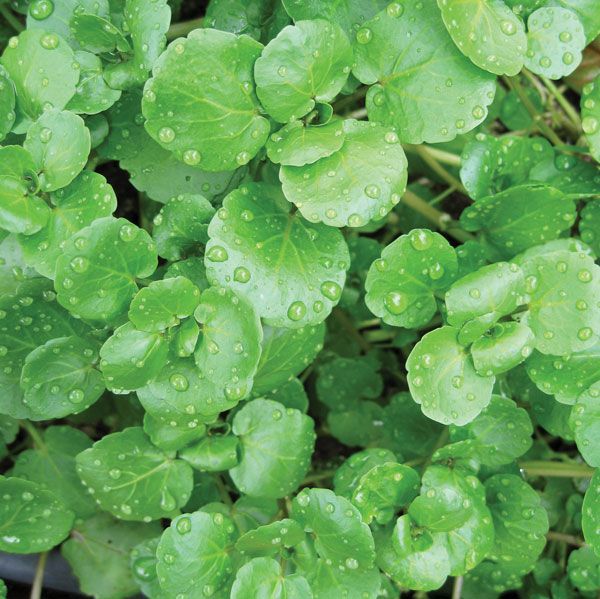
Watercress is celebrated for its exceptional nutrient density. It achieved a perfect score from the CDC for this reason. It provides a significant amount of essential vitamins. Vitamin K is particularly abundant in this green.
This vitamin is crucial for blood clotting and bone health. A single cup can provide a large portion of your daily needs. This makes watercress a smart addition to any diet. It is a true Vitamin K powerhouse.
Health Benefits of Watercress Glucosinolates
Beyond vitamins, watercress contains beneficial compounds called glucosinolates. When you chew watercress, these convert into isothiocyanates. Ongoing research suggests these compounds may have anti-cancer properties. They are being studied for their potential role in inhibiting cancer cell growth. This adds another layer to its health benefits.
These potent compounds are a key reason for watercress’s superfood status. They contribute to the plant’s sharp flavor. Understanding these elements highlights watercress’s value. Glucosinolates are a fascinating area of study.
How to Eat Watercress in Salads
Incorporating watercress into salads is simple and delicious. Its peppery flavor adds a lively kick. Use the tender leaves and upper stems for the best texture. Combine it with milder greens to balance the intensity. It pairs well with fruits like apples or pears.
For a refreshing salad, mix watercress with cherry tomatoes, cucumber, and a light vinaigrette. You can also add nuts or cheese for extra flavor and crunch. This makes for a quick and healthy meal. It is an easy way to enjoy raw watercress.
Watercress Soup: A Classic Recipe
Watercress soup is a comforting and flavorful dish. It is a classic way to enjoy this peppery green. The soup can be made creamy or brothy. It highlights the unique taste of watercress beautifully. This recipe is perfect for cooler weather.
A simple preparation involves sautéing onions and garlic, then adding chicken or vegetable broth. Stir in fresh watercress and simmer briefly. For a creamy version, blend in some potatoes or a touch of cream. Serve hot with crusty bread. This is a satisfying meal.
Growing Watercress at Home
Growing watercress at home is surprisingly easy. It prefers moist conditions and can even be grown in a shallow tray of water. Ensure the water is clean and changes regularly. Partial shade is ideal for most climates. You can start from seeds or cuttings.
This method ensures you always have fresh watercress on hand. It is a rewarding experience to harvest your own food. Just remember to keep it well-watered. Growing watercress at home is quite manageable.
Watercress vs Kale: Nutrient Comparison
When comparing watercress to kale, watercress often comes out ahead in nutrient density. While kale is a nutritional giant, watercress excels in certain areas. For example, it boasts significantly higher levels of Vitamin K and Vitamin C per calorie. It also offers a unique peppery flavor that kale lacks.
Kale is a fantastic vegetable, but watercress provides a different nutritional profile. Both are excellent choices for a healthy diet. Consider using both to diversify your intake of greens. This comparison shows watercress’s unique strengths.
Foraging Wild Watercress Safely
Foraging wild watercress can be rewarding, but safety is paramount. Always harvest from clean, flowing water sources. Avoid areas near agricultural runoff or industrial sites. Contaminated water can harbor parasites and toxins. Thoroughly wash all foraged greens before consumption.
It is crucial to positively identify the plant. Ensure you are not mistaking it for a similar-looking, potentially toxic plant. If in doubt, do not consume it. Proper identification and sourcing are key to safe foraging. Always prioritize your health and safety.
The Verdict on Watercress
In 2026, watercress stands out as a top-tier nutrient-dense vegetable. Its impressive vitamin content and unique compounds offer significant health advantages. From salads to soups, its versatility is undeniable. Consider adding this peppery green to your regular diet.
Its ease of growth and potent nutritional profile make it a smart choice. Watercress is more than just a garnish; it is a powerhouse ingredient. Embrace the peppery goodness of Nasturtium officinale for a healthier you. It truly earns its place as a superfood.
Your Watercress Action Plan
Step 1: Select and Store
Choose bunches with vibrant green leaves and firm stems. Avoid any that are yellowing or slimy. Store unwashed in a plastic bag in the fridge for up to three days.
Step 2: Wash Thoroughly
Submerge leaves in cold water and swirl to remove grit. Repeat until water runs clear. Dry in a salad spinner or pat with paper towels.
Step 3: Use It Up
Add to salads, sandwiches, or smoothies for a peppery kick. Stir into soups or pasta just before serving to preserve texture and nutrients.
Frequently Asked Questions
Can I eat watercress raw?
Yes, raw watercress is safe and delicious when thoroughly washed. Its peppery flavor adds a fresh kick to salads and sandwiches.
Is watercress safe during pregnancy?
Yes, in normal food amounts it provides beneficial folate and vitamins. However, consult your doctor before taking concentrated supplements.
How do I know if watercress has gone bad?
Look for wilting, yellowing leaves, or a slimy texture. A sour or musty smell also indicates spoilage.
Watercress is a powerhouse of nutrients, earning the top spot from the CDC for a reason. Its versatility in the kitchen makes it an easy addition to your daily meals.
Start by swapping one salad green for watercress this week. You’ll notice a boost in flavor and nutrition immediately.
Imagine a future where your plate is always peppered with this vibrant green. It’s a simple step toward a more nutrient-dense lifestyle.
