

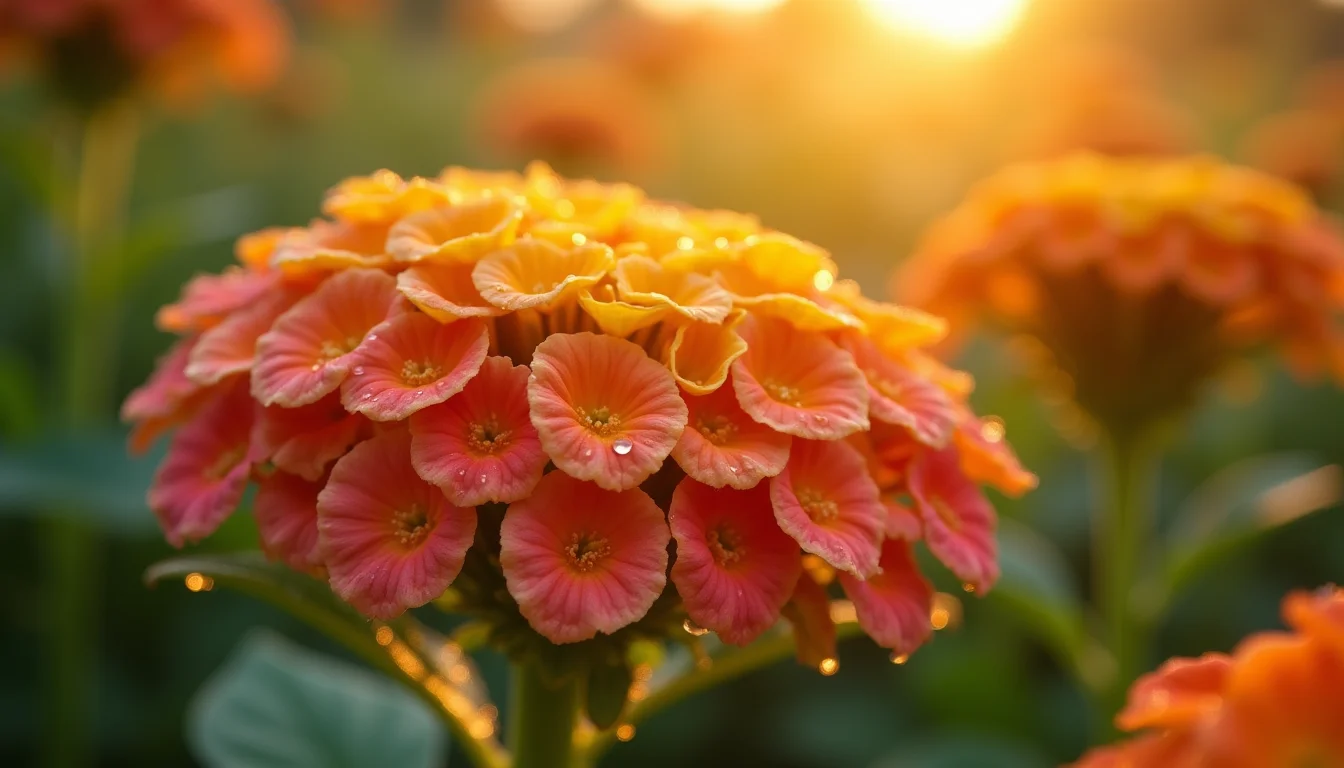
If your garden looks tired by midsummer, lantana is the plant that keeps on giving. This tough beauty blooms from late spring until frost, even through heat waves that kill other flowers. You don’t need a green thumb to make it thrive.
Lantana is famous for its clusters of tiny flowers that change color as they age, creating a rainbow effect on one plant. It attracts butterflies and hummingbirds while repelling deer and rabbits. But be warned: all parts of the plant are toxic to pets and people.
Why Lantana Is the Ultimate Drought-Tolerant Bloomer for Busy Gardeners
Lantana comes from tropical regions and loves full sun, needing at least six hours daily. It thrives on neglect, requiring only about one inch of water per week once established. In fact, overwatering is the fastest way to kill it.
This plant is a perennial in USDA zones 8 through 11, but it grows as a fast annual in cooler climates. You can find it in a huge range of flower colors, from yellow and orange to pink, red, and purple. The rough, sandpaper-like leaves have a citrusy smell when crushed.
For the best show, plant lantana in well-draining soil and give it a light prune in early spring. Deadheading isn’t strictly necessary, but it encourages even more blooms. Just remember: unripe berries are poisonous, so keep kids and pets away.
Lantana in 2026: A Resilient Bloom for Every US Landscape
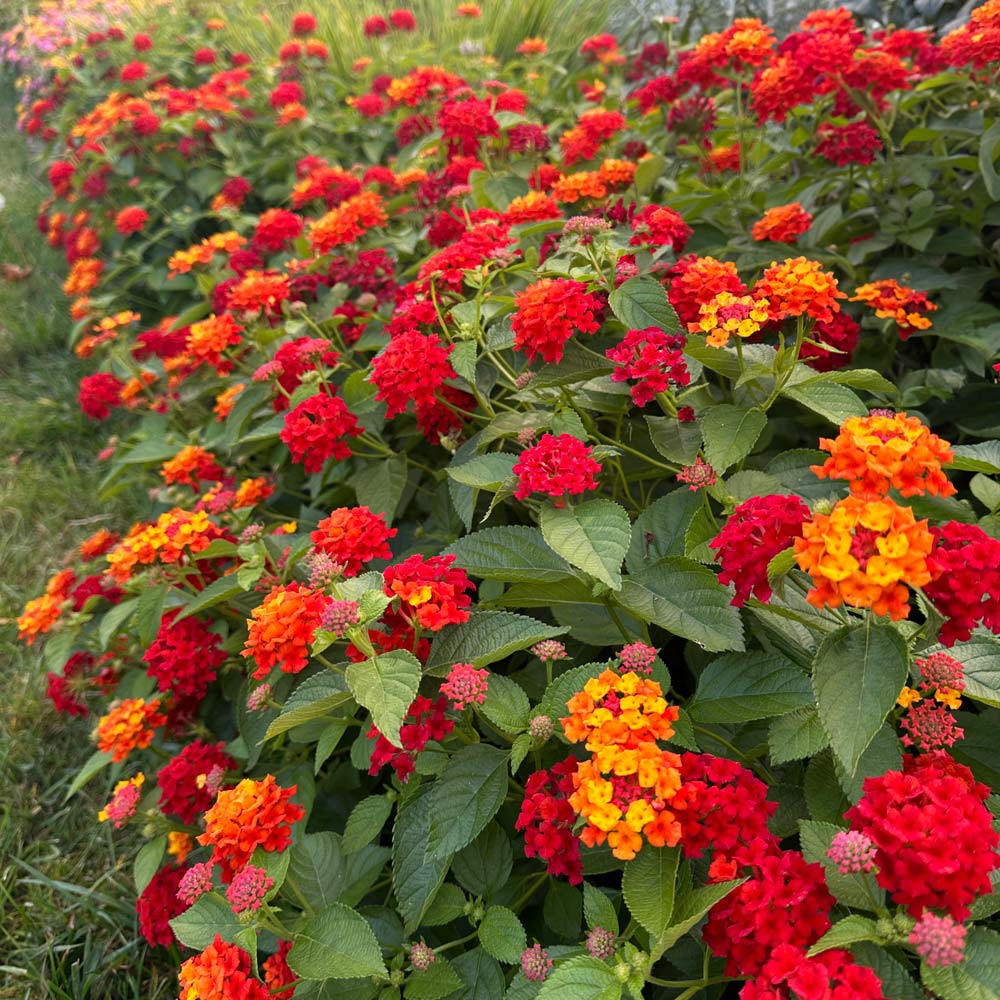
Lantana continues its reign as a favorite for American gardens in 2026. These vibrant plants offer continuous color and attract beneficial pollinators. They are remarkably tough, making them ideal for busy homeowners. With over 150 species native to the Americas and Africa, there’s a lantana for almost any setting. Their unique flower clusters change color as they mature, offering a dynamic visual display. The foliage is also distinctive, with a rough texture and a strong, citrusy scent when touched. This plant is a true workhorse in the garden, demanding little but giving much in return. Understanding its needs ensures a spectacular show all season long.
| Feature | Description |
| Native To | The Americas and Africa |
| Flower Clusters | Dense umbels, often multi-hued |
| Foliage | Dark green, rough texture, citrus scent |
| Sun Needs | Full sun (6-8 hours daily) |
| Water Needs | Drought tolerant once established (approx. 1 inch/week) |
| Soil Preference | Well-draining, slightly acidic; adaptable |
| Hardiness Zones | USDA 8-11 (perennial), annual elsewhere |
| Bloom Time | Late spring to first frost |
| Toxicity | Poisonous to humans and pets (unripe berries especially) |
| Invasive Potential | Certain species can be invasive in warm climates |
Top Lantana Varieties for Your Garden
In 2026, the market offers a stunning array of lantana varieties. For compact spaces, look for ‘Miss Huff’ or ‘New Gold’. ‘Miss Huff’ is known for its exceptional hardiness and continuous blooming, even in challenging conditions. ‘New Gold’ provides a carpet of bright yellow flowers and stays relatively low. If you desire larger, more dramatic blooms, consider ‘Bandana’ series varieties. These come in a spectrum of colors, from deep reds to vibrant pinks and purples. For a unique color-changing effect, ‘Sunrise Rose’ is a popular choice, transitioning from yellow to pink and orange. Always check local nurseries for the best lantana varieties suited to your specific region and aesthetic goals.
Lantana Care: Sun, Water, and Soil
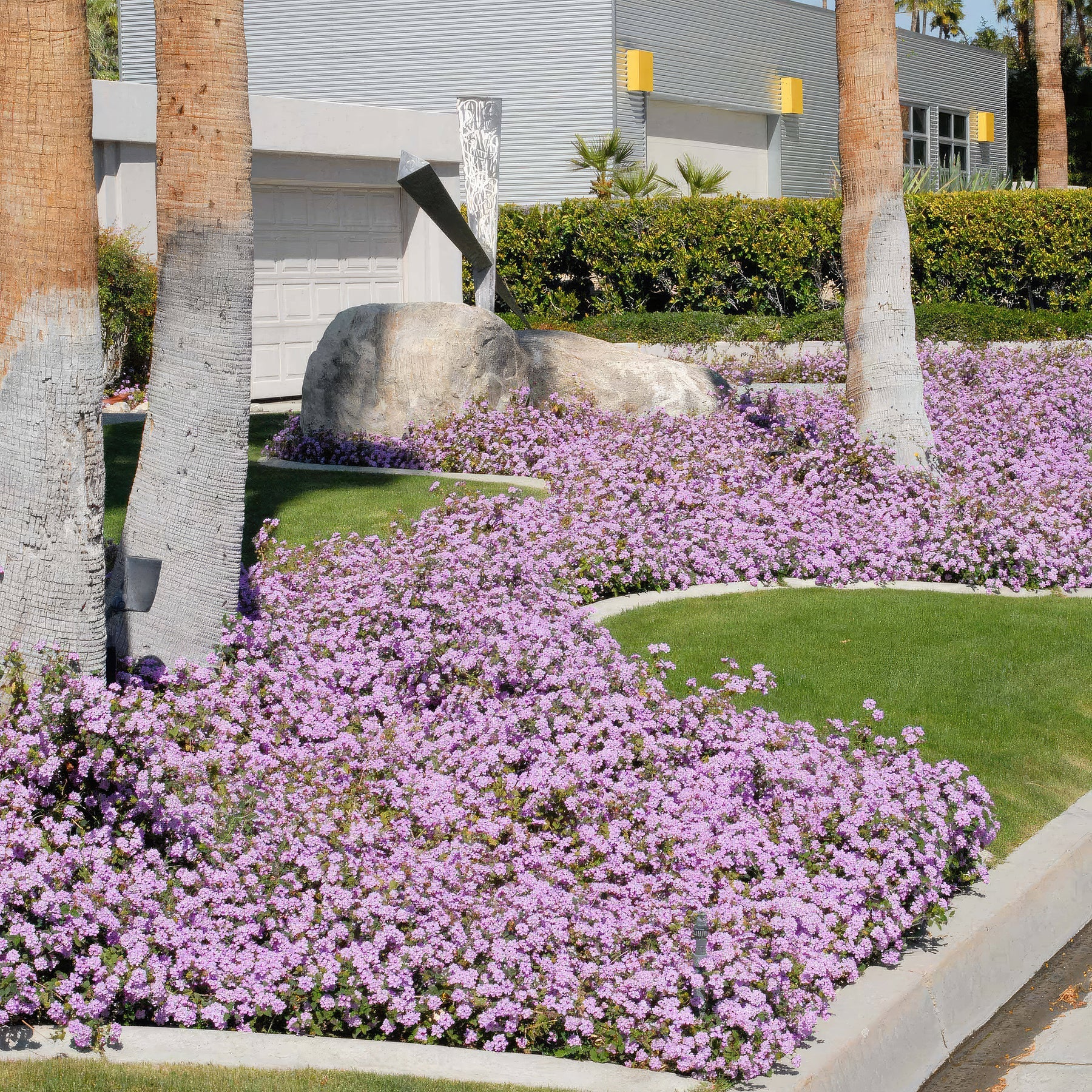
Lantana thrives in full sun, requiring at least six to eight hours of direct sunlight each day for optimal flowering. Insufficient light leads to fewer blooms and leggy growth. Once established, lantanas are remarkably drought-tolerant, a key reason for their popularity in water-wise gardening. Aim for about one inch of water per week, allowing the soil to dry out slightly between waterings. While they prefer well-draining, slightly acidic soil, lantanas are adaptable and can tolerate poorer soil conditions. Good drainage is crucial to prevent root rot. Avoid heavy, compacted soils that retain too much moisture. Proper placement and minimal fuss are the keys to successful lantana care.
Read also: 50 Blue Flowers That Stay True Blue in Any Garden
Is Lantana Toxic to Pets?
This is a critical point for any pet owner considering lantana for their landscape. Lantana toxicity is a serious concern. All parts of the lantana plant are poisonous, but the unripe berries are particularly dangerous. Ingestion can cause severe gastrointestinal distress, vomiting, diarrhea, and in extreme cases, liver damage and weakness in both humans and domestic animals. It is essential to plant lantanas in areas inaccessible to pets or to opt for non-toxic alternatives if you have curious dogs or cats. Always supervise pets in the garden and consult your veterinarian if you suspect they have ingested any part of the plant. This is a non-negotiable safety measure for responsible pet ownership.
The pungent aroma of lantana foliage is a deterrent for some pests but a beacon for pollinators. Be mindful of its toxicity around children and pets.
Lantana as a Butterfly Magnet
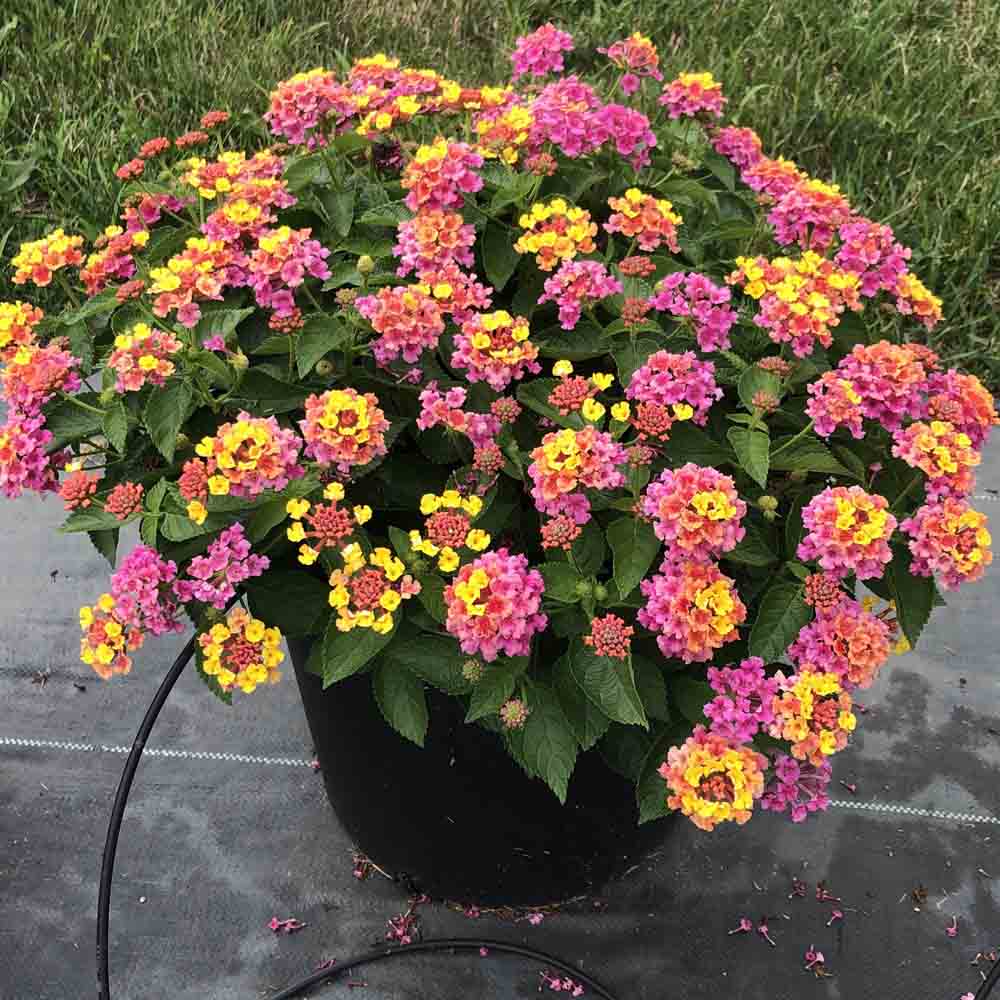
One of the most celebrated features of lantana is its ability to attract pollinators. It is a top choice for gardeners looking to create a haven for butterflies and hummingbirds. The dense clusters of nectar-rich flowers provide a reliable food source. You will see a constant flutter of activity when lantana is in bloom. This makes it an excellent addition to any garden focused on supporting local ecosystems. Planting lantana is a direct way to contribute to the health of these vital insect populations. It’s a beautiful way to engage with nature right in your backyard, offering a dynamic display of life.
Drought-Tolerant Lantana for Dry Climates
For homeowners in arid or drought-prone regions, drought-tolerant lantana is an excellent choice. Varieties like ‘Miss Huff’ and many of the trailing types are exceptionally resilient once established. They can survive on minimal water, making them perfect for xeriscaping. This reduces water bills and conserves precious resources. Their ability to thrive in full sun and heat makes them ideal for sunny, dry spots where other plants might struggle. Choosing drought-tolerant species is a smart, sustainable gardening practice for 2026. It ensures a colorful garden with less environmental impact and less work for you. Learn more about lantana’s adaptability.
Lantana Planting Zones and Hardiness
Lantana is classified as a hardy perennial in USDA zones 8 through 11. This means in these warmer regions, it can survive the winter and return year after year. In cooler climates, such as zones 7 and below, lantana is typically grown as an annual. It will provide beautiful blooms throughout the summer but will not survive the winter frost. Gardeners in these zones can enjoy lantana’s vibrant colors for a single season. For those in zones 8-11, consider a hard spring prune to manage growth and encourage vigorous flowering. Understanding your lantana planting zones is key to success. Find detailed planting zone information.
Lantana Invasiveness: What to Know
While lantana offers many benefits, it’s important to be aware of its potential for invasiveness. Certain species, particularly *Lantana camara*, can spread aggressively in subtropical and tropical environments. This can lead to them outcompeting native plants and disrupting local ecosystems. In states like Florida, specific cultivars are restricted due to their invasive nature. Always research the specific lantana variety you are considering. Choose sterile or less aggressive cultivars if you live in an area prone to invasive species. Responsible gardening means selecting plants that enhance, not harm, your local environment. Understanding lantana invasive species concerns is part of being a conscientious gardener.
How to Propagate Lantana Cuttings
Propagating lantana is a straightforward process, allowing you to easily expand your collection or share plants with friends. The most common method is through stem cuttings. In late spring or summer, take 4-6 inch cuttings from healthy, non-flowering shoots. Remove the lower leaves and dip the cut end in rooting hormone, if desired. Plant the cuttings in a well-draining potting mix. Keep the soil consistently moist and place the pot in a warm location with bright, indirect light. Roots typically form within a few weeks. This method is an excellent way to create new plants and is a core part of lantana propagation. It’s a rewarding experience for any gardener.
The Verdict: Lantana’s Lasting Appeal
Lantana remains a top performer for American gardens in 2026. Its resilience, vibrant colors, and pollinator-attracting qualities are undeniable. While toxicity and invasiveness are valid concerns, they are manageable with careful selection and placement. For most homeowners, the benefits far outweigh the risks. Prioritize drought-tolerant varieties and be mindful of local invasive species regulations. This plant offers a fantastic return on investment for beauty and ecological support. It’s a practical choice for adding long-lasting color and life to your landscape. Embrace lantana for a vibrant, low-maintenance garden experience.
Your Lantana Success Plan
Step 1: Choose the Right Spot
Pick a location that gets at least 6 hours of direct sun each day. Full sun is non-negotiable for those vibrant, multi-colored blooms.
Step 2: Plant and Water Smartly
Use well-draining soil and water about one inch per week once established. Overwatering is the fastest way to kill a lantana.
Step 3: Prune for Continuous Blooms
Deadhead spent flowers regularly to encourage new growth. For perennials, cut back hard in early spring to keep the plant compact and flowering.
What to Avoid
- Too Much Shade: Less sun means fewer flowers and a leggy plant.
- Overwatering: Lantana is drought-tolerant; wet feet cause root rot.
- Ignoring Invasiveness: In warm climates, choose sterile cultivars to prevent spreading into natural areas.
Frequently Asked Questions
Is lantana safe for pets?
No, all parts of the plant are toxic, especially the unripe berries. Keep it away from dogs, cats, and horses to avoid serious health issues.
Why is my lantana not blooming?
The most common cause is insufficient sunlight. Move it to a spot with at least 6 hours of direct sun and reduce nitrogen fertilizer.
Can I grow lantana in a container?
Absolutely. Use a pot with drainage holes and a quality potting mix. Container plants need more frequent watering than those in the ground.
Lantana is a tough, low-maintenance beauty that rewards you with months of color. Its resilience makes it a smart choice for busy gardeners and challenging spots.
Now that you know the basics, it’s time to pick your favorite variety and get planting. Start with one pot or a small patch, and watch your garden come alive.
Imagine a sea of orange, pink, and yellow blooms swaying in the summer breeze. That vision is just a few sunny days away.
