

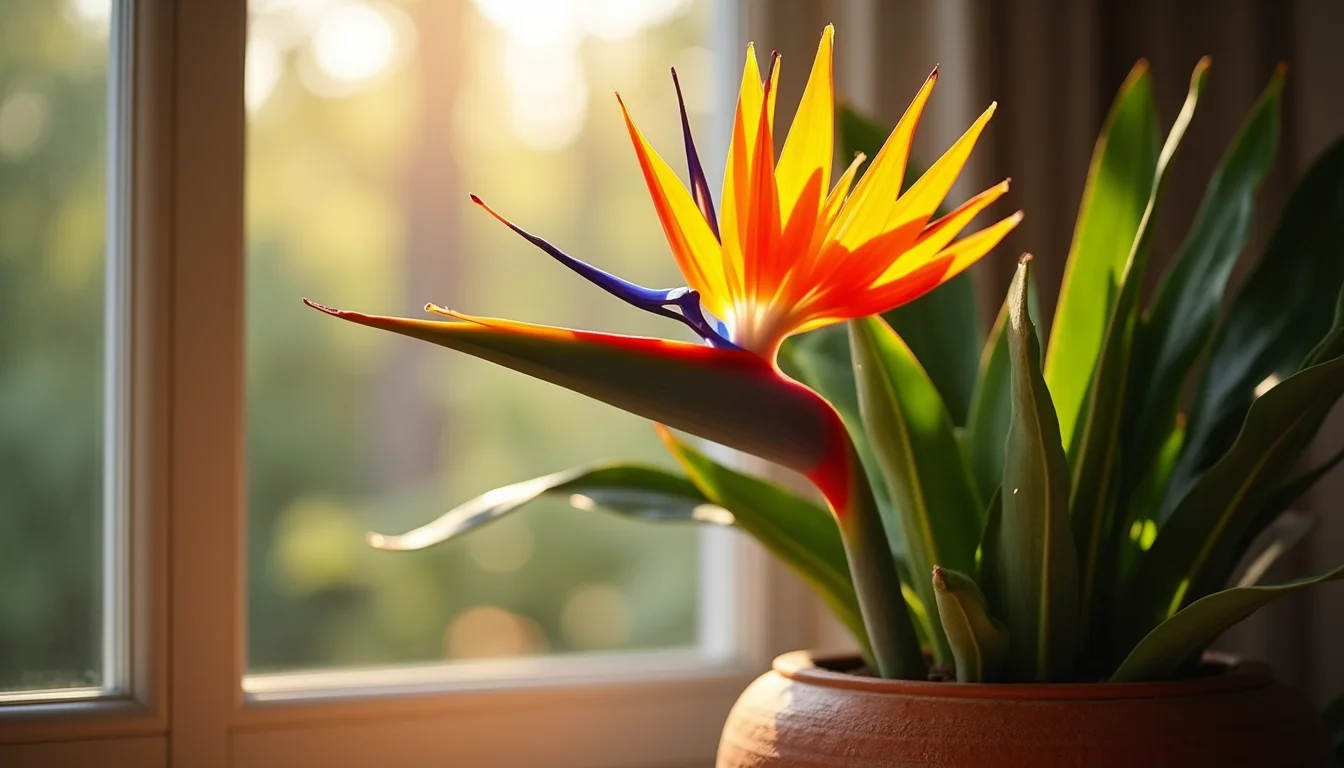
You’ve brought home a Bird of Paradise plant, expecting those iconic orange and blue flowers. But months later, it’s just tall green leaves. You’re not alone. Most indoor Bird of Paradise plants never bloom because they don’t get enough direct sunlight.
The truth is, this plant is a sun worshipper. It needs at least 4-6 hours of direct sun a day to flower. Without it, you’ll only get foliage. But with the right care, your Strelitzia can become a stunning tropical centerpiece in your home.
What is a Bird of Paradise Plant? The Strelitzia Family
The Bird of Paradise plant, or Strelitzia, comes from South Africa. The most common type is Strelitzia reginae, also called the Crane Flower. Its flowers look like a bird in flight, with bright orange petals and a blue tongue.
There’s also the Giant White Bird of Paradise, or Strelitzia nicolai. This one can grow up to 30 feet tall outdoors. Indoors, it stays smaller but still makes a big statement with its large, paddle-shaped leaves. Both types are popular in US homes for their tropical look.
These plants are not just pretty. They symbolize freedom and royalty. In fact, the Bird of Paradise flower is the official flower for a 9th wedding anniversary. So when you grow one, you’re bringing meaning into your home.
Strelitzia Reginae: The Orange Bird of Paradise
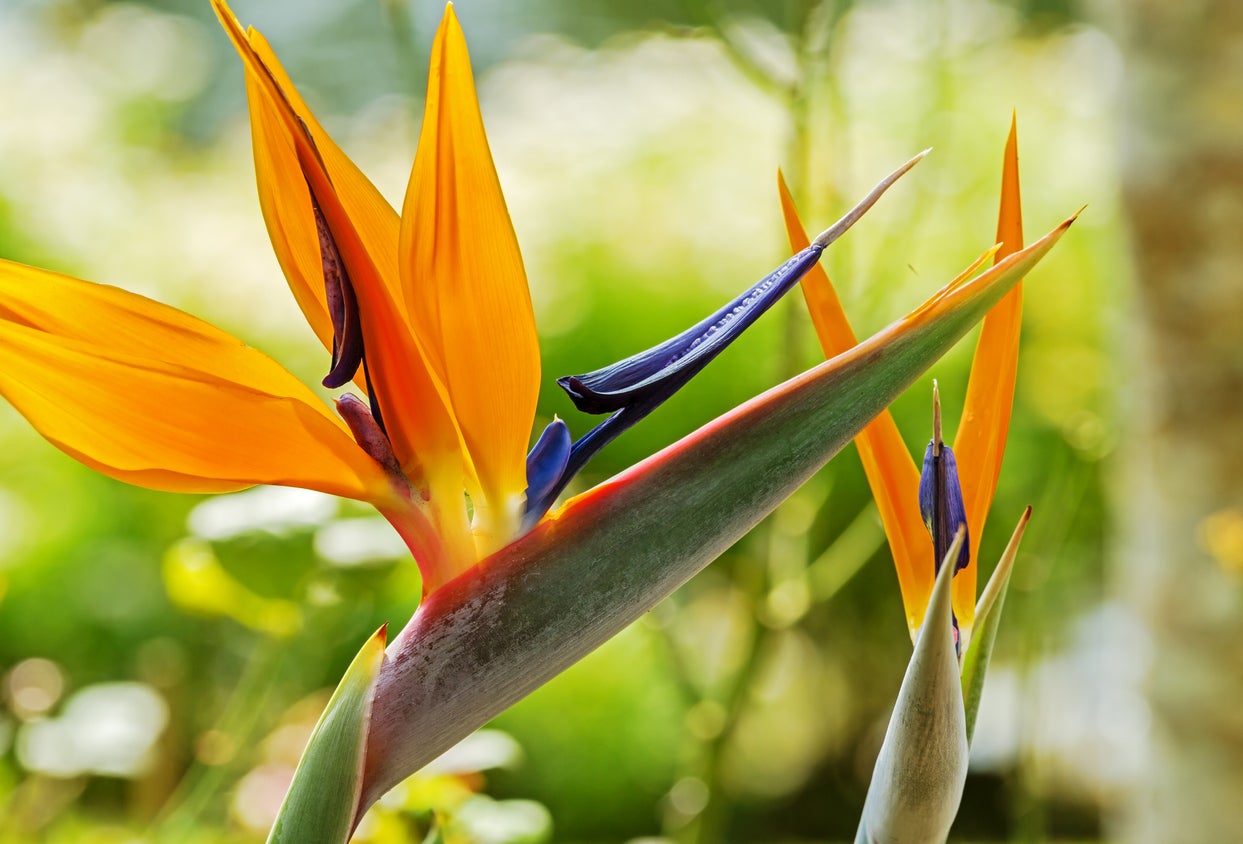
The Strelitzia reginae offers a vibrant splash of color and a unique sculptural form. This plant is a favorite for adding a tropical feel to any space.
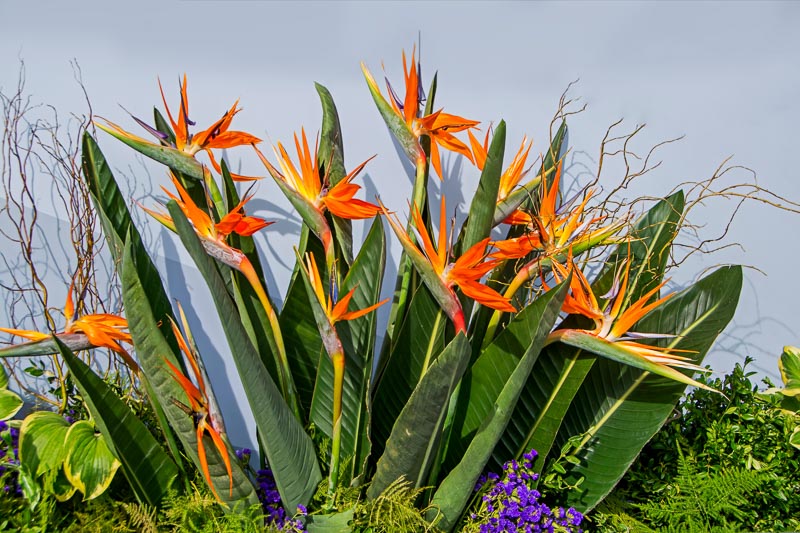
Orange Bird of Paradise Blooms
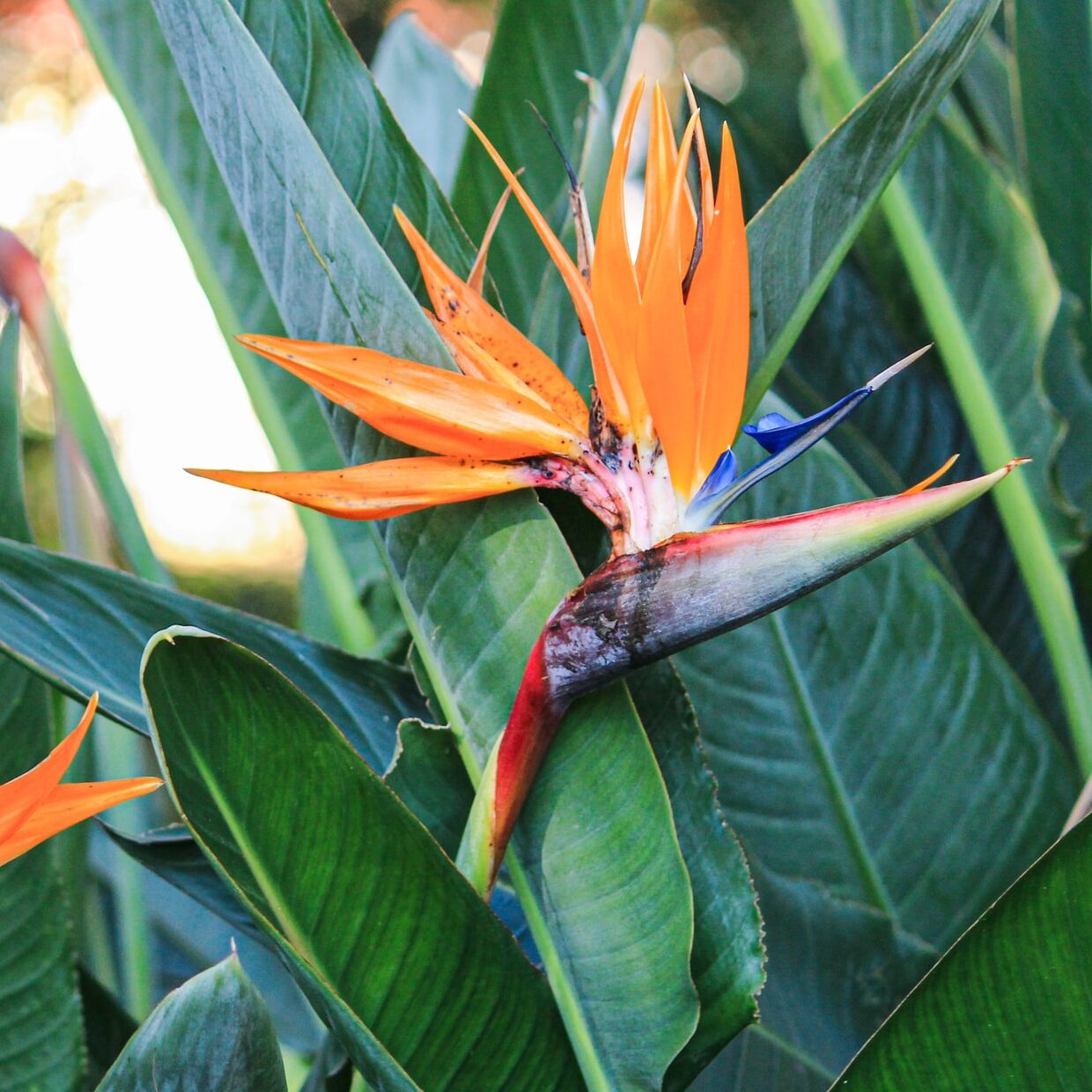
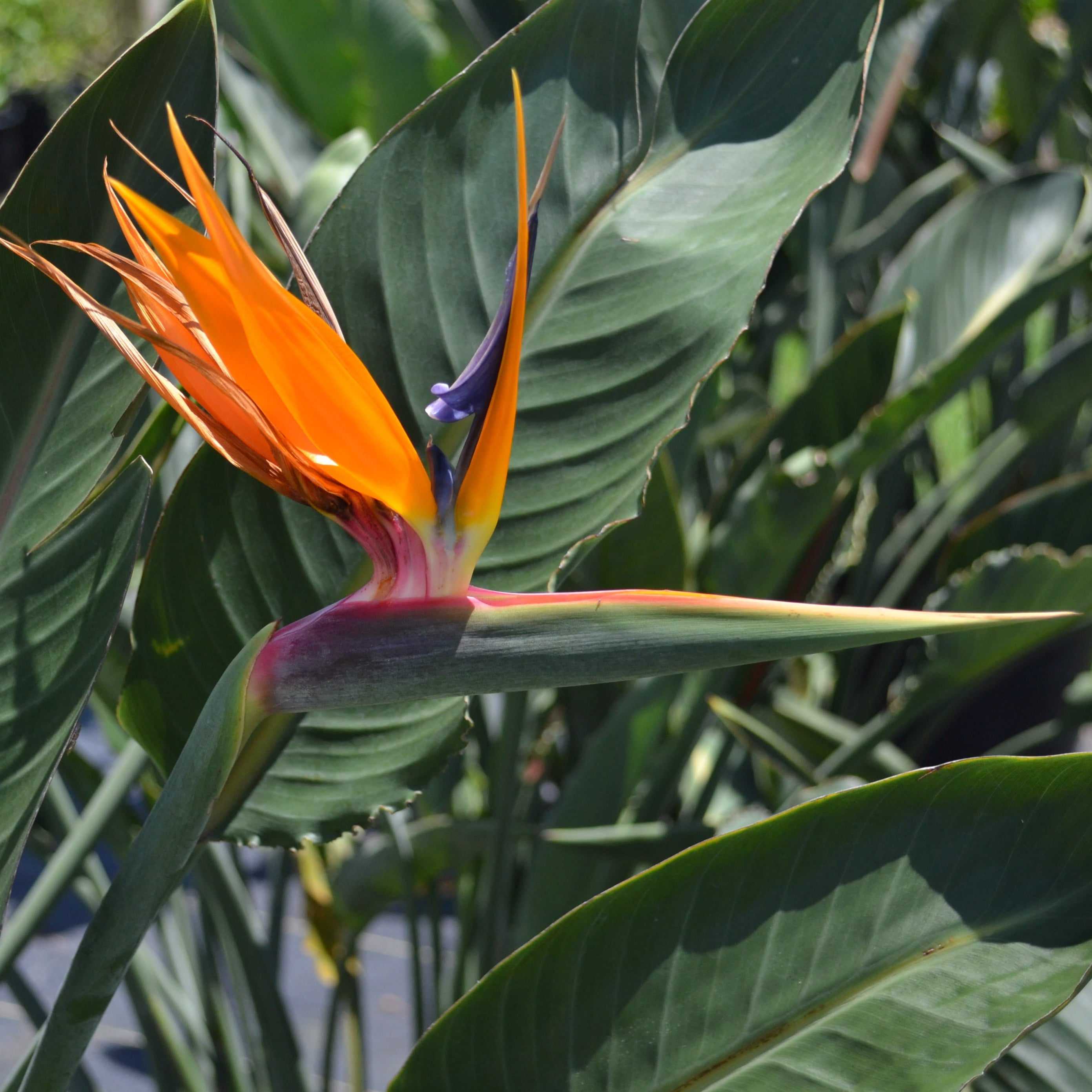
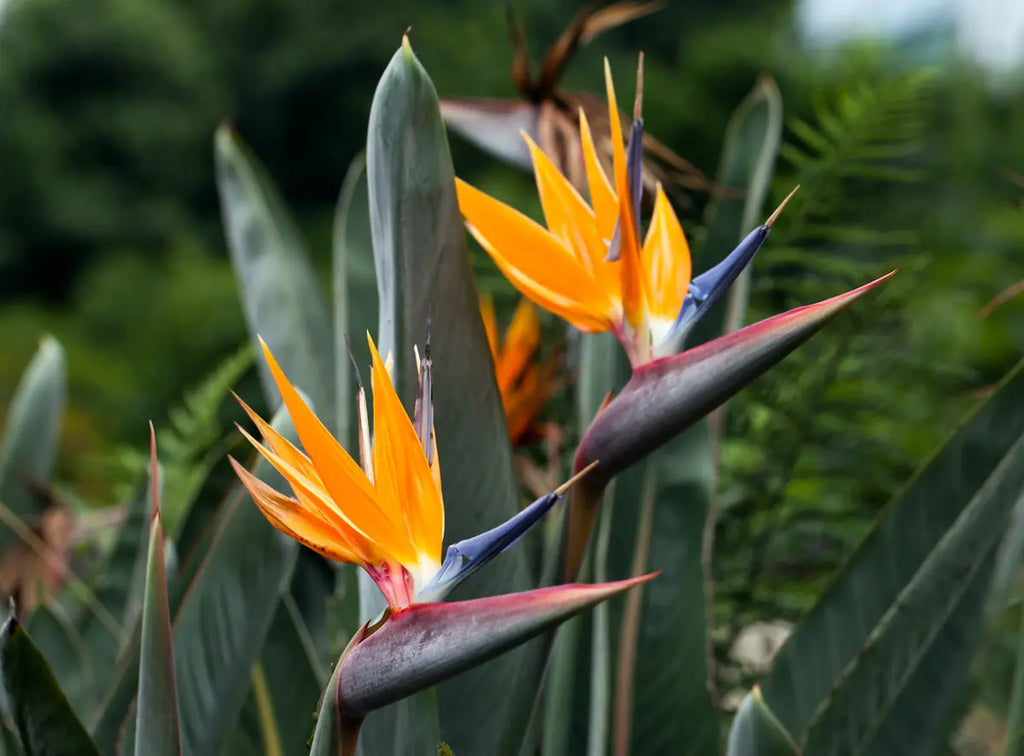
The iconic flower resembles a crane’s head with bright orange sepals and blue petals. It brings a bold, cheerful energy to interior design. This particular species is often called the Crane Flower.
Strelitzia Reginae Plant
Its large, paddle-shaped leaves provide an architectural element even when not in bloom. The plant thrives in bright, direct light, needing at least 4-6 hours daily for best flowering. Proper Bird of Paradise plant care is key to its stunning display.
Read also: This Shrub Blooms for Months With Almost No Work
Symbolism of the Crane Flower
The Crane Flower symbolizes joy and magnificent freedom. It is also associated with royalty and represents the 9th wedding anniversary. This makes it a meaningful choice for gifts and celebrations.
Tropical Bird of Paradise Aesthetic
This plant embodies the essence of a tropical paradise with its exotic appearance. It pairs well with natural materials like rattan and bamboo. The visual impact is undeniable.
| Species | Common Name | Color |
| Strelitzia reginae | Crane Flower | Orange and Blue |
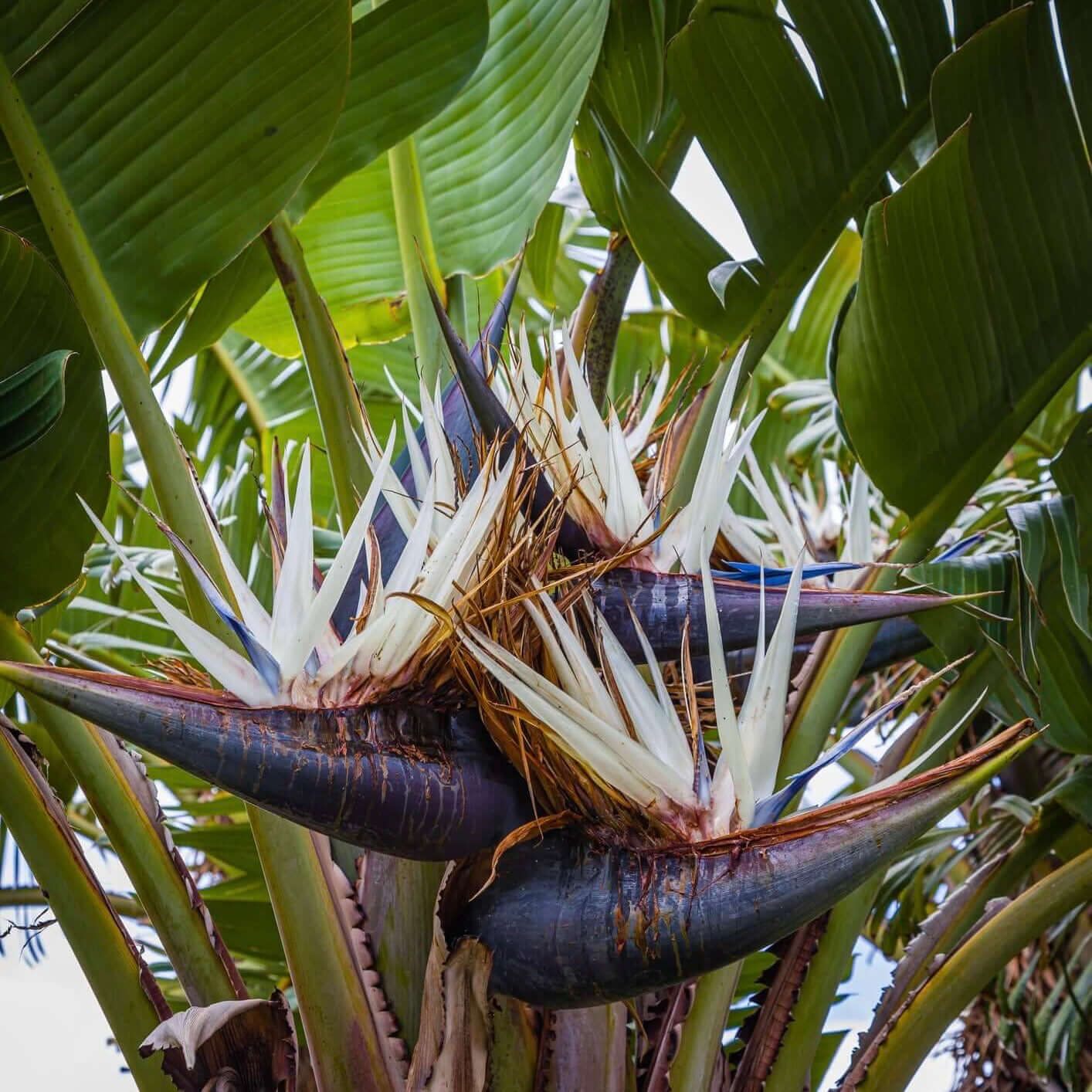
| Strelitzia nicolai | Giant White Bird of Paradise | White and Blue-Black |
Strelitzia Nicolai: The Giant White Bird of Paradise
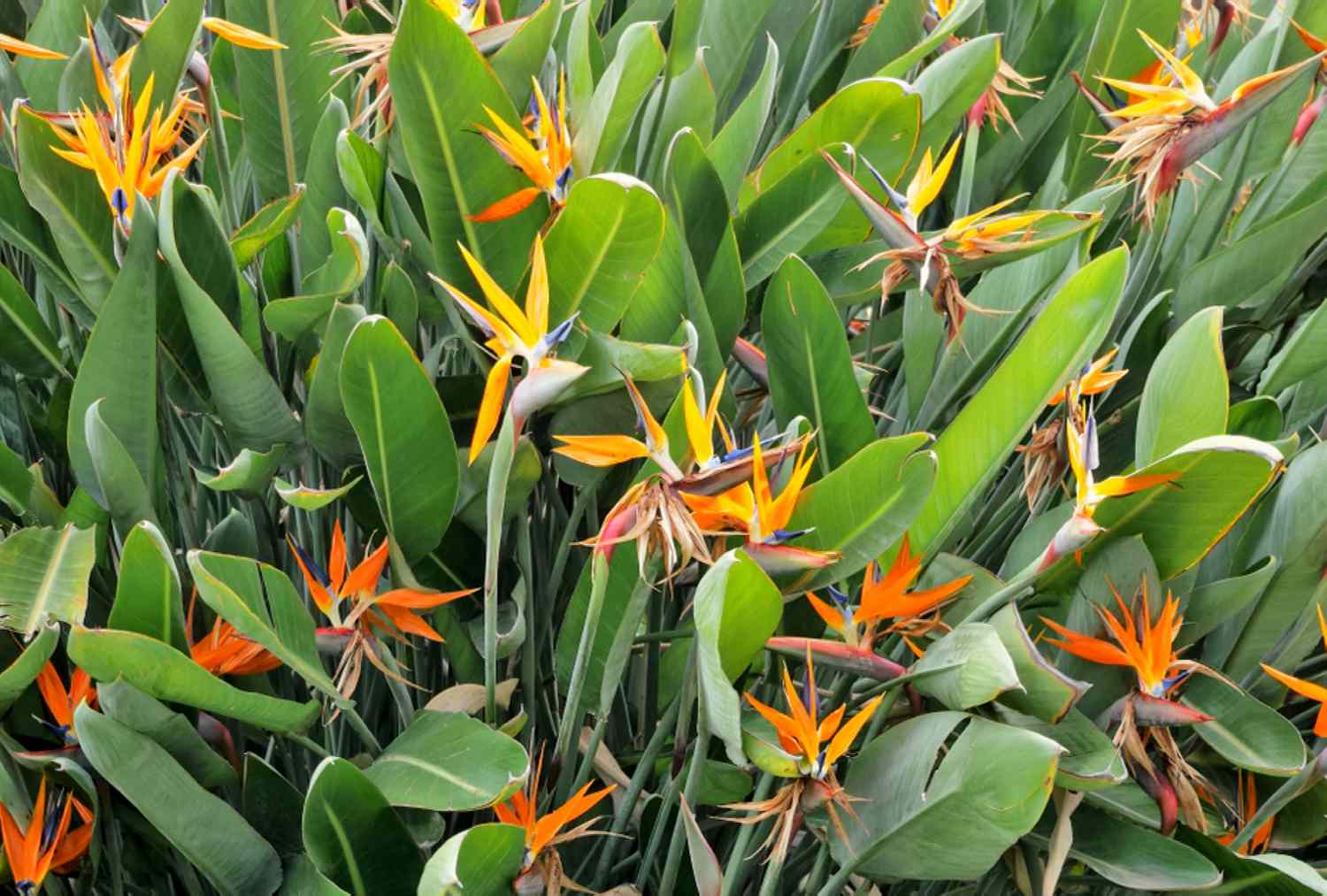
The Giant White Bird of Paradise is a statement plant, perfect for larger spaces. Its impressive size and dramatic foliage create a significant visual impact.
Giant White Bird of Paradise Foliage
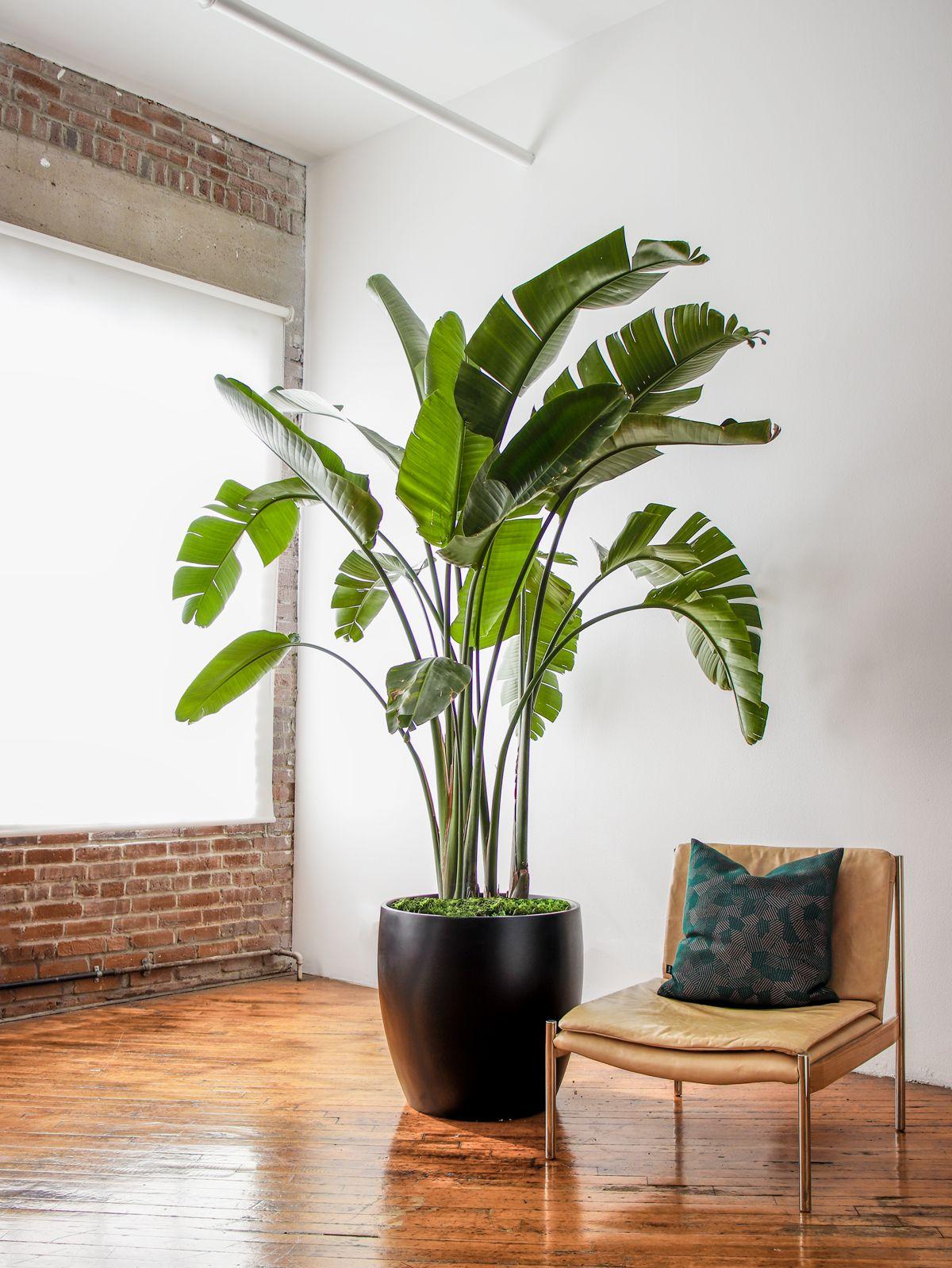
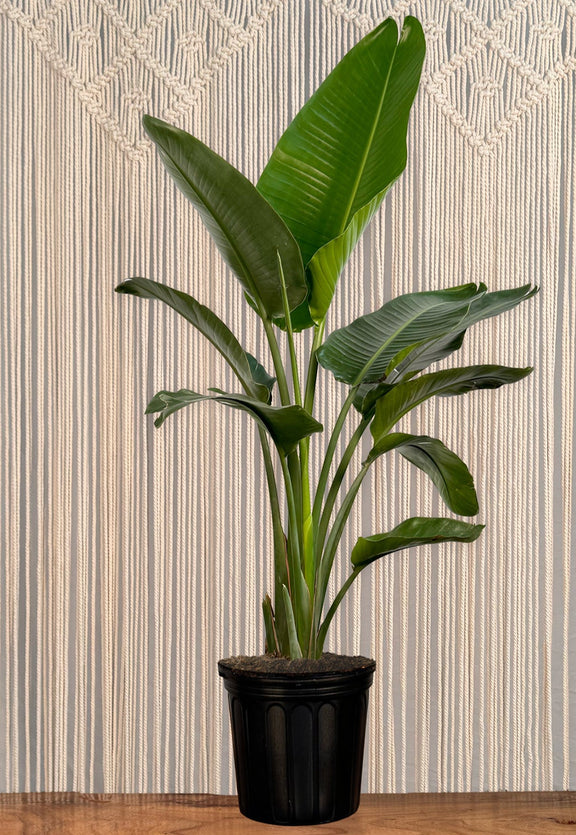
This species features very large, banana-like leaves that add lushness and height. It can grow quite tall, making it ideal for high ceilings or open areas. It brings a jungle-like feel indoors.
Strelitzia Nicolai Outdoors
In frost-free climates, Strelitzia nicolai can reach impressive heights of up to 30 feet. It serves as a dramatic focal point in landscaping. Its broad leaves create a dense, tropical screen.
Indoor Specimen Plant
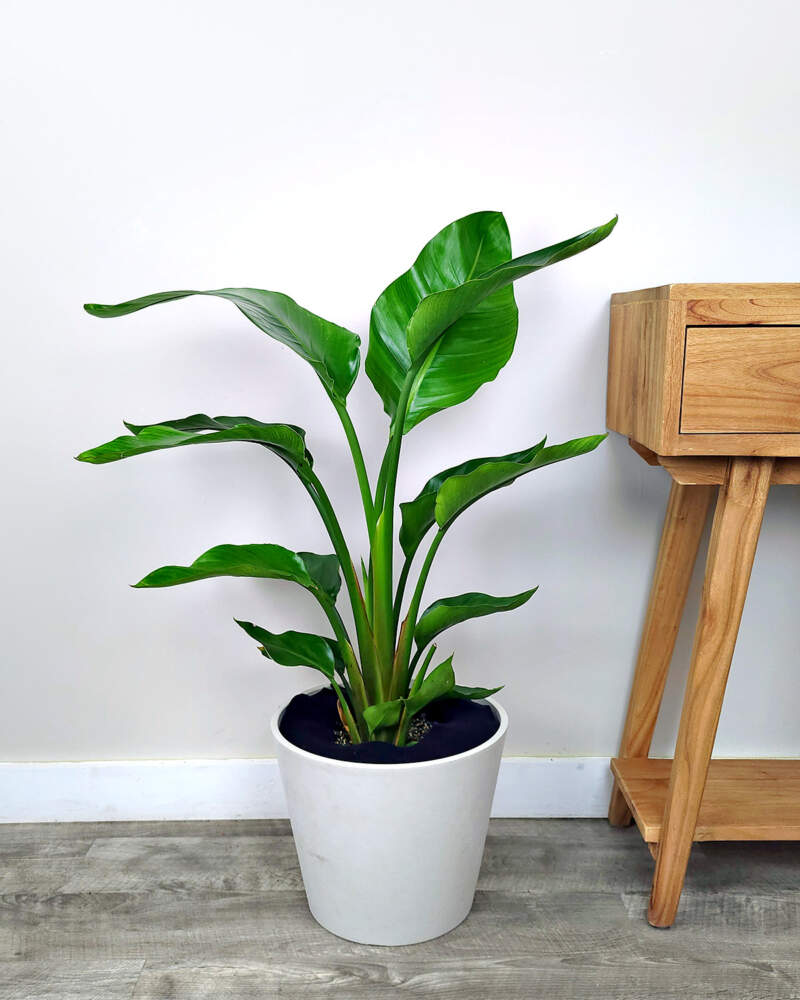
As an indoor plant, the Giant White Bird of Paradise offers a striking silhouette. It prefers bright, indirect light but can tolerate full sun. Consistent watering is important, but avoid waterlogged soil.
White Bird of Paradise Flowers
While less common indoors, its white and blue-black flowers are a beautiful sight. They emerge from dark, boat-shaped bracts. The scale of the flower is impressive.
Crane Flower: Unique Shape and Symbolism
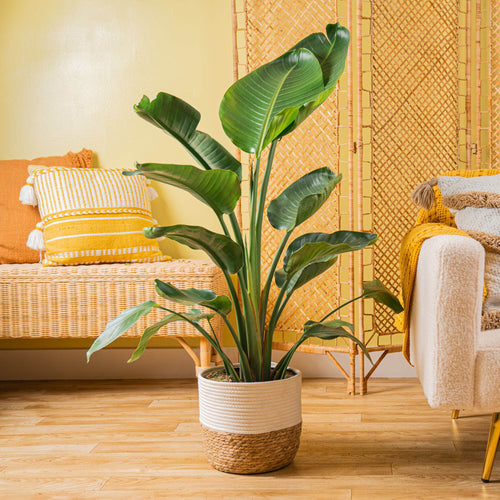
The Crane Flower’s distinctive bloom is instantly recognizable. Its unique form carries deep symbolic meaning, adding layers to its visual appeal.
Unique Flower Structure
The Strelitzia reginae’s flower truly resembles a bird’s head in flight. This unusual design makes it a conversation starter. It is a natural work of art.
Symbolism of Freedom
The Crane Flower is often associated with freedom and joy. Its vibrant colors and upward-reaching form suggest optimism. This symbolism enhances its decorative value.
Cultural Significance
This flower represents the 9th wedding anniversary, a symbol of lasting love and commitment. It is also linked to royalty and majestic beauty. Its meaning adds depth to its visual presence.
Bird of Paradise Flower Meaning and Symbolism
Understanding the symbolism behind the Bird of Paradise flower enhances its appreciation. It adds a layer of meaning to its striking visual presence.
Joy and Magnificence
The flower’s meaning is tied to joy, magnificence, and cheerful anticipation. Its bright colors and unique shape evoke happiness. This makes it a popular choice for uplifting decor.
Symbol of Royalty
It is also seen as a symbol of royalty and high regard. This association lends an air of elegance and sophistication. It elevates the aesthetic of any arrangement.
Gift of Love
As a representation of the 9th wedding anniversary, it signifies enduring love. It is a thoughtful gift for loved ones. The sentiment is as impactful as the bloom itself.
Tropical Bird of Paradise: Vibrant Colors and Charm
The Tropical Bird of Paradise brings an exotic allure and vibrant energy. Its striking colors and form are perfect for creating a lively atmosphere.
Vibrant Color Palette
The intense orange and blue hues of the Strelitzia reginae are captivating. These colors add a pop of tropical vibrancy to any setting. They are reminiscent of exotic locales.
Exotic Charm
This plant’s unique appearance offers an exotic charm unmatched by many others. It transforms a space into a personal oasis. The visual appeal is undeniably strong.
Architectural Leaves
Beyond the flowers, the large, paddle-shaped leaves provide a lush, tropical backdrop. They contribute to the plant’s overall dramatic presence. This foliage adds texture and depth.
Cut Flower Appeal
As a cut flower, it makes a bold statement in arrangements. Its long-lasting nature and dramatic form are highly valued by florists. It adds a touch of the tropics to bouquets.
White Bird of Paradise: Elegance in the Garden
The White Bird of Paradise offers a more subdued yet equally dramatic elegance. Its larger scale and lighter blooms provide a sophisticated tropical feel.
Elegant White Blooms
The Strelitzia nicolai features striking white and blue-black flowers. These blooms offer a sophisticated contrast to the vibrant orange variety. They possess a unique, stately beauty.
Dramatic Scale
This species grows much larger, making it ideal for spacious gardens or large indoor areas. Its impressive size creates a significant visual impact. It commands attention.
Lush Greenery
The broad, banana-like leaves of the White Bird of Paradise provide abundant lushness. They create a dense, tropical canopy effect. The foliage is a key design element.
Frost-Free Landscapes
In suitable climates, it thrives outdoors, becoming a magnificent landscape feature. It adds a touch of the tropics to warmer regions. Its presence is truly grand.
Bird of Paradise Plant Care: Light and Water Needs
Proper care is essential for these stunning plants to thrive and bloom. Understanding their light and water requirements is fundamental.
Light Requirements
Strelitzia reginae needs bright, direct sunlight for at least 4-6 hours daily to flower well. Strelitzia nicolai prefers bright, indirect light but can tolerate full sun. Insufficient light is a common reason for no blooms.
Watering Schedule
Allow the soil to dry out slightly between waterings for both species. Overwatering can lead to root rot, a serious issue for these plants. Ensure pots have good drainage.
Soil and Drainage
A well-draining potting mix is crucial to prevent waterlogged roots. Sandy or loamy soil works best. Good drainage prevents fungal diseases.
Temperature and Humidity
These plants prefer warm temperatures and moderate humidity. Protect Strelitzia reginae from frost. Strelitzia nicolai can tolerate slightly cooler conditions but is sensitive to hard freezes.
| Care Aspect | Strelitzia Reginae | Strelitzia Nicolai |
| Light | Bright, Direct Sun | Bright, Indirect to Full Sun |
| Watering | Allow soil to dry slightly | Allow soil to dry slightly |
| Temperature | Warm, Frost Sensitive | Warm, Frost Sensitive |
Paradisaeidae Family: The Birds of Paradise
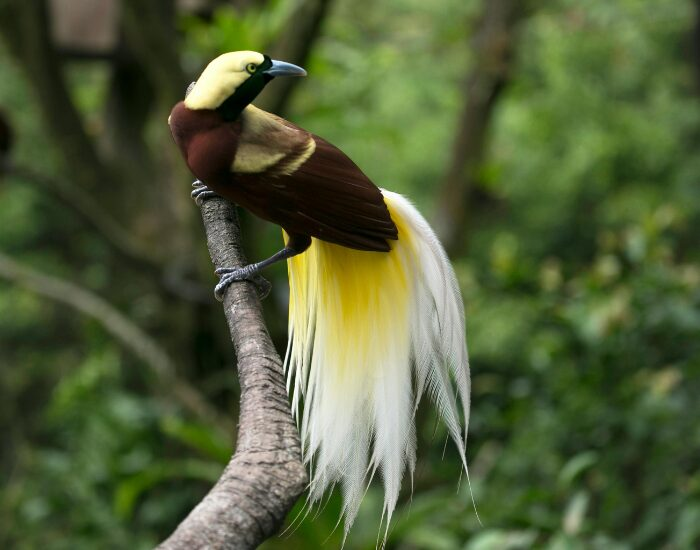
While the plant is stunning, the avian Bird of Paradise family is equally fascinating. These birds are known for their incredible plumage and elaborate courtship rituals.
Exotic Avian Species
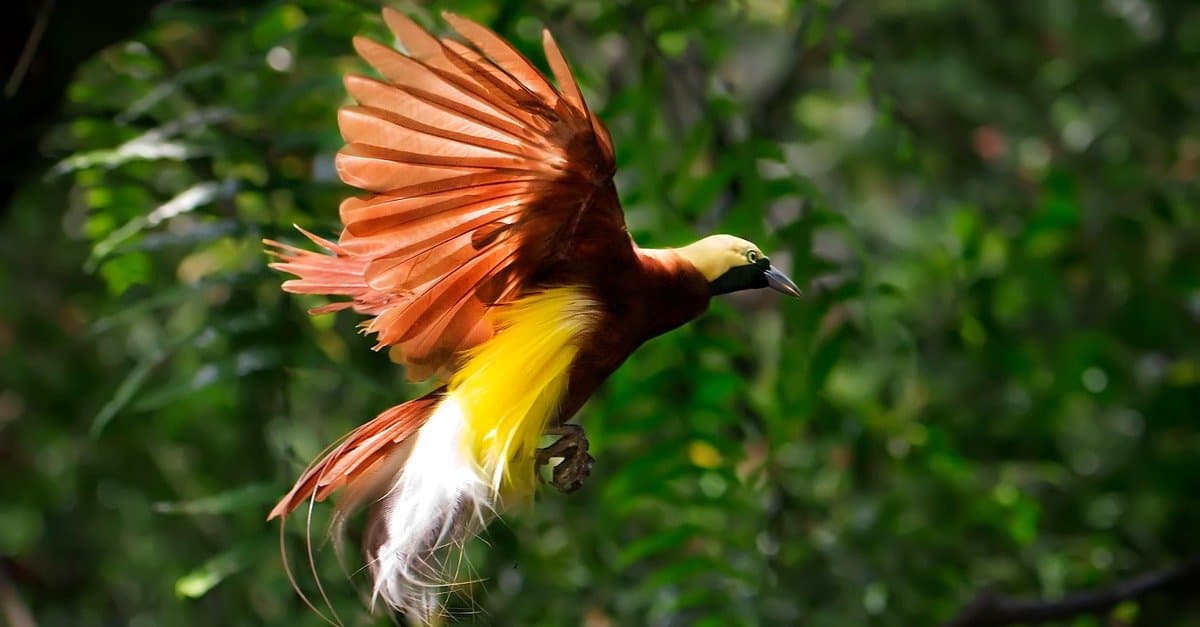
The Paradisaeidae family comprises numerous species native to New Guinea and surrounding islands. They are renowned for their vibrant, iridescent feathers. These birds are a marvel of evolution.
Male Courtship Displays
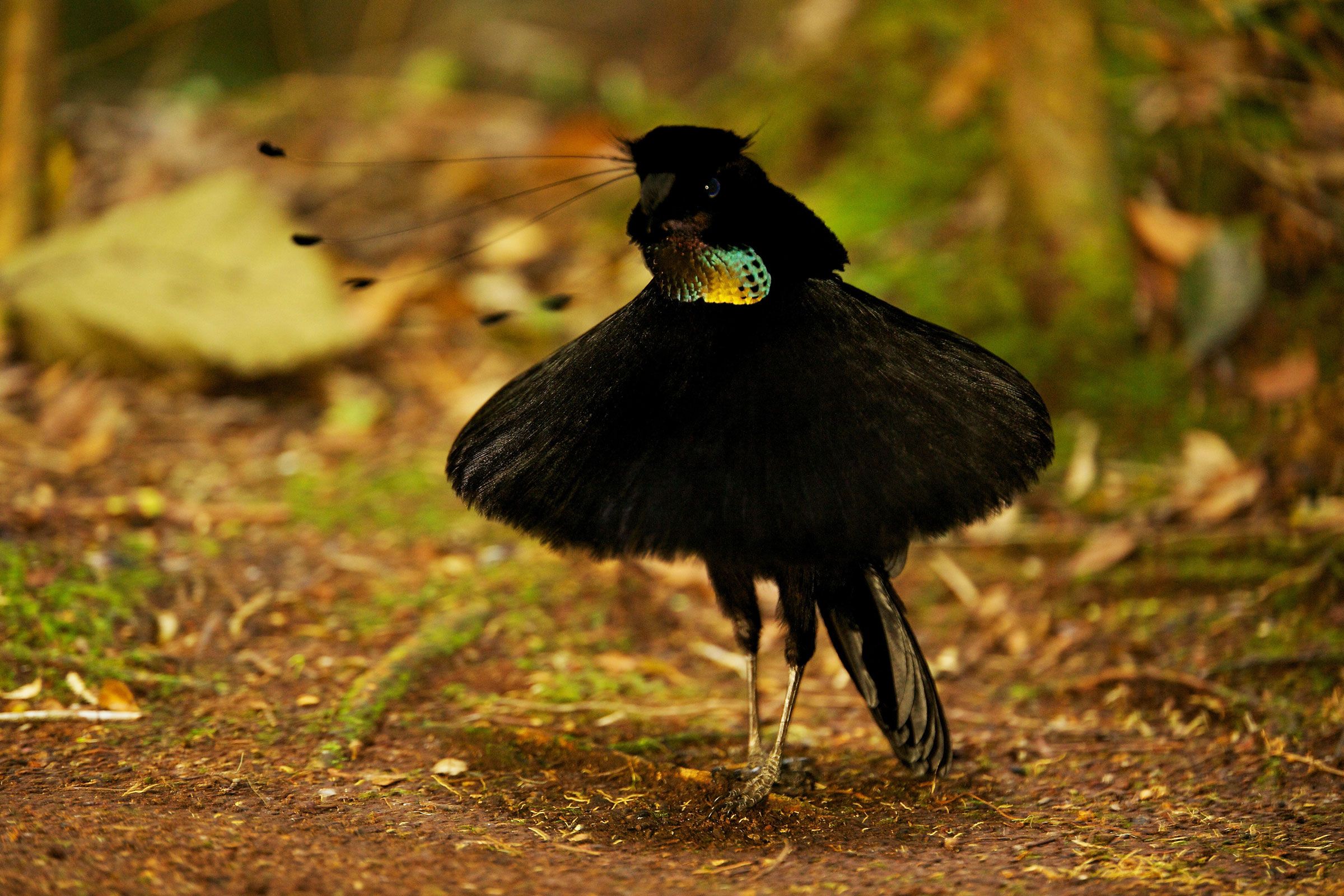
Male birds perform complex dances and displays to attract females. Their ornate plumage is central to these mating rituals. It is a spectacular natural performance.
Diet and Habitat
These birds primarily feed on fruits and arthropods found in rainforest environments. Their habitat is crucial for their survival and breeding success. Conservation efforts are vital.
Cultural Iconography
The male Bird of Paradise is a significant symbol in Papua New Guinea. It is featured on the national flag, representing the nation’s natural beauty. This highlights their cultural importance.
Conservation Concerns
Many species face threats from habitat loss and poaching. Understanding their biology is key to effective conservation strategies. Protecting these unique birds is a global priority.
Style and Reference Gallery
Fertilize with a phosphorus-rich blend to encourage blooms. Apply monthly during the growing season.
Watch for mealybugs hiding in leaf crevices. Wipe them off with a cotton swab dipped in rubbing alcohol.
The plant is toxic to pets if ingested. Keep it out of reach of cats and dogs.
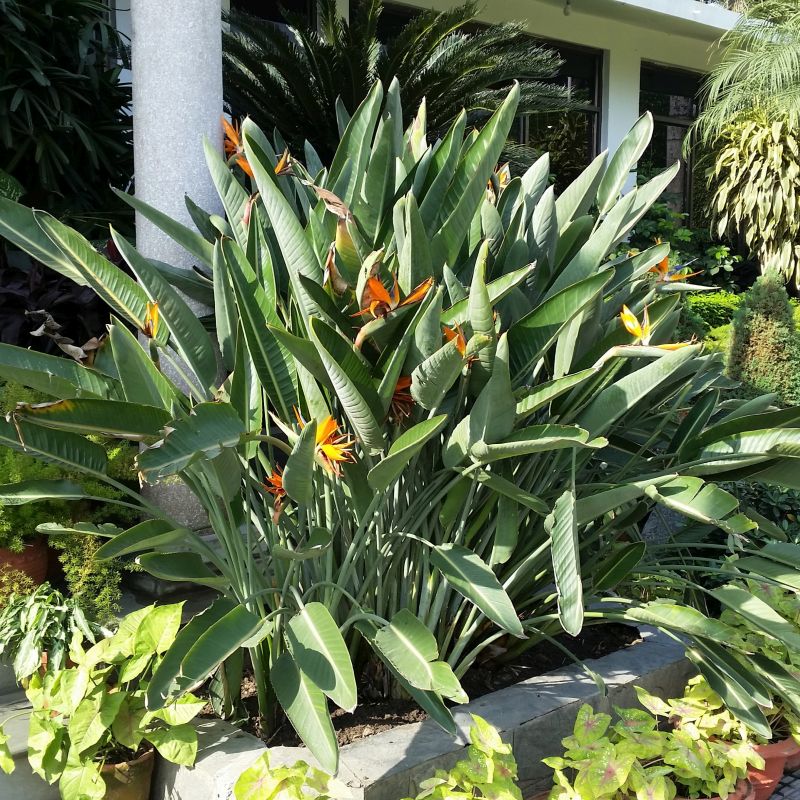
Divide mature clumps in spring to propagate new plants. Each division should have at least two stems.
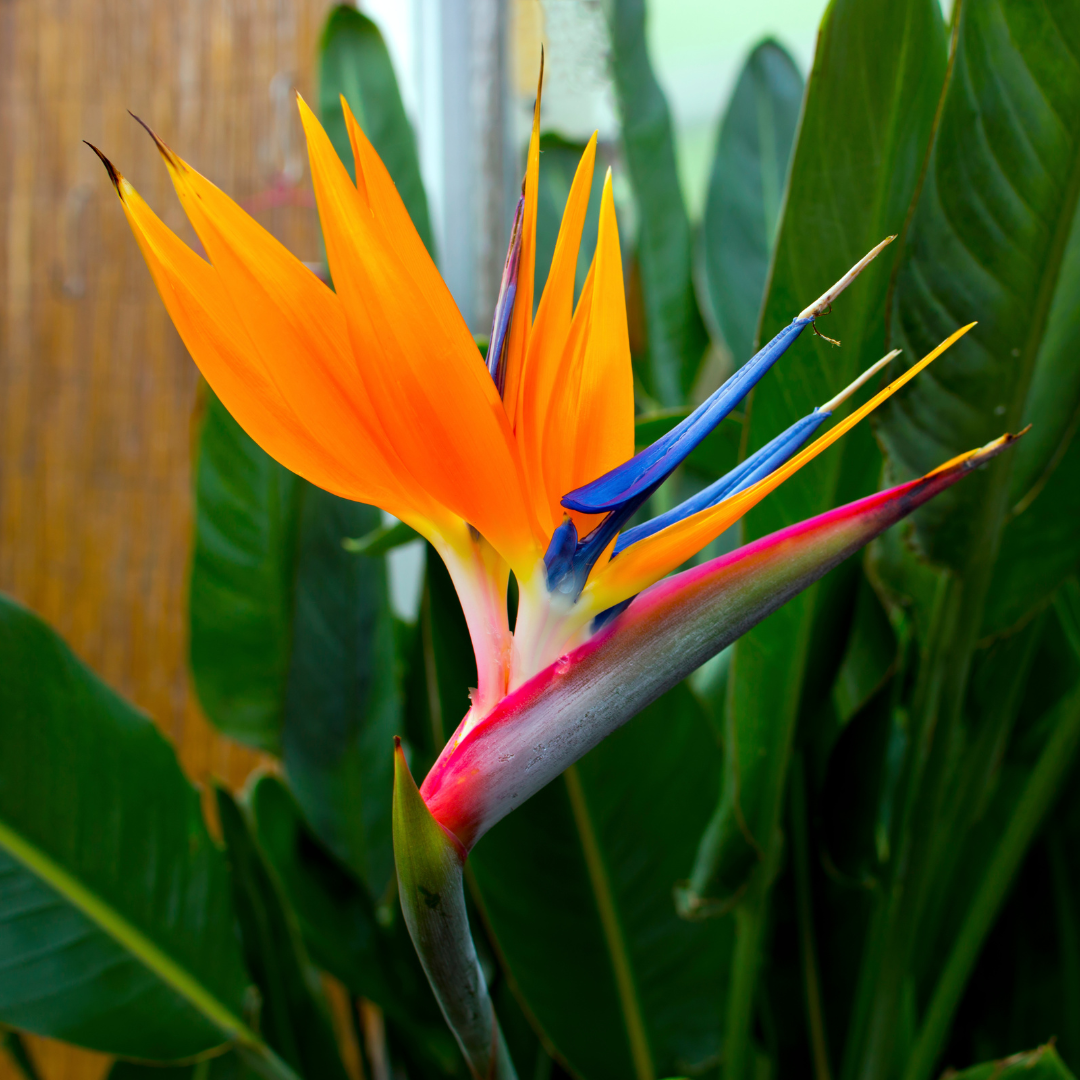
Outdoor plants in USDA zones 10-12 can reach 30 feet tall. They make stunning landscape focal points.
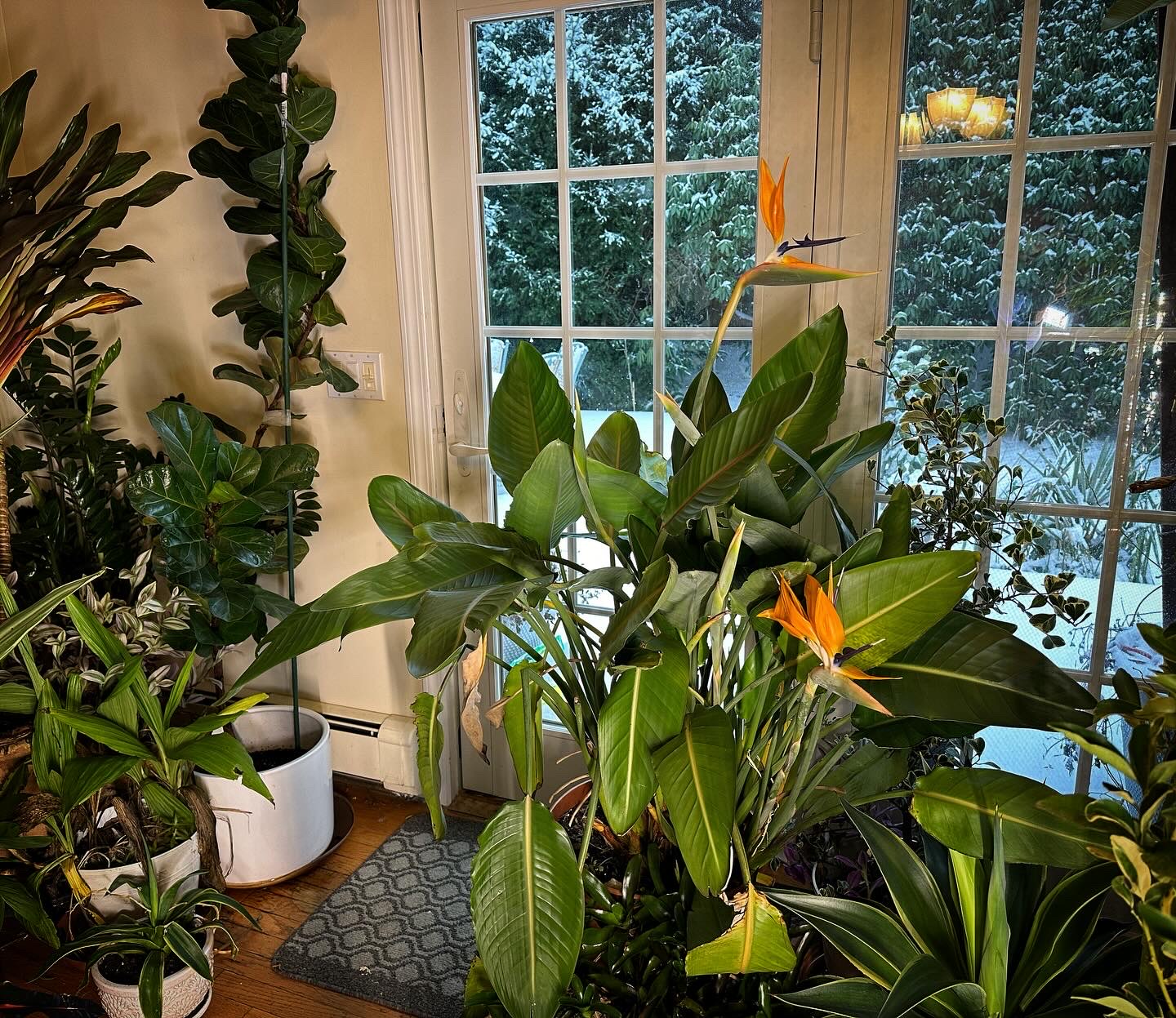
The male bird of paradise displays iridescent feathers during courtship. Its dance is a marvel of evolution.
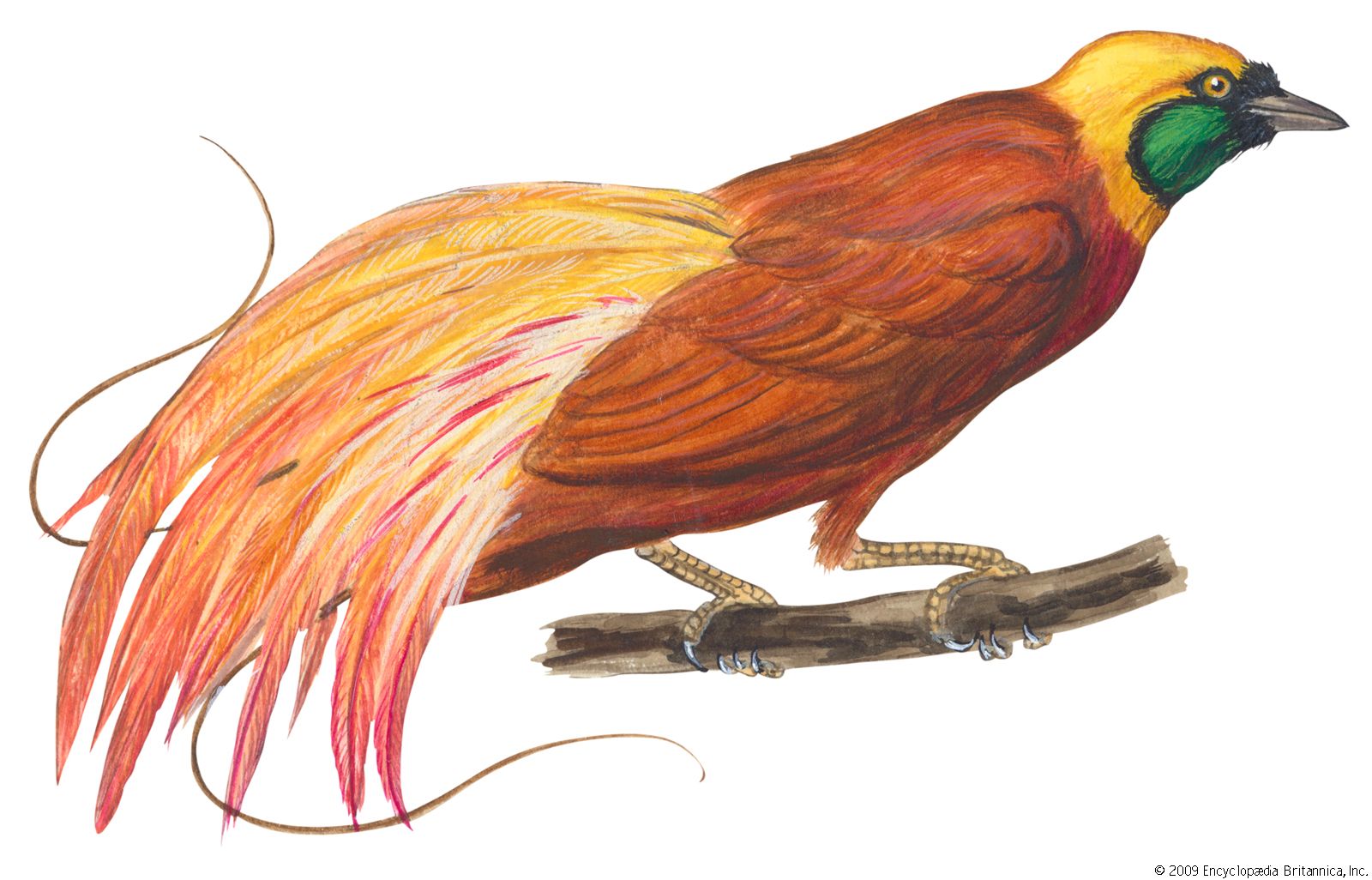
Conservation efforts protect these birds from habitat loss. Support ethical ecotourism to see them in the wild.
The orange and blue flower resembles a crane in mid-flight. Each bloom lasts up to two weeks on the plant.
Giant White Bird of Paradise leaves can grow up to 6 feet long. Use them to create a lush, tropical backdrop.
Place your Strelitzia near a south-facing window for best results. Rotate it weekly to keep growth symmetrical.
Bringing the Bird of Paradise into Your Home
Step-by-Step Guide to Planting and Care
Choose a pot with drainage holes and fill it with a well-draining potting mix. Place your Strelitzia in a spot that gets at least 4-6 hours of direct sunlight daily.
Water thoroughly when the top inch of soil feels dry, but never let the pot sit in standing water. Fertilize monthly during spring and summer with a balanced liquid fertilizer.
What to Avoid
Do not place your plant in a dark corner—low light will prevent blooming. Avoid overwatering; soggy soil leads to root rot, which is a common killer.
Do not repot too often; Strelitzia blooms better when slightly root-bound. Skip using tap water if it’s high in salts; use filtered or rainwater instead.
Maintenance Tips
Wipe leaves monthly with a damp cloth to remove dust and deter spider mites. Prune dead or yellowing leaves at the base to keep the plant tidy.
Rotate the pot every two weeks so all sides get even light and growth stays symmetrical. For outdoor plants in frost-prone areas, bring them indoors before temperatures drop below 50°F.
Frequently Asked Questions
How long does it take for a Bird of Paradise to bloom indoors?
With optimal light and care, a Strelitzia reginae typically takes 3-5 years to flower indoors. The key is providing at least 4-6 hours of direct sunlight daily.
Can I grow a Bird of Paradise from seed?
Yes, but seeds can take up to 8 weeks to germinate and may require scarification. Expect first blooms after 5-7 years from seed.
Why are my Bird of Paradise leaves curling?
Curling leaves usually indicate underwatering or low humidity. Check soil moisture; if dry, water deeply and consider misting the leaves.
Choosing a Bird of Paradise is a bold statement of style and a commitment to nature’s elegance. Its dramatic foliage and exotic blooms reward patience with unmatched beauty.
Now that you know the essentials, it’s time to select your variety and find the perfect spot in your home. Let this tropical icon transform your space into a personal paradise.
As 2026 unfolds, new cultivars with improved bloom vigor are emerging. Imagine your living room graced by these living sculptures—a vision of freedom and royalty.
