

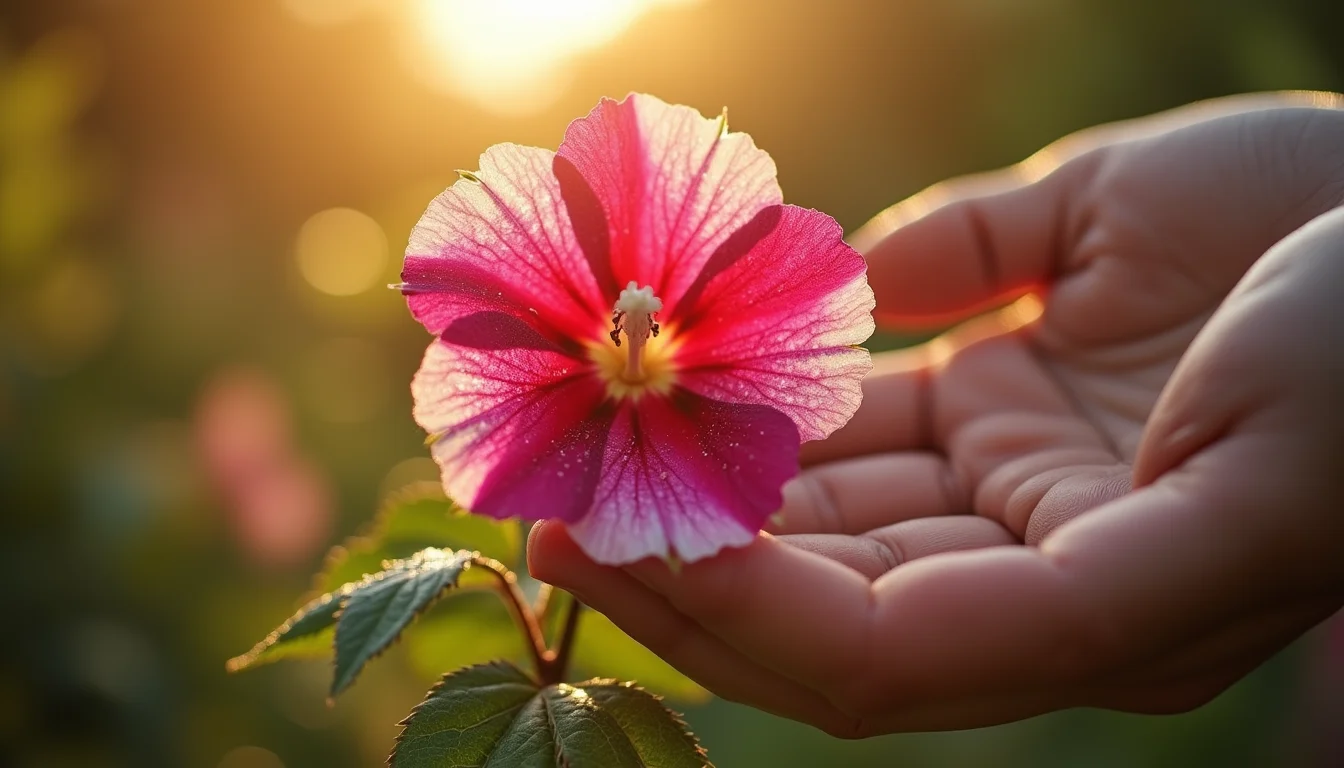
If you think the Rose of Sharon is a rose, you’re not alone. But this classic American shrub is actually a hibiscus, and it blooms when most other flowers have given up for the year. It’s the plant that keeps your garden colorful from July all the way through fall, with zero fuss.
The Rose of Sharon (Hibiscus syriacus) is a tough, easy-to-grow bush that thrives in hot, dry summers. It attracts hummingbirds and butterflies, and it’s so low-maintenance that even beginners can grow it like pros. Once you plant one, you’ll wonder why you didn’t do it sooner.
What Is a Rose of Sharon? Meet the Shrub That Keeps Blooming
Botanically, the Rose of Sharon is a deciduous shrub in the mallow family, not a true rose. It grows 8 to 12 feet tall and 6 to 10 feet wide, with a vase-like shape. Its flowers come in white, pink, red, purple, and blue, often with a dark red eye in the center.
This plant is a pollinator magnet. Hummingbirds, bees, and butterflies can’t resist its large, tropical-looking blooms. It’s hardy in USDA zones 5 through 9, meaning it can handle winter cold down to -20°F. And it’s drought-tolerant once established, so you don’t have to baby it.
Popular varieties include the ‘Chiffon Series’ with double, ruffled flowers like Blue Chiffon and Pink Chiffon. For narrow spaces, try the ‘Pillar Series’ like Purple Pillar or White Pillar, which grow upright and stay slim. ‘Sugar Tip’ has variegated leaves and double pink blooms, adding extra interest even when not flowering.
A Rose of Sharon: Beauty That Lasts All Summer and Beyond
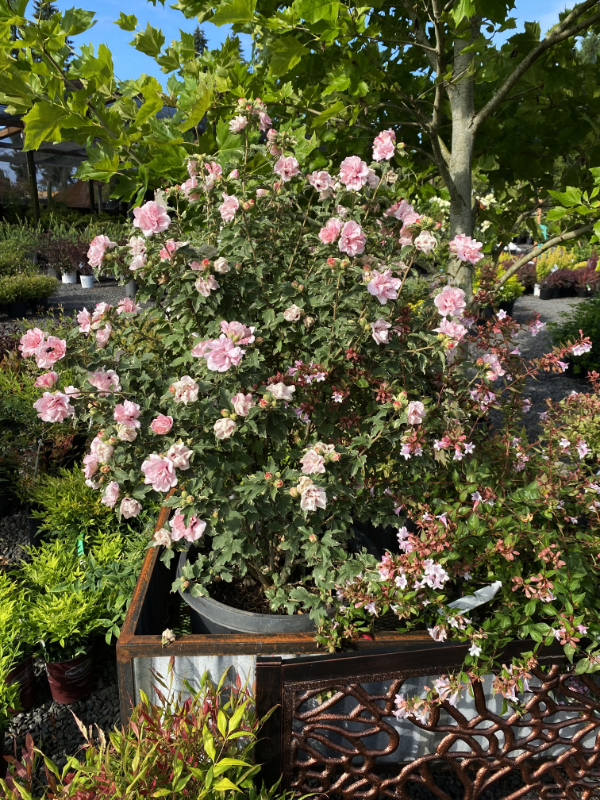
The Rose of Sharon, scientifically known as Hibiscus syriacus, is a stunning flowering shrub that brings vibrant color to gardens from mid-summer right through fall. Despite its name, it’s not a rose but a member of the mallow family, offering a tropical look with its large, showy blooms. This plant is a favorite for its resilience and the long-lasting display of flowers it provides, making it a reliable choice for continuous garden beauty.
This deciduous shrub is known for its upright, vase-like shape, typically reaching heights of 8 to 12 feet and spreading 6 to 10 feet wide. Its flowers come in a wide array of colors, including white, pink, red, purple, and blue, often with a contrasting center. For the best results, plant your Rose of Sharon where it can receive at least six hours of direct sunlight daily and ensure the soil drains well. Once established, it handles heat, drought, and even salty conditions with ease, making it a low-maintenance star in many landscapes.
| Feature | Description |
| Botanical Name | Hibiscus syriacus |
| Family | Malvaceae |
| Mature Size | 8-12 ft height, 6-10 ft width |
| Bloom Time | Mid-summer to Autumn |
| Hardiness Zones | USDA Zones 5-9 |
| Sun Exposure | Full Sun (6+ hours daily) |
| Soil | Well-draining |
| Drought Tolerance | High |
| Pollinators | Attracts hummingbirds, butterflies, bees |
| Notable Cultivars | Chiffon Series, Pillar Series, Sugar Tip |
Hibiscus Syriacus: The Botanical Name
Understanding the botanical name, Hibiscus syriacus, tells us this plant belongs to the larger Hibiscus genus, though it is distinct from the tropical hibiscus many people picture. This specific species is adapted to a wider range of climates, including those with colder winters. It’s a hardy shrub that reliably returns each year, offering a consistent source of color and interest in the garden landscape. Its classification within the Malvaceae family also links it to other familiar plants like cotton and okra.
Read also: Why Your Hibiscus Flower Keeps Dying (And How to Fix It)
Mugunghwa: Korea’s National Flower
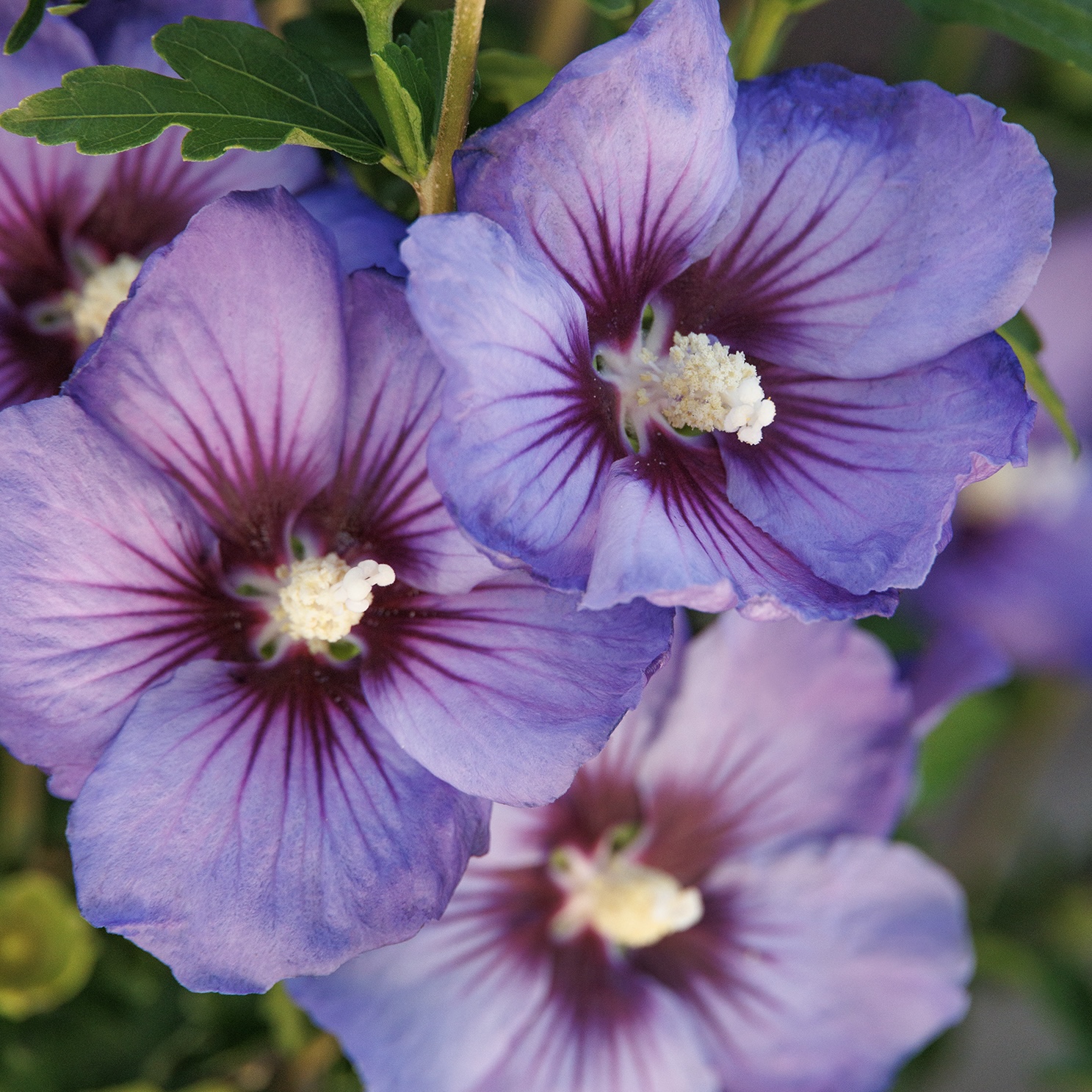
In South Korea, this plant is known as Mugunghwa, and it holds the esteemed title of the national flower. This designation speaks volumes about its cultural significance and its symbolism of resilience and enduring beauty. The name Mugunghwa translates to ‘eternal blossom,’ reflecting the plant’s ability to bloom for an extended period and its capacity to thrive through various conditions. Its presence as a national symbol highlights its deep roots in Korean heritage and its widespread admiration.
The Rose of Sharon’s ability to bloom continuously symbolizes resilience and hope, making it a powerful emblem.
Shrub Althea: A Classic Garden Shrub
Often referred to as Shrub Althea, the Rose of Sharon has been a garden staple for generations. This common name reflects its historical popularity and its role in traditional garden designs. It’s a dependable choice for adding structure and color, especially in the later part of the growing season when many other plants may be fading. Its classic appeal ensures it remains a relevant and sought-after plant for both experienced gardeners and those just starting out.
Blue Chiffon: Ethereal Blue Blooms
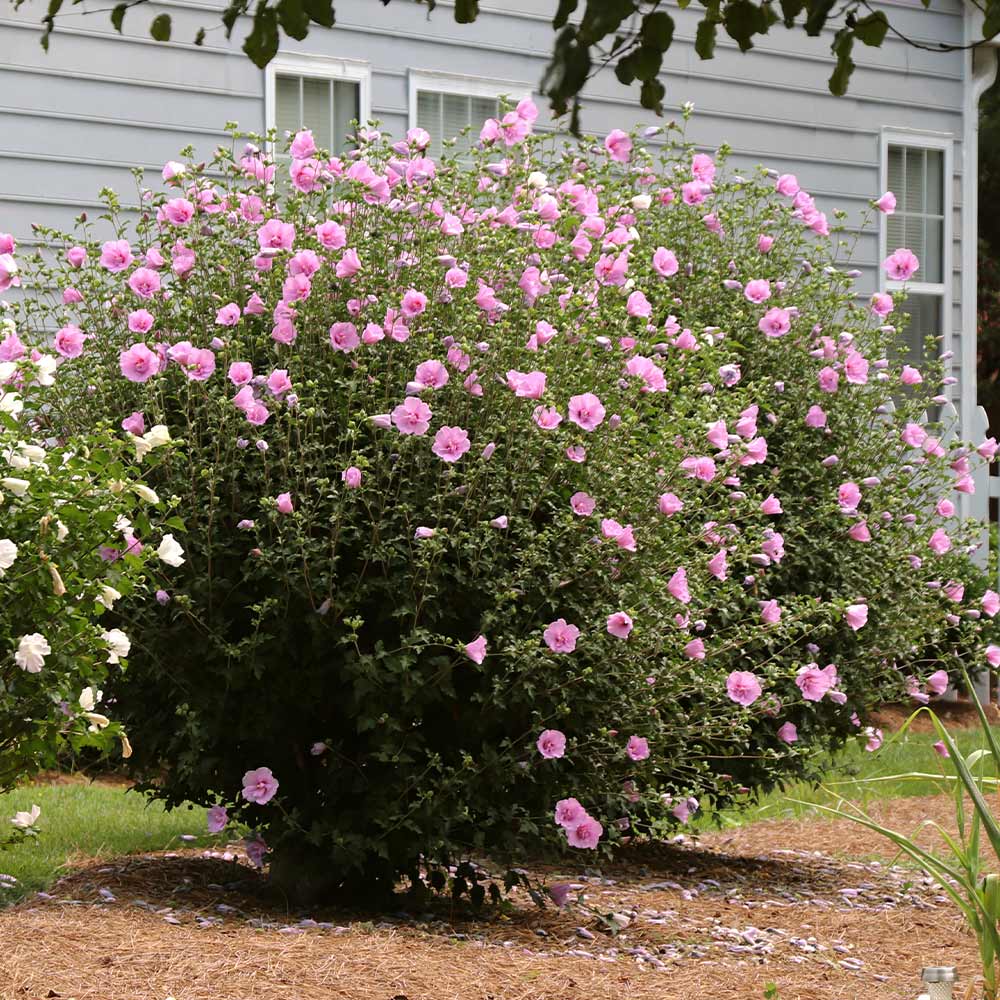
The ‘Blue Chiffon’ cultivar is a standout variety, celebrated for its large, double flowers that resemble delicate powderpuffs. The color is a beautiful, soft blue, offering a unique hue not often found in garden shrubs. This variety brings an elegant and somewhat exotic feel to the landscape, attracting attention with its unique bloom form and captivating color. It’s an excellent choice for adding a touch of refined beauty to any garden setting.
Pink Chiffon: Soft Pink Petals
Similar in form to ‘Blue Chiffon’, the ‘Pink Chiffon’ cultivar features lovely double blossoms in a gentle, soft pink. These flowers provide a romantic and classic look, fitting seamlessly into a variety of garden styles. The ‘Chiffon Series’ in general is prized for its abundant flowering and its ability to produce large, eye-catching blooms that stand out. ‘Pink Chiffon’ is a reliable performer, offering consistent beauty throughout its long blooming season.
Read also: Hibiscus blooms fall off in one day? That’s actually normal
Purple Pillar: Narrow Growth Habit
For gardeners with limited space, the ‘Purple Pillar’ Rose of Sharon is an ideal solution. This cultivar is specifically bred for its narrow, columnar growth habit, meaning it grows tall and slender rather than wide. This makes it perfect for tight spots, such as along fences, pathways, or as a vertical accent in smaller gardens. Its upright form allows it to provide significant visual impact without taking up much horizontal space, a common challenge in urban or suburban landscapes.
White Pillar: Upright White Flowers
Complementing the ‘Purple Pillar’, the ‘White Pillar’ cultivar offers the same space-saving, upright growth habit but with pure white, double flowers. This variety brings a clean, classic elegance to the garden. The bright white blooms stand out beautifully against the green foliage and can brighten up shadier corners or add a touch of formality to an entranceway. Like its purple counterpart, ‘White Pillar’ is a fantastic choice for adding vertical interest where space is at a premium.
Sugar Tip: Variegated Foliage Rose of Sharon
The ‘Sugar Tip’ variety offers a unique twist with its beautifully variegated foliage. The leaves are a mix of creamy white and green, providing visual interest even when the plant is not in bloom. It also produces lovely double pink blossoms, creating a delightful contrast with its colorful leaves. This cultivar adds texture and multi-season interest, making it a versatile addition to the garden. It’s a great way to introduce a different kind of beauty beyond just flowers.
The Rose of Sharon in 2026: A Timeless Choice
As we look at home and garden trends in 2026, the Rose of Sharon continues to hold its ground as a remarkably relevant and valuable plant. Its ability to thrive with minimal care, coupled with its long blooming period and pollinator-friendly nature, aligns perfectly with modern desires for sustainable and low-maintenance landscaping. The availability of diverse cultivars, such as the space-saving ‘Pillar’ series and the uniquely variegated ‘Sugar Tip’, means there’s a Rose of Sharon for almost any garden situation.
We are seeing a renewed appreciation for plants that offer both beauty and ecological benefits. The Rose of Sharon, with its attraction to bees, butterflies, and hummingbirds, fits this role perfectly. Its hardiness and adaptability also make it an excellent choice for areas experiencing changing climate conditions. For homeowners looking to add reliable color, attract beneficial insects, and invest in a plant that offers both aesthetic appeal and symbolic depth, the Rose of Sharon remains a top-tier recommendation in 2026.
Your Rose of Sharon Action Plan
Step 1: Choose the Right Spot
Plant your Rose of Sharon where it gets at least six hours of direct sun each day. This ensures the biggest and longest-lasting blooms.
Step 2: Prepare the Soil
Dig a hole twice as wide as the root ball and mix in compost if your soil is heavy clay. Good drainage is critical to prevent root rot.
Step 3: Water and Mulch
Water deeply once a week for the first two months to help the roots establish. Then add a 2-inch layer of mulch around the base to keep moisture in and weeds out.
What to Avoid
- Don’t plant in full shade – you’ll get few flowers and a leggy plant.
- Avoid over-fertilizing with high-nitrogen products; it pushes leaves over blooms.
- Don’t prune in early spring – you’ll cut off the coming season’s flower buds.
Frequently Asked Questions
Does Rose of Sharon attract bees?
Yes, its large, open flowers are a magnet for bees, butterflies, and hummingbirds. It’s an excellent pollinator-friendly choice for your garden.
Can I grow Rose of Sharon in a container?
Yes, but choose a dwarf or compact variety like ‘Lil’ Kim’ and use a pot at least 18 inches wide. Container plants need more frequent watering than those in the ground.
When should I prune my Rose of Sharon?
Prune in late winter or early spring before new growth starts. This encourages strong stems and abundant summer flowers.
Rose of Sharon is a tough, low-maintenance shrub that delivers weeks of tropical-looking blooms with very little effort. It thrives in a wide range of climates and soils, making it a reliable choice for almost any American garden.
Start by picking a sunny spot and a variety that fits your space – from tall screens to compact containers. Then watch your garden transform into a pollinator paradise from midsummer through fall.
Imagine a cloud of blue, pink, or white flowers floating above your border as butterflies dance around them. This is the effortless beauty that Rose of Sharon brings year after year.
