

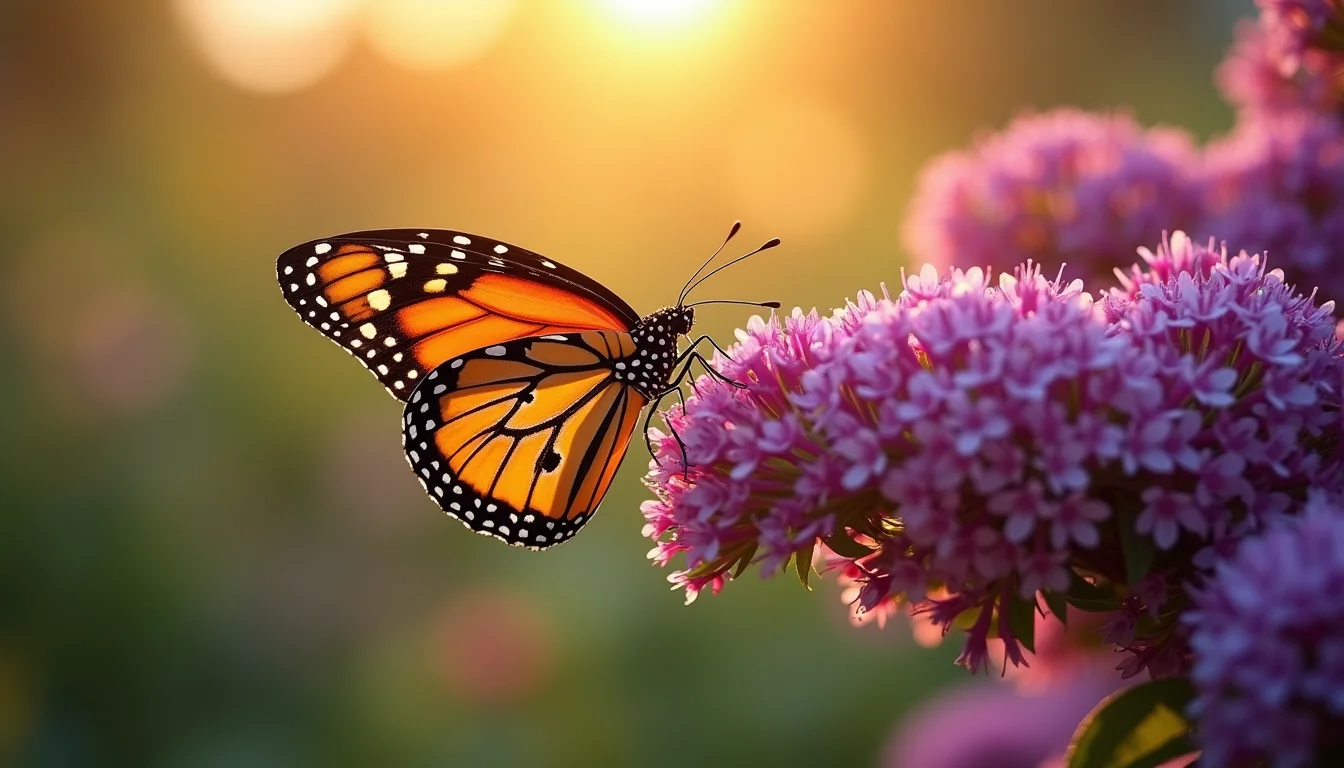
Think butterfly bushes are a must-have for your garden? They attract butterflies, sure, but many varieties are actually invasive and spread like crazy. That’s why some states have banned them outright.
Before you plant one, you need to know the truth about butterfly bushes. Not all are created equal, and the wrong choice can harm your local ecosystem. Let’s clear up the confusion.
Why traditional butterfly bushes are a problem and what to plant instead
The classic Buddleja davidii is a vigorous grower that produces thousands of seeds. Those seeds can travel far and crowd out native plants that caterpillars need to survive. That’s why Oregon and Washington have restrictions on selling it.
But you don’t have to give up on butterfly bushes entirely. Look for sterile hybrids like the ‘Lo & Behold’ or ‘Pugster’ series. They bloom just as beautifully but won’t spread. For an even better choice, try native plants like Joe-Pye Weed or Sweet Pepperbush.
Planting the right variety means you get the flowers and the butterflies without harming the environment. Always check the tag for ‘sterile’ or ‘non-invasive’ before you buy.
Butterfly Bush in 2026: Blooming Responsibly
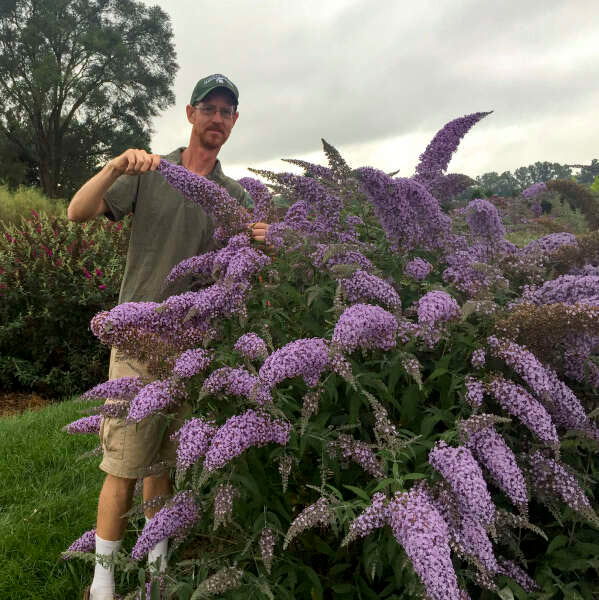
The butterfly bush, or Buddleja davidii, remains a garden favorite for its vibrant colors and ability to draw pollinators. In 2026, we focus on varieties that are beautiful without causing ecological harm. Understanding your plant’s needs ensures a thriving garden and a healthy environment.
| Key Feature | Details |
| Scientific Name | Buddleja davidii |
| Hardiness Zones | 5-9 |
| Sun Exposure | Full sun (6-8 hours daily) |
| Soil Needs | Average, well-draining; drainage is crucial. |
| Watering | Regular for young plants, drought-tolerant when mature. |
| Bloom Period | Mid-summer through fall. |
| Pruning | Spring, after new growth appears. |
| Invasive Potential | High for traditional cultivars; choose sterile or native options. |
| Toxicity | Non-toxic to humans and pets. |
Sterile Butterfly Bush Varieties
Traditional butterfly bushes can spread aggressively, becoming invasive in many areas. This is a significant concern for gardeners aiming for sustainability. Fortunately, breeders have developed sterile butterfly bush varieties. These plants produce beautiful blooms but do not create viable seeds. This means you get the visual appeal and pollinator attraction without contributing to ecological problems. Always look for cultivars specifically labeled as sterile or non-invasive.
Dwarf Butterfly Bush for Containers
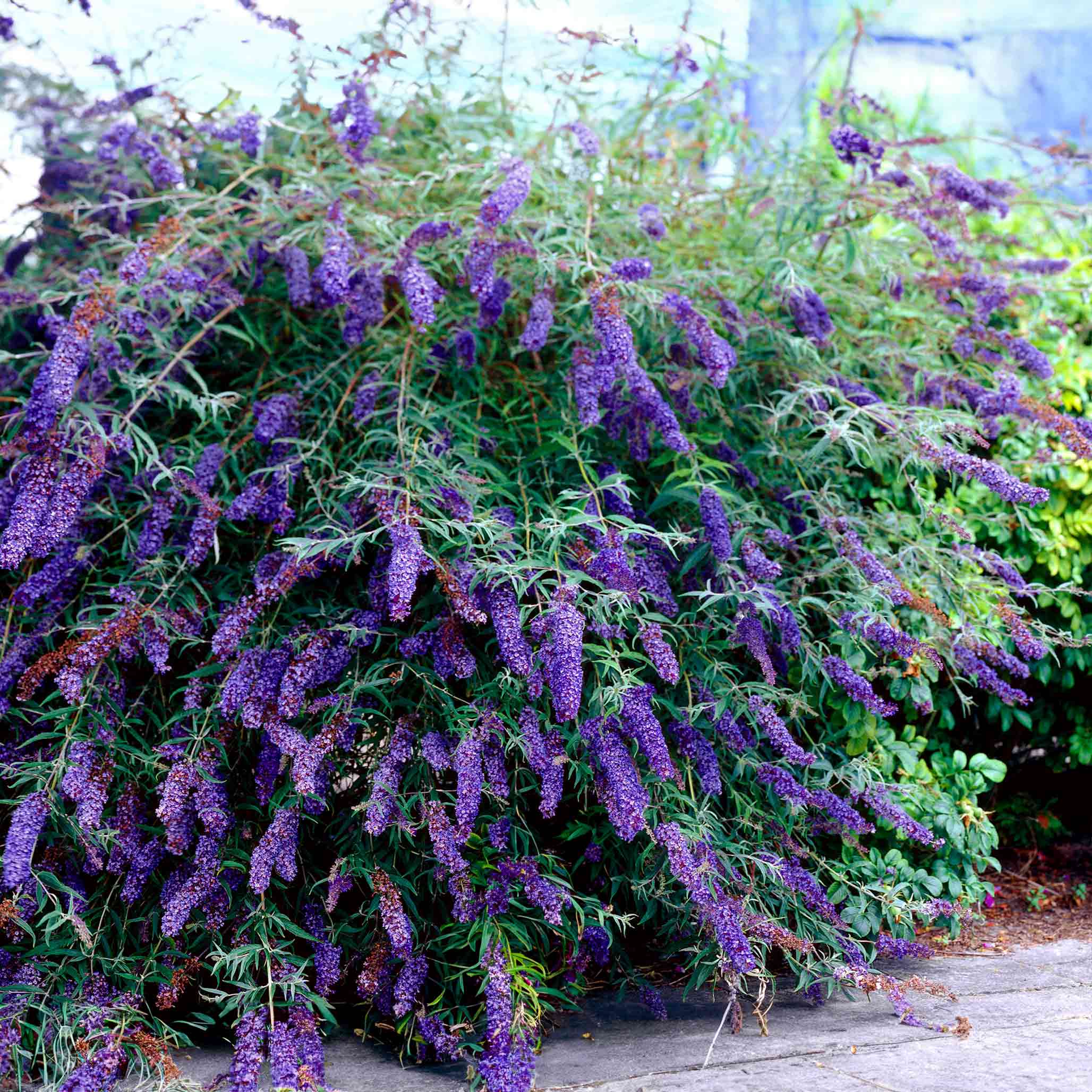
Limited garden space is no longer a barrier to enjoying these popular shrubs. Dwarf butterfly bush varieties are perfect for smaller yards or container gardening. These compact plants, often reaching only 3 to 5 feet in height, fit beautifully on patios or balconies. They offer the same stunning flowers and pollinator benefits in a manageable size. Ensure your containers have excellent drainage, as all butterfly bushes dislike soggy roots.
Butterfly Bush Bloom Time
One of the most appealing aspects of the butterfly bush is its long flowering season. Blooms typically start in mid-summer and continue right through the fall. This extended bloom period provides a consistent food source for butterflies and hummingbirds. To maximize this display, it’s important to deadhead spent flowers. This simple step encourages the plant to produce more blossoms and prevents unwanted seed dispersal.
Pruning Butterfly Bush
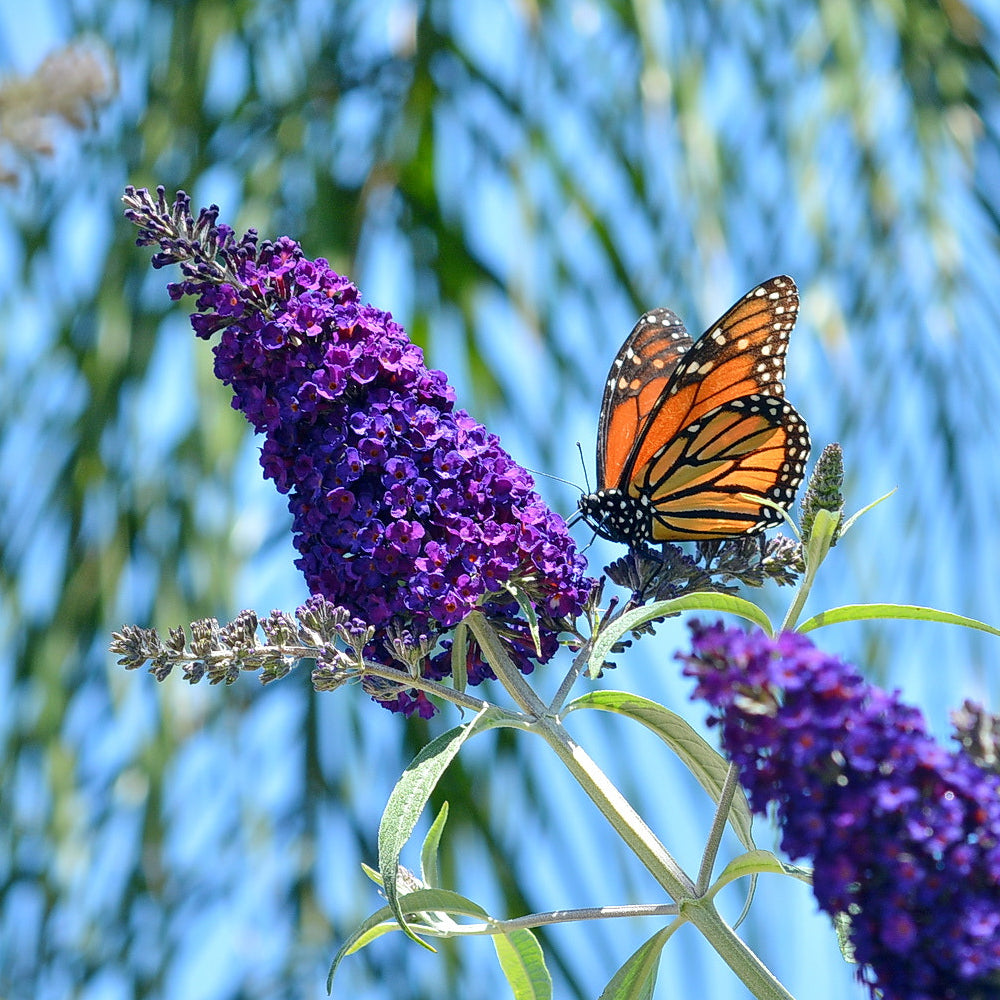
Proper pruning is essential for a healthy and abundant butterfly bush. The best time to prune is in early spring, after you see new growth emerging. This timing helps prevent winter damage to pruned stems. Because butterfly bushes bloom on new wood, you can prune them back quite hard. Cutting them back to about 1 to 2 feet from the ground will encourage vigorous new growth and a spectacular floral show. Avoid pruning too late in the season, as this can reduce the following year’s blooms.
Non-Invasive Butterfly Bush
The ecological impact of invasive plants is a growing concern. Many older butterfly bush cultivars are known to be invasive, outcompeting native species. Choosing non-invasive butterfly bush varieties is a responsible gardening practice. Look for newer hybrids, such as those in the ‘Lo & Behold’ or ‘Pugster’ series, which are specifically bred to be sterile. These modern options allow you to enjoy the beauty of the butterfly bush without the environmental risks. Check local resources for specific recommendations in your region.
Native Alternatives to Butterfly Bush
For the most ecologically sound choice, consider planting native species. These plants are adapted to your local climate and provide essential support for native wildlife, including butterfly larvae. Excellent native alternatives include Sweet Pepperbush (_Clethra alnifolia_) or Joe-Pye Weed (_Eutrochium purpureum_). These plants offer similar benefits, like fragrant flowers and nectar, while also supporting the full life cycle of local pollinators. They are a sustainable way to beautify your garden and support the ecosystem. Learn more about invasive species in your area at the Washington State Noxious Weed Control Board.
Butterfly Bush Attracting Hummingbirds
While famous for attracting butterflies, the butterfly bush is also a magnet for hummingbirds. Their long, tubular flowers are perfectly suited for hummingbird beaks. The rich nectar provides a vital energy source for these tiny, energetic birds. Planting butterfly bushes near a water feature or a hummingbird feeder can create a true haven for these delightful creatures. The vibrant colors of the blooms also add visual appeal to your garden landscape.
Butterfly Bush Fragrant Flowers
The sweet, honey-like fragrance of butterfly bush flowers is another reason for its popularity. This delightful scent fills the garden during the summer and fall months. It adds an sensory dimension to your outdoor space, making it even more enjoyable. Many varieties offer this wonderful fragrance, enhancing the overall garden experience. The perfume is particularly noticeable on warm, sunny days.
The Verdict on Butterfly Bush
In 2026, the butterfly bush continues to be a valuable addition to many gardens, but with an important caveat. The future clearly favors non-invasive butterfly bush varieties and native alternatives. Gardeners have more choices than ever to enjoy these plants responsibly. By selecting sterile cultivars or embracing native options, you contribute to a healthier environment. Prioritize plants that support the entire life cycle of pollinators, not just the adults. For detailed information on invasive species, consult resources like Brandywine Conservancy. Make informed choices for a beautiful and ecologically sound landscape.
Your Butterfly Bush Action Plan
Step 1: Choose the Right Plant
Select a sterile or non-invasive cultivar like ‘Lo & Behold’ or ‘Pugster series. Avoid traditional varieties if you live in a region where they are banned.
Step 2: Plant for Success
Place your shrub in full sun with well-draining soil. Water young plants weekly until established, then reduce watering.
Step 3: Prune and Maintain
In early spring, cut back to 1-2 feet above ground to encourage new growth. Deadhead spent flowers to extend blooming and prevent seeding.
Frequently Asked Questions
Is butterfly bush invasive?
Yes, traditional varieties can be invasive in many areas because they produce thousands of seeds that spread easily. Choose sterile cultivars to avoid this problem.
How much sun does a butterfly bush need?
It needs at least 6-8 hours of direct sun daily. Less sun means fewer flowers and leggy growth.
Should I deadhead butterfly bush?
Yes, deadheading spent flower spikes prolongs blooming and prevents unwanted seed spread. It also keeps the plant looking tidy.
Butterfly bush remains a favorite for attracting pollinators, but responsible gardening means choosing non-invasive varieties. By following this guide, you can enjoy its beauty without harming local ecosystems.
Now is the time to plan your garden update. Visit a local nursery and ask for sterile cultivars to make a positive impact.
Imagine your garden buzzing with butterflies and hummingbirds, all while supporting a healthier environment. That is the future of sustainable gardening.
