

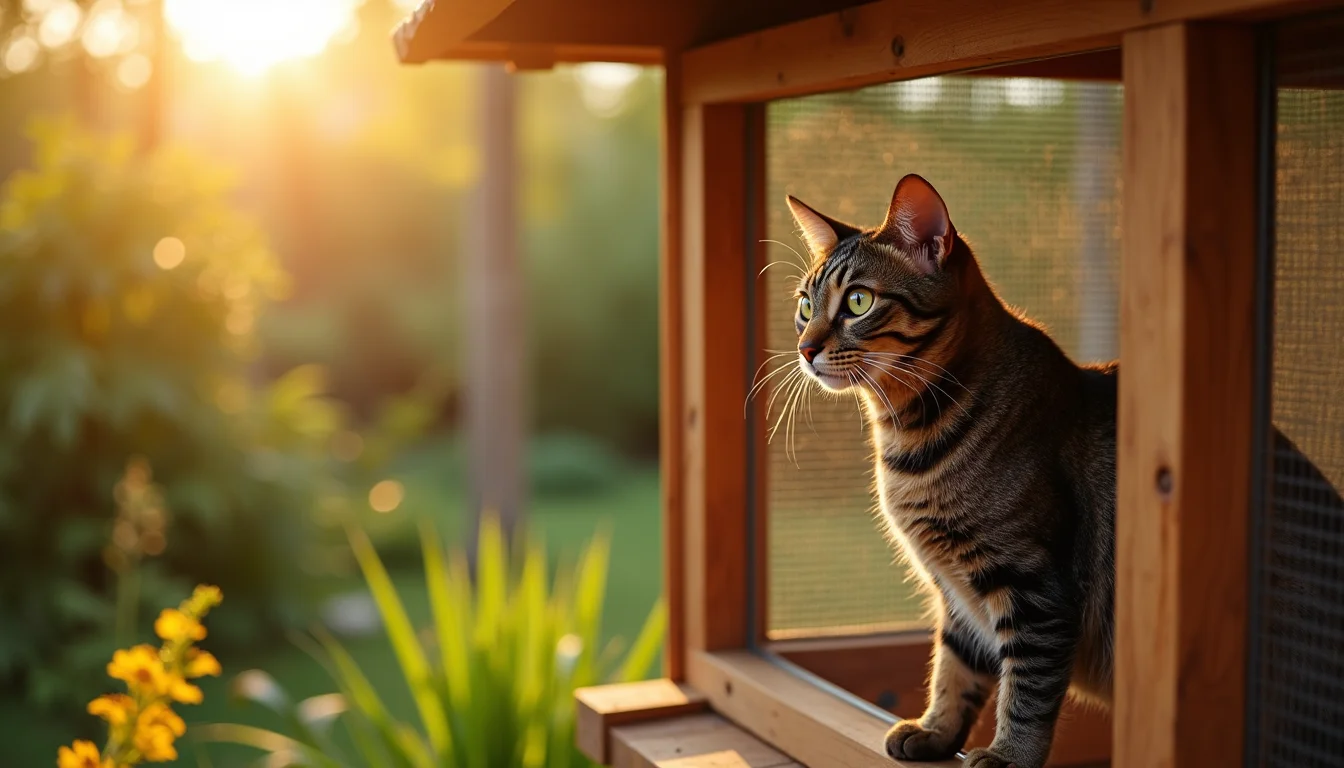
Worried your cat misses the outdoors but you can’t let them roam free? You’re not alone. A catio is the safe solution that gives them fresh air without the risks.
Forget expensive vet bills from fights or diseases. An enclosed outdoor space lets your cat enjoy nature while you relax knowing they’re secure.
What Is a Catio and Why Every Cat Owner Needs One
A catio is simply a cat patio: an enclosed outdoor space designed just for your feline friend. It can be a window box, a balcony enclosure, or a freestanding structure in your yard. The key is using durable materials like galvanized hardware cloth to keep predators out and your cat safely in.
Think of it as an outdoor playroom that adds enrichment without danger. Cats love climbing, perching, and watching birds from a safe spot. A well-built catio includes shelves, ramps, and a solid roof for shade and weather protection. It’s a smart investment that lowers your cat’s stress and keeps them healthy.
The 2026 Catio Revolution: Safe Outdoor Fun for Your Feline
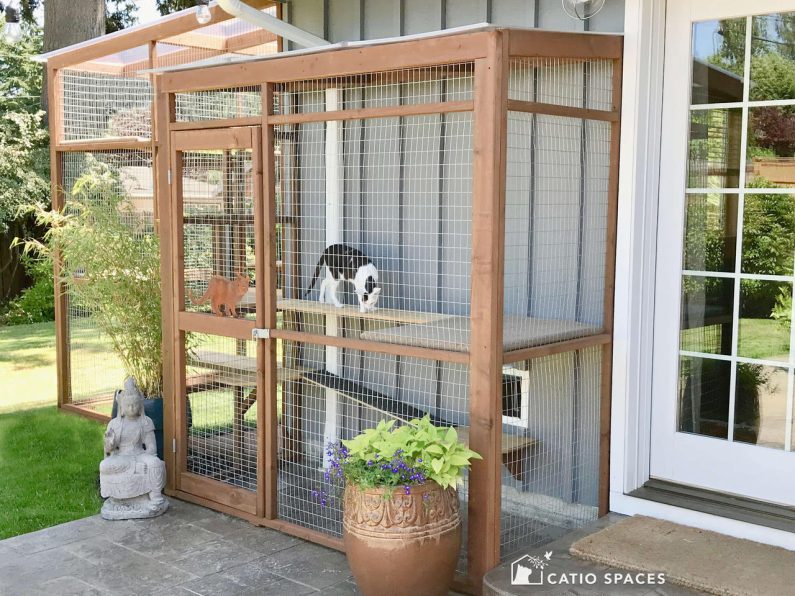
Catios are transforming how we give our cats outdoor access. This trend combines safety with enrichment. It’s a smart solution for pet owners everywhere. A catio, a mix of ‘cat’ and ‘patio,’ is an enclosed outdoor space. It keeps cats safe from dangers like cars and predators. It also prevents them from spreading diseases. These structures offer peace of mind. They allow your cat to enjoy fresh air and sunshine securely.
| Feature | Description |
| Concept | Enclosed outdoor space for cats |
| Purpose | Safe outdoor access, predator protection, disease prevention |
| Types | Window-mounted, balcony enclosures, freestanding, portable |
| Key Elements | Structural integrity, durable materials, predator-proofing, enrichment |
| Goal | Secure, stimulating, comfortable extension of home |
DIY Catio Plans for Beginners
Starting a DIY catio project is more accessible than you might think. Many DIY catio plans are available online. They offer detailed instructions and material lists. These plans cater to various skill levels. You can find simple designs for small spaces. More complex plans allow for multi-level structures. Always choose plans that emphasize structural soundness. This ensures your cat’s safety.
When selecting a plan, consider the materials. Look for weather-resistant wood and sturdy mesh. Galvanized hardware cloth is a good choice for predator-proofing. Ensure the plan includes secure anchoring for freestanding units. This prevents the structure from tipping over in wind.
Read also: Roll Off Dumpster Rental: Avoid These Costly Mistakes
Window Catio: Easy Installation
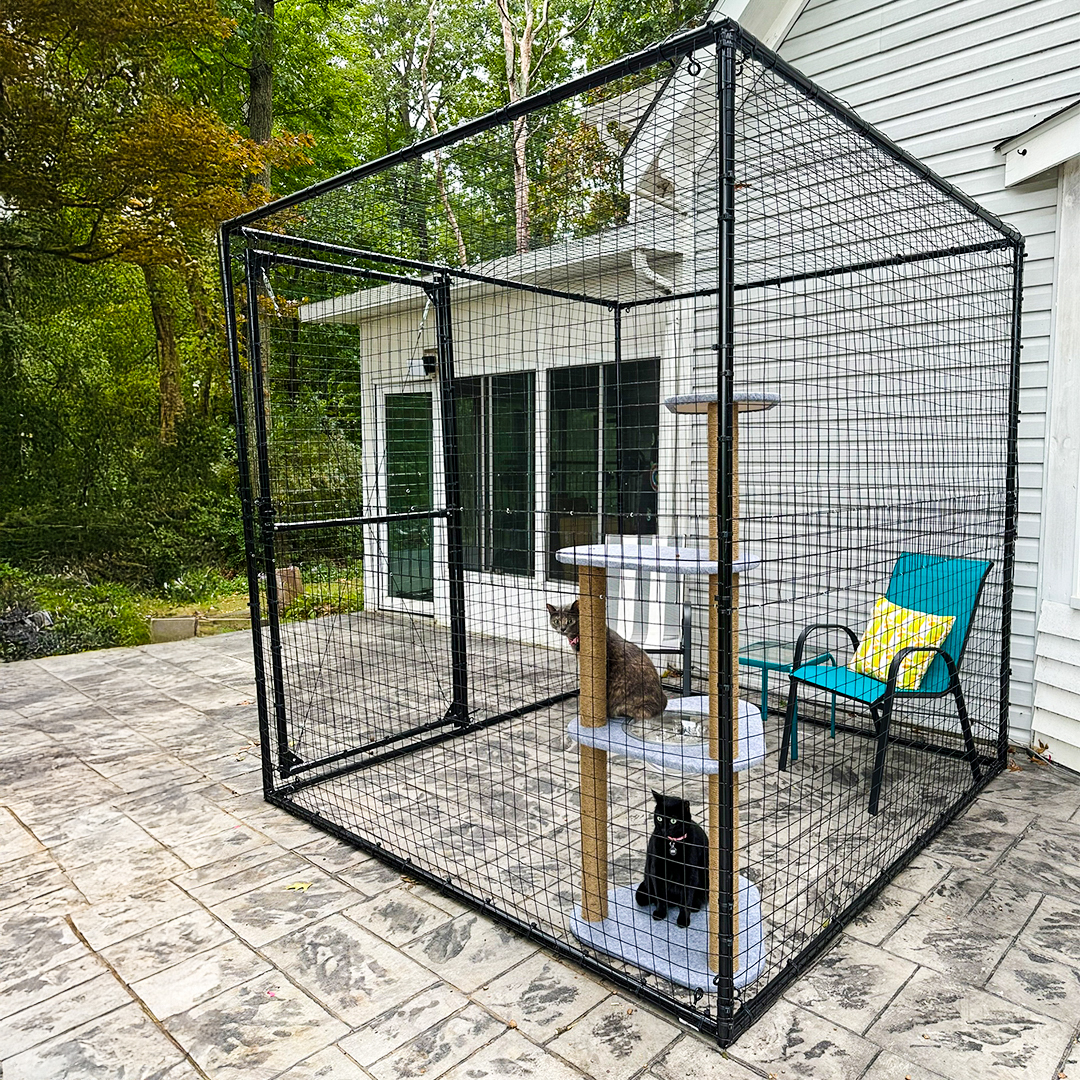
A window catio is a fantastic option for apartments or smaller homes. These units attach directly to a window opening. They provide an instant outdoor perch for your cat. Installation is typically straightforward. Many designs require no permanent modifications to your home. They often use a simple bracket system. This makes them a great rental-friendly choice.
Ensure the window catio is securely fastened. Check that there are no gaps where a determined cat could escape. The mesh should be strong enough to prevent predators from reaching in. Look for models with easy-to-clean surfaces. This simplifies maintenance over time.
Balcony Catio: Space-Saving Designs
For city dwellers, a balcony catio is an ideal solution. It transforms an underutilized balcony into a safe feline playground. These enclosures can be custom-built or purchased as modular kits. They often utilize the existing balcony railings for support. Ensure the design fully encloses the space. This prevents any possibility of a fall.
Consider the height of your balcony. If it’s very high, extra precautions are needed. Use strong mesh and secure all connection points. Adding shelves and perches can maximize the vertical space. This provides more stimulation for your cat.
Read also: What To Do When Your Pipe Bursts at 3 AM: Emergency Plumber Tips
Freestanding Catio: Portable Options
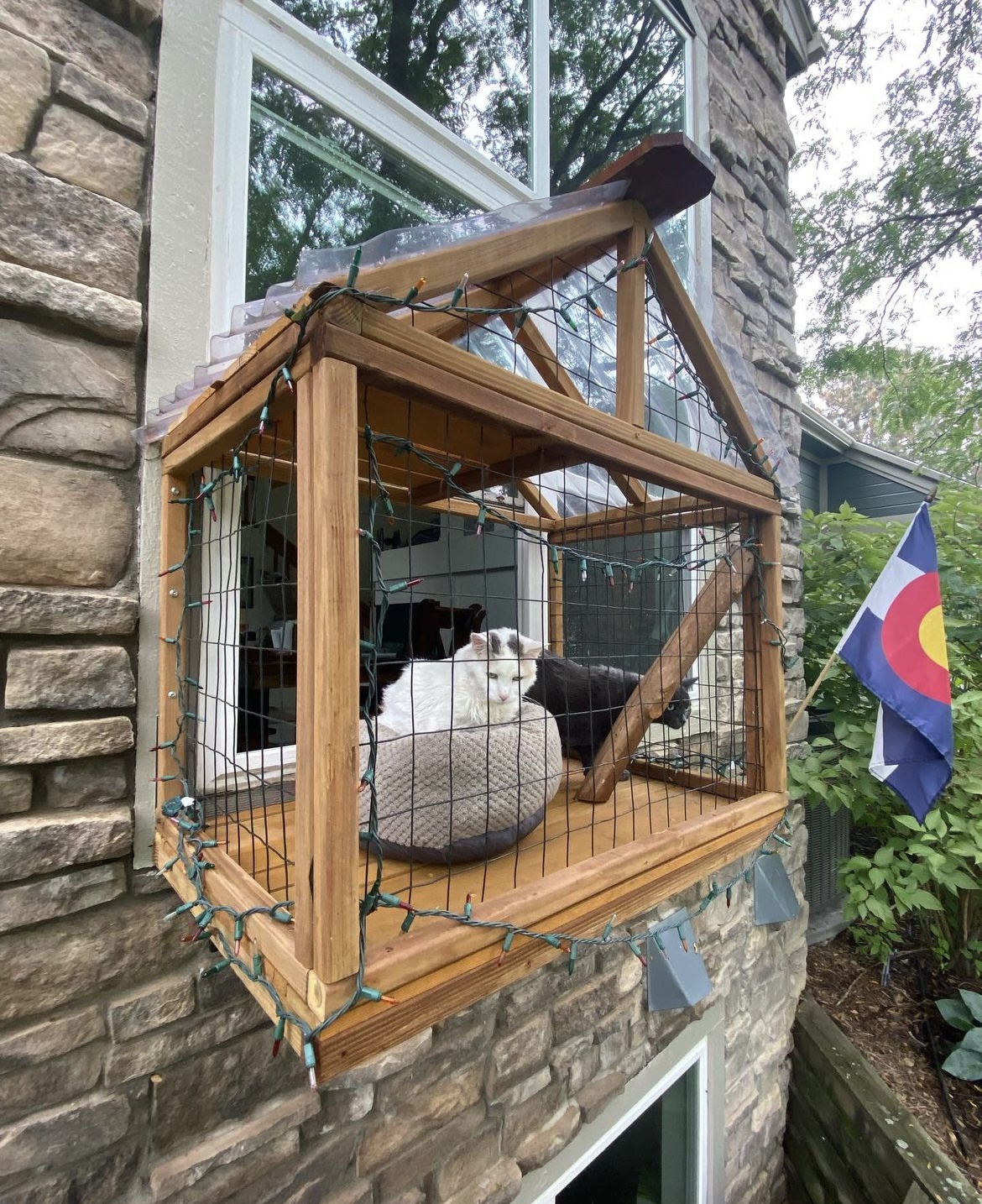
A freestanding catio offers the most flexibility. These structures are built independently in your yard. They can be as simple as a basic run or as elaborate as a multi-room habitat. Many freestanding designs are built with portability in mind. This allows you to move them if needed. They are great for renters or those who like to rearrange their garden.
Proper anchoring is crucial for freestanding catios. Use stakes or a solid base to secure them against wind. Ensure the materials are durable and weather-resistant. This will extend the life of the structure. Consider adding a solid roof for shade and rain protection.
Catio Roofing: Materials and Tips
Choosing the right catio roofing is essential for comfort and durability. A solid roof provides crucial shade on sunny days. It also protects your cat from rain and snow. Options range from simple tarps to more permanent materials. Polycarbonate panels are a popular choice. They are lightweight, durable, and allow some light through.
Asphalt shingles or wooden roofs offer more traditional aesthetics. Ensure the roofing material is securely attached. It must withstand wind and weather. For portable catios, a lighter material might be preferable. Always ensure the roof slopes slightly for water runoff.
Catio Flooring: Safe and Durable Choices
The catio flooring needs to be safe, easy to clean, and durable. Many cats prefer a natural surface like grass or soil. However, these can be difficult to maintain and may harbor parasites. Consider using artificial turf designed for pets. It offers a soft surface and is easy to hose down.
Wood decking or concrete are other options for a more permanent structure. Ensure any wood is treated with pet-safe sealants. Avoid materials that can become excessively hot in the sun. For easy cleaning, opt for smooth, non-porous surfaces. This helps prevent the spread of germs.
Catio Enrichment: Toys and Perches
Enrichment is key to a stimulating catio experience. Cats need mental and physical engagement. Include vertical elements like shelves, ramps, and perches. These allow cats to climb and survey their surroundings. This mimics natural behaviors. Add scratching posts to satisfy their urge to scratch.
Toys can be rotated to keep things interesting. Consider sturdy, weather-resistant toys. Tunnels can add an element of exploration. Ensure all enrichment items are securely fastened. This prevents them from becoming a hazard. A well-designed enclosed cat space keeps cats happy and engaged.
Catio Safety: Predator-Proofing Essentials
Catio safety is the primary reason for building one. Predator-proofing is non-negotiable. Use strong, small-gauge wire mesh like galvanized hardware cloth. Ensure there are no gaps larger than one inch. This keeps out determined predators like raccoons or coyotes. Burying the mesh at the base can prevent digging.
Check all connection points regularly. Ensure screws and staples are secure. The structure must be robust enough to withstand external forces. Consider a solid roof to prevent aerial predators. A secure outdoor cat enclosure provides true peace of mind.
The Verdict: Catios Are the Future of Feline Freedom
Catios are more than just a trend; they are a responsible choice for cat owners. They offer a vital connection to the outdoors without the inherent risks. The variety of designs means there’s a catio for almost any home and budget. From simple window boxes to elaborate backyard habitats, the benefits are clear.
Investing in a catio means investing in your cat’s well-being. It provides essential stimulation and security. As more people understand the importance of safe outdoor access, catio construction will only grow. Consider a kitty patio for your feline friend. It’s a smart, safe, and enriching addition to your home. You can find excellent resources for cat care online. Explore further cat care information to enhance your pet’s life.
Read also: Stop Stripping Bolts: The Right Wrench for Every Job
Your 3-Step Catio Action Plan
Step 1: Assess Your Space
Measure your window, balcony, or yard to determine the best catio size. Check local HOA rules or building codes before you start.
Step 2: Choose Your Materials
Use galvanized hardware cloth (1/2-inch mesh) for predator-proofing. Pressure-treated wood or aluminum frames last longer in weather.
Step 3: Build or Buy
For DIY, follow a tested plan from a reputable source like Catio Spaces. If you prefer ready-made, brands like Aivituvin offer affordable kit options.
What to Avoid
- Chicken wire: it’s too weak and cats can tear through it.
- Untreated wood: it rots quickly outdoors.
- Overcrowding: leave enough room for your cat to jump and play.
Frequently Asked Questions
How much does a catio cost?
A window-mounted catio kit starts around $100. A large custom freestanding structure can run $1,000 to $3,000 or more.
Can I leave my cat in the catio all day?
Yes, as long as it has shade, water, shelter from rain, and good ventilation. Never leave a cat in direct sun without a shaded area.
Will the catio damage my house?
Properly installed window catios are secured with brackets and sealant to prevent water damage. Freestanding units on a gravel base cause no harm.
Building a catio is one of the best investments you can make for your cat’s safety and happiness. It gives them the outdoor life they crave without the risks of free roaming.
Now that you have your action plan, start with a simple window box or a small freestanding unit. You’ll be amazed at how much your cat loves it.
Imagine your cat napping in the sun on a high shelf, safe from cars and predators. That peace of mind is priceless.
