

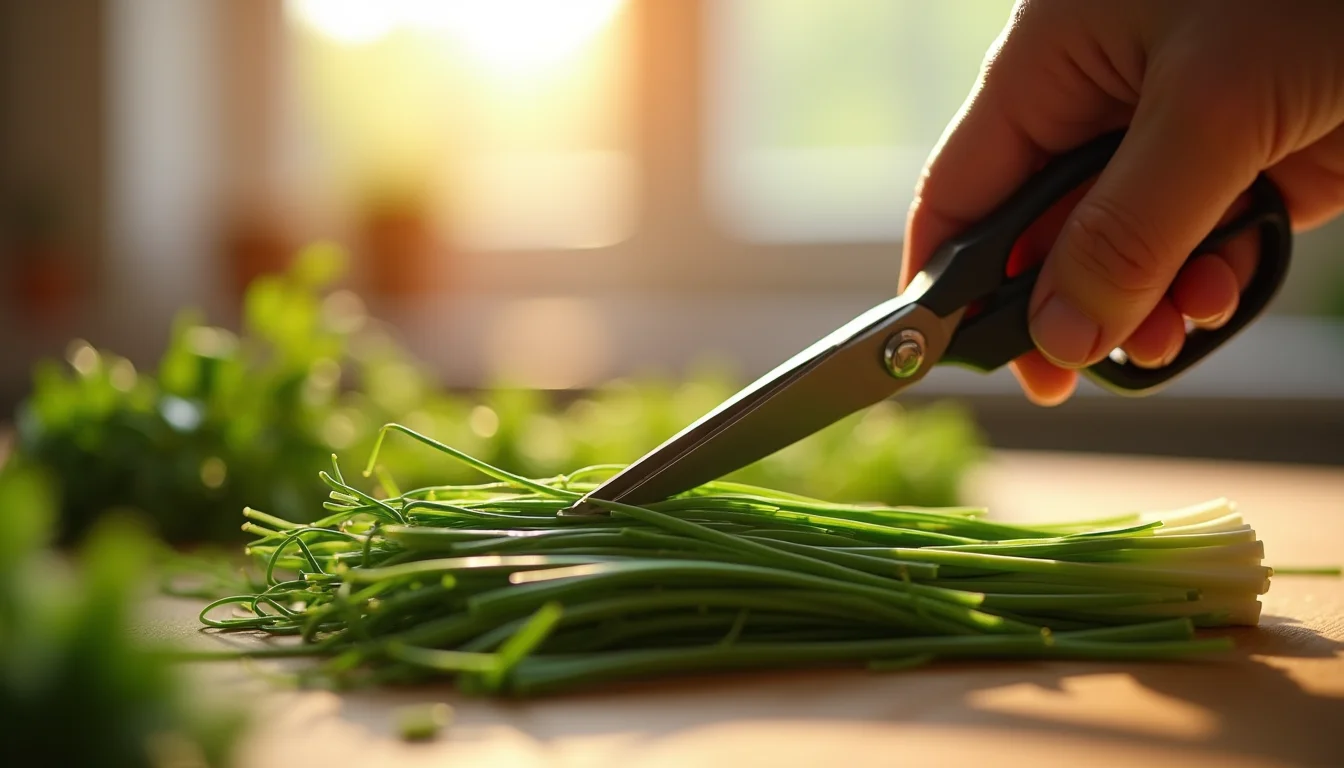
You pick up a bunch of chives at the store, use a few sprigs, and the rest turn into slimy mush in the fridge. It’s frustrating and wastes money. But here’s the truth: chives are one of the easiest herbs to grow yourself, even if you have no yard.
This perennial herb from the allium family keeps coming back year after year. You can snip what you need fresh, and it never goes bad. Let’s look at how to make chives work for you, from growing to cooking.
What Are Chives? Onion Chives vs Garlic Chives vs Scallions
Chives are a perennial herb in the allium family, same as onions and garlic. The common onion chive has hollow green leaves and a mild onion taste. Garlic chives, also called Chinese chives, have flat leaves and a light garlic flavor. Both types produce edible purple or white flowers.
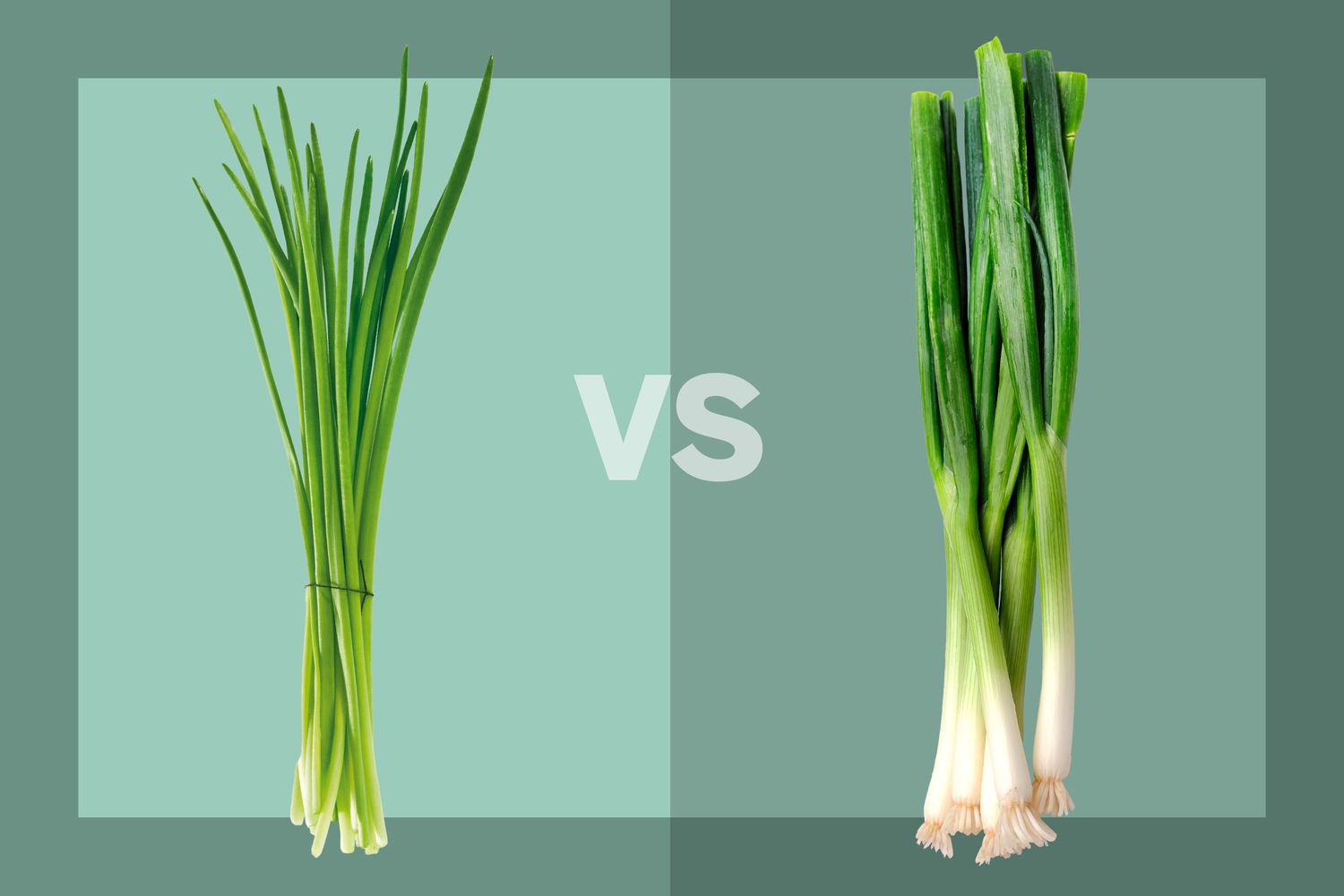
People often confuse chives with scallions or green onions. But scallions are immature onions with a small white bulb, while chives grow from a clump of roots and never form a bulb. Chives are also much thinner and more delicate. Nutritionally, chives are packed with vitamins A, C, and K, plus iron and potassium.
In the garden, chives act as a natural pest deterrent, repelling aphids and carrot flies. They thrive in full sun with well-drained soil and need about 6 to 8 hours of light daily. You can even grow them indoors on a sunny windowsill. Harvest by snipping leaves from the base, and the plant will keep producing new growth.
Chives: The Versatile All-Star Herb for 2026 Kitchens
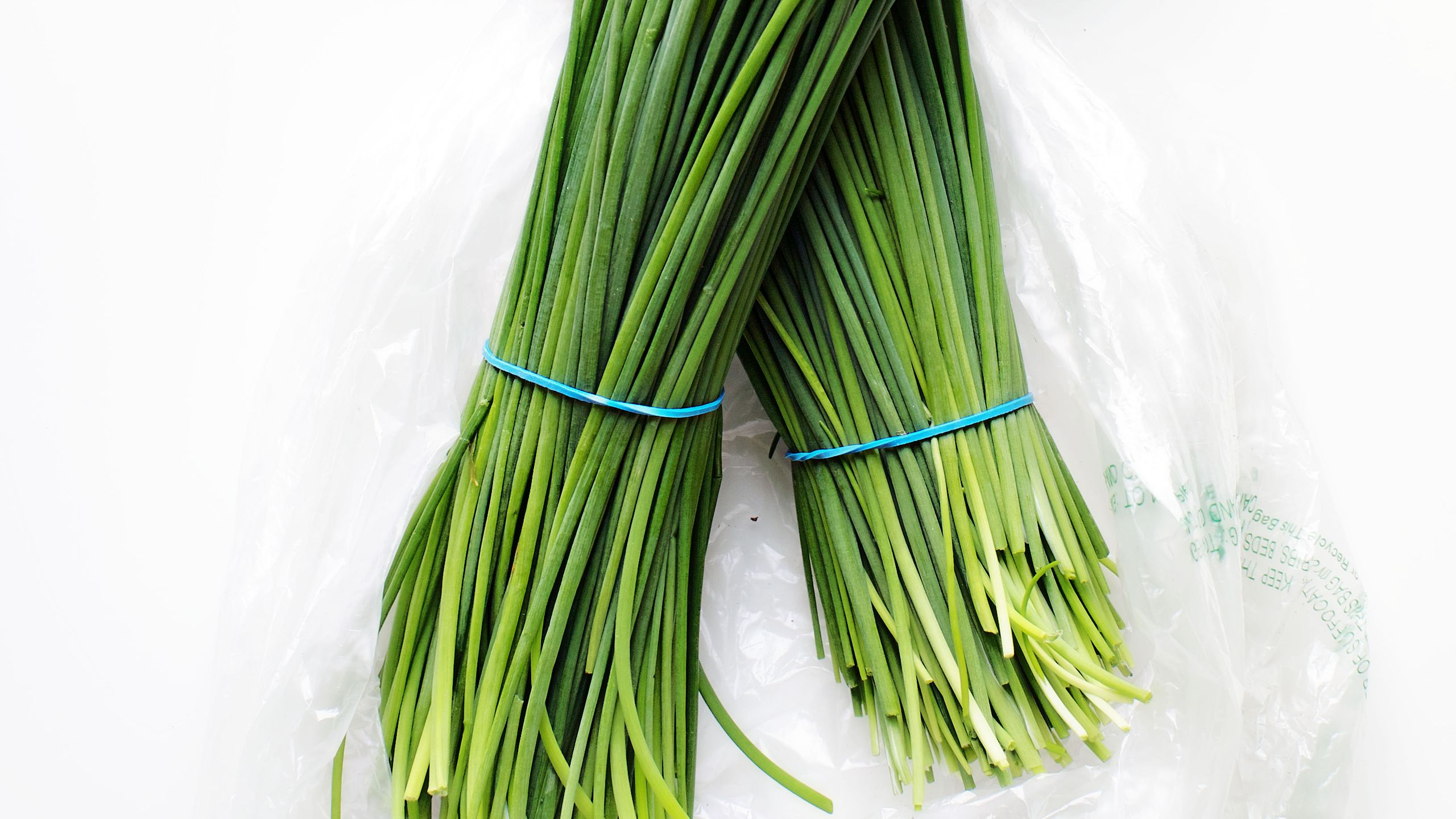
Chives are a staple for a reason. They bring a fresh, mild onion flavor to so many dishes. In 2026, home cooks are rediscovering their ease and versatility. They are more than just a garnish; they are a key ingredient.
| Type | Flavor Profile | Leaf Shape | Common Uses |
| Common Chives | Mild onion | Hollow | Garnishes, baked potatoes, omelets |
| Garlic Chives | Subtle garlic | Flat | Asian cuisine, stir-fries |
| Siberian Chives | Complex | Broad | Hardy gardens |
Onion Chives: Flavor and Uses
Common chives, or onion chives, offer a delicate onion taste. They are not overpowering like raw onions. This makes them perfect for finishing dishes. Sprinkle them on soups, salads, or scrambled eggs right before serving.
Their mild flavor complements dairy products beautifully. Think cream cheese spreads or dips. You can also use the edible flowers for a pop of color and subtle taste.
Garlic Chives: A Distinctive Herb
Garlic chives are different from their onion cousins. They have flat leaves, not hollow ones. Their flavor is a gentle hint of garlic, not sharp or pungent.
These are a favorite in Asian cooking. They add depth to stir-fries and dumplings. Their unique taste is a welcome change from standard garlic.
Growing Chives in Your Garden
Growing chives is remarkably simple. They are a perennial herb, meaning they come back every year. You can plant them in a garden bed or a pot. They prefer full sun and well-drained soil.
Even without a garden, you can grow them indoors. Place them on a sunny windowsill. They need about 6 to 8 hours of light daily. This makes them ideal for indoor gardening herbs.
Harvesting Chives for Freshness
Harvesting chives encourages more growth. Snip the leaves from the base of the plant. Aim to cut about an inch or two above the soil line. This stimulates new shoots to emerge quickly.
Regular harvesting ensures a continuous supply. It also keeps the plant healthy and productive. Never take more than one-third of the plant at a time.
Cooking with Chives: Simple Tips
Chives are incredibly easy to cook with. Their fresh flavor is best when added at the end. This preserves their delicate taste and aroma. Avoid cooking them for long periods.
They are a fantastic addition to potato dishes. Try them in mashed potatoes or baked potatoes. They also brighten up egg dishes like omelets and frittatas.
Chives vs Scallions: Key Differences
Many people confuse chives with scallions. Scallions, also called green onions, have a stronger onion flavor. Their leaves are also thicker and not hollow.
Chives are much milder and more delicate. Their hollow leaves are a clear visual cue. If you want a subtle onion note, choose chives. For a bolder flavor, go for scallions.
Chives as Edible Flowers
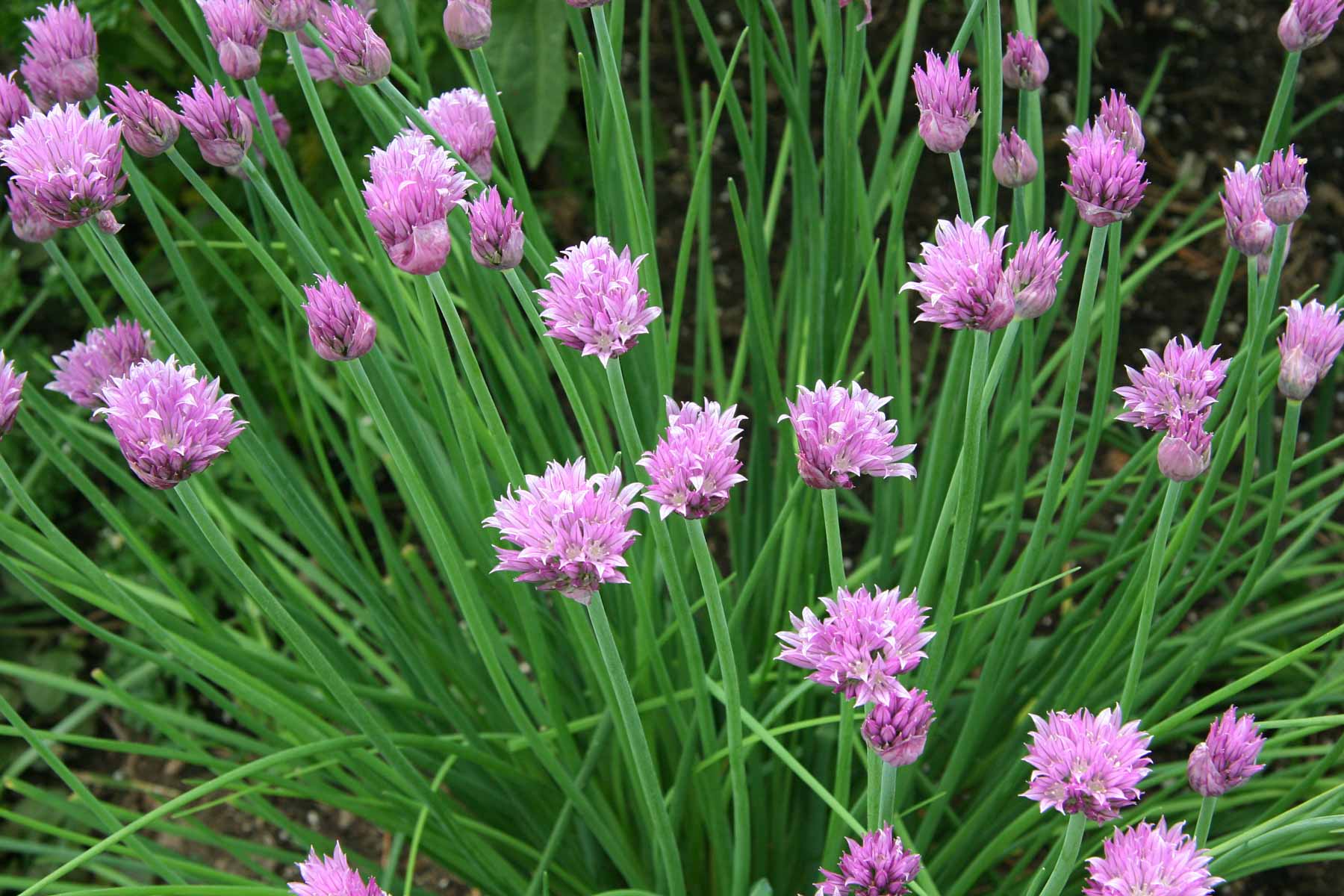
Don’t overlook the beautiful blossoms of chives. These edible flowers are typically purple and star-shaped. They add visual appeal to salads and platters. Their taste is a milder version of the chive leaves.
You can also infuse vinegars with chive blossoms. This creates a lovely flavored vinegar. It’s a simple way to elevate homemade dressings and marinades.
Chives in the Allium Family
Chives belong to the Allium family. This group includes onions, garlic, and leeks. They share a common ancestry and certain flavor compounds.
This family connection explains their similar, yet distinct, flavors. Understanding this helps appreciate their culinary roles. Learn more about their relatives on Wikipedia.
For More Growing Insights
For detailed guidance on cultivation, resources are available. Understanding the soil needs and light requirements is key. Proper care ensures a bountiful harvest year after year.
Local extension offices often provide region-specific advice. They can offer tips tailored to your climate. This ensures your herb garden thrives. Visit UMN Extension for expert advice.
The Verdict: Chives Remain a Kitchen Essential
Chives are a low-maintenance powerhouse. Their ease of growth and culinary flexibility are unmatched. They offer fresh flavor without being overpowering. This makes them a valuable addition to any kitchen.
In 2026, we see a continued appreciation for fresh, simple ingredients. Chives fit this perfectly. They are affordable, productive, and delicious. Make them a regular part of your cooking routine.
Your 3-Step Chive Action Plan
Step 1: Choose Your Variety
Common chives are best for mild onion flavor. Garlic chives are ideal for Asian dishes.
Step 2: Plant for Success
Start seeds indoors 6-8 weeks before last frost. Transplant outdoors in full sun with rich, well-drained soil.
Step 3: Harvest and Maintain
Snip leaves from the base, leaving 2 inches for regrowth. Divide clumps every 3 years to keep plants vigorous.
Frequently Asked Questions
Can I grow chives indoors year-round?
Yes, chives adapt well to indoor pots on a sunny windowsill. Provide 6-8 hours of direct light or use a grow light.
How do I store fresh chives?
Wrap them in a damp paper towel and refrigerate in a plastic bag for up to a week. Alternatively, freeze chopped chives in ice cube trays with water.
Why are my chives flowering?
Flowering is natural in late spring. Remove flower stalks to encourage leaf growth, or leave them for edible blossoms.
Chives are a reliable, low-maintenance herb that rewards you with fresh flavor year after year. Their versatility in the kitchen and garden makes them a must-have for any cook.
Start your chive patch today—whether in a pot or garden bed. You’ll never buy dried chives again.
Imagine snipping fresh chives straight from your windowsill to top a morning omelet. That small act connects you to your food and the seasons.
