


You bought a futon for your guest room. But now your back hurts every time you sleep on it. That is a common mistake: picking a futon that looks good but sleeps bad.
A futon is not just a sofa. It can be your main bed if you choose the right one. The secret is in the mattress thickness and the frame design. Let us fix this together.
Futon vs. Sofa Bed: Which One Is Right for Your Space?
Many people use the words ‘futon’ and ‘sofa bed’ like they mean the same thing. But they are different. A futon has a fold-down backrest that makes a flat sleeping surface. A sofa bed has a hidden mattress that pulls out.
Futons are great for small spaces because they take up less room. They also come in many styles, from mid-century modern to Japanese traditional. Sofa beds are better if you want a real mattress feel for daily use.
Think about your space. If you have a tiny apartment or a guest room that doubles as an office, a futon is your best bet. Brands like Novogratz and Mopio offer good options under $500. For a sofa bed, you will spend more, often $800 or above for a quality model.
The Futon in 2026: Your Smart Space Solution
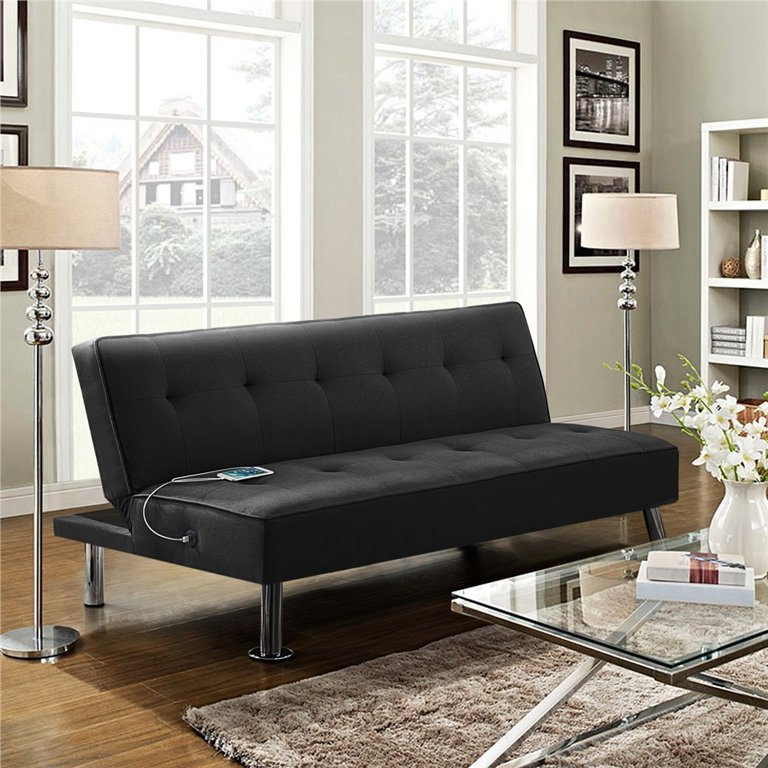
Futons are more versatile than ever in 2026. They are not just for dorm rooms anymore. These pieces offer smart living for modern homes. They blend function and style for any room. Consider a futon for your next furniture upgrade.
| Feature | Description |
|---|---|
| Type | Japanese Floor Mattress or Western Sofa Bed |
| Use | Sleeping, Sitting, Space-Saving |
| Cost | $150 – $1500+ |
| Lifespan | Years with proper care |
Futon vs. Sofa Bed: Key Differences
A futon can mean two things today. The traditional Japanese floor mattress is simple and firm. It’s designed for direct floor use. Western futons are sofa beds. They transform from a sofa to a bed. They often have thicker mattresses and robust frames. Think about how you will use it most. This guides your choice between the two.
Western futons are built for daily use as a bed. They need a comfortable mattress. Japanese futons prioritize firm support and breathability. They are often stored away during the day.
Japanese Futon Mattress: Traditional Comfort
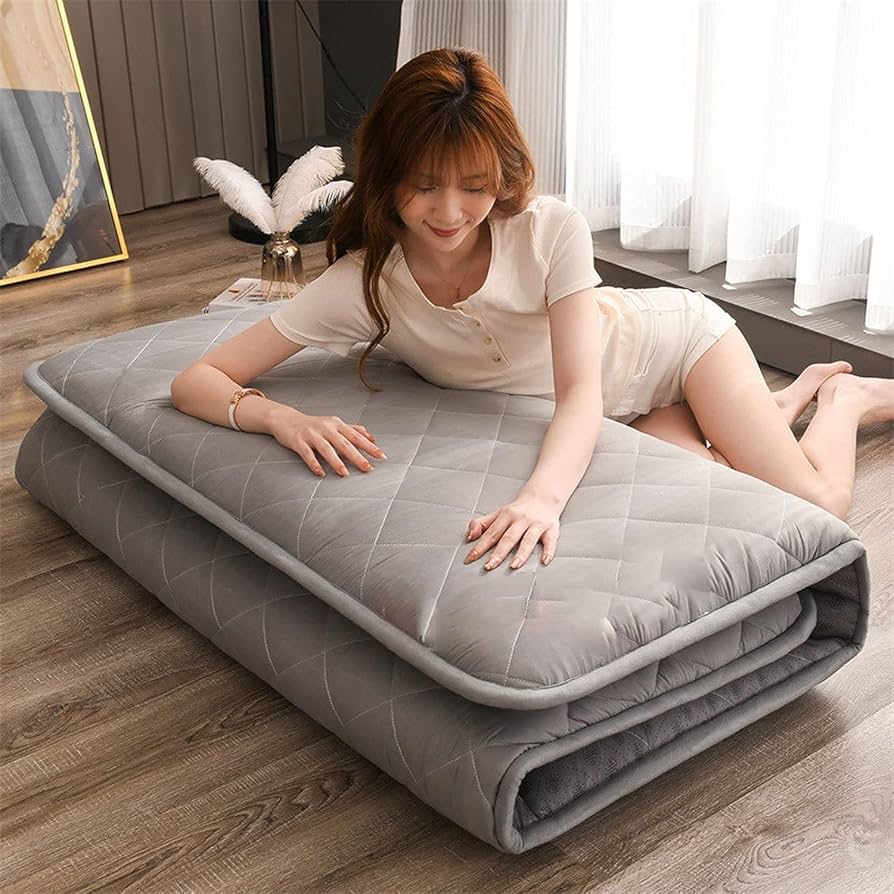
The Japanese futon mattress offers a unique sleeping experience. It is typically made of layered cotton. These mattresses are designed for sleeping directly on the floor. Tatami mats are a traditional pairing. They provide a firm, supportive surface. This minimalist approach is popular for its simplicity.
Regular airing is crucial for these futons. Sunlight helps keep them fresh and dry. This prevents moisture buildup and extends their life. Proper care ensures many years of use. It’s a sustainable choice for many.
Best Futon Frame Materials: Wood vs. Metal
Futon frames come in wood or metal. Wood frames offer a warm, natural look. They can be heavier and more traditional. Metal frames are often more modern and durable. They can support thicker mattresses well. Consider the style of your room.
Metal frames are great for a sleek, contemporary feel. They are often lighter and easier to move. Some metal frames have space-saving features. Look for futon frame materials that match your decor. Durability is key for daily use.
Futon Mattress Thickness for Daily Sleep
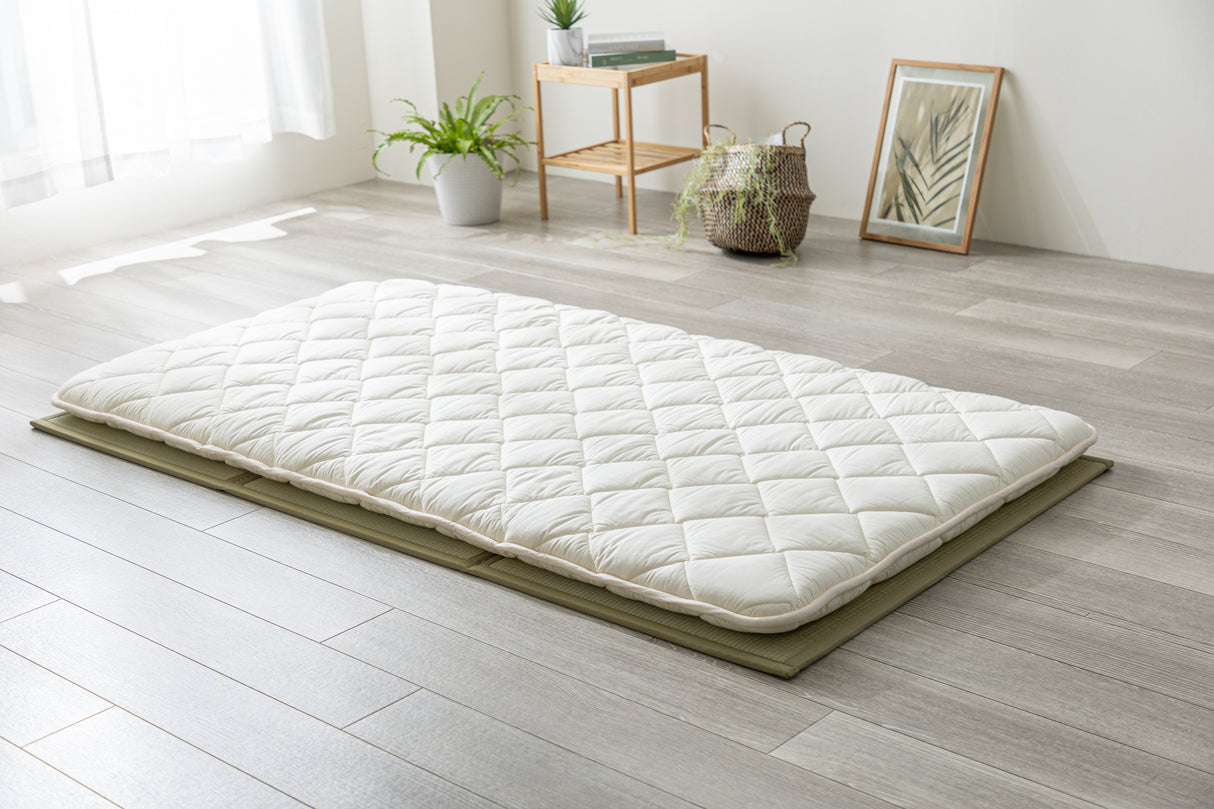
If you plan to sleep on your futon every night, thickness matters. A mattress of at least 8 inches is recommended. This prevents you from feeling the frame underneath. Futon mattress thickness impacts comfort significantly. Thicker mattresses offer better support. They mimic a traditional bed more closely.
Mattresses with innerspring or memory foam cores are good options. They provide superior comfort for everyday sleeping. Avoid thin mattresses for regular use. They can lead to discomfort and poor sleep quality. Check the specifications before buying.
Futon for Small Spaces: Maximizing Room
Futons are a dream for small apartments. They serve as a sofa and a bed. This dual function saves valuable floor space. A futon for small spaces is a smart investment. Look for armless designs or wall-hugger mechanisms. These features allow the futon to sit closer to walls.
Consider a futon for guest rooms too. It provides extra sleeping space without a permanent bed. Even a small studio can benefit. It offers seating and sleeping in one piece. This makes any room feel larger and more functional.
Futon Upholstery Options: Linen to Velvet
The fabric on your futon matters for look and feel. Futon upholstery options range widely. Linen offers a natural, breathable texture. Velvet provides a luxurious, soft touch. Polyester is durable and easy to clean. Teddy fleece adds a cozy, modern vibe.
Choose a fabric that suits your lifestyle. Consider pets and children when selecting. A durable fabric like polyester is practical. For a touch of elegance, velvet or linen works well. The right upholstery enhances the overall aesthetic.
Adjustable Backrest and Split-Back Features
Modern futons offer smart features. An adjustable backrest lets you recline. This adds comfort for lounging. The split-back feature is also popular. It allows one side to recline independently. This is perfect for couples with different needs.
These features enhance the futon’s versatility. You can easily switch between sitting, lounging, and sleeping. They make the futon more adaptable to your day. Look for these options when shopping for a new model. They add significant value.
Futon Maintenance: Airing Out Your Mattress
Proper care extends your futon’s life. For traditional Japanese futons, regular airing is essential. Take your futon outside on a sunny day. Let it air out for several hours. This helps remove moisture and keeps it fresh. This is part of the futon maintenance routine.
For Western futons, follow the manufacturer’s cleaning instructions. Vacuuming regularly helps keep them clean. Spot clean spills immediately. Proper care ensures your futon remains comfortable and supportive. It’s a simple step for long-term use.
The Futon’s Enduring Appeal
In 2026, the futon remains a champion of adaptable living. Whether you choose the minimalist charm of a Japanese floor mattress or the multi-functional convenience of a Western sofa bed, there’s a futon for every need. They are ideal for minimalist living and small apartments. Their ability to save space is unmatched. Investing in a quality futon frame and mattress means years of reliable use. Explore options from brands like Novogratz or Mainstays for budget-friendly choices. For premium selections, consider specialized furniture stores. The futon is a practical, stylish choice for modern American homes. Find more details on its history and types at Wikipedia. For purchasing guidance, check out Forbes recommendations.
Your 3-Step Futon Action Plan
Step 1: Define Your Primary Use
Are you buying a futon for daily sleeping or occasional guests? This decision drives everything from mattress thickness to frame style.
For daily sleep, choose a Western futon with a mattress at least 8 inches thick to avoid sagging. For a guest room or meditation space, a traditional Japanese shikibuton offers firm support and easy storage.
Step 2: Measure Your Space and Choose a Frame
Know your room dimensions and doorways before you shop. A wall-hugger frame lets you place the futon against a wall without moving furniture when converting.
If you need a sofa during the day, pick a frame with a low profile and clean lines. For small apartments, an armless design saves inches and looks modern.
Step 3: Care for Your Futon to Extend Its Life
Air your traditional futon in sunlight every few weeks to prevent moisture and mildew. Rotate and flip your Western futon mattress monthly to keep it even.
Use a washable cover or mattress protector to guard against spills and dust. With proper care, a quality futon can last 5 to 10 years or more.
Frequently Asked Questions
Can I use a traditional Japanese futon on any floor?
It’s best to use a shikibuton on tatami mats or a carpet to allow airflow underneath. Hard floors can trap moisture and shorten the mattress life.
What mattress thickness do I need for daily sleeping?
For a Western futon used every night, choose a mattress at least 8 inches thick. Thinner mattresses may cause discomfort and wear out faster.
How do I clean a futon mattress?
Spot clean with mild detergent and water, and vacuum the surface regularly. Many futon covers are removable and machine washable for easy care.
Choosing the right futon comes down to how you live and the space you have. Whether you go traditional or Western, focus on quality materials and proper care to get the best value.
Now measure your room and define your primary use. Your ideal futon is out there waiting to transform your home.
Imagine a space that adapts effortlessly from cozy sofa to restful bed. That freedom is what a well-chosen futon brings to modern living.
