

You buy ranunculus from the store, and they wilt in two days. But the flowers you see in bridal bouquets last over a week. What gives? The difference is knowing a few simple tricks that florists use but rarely share. You can get that same vase life at home without any special training.
Most people treat ranunculus like any other flower, and that is the first mistake. These blooms are cool-season flowers with specific needs. Once you understand how they drink and rest, they will reward you with up to 10 days of beauty. No green thumb required.
Why Persian Buttercups Rule the Floral World
Ranunculus, also called Persian buttercups, are the divas of the cool-season flower world. Their paper-thin petals stack in dozens of layers, creating blooms that look almost too perfect to be real. The Tecolote series gives you huge, double flowers, while Butterfly ranunculus offers shimmery single petals in sprays. Florists pay top dollar for Cloni varieties because they are extra large and sturdy.
Color matters more than you think. Red ranunculus means passion and romance, white stands for purity (huge for weddings), pink shows gentleness, yellow brings joy, and purple screams royalty. When you buy a mix, you get a rainbow of meanings. Prices start around $10 for a bag of corms, which is a steal compared to buying cut blooms.
These plants grow from corms, not bulbs, and they hate heat. They thrive at 55°F and go dormant above 80°F. In zones 8-10 you plant in fall for spring flowers. In colder zones (3-7) you wait until late winter or early spring, treating them as annuals. Soak corms for 3-4 hours before planting, claws down, 2 inches deep. Overwatering before sprouts show up is the number one way to rot them.
Ranunculus in 2026: The Evolving Art of Persian Buttercups
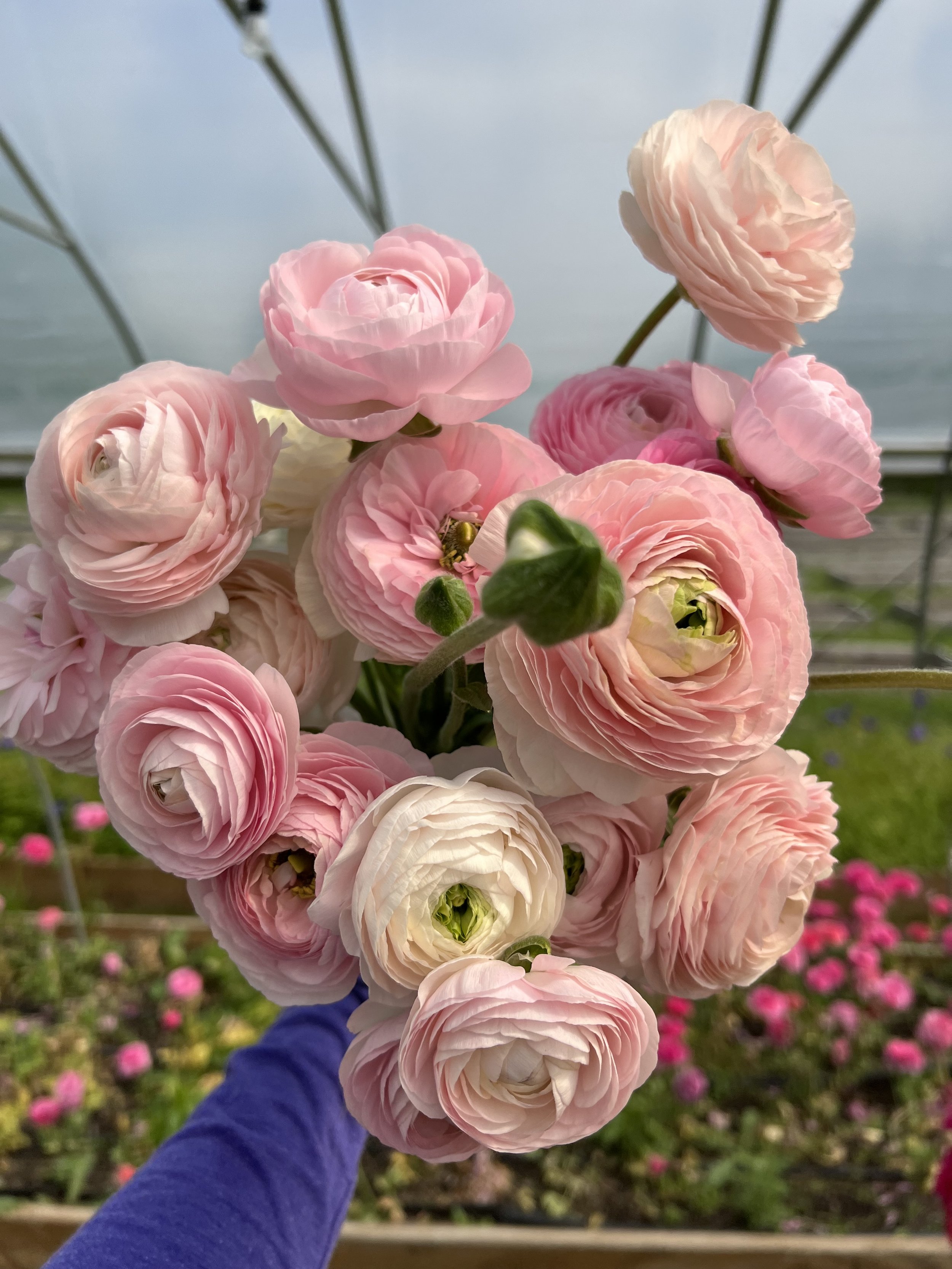
Ranunculus, or Persian buttercups, are more than just flowers; they are a statement of refined taste. In 2026, these blooms continue to captivate with their paper-thin petals and vibrant hues. They are a top choice for events and home decor, bringing elegance to any setting. Understanding their growth and care is key to enjoying their beauty.
| Feature | Description |
| Scientific Name | Ranunculus asiaticus |
| Common Name | Persian Buttercups |
| Bloom Type | Intricate, multi-layered petals |
| Growth From | Corms |
| Ideal Temperature | Around 55°F |
| Dormancy Trigger | Consistently above 80°F |
| Planting Zones | Fall for 8-10, Late Winter/Spring for 3-7 |
| Cut Flower Life | 7-10 days |
| Starting Cost (Corms) | Around $10 |
Growing Persian Buttercups from Corms
Starting your own ranunculus is rewarding. You will begin with ranunculus corms, which are like small, dried claws. Before planting, soak these corms in room-temperature water for 3 to 4 hours. This rehydrates them, preparing them for growth. Plant them about 2 inches deep. Make sure the claw-like part faces downwards.
Proper soil is crucial for corms. They need rich, well-drained soil to prevent rot. Overwatering before sprouts appear is a common mistake. Wait for signs of growth before watering heavily. This simple preparation ensures healthy plants.
Tecolote Ranunculus: The Classic Cut Flower
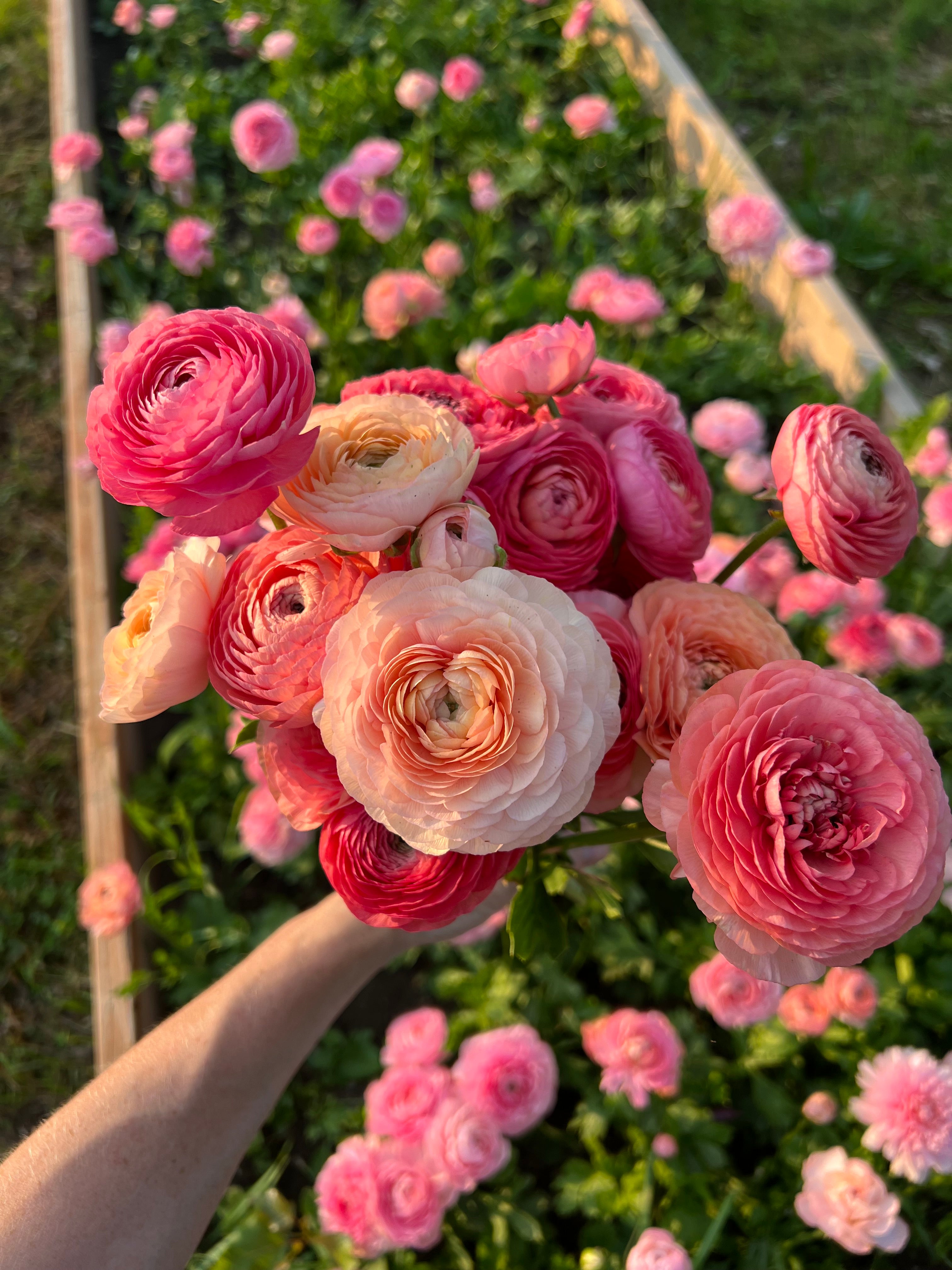
The ‘Tecolote’ series is famous for its large, double blooms. These are the ranunculus you often see in high-end arrangements. They offer a classic look with many layers of petals. Their size and structure make them perfect for formal bouquets. Florists highly favor them for their visual impact.
These flowers symbolize radiant charm and attractiveness. Their impressive blooms are a testament to careful breeding. Growing Tecolote varieties can elevate your garden’s appeal. They bring a touch of luxury to any occasion.
Butterfly Ranunculus for Bouquets
For a lighter, airier feel, consider ‘Butterfly’ ranunculus. These flowers have single petals that shimmer. They often appear in sprays, adding delicate texture. They are excellent for creating softer, more whimsical bouquets. Their unique appearance adds dimension to arrangements.
These varieties are bred for a more natural, less formal look. They complement other flowers beautifully. Their delicate nature makes them a favorite for spring weddings. They add a touch of ethereal beauty to any floral design.
Amandine Ranunculus: Compact and Colorful
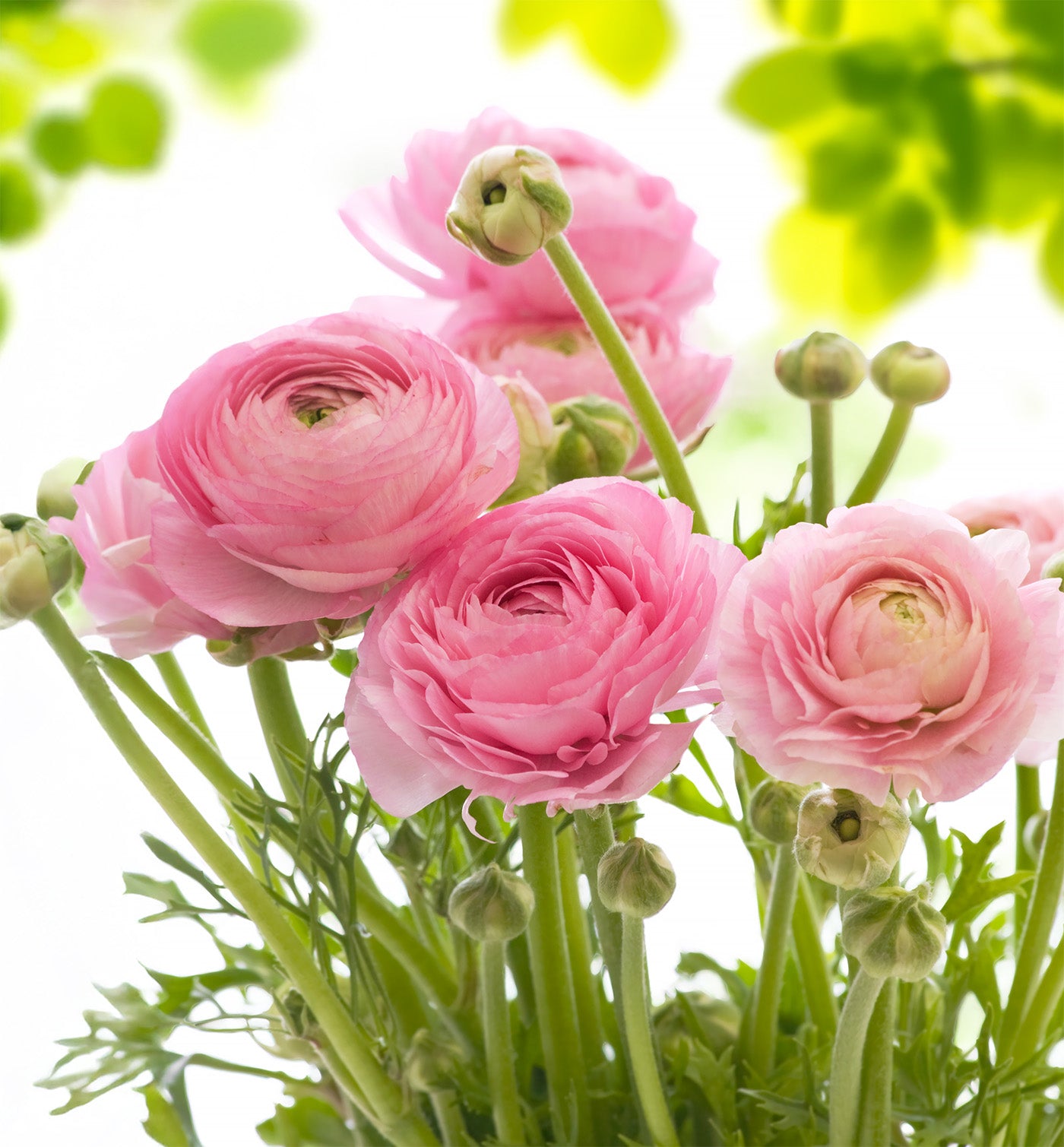
‘Amandine’ ranunculus are bred for better heat tolerance. This means they can bloom longer in warmer conditions. They are also more compact, making them suitable for containers. Their colors are bright and varied, adding cheer to gardens and arrangements.
These flowers are a great choice for gardeners in milder climates. They extend the blooming season for ranunculus. Their resilience and color make them a practical and beautiful option. You can find them readily available from various retailers.
Ranunculus Care: Watering and Sunlight Tips
Ranunculus thrive in specific conditions. They prefer full sun exposure. This helps them develop strong stems and vibrant blooms. Consistent sunlight is vital for their overall health. Aim for at least six hours of direct sun daily.
Watering is critical, especially before sprouts emerge. The soil should be kept consistently moist but not waterlogged. Overwatering can lead to corm rot, a common issue. Once the plant is established, allow the soil to dry slightly between waterings. This balance ensures healthy root development.
Cool-Season Flowers: Best Months for Planting
Ranunculus are cool-season flowers. They perform best when temperatures are around 55°F. In USDA zones 8-10, you can plant corms in the fall. This allows for spring blooms. It’s a great way to prepare your garden for early color.
For colder zones (3-7), planting should happen in late winter or early spring. Often, they are treated as annuals in these regions. Planting at the right time is crucial for success. You can learn more about planting times at Longfield Gardens.
Ranunculus Symbolism and Color Meanings
Each color of ranunculus carries a specific meaning. Red signifies passion and romance, perfect for expressing deep feelings. White represents purity and grace, making it ideal for weddings and celebrations. Pink conveys gentleness and admiration, a lovely choice for expressing affection.
Yellow blooms bring joy and friendship, brightening any space. Purple embodies royalty and elegance, adding a sophisticated touch. Understanding these meanings adds depth to their use. You can find fresh ranunculus bouquets at Farmgirl Flowers.
Cut Flower Care: Extending Vase Life
To enjoy cut ranunculus for longer, proper care is essential. Cut stems when the buds show color but are still firm. This indicates they are ready to open. Immediately place them in fresh, cool water. This prevents wilting and ensures hydration.
Keep your vase of ranunculus away from direct heat and sunlight. These conditions can cause the flowers to fade quickly. Changing the water every couple of days helps maintain freshness. With good care, these blooms can last 7 to 10 days. This makes them a worthwhile investment for your home.
The Future of Ranunculus: Enduring Elegance
Ranunculus continue to be a star in the floral world. Their versatility from garden to vase is unmatched. The ongoing development of new varieties ensures their popularity. They offer beauty and meaning for any occasion. Consider adding these Persian buttercups to your plans.
For those looking to grow them, focus on proper corm preparation and planting times. Gardeners in many zones can enjoy these blooms. Their ability to adapt and thrive makes them a smart choice. They are a testament to nature’s artistry.
Your 3-Step Action Plan for Ranunculus Success
Step 1: Choose and Prep Your Corms
Select firm, large corms from a reputable supplier for the best blooms. Soak them in room-temperature water for 3-4 hours before planting to jumpstart growth.
Step 2: Plant with Precision
Plant corms 2 inches deep with the claws pointing down in well-drained, rich soil. Water sparingly until sprouts appear to avoid rot.
Step 3: Harvest at the Right Time
Cut stems when buds show color and feel firm for longest vase life. Strip lower leaves and change water every two days to keep them fresh.
What to Avoid
- Overwatering before sprouting – it causes corm rot.
- Planting in heavy clay soil – add compost or sand for drainage.
- Exposing to temperatures above 80°F – move pots to shade or dig up corms for storage.
Frequently Asked Questions
Can I grow ranunculus in pots?
Yes, ranunculus thrive in containers with drainage holes and quality potting mix. Ensure pots get at least 6 hours of sun daily.
How do I store ranunculus corms after blooming?
Wait until foliage yellows, then dig up corms, dry them for a week, and store in a cool, dry place. Temperatures around 55°F are ideal.
Why are my ranunculus stems short?
Short stems often result from insufficient light or overcrowding. Space corms 6 inches apart and provide full sun for tall, sturdy stems.
Ranunculus are a timeless choice for gardeners and florists who want reliable, show-stopping blooms. Their wide color range and long vase life make them a smart investment for any home or event.
Start with a small corm mix to test your conditions, then expand your plantings next season. You’ll soon master the simple steps for success.
Imagine a spring garden bursting with layers of tissue-paper petals in every hue. That beauty is within reach with just a little preparation and care.
