

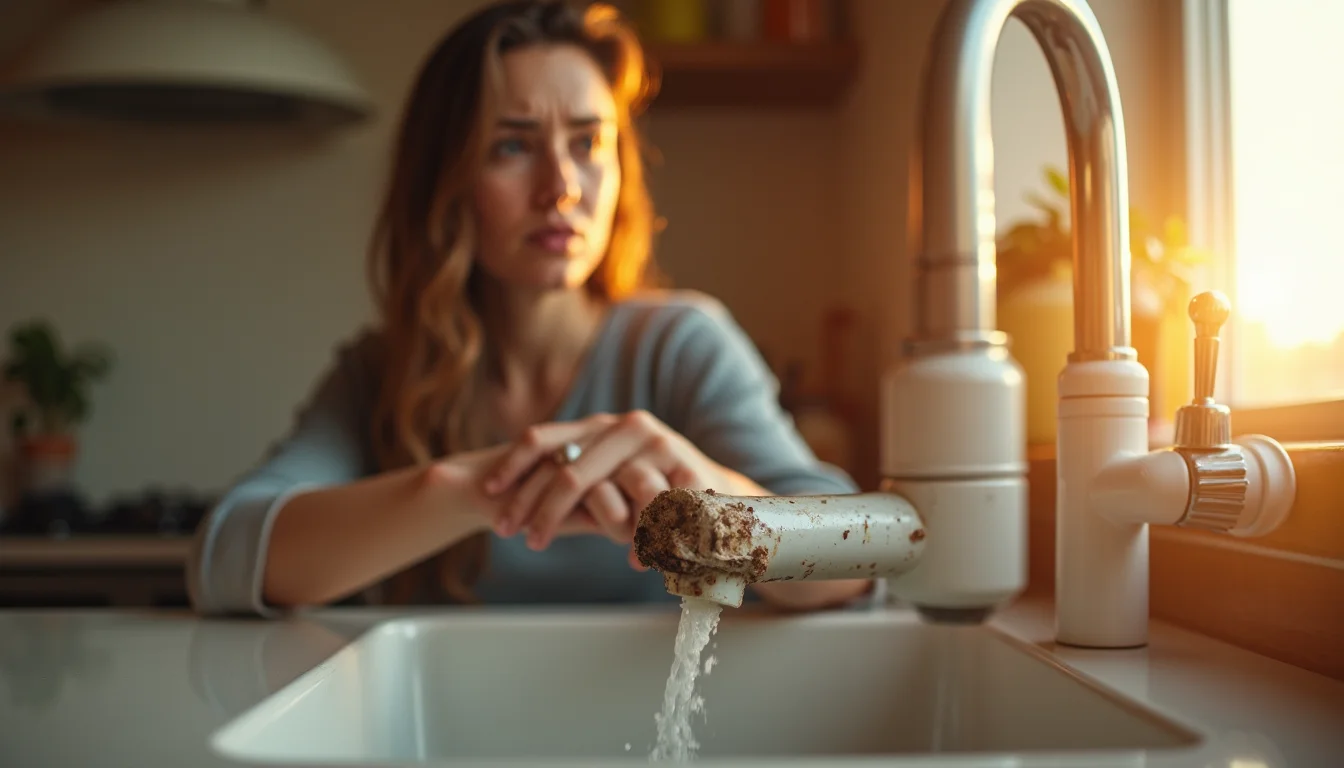
Your water heater is working harder than it should. If you see white crust on faucets or feel a film on your dishes after washing, you have hard water. That buildup is called scale, and it shortens the life of your appliances.
Hard water comes from calcium and magnesium in your water supply. A water softener removes these minerals, saving you money on repairs and energy bills. In 2026, smart models make softening easier than ever.
Types of Water Softeners and How They Work
The most common type is a salt-based water softener. It uses ion exchange to swap calcium and magnesium for sodium. You need to refill salt every 4 to 6 weeks, but it gives you true soft water.
Salt-free conditioners don’t remove minerals. Instead, they change the mineral structure so scale can’t stick. They need less upkeep but work best on moderately hard water. For very hard water, salt-based is still the top choice.
Dual-tank systems have two tanks so one can regenerate while the other is in use. This means you never run out of soft water, even during high demand. Magnetic descalers are cheaper but often don’t work as promised.
Water Softeners: Your Home’s Best Defense Against Hard Water
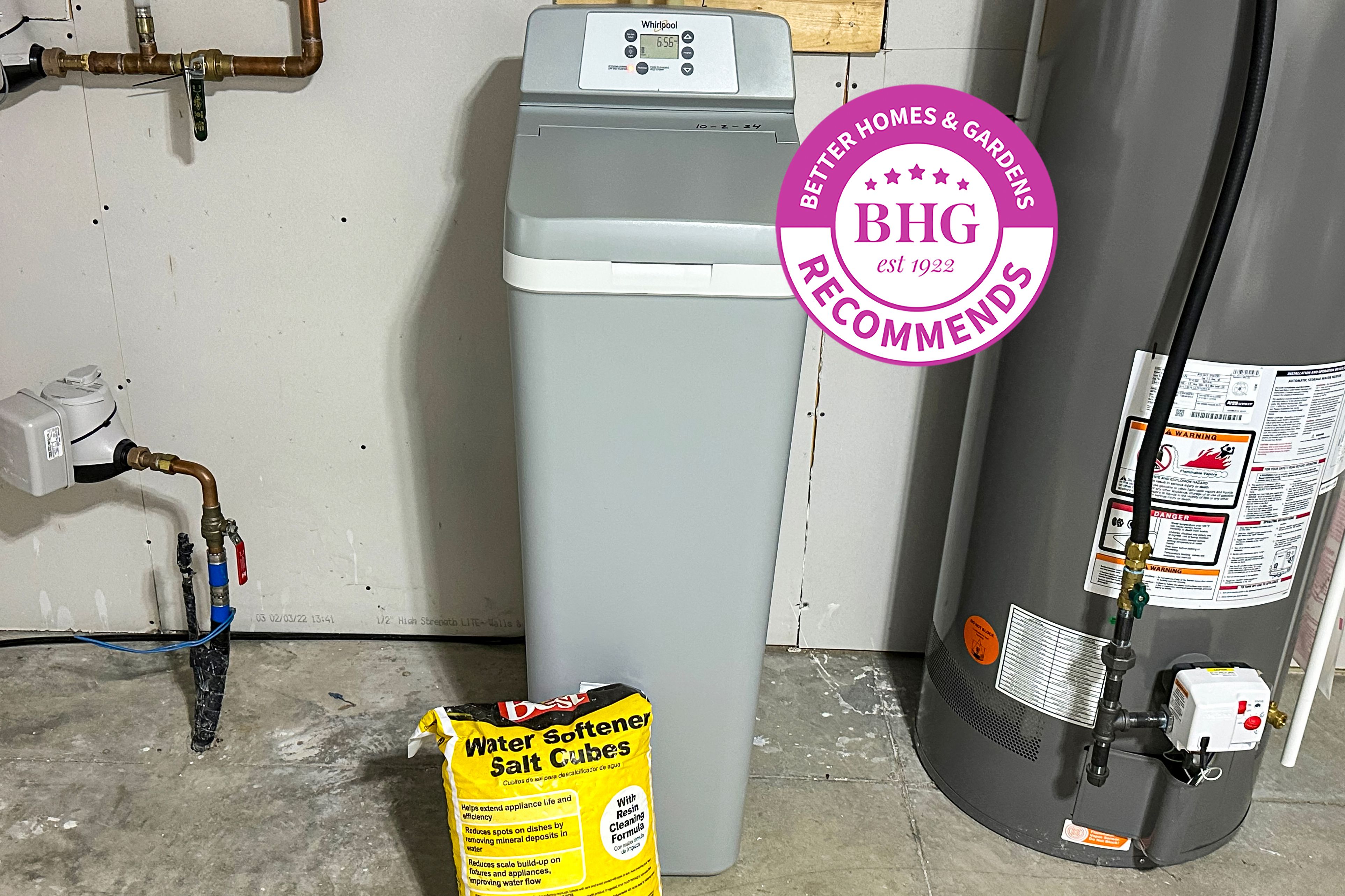
In 2026, hard water is still a major concern for many American homes. The minerals calcium and magnesium, while natural, cause serious problems. They build up as scale inside your pipes and appliances. This reduces efficiency and shortens the life of your water heater, dishwasher, and washing machine. Softened water also makes your skin and hair feel better by washing away mineral residue.
Choosing the right water softener protects your investment in home appliances and improves daily life. Understanding the different types and how they work is key. This guide will help you make an informed decision for your household needs and water quality.
| System Type | How it Works | Maintenance | Pros | Cons |
| Salt-Based (Ion Exchange) | Swaps hardness minerals for sodium | Add salt every 4-6 weeks | Most effective softening | Requires salt, brine discharge |
| Salt-Free Conditioners | Alters mineral structure to prevent scale | Low maintenance, no salt | No salt needed, environmentally friendly | Less effective for very hard water |
| Dual-Tank Systems | Continuous soft water supply | Salt refills, tank alternation | No downtime, consistent soft water | Higher initial cost |
| Magnetic/Electronic Descalers | Uses electromagnetic fields | Minimal, external attachment | Easy to install, inexpensive | Inconsistent performance, doesn’t remove minerals |
How Water Softeners Remove Hardness
The primary goal of a water softener is to combat the effects of hard water. Hard water contains high levels of dissolved minerals, mainly calcium and magnesium. These minerals are the culprits behind scale buildup in your plumbing and appliances. They can also leave spots on dishes and make soap less effective. Water softeners work by removing these minerals from your water supply.
This process not only protects your home’s infrastructure but also improves the quality of your water for everyday use. Understanding how different systems achieve this mineral removal is crucial for selecting the best option for your home.
Salt-Based Water Softeners Explained
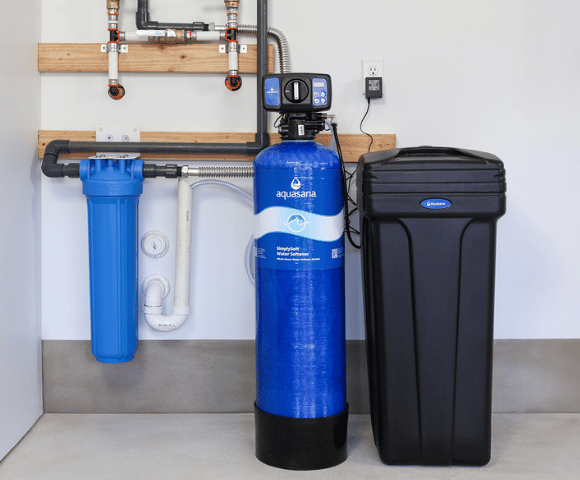
Salt-based water softeners, also known as ion exchange systems, are the most common and effective type. They use a resin bed coated with sodium ions. As hard water flows through the resin tank, the calcium and magnesium ions are attracted to the resin and exchanged for the sodium ions. This process effectively removes the hardness minerals from your water.
The regeneration cycle is vital for salt-based systems. Periodically, the resin bed needs to be flushed with a brine solution (salt and water). This brine washes away the accumulated hardness minerals and recharges the resin with fresh sodium ions, preparing it for the next softening cycle. Regular salt replenishment is necessary, typically every 4-6 weeks, depending on your water hardness and usage.
These systems provide true water softening, ensuring your appliances are protected and your water feels softer. Proper water softener sizing is important to ensure the system can handle your household’s demand without frequent regeneration.
Salt-Free Water Conditioners Overview
Salt-free water conditioners offer an alternative for those who want to avoid salt. These systems do not actually remove minerals like calcium and magnesium. Instead, they use a process, such as Template-Assisted Crystallization (TAC), to alter the minerals’ structure. This change prevents them from sticking to surfaces and forming scale.
While they don’t require salt refills and are generally low maintenance, their effectiveness can vary. In areas with extremely hard water, salt-free conditioners may not provide the same level of scale prevention as salt-based systems. They are a good option for reducing scale but may not achieve ‘true’ softening.
Dual-Tank Water Softeners for High Demand
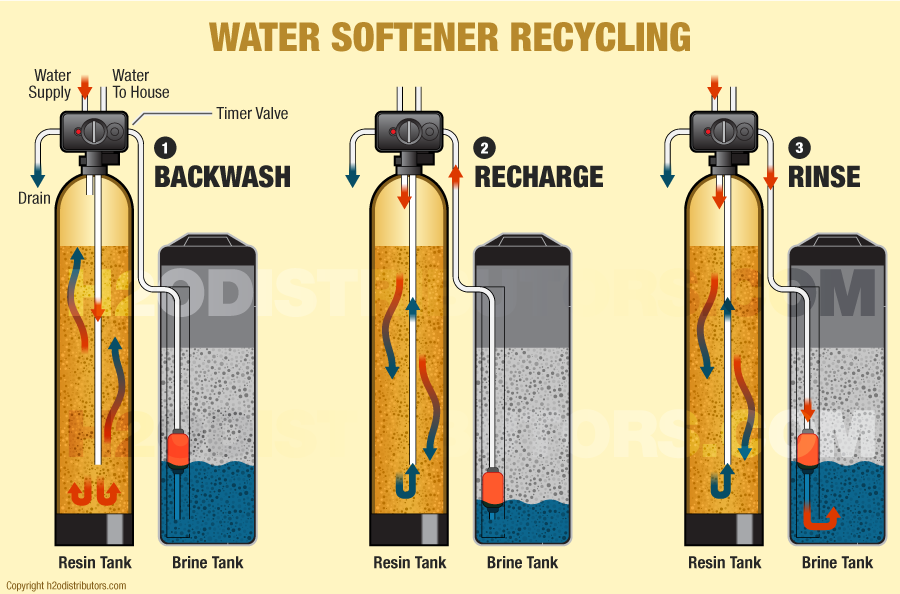
For households with high water usage, a dual-tank system is an excellent choice. These systems feature two resin tanks. One tank is actively softening water while the other is in standby or undergoing regeneration. This design ensures that you always have a supply of soft water available, even during the regeneration cycle.
This continuous availability is a major advantage over single-tank systems, which can experience downtime. Dual-tank systems are ideal for larger families or homes with multiple bathrooms and high water-using appliances. They offer reliable performance and consistent soft water, minimizing any interruption to your daily routine.
Choosing the Right Water Softener Size
Selecting the correct water softener size is critical for optimal performance and efficiency. An undersized unit will regenerate too often, wasting salt and water, while an oversized unit may not regenerate enough, leading to hard water issues. The capacity is measured in grains of hardness removed per regeneration cycle.
A common guideline for water softener sizing involves calculating your daily water usage and your water’s hardness level in grains per gallon (GPG). For example, a family of four using about 300 gallons per day with water hardness of 10 GPG would need a softener with a capacity of at least 3,000 grains per day. A common recommendation for a family of four is a unit with a capacity between 32,000 and 40,000 grains.
Smart Water Softeners with App Control
In 2026, smart water softeners are becoming increasingly popular. These advanced systems offer convenience and better monitoring through Wi-Fi connectivity. They can connect to your home network and send alerts to your smartphone or tablet.
Features like low salt notifications, leak detection, and usage monitoring provide peace of mind. Some smart models even adjust regeneration cycles based on your actual water usage, optimizing salt and water efficiency. This technology makes water softener maintenance simpler and more proactive.
These smart features enhance the user experience, allowing for remote management and early detection of potential issues. They represent a significant step forward in home water treatment technology.
Water Softener Installation Cost Factors
The cost of installing a water softener can vary. Professional installation is often recommended because it involves plumbing work and ensuring the system is correctly connected to your water supply. This expertise ensures the system operates efficiently and safely.
Factors influencing installation cost include the complexity of your home’s plumbing, the type of system being installed, and the labor rates in your area. Generally, you can expect professional installation costs to range from $1,000 to $2,000. This price typically includes labor and any necessary fittings or materials.
Benefits of Soft Water for Appliances
One of the most significant benefits of a water softener is the protection it offers to your home’s appliances. Hard water minerals create scale buildup inside water heaters, dishwashers, washing machines, and coffee makers. This scale acts as an insulator, reducing the efficiency of heating elements and increasing energy consumption.
Over time, scale buildup can lead to premature appliance failure. By removing hardness minerals, softened water prevents this scale formation. This extends the lifespan of your appliances and helps them operate more efficiently, saving you money on energy bills and replacement costs. It’s a worthwhile investment for any homeowner.
The Expert Verdict: Water Softeners in 2026
Water softeners remain a crucial component of modern home maintenance in 2026. The ongoing issues of hard water necessitate effective solutions for appliance protection and improved water quality. While technology continues to evolve, the fundamental benefits of removing hardness minerals are undeniable.
Salt-based systems continue to be the gold standard for true softening, but advancements in salt-free conditioners and smart features offer compelling alternatives. For homeowners facing hard water problems, investing in a properly sized and maintained water softener is a practical decision that pays dividends in appliance longevity and everyday comfort. The benefits of soft water are clear and continue to make water softeners a wise choice for many households.
Your 3-Step Action Plan for Softer Water
Step 1: Test Your Water Hardness
Buy a simple test strip kit at any hardware store for under $10. Knowing your exact grains per gallon (GPG) is the first step to choosing the right system.
Step 2: Match the System to Your Home
For most homes with hard water above 7 GPG, a salt-based ion exchange system is the best bet. If you want low maintenance and have moderately hard water, consider a salt-free conditioner.
Step 3: Calculate the Right Size
Multiply the number of people in your home by 75 gallons per day, then multiply by your GPG. For a family of four with 10 GPG water, you need a 30,000-grain unit at minimum.
Frequently Asked Questions
Do water softeners waste a lot of water?
Yes, during regeneration a typical system uses 25 to 50 gallons per cycle. However, this is far less than the water wasted by appliances damaged by scale buildup.
Can I install a water softener myself?
It is possible but requires cutting into your main water line and installing a drain for regeneration. Most homeowners hire a plumber to ensure proper setup and avoid leaks.
Will softened water make my skin feel slippery?
Yes, that slippery feeling means the soap is lathering fully without mineral interference. It rinses clean and leaves your skin and hair feeling smoother.
Choosing the right water softener protects your home and your family’s comfort. A salt-based system remains the most reliable solution for truly hard water.
Start by testing your water hardness today and compare a few models within your budget. Your appliances and your skin will thank you.
Imagine a home where your faucets stay spotless and your laundry feels softer. That peace of mind is just one smart purchase away.
