

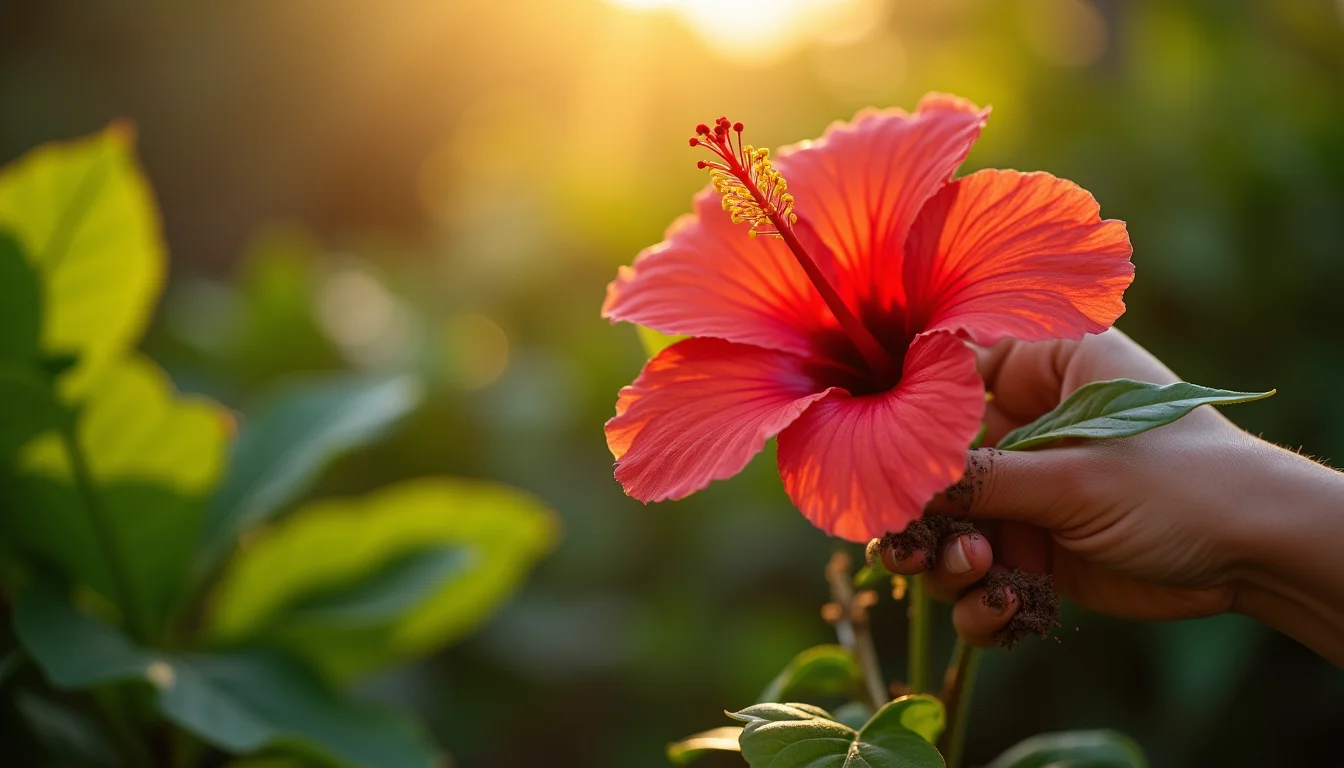
You love the look of big, vibrant hibiscus flowers, but every plant you bring home seems to die within weeks. The problem isn’t you—it’s that you might be treating a tropical variety like a hardy one. Knowing the difference is the key to success.
Hibiscus plants are not all the same. Some need year-round warmth, while others can survive a freeze. The wrong care kills them fast. Let’s fix that right now.
Tropical vs. Hardy Hibiscus: Which One Do You Have?
The two main types of hibiscus are tropical hibiscus (Hibiscus rosa-sinensis) and perennial (hardy) hibiscus. Tropical varieties have glossy leaves and need temperatures above 50°F. They are the ones you see in pots on patios in summer.
Hardy hibiscus, like Hibiscus moscheutos and Hibiscus syriacus (rose of Sharon), can handle freezing winters. They die back to the ground each year and come back bigger. Their flowers can be as large as dinner plates.
The Hibiscus Flower: A 2026 Guide to Vibrant Blooms
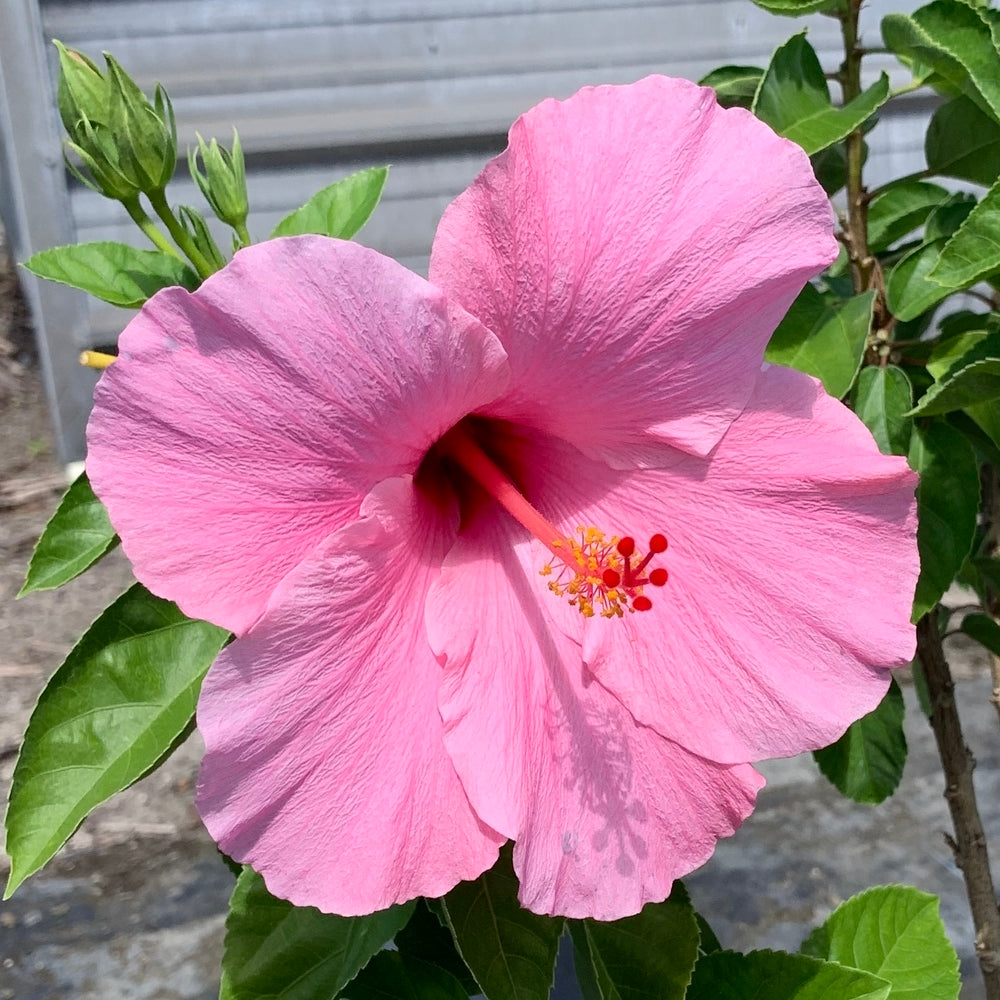
The hibiscus flower remains a beloved choice for adding tropical flair and bold color to gardens across the United States. In 2026, its popularity continues to soar, celebrated for its large, showy blooms and diverse varieties.
| Feature | Description |
| Genus | Hibiscus |
| Family | Malvaceae |
| Bloom Shape | Trumpet-shaped |
| Climate Preference | Warm, tropical, and subtropical |
| Key Species | Hibiscus rosa-sinensis (Tropical), Hibiscus sabdariffa (Roselle), Hibiscus moscheutos (Hardy) |
| Lifespan of Bloom | 1-2 days |
| Pollen Concern | Can be an allergen |
Tropical Hibiscus Varieties
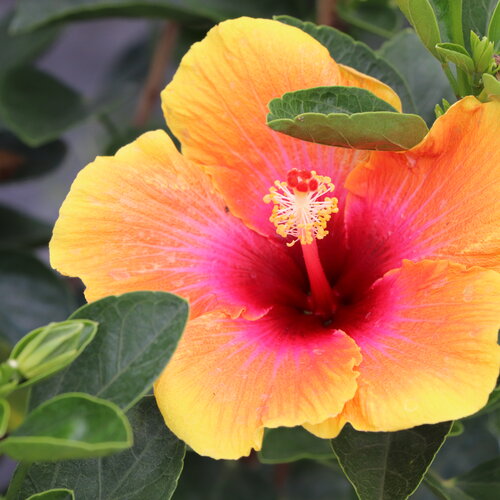
Tropical hibiscus, scientifically known as Hibiscus rosa-sinensis, brings the essence of paradise to warmer regions. These varieties feature glossy leaves and require consistently warm temperatures. They are not frost-tolerant, making them ideal for southern states or as container plants that can be moved indoors during colder months. Expect stunning blooms in classic reds and vibrant pinks.
Many cultivars exist, offering a spectrum of colors. Some may even present intricate multi-toned patterns. These plants thrive in full sun and well-draining soil, providing a continuous display of color throughout the growing season.
Read also: Hibiscus blooms fall off in one day? That’s actually normal
Hardy Hibiscus for Cold Climates
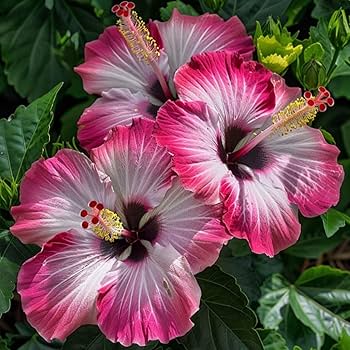
For gardeners in cooler climates, hardy hibiscus offers a spectacular solution. These perennial types, often including species like Hibiscus moscheutos, can withstand freezing temperatures. They die back in winter but return vigorously each spring, often producing exceptionally large, ‘dinner-plate’ sized flowers.
These resilient plants are a fantastic way to enjoy hibiscus blooms even in areas with harsh winters. Their robust nature makes them a reliable choice for landscape designs aiming for dramatic floral impact. Look for varieties known for their impressive flower size and vibrant hues.
Growing Hibiscus in Pots
Container gardening with hibiscus is a versatile option, especially for those with limited space or living in cooler climates. Use a large pot with good drainage. A mix of potting soil and compost works well for most hibiscus plant types.
Potted hibiscus require regular watering, especially during hot weather. Feeding them with a balanced liquid fertilizer every few weeks during the growing season will encourage abundant flowering. This method allows you to control the environment and move the plant as needed.
Hibiscus Tea: Health Benefits
Beyond their beauty, certain hibiscus species offer more. The calyces of Hibiscus sabdariffa, known as roselle, are dried to create a popular herbal tea. This deep-red infusion is renowned for its tart flavor and potential health benefits.
Research suggests that hibiscus tea may contribute to managing blood pressure and offers antioxidant properties. It is a refreshing, caffeine-free beverage enjoyed hot or cold. The cultivation of roselle for its calyces is a significant aspect of its use worldwide.
Hibiscus Flower Colors and Meanings
The vivid hibiscus colors carry symbolic weight. Red hibiscus often symbolizes passion and love, while pink can represent friendship and gentleness. Yellow hibiscus might signify happiness and good fortune.
The meaning can vary culturally, but universally, these flowers are associated with beauty and femininity. Their ephemeral nature, with blooms lasting only a day or two, adds to their preciousness. Incorporating different hibiscus colors into your garden creates a dynamic visual narrative.
Hibiscus Care: Sunlight and Water
Proper care is essential for thriving hibiscus. Most varieties need at least six hours of direct sunlight daily to produce abundant blooms. Ensure your planting location receives ample sun exposure.
Watering is crucial. Keep the soil consistently moist but not waterlogged. Allow the top inch of soil to dry out slightly between waterings. Good drainage is key to preventing root rot, a common issue for hibiscus care.
Hibiscus Pollen and Stamen Structure
The distinctive hibiscus stamen structure is a notable botanical feature. A prominent, elongated column extends from the center of the bloom, tipped with pollen-bearing anthers. While beautiful, hibiscus pollen can be an allergen for some individuals.
For those sensitive to pollen, consider planting varieties known to produce less, or opt for double-flowered types where the pollen-producing parts are less exposed. The visual appeal of the stamen adds to the flower’s unique charm.
Ornamental Hibiscus in Landscaping
Ornamental hibiscus, particularly hardy types, are excellent choices for landscaping. They provide dramatic focal points and vibrant color. Use them as specimen plants, in borders, or mass plantings for a stunning effect.
Shrub hibiscus varieties, like Rose of Sharon (Hibiscus syriacus), offer a more compact form suitable for smaller gardens. Their adaptability and striking blooms make them a valuable addition to any US landscape design. Explore Hibiscus varieties for more ideas.
The Future of Hibiscus: Enduring Appeal
The hibiscus flower’s journey from tropical landscapes to diverse garden settings is a testament to its enduring appeal. In 2026, we see continued innovation in breeding hardier, more resilient varieties. The demand for both ornamental beauty and functional uses, like hibiscus tea, remains strong.
My recommendation is to choose the hibiscus type that best suits your climate and space. Proper care, focusing on sunlight and water, will reward you with spectacular blooms. For those seeking a touch of the exotic or reliable color, hibiscus is an unparalleled choice. Learn more about growing hibiscus.
How to Grow Stunning Hibiscus This Year
Your 3-Step Action Plan
- Choose the right type for your climate. If you live where it freezes, pick hardy hibiscus like rose of Sharon. If you want year-round blooms indoors, go with tropical hibiscus.
- Give it full sun and consistent water. Hibiscus flowers need at least six hours of direct sunlight daily. Water deeply when the top inch of soil feels dry, but don’t let the roots sit in soggy ground.
- Fertilize weekly during the growing season. Use a balanced fertilizer with high potassium to encourage more blooms. Stop feeding in late fall to let the plant rest.
What to Avoid
- Don’t overwater. Yellow leaves often mean the roots are drowning. Let the soil dry out slightly between waterings.
- Don’t prune too late. Tropical hibiscus blooms on new growth, so prune in early spring. Hardy types should be cut back after the first frost.
- Don’t ignore pests. Aphids and whiteflies love hibiscus. Spray them off with water or use insecticidal soap.
Frequently Asked Questions
Why are my hibiscus flowers falling off after one day?
This is normal behavior for hibiscus. Each bloom lasts only 24 to 48 hours, so don’t worry if you see flowers drop quickly.
Can I grow hibiscus in a pot indoors?
Yes, tropical hibiscus does well in containers with good drainage. Place it in a bright south-facing window and water when the topsoil dries out.
What’s the difference between tropical and hardy hibiscus?
Tropical hibiscus has glossy leaves and stays green year-round in warm climates. Hardy hibiscus dies back to the ground in winter and returns with huge flowers in summer.
Choosing hibiscus brings a touch of the tropics to your home or garden. Their bold blooms reward you with color all season long.
Start with one plant in a sunny spot and see how easy it is. Next, try adding a second variety to extend your bloom time.
Imagine your patio framed with giant red flowers next summer. That beauty is just a few weeks of care away.
